Automatic Chatbot Learning for Service

AI chatbot automatic learning and updating is a system where your chatbot improves from every customer interaction, much like a human agent. You face rising customer demands for instant, 24/7 support. However, scaling a human customer support team for this service is expensive.
This is where chatbot automation excels. With AI, automated chatbots from Sobot enable this continuous learning. This automation transforms your support. What if your AI chatbot could become your most knowledgeable service agent, adapting with all customer interactions?
Understanding Automatic Chatbot Learning
Automatic learning transforms a simple chatbot into an intelligent service partner. This process is not magic; it is a logical cycle of data analysis and optimization. You can empower your chatbot with artificial intelligence to improve its service with every customer conversation. This automation makes your support smarter and more efficient.
The Core Mechanism: From Data to Dialogue
The learning process for a chatbot begins with data. Every time a customer has one of their interactions with your chatbot, valuable information is created. The AI system collects this data to recognize patterns in customer questions and successful answers. This allows the chatbot to optimize its responses for future interactions.
Pro Tip: You can accelerate this initial learning. Modern platforms like Sobot allow you to build a powerful knowledge base from your existing documents. You can use articles, PDFs, and text snippets to give your chatbot a foundation of knowledge from day one, speeding up its path to becoming a service expert.
Key Technologies: NLP and Machine Learning
Two core technologies drive this powerful automation: Natural Language Processing (NLP) and Machine Learning (ML).
-
Natural Language Processing (NLP): This branch of artificial intelligence gives your chatbot the ability to understand human language. Using NLP, the chatbot can analyze a customer's message to figure out their true intent and even detect their emotional tone. Natural language processing is what allows the chatbot to understand the difference between "Where is my order?" and "I'm unhappy with my order."
-
Machine Learning (ML): This is the engine that powers the learning. Machine learning chatbots use ML algorithms to analyze the outcomes of interactions. The ML system learns which replies solved a customer's problem and which did not. This continuous learning helps the AI chatbot improve its performance over time.
The Cycle of AI Chatbot Automatic Learning and Updating
The process of ai chatbot automatic learning and updating is a continuous improvement loop. This cycle ensures your conversational AI constantly gets better at providing excellent service. Here is how the automation works:
- Interaction: A customer starts a conversation with the chatbot.
- Understanding: The AI uses natural language processing (NLP) to analyze the input and understand the customer's goal.
- Response: The chatbot generates the most appropriate answer based on its current knowledge.
- Feedback: The system analyzes the user's reaction to the response. This feedback, whether direct or indirect, is crucial for learning.
- Optimization: The ML models use this feedback to refine future interactions, making the conversational AI more accurate and helpful.
This ongoing cycle of ai chatbot automatic learning and updating ensures your AI chatbots deliver increasingly effective customer interactions and superior service.
The Business Case for Chatbot Automation
Implementing chatbot automation is a strategic business decision. It moves your customer service from a cost center to a value driver. You can enhance customer service, improve efficiency, and grow your revenue. An intelligent chatbot that learns from interactions provides a strong return on investment. This automation is key to building a modern, customer-centric operation.
Achieve 24/7 Expert Support at Scale
Your customers expect answers at any time, day or night. Meeting this demand with human agents is challenging, especially during peak shopping seasons or unexpected events. Chatbot automation offers a scalable solution. An AI chatbot provides consistent, high-quality service around the clock without getting tired or overwhelmed.
AI systems maintain steady performance even when inquiry volumes are high. This means your customers never have to wait long for support. This consistent availability directly improves customer satisfaction. During busy periods, AI-powered chatbots can reduce your need for extra staff by up to 68%, managing the workload with great efficiency. This allows your human agents to focus on more complex customer issues.
| Metric | Improvement |
|---|---|
| Inquiries resolved instantly | 70% |
| Availability | 24/7 coverage |
This level of 24/7 support ensures every customer receives immediate attention, building trust and loyalty in your brand.
Deliver Hyper-Personalized Customer Experiences
Today's customer wants to feel understood. Generic interactions can be frustrating and may drive them away. In fact, 71% of consumers feel frustrated by impersonal experiences. Chatbot automation allows you to deliver the personalization that customers crave. A learning chatbot uses data from past interactions to create tailored conversations.
Your chatbot can remember a customer's purchase history, previous questions, and preferences. This allows it to offer personalized recommendations and relevant support. This level of personalization has a huge impact on your business.
Did You Know? 💡
- 80% of consumers are more likely to buy from brands that offer personalized experiences.
- 91% are more likely to shop with brands that provide relevant offers.
- Increasing customer retention by just 5% can increase profits by 25% to 95%.
By using data from customer interactions, your conversational AI can create unique journeys for each user. This focus on personalization boosts customer satisfaction and drives revenue, as companies can generate up to 40% more revenue from it.
Drive Significant Operational Cost Reduction
One of the most compelling reasons to adopt chatbot automation is the significant reduction in operational costs. Hiring, training, and retaining a large customer support team is expensive. Automated chatbots handle a large volume of inquiries, which lowers your dependency on human agents for routine questions. This automation directly impacts your bottom line.
Platforms like Sobot are designed to maximize your efficiency, saving up to 50% on agent costs. This is achieved by letting the chatbot triage queries 24/7. Many businesses see a 70-90% cost reduction within just six months of implementing an AI chatbot.
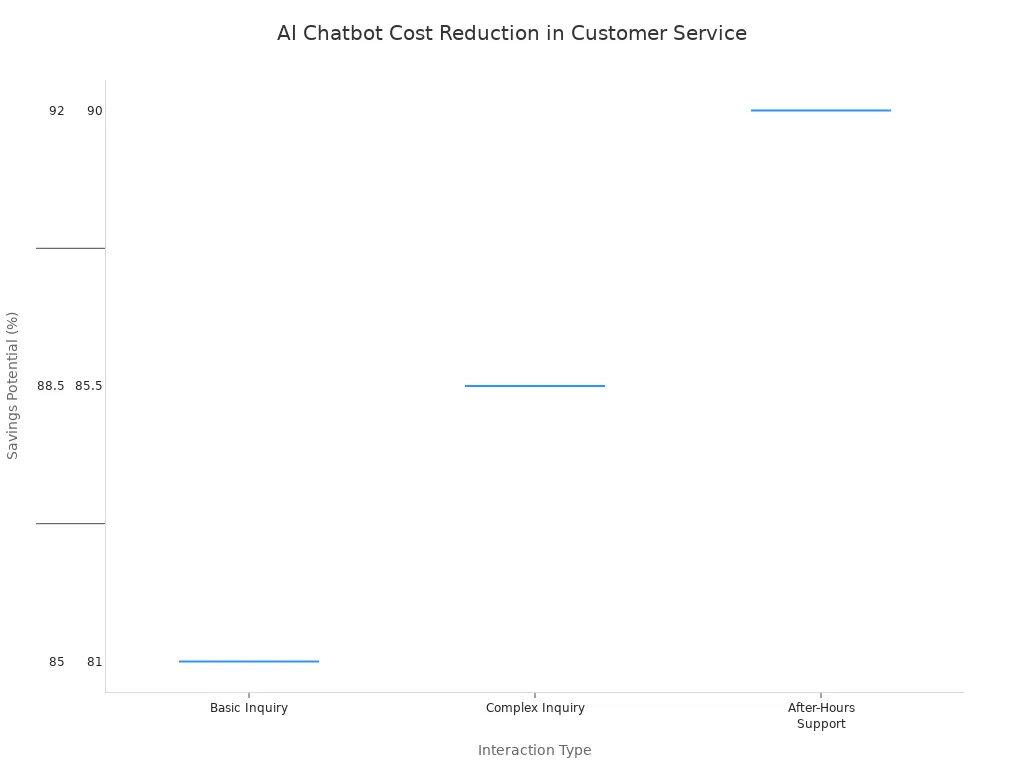
This automation also boosts the productivity of your existing team. With a chatbot handling repetitive tasks, your agents can focus on high-value interactions. Sobot helps you improve productivity by 70%, creating a more effective and motivated customer support team. The savings potential is clear across different types of customer interactions.
Enable Proactive Problem Solving and Lead Generation
A great chatbot does not just wait for a customer to ask a question. It can also be proactive. This means identifying potential issues before they escalate and creating new opportunities for engagement. This proactive approach transforms your customer service from reactive to strategic.
For example, a chatbot can proactively help a customer with:
- Order Tracking: A chatbot can see an order is delayed and provide the customer with real-time tracking information before they even ask.
- Account Assistance: For a financial service, a chatbot can help a customer respond to a fraud alert or check a recent transaction instantly.
- Onboarding Support: A chatbot can guide a new user through setting up a software product, reducing frustration and wait times.
Beyond support, proactive chatbot automation is a powerful tool for lead generation. By engaging visitors on your website with targeted messages, a chatbot can capture interest and qualify leads. For instance, Amtrak's virtual assistant handled over 5 million inquiries in one year, leading to a 25% increase in bookings. With Sobot, businesses can get 30% more leads through smart, proactive messaging. This turns your website from a passive brochure into an active sales and engagement tool.
Automatic Learning in Action: Real-World Service
The true power of automatic chatbot learning shines when you see it in action. Theory is one thing, but real-world results show how this technology transforms customer service across different industries. You can see how a learning chatbot moves from a simple tool to a strategic asset. It adapts to new challenges, handles complex inquiries, and drives business growth.
E-commerce: Adapting to New Product Questions
In the fast-paced world of e-commerce, your product catalog is always changing. New items arrive, and customers have immediate questions. An intelligent chatbot excels in this dynamic environment. When you launch a new product, your chatbot begins its learning process from the very first customer interaction.
Imagine you add a new line of smartwatches to your store. Your chatbot, powered by AI, starts analyzing the initial questions:
- "Is the new watch waterproof?"
- "What is the battery life?"
- "Does it sync with an iPhone?"
With each question, the chatbot refines its understanding. It identifies successful answers and learns to provide them instantly. This automation ensures every customer gets accurate information without waiting for a human agent. The chatbot can also offer personalized recommendations based on a customer's previous interactions, boosting engagement and sales. This continuous improvement cycle enhances customer satisfaction and builds loyalty.
Finance: Handling Evolving Customer Inquiries
The financial service industry demands accuracy, security, and trust. Customers need quick answers to both simple and sensitive questions. An AI chatbot provides reliable support while adapting to evolving customer needs and strict regulations.
Initially, you might use a chatbot for common customer support tasks. Customers frequently use chatbots for technical support (60%) and inquiries about existing accounts (53%). For example, a customer can use a voice or text command to check their credit score, transfer money, or dispute a transaction.
However, the role of the chatbot is expanding. Financial institutions now use AI automation for revenue-generating activities. Your chatbot can answer questions about new products, process loan applications, and even provide initial investment advice. This shift turns your customer support tool into a sales and advisory channel. To manage this, the chatbot must stay compliant.
How Financial Chatbots Stay Compliant
Your chatbot maintains compliance through deep integration and continuous monitoring. It connects with your core platforms like CRM and ERP to access and log data securely. This allows for:
- Regulatory Intelligence: The AI tracks rule changes and alerts you to their impact on your internal controls.
- Continuous Monitoring: The chatbot monitors data streams and flags anomalies that exceed risk thresholds, initiating dialogue when necessary.
- Personalized Coaching: The AI provides tailored compliance guidance to your team based on their roles and responsibilities.
This intelligent automation ensures your financial service remains secure and trustworthy, which is essential for building lasting customer relationships and improving customer satisfaction.
OPPO's Success with Sobot's Chatbot
Leading smart device innovator OPPO provides a powerful example of AI in action. The company faced huge spikes in customer inquiries during peak shopping seasons. This overwhelmed their human agents and led to long wait times, creating a poor customer experience. Their service channels were also disconnected, preventing a unified view of customer interactions.
To solve these issues, OPPO partnered with Sobot to implement an advanced chatbot and ticketing system. This created a seamless human-machine cooperation model for their customer support.
The results were transformative. The Sobot chatbot handled the high volume of repetitive questions, achieving an 83% independent resolution rate. This automation freed human agents to focus on complex problems that required a human touch. The improved efficiency and quality of service led to a 94% positive feedback rate from customers.
This powerful combination of automation and expert human support had a direct impact on the business. By delivering fast, accurate, and personalized interactions, OPPO built stronger customer relationships. This improvement in customer satisfaction was a key driver behind a 57% increase in their repurchase rate. The ai chatbot automatic learning and updating system ensured the chatbot became more effective with every customer interaction, turning their customer service into a powerful engine for loyalty and growth. OPPO's story shows how the right chatbot solution delivers exceptional service and measurable business results.
Implementing Your Learning Chatbot with Sobot
Putting an intelligent chatbot to work is a strategic process. You can turn your customer service into a powerful growth engine with careful planning. This guide will walk you through implementing a learning chatbot using a platform like Sobot. This chatbot automation will transform your customer interactions.
Defining Service Goals and KPIs
Before you build your chatbot, you need to define what success looks like. Clear goals guide your strategy and help you measure performance. You should set Specific, Measurable, Achievable, Relevant, and Time-bound (SMART) goals for your customer support. For example, you might aim to increase your self-service resolution rate to 40% in the next quarter.
Key Performance Indicators (KPIs) help you track progress. Important metrics for chatbot service include:
- Resolution Rate: The percentage of customer issues your chatbot solves without human help.
- Chat Volume: The total number of interactions your chatbot handles.
- Human Takeover Rate: The frequency at which the chatbot transfers a conversation to a live agent for complex support.
Monitoring these KPIs helps you understand your chatbot's effectiveness and its impact on customer satisfaction.
Choosing a No-Code, Omnichannel Platform
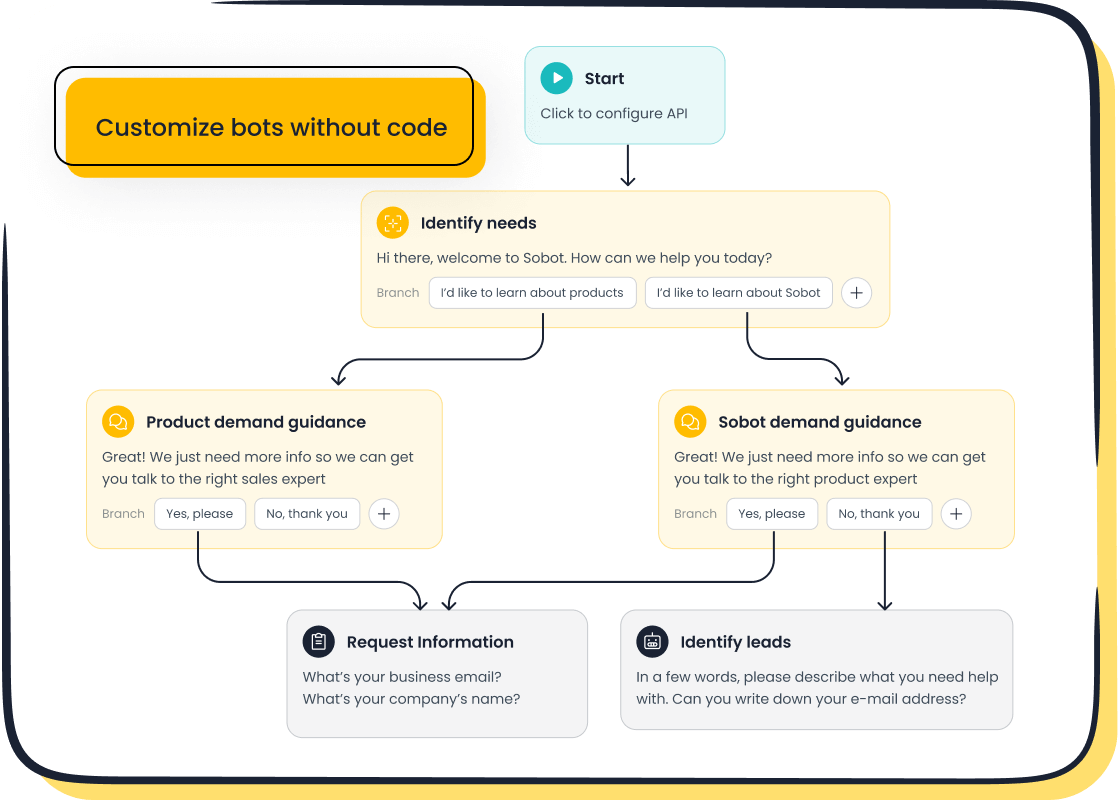
The right platform makes all the difference. You need a solution that is both powerful and easy to use. A no-code platform like Sobot allows your team to build and manage a chatbot without any programming knowledge. The point-and-click interface lets you design conversational flows visually.
Your platform must also provide omnichannel support. Customers expect to connect with you on their preferred channels, like WhatsApp, SMS, or social media. An omnichannel chatbot ensures a seamless experience across all touchpoints. Sobot offers a complete contact center solution, integrating your chatbot with live chat, a voice call center, and a ticketing system. This automation creates a single, unified view of all customer interactions.
Building and Integrating Your Knowledge Base
Your chatbot is only as smart as the information you give it. A strong knowledge base is the foundation for its learning. You can start by collecting your existing support documents, FAQs, and product guides. Organize this content into clear, simple sections.
Modern platforms like Sobot make this process easy. You can upload articles, PDFs, and other text files to build your chatbot's brain. The AI uses this information to provide accurate answers from day one. This initial setup accelerates your chatbot's ability to handle customer service inquiries effectively.
Monitoring Performance and Supervising Learning
Your chatbot's launch is just the beginning. Continuous improvement requires human supervision. You must monitor your chatbot's performance and guide its learning. This involves reviewing conversation logs to see where the chatbot succeeded and where it struggled.
Human-in-the-Loop 🧑💻 Human oversight is essential for trustworthy AI. Your team can review and approve AI-generated responses, correct mistakes, and identify gaps in the knowledge base. This feedback loop is fed back into the system, making the chatbot smarter with every interaction. This supervision ensures your automated chatbots provide accurate and helpful support.
This active management ensures your conversational AI evolves with your customer needs, improving the quality of your service and customer engagement over time.
You can create a resilient and efficient service operation with chatbot automation. The process of ai chatbot automatic learning and updating transforms your customer support. This continuous learning improves customer satisfaction. AI chatbots handle customer interactions, which boosts customer satisfaction and loyalty. This AI-powered chatbot automation delivers excellent service and drives down costs. Your customer will appreciate the better support, leading to higher customer satisfaction.
Embark on Your Contact Journey 🚀 Explore Sobot's AI Chatbot solution. You can schedule a demo to see its powerful learning capabilities improve your service and customer satisfaction.
FAQ
How long does it take to set up a learning chatbot?
You can set up your system quickly. With Sobot's no-code platform, you use a point-and-click interface to design and deploy your automations. You can build a powerful knowledge base from existing files, which accelerates the initial learning process and gets your service running faster.
Can the chatbot speak multiple languages?
Yes, it can. Sobot's AI is multilingual, allowing you to interact with each customer in their preferred language. This feature helps you provide excellent, personalized support to a global audience and improve their experience with your brand.
What happens if the chatbot cannot answer a question?
The system ensures every inquiry is resolved. If the chatbot cannot find an answer, it seamlessly transfers the conversation to a human agent. This human-machine cooperation model guarantees that your users always receive the help they need for complex issues.
See Also
Effortlessly Deploying Effective Chatbot Examples On Your Website
Building Successful Website Chatbots To Enhance User Experience
Simple Steps To Construct A Chatbot For Your Site
Selecting The Optimal Chatbot Software For Your Business Needs
Achieving Excellence In Live Chat Customer Service Operations

