AI Chatbot Applications in Ecommerce A Guide

An AI chatbot is an essential tool for your e-commerce business. You can automate customer support and boost sales. A great chatbot creates a personalized shopping experience for your customers. This guide explores powerful ai chatbot applications in ecommerce. You will see how an e-commerce chatbot provides automated support and improves the customer experience.
An automated chatbot like Sobot can help you:
- Offer instant, personalized product recommendations.
- Automate order tracking and shipment status.
- Provide 24/7 help for all customers.
These AI tools for ecommerce use AI to transform your ecommerce operations. This AI technology offers powerful tracking for your e-commerce store. The right chatbot and AI make your ecommerce site better.
Core AI Chatbot Applications in Ecommerce
AI chatbot applications in ecommerce cover every stage of the customer journey. You can use a chatbot to answer questions, guide purchases, and provide support after a sale. This helps you create a smooth and helpful shopping experience. Let's explore the core applications for your e-commerce store.
Pre-Purchase: Product Questions & Recommendations
Before a purchase, your customers have questions. An AI chatbot gives them instant answers. This prevents them from leaving your site to find information elsewhere. The chatbot uses powerful AI technology to understand what a person is asking.
- Natural Language Processing (NLP): This allows the chatbot to understand human language. It breaks down sentences to recognize keywords and user intent.
- Context Awareness: A smart chatbot remembers details from the conversation. This creates a natural and seamless flow, improving customer engagement.
- Semantic Analysis: The AI understands the meaning behind words. If a customer asks for a "good camera for travel," the chatbot knows this means lightweight, long battery life, and good zoom, even if the customer doesn't say so.
Once the chatbot understands the customer's needs, it can offer personalized product recommendations. Top e-commerce brands like Amazon use AI to suggest products based on browsing history and past purchases. Your e-commerce chatbot can do the same. It acts as a virtual shopping assistant, guiding customers to the perfect item. This process boosts their confidence and encourages a purchase. These AI tools for ecommerce are vital for converting browsers into buyers.
During Purchase: Cart Abandonment & Guidance
A shopper adds items to their cart but leaves your site without buying. This is a common problem in e-commerce. An AI chatbot can help you with abandoned cart recovery. The chatbot can detect when a user is about to leave a page with items in their cart. It can then send a proactive message.
For example, the chatbot might offer a small discount, remind the shopper about their items, or ask if they need help completing the purchase. This simple engagement can bring back many abandoned sales.
An AI chatbot also acts as a guide during the checkout process. It can break down the steps for customers. This real-time guidance helps prevent errors in shipping information or payment details. A smooth checkout process reduces frustration and ensures more abandoned carts turn into completed orders. This is one of the most valuable ai chatbot applications in ecommerce. You make the final step of the sale easy for your customers.
Post-Purchase: Order Tracking, Returns & Support
Your customer service work does not end after a sale. Customers want to know the status of their orders. An AI chatbot provides instant order tracking. Instead of contacting your customer support team, customers can simply ask the chatbot, "Where is my order?" The chatbot connects to your systems to give real-time updates. E-commerce companies like Cellbes reduced support tickets for order inquiries by 77% using this technology. This frees up your human agents for more complex issues.
Returns and exchanges are another critical part of post-purchase customer service. A chatbot simplifies this entire process.
- 24/7 Availability: Customers can start a return anytime, day or night.
- Automated Process: The chatbot guides customers through the return policy, verifies the order, and can even generate a shipping label automatically.
- Instant Updates: It provides real-time tracking for returned items and refund status, keeping customers informed.
This level of automation improves efficiency and customer satisfaction. For example, the jewelry brand EvryJewels achieved 89% automation in its customer support using AI. This shows how powerful AI tools for ecommerce can be for managing post-purchase tasks. You provide fast, accurate, and personalized experiences without overwhelming your team. The chatbot handles the repetitive work, making your ecommerce operations more efficient.
Engagement: Feedback & Personalized Promotions
Great customer engagement builds loyalty. An AI chatbot is an excellent tool for connecting with your customers after a purchase. You can use it to collect valuable feedback. The chatbot can ask customers about their shopping experience or product satisfaction in real-time.
When gathering feedback, timing is key. A chatbot can ask questions right after a successful delivery. This ensures the feedback is fresh and accurate. The AI can then organize this data, identify trends, and even analyze customer sentiment. This gives you actionable insights to improve your products and customer service.
The data you collect also fuels personalization. By understanding a customer's purchase history and feedback, your e-commerce chatbot can deliver personalized promotions. It can send targeted offers, announce new products related to past purchases, or provide special discounts to loyal customers. This creates a personalized connection that encourages repeat business and strengthens your brand. This level of conversational AI makes your marketing efforts smarter and more effective.
Key Business Benefits of AI Chatbots
Integrating an AI chatbot into your e-commerce strategy offers more than just automated answers. It provides significant business advantages that can drive growth, improve efficiency, and build stronger customer relationships. You can transform your operations by leveraging these powerful AI tools for ecommerce.
Increase Sales and Average Order Value
An e-commerce chatbot directly helps you increase sales and revenue. By providing instant support and personalized recommendations, a chatbot keeps potential customers engaged and guides them toward a purchase. Proactive engagement can lead to a sales increase of up to 67%. The chatbot uses AI to understand customer needs and suggest relevant products.
AI-powered upselling and cross-selling are key features. The chatbot can recommend premium upgrades or complementary items at the right moment, making the suggestions feel like helpful advice rather than an aggressive sales pitch. This boosts your average order value and enhances the customer experience.
Improve Customer Satisfaction and Loyalty
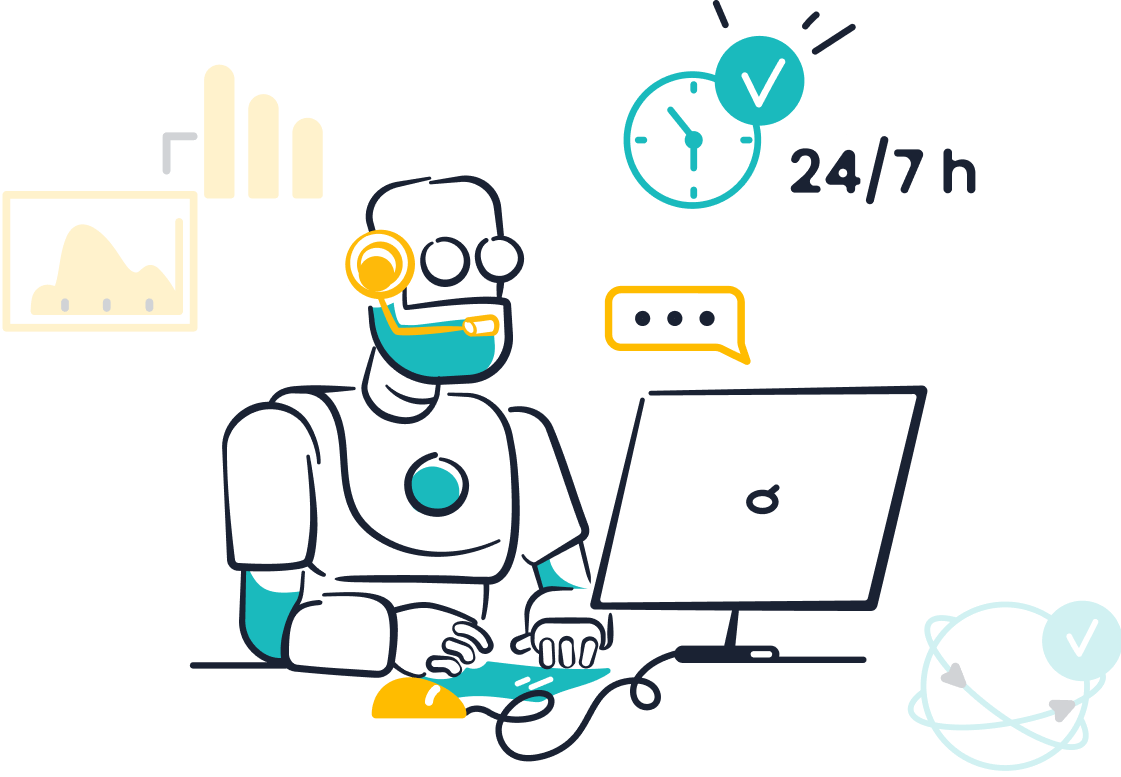
Happy customers are loyal customers. An AI chatbot improves customer satisfaction by providing instant, 24/7 support. Your customers no longer have to wait for business hours to get answers. This constant availability prevents frustration and shows you value their time. Quick resolutions and consistent service are crucial for building trust.
Personalized interactions also play a huge role in customer satisfaction. A chatbot can remember past conversations and preferences, making each engagement feel unique. This level of personalization makes customers feel understood and valued, which encourages repeat business and strengthens loyalty. Better support leads to higher satisfaction and a stronger brand reputation for your ecommerce business.
Reduce Operational Costs and Boost Efficiency
AI chatbots are a cost-effective solution for managing customer support. A chatbot can handle up to 80% of routine inquiries, such as questions about order status or return policies. This automation can reduce your overall customer support costs by 30-40%. Each interaction handled by a chatbot costs significantly less than one managed by a human agent.
This efficiency allows your human support team to focus on more complex issues that require a personal touch. By automating repetitive tasks, you reduce agent burnout and ensure your team's skills are used where they matter most. For example, Klarna's AI chatbot now does the work of 700 full-time agents, showing how AI can scale your customer service operations.
Gather Actionable Customer Insights
Every conversation your chatbot has with customers is a source of valuable data. These AI tools for ecommerce are excellent at collecting and analyzing information to give you actionable insights. You can use this data to make smarter business decisions for your ecommerce store.
Your chatbot can help you understand:
- Common customer pain points and recurring issues.
- Customer sentiment and satisfaction levels during interactions.
- Specific phrases that indicate buying intent or a risk of churn.
By analyzing these trends, you can identify opportunities to improve your products, marketing strategies, and overall customer journey. This data-driven approach is one of the most powerful ai chatbot applications in ecommerce, helping you stay ahead of the competition.
Top AI Tools for Ecommerce in 2026
Choosing the right AI tools for ecommerce can feel overwhelming. The market is full of options, each with unique strengths. Your goal is to find a platform that aligns with your business needs, whether you prioritize sales, support, or a combination of both. Understanding the landscape is the first step to making a smart decision for your e-commerce store.
Comparing Leading Chatbot Platforms
The AI chatbot market offers many specialized solutions. For example, some businesses choose Tidio for its user-friendly visual chatbot builder. Others prefer Gorgias because it integrates deeply with e-commerce platforms like Shopify. These tools are effective for specific needs. However, managing multiple single-purpose tools can create data silos and operational headaches.
A broader look at the market reveals a wide range of options for your ecommerce business.
| Platform | Best For | Standout Capability |
|---|---|---|
| Tidio | Small to mid-size ecommerce | Combines live chat and Lyro AI bot for faster responses |
| Gorgias | Shopify and D2C brands | Deep e-commerce integrations and unified customer view |
| Ada | Global customer service teams | Automates 80%+ of support chats with multilingual AI agents |
| Drift | B2B conversational sales | Real-time qualification and meeting booking for sales teams |
| ManyChat | Social media marketing | Visual builder for automated DMs on Instagram & WhatsApp |
While these platforms excel in their niches, you may need a more integrated solution. A comprehensive platform can unify your customer interactions and simplify your tech stack.
Sobot: The All-in-One E-commerce Chatbot
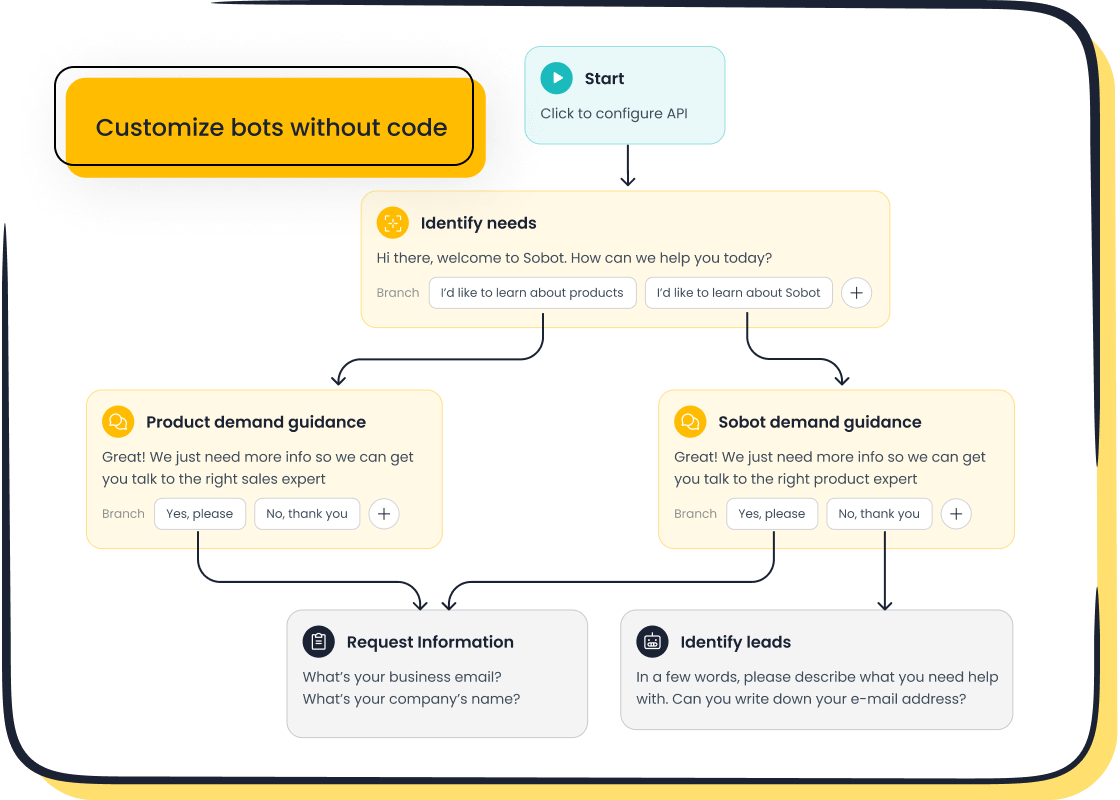
While specialized tools have their place, an all-in-one platform offers greater power and efficiency. Sobot provides a complete customer contact center solution designed for e-commerce. It unifies every customer touchpoint, from your website and mobile app to social media and marketplaces like Amazon.
The Sobot AI Chatbot is engineered to deliver measurable results for your ecommerce business. You can use this chatbot to:
- Improve productivity by 70% by letting the AI handle routine queries.
- Save up to 50% on agent costs with 24/7 automated support.
- Boost conversions by 20% through smart self-service and proactive messaging.
What makes Sobot stand out is its accessibility and power. You can design and deploy complex automations with a user-friendly, no-code interface. This means your team can build a powerful chatbot without writing a single line of code.
Sobot is more than just a chatbot. It is a full suite of integrated tools, including a live chat inbox, a voice call center, and an automated ticketing system. This multichannel approach ensures you can serve customers on their preferred channels. As an official WhatsApp Business Solution Provider (BSP), Sobot enables you to engage customers directly on the world's most popular messaging app. This unified platform eliminates data fragmentation and gives your team a single view of the customer.
Key Features to Look For in an AI Tool
As you evaluate AI tools for ecommerce, you should look for specific features that will drive growth and improve the customer experience. The best e-commerce chatbot platform will offer more than just basic answers. It will act as an intelligent agent for your brand.
Here are the essential features your chatbot should have in 2026:
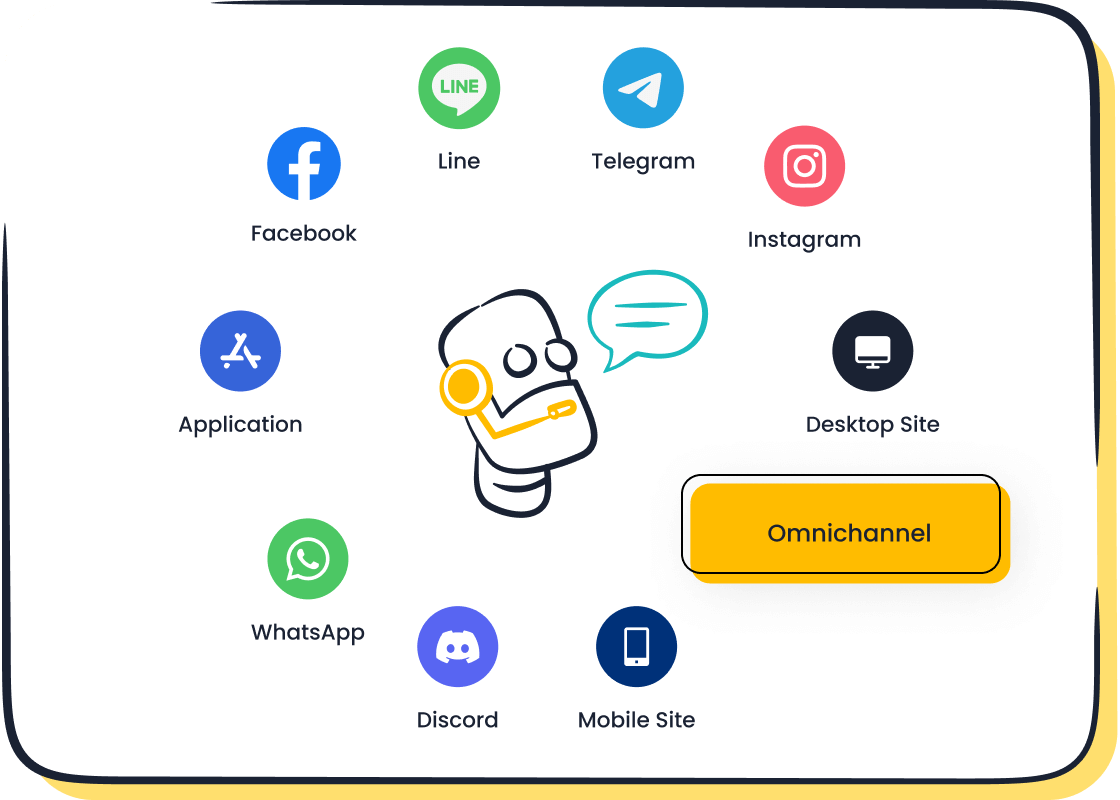
- Omnichannel and Multichannel Support: Your chatbot must connect with customers everywhere they are. This includes your website, social media, and messaging apps like WhatsApp and SMS.
- Seamless Human Handoff: The AI should handle common questions, but it must know when to transfer a conversation to a human agent. This transition should be smooth, with no need for the customer to repeat information.
- Deep E-commerce Integration: The platform must connect directly with your e-commerce systems (like Shopify), CRM, and ERP. This allows the chatbot to automate order tracking, process returns, and check inventory in real time.
- Multilingual Capabilities: To serve a global audience, your chatbot needs to communicate fluently in multiple languages, understanding local dialects and nuances.
- Advanced AI and Personalization: Look for an AI that can understand context, sentiment, and user intent. This enables hyper-personalized conversations, product recommendations, and promotions based on a customer's browsing history and past purchases.
- No-Code Interface: You should not need a team of developers to manage your chatbot. A user-friendly, drag-and-drop builder empowers your team to create and optimize conversation flows easily.
A chatbot with these capabilities becomes a core part of your e-commerce strategy. It transforms your customer support from a cost center into a revenue driver.
How to Choose the Right Chatbot for Your Store
Selecting the right chatbot for your e-commerce store is a critical decision. The best choice depends on your specific needs and goals. You should follow a clear process to find a solution that helps your business grow. This guide will walk you through the essential steps.
Step 1: Define Your Primary Business Goal
First, you must define what you want to achieve with a chatbot. A clear goal helps you measure success. Your primary objective will guide your selection of the right AI tools for ecommerce. Common goals for e-commerce businesses include:
- Reducing support costs: An AI chatbot can handle common questions, freeing up your human agents.
- Increasing sales and conversions: The chatbot can guide customers and recover abandoned carts.
- Improving customer satisfaction: Instant, 24/7 support makes your customers happier.
- Generating more qualified leads: A chatbot can capture and qualify potential leads automatically.
Step 2: Evaluate Essential E-commerce Features
Next, you need to evaluate the features of any e-commerce chatbot. Look for an AI solution that directly supports your ecommerce operations. The chatbot must integrate with your product catalog to give accurate recommendations. It should also use generative AI to understand what your customers are asking. This advanced AI ensures the chatbot provides helpful, human-like responses. A great user interface is also crucial for a positive experience.
Step 3: Consider Your Tech Stack and Budget
Your new chatbot must work with your existing systems. Seamless integration with your e-commerce platform, like Shopify or Magento, is essential. This allows the AI to access real-time order data and inventory levels. This connection ensures your chatbot provides accurate information without extra work from your team. You should also consider your budget. Find a solution that offers the features you need at a price that makes sense for your ecommerce business.
Step 4: Assess Ease of Implementation
Finally, think about how easy the chatbot is to set up and manage. You should not need a team of developers to make changes.
Look for a platform with a no-code, point-and-click interface. This empowers your team to build and optimize conversation flows quickly. A simple implementation process means you can start improving your e-commerce customer service faster.
Best Practices for Successful Implementation
Implementing an AI chatbot is more than just turning it on. You need a clear strategy to get the best results for your e-commerce business. Following these best practices will help you create a powerful tool that boosts sales and improves customer satisfaction.
Personalize Your Chatbot's Brand Voice
Your chatbot is a representative of your brand. You should create a well-defined persona for it. This ensures the chatbot provides a consistent and human-like customer experience. A personalized brand voice builds trust with your customers and increases engagement.
To create a unique voice for your chatbot, you should:
- Align its language and tone with your brand's image.
- Know your target audience and what resonates with them.
- Set rules for the conversation flow to maintain consistency.
- Use AI tools to fine-tune how your chatbot responds over time.
This makes your chatbot feel like a helpful assistant, not a robot. A personalized chatbot improves brand perception and customer engagement.
Ensure a Seamless Handoff to Human Agents
An AI chatbot should handle most routine questions. However, it must know when to transfer a complex issue to a human agent. This handoff needs to be smooth. Your customers should never have to repeat their problem. A seamless transition is key to maintaining high customer satisfaction. The chatbot should provide the human agent with the full conversation history.
Integrate with Your CRM and Business Systems
A powerful e-commerce chatbot integrates with your business systems. This connection allows the AI to access real-time data for order tracking and inventory checks. It creates a single, unified view of your customers.
For example, smart device leader OPPO used Sobot to integrate its global customer service channels and business systems. This human-machine cooperation allowed the chatbot to handle repetitive queries, freeing up agents for complex issues. The results were impressive: OPPO achieved an 83% chatbot resolution rate and saw a 57% increase in its repurchase rate. This shows how proper integration turns customer service into a driver for growth in e-commerce.
Analyze Performance and Optimize Regularly
You must track your chatbot's performance to ensure it meets your goals. Analyzing data helps you find areas for improvement. This optimization makes your conversational AI more effective over time. You can improve personalized responses and overall satisfaction.
Key metrics for tracking your e-commerce chatbot include:
- Resolution Rate: Does the chatbot solve customer problems?
- Customer Satisfaction (CSAT): Are your customers happy with the interaction?
- Conversion Rate: Is the chatbot helping turn browsers into buyers?
- Human Handover Rate: How often does the chatbot need help from an agent?
Regularly reviewing these numbers helps you refine your chatbot's performance and deliver better results for your ecommerce store.
AI chatbot applications in ecommerce help you improve customer support, drive sales with personalized recommendations, and simplify post-purchase tasks. Implementing the right AI chatbot is a strategic move for your e-commerce business. A great e-commerce chatbot enhances the customer experience and ensures sustainable growth in the competitive e-commerce landscape. The future of e-commerce relies on smarter AI creating responsive shopping for all customers. This chatbot technology helps your customers and boosts sales. These AI tools for ecommerce are essential. An AI chatbot is a powerful tool for your ecommerce store.
Ready to see how an AI chatbot can transform your e-commerce business? Learn more about Sobot's powerful chatbot solutions at sobot.io.
FAQ
What is the main purpose of an AI chatbot in e-commerce?
An AI chatbot automates your customer interactions. It solves common questions on its own. The chatbot also assists your support agents. This improves your team's productivity and makes your e-commerce store more efficient.
How does an AI chatbot help reduce costs?
A chatbot operates 24/7 without needing extra staff. It handles routine customer questions automatically. This can save you up to 50% on agent costs. Your team can then focus on more complex problems.
Do I need coding skills to set up a chatbot?
No, you do not need coding skills for a platform like Sobot.
Sobot's AI Chatbot uses a simple point-and-click interface. You can design and launch automated conversation flows easily. This makes powerful AI accessible for any e-commerce business.
Can a chatbot work on different channels like WhatsApp?
Yes, a good chatbot offers omnichannel support. The Sobot AI Chatbot connects with customers on their favorite apps. This includes your website, SMS, and social media channels like WhatsApp. You can provide seamless support everywhere.
See Also
Elevating E-commerce Customer Happiness Through Chatbot Integration
Selecting Optimal Chatbot Solutions: A Comprehensive Software Guide
Effortlessly Deploying Website Chatbots: Practical Implementation Examples