AI Chatbot for Ecommerce Trends to Watch

Gartner predicts chatbots will be a primary customer service channel for 25% of organizations by 2027. The global conversational AI market is projected to reach USD 41.39 billion by 2030, showing the power of AI. Adopting the latest AI chatbots trends is a critical strategy. These AI chatbots and chatbots define the future of customer engagement. A modern chat bot for ecommerce uses artificial intelligence. Businesses use AI chatbots, chatbots, and conversational AI to enhance the conversational experience. This aligns with Sobot's mission to improve efficiency with AI. This chatbot uses artificial intelligence and AI. These trends show the power of AI chatbots and chatbots.
Key Trends in Artificial Intelligence for Ecommerce
The landscape of online retail is undergoing a profound transformation, driven by rapid AI advancements. For ecommerce businesses, staying ahead means understanding and adopting the emerging trends that are reshaping customer interactions. These trends are not just about technology; they are about creating more human, efficient, and intelligent shopping experiences. The future of conversational AI is unfolding now, and these key developments are at its core.
Hyper-Personalization with Generative AI
Modern customers expect more than just a transactional relationship with brands. Data shows that 73% of consumers expect companies to understand their unique needs. Furthermore, 84% of customers are more inclined to purchase from brands that treat them as individuals. This is where hyper-personalization comes in. It goes beyond using a customer's first name in an email. It involves using artificial intelligence to create unique, one-to-one interactions at scale.
Generative AI is the engine driving this new level of personalization. This powerful artificial intelligence can analyze vast amounts of customer data—browsing history, past purchases, and even conversational patterns—to create truly bespoke experiences.
What does this look like in practice?
- Personalized Product Recommendations: An AI chatbot can suggest products based not just on what a customer viewed, but on the context of their conversational query.
- Dynamic Content: Brands like Kate Spade New York use generative AI to craft marketing messages that resonate with specific customer segments, enhancing loyalty.
- Contextual Adaptation: Companies can use AI to change product backgrounds based on a user's location or optimize images for their specific device, creating infinite variations from a single master asset.
This deep personalization makes the customer feel understood, fostering a stronger connection and driving repeat business. It is a cornerstone of modern conversational commerce.
Proactive Engagement with AI to Boost Sales
The days of passive customer support are over. Instead of waiting for a customer to ask for help, AI chatbots are now initiating helpful interactions. This proactive engagement is a powerful tool for boosting sales and improving user engagement. One of the most significant applications is in tackling cart abandonment, a persistent challenge in ecommerce.
AI chatbots can intelligently detect when a shopper is about to leave the site with items in their cart. They can then intervene with a timely, personalized message. This conversational interaction is far more effective than a simple pop-up.
- AI-powered reminders can cut cart abandonment by 20-30%.
- Visitors who engage with a proactive chat are 2.8 times more likely to convert.
- Businesses report that proactive chat can deliver a return on investment of 105%.
This proactive engagement extends beyond cart recovery. AI chatbots can offer assistance when a customer hesitates on a product page, provide personalized discount codes, or invite users to a conversational experience to answer questions. This approach transforms the chatbot from a simple tool into an active sales assistant, guiding the customer journey and boosting conversions. This is a key part of the future of conversational AI.
Multimodal and Voice-Powered Shopping
The way customers interact with technology is expanding beyond text. The rise of voice assistants and visual search is creating new opportunities for conversational commerce. These trends are pushing AI chatbots to become multimodal, meaning they can understand and communicate through various formats, including text, voice, and images.
Voice-Powered Shopping: Voice search is rapidly gaining traction. Nearly 50% of U.S. consumers have used voice for shopping, and voice-assisted sales have surged since 2021. Customers are using voice commands to:
- Research products (51% of online shoppers)
- Track orders (30% of online shoppers)
- Repurchase items (17% of online shoppers)
An advanced chat bot for ecommerce must have conversational AI capabilities to handle these natural language voice queries, making the shopping experience hands-free and seamless.
Multimodal Interactions: Multimodal AI combines different types of data to gain a deeper understanding of customer intent. This form of artificial intelligence allows for richer and more intuitive interactions.
| Capability | Example |
|---|---|
| Visual Search | A customer uploads a photo of a product, and the AI chatbot instantly finds similar items in stock. |
| Image Analysis | A user sends a picture of a damaged item, and the AI begins the return process automatically. |
| Virtual Try-On | AI uses a customer's image to show how a piece of clothing or accessory would look on them. |
These multimodal interactions make online shopping more intuitive and engaging, bridging the gap between the digital and physical worlds. This innovation is a clear indicator of the future of conversational AI.
Seamless Omnichannel Integration
Today's customer journey is not linear. A shopper might discover a product on social media, research it on a laptop, and ask a question via WhatsApp on their phone. They expect a consistent and connected experience at every touchpoint. In fact, 76% of customers expect consistent interactions regardless of the channel.
This is why seamless omnichannel integration is one of the most critical trends. It involves unifying all customer communication channels into a single, cohesive system. An isolated chatbot on a website is no longer enough. A truly effective conversational AI strategy requires that your AI chatbots, live agents, and communication systems are all interconnected.
Platforms like Sobot are built for this reality. They provide an all-in-one contact center solution that unifies channels like Live Chat, WhatsApp, voice calls, and ticketing systems into a single, AI-enhanced workspace. This ensures that when a customer switches from one channel to another, the context of their conversation moves with them. The result is a frictionless customer experience that builds trust and loyalty. This level of integration is essential for effective customer engagement.
The Future of Customer Service: AI-Human Hybrids
The rise of AI chatbots does not mean the end of human agents. Instead, the future lies in a powerful collaboration between artificial intelligence and human expertise. This AI-human hybrid model creates a customer support ecosystem that is both highly efficient and deeply empathetic.
In this model, AI chatbots serve as the first line of defense. They use artificial intelligence to handle high-volume, repetitive queries instantly, 24/7. This includes tasks like:
- Answering frequently asked questions
- Tracking order status
- Processing simple returns
This conversational automation frees up human agents to focus on what they do best: handling complex, sensitive, or high-value interactions that require emotional intelligence and creative problem-solving. This synergy leads to dramatic gains in efficiency. For example, companies using AI alongside human agents report significant improvements in employee productivity.
Solutions from Sobot exemplify this trend. The Sobot AI Chatbot is designed to autonomously handle regular queries, improving agent productivity by up to 70%. This allows human agents to dedicate their time to more complex customer issues, leading to faster resolutions and higher satisfaction. This collaborative approach is not just a trend; it is the new standard for excellent customer support.
Why AI Chatbots Matter for Your Store

Understanding the trends is the first step. The next is recognizing why these advancements are not just novelties but essential assets for any modern ecommerce store. Implementing a strategic chat bot for ecommerce delivers tangible returns across the entire business, from customer satisfaction to the bottom line. The future of retail is conversational, and AI chatbots are the key to unlocking that potential.
Elevate Customer Experience and Satisfaction
Modern customers demand instant, effective support. AI chatbots deliver this by providing 24/7 customer support, answering questions immediately without making customers wait. This immediate engagement is crucial. AI is projected to power 95% of all customer interactions by 2025, with personalization and efficiency driving satisfaction. This improved customer experience directly translates into loyalty and repeat business.
Real-World Impact: The OPPO Story Leading smart device innovator OPPO used Sobot's AI solutions to manage high inquiry volumes. The results were transformative:
- 83% chatbot resolution rate
- 94% positive feedback from customers
- 57% increase in customer repurchase rate
This case demonstrates how a powerful conversational AI strategy enhances the entire customer journey. These AI chatbots create positive interactions.
Increase Sales and Conversion Rates
AI chatbots are powerful sales engines. They transform passive browsing into active conversational engagement. By proactively offering help, providing product recommendations, and guiding users, these AI chatbots significantly boost conversions. The data is compelling:
- Shoppers using AI chat have 4x higher conversion rates.
- E-commerce sites see conversion improvements of over 20% with effective AI chatbots.
- Personalized recommendations from a chatbot can increase average order value by up to 18%.
This level of user engagement turns your website into a dynamic, conversational storefront, converting more visitors into loyal customers. The artificial intelligence within these chatbots drives these interactions.
Improve Operational Efficiency and Cut Costs
Automating routine inquiries is one of the most significant benefits of artificial intelligence. AI chatbots handle the bulk of repetitive questions, freeing human agents to focus on complex, high-value customer interactions. This AI-human collaboration creates a hyper-efficient customer support ecosystem. This approach allows businesses to scale support without proportionally increasing headcount. Sobot's AI Chatbot, for instance, can help businesses save up to 50% on agent costs.
| Interaction Type | Potential Cost Savings |
|---|---|
| Basic Inquiry | 85% – 92% |
| After-Hours Support | 92% – 96% |
| Peak Period Support | 89% – 94% |
This efficiency gain is a direct result of the powerful artificial intelligence in modern chatbots. These AI chatbots provide excellent 24/7 customer support.
Gain Actionable Data Insights
Every conversational interaction a customer has with your AI chatbot is a valuable source of data. This artificial intelligence gathers information that provides deep data insights into customer behavior, preferences, and pain points. Analyzing these conversational interactions allows you to understand what your customers truly want. Businesses can use these data insights to:
- Identify common obstacles to conversion.
- Discover opportunities for upselling.
- Pinpoint product issues or gaps in the knowledge base.
- Refine marketing strategies based on customer intent.
This continuous feedback loop, powered by conversational AI, enables data-driven decisions that improve the overall business. These AI chatbots and their underlying artificial intelligence are critical for gathering these interactions.
Implementing Your Chat Bot for Ecommerce: A Roadmap

Adopting AI chatbots is a strategic journey. A clear roadmap ensures your investment delivers maximum value. This plan guides you from initial goals to a successful launch, helping you build a powerful chat bot for ecommerce that enhances customer interactions. The right approach makes all the difference for your conversational AI strategy.
Step 1: Define Clear Goals and KPIs
Before you build anything, define what success looks like. Clear goals direct your AI strategy. Key Performance Indicators (KPIs) measure the impact of your chatbots. Focus on metrics that align with your business objectives. A good conversational AI platform provides the data for these interactions.
Key KPIs for AI Chatbots:
- Resolution Rate: The percentage of customer issues your AI chatbots solve without human help.
- Customer Satisfaction (CSAT): A score reflecting customer happiness. Aim for a CSAT score of 80% or higher, which is an excellent benchmark in ecommerce.
- Deflection Rate: The number of queries handled by the AI, freeing up human agents.
Tracking these metrics helps you understand the performance of your chatbots and optimize their conversational interactions. This AI-driven data is vital.
Step 2: Choose the Right Platform
The right platform is the foundation of your AI success. Look for a solution that grows with your business. It should offer more than just basic chatbots. A comprehensive platform like Sobot provides a full suite, including a powerful chatbot, AI Agent, live chat, and a ticketing system. This creates a unified system for all customer interactions.
Essential features include:
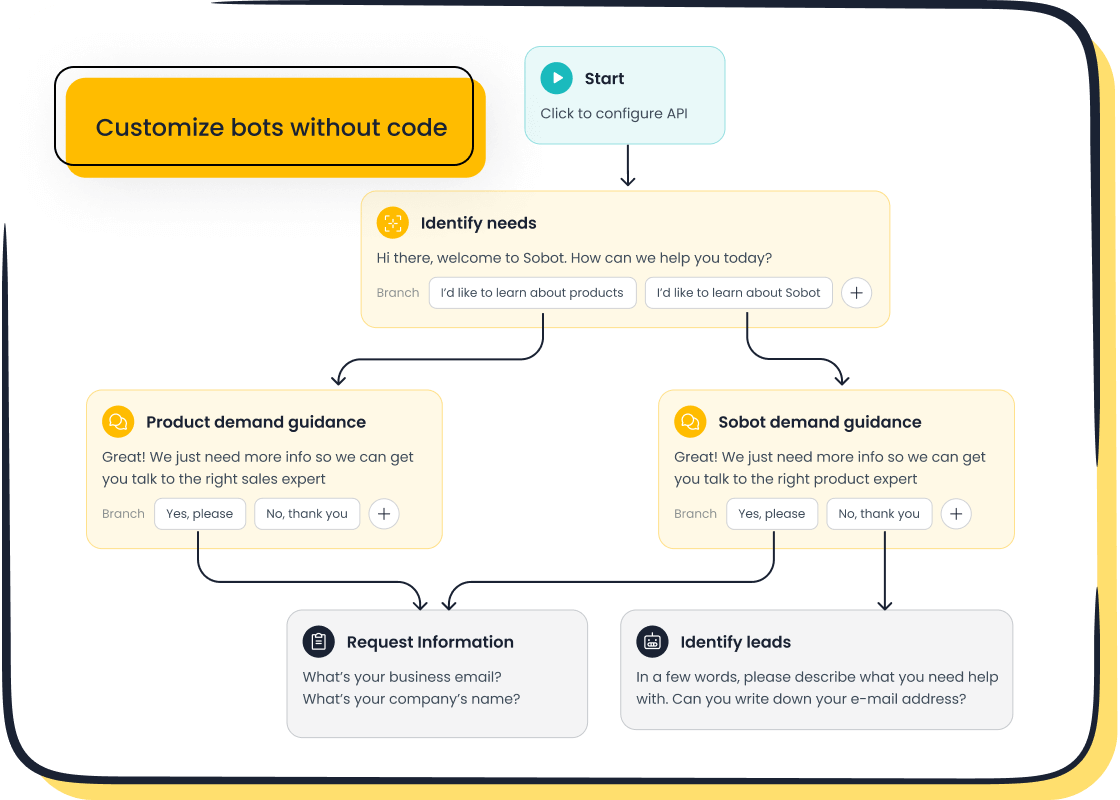
- No-Code Interface: Platforms like the Sobot Chatbot offer a point-and-click interface. This allows your team to build and deploy conversational workflows without any coding.
- Key Integrations: Your AI must connect with your core systems. Seamless integration with CRM and ERP software is critical for personalized customer interactions.
- AI Capabilities: The platform's AI should support natural language processing to understand customer intent. This makes conversational AI effective.
Step 3: Start with a Specific Use Case
Do not try to automate everything at once. Start with a single, high-impact use case. This allows you to learn and refine your approach. A great starting point is automating frequently asked questions (FAQs). This provides immediate value by offering instant answers to common customer queries. Once your chatbot masters this task, you can expand its capabilities to other areas like order tracking or product recommendations. This focused approach improves user engagement and ensures a smooth rollout for your AI chatbots.
Step 4: Prioritize Data Privacy and Trust
Customer trust is your most valuable asset. In an age of data breaches, protecting customer information is non-negotiable. Customers are rightly concerned about how their data is used by AI. Your AI chatbots must be secure.
Choose a platform committed to data security. Sobot, for example, ensures security with features like GDPR compliance and data encryption. This protects all conversational data and personal information. Being transparent about your data policies and using a secure AI platform builds the trust needed for positive customer interactions. Secure chatbots are essential for modern business.
Preparing Your Business for the AI Revolution
Integrating artificial intelligence is more than a technical upgrade; it is a strategic business transformation. Proper preparation ensures your team and processes are ready to maximize the benefits of conversational AI. This sets the stage for a successful future with AI.
Training Your Team for AI Collaboration
The goal of AI is not to replace your team but to empower it. Your staff must learn to work alongside chatbots. Training should focus on how artificial intelligence handles routine tasks, freeing agents for more complex work. Cindy Gambosh of CorVel noted how AI lets nurses focus on assessments instead of intake. This same principle applies to customer support. Agents can provide a better conversational experience when chatbots manage the basics. This new dynamic requires a shift in mindset and skills.
Auditing Current Customer Service Gaps
Before implementing new chatbots, you must understand your current weaknesses. Analyze your customer journey to find points of friction. Where do customers wait the longest? What simple questions overwhelm your team? Identifying these gaps shows you exactly where artificial intelligence can deliver the most impact. This audit provides a clear roadmap for your conversational AI strategy, ensuring your investment in chatbots solves real problems for each customer.
Budgeting for AI Implementation
A clear budget is essential for any AI project. Costs for chatbots include platform fees, setup, and ongoing maintenance. Understanding these expenses helps you plan effectively. A typical cost breakdown for a mid-sized ecommerce business might look like this:
| Cost Category | Typical Range/Amount |
|---|---|
| Monthly Platform Fee | $800 - $1,200 |
| One-time Setup Fees | $1,000 - $5,000 |
| Annual Maintenance | 15-20% of initial development |
| Usage-based Overages | Per-chat or AI credit costs |
This budget prepares you for the financial side of your conversational technology investment.
Fostering a Culture of Continuous Improvement
The future of customer interaction is about constant innovation. Artificial intelligence provides the data and efficiency needed for this. As Brien Mikkel of Love's Travel noted, an agent's job is far more complex today. AI helps manage this complexity. With chatbots handling repetitive queries, your team has more time for proactive improvements. This creates a better customer experience.
- Develop AI-driven self-service solutions to reduce customer friction.
- Collaborate with product teams to refine features based on conversational feedback.
- Experiment with new engagement strategies to improve customer retention.
This approach turns your team from reactive problem-solvers into drivers of innovation.
The future of customer engagement is here. Trends like hyper-personalization and omnichannel presence define the new conversational experience. Smart chatbots drive this evolution. These chatbots improve customer engagement. A strategic chat bot for ecommerce delivers real value. Sobot’s chatbots enhance efficiency, cut costs, and boost sales engagement. This prepares your business for the future. Your customer engagement strategy needs powerful chatbots for better engagement.
Ready to transform your customer engagement? Embark on Your Contact Journey by exploring a versatile solution like Sobot to stay competitive and drive future growth.
FAQ
What is the main purpose of an AI chatbot for ecommerce?
An AI chatbot for ecommerce automates customer interactions. It provides instant 24/7 support for common questions. This improves customer satisfaction, boosts sales, and increases operational efficiency by assisting human agents with their tasks.
How do AI chatbots help reduce business costs?
Chatbots handle routine inquiries around the clock. This reduces the need for a large support team. Platforms like Sobot can cut agent costs by up to 50% by automating repetitive tasks and improving overall team productivity.
Is coding required to set up a chatbot?
No, coding is not necessary for modern platforms. For example, the Sobot Chatbot features a point-and-click interface. This allows you to design and launch automated conversational workflows easily without any programming experience.
Can a chatbot communicate in different languages?
Yes. Advanced chatbots offer multilingual support to serve a global customer base. This feature allows your business to engage with shoppers in their preferred language, creating a more personalized and effective customer experience.
See Also
Best Live Chat Platforms for E-commerce Businesses This Year
Elevating E-commerce Customer Happiness Through Intelligent Chatbot Solutions
Driving E-commerce Revenue Growth with Effective Live Chat Solutions
Unlocking Shopify Potential: Explore a Dozen Live Chat Applications
Comparing Leading Live Chat Tools: Shopify's Edge Over Rivals

