Advantages and Disadvantages of Manual Dialing

Manual dialing is the process where agents manually input phone numbers to connect with customers. It plays a vital role in contact centers, especially when you need a personal touch in customer interactions. This method ensures flexibility and control, but it also comes with challenges. For instance, dialing each number takes time, and agents often face inconsistent call volumes. These issues can slow down operations and make it harder to analyze performance. However, tools like Sobot's Voice/Call Center can help streamline these tasks, making manual dialing more efficient and manageable.
What Is Manual Dialing in Contact Centers?
Definition and Process
How manual dialing works in contact centers.
Manual dialing is exactly what it sounds like—agents manually input phone numbers into a dialer to connect with customers. This process gives you complete control over who you call and when. It’s straightforward: you pick a number, dial it, and wait for the customer to answer. Unlike automated systems, manual dialing ensures that every call is intentional and personal.

In contact centers, agents often rely on basic tools like phones or software-based dialers. These dialers simplify the process by storing customer information and call logs. For example, Sobot's Voice/Call Center offers a unified workspace where agents can manage calls, track customer data, and even analyze call performance. This makes manual dialing more efficient and less prone to errors.
Tools and systems commonly used for manual dialing.
You don’t need fancy gadgets to get started with manual dialing. Many contact centers use simple tools like spreadsheets to organize customer data and basic phones to make calls. However, modern dialers, like the one offered by Sobot, take things up a notch. They integrate with CRM systems, provide real-time analytics, and even support global telephony. These features help you stay organized and improve your call success rate.
Applications of Manual Dialing
Scenarios where manual dialing is preferred.
Manual dialing shines in situations where personalization matters. Imagine you’re following up on a high-value lead or resolving a sensitive customer issue. In these cases, an automated system might feel impersonal. Manual dialing lets you tailor your approach, ensuring the customer feels valued.
It’s also ideal for small teams or businesses with limited call volumes. If you’re running a boutique agency or a nonprofit, manual dialing can help you maintain a personal touch without breaking the bank.
Industries that benefit from manual dialing.
Many industries rely on manual dialing to connect with their audiences. Here are a few examples:
- Real estate professionals use it to follow up with potential buyers.
- Financial services rely on it for personalized client interactions.
- Healthcare providers use it for appointment reminders and patient follow-ups.
- Educational institutions connect with students and parents for admissions or updates.
- Retail businesses use it for customer support and loyalty programs.
- Nonprofits and political campaigns leverage it for outreach and fundraising.
These industries value the human touch that manual dialing brings to their operations.
Advantages of Manual Dialing
Greater Control Over Calls
Flexibility in selecting specific customers or leads.
With manual dialing, you decide who to call and when. This flexibility is invaluable when prioritizing high-value leads or specific customer segments. For example, if you’re running a campaign targeting VIP customers, a manual dialer allows you to focus on these individuals without distractions. You can also adjust your strategy on the fly, ensuring your calls align with your business goals.
Adjusting call timing and strategy based on real-time needs.
Timing is everything in customer interactions. Manual dialing lets you adapt your approach based on real-time factors like customer availability or market trends. If a lead shows interest in your product during a recent interaction, you can quickly follow up with a call. This adaptability often results in higher call connect rates and better outcomes for your team.
Enhanced Compliance and Regulation Adherence
Reduced risk of violating regulations like TCPA.
Manual dialing significantly lowers the risk of violating regulations such as TCPA. Unlike automated systems, it ensures every call is made with prior express written consent. This approach helps you avoid using an automatic telephone dialing system (ATDS), which is a common compliance pitfall. Additionally, manual dialing makes it easier to honor opt-out requests and avoid calling numbers on the National Do Not Call Registry.
Easier to ensure customer consent and avoid robocall complaints.
TCPA compliance emphasizes obtaining clear consent before making telemarketing calls. With manual dialing, you can keep accurate records of this consent, reducing legal considerations. It also minimizes the chances of robocall complaints, as customers are more likely to appreciate the personal touch of a human caller.
Personalization and Customer Experience
Opportunity to tailor conversations to individual customers.
Manual dialing gives you the chance to connect with customers on a personal level. Instead of relying on generic scripts, you can customize your conversations based on customer preferences or past interactions. For instance, if a customer recently purchased a product, you can follow up with tailored recommendations or support.
Building stronger customer relationships through a human touch.
People value genuine interactions. Manual dialing allows you to build trust and rapport with your customers by offering a human touch. This approach is especially effective in industries like healthcare or financial services, where personalized communication can make a significant impact. By focusing on meaningful conversations, you can foster long-term loyalty and satisfaction.
Cost-Effectiveness for Small Teams
Suitable for small-scale operations with limited budgets.
If you’re running a small team or a startup, manual dialing can be a lifesaver. It doesn’t require hefty investments in automated systems, making it a budget-friendly option. You can start with basic tools like a phone and a spreadsheet to organize your leads. This simplicity keeps your costs low while still allowing you to connect with your customers effectively.
For example, a boutique marketing agency might only need to reach 20-30 leads daily. In this case, investing in an expensive automated dialer wouldn’t make sense. Manual dialing ensures you stay in control without overspending. Plus, it’s perfect for teams that prioritize quality over quantity, as it allows you to focus on meaningful conversations rather than rushing through calls.
Avoids the need for expensive automated systems.
Automated dialers often come with high upfront costs and ongoing maintenance fees. For small teams, these expenses can quickly add up. Manual dialing eliminates this burden. You don’t have to worry about software updates, licensing fees, or complex integrations. Instead, you can allocate your resources to other critical areas, like training your team or improving your customer service.
Integration with Sobot Voice/Call Center
How Sobot's Voice/Call Center supports manual dialing needs.
Sobot’s Voice/Call Center takes manual dialing to the next level. It offers a unified workspace where you can manage calls, track customer data, and analyze performance—all in one place. This makes it easier to stay organized and improve your higher call connect rates.
The platform also supports global telephony, so you can connect with customers worldwide without worrying about technical barriers. Its real-time monitoring tools help you keep an eye on call quality and agent performance, ensuring every interaction counts.
Leveraging Sobot's tools for better call management.
With Sobot, you get features like intelligent call routing and time zone support. These tools let you schedule calls at the right time, increasing the chances of reaching your customers. The system also integrates seamlessly with your CRM, so you can access customer information instantly. This streamlines your workflow and reduces the risk of errors, making manual dialing more efficient and productive.
Disadvantages of Manual Dialing
Time Inefficiency
Slower process compared to automated dialing methods.
Manual dialing can feel like a slow crawl compared to the speed of automated systems. Each number must be entered manually, which takes time and effort. This delay becomes even more noticeable when handling a high volume of outbound calls. Unlike automated dialers, manual methods lack the ability to quickly adapt to real-time changes, which can lead to inefficiencies.
Here’s a quick comparison of time inefficiencies between manual and automated dialing:
| Inefficiency Type | Description |
|---|---|
| Limited Real-Time Adaptability | Manual dialing cannot quickly adapt to changes, leading to delays and inefficiencies. |
| Inefficient Resource Utilization | Resources may be underutilized or overworked, affecting overall productivity. |
| High Operational Costs | Hidden costs from manual processes can accumulate, leading to higher expenses than automation. |
| Poor Customer Experience | Human errors in manual dialing can result in missed deadlines and dissatisfied customers. |
These inefficiencies can hurt your team’s productivity and even impact customer satisfaction.
Wasted time on misdials or unanswered calls.
Misdials are another common issue. A simple mistake in entering a number can waste valuable time. Unanswered calls also add to the inefficiency, as agents spend time dialing numbers that don’t connect. This wasted effort could be better spent on meaningful customer interactions.
Human Error
Risk of dialing incorrect numbers.
When you rely on manual dialing, human error becomes a constant risk. Agents might accidentally input the wrong number, leading to failed connections or even compliance issues. For example, dialing a number on the National Do Not Call Registry could result in penalties under the Telephone Consumer Protection Act (TCPA).
Potential for inconsistent call handling.
Manual dialing often leads to inconsistent call handling. Agents may forget to follow scripts or miss key details during conversations. This inconsistency can affect the quality of customer interactions and even lead to legal considerations if TCPA guidelines aren’t followed.
Limited Scalability
Challenges in handling high call volumes.
Scaling manual dialing operations is a significant challenge. As your business grows, the number of calls increases, but manual methods struggle to keep up. This can lead to:
- Long wait times for callers
- Frustrated customers and lower satisfaction rates
- High average handling times
- Potential revenue loss
Many call centers face challenges with scaling their operations. At its core, these challenges stem from inefficiencies in handling high call volumes.
Unsuitable for large-scale contact center operations.
Manual dialing simply doesn’t fit the needs of large-scale contact centers. The process is too slow and error-prone to handle thousands of outbound calls daily. Automated systems are better suited for such operations, offering higher call connect rates and better resource utilization.
Impact on Agent Productivity
Agents spend more time dialing than engaging with customers.
Manual dialing can feel like a time sink for your agents. They spend a significant portion of their day entering numbers, waiting for calls to connect, and dealing with busy signals or wrong numbers. This process eats into the time they could spend actually talking to customers. For example, instead of engaging in meaningful conversations, agents often find themselves stuck in repetitive tasks like redialing or handling errors. This inefficiency limits the number of calls they can make daily, reducing overall productivity.
When agents spend more time dialing than connecting, it impacts your team's ability to meet targets. Imagine an agent who could handle 50 calls a day with an automated dialer but only manages 20 manually. That’s a big gap in performance. Over time, this inefficiency can lead to frustration and burnout, making it harder for your team to stay motivated and focused.
Increased fatigue and reduced focus on quality interactions.
The repetitive nature of manual dialing can wear your agents down. Constantly inputting numbers and waiting for connections isn’t just time-consuming—it’s mentally draining. This fatigue often reduces their ability to focus on delivering high-quality interactions. When agents are tired, they’re more likely to make mistakes, forget important details, or struggle to maintain a positive tone during calls.
Fatigue also affects how your agents connect with customers. Instead of building rapport, they might rush through conversations just to meet their quotas. This can hurt the customer experience and even damage your brand’s reputation. A tired agent is less likely to leave a lasting positive impression, which is crucial for customer retention.
Addressing Challenges with Sobot Voice/Call Center
How Sobot's features mitigate inefficiencies in manual dialing.
Sobot’s Voice/Call Center offers tools that make manual dialing more efficient and less stressful for your agents. For starters, its intelligent dialing strategies improve connection rates, so your team spends less time waiting and more time talking. The platform also includes an intelligent display number system, which prioritizes high-quality caller IDs. This feature increases the chances of successful connections, saving your agents from wasted efforts.
Additionally, Sobot supports automatic and bulk dialing, which takes the manual work out of the equation. These features allow your team to reach more contacts in less time, boosting productivity without sacrificing the personal touch. By streamlining the dialing process, Sobot helps your agents focus on what really matters—engaging with customers.
Tools for improving agent productivity and reducing errors.
Sobot integrates seamlessly with CRM systems like Salesforce and HubSpot, eliminating the need for manual data entry. This saves time and reduces the risk of errors, ensuring your agents have accurate customer information at their fingertips. The platform also offers real-time monitoring and analytics, giving you insights into call performance and agent productivity.
With Sobot, your agents can schedule calls based on time zones, ensuring they connect with customers at the right moment. These tools not only improve efficiency but also enhance the quality of interactions. By reducing the manual workload, Sobot empowers your team to deliver better results while staying motivated and focused.
Comparison Between Manual and Automated Dialing
Key Differences
Speed and efficiency of automated systems.
Automated systems are built for speed. They allow agents to focus on meaningful conversations by eliminating the need to manually input numbers. With automated dialing, agents only handle answered calls, which significantly boosts productivity. This efficiency is especially useful when managing high call volumes. On the other hand, manual dialing can feel slow and tedious. Agents spend time entering numbers, dealing with misdials, and waiting for unanswered calls. These inefficiencies can lower overall performance and make scaling your operations more challenging.
Compliance challenges with predictive and auto-dialers.
While automated systems excel in efficiency, they come with compliance hurdles. Regulations like TCPA and GDPR require businesses to obtain prior consent before making automated calls. You also need to provide easy opt-out options and securely store consent documentation. Verifying reassigned or changed numbers adds another layer of complexity. These challenges make manual dialing a safer choice in scenarios where compliance is critical.
When to Choose Manual Dialing
Situations where manual dialing is more appropriate.
Manual dialing works best when compliance and personalization are priorities. For example, if your contact list includes mobile numbers without consent for automated calls, manual dialing ensures you stay within legal boundaries. It’s also ideal for mixed contact lists with both mobile and landline numbers. In industries like healthcare or financial services, where sensitive conversations matter, manual dialing offers the human touch that automated systems can’t replicate.
Balancing automation and manual efforts in hybrid models.
A hybrid approach combines the best of both worlds. You can use automated systems for high-volume outreach while reserving manual dialing for high-value or sensitive calls. This balance ensures efficiency without sacrificing personalization. For instance, you might automate follow-ups for general inquiries but manually dial VIP customers to provide a tailored experience.
Sobot's Role in Hybrid Dialing Solutions
How Sobot integrates manual and automated dialing.

Sobot bridges the gap between manual and automated dialing with intelligent strategies. Its system recommends high-quality caller IDs, prioritizing clean and local numbers to improve connection rates. By offering features like automatic and bulk dialing, Sobot reduces the manual workload, enabling your team to reach more customers faster. This integration ensures you can scale your operations without losing the personal touch.
Benefits of using Sobot's Voice/Call Center for hybrid models.
Sobot’s Voice/Call Center makes hybrid dialing seamless. It allows you to switch between manual and automated modes effortlessly. With tools like real-time monitoring and CRM integration, you can manage calls efficiently while maintaining compliance. The platform’s global telephony support ensures you can connect with customers worldwide, making it a versatile solution for businesses of all sizes.
Factors to Consider When Choosing Manual Dialing
Business Size and Call Volume
Suitability for small vs. large contact centers.
Your business size and the number of calls you handle daily play a big role in deciding whether manual dialing is the right fit. For smaller teams, manual dialing offers a cost-effective way to connect with customers. It’s perfect when your focus is on building relationships rather than making hundreds of calls. For example, a boutique agency or a small nonprofit might find manual dialing ideal for its personalized approach.
On the other hand, larger contact centers with high outbound call volumes often struggle with manual dialing. It’s simply not scalable. Automated dialers are better suited for these operations, as they can handle thousands of calls efficiently. Here’s a quick comparison to help you decide:
| Business Size | Dialing Method | Benefits |
|---|---|---|
| Large Sales Team | Auto Dialing | Increased efficiency and scalability |
| Small Sales Team | Manual Dialing | Cost-effective and more personalized approach |
If your team is small and your call volume is manageable, manual dialing might be your best bet. But if you’re scaling up, automated solutions could save you time and resources.
Regulatory Environment
Importance of compliance in specific industries.
Compliance is a critical factor, especially in industries like healthcare, finance, and retail. Regulations such as the Telephone Consumer Protection Act (TCPA) and the General Data Protection Regulation (GDPR) require businesses to obtain clear consent before making calls. Manual dialing helps you stay on the safe side by ensuring every call is intentional and compliant with these rules.
For example, if you’re in the financial services sector, you must avoid calling numbers on the National Do Not Call Registry. Manual dialing makes it easier to track customer consent and avoid penalties. Automated dialers, while efficient, can sometimes lead to compliance risks if not configured correctly. By choosing manual dialing, you reduce the chances of violating regulations and maintain trust with your customers.
Customer Experience Goals
Prioritizing personalization over efficiency.
What’s more important to you—efficiency or personalization? If your goal is to create meaningful connections with your customers, manual dialing is the way to go. It allows you to tailor each conversation to the individual, making them feel valued and understood. This approach is especially effective in industries like healthcare or education, where a personal touch can make all the difference.
For instance, imagine you’re following up with a customer who recently purchased a product. Instead of using a generic script, you can discuss their specific needs and offer tailored recommendations. While automated dialers excel at handling high volumes, they often lack the human touch that builds trust and loyalty. If customer experience is your top priority, manual dialing ensures every interaction feels genuine and impactful.
Leveraging Sobot for Strategic Decision-Making
How Sobot's analytics tools help evaluate dialing methods.
Sobot’s analytics tools make it easier to assess the effectiveness of your dialing strategies. With real-time monitoring, you can track key metrics like call connection rates, average handle time, and agent performance. These insights help you identify what’s working and where improvements are needed. For example, if your team struggles with unanswered calls, Sobot’s data can reveal patterns, such as the best times to reach customers.
The platform also integrates seamlessly with CRM systems like Salesforce and HubSpot. This means you can analyze customer data alongside call performance, giving you a complete picture of your operations. By combining these insights, you can refine your approach and ensure your dialer strategy aligns with your goals. Whether you’re focusing on compliance with regulations like GDPR or improving customer satisfaction, Sobot’s tools provide the clarity you need to make informed decisions.
Using Sobot's Voice/Call Center to align with business goals.
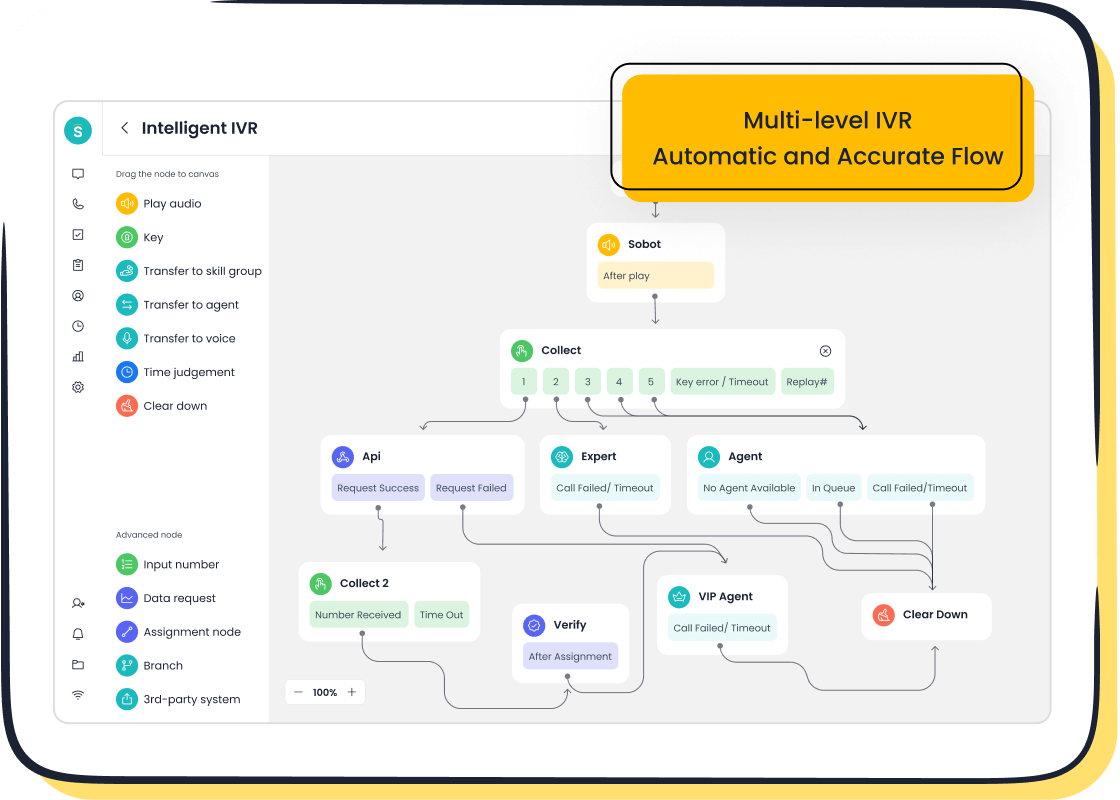
Sobot’s Voice/Call Center is designed to help you meet your business objectives efficiently. Its intelligent display and dialing strategies prioritize clean, local caller IDs, which improves connection rates. This feature ensures your calls are more likely to be answered, saving time and boosting productivity.
The platform also supports automated and bulk dialing processes. These features free your team from repetitive tasks, allowing them to focus on meaningful customer interactions. For instance, telesales teams can reach a larger audience without sacrificing the personal touch. Additionally, Sobot’s integration with CRM systems streamlines operations, ensuring your agents have all the information they need at their fingertips.
By aligning your dialing methods with your business goals, Sobot helps you achieve better results. Whether you’re scaling up operations or enhancing customer experience, its tools ensure every call counts.
Manual dialing offers simplicity and a personal touch that can elevate your customer interactions. It’s great for building relationships and ensuring compliance, especially in industries where personalization matters. However, it’s not without its challenges. Agents often spend too much time dialing instead of engaging, which can lead to frustration and fewer successful connections. Errors and inconsistent performance can also slow down productivity.
That’s where Sobot’s Voice/Call Center comes in. It streamlines manual dialing with tools like intelligent call routing and CRM integration. These features help you save time, reduce errors, and focus on meaningful conversations. Whether you’re a small team prioritizing personalization or a growing business exploring hybrid solutions, Sobot ensures every call counts.
Ultimately, the choice depends on your goals. If you value efficiency and scalability, automation might be better. But if personalization and compliance are your priorities, manual dialing could be the perfect fit.
FAQ
What is manual dialing, and how does it work?
Manual dialing involves agents entering phone numbers by hand to connect with customers. It’s straightforward and gives you full control over who you call and when. Tools like Sobot's Voice/Call Center simplify this process by organizing customer data and tracking call performance.
Is manual dialing suitable for small businesses?
Yes! Manual dialing works well for small teams with limited budgets. It avoids the high costs of automated systems. For example, a boutique agency can use Sobot's Voice/Call Center to manage calls efficiently without overspending on advanced automation tools.
How does manual dialing improve compliance?
Manual dialing reduces the risk of violating regulations like TCPA. You can ensure every call is intentional and compliant. Sobot's tools help you track customer consent and avoid calling numbers on the National Do Not Call Registry.
Can manual dialing handle high call volumes?
Manual dialing struggles with scalability. It’s better for small-scale operations. For larger teams, Sobot’s hybrid solutions combine manual and automated dialing, letting you handle high volumes while maintaining a personal touch.
How does Sobot enhance manual dialing?
Sobot’s Voice/Call Center offers features like intelligent call routing, CRM integration, and real-time analytics. These tools streamline manual dialing, reduce errors, and improve productivity. You can even schedule calls based on time zones for better customer engagement.
See Also
Advantages and Disadvantages of Working Remotely in Call Centers
Understanding the Efficiency of Call Center Automation Processes
Best Voice Calling Automation Tools Reviewed for 2024
Comparison of Leading Interactive Voice Response Software Solutions

