Faster Customer Replies: Your 2026 Guide

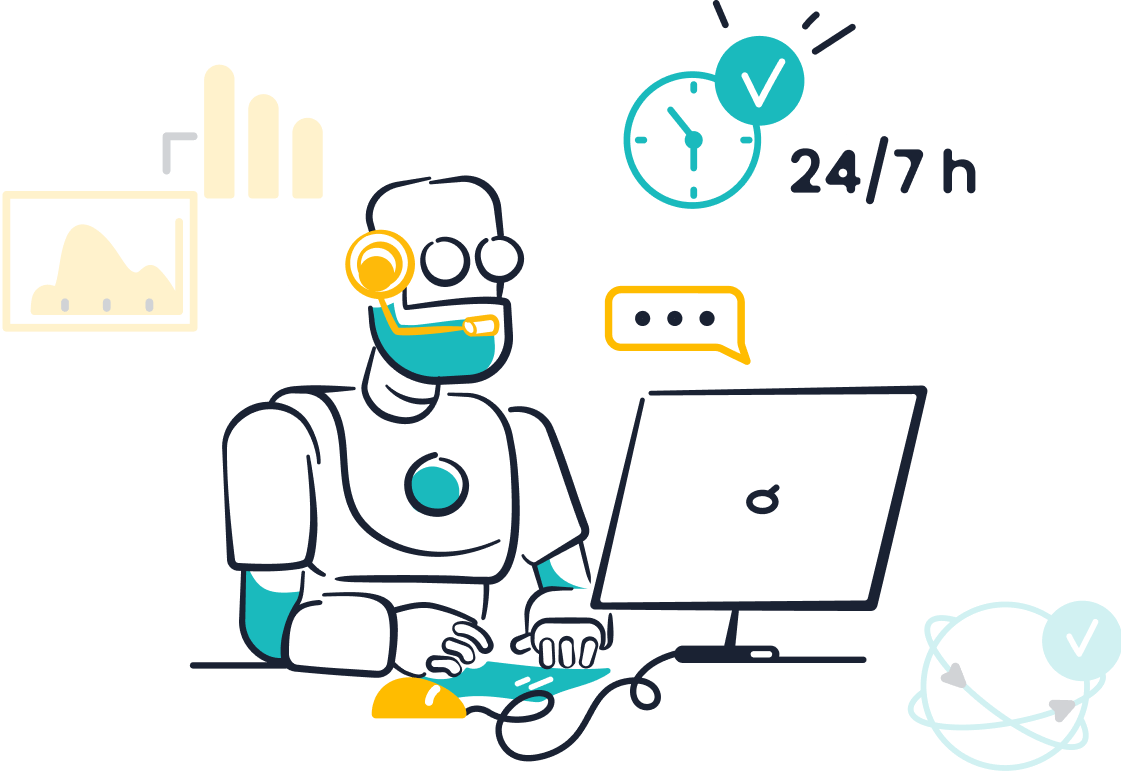
Achieving faster customer replies in 2026 requires a smart strategy. You must blend the latest technologies, optimized workflows, and proactive customer support. This integrated approach improves the customer experience. All-in-one platforms like Sobot help you tackle this challenge. Using AI for your customer service delivers a better service for every customer.
- Faster Responses: AI provides instant answers, reducing wait times.
- Personalized Service: AI systems analyze data for a tailored customer experience.
- Proactive Support: AI helps you connect with a customer before problems arise.
This focus on new customer service trends creates a superior customer experience.
Achieve Faster Customer Replies with AI
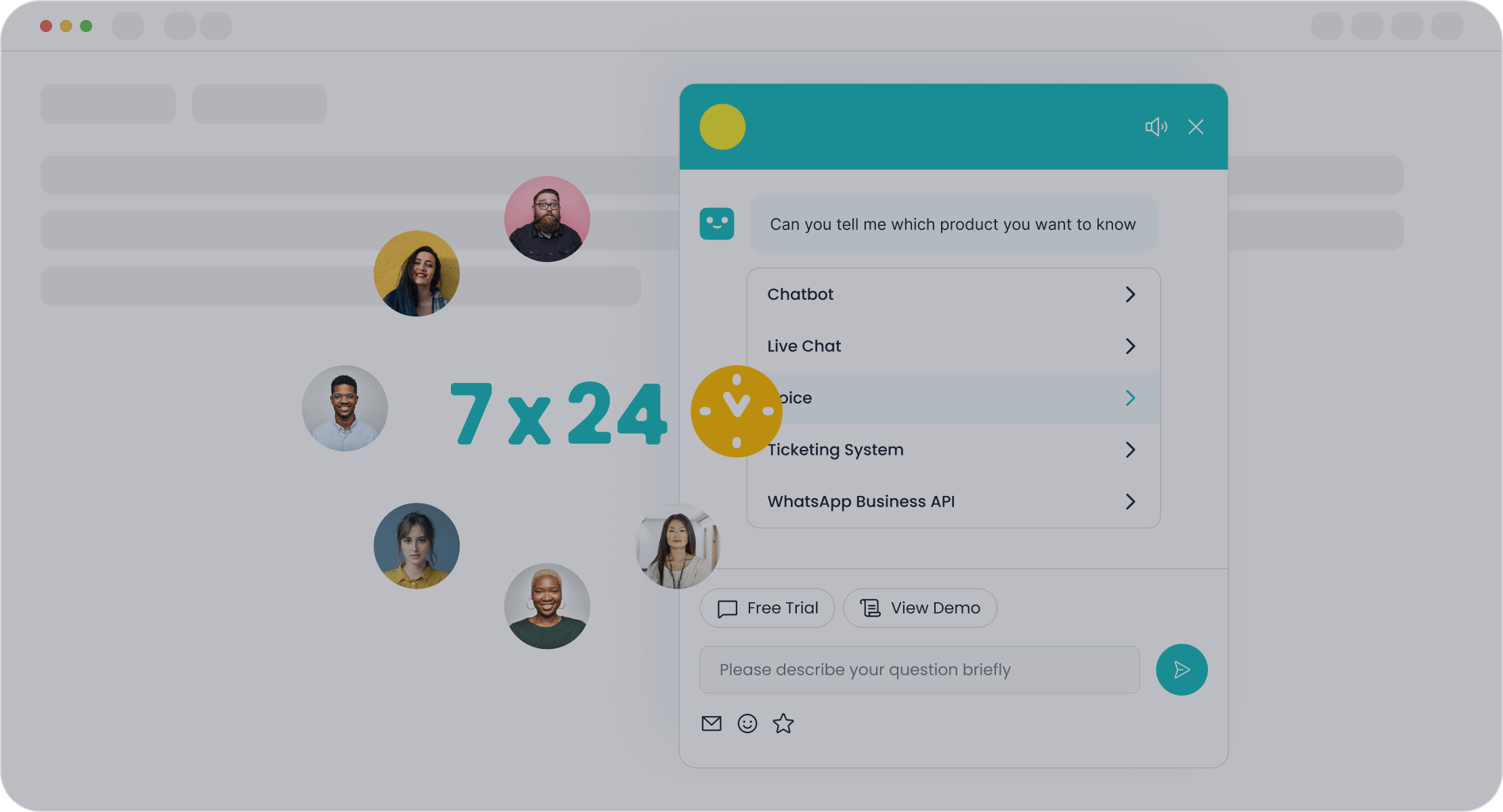
In 2026, artificial intelligence (AI) is the engine for exceptional customer service. You can deliver faster customer replies by integrating AI into your support strategy. This technology works around the clock to provide instant answers and help your team perform better. Using AI automation improves both speed and the quality of your customer interactions. It creates a better customer experience from the first contact. Let's explore how you can use AI to transform your service.
Use AI Chatbots for 24/7 First Response
Your customers want answers now, not hours later. An AI chatbot provides immediate support 24/7, which is a key driver of customer satisfaction. This constant availability enhances the customer experience and builds loyalty.
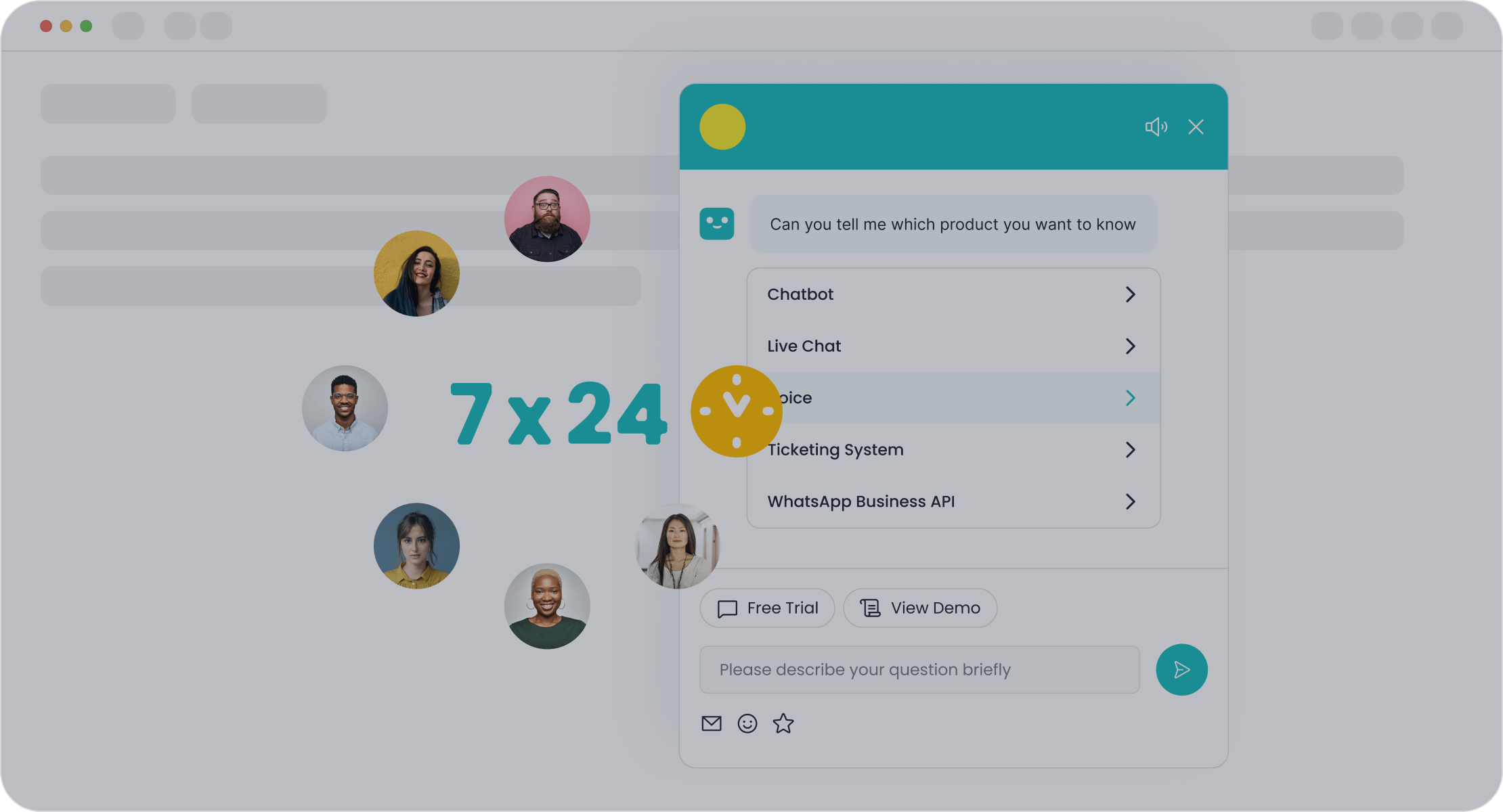
The Sobot AI Chatbot is a primary tool for this strategy. It works tirelessly to solve common questions on its own. This frees up your human agents for more complex issues. Businesses using this technology see incredible results.
- Boost Productivity: It can improve agent productivity by 70% by handling routine queries.
- Cut Costs: It triages requests 24/7, saving up to 50% on agent costs.
- Increase Satisfaction: Instant, continuous support boosts customer engagement and satisfaction.
Best of all, you do not need a team of developers to get started. Sobot’s chatbot uses a no-code, point-and-click interface. This makes advanced AI accessible for any business aiming to improve its customer service.
Implement AI-Powered Ticket Routing
Getting a customer's question to the right person quickly is crucial. Manual routing is slow and often leads to errors. A customer gets frustrated when they are transferred multiple times. AI-powered ticket routing solves this problem with intelligent automation.
This technology uses Natural Language Processing (NLP) to understand what a customer needs. The AI analyzes the ticket's content, intent, and urgency. It then automatically sends the ticket to the best-qualified agent. This precision routing dramatically reduces mistakes and wait times.
AI excels at understanding subtle differences in ticket content. It captures context, sentiment, and complex intent cues. This allows it to route tickets to the most appropriate teams far more accurately than rule-based systems.
The impact of this AI-driven approach is significant. Studies show it can lead to a 20–40% improvement in first-contact resolution rates. Here is how different businesses benefit:
| Company Type | Strategy Used | Outcome |
|---|---|---|
| SaaS Platform | Rule-based + NLP + Escalation | 40% faster response times; 25% higher satisfaction |
| E-commerce Retailer | Workload balancing + VIP routing | 30% less agent overtime; 15% improved FCR |
| Digital Agency | Multi-channel aggregation + NLP | 20% reduction in misrouted tickets |
By implementing AI for routing, you ensure every customer inquiry starts on the fastest path to resolution, directly improving the customer experience.
Draft Replies in Seconds with Generative AI
One of the biggest drains on an agent's time is typing out responses. Generative AI eliminates this bottleneck. This form of agentic AI acts as a copilot for your customer support team. It helps them draft accurate, high-quality responses in a fraction of the time.
This technology can reduce the time to draft a manual ticket response from 1.5 minutes to just 20 seconds. For agents handling hundreds of interactions, this saves over two hours every day. This newfound efficiency allows your team to handle more conversations and focus on solving problems, not just typing. This speed is a core component of modern customer service trends.
Beyond just faster customer replies, generative AI ensures consistency. You can train the AI on your brand's specific voice and tone. This ensures every customer receives a message that feels personal and on-brand, no matter which agent sends it. The AI can:
- Draft empathetic and clear responses to common issues.
- Translate complex policies into simple language.
- Summarize previous interactions to give agents instant context.
This level of customer service automation empowers your team to deliver a consistently excellent customer experience with every interaction.
Optimize Agents for Maximum Speed and Quality
AI automation is a powerful tool, but your human agents remain the heart of your customer service. To achieve faster replies, you must empower your team with optimized workflows and the right tools. This approach focuses on removing friction from their daily tasks. It allows them to dedicate their energy to providing high-quality service.
Unify Channels with a Single Inbox
Your agents lose valuable time switching between different apps and windows. This is called context switching. It forces them to manage emails, social media messages, and live chats in separate places. Research shows that even a brief interruption can take up to 23 minutes for a person to fully refocus. This mental drain, known as 'attention residue', can impair performance on the next task by up to 40%.
You can eliminate this problem with a unified inbox. This tool brings all customer interactions into one central workspace.
Sobot's Live Chat product acts as a powerful unified inbox. It consolidates every channel—from WhatsApp and email to voice calls—into a single view. This gives your agents a complete history of every customer conversation without ever needing to switch screens.
This consolidation has a massive impact on the customer experience. When agents have all the information they need in one place, they can resolve issues faster and more accurately. Companies that adopt unified inbox tools see incredible results, with some reducing response times by up to 97%. This efficiency directly improves agent productivity and customer satisfaction.
Build a Dynamic Canned Response Library
Typing the same answer over and over is a major time-waster for support teams. A canned response library provides pre-written answers to common questions. This tool helps you maintain consistency and speed in your customer service interactions. However, a static library can feel robotic. In 2026, your library must be dynamic and personal.
You can balance speed and personalization by following a few best practices:
- Use Placeholders: Create templates with variables for the customer's name, order number, or other specific details. This makes each message feel personal.
- Categorize and Tag: Organize your responses with clear categories and tags. This helps agents find the right message in seconds.
- A/B Test Your Messages: Test different versions of your responses to see which ones perform best. Use data to refine your library over time.
- Know When to Go Manual: Avoid canned responses for sensitive or complex issues. These situations require a unique, empathetic reply to deliver a positive customer experience.
Modern platforms often build these features directly into their systems. This makes it easy to create, manage, and optimize your canned responses. The goal is to give your agents a starting point, not a script, empowering them to deliver better service.
Focus on Improving Speed and Consistency
Improving speed and consistency requires more than just tools. It demands a focus on training and process management. When you standardize your workflows, you ensure every customer receives the same high level of service. This builds trust and improves the overall customer experience.
You can use effective training methods to upskill your team.
- Interactive Simulations: Let agents practice real-world scenarios in a safe environment.
- Microlearning: Break down complex topics into short, engaging video modules.
- Peer Collaboration: Use chat forums to let agents share challenges and learn from each other.
Beyond training, you need a system to manage your processes. The Sobot Ticketing System helps you automate workflows and manage Service Level Agreements (SLAs). You can set rules that automatically escalate urgent tickets or assign tasks based on agent skill. This automation ensures that no customer inquiry falls through the cracks, directly contributing to improving speed and consistency. This focus on quality and process is essential for a great customer experience.
Ultimately, faster responses have a direct and measurable impact on customer satisfaction. The data shows a clear correlation between speed and satisfaction.
| Improvement Area | Impact on CSAT |
|---|---|
| Reduce response time to <1 hour | 15-20% higher CSAT |
| AI support agents | Instant responses 24/7 |
By combining agent optimization tools with smart workflow automation and continuous training, you create a support engine built for both speed and quality. This ensures a superior customer experience with every one of your customer interactions.
Proactive Strategies for Better Customer Service
The best way to provide faster replies is to answer questions before a customer even asks. This is the core of predictive and proactive support. Instead of waiting for problems, you anticipate customer needs and offer solutions first. This approach dramatically improves the customer experience. Shifting to proactive customer support can cut your inbound ticket volume by 25–40%. This frees your team to focus on more complex issues, improving customer service across the board.
Build a Predictive Knowledge Base
Your knowledge base should be a living resource that predicts what your customer needs. You can build a predictive library by analyzing how users search for help. Look for emerging search terms and patterns in how a customer seeks information. This data shows you where your support content has gaps.
Sobot's AI insights are designed for this task. The AI analyzes common customer issues and search queries from your interactions. This helps you identify trending topics and build a more effective, predictive knowledge base that provides real value.
A smart knowledge base is a cornerstone of modern customer service trends. It empowers your customer with self-service options, which boosts satisfaction and reduces your team's workload. This proactive service builds a better customer experience from the ground up.
Use Proactive In-App Messaging
You can deliver an amazing service by reaching out at the perfect moment. Proactive in-app messages offer help right when a customer might be struggling. For example, you can send a tip if a user hesitates on a certain page for too long. This simple action can prevent frustration and guide the customer toward success.
This strategy is also great for customer engagement. You can use proactive push messaging to announce new features or share helpful guides. This keeps your brand top-of-mind and shows you care about the customer journey. Platforms like Sobot make it easy to send targeted messages that boost conversions and reduce inbound queries. These timely interactions are key to building customer loyalty.
Announce Issues Before Customers Complain
Transparency builds trust. When you experience a service outage or discover a bug, you should tell your customers immediately. Announcing issues before they complain shows that you are in control and value their time. This simple act of communication can turn a negative situation into a positive customer experience.
A public announcement prevents your customer support team from being flooded with tickets about the same issue. This keeps your support channels open for other urgent matters. This level of proactive customer service demonstrates a commitment to quality and improves overall satisfaction.
Measure and Refine for Continuous Improvement
You cannot improve what you do not measure. To deliver faster replies in 2026, you must track your performance and refine your strategy. This continuous cycle of measurement helps you understand what works and where you can get better. It is a core part of improving customer service and delivering a superior customer experience. By focusing on key metrics, you turn data into actionable insights that boost both speed and satisfaction.
Track First Response Time (FRT) and Resolution Time
First Response Time (FRT) measures how quickly you first reply to a customer. Resolution Time tracks how long it takes to solve their issue completely. These two metrics are vital for customer satisfaction. A quick first reply shows the customer you are listening. A fast resolution proves your service is effective.
Jamie Edwards, COO of Kayako, notes, "First reply time is more important than overall reply times because it’s an acknowledgment to the customer that their issue is being looked into."
Tracking these metrics helps you see where your team is succeeding and where bottlenecks exist. You can compare your performance to industry benchmarks to set realistic goals.
| Channel | Top Performers (FRT) | Average Performers (FRT) |
|---|---|---|
| Email Support | Under 1 hour | 4-7 hours |
| Live Chat | Under 2 minutes | 2-5 minutes |
| Social Media | Under 2 hours | 2-4 hours |
Platforms like Sobot provide detailed analytics that make it easy to monitor these metrics in real-time, helping you maintain a high level of service.
Analyze Ticket Data for Automation Insights
Your ticket data is a goldmine of information. Analyzing it helps you find opportunities for automation. You can identify the most common questions your customers ask. This allows you to create better canned responses or build new chatbot flows. Look for trends in your ticket data:
- Ticket Categories: Which topics generate the most tickets?
- Ticket Priority: What are the most urgent and critical issues?
- SLA Violations: Where are you failing to meet your service goals?
By analyzing this information, you can pinpoint inefficiencies. For example, if many tickets are about password resets, you can automate that process. This frees up your agents for more complex problems and improves the customer experience. This is a key customer service trends that drives efficiency.
Link Metrics to Improving Customer Service
Metrics are only useful when you connect them to real business outcomes. Improving your FRT and resolution time directly leads to higher customer satisfaction and greater customer loyalty. When you improve these numbers, you are actively improving customer service. You can see this impact in the success of leading brands.
The luxury brand Michael Kors used Sobot's all-in-one platform to transform its customer service. By measuring and optimizing their performance, they achieved incredible results:
- An 83% reduction in response time.
- A 95% customer satisfaction rate.
This shows how a focused, data-driven strategy creates a better customer experience. By analyzing customer feedback and performance data, you can turn detractors into promoters and build a service that customers love. Every interaction is a chance to strengthen the customer relationship.
You can achieve faster customer replies by using three key strategies. First, use AI automation with tools like Sobot for instant service. Second, optimize your customer support team with unified platforms. Third, use proactive service to help each customer. This approach to customer service improves customer satisfaction. True speed in 2026 comes from smart systems, not just hard work. This AI service boosts satisfaction and delivers a better service for every customer.
Ready to transform your customer service? Embark on your contact journey and explore how Sobot's AI Chatbot can deliver faster customer replies today.
FAQ
How can I start getting faster customer replies?
You can start by using an AI chatbot for instant support. It answers common questions 24/7. This simple step frees up your team for complex issues and immediately improves your response speed.
Does setting up an AI chatbot require coding skills?
No, it does not. You can use tools like the Sobot AI Chatbot with a no-code, point-and-click interface. This makes it easy for any business to build and launch a powerful chatbot quickly.
What is the main benefit of a unified inbox?
A unified inbox puts all customer messages in one place. Your agents stop switching between apps. This helps them answer questions faster and provides a better, more consistent customer experience for everyone.
Which metrics are most important for measuring speed?
You should track First Response Time (FRT) and Resolution Time. FRT shows how quickly you acknowledge a customer. Resolution Time shows how fast you solve their problem. Both are key to customer satisfaction.
See Also
Leading Contact Center Platforms: An In-Depth Review for 2024
The 10 Premier Customer Support Software Options for 2024
Discover the Top 10 Voice of Customer Tools in 2024
Unlock Depop's Live Chat: Your Guide to Instant Customer Support
Elevate Live Chat: 10 Strategies for Superior Customer Satisfaction

