Setting Actionable Goals to Enhance Customer Service



Setting actionable customer service goals for 2025 is essential for improving customer experience and driving business success. Customers now expect faster and more personalized service, with 73% considering customer experience the most important factor in purchasing decisions. Immediate service matters to 72% of customers, and 88% avoid returning to a website after a poor experience. Clear, measurable goals, such as reducing response times or increasing Net Promoter Scores, help you track progress and improve performance evaluation for customer service. Tools like Sobot’s Voice/Call Center simplify this process, offering real-time analytics and seamless integration to optimize your team’s performance and enhance customer interactions.
Understanding Actionable Customer Service Goals
What Are Actionable Customer Service Goals?
Actionable customer service goals are specific objectives designed to improve customer interactions and operational efficiency. These goals rely on actionable data—information that has been analyzed and contextualized to guide decisions or prompt immediate action. For example, analyzing customer satisfaction (CSAT) surveys can help you identify areas for improvement. You might set a goal to allocate 5% more time for agents to respond to feedback by the end of the week. This approach ensures that your goals are precise, relevant, and achievable.
The SMART framework is a popular method for setting actionable goals. It emphasizes that goals should be Specific, Measurable, Achievable, Relevant, and Time-bound. For instance, a goal to reduce average call handling time by 20% over two months aligns with these principles. It provides clear direction and measurable outcomes, empowering your team to focus on efficiency without compromising service quality.
Why Are They Crucial for Performance Evaluation?
Actionable customer service goals play a vital role in performance evaluation for customer service. They provide a clear benchmark for assessing your team's effectiveness and identifying areas for improvement. For example, setting a goal to achieve an 85% first-call resolution rate within a quarter helps you measure how well your team resolves issues on the first attempt. This builds trust and enhances the customer experience.
These goals also simplify team management. By offering objective feedback, they help you identify strengths and weaknesses in your team’s performance. Additionally, they foster collaboration across departments by aligning everyone with shared objectives. Specific goals focused on delivering exceptional experiences can differentiate your company from competitors, driving customer loyalty and satisfaction.
Common Challenges in Setting Effective Goals
Setting effective customer service goals can be challenging. Many companies struggle with training and time management. According to Salesforce, 55% of service agents need better training, and 43% cite time management as a major obstacle. These issues often stem from unclear objectives and fragmented workflows.
Another common challenge is the perception of customer service as an expense rather than an opportunity. HubSpot reports that 40% of companies hold this view, which limits their ability to invest in meaningful improvements. Additionally, while 80% of companies believe they provide superior service, only 8% of customers agree, according to Hyken. This disconnect highlights the importance of setting measurable goals that align with customer expectations.
To overcome these challenges, focus on skill-based training and clear communication. Goals that emphasize efficiency and customer satisfaction, such as reducing response times or improving CSAT scores, can help you address these issues effectively.
Strategy for Setting Customer Service Goals
Identifying Key Performance Metrics
To set effective customer service goals, you need to start by identifying the right performance metrics. These metrics help you measure the success of your customer support efforts and pinpoint areas for improvement. For example, tracking the average first response time ensures your team responds to inquiries promptly, ideally within one hour. Similarly, monitoring the average resolution time helps you assess how quickly issues are resolved, with a benchmark of under 24 hours being a solid target.
Other important customer service metrics include the customer satisfaction score (CSAT), which reflects how happy customers are with their interactions. A score above 80% is considered strong. The first contact resolution rate (FCR) measures the percentage of issues resolved during the first interaction, with a goal of 85-90% being ideal. By focusing on these metrics, you can create goals that directly improve the customer experience.
You can also gather insights by actively collecting structured feedback through surveys, feedback widgets, and Net Promoter Score (NPS) questions. Advanced tools like Sobot’s Voice/Call Center simplify this process by offering real-time analytics and call tracking. These features allow you to monitor performance and adjust your strategy based on actionable data.
| KPI | Description | Benchmark/Goal |
|---|---|---|
| Average first response time | Time taken for support to first reply to a new inquiry | Under 1 hour |
| Average resolution time | Typical time for support tickets to reach an outcome | Under 24 hours |
| Customer Satisfaction Score | Score specific to support interactions | 80%+ is solid |
| Net Resolution Rate | Percentage of inquiries resolved without reopening or escalating the ticket | 85-90%+ is good |
| Number of one-touch resolutions | Tickets solved with just one reply from support | Higher is better |
| Total tickets opened & backlog | Sudden spikes may indicate issues requiring attention | Monitor for anomalies |
Aligning Goals with Business Objectives
Aligning your customer service goals with your overall business objectives ensures that your efforts contribute to long-term success. For instance, if your company prioritizes customer retention, you might set a goal to increase the first contact resolution rate by 10% within six months. This aligns with the fact that 89% of consumers are more likely to make another purchase after a positive customer service experience.
Customer service goals should also support profitability. Research shows that increasing customer retention rates by just 5% can boost profits by 25% to 95%. By focusing on metrics like customer satisfaction and resolution times, you can create a strategy that enhances both customer loyalty and operational efficiency.
Sobot’s solutions, such as the Omnichannel platform, help you align these goals seamlessly. By integrating customer interactions across channels, you gain a unified view of customer needs. This allows you to provide personalized support that aligns with your business objectives, whether it’s improving satisfaction scores or reducing churn rates.
Using the SMART Framework for Goal-Setting
The SMART framework is a proven method for setting customer service goals that are clear and achievable. It ensures that your goals are Specific, Measurable, Achievable, Relevant, and Time-bound. For example, instead of saying, “We want to improve response times,” you could set a SMART goal like, “Reduce average first response time from 2 hours to 1 hour within three months.”
This framework addresses common challenges like goal ambiguity and ineffective tracking. A study from the Harvard Business Review found that organizations using the SMART framework are 42% more likely to surpass their performance goals. It also enhances motivation by providing clear direction and measurable outcomes.
To implement SMART goals effectively, involve your team in the process. Discuss the metrics that matter most and ensure everyone understands how their efforts contribute to the larger objectives. Tools like Sobot’s Voice/Call Center can support this by providing real-time analytics and performance dashboards, making it easier to track progress and adjust your strategy as needed.
Tip: Break down long-term goals into smaller milestones. For example, if your goal is to improve the CSAT score by 10% in a year, aim for a 2.5% increase each quarter. This keeps your team motivated and focused on incremental progress.
Engaging Teams in the Goal-Setting Process
Engaging your team in the goal-setting process is essential for achieving success in customer service. When your team feels involved, they are more likely to stay motivated and committed to meeting the objectives. This collaborative approach fosters a sense of ownership and accountability, which directly impacts performance and morale.
"The best tools I found to support proper customer service & retention were the ones that supported the lives of our staffers." This highlights the importance of empowering your team to achieve customer service goals effectively.
Why Team Engagement Matters
Your team plays a critical role in delivering exceptional customer support. When they understand the goals and how their efforts contribute to the bigger picture, they feel valued. This sense of purpose boosts their confidence and encourages them to perform better. Engaged teams are also more likely to share innovative ideas and solutions, which can improve the overall customer experience.
Steps to Engage Your Team
Here are some practical steps to involve your team in the goal-setting process:
- Communicate Clearly: Share the goals with your team in simple terms. Explain why these objectives matter and how they align with the company’s customer service strategy.
- Encourage Feedback: Ask your team for input when setting goals. Their frontline experience can provide valuable insights into what works and what doesn’t.
- Set SMART Goals Together: Collaborate with your team to create Specific, Measurable, Achievable, Relevant, and Time-bound goals. This ensures everyone understands the expectations and feels confident in their ability to meet them.

-
Provide Training and Resources: Equip your team with the tools and knowledge they need to succeed. For example, using Sobot’s Voice/Call Center can simplify workflows and improve efficiency.
-
Celebrate Achievements: Recognize and reward your team’s efforts when they meet or exceed goals. This reinforces positive behavior and keeps morale high.
-
Setting SMART goals in call centers leads to:
- A sense of achievement for agents.
- Enhanced contribution to the company.
- Improved overall morale.
Tools to Support Team Engagement
Using the right tools can make a significant difference in how your team approaches their goals. Platforms like Sobot’s Voice/Call Center provide real-time analytics, call tracking, and a unified workspace. These features help your team stay organized and focused, making it easier to achieve their objectives. Additionally, the platform’s intuitive design reduces the learning curve, allowing your team to adapt quickly and work more efficiently.
The Impact of Team Engagement
When your team feels engaged, they are more likely to deliver consistent and high-quality customer support. This not only improves customer satisfaction but also strengthens your company’s reputation. Engaged teams are better equipped to handle challenges, adapt to changes, and contribute to the long-term success of your customer service strategy.
Tip: Regularly check in with your team to assess their progress and address any challenges they face. Open communication builds trust and ensures everyone stays aligned with the goals.
By involving your team in the goal-setting process, you create a collaborative environment where everyone works together to achieve success. This approach not only benefits your team but also enhances the overall customer experience.
Examples of Effective Customer Service Goals
Improving First-Contact Resolution Rates
First-contact resolution (FCR) rates measure how often your team resolves customer issues during the first interaction. Improving this metric enhances customer satisfaction and reduces the need for follow-ups. To achieve this, you can:
- Identify root causes of low FCR rates and address specific issues.
- Use AI tools to support agents with real-time quality management.
- Enhance your knowledge base with AI for faster information retrieval.
- Implement chatbots and self-service options for simple inquiries.
- Streamline internal processes to empower agents to resolve issues quickly.

For example, investing in omnichannel solutions like Sobot’s platform allows you to track customer interactions across channels. This ensures agents have the context they need to resolve issues effectively. Setting a goal to increase FCR rates by 10% within six months can significantly improve your team’s efficiency and customer experience.
Enhancing Customer Satisfaction Scores
Customer satisfaction (CSAT) scores reflect how happy customers are with your service. Improving CSAT requires understanding customer needs and addressing pain points. You can achieve this by:
- Gathering actionable feedback through surveys and NPS questions.
- Analyzing areas of dissatisfaction and implementing targeted improvements.
- Providing personalized support using tools like Sobot’s Voice/Call Center.
| Goal Description | Current Value | Target Value | Time Frame |
|---|---|---|---|
| Increase customer satisfaction | 82% | 87% | Next 3 months |
| Improve quarterly NPS | 80 | 90 | Before Q4 |
Statistics show that 83% of companies prioritizing customer happiness see revenue growth. By focusing on CSAT, you not only enhance customer loyalty but also drive business success.
Reducing Average Response Times
Average response time measures how quickly your team replies to customer inquiries. Faster responses improve customer satisfaction and build trust. To reduce response times, you can:
- Use customer support platforms to track and analyze response metrics.
- Implement CRM systems like Salesforce for comprehensive tracking.
- Automate workflows with tools like Sobot’s Voice/Call Center.
For example, setting a goal to reduce average response time from two hours to one hour within three months ensures your team prioritizes prompt replies. This directly impacts customer satisfaction, as 90% of customers value immediate responses.
Tip: Regularly monitor response time data to identify trends and adjust your strategy for continuous improvement.
Increasing Customer Feedback and Reviews
Customer feedback plays a crucial role in refining your customer support strategy and achieving your customer service goals. Gathering actionable feedback helps you identify areas for improvement and measure customer satisfaction effectively. Encouraging customers to share their experiences can also foster trust and loyalty.
To increase feedback, start by simplifying the process. Use tools like Sobot’s Voice/Call Center to integrate feedback widgets and post-call surveys directly into your communication channels. These tools make it easy for customers to rate their experience or leave comments immediately after an interaction. For example, you can set a goal to increase survey participation rates by 15% within three months by embedding one-click feedback options in emails or chat sessions.
Incentivizing feedback is another effective strategy. Offer small rewards, such as discounts or loyalty points, to customers who complete surveys. Highlighting how their input contributes to service improvements can also motivate participation. For instance, sharing updates like “Based on your feedback, we’ve reduced response times by 20%” demonstrates that their opinions matter.
Analyzing feedback is equally important. Use customer service metrics like CSAT and Net Promoter Score (NPS) to track trends and identify recurring issues. Sobot’s real-time analytics and reporting features simplify this process, enabling you to act on insights quickly. By setting clear goals, such as improving CSAT scores by 5% in six months, you can align your feedback initiatives with broader business objectives.
Tip: Regularly share feedback results with your team to keep them informed and motivated. Transparency fosters a culture of continuous improvement.
Leveraging Sobot's Voice/Call Center for Goal Achievement
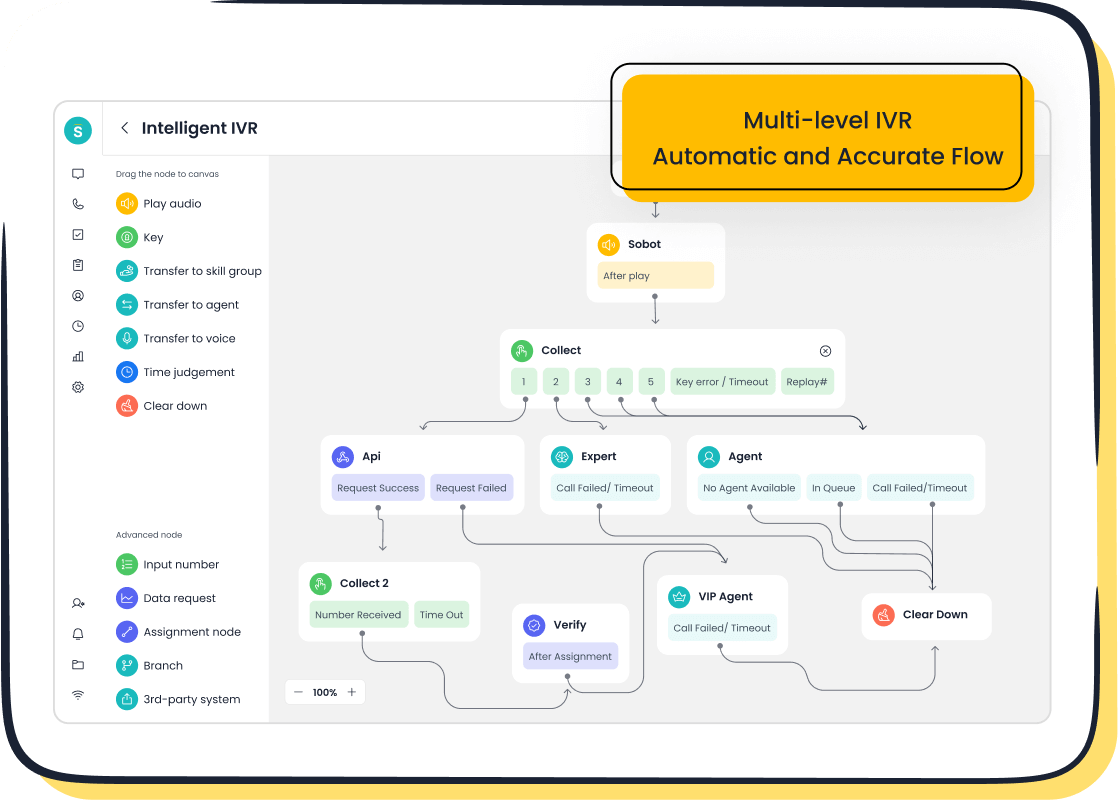
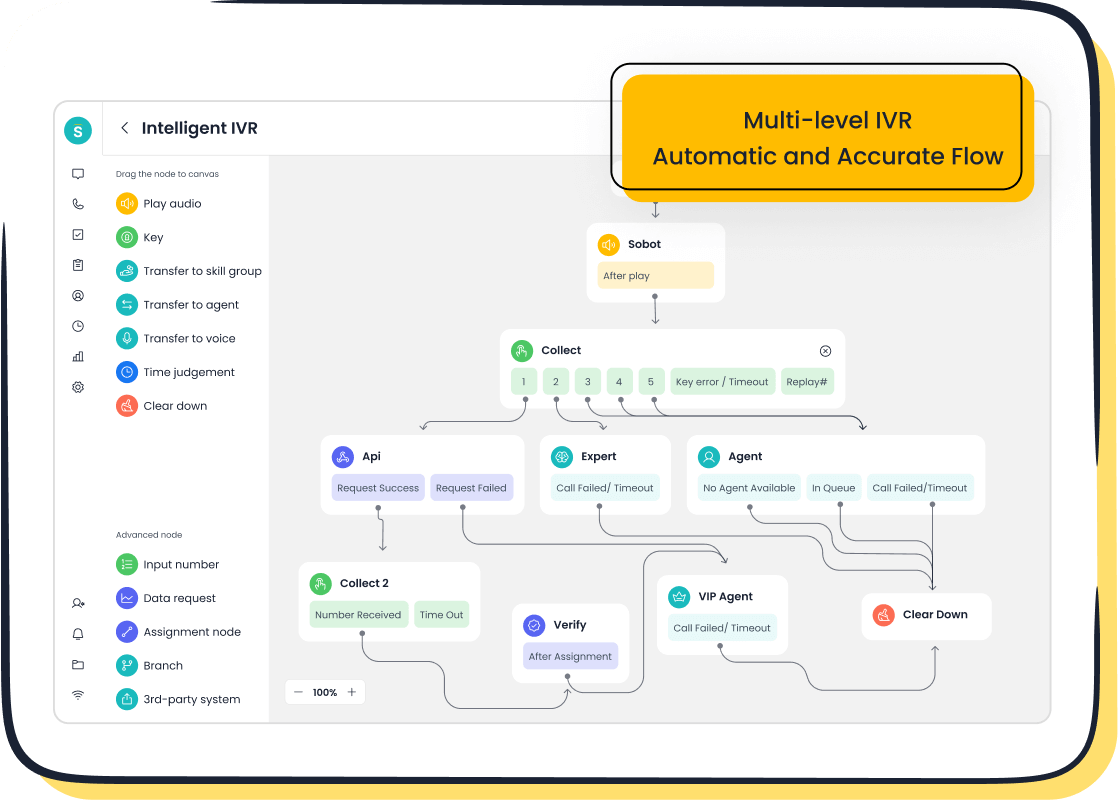
Sobot’s Voice/Call Center offers powerful tools to help you achieve your customer service goals. Its features, such as intelligent IVR, real-time analytics, and AI-powered voicebots, streamline operations and enhance customer satisfaction.
For instance, the platform’s call tracking and monitoring capabilities allow you to measure key metrics like first-contact resolution and average response times. These insights help you identify bottlenecks and optimize workflows. Businesses using Sobot’s solutions have reported a 20% reduction in inbound discussions and a 96% positive feedback rate.
| Metric | Value |
|---|---|
| Reduction in inbound discussion | 20% |
| Positive feedback rate | 96%+ |
| Correct answers rate | 80% |
| Customer satisfaction rate | 95% |
| Self-service question resolution | 22.2% |
| CSAT score | 97% |
| Problem resolution rate | 85% |
| Customer happiness rate | 99% |
| Sign-off rate | 35% increase |
| COD collection rate | 40% increase |
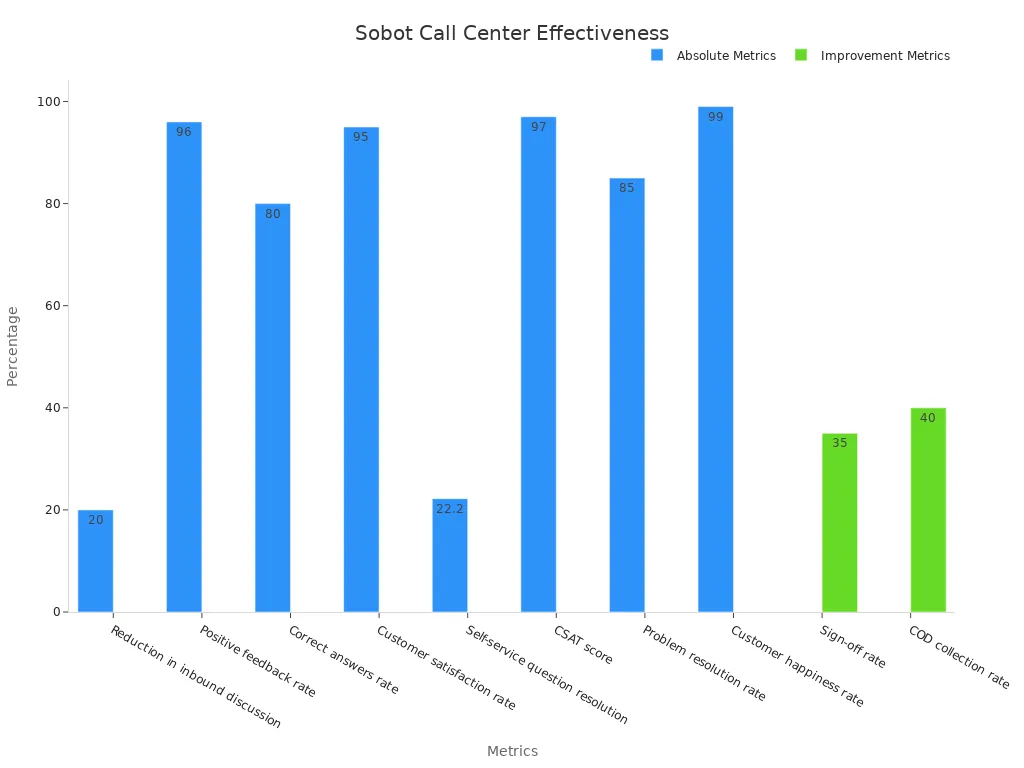
The platform also supports self-service options, resolving 22.2% of inquiries without agent intervention. This reduces workload and allows your team to focus on complex issues. By leveraging Sobot’s unified workspace, you can provide personalized support that aligns with your customer service goals. For example, setting a goal to improve problem resolution rates by 10% within a quarter becomes achievable with these tools.
Note: Sobot’s 99.99% system uptime ensures uninterrupted service, helping you maintain high customer satisfaction levels consistently.
Tools and Strategies for Tracking Progress

Tracking progress is essential for achieving your customer service goals. It helps you measure success, identify areas for improvement, and ensure your team stays aligned with business objectives. By leveraging the right tools and strategies, you can monitor key metrics, gather actionable feedback, and drive continuous improvement in your customer service operations.
Utilizing Customer Feedback Systems
Customer feedback systems play a vital role in understanding how well your team meets customer expectations. These systems allow you to collect, analyze, and act on feedback from various touchpoints, such as surveys, post-call reviews, and social media interactions. By using these insights, you can refine your strategies and enhance the customer experience.
To make the most of feedback systems, follow these steps:
- Define clear objectives for collecting feedback. For example, focus on improving specific metrics like the Customer Satisfaction Score or Net Promoter Score.
- Use tools that integrate seamlessly with your existing platforms, such as Sobot’s Voice/Call Center, to gather feedback efficiently.
- Segment feedback data to identify trends and address specific customer needs. For instance, analyze feedback by region or product category to uncover targeted insights.
- Regularly review and update your feedback collection methods to ensure they remain relevant and effective.
Feedback systems not only help you track progress but also foster trust and loyalty by showing customers that their opinions matter. When you act on feedback, you demonstrate a commitment to continuous improvement, which strengthens your brand reputation.
Tip: Encourage customers to provide feedback by simplifying the process. Use one-click surveys or embed feedback widgets in emails and chat sessions to make it easy for them to share their thoughts.
Monitoring Performance with Dashboards
Dashboards provide a centralized view of your team’s performance, enabling you to monitor key metrics in real time. These tools help you track progress toward your goals and identify areas that need attention. By visualizing data, dashboards make it easier to understand complex information and make informed decisions.
Some of the most effective metrics to monitor on dashboards include:
- Customer Satisfaction Score and Net Promoter Score, which reflect customer happiness and loyalty.
- Average Response Time and Average Ticket Resolution Time, which measure efficiency in handling inquiries.
- First Contact Resolution Rate, which indicates how often issues are resolved during the first interaction.
- Customer Effort Score, which assesses how easy it is for customers to get their issues resolved.
- Monthly Recurring Revenue and Customer Churn Rate, which provide insights into the financial impact of your customer service efforts.
By tracking these metrics, you can ensure your team stays focused on delivering exceptional service. Tools like Sobot’s Voice/Call Center offer advanced dashboard features, allowing you to monitor performance metrics and generate detailed reports. These insights help you identify trends, optimize workflows, and align your customer service goals with broader business objectives.
Note: Regularly review your dashboards to ensure the metrics you track remain aligned with your evolving business needs. This proactive approach helps you stay ahead of challenges and maintain high performance levels.
Real-Time Analytics for Continuous Improvement
Real-time analytics provide immediate visibility into your team’s activities and performance. These tools enable you to track key metrics, identify bottlenecks, and make data-driven decisions to improve your customer service operations. With real-time insights, you can address issues as they arise, ensuring your team stays on track to meet its goals.
For example, real-time analytics can help you monitor individual agent performance, such as response times and resolution rates. This allows you to identify top performers and provide targeted coaching for those who need support. Predictive analytics can also help you forecast trends, such as seasonal spikes in customer inquiries, enabling you to allocate resources more effectively.
Statistics highlight the value of real-time analytics in driving continuous improvement:
| Statistic | Description |
|-----------|-------------|
| 54% | Operators feel held back by outdated systems despite recognizing the importance of technology. |
| 20% | Increase in operational efficiency reported by restaurants using data-driven decision-making. |
| 2.5x | Restaurants using data-driven decision-making are more likely to see year-over-year revenue growth. |
As your business grows, your data tracking needs will evolve. Selecting scalable tools, like Sobot’s Voice/Call Center, ensures you can adapt to these changes seamlessly. The platform’s real-time monitoring and analytics features empower you to track progress, optimize workflows, and achieve your customer service goals.
Tip: Use real-time analytics to set incremental milestones for your team. For instance, aim to improve the First Contact Resolution Rate by 5% each quarter. This approach keeps your team motivated and focused on continuous improvement.
How Sobot's Voice/Call Center Enhances Tracking and Reporting
Tracking and reporting are essential for achieving your customer service goals. Sobot’s Voice/Call Center simplifies these processes by offering advanced tools that provide real-time insights into your team’s performance. With features like AI-driven analytics and customizable dashboards, you can monitor key metrics and make informed decisions to improve efficiency.
Sobot’s platform uses artificial intelligence to track agent adherence and optimize shift scheduling. This ensures your team stays on track and meets its objectives. For example, the system analyzes agent activity to identify patterns, helping you adjust schedules to match peak demand. This not only enhances operational efficiency but also improves your ability to meet customer expectations.

Real-time reporting dashboards are another standout feature. These dashboards consolidate data from multiple sources, giving you immediate access to performance metrics. Over 70% of modern contact center platforms rely on similar dashboards to enable quick decision-making. Sobot’s solution goes a step further by offering customizable views, allowing you to focus on the metrics that matter most to your goals. Whether you’re tracking average response times or first-contact resolution rates, these dashboards provide actionable insights that drive continuous improvement.
AI-powered call routing systems further enhance reporting capabilities. By matching callers with the most suitable agent or resource, these systems reduce average wait times by 20%. This improvement not only boosts customer satisfaction but also provides valuable data for reporting on call handling efficiency. For instance, you can analyze wait time trends to identify bottlenecks and implement targeted solutions.
| Feature Description | Impact on Tracking and Reporting |
|---|---|
| AI-driven analytics optimize shift scheduling and track agent adherence. | Improves tracking of agent performance and efficiency. |
| Real-time reporting dashboards provide immediate access to performance metrics. | Facilitates quick decision-making and actionable insights. |
| AI-powered call routing reduces average wait times by 20%. | Enhances reporting on call handling and wait time trends. |
Sobot’s Voice/Call Center also supports proactive monitoring. You can set alerts for specific metrics, such as a drop in customer satisfaction scores, ensuring you address issues before they escalate. This feature empowers you to maintain high service standards and align your tracking efforts with your business goals.
By leveraging Sobot’s tools, you gain a comprehensive view of your team’s performance and customer interactions. This enables you to refine your strategies and deliver a seamless customer experience. Whether you’re aiming to improve resolution rates or reduce response times, Sobot’s Voice/Call Center provides the data and insights you need to succeed.
Tip: Use Sobot’s customizable dashboards to focus on metrics that align with your long-term goals. This keeps your team motivated and ensures consistent progress.
Preparing for 2025 Performance Reviews
Setting Long-Term Goals with Milestones
Preparing for 2025 performance reviews requires setting long-term goals that align with your customer service strategy. Breaking these goals into smaller milestones ensures steady progress and keeps your team motivated. For example, if your goal is to improve customer satisfaction by 10% over the next year, aim for a 2.5% increase each quarter. This approach allows you to track progress and make adjustments as needed.
To succeed, focus on actionable steps. Start small and scale fast. Begin with a specific area, such as reducing average response times, and expand once you see results. Prioritize value over perfection by implementing changes that deliver quick wins. For instance, using Sobot’s Voice/Call Center can help you monitor metrics like first-contact resolution rates and average handling times, ensuring your team stays on track.
| Meta-KPI | Measurement Method | Target Value | Frequency |
|---|---|---|---|
| Action Completion Rate | Tracking system for action items | > 80% | Weekly |
| Performance Improvement Rate | Before-after analysis of KPIs | > 15% | Quarterly |
Tip: Schedule regular check-ins to review milestones and celebrate achievements. This keeps your team engaged and aligned with your goals.
Adapting Goals to Industry Trends and Customer Expectations
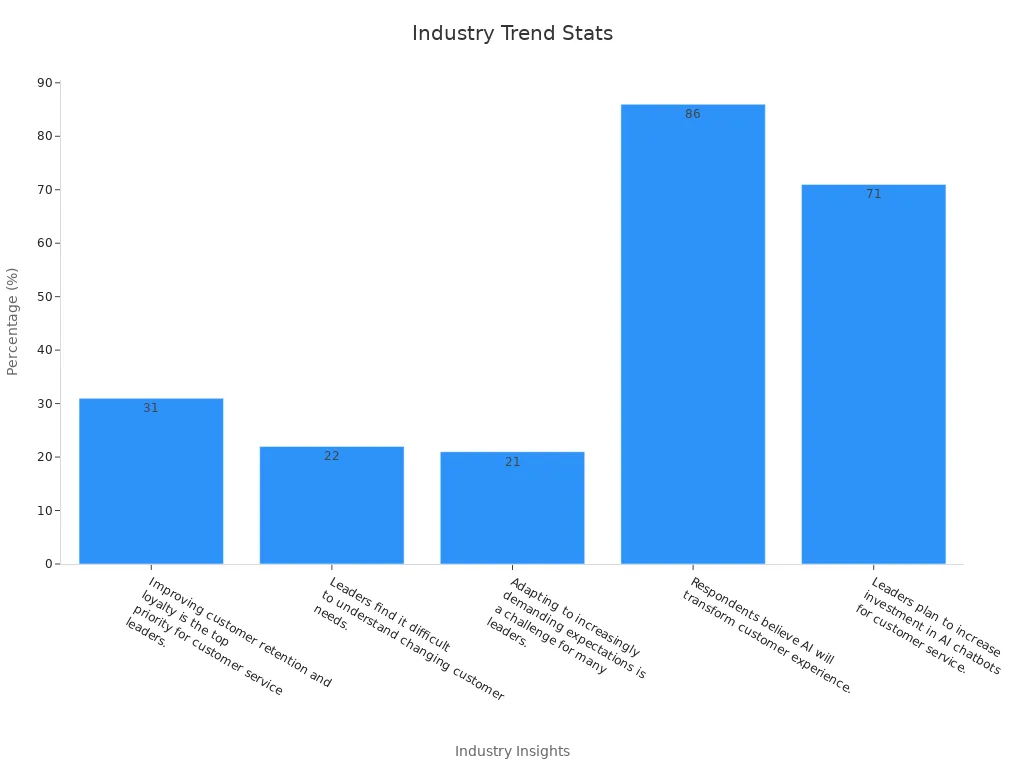
The customer service landscape evolves rapidly, making it essential to adapt your goals to industry trends and customer expectations. Statistics show that 31% of customer service leaders prioritize improving customer retention and loyalty, while 86% believe AI will transform customer experience. These insights highlight the need to embrace innovation and focus on personalized service.
To stay competitive, leverage data-driven insights from tools like Sobot’s Omnichannel Solution. This platform integrates customer interactions across channels, enabling seamless communication and personalized support. For example, you can use AI-powered analytics to predict customer needs and proactively address issues, enhancing CSAT scores.
Note: Regularly review your goals to ensure they align with emerging trends, such as the growing demand for AI chatbots and omnichannel strategies.
Training Teams for Evolving Customer Needs
Training your team is crucial for meeting evolving customer needs. Continuous training ensures your representatives stay updated on industry trends and develop the skills needed to deliver exceptional service. Soft skills, such as communication and emotional intelligence, play a vital role in building trust and resolving issues effectively.
Implement regular assessments to identify knowledge gaps and refine your training programs. For instance, monitoring KPIs like first-contact resolution rates and customer satisfaction scores helps you evaluate the impact of training. Sobot’s Voice/Call Center provides real-time analytics that can guide these evaluations, ensuring your team remains competitive.
- Conduct frequent training sessions to address new challenges.
- Use role-playing exercises to improve communication skills.
- Monitor training outcomes through performance metrics.
Tip: Encourage self-assessments to help your team reflect on their strengths and areas for improvement. This fosters a culture of continuous learning and growth.
Celebrating Achievements and Learning from Challenges
Recognizing achievements and reflecting on challenges are essential for building a strong customer service culture. Celebrating milestones motivates your team and reinforces positive behaviors. Learning from challenges helps you identify areas for improvement and refine your strategies. Both approaches contribute to long-term success.
Why Celebrating Achievements Matters
Acknowledging accomplishments boosts morale and encourages your team to maintain high performance. It also strengthens relationships with customers by showing appreciation for their loyalty and engagement. Here are some examples of achievements worth celebrating:
- First-time product logins, which mark the start of a customer’s journey.
- High-value feature usage, where you can follow up with best practices.
- Early adoption of new features, rewarding customers for taking risks.
- Customer anniversaries, celebrating long-term partnerships.
- Milestones in product usage, such as reaching specific activity levels.
- Exceeding industry benchmarks, highlighting exceptional performance.
Recognizing these moments creates a sense of accomplishment for both your team and your customers. It also fosters a positive environment where success is shared and celebrated.
Tip: Use tools like Sobot’s Voice/Call Center to track milestones and send automated congratulatory messages. This adds a personal touch to your celebrations.
Turning Challenges into Opportunities
Challenges provide valuable learning opportunities. Analyzing setbacks helps you uncover root causes and implement solutions. For example, if your team struggles with first-contact resolution rates, reviewing past interactions can reveal patterns and areas for training. Encourage your team to view challenges as stepping stones to improvement.
By celebrating achievements and learning from challenges, you create a balanced approach to growth. This strategy not only enhances team performance but also strengthens customer trust and loyalty.
Note: Regularly review your progress and adjust your goals to reflect lessons learned. This ensures continuous improvement and sustained success.
Actionable customer service goals are essential for driving success in 2025. They help you improve customer satisfaction, streamline operations, and achieve measurable results. Tools like Sobot's Voice/Call Center simplify this process by offering real-time analytics, intelligent call routing, and seamless integration. These features empower your team to meet objectives efficiently.
Tip: Start setting your customer service goals today. Use data-driven insights and advanced tools to create a strategy that delivers exceptional results. The sooner you begin, the closer you’ll be to achieving long-term success.
FAQ
How can Sobot’s Voice/Call Center help improve customer service goals?
Sobot’s Voice/Call Center provides tools like intelligent IVR, real-time analytics, and AI-powered voicebots. These features help you track metrics, optimize workflows, and reduce response times. By using these tools, you can achieve measurable improvements in customer satisfaction and operational efficiency.
What is the best way to set measurable customer service goals?
Use the SMART framework to set goals that are Specific, Measurable, Achievable, Relevant, and Time-bound. For example, aim to reduce average response time by 20% within three months. This method ensures your goals are clear and actionable.
How does real-time analytics benefit customer service teams?
Real-time analytics provide instant insights into performance metrics like response times and resolution rates. These insights help you identify bottlenecks and make quick adjustments. Tools like Sobot’s Voice/Call Center simplify tracking and reporting, enabling continuous improvement.
Why is team engagement important in achieving customer service goals?
Engaged teams feel motivated and accountable. When you involve your team in goal-setting, they understand their role in achieving objectives. This boosts morale and encourages collaboration. Tools like Sobot’s unified workspace streamline workflows, making it easier for your team to succeed.
Can Sobot’s solutions adapt to evolving customer needs?
Yes, Sobot’s solutions integrate AI-driven automation and omnichannel support. These features allow you to personalize interactions and address customer expectations effectively. Regular updates ensure the platform evolves with industry trends, keeping your service competitive.
See Also
Enhancing Customer Satisfaction Through Effective Live Chat Strategies
Effective Strategies for Managing Live Chat Support Teams
Top Practices for Ensuring Quality in Call Centers
Transforming Customer Support with AI-Powered Service Agents
Increasing Efficiency with AI-Driven Customer Service Solutions

