The 6 Essential Steps for Monitoring Satisfaction


Acquiring a new customer costs much more than customer retention. This makes measuring customer satisfaction a vital task for your business. A great customer experience drives true satisfaction. Understanding this satisfaction is now a science, not a guess. You can improve customer satisfaction with the right feedback. The process of measuring customer satisfaction and monitoring customer satisfaction provides a clear path for improvement. Sobot tools like the Sobot AI in the Sobot call center help gather customer feedback. This guide delivers a framework for measuring customer satisfaction and boosting overall customer satisfaction.
Step 1: Define Your Monitoring Satisfaction Goals
Before you can improve customer satisfaction, you must define what success looks like. Measuring customer satisfaction without clear goals is like sailing without a compass. You will collect data, but you will not know where you are going. A strong customer satisfaction strategy starts with specific, measurable objectives. This first step helps you create a plan for measuring customer satisfaction effectively.
Why Clear Objectives Matter
Clear goals give your efforts direction. They help you focus on what truly matters to your customer and your business. Do you want to improve the support experience? Or maybe you want to increase customer loyalty? Each goal requires a different approach to measuring customer satisfaction. Setting objectives ensures your team understands the purpose behind monitoring customer satisfaction. This clarity turns the process of measuring customer satisfaction from a simple task into a powerful tool for growth.
Mapping Key Customer Touchpoints
Your customer interacts with your business at many points. Each interaction shapes their overall satisfaction. You need to identify these key touchpoints to measure customer satisfaction accurately. Mapping the customer journey helps you pinpoint where feedback is most valuable. A customer has a unique experience at each stage.
- Before Purchase: A customer might find you through your blog, social media, or digital ads.
- During Purchase: They interact with your sales team, website checkout flow, or product demos.
- After Purchase: The journey continues with customer onboarding, support channels, and feedback surveys.
Understanding these moments is crucial for measuring customer satisfaction and improving their experience.
Aligning Satisfaction Goals with Business Outcomes
Your customer satisfaction strategy should directly support your larger business goals. High satisfaction is not just a feel-good metric; it drives real results. When you create a plan, connect your satisfaction targets to key performance indicators (KPIs). For example, improving satisfaction with your support team can reduce customer churn. Boosting satisfaction during the sales process can increase conversion rates. This alignment proves the value of measuring customer satisfaction and secures investment for your programs.
Step 2: Choose Your Key Satisfaction Metrics
After you define your goals, you must select the right tools for measuring customer satisfaction. Key metrics turn customer feelings into data you can track. Each customer satisfaction metric offers a unique window into the customer experience. Choosing the right ones is essential for a successful satisfaction survey. Let's explore the three most important metrics.
Using CSAT for Immediate Satisfaction
Customer Satisfaction Score (CSAT) measures a customer's happiness with a specific interaction. This metric asks a direct question, like "How satisfied were you with your support chat today?" You use it right after an interaction. This gives you immediate feedback on a single touchpoint. For example, some companies analyze call recordings to understand customer pain points and improve their customer satisfaction scores. A retail brand used this method to analyze interactions, leading to a 91% uptick in customer satisfaction. This metric is perfect for measuring in-the-moment satisfaction.
Gauging Loyalty with Net Promoter Score (NPS)
Net Promoter Score (NPS) measures long-term customer loyalty. This metric asks how likely a customer is to recommend your brand to others on a scale of 0-10. This single question helps you understand overall brand perception, not just one experience. Your NPS survey categorizes customers into Promoters, Passives, and Detractors. Average scores vary by industry.
| Industry | Average NPS |
|---|---|
| Retail & eCommerce | ~42 |
| Technology & SaaS | ~60 |
| Financial Services | ~60 |
Assessing Effort with Customer Effort Score (CES)
Customer Effort Score (CES) measures how easy it is for a customer to get an issue resolved. The survey asks a simple question: "How easy was it to handle your request?" This customer satisfaction metric is a powerful predictor of loyalty. When a customer has a difficult experience, their loyalty drops.
Research shows that 96% of customers with a high-effort service interaction become more disloyal.
Reducing customer effort is often more effective for building loyalty than trying to "delight" them. A low-effort experience makes a customer more likely to return.
Creating a Holistic View of Customer Satisfaction
No single metric tells the whole story. The best approach to measuring customer satisfaction uses a combination of these tools. CSAT gives you feedback on daily operations. CES shows you where friction exists in the customer journey. NPS predicts future growth and customer loyalty. Using these metrics together in your customer satisfaction surveys provides a complete picture. This holistic view is crucial for effectively measuring customer satisfaction and making smart business decisions.
Step 3: Select Data Collection Methods
Once you have your goals and metrics, you need to choose how you will collect customer feedback. The right method helps you gather survey feedback effectively. Your choice of method will shape the quality and type of feedback you receive. A good strategy uses multiple methods to understand the full customer experience.
Transactional vs. Relational Surveys
You can use two main types of surveys to measure customer satisfaction. Transactional surveys capture feedback about a specific event. Relational surveys measure the overall customer relationship. Understanding the difference helps you ask the right questions at the right time.
| Feature | Transactional Surveys | Relational Surveys |
|---|---|---|
| Purpose | Capture immediate feedback after specific interactions | Measure long-term customer health and brand perception |
| Timing | Immediately after an interaction (e.g., support call) | Scheduled periodically (e.g., quarterly, annually) |
| Insights | Tactical fixes, pinpointing specific pain points | Strategic big picture, broad trends, benchmarking |
| Actionability | Highly actionable for immediate problem resolution | Informs major investments and overall strategy |
Leveraging In-App and Website Widgets
You can collect customer feedback while a customer uses your app or website. In-app surveys have very high response rates. They often get a response rate higher than 30%. This is much better than email surveys, which typically see a 2–4% response rate. This method works well because you ask for feedback when the customer is already engaged.
Gathering Qualitative Data via Interviews
Numbers from a survey do not tell the whole story. Customer interviews help you gather deep, qualitative feedback. They uncover the "why" behind customer satisfaction scores. To get the most from interviews:
- Use a flexible script to explore new topics.
- Ask open-ended questions about their background and pain points.
- Listen for emotional drivers and motivations.
- End by asking if the customer has anything else to share.
Deploying Surveys via Email, SMS, and Chatbots
You can send your survey through many channels. SMS is a powerful option, with a 98% open rate. This makes it great for getting quick feedback. Managing feedback from email, chat, and phone calls can be difficult. A platform like Sobot's Omnichannel Solution simplifies how you collect customer feedback. It provides a unified workspace for your team. This integration allows your business to gather feedback seamlessly from Live Chat, Voice Call Center, WhatsApp, and email. Your agents can see all customer interactions in one place, improving satisfaction without switching between platforms.
Step 4: Design and Deploy Customer Feedback Surveys
You have your goals, metrics, and collection methods. Now you must design effective surveys and send them to your customer. The design of your survey directly impacts the quality of the customer feedback you receive. A well-designed satisfaction survey encourages a customer to share honest thoughts. This step ensures your customer satisfaction surveys gather useful data.
Best Practices for Survey Design
Your survey design matters. A confusing or biased survey can give you bad data. You want clear, honest feedback. To design effective surveys, you should follow some simple rules. These practices help you create customer satisfaction surveys that people will complete.
- Use Neutral Language: Avoid words that suggest a right answer.
- Ask One Thing at a Time: Do not combine two questions into one.
- Keep Scales Consistent: Use the same rating scale throughout the survey.
- Avoid Jargon: Use simple words your customer will understand.
- Promise Confidentiality: Let the customer know their feedback is private to encourage honesty.
Determining Survey Timing and Frequency
When you send your surveys is as important as what you ask. The length of your survey also affects completion rates. Research shows surveys under 10 minutes work best. You should aim for 7-10 questions to keep the customer engaged. Sending surveys too late can mean the customer has forgotten their experience.
For an online order, you should send the survey within 2–5 days of delivery. For a software product, wait 1–2 weeks so the customer has time to use it.
Studies suggest Mondays and Tuesdays are strong choices for sending surveys. The best times are often in the morning or after 2 PM. This timing helps you get more feedback.
Choosing the Right Channels for Your Audience
You need to send your surveys where your customers will see them. Think about your audience. Do they prefer email, SMS, or in-app messages? Younger customers might respond better to a quick SMS survey. A business customer might prefer an email. Choosing the right channel increases the chances that a customer will provide feedback. This makes your data collection on customer satisfaction more successful.
A/B Testing Your Deployment Strategy
You can always improve your process for gathering customer feedback. A/B testing helps you find what works best. You can test different survey questions, send times, or channels. For example, send one version of a survey on Monday and another on Wednesday. See which one gets more responses. This testing gives you data to optimize your strategy. It helps you get the most valuable feedback from every satisfaction survey you send.
Step 5: Analyze Customer Feedback and Data
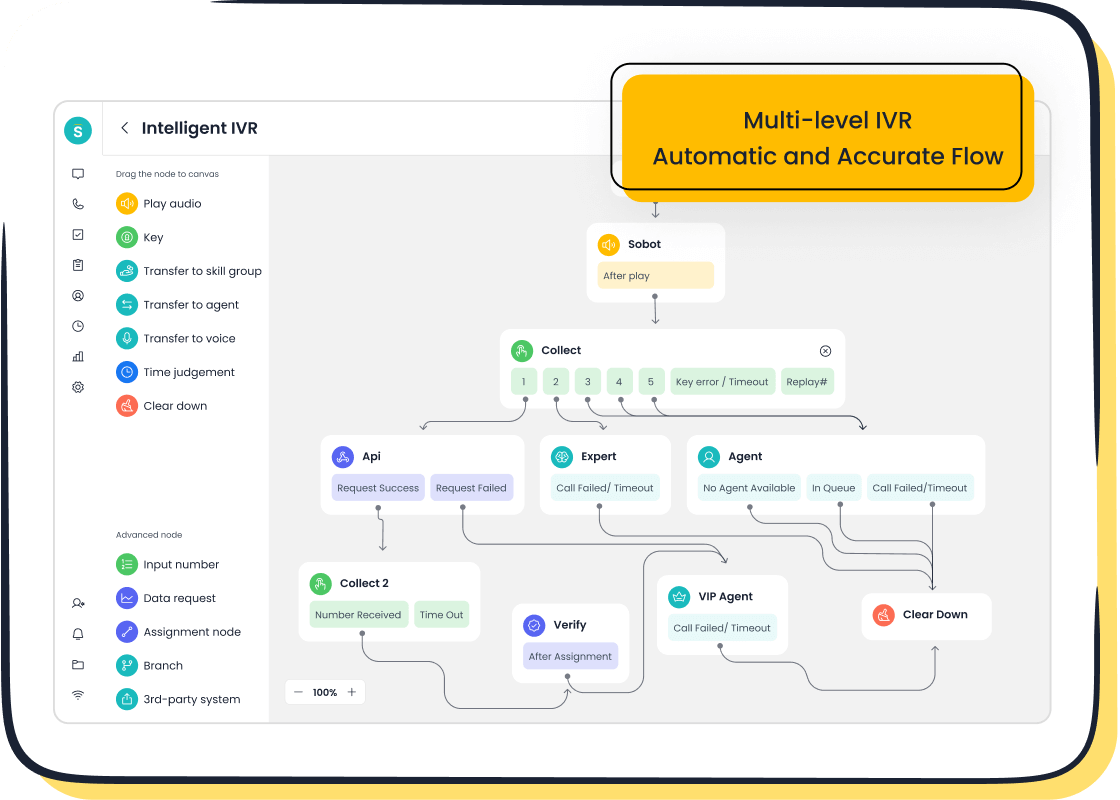
Collecting customer feedback is just the beginning. The real value comes from analysis. You must turn raw data into clear insights to drive improvement. This step is where you transform numbers and comments into a strategic advantage. Proper analysis helps you understand the story behind your scores and identify areas for improvement. This process is essential for measuring customer satisfaction accurately.
Segmenting Data by Customer Demographics
Not all customer feedback is the same. You should segment your data to uncover deeper insights. This helps you understand how different groups experience your brand. Looking at feedback from new customers versus long-term customers can reveal different pain points. This segmentation allows you to identify areas for improvement for specific groups. You can group your customer feedback by:
- Value-based: Customers on different pricing plans.
- Technographic: Users on mobile vs. desktop.
- Needs-based: Customers using different product features.
- Geographic: Users from different regions or countries.
This detailed view helps you prioritize changes that have the biggest impact on customer satisfaction.
Uncovering Themes in Open-Ended Feedback
Your quantitative scores tell you what is happening. Open-ended customer feedback tells you why. You need to analyze these comments to find common themes. Manually reading every comment is time-consuming. AI-powered tools can analyze text for sentiment and topics automatically. This technology helps you quickly process large volumes of feedback. It uncovers recurring issues or positive trends in the customer experience. This analysis is key to measuring customer satisfaction in a meaningful way and lets you identify areas for improvement.
Identifying Trends and Patterns Over Time
Your customer satisfaction is not a static number. It changes over time. You must track your metrics consistently to spot trends. Are your scores going up or down? Does satisfaction dip after a new product release?
Pro Tip: Use line graphs to visualize your satisfaction data over weeks, months, or quarters. This makes it easy to see patterns and measure the impact of your improvement efforts.
Tracking trends is a core part of measuring customer satisfaction. It shows you whether your actions are making a positive difference and helps you identify areas for improvement. This ongoing process of measuring customer satisfaction ensures you stay on the right path.
Creating a Central Analytics Dashboard
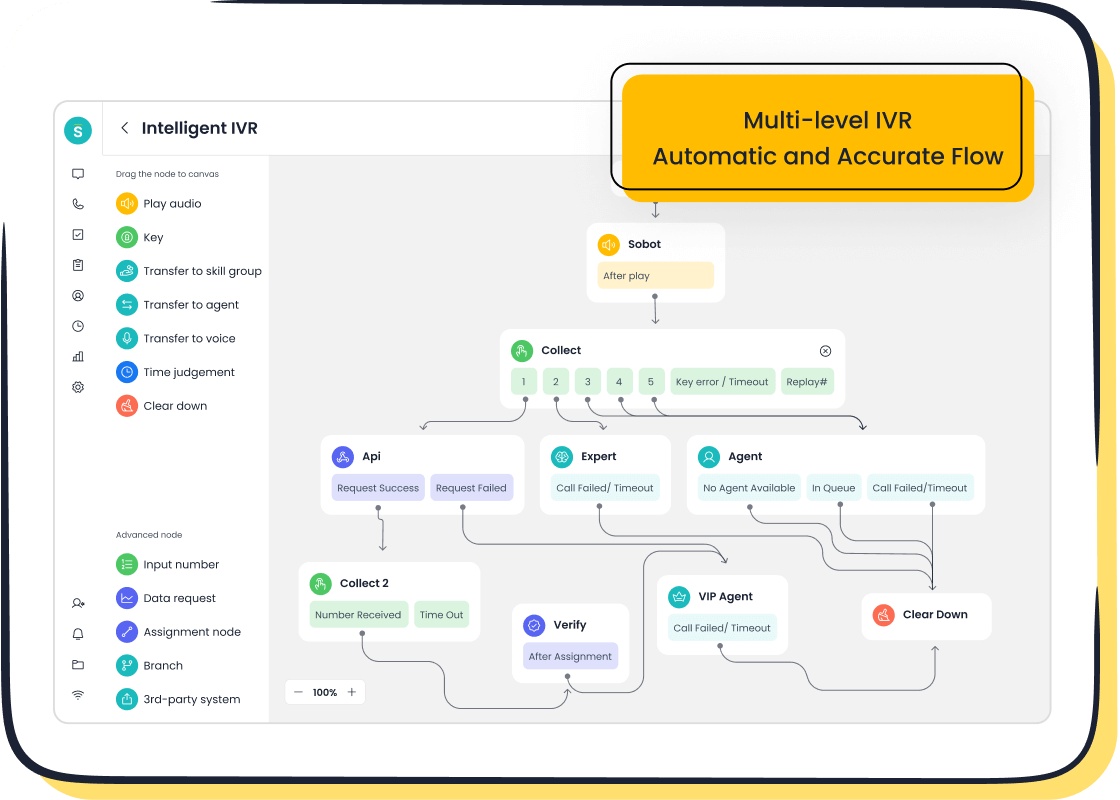
You need one place to view all your data. A central dashboard brings your metrics together. It gives you a complete view of customer satisfaction. This dashboard should display your key metrics like CSAT and NPS with clear charts. Tools like Sobot's Voice/Call Center offer powerful analytics that make this possible. Its platform provides real-time monitoring and data analysis. You can track call data, analyze trends in customer conversations, and generate insights to understand the drivers of satisfaction. This helps you connect your support interactions directly to your goals for measuring customer satisfaction. A good dashboard makes it easy to share insights with your team and identify areas for improvement quickly.
Step 6: Act on Insights and Close the Loop
Your analysis has given you valuable insights. Now you must act. This final step turns your data into meaningful improvement and higher customer satisfaction. You close the loop by taking action on feedback and telling your customer what you have done. This process shows each customer you value their opinion and helps boost customer retention. When you take prompt action based on feedback, you build trust and loyalty.
Prioritizing Issues by Impact
You cannot fix every issue at once. You need to prioritize. A simple way to do this is with an impact/effort matrix. This tool helps you decide where to focus your improvement efforts first. You can categorize tasks to identify quick wins and plan for bigger projects.
| Category | Impact | Effort | Action |
|---|---|---|---|
| Quick Wins | High | Low | Start here, easy and impactful |
| Big Projects | High | High | Plan carefully, worth the time |
| Fill-ins | Low | Low | Do when time allows |
| Reconsider | Low | High | Avoid or rethink |
This framework helps you use your resources wisely. You can make a real difference in the customer experience by tackling high-impact issues first.
Assigning Ownership for Action Items
Every action item needs an owner. You must assign responsibility to a specific person or team. This ensures that the customer feedback leads to real change. Roles like a Customer Support Manager or a Customer Experience Agent can take ownership. The key is for someone to be accountable for resolving the issue. This clear ownership is vital for any improvement plan. When you take prompt action based on feedback, you show your customer you are serious about their satisfaction.
Communicating Changes Back to Customers
Closing the loop means you tell your customer about the changes you made. This communication is powerful. It shows you listened and acted on their feedback. Companies like Starbucks and Zappos built loyalty by acting on customer feedback and communicating their improvements. You can send a follow-up email or an in-app notification. This simple step makes a customer feel heard and valued. It transforms a negative experience into a positive one and strengthens their connection to your brand. This is a crucial part of delivering an enhanced customer experience.
Establishing a Continuous Improvement Cycle
Monitoring satisfaction is not a one-time project. It is an ongoing cycle of improvement. A great model for this is the Plan-Do-Check-Act (PDCA) cycle.
Plan: Identify an area for improvement based on customer feedback. Do: Implement a small-scale change to test your solution. Check: Analyze the results to see if the change improved satisfaction. Act: Implement the successful change on a wider scale.
This cycle creates a culture of continuous improvement. Global leader Samsung put this into practice using Sobot's all-in-one contact center solution. By acting on feedback gathered through the unified platform, Samsung streamlined its operations. The result was a 97% customer satisfaction rate and a 30% increase in agent efficiency. This shows how acting on feedback drives incredible results, improving both satisfaction and retention.
You now have the six steps for measuring customer satisfaction: Define, Choose, Select, Deploy, Analyze, and Act. This process of measuring customer satisfaction is a continuous cycle. It fuels growth and helps boost customer retention. Your business can build a customer-centric culture by measuring customer satisfaction. Companies that improve customer engagement see 66% higher sales growth. Start measuring customer satisfaction today. You can deliver an enhanced customer experience and improve customer satisfaction with a solution like Sobot. This ongoing monitoring customer satisfaction creates a better experience for every customer and improves satisfaction.
FAQ
Why is measuring customer satisfaction important?
Measuring customer satisfaction helps you understand your customer. This process provides valuable feedback. You can use this feedback to improve the customer experience and boost loyalty. Consistent monitoring customer satisfaction is key to business growth and retaining each customer.
What is the best metric for measuring customer satisfaction?
There is no single best metric. A strong strategy for measuring customer satisfaction uses multiple metrics. Each metric, like CSAT or NPS, offers a different view of customer satisfaction. Using more than one metric gives you a complete picture.
How often should I send customer surveys?
The timing of your surveys depends on the interaction. You should send a survey soon after a purchase or support ticket. For measuring overall satisfaction, you can send a survey quarterly or annually. This helps you track customer satisfaction over time.
What is the first step in monitoring customer satisfaction?
The first step is setting clear goals. You must define what you want to achieve. This guides your entire process for measuring customer satisfaction. Your goals will help you choose the right metric and design an effective survey to gather customer feedback.
See Also
Elevate Live Chat Satisfaction: 10 Essential Strategies for Customer Delight
Seamless Customer Journeys: 10 Steps for Omnichannel Contact Center Implementation
Selecting Social Media Customer Service Software: 10 Key Tips for Success
Enhance Call Center Efficiency: Boosting Performance Through Effective Monitoring
Mastering Call Center Quality: A Comprehensive Guide to QMS Principles

