10 Tips for Successful Follow Up in Customer Service


Follow-ups are the cornerstone of building trust in customer service. They demonstrate to your customers that their satisfaction is a priority and their feedback is valued. A well-crafted follow-up in customer service can turn a routine interaction into a meaningful connection. Personalized communication not only elevates the customer experience but also strengthens loyalty. Consistent tips or check-ins make customers feel appreciated, fostering a sense of collaboration. With tools like Sobot, you can streamline the follow-up process, ensuring every interaction is timely and impactful. Success lies in making customers feel they truly matter.
Set Clear Expectations for Follow-Ups
Setting clear expectations is the foundation of effective follow-up strategies. When customers know what to expect, they feel valued and confident in your service. This builds trust and reduces unnecessary confusion.
Communicate Follow-Up Timelines Clearly
Clear communication about timelines is essential for a smooth follow-up in customer service. Let your customers know when they can expect to hear back from you. For example, if you promise a response within 24 hours, make sure you stick to it. This consistency shows reliability and professionalism.
Here’s a quick look at some examples of clear follow-up expectations that improve customer satisfaction:
| Expectation Type | Description |
|---|---|
| Set Chat Availability | Customers know when you’ll be online |
| Communicate Expected Response Times | Customers can anticipate the reply |
| Identify Your Bots | Customers know how to communicate with you |
| Shout About Twitter Support | Customers tweet when you’re ready |
| Clarify Your Refund Policy | Customers know what to ask for |
| Share Account Ownership Procedures | Customers know where to go |

Failing to set these expectations can lead to customer frustration, increased inquiries, and even feelings of being ignored. These issues can harm your reputation and result in lost business. Tools like Sobot’s Voice/Call Center can help you track and manage follow-up timelines efficiently, ensuring you never miss a deadline.
Define Next Steps During Initial Interactions
Defining next steps during your first interaction with a customer is a game-changer. It eliminates ambiguity and sets the stage for a productive follow-up. For instance, if a customer contacts you about a product issue, let them know what will happen next. Will you escalate the issue? Will you send them an update? Be specific.
A clear follow-up opening statement like, “I’ll get back to you by tomorrow with a solution,” reassures customers and keeps them informed. This approach not only improves communication but also enhances trust. Using Sobot’s unified workspace, you can access customer data in real-time, making it easier to outline actionable next steps and deliver on your promises.
By setting clear expectations and defining next steps, you create a seamless experience that leaves customers feeling valued and satisfied.
Leverage Tools Like Sobot for Efficient Follow-Ups
Use Sobot's Voice/Call Center for Call Tracking and Automation
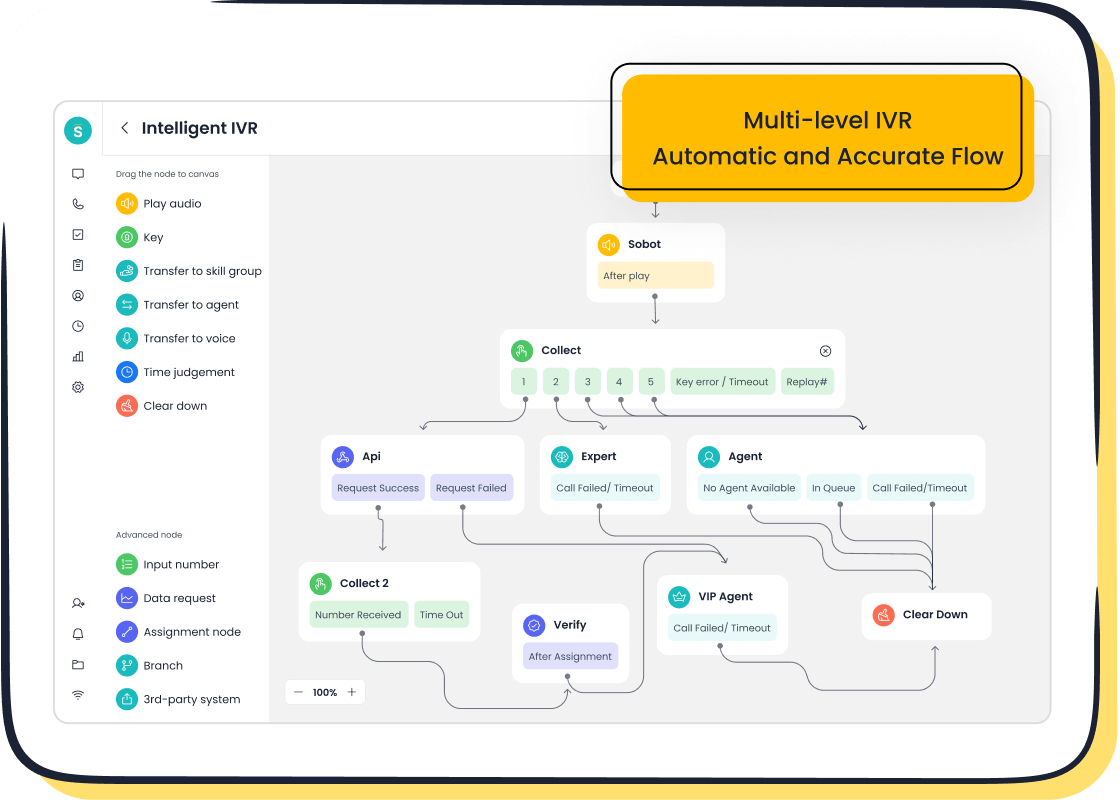
When it comes to follow-ups, efficiency is key. You don’t want to waste time juggling multiple tools or manually tracking every follow-up call. That’s where Sobot’s Voice/Call Center can make a huge difference. It offers features like call tracking and automation, which help you stay on top of every customer interaction. With call tracking, you can monitor and analyze call data in real-time, ensuring no detail slips through the cracks. This means you’ll always have the context you need to deliver a seamless follow-up experience.
Automation takes things a step further. Imagine being able to schedule follow-up calls or assign tasks to your team without lifting a finger. Sobot’s bulk outbound task feature lets you do just that. It prioritizes leads and ensures timely follow-ups, so your team can focus on what matters most—providing excellent service. These tools not only save time but also boost productivity and customer satisfaction. According to research, efficient tools like these can reduce resolution times and improve overall service quality.
| Benefit | Description |
|---|---|
| Enhanced Productivity | Tools help avoid inefficiencies, allowing customer service teams to maximize productivity. |
| Improved Customer Satisfaction | Efficient service reduces resolution time, leading to higher satisfaction rates among customers. |
| Cost Reduction | Investing in tools can lower long-term customer service costs by streamlining operations. |
| Employee Satisfaction | Well-equipped teams lead to happier employees, which correlates with better customer experiences. |
By leveraging Sobot’s Voice/Call Center, you can streamline your follow-up process and create a better experience for both your team and your customers.
Set Automated Reminders for Timely Follow-Ups
Timeliness is everything in customer service. Forgetting to follow up or reaching out too late can leave customers feeling neglected. Automated reminders can solve this problem. Sobot’s tools integrate seamlessly with platforms like calendars, email, and CRM software to ensure you never miss a follow-up. For example, you can set reminders to send follow-up messages after a call or even schedule payment reminders through billing systems.
Here are some examples of how automated reminders can improve your follow-up process:
- Sends instant confirmations and scheduled reminders at key times.
- Shares preparation details automatically.
- Sends follow-up messages and collects feedback post-appointment.
These reminders not only keep you organized but also show customers that you value their time. Whether it’s a quick check-in or a follow-up call, automation ensures you’re always one step ahead. With Sobot, you can customize these reminders to fit your workflow, making your service more efficient and reliable.
Personalize Your Follow-Up Communication
Personalization is the secret ingredient to creating memorable customer experiences. When you tailor your follow-up communication, you show customers that they’re more than just a number. It’s a simple yet powerful way to build trust and strengthen your relationship with them.
Address Customers by Name and Reference Past Interactions
Using a customer’s name in your follow-up is a small gesture that makes a big impact. It humanizes the interaction and shows that you’ve taken the time to understand who they are. But don’t stop there—reference their previous interactions with your service. For example, if a customer reached out about a delayed shipment, acknowledge it in your follow-up: “Hi Sarah, I wanted to check in and ensure your order arrived as expected.”
This level of personalization demonstrates that you value their time and concerns. Studies show that customers who feel heard and appreciated are more likely to stay loyal to your brand. Personalized communication also makes your follow-ups more effective by addressing specific needs, which enhances the overall customer experience.
Use Sobot's Unified Workspace for Customer Insights
Sobot’s Unified Workspace makes personalization effortless. It consolidates customer data, including past interactions, preferences, and feedback, into one easy-to-access platform. This means you can quickly gather insights and craft follow-ups that feel personal and relevant. For instance, if a customer frequently contacts you about product recommendations, you can use this data to suggest items they might love.
By leveraging tools like Sobot, you can turn routine follow-ups into meaningful conversations. This not only improves customer satisfaction but also fosters long-term loyalty. Personalized follow-ups are more than just good customer service—they’re a way to build lasting relationships.
Follow Up Promptly and Professionally
Timeliness is everything when it comes to follow-ups. Reaching out at the right moment can make all the difference in creating a positive customer experience. Whether you're sending a thank-you note or responding to an inquiry, acting promptly shows customers that you value their time and concerns.
Understand Ideal Timing for Different Scenarios
Knowing when to follow up is just as important as the follow-up itself. Different situations call for different timeframes. For example, after a purchase, a quick thank-you note within 24 to 48 hours can leave a lasting impression. If you're checking in on a customer’s experience, waiting about a week gives them enough time to form an opinion. On the other hand, responding to a customer inquiry should happen as soon as possible to maintain trust.
Here’s a quick guide to help you stay on track:
| Scenario | Ideal Follow-Up Timeframe |
|---|---|
| After a purchase | Within 24 to 48 hours |
| Thank-you note | Immediately after purchase |
| Check-in | One week later |
| After customer inquiry | As soon as possible |
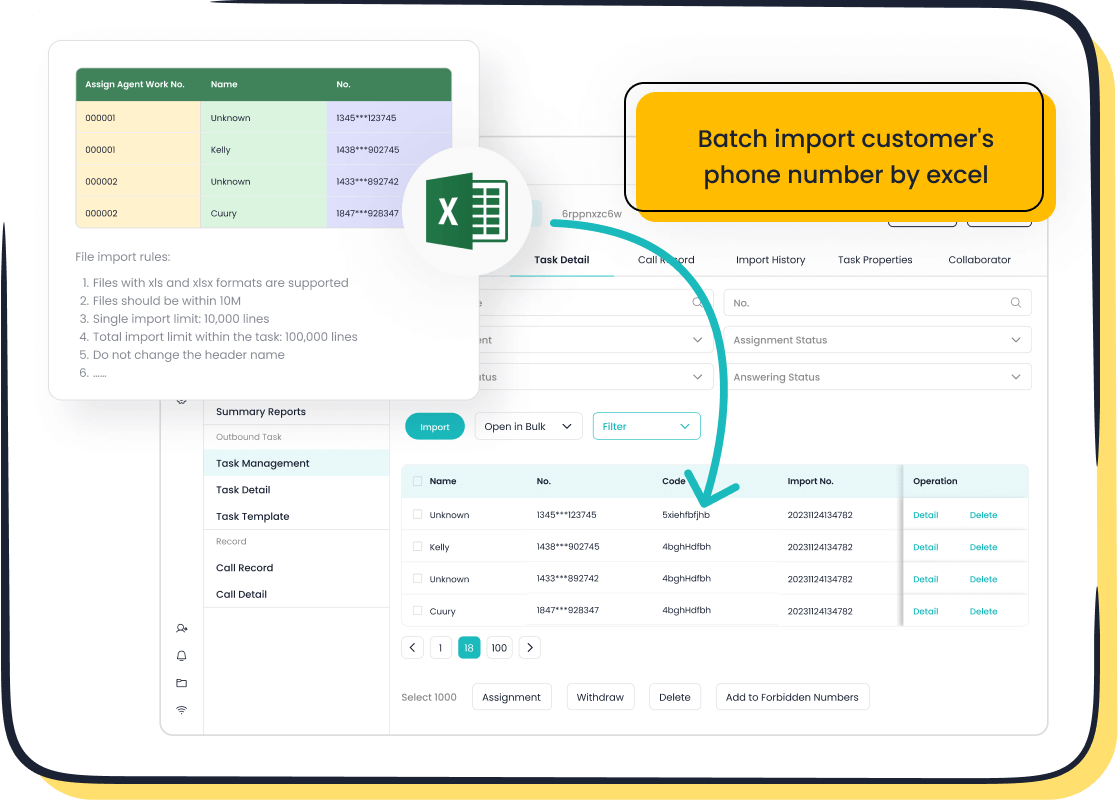
By following these timeframes, you can ensure your communication feels timely and relevant. Tools like Sobot’s Voice/Call Center can help you schedule follow-ups and stay organized, so you never miss an opportunity to stay in contact.
Avoid Delays That Could Impact Customer Satisfaction
Delays in follow-ups can harm customer satisfaction and even damage your reputation. Imagine waiting days for a response to a simple question—it’s frustrating, right? That’s how your customers feel when follow-ups are delayed. Prompt communication shows professionalism and keeps customers engaged.
Using automation tools like Sobot’s bulk outbound task feature can help you avoid delays. For instance, you can automate follow-up calls or reminders, ensuring no customer is left waiting. This not only improves efficiency but also enhances the overall customer experience. Remember, a quick follow-up call or message can turn a potential complaint into a positive interaction.
Staying prompt and professional in your follow-ups builds trust and keeps your customers coming back. It’s one of the simplest yet most effective tips for improving your customer service.
Choose the Right Communication Channel
Choosing the right communication channel can make or break your follow-up strategy. Customers have different preferences, and meeting them where they feel most comfortable is key to delivering excellent customer service.
Match Channels to Customer Preferences
Not all customers prefer the same communication methods. Younger generations, like Gen Z, often lean toward messaging apps such as WhatsApp or social media platforms like Instagram. Adults, including older millennials and Gen X, tend to favor email for its professionalism but still appreciate phone calls for more complex issues. Seniors, on the other hand, often prefer traditional options like phone calls or emails, valuing the personal touch these channels provide.

Understanding these preferences helps you tailor your follow-ups effectively. For example, if your customer base includes younger individuals, using Sobot’s WhatsApp API can streamline communication. It allows you to send personalized messages at scale while maintaining a conversational tone. For older customers, Sobot’s Voice/Call Center ensures seamless phone interactions with features like call tracking and smart routing. By aligning your communication channels with customer preferences, you create a more satisfying service experience.
Balance Between Email, Phone, and Messaging Apps
Striking the right balance between communication channels is essential. Each channel has its strengths. Emails work well for detailed follow-ups, like sharing receipts or troubleshooting steps. Phone calls add a personal touch, making them ideal for resolving complex issues or addressing complaints. Messaging apps, on the other hand, are perfect for quick updates or casual check-ins.
To avoid overwhelming your customers, maintain consistent but non-intrusive communication. For instance, follow up with a thank-you email within 24-48 hours after a purchase. Use phone calls for urgent matters or when a personal connection is needed. Messaging apps can handle reminders or feedback requests. Sobot’s tools, like automated reminders and bulk outbound tasks, help you manage these channels efficiently. They ensure timely follow-ups without overloading your team or your customers.
By balancing these channels thoughtfully, you can enhance customer satisfaction and build stronger relationships.
Be Clear and Concise in Your Messaging
Clear communication is the backbone of effective customer service. When you keep your follow-up messages simple and focused, you make it easier for customers to understand your intent and take action. Let’s explore how you can avoid overwhelming your audience and stay on point.
Avoid Overloading Customers with Information
Too much information can confuse or frustrate your customers. Instead of cramming every detail into a single message, focus on what’s most relevant. For example, if you’re following up after a product demo, don’t list every feature again. Instead, highlight the key benefits that align with their needs.
Here’s a quick tip: Break down complex topics into smaller, digestible pieces. If additional details are necessary, provide links or attachments for customers to explore at their own pace. Tools like Sobot’s Unified Workspace can help you access customer data and tailor your follow-ups, ensuring you only share what’s truly valuable.
Focus on the Purpose of the Follow-Up
Every follow-up should have a clear purpose. Whether you’re scheduling a call, answering a question, or offering assistance, make your intent obvious. Here are some examples of concise messaging that effectively communicates the purpose:
| Example | Description |
|---|---|
| Hi [client]. I’m [sales-rep]. Thank you for expressing interest in [company-name]. I’d love to speak with you about your requirements and how [XYZ product/service] can help. Would you be available for a quick call between 10 PM-6 PM CST tomorrow? | A direct request for a call after initial interest is shown. |
| Hi [client]. I hope the demo/free trial for [XYZ product/service] was helpful and gave you a deeper understanding of how it can provide value. I’m happy to answer any questions you have via a call or schedule a meeting. | A follow-up after a demo that invites further questions without pressure. |
These examples show how clear communication can make your follow-ups more effective. By focusing on one goal per message, you’ll avoid overwhelming your customers and improve their overall experience.
Show Empathy in Every Interaction
Empathy is the heart of exceptional customer service. When you show empathy during follow-ups, you demonstrate that you genuinely care about your customers and their experiences. This approach not only strengthens relationships but also leaves a lasting positive impression.
Acknowledge Customer Concerns and Feedback
Acknowledging your customers’ concerns is the first step to showing empathy. When a customer voices an issue, listen actively and validate their feelings. A simple acknowledgment like, “I understand how frustrating this must be for you,” can go a long way in making them feel heard. Follow this up by thanking them for their patience and understanding. For example, sending a quick message like, “Thank you for bringing this to our attention. We’re working on a solution,” shows your commitment to resolving their concerns.
Empathetic follow-ups also provide an opportunity to gather valuable feedback. Ask your customers to share their thoughts through a survey or a quick call. This not only helps you improve your service but also shows that their opinions matter. By addressing their concerns and acting on their feedback, you reinforce your dedication to meeting customer needs.
Offer Solutions That Address Their Needs
Empathy isn’t just about listening—it’s about taking action. Offer solutions that directly address your customers’ needs. For instance, if a customer faced a delay in delivery, provide a clear update and offer compensation, such as a discount or free shipping. Personalized offers based on their preferences or past purchases can also turn a negative experience into a positive one.
You can go a step further by sharing helpful resources. If a customer struggled with a product feature, send them a tutorial or guide to make things easier. Even small gestures, like commemorating a customer’s special occasion with a thoughtful message or premium feature, can make a big impact. These actions show empathy and build trust, ensuring a better customer experience.
By showing empathy in every interaction, you demonstrate your commitment to understanding and addressing customer needs. This approach not only boosts satisfaction but also strengthens loyalty, helping your business thrive.
Use Follow-Ups to Gather Feedback
Gathering feedback through follow-ups is one of the most effective ways to improve your customer service. When you reach out to customers after an interaction, you show them that their opinions matter. This simple act builds trust and strengthens relationships, which ultimately enhances customer satisfaction.
Request Feedback to Improve Services
Follow-ups provide the perfect opportunity to seek customer feedback. Whether it’s a quick survey or a follow-up call, asking for feedback shows that you care about improving the customer experience. For example, after resolving a support ticket, you could ask, “How would you rate your experience with us?” This not only helps you identify areas for improvement but also reassures customers that their voices are heard.
Here’s why follow-ups are so valuable:
- They show customers that their needs and opinions are important.
- They create a platform for gathering insights that drive continuous improvement.
- They strengthen relationships, which boosts customer retention.
Using tools like Sobot’s Unified Workspace makes this process seamless. It consolidates customer data, so you can personalize your follow-ups and ask the right questions. This ensures your feedback requests feel genuine and relevant.
Show Customers That Their Opinions Matter
It’s not enough to just collect feedback—you need to act on it. When customers see that their input leads to real changes, they feel valued. For instance, if a customer suggests a feature improvement, acknowledge their idea and share updates on its implementation. This builds trust and loyalty.
Here are some ways to show customers their opinions matter:
| Strategy | Description |
|---|---|
| Timely Follow-Ups | Reach out within 24-48 hours to show commitment to their satisfaction. |
| Personalization | Tailor your communication to make customers feel valued. |
| Utilize Feedback | Implement changes based on feedback to enhance trust and brand perception. |
Sobot’s tools, like automated reminders and call tracking, can help you stay on top of follow-ups. By acting on feedback and keeping customers informed, you create a service experience that stands out.
Go the Extra Mile to Delight Customers
Going the extra mile in customer service can transform a routine follow-up into a memorable experience. When you exceed expectations, you not only resolve issues but also create moments that delight your customers and strengthen their loyalty.
Provide Unexpected Value or Assistance
Surprising your customers with unexpected gestures can leave a lasting impression. Small actions, like sending a handwritten thank-you note or a personalized message, show that you genuinely care. For instance, imagine a customer who recently purchased a product from you. A follow-up call to check if they’re satisfied, paired with a special discount for their next purchase, can make them feel valued.
You can also celebrate milestones like birthdays or anniversaries by sending a thoughtful message or offering a small gift. These gestures foster emotional connections and enhance the customer experience. Another way to go the extra mile is by implementing customer feedback and letting them know about the changes. For example, if a customer suggests a feature improvement, inform them when it’s implemented. This shows you’re listening and acting on their needs, which builds trust and satisfaction.
Share Relevant Resources or Tips
Sharing helpful resources during follow-ups can make your service stand out. If a customer struggles with a product feature, provide a tutorial or guide to simplify things. For example, if someone contacts you about troubleshooting an issue, follow up with a link to an FAQ or a video walkthrough. These resources empower customers to resolve problems independently, improving their overall satisfaction.
You can also share tips tailored to their needs. For instance, if a customer recently purchased a kitchen appliance, send them a recipe guide or maintenance tips. This not only adds value but also shows you’re invested in their success. Tools like Sobot’s Unified Workspace make it easy to track customer interactions and share personalized resources, ensuring every follow-up feels relevant and thoughtful.
By going the extra mile, you turn ordinary interactions into extraordinary experiences. These efforts not only delight your customers but also foster long-term loyalty.
Continuously Improve Your Follow-Up Process
Improving your follow-up process isn’t a one-time task—it’s an ongoing effort. By analyzing data and refining your strategies, you can ensure your follow-ups consistently enhance the customer experience.
Analyze Metrics Using Tools Like Sobot
Metrics are your best friend when it comes to improving follow-up strategies. They give you a clear picture of what’s working and what needs adjustment. Here are some key metrics you should keep an eye on:
- Customer Feedback: Regularly gather and analyze feedback to understand how customers perceive your service.
- Response Rates: Track how often customers engage with your follow-up communications.
- Conversion Rates: Measure how many follow-ups lead to sales or service upgrades.
- Customer Retention Rates: Evaluate how follow-ups contribute to building loyalty.
Sobot’s Unified Workspace makes it easy to track these metrics. For example, you can monitor response rates and feedback in real-time, helping you identify trends and adjust your approach. If you notice a drop in engagement, you can tweak your follow-up call timing or messaging to better align with customer preferences. This data-driven approach ensures your follow-ups remain effective and relevant.
Refine Strategies Based on Customer Feedback
Customer feedback is a goldmine for refining your follow-up strategies. It tells you exactly what your customers need and expect. For instance, if feedback reveals that customers prefer shorter follow-up messages, you can adjust your communication style accordingly. This not only improves engagement but also shows customers that you value their input.
Using tools like Sobot, you can collect and analyze feedback effortlessly. Imagine a scenario where customers frequently mention delays in follow-up responses. With this insight, you can implement automated reminders or adjust your team’s workflow to address the issue. By acting on feedback, you create a service experience that feels tailored and thoughtful.
Refining your strategies based on real customer insights ensures your follow-ups stay impactful and aligned with customer expectations.
Consistent and thoughtful follow-ups are the backbone of excellent customer service. They show your customers that you care about their satisfaction and value their feedback. By implementing these tips, you can boost customer loyalty, improve retention rates, and even increase conversions. Tools like Sobot make this process seamless by automating routine tasks, personalizing interactions, and providing 24/7 support. For instance, Sobot’s solutions have achieved over 95% customer satisfaction and an 85% problem resolution rate. When you prioritize follow-ups, you’re not just solving problems—you’re building lasting relationships.
FAQ
What’s the best way to follow up with a customer after a service interaction?
The best way is to personalize your message. Use their name, reference the interaction, and choose their preferred communication channel. Tools like Sobot’s Unified Workspace make this seamless.
How can I ensure my follow-ups are timely?
Set automated reminders using tools like Sobot’s Voice/Call Center. These reminders help you stay on schedule and avoid delays that could impact customer satisfaction.
Why is empathy important in customer service follow-ups?
Empathy shows customers you care about their concerns. Acknowledging their feelings and offering tailored solutions builds trust and strengthens your relationship with them.
See Also
10 Strategies To Enhance Customer Satisfaction In Live Chats
10 Guidelines For Selecting Social Media Support Tools
Top Practices For Effective Call Center Quality Management
Essential Tips For Achieving Success In Depop Chats
10 Actions To Successfully Implement Omnichannel Contact Solutions

