What Are the 10 Most Important Customer Service Skills


Clear communication stands as the number one most important customer service skill. When you communicate well, you create good customer service experiences and build trust. The numbers speak for themselves:
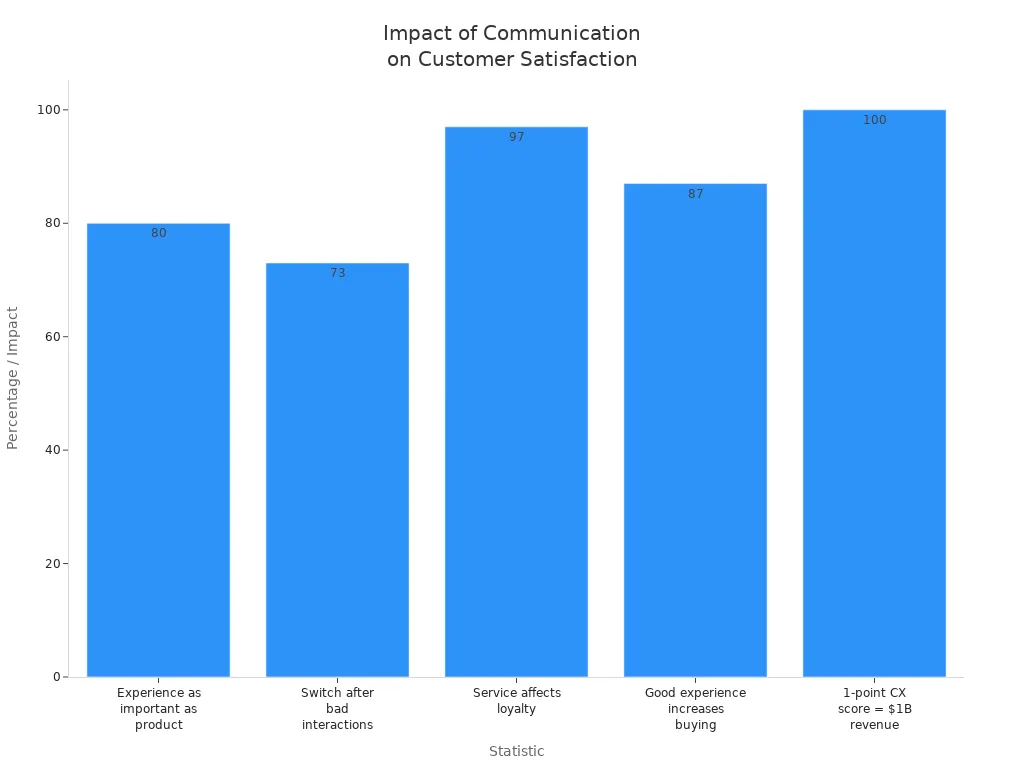
You see how good customer service leads to loyalty and repeat business. Mastering 10 customer service skills helps you deliver good customer service every time. Sobot puts customers first and drives innovation so you can provide exceptional customer service. Think about your own core customer service skills. Are you ready to deliver good customer service in every situation? Good customer service starts with you and the 10 customer service skills you practice every day.
Communication Skills in Customer Service
Clear Communication Essentials
Communication forms the foundation of all customer service skills. When you speak or write clearly, you help customers understand solutions and feel valued. Good communication skills allow you to explain information, answer questions, and solve problems quickly. You need to listen carefully and respond in a way that matches the customer’s needs. This approach builds trust and shows strong customer focus.
Many customer service agents face challenges with communication. Some common issues include:
- Dealing with difficult customers, such as those who complain, act impatient, or become aggressive.
- Handling language barriers that can cause confusion or miscommunication.
You can overcome these challenges by practicing clear communication every day. Use simple words and short sentences. Repeat important points if needed. Ask questions to make sure you understand the customer’s problem. When you do this, you show respect and care for the customer.
Effective communication helps you keep customers loyal. Customers stay with brands that communicate well and show up for them. They want to feel appreciated and understood. When you focus on clear communication, you build long-term relationships and increase customer retention.
Sobot Voice/Call Center for Effective Communication
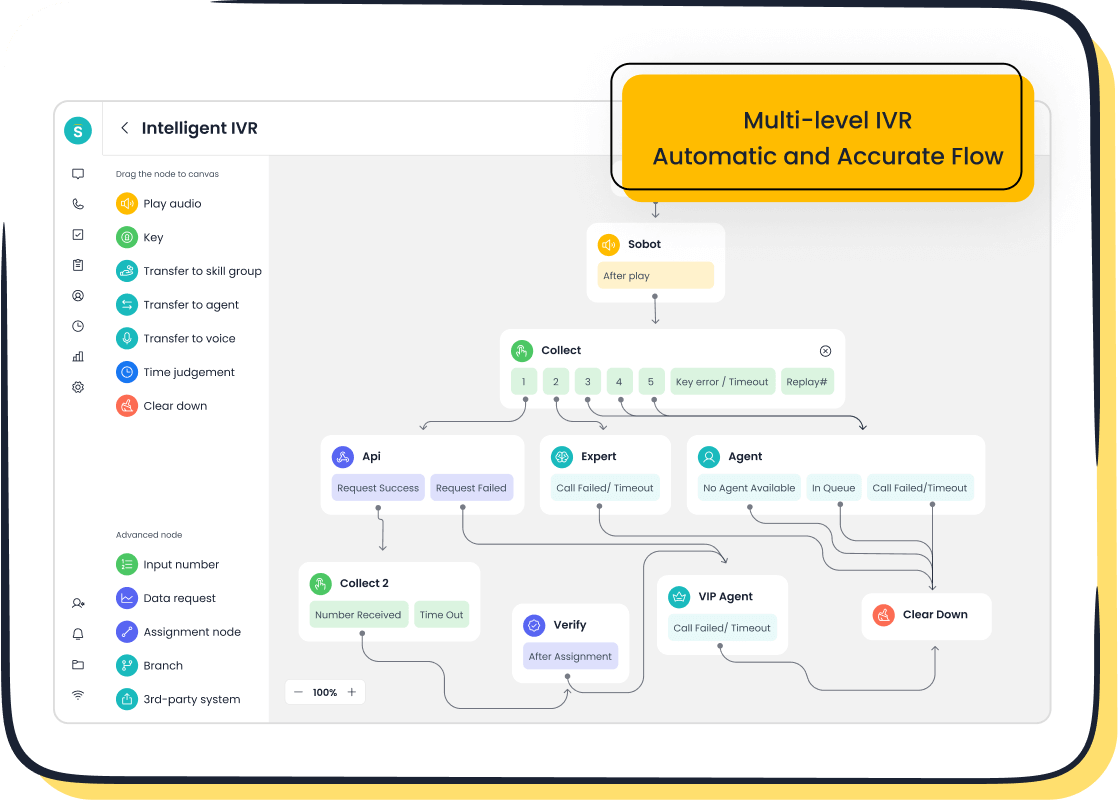
Sobot’s Voice/Call Center gives you the tools to improve your communication skills. You can manage calls, messages, and customer data in one place. The unified workspace helps you keep track of every conversation. You can use features like intelligent IVR, smart call routing, and AI-powered voicebot to handle calls smoothly.
For example, when a customer calls with a problem, you can use Sobot’s system to see their history and respond quickly. If a customer speaks another language, the platform helps you avoid misunderstandings. You can also record calls and review them to improve your communication skills.
With Sobot, you can focus on customer needs and deliver excellent service. This strong customer focus leads to better experiences and higher satisfaction. When you master communication, you set the stage for all other customer service skills.
Active Listening for Customer Satisfaction

What Is Active Listening?
Active listening stands out as one of the most important customer service skills. You use active listening when you focus on what the customer says, pay attention to their tone, and notice their feelings. This skill helps you understand customer needs and solve problems faster. You show attentiveness by listening without distractions and responding with care.
Here are the key components of active listening in customer service:
| Component | Description |
|---|---|
| Pay Attention | Focus on the customer’s words, tone, and emotions while minimizing distractions. |
| Show That You Are Listening | Use verbal affirmations and summarize what the customer has said to demonstrate engagement. |
| Provide Feedback | Paraphrase or summarize the customer’s points to show understanding. |
| Defer Judgment | Allow the customer to express their thoughts fully without interruption. |
| Respond Appropriately | Offer thoughtful and respectful responses that align with the customer’s concerns. |
When you practice active listening, you help customers feel heard and respected. This approach leads to higher customer satisfaction scores. You listen to customer concerns before responding and acknowledge them verbally. Customers feel special and often give higher ratings after you use active listening skills.
Enhancing Customer Experience with Sobot
Sobot’s omnichannel solution supports attentive listening across all channels. You can manage conversations from voice, chat, email, and social media in one workspace. The AI Agent helps you track customer history and understand their needs. You respond quickly and accurately, even when customers switch channels.
Benefits of active listening in customer service:
- You increase customer satisfaction, especially after service failures.
- You build trust and loyalty with every interaction.
- You create a positive customer experience that leads to repeat business.
Sobot’s platform gives you tools to practice active listening. You see customer data, review past conversations, and respond with empathy. This makes your customer service skills stronger and your customer experience better.
Empathy as a Core Customer Service Skill
Building Trust with Empathy
Empathy stands at the heart of customer service skills. When you show empathy, you help customers feel understood and valued. This skill goes beyond simple listening. You connect with the customer’s feelings and respond with care. Empathy builds trust and makes every customer experience better.
You can see the impact of empathy in customer service in the table below:
| Evidence Description | Impact |
|---|---|
| Customer satisfaction is 35% higher when agents show genuine empathy. | Higher CSat scores |
| FCR achievement leads to a 20% increase in CSat scores. | Improved FCR and CSat |
| Empathy encourages open communication, leading to better issue resolution. | Enhanced FCR |
| Customers feel more understood, fostering trust and rapport. | Smoother problem-solving |
When you use empathy, you help transform negative customer experiences into positive ones. Customers who feel understood often show higher satisfaction and loyalty. You can turn frustration into an opportunity to build lasting customer relationships. Empathy also encourages open communication, which leads to better listening and smoother problem-solving.
Sobot’s Approach to Empathetic Service
Sobot believes empathy is essential for strong customer relationships. The platform gives you tools to practice empathy in every interaction. With Sobot’s unified workspace, you can see customer history and understand their needs. This helps you listen carefully and respond with care.
The OPPO customer story shows how empathy changes customer service. During busy shopping seasons, OPPO faced a surge in customer inquiries. By using Sobot’s chatbot and ticketing system, OPPO’s team could focus on complex issues that needed human empathy. The result was a 94% positive feedback rate and a 57% increase in repurchase rate. Customers felt heard, and trust grew stronger.
Empathy helps you build trust, improve satisfaction, and create positive customer experiences. When you combine empathy with strong listening and communication, you strengthen customer relationships and set the stage for long-term loyalty.
Problem-Solving in Customer Service

Identifying and Resolving Issues
Problem-solving stands out as one of the most important customer service skills. You need strong problem solving skills to help customers get quick solutions and feel satisfied. When you work in customer service, you face many types of problems every day. Some of the most frequent issues include:
- Unable to access the right resources
- Long wait times
- Need to repeat information
- Poor customer service communication
- Lack of customer support channels
You must identify the problem quickly and find the best way to resolve it. Good problem-solving means you listen to the customer, ask clear questions, and use your knowledge to fix the issue. You build trust when you solve problems fast and show empathy. Customers remember how you handle their concerns, and they often return if you help them well.
Effective problem-solving leads to better customer satisfaction. You see improvements in many areas:
| Metric | Impact on Customer Satisfaction |
|---|---|
| Improve Customer Experience | Enhances overall satisfaction and loyalty |
| Increase Retention and CLV | Longer customer tenure and higher spending |
| Increase Profitability | Companies with high satisfaction report significantly higher revenue |
| Reduce Costs | High-quality experiences can lead to lower service costs |
| Positive Word of Mouth | Satisfied customers attract new customers, reducing marketing costs |
Sobot Tools for Fast Problem-Solving
Sobot gives you powerful tools to improve your customer service skills. The unified workspace lets you see all customer data, messages, and tickets in one place. You do not waste time searching for information. The AI features help you understand customer needs and suggest solutions. You can use the ticketing system to track issues and make sure every problem gets resolved.
Sobot’s platform helps you respond faster and more accurately. You can switch between channels, review past conversations, and use smart routing to connect customers with the right agent. The AI Agent gives you tips and automates simple tasks, so you focus on complex problems. You deliver better service and build stronger relationships with customers.
When you master problem-solving, you improve every part of your customer service skills. You create positive experiences, increase loyalty, and help your company grow.
Patience and Self-Control
Managing Challenging Interactions
Patience and self-control are essential customer service skills. You often face challenging interactions with customers who feel upset, frustrated, or confused. When you stay patient, you help guide these interactions toward a positive outcome. Research shows that customers value friendly service more than fast service. Training in patience leads to better business results and happier customers. Only about 9% of contact center agents say empathy is their strongest trait, even though 96% of customers see empathy as essential.
- Patience is crucial for customer service agents, especially when dealing with frustrated customers.
- Studies indicate that customers value friendly service experiences over quick interactions.
- Only about 9% of contact center agents believe empathy is their strongest trait, despite its importance.
- Training in patience can lead to better customer interactions and improved business outcomes.
- 96% of customers consider empathy essential in contact centers.
When you practice patience, you create space for de-escalation. You listen to the customer’s concerns and show that you care. This approach helps you manage conflict resolution and reduces the chance of complaints. Staying calm during tough interactions shows your dedication to professionalism and customer satisfaction.
| Evidence | Explanation |
|---|---|
| Patience helps manage difficult interactions | By staying calm, customer service representatives can control the situation and create a respectful environment for resolution. |
| Active listening reduces frustration | Understanding customer concerns and acknowledging their feelings can significantly lower their frustration levels. |
| Calmness conveys control and dedication | Remaining composed shows customers that the representative is in control and committed to finding a solution, which can de-escalate tension. |
| Patience fosters stronger relationships | By being patient, representatives can turn challenging interactions into opportunities for growth, leading to improved customer loyalty and reputation. |
Maintaining Professionalism
Professionalism means you treat every customer with respect, no matter how difficult the situation. You keep your emotions in check and focus on solutions. This skill is vital for customer service skills because it builds trust and shows you care about the customer’s experience. When you use self-control, you avoid reacting with anger or frustration. Instead, you use de-escalation techniques to calm the situation.
You can improve professionalism by practicing patience in every interaction. Take a deep breath before responding. Listen carefully and use positive language. These actions show you value the customer and want to help. Professionalism also means you follow company guidelines and use your training to handle conflict resolution. Every interaction is a chance to show your commitment to excellent customer service skills.
Patience and self-control help you turn difficult interactions into positive experiences. When you master these customer service skills, you build stronger relationships, reduce complaints, and create loyal customers.
Product Knowledge for Service Excellence
Why Product Knowledge Matters
You need strong product knowledge to deliver excellent customer service skills. When you know your products well, you answer questions quickly and solve problems with confidence. Customers trust you more when you provide clear and accurate information. This trust leads to higher satisfaction and loyalty.
A team with strong product knowledge can resolve issues faster. You save time for both the customer and yourself. The table below shows how product knowledge affects customer satisfaction and resolution times:
| Key Point | Explanation |
|---|---|
| Importance of Product Knowledge | A knowledgeable support team can resolve issues more efficiently, leading to higher customer satisfaction. |
| Impact on Resolution Times | Comprehensive training and an up-to-date knowledge base empower agents to find solutions faster, reducing resolution times. |
| Customer Loyalty | Customers who experience swift resolutions are more likely to remain loyal and recommend the brand. |
A culture of sharing product knowledge helps you answer queries quickly. You work better with your team and help customers feel valued. When you invest in learning, you improve your customer service skills and help your business grow.
Leveraging Sobot for Information Access
Sobot gives you powerful tools to boost your product knowledge and customer service skills. The knowledge base lets you find answers fast. You can search for product details, troubleshooting steps, and company policies in one place. This saves you time and helps you give accurate information to customers.
Sobot’s AI-powered chatbot supports your customer service skills by handling common questions automatically. You focus on more complex issues while the chatbot manages routine queries. The unified workspace brings together all customer data, chat history, and product information. You never have to switch between systems or waste time searching for answers.
Tip: Use Sobot’s knowledge base and chatbot to keep your product knowledge up to date. This helps you deliver better customer service skills every day.
A strong knowledge-sharing culture, supported by Sobot, empowers you and your team to work together smoothly. You resolve customer issues faster, increase satisfaction, and build loyalty. When you use Sobot’s solutions, you strengthen your customer service skills and set your business up for success. Learn more about Sobot’s knowledge base and chatbot features at Sobot’s official website.
Positive Attitude in Customer Service
Impact on Customer Perception
A positive attitude shapes how customers see your brand. When you use customer service skills with a cheerful and helpful approach, you make customers feel welcome. Your attitude influences every interaction. Customers notice when you smile, use positive language, and show enthusiasm. This creates a strong impression and builds trust.
- Employee attitudes directly influence customer interactions and satisfaction.
- A positive attitude among employees fosters a loyal customer base and encourages higher spending.
- Employees who reflect the organization's values through their positive attitudes enhance customer experiences, linking employee demeanor to customer perceptions.
- A positive consumer attitude significantly enhances purchase intention.
- Consumer attitudes encompass views on purchasing behaviors, products, and sellers, influencing their consumption decisions.
- When consumer attitudes are favorable, they lead to increased willingness to buy, demonstrating a direct link between positive attitudes and improved customer perceptions.
You can see how your customer service skills affect customer loyalty and repeat business. Customers who experience positive interactions are more likely to return and recommend your company. Your attitude sets the tone for every conversation.
Creating a Supportive Environment
You create a supportive environment by using customer service skills that focus on positivity and encouragement. When you greet customers warmly and listen with empathy, you help them feel valued. Positive language and proactive engagement are essential for pleasant customer experiences.
Tip: Use encouraging words and maintain a friendly tone. This helps customers feel comfortable and respected.
- A positive attitude enhances customer interactions, leading to improved customer satisfaction.
- It fosters a supportive environment where customers feel valued and understood.
- Service staff with a positive demeanor can influence customer attitudes positively.
- Positive language and proactive engagement are essential for creating pleasant customer experiences.
- Customers are more likely to remain loyal to companies that consistently provide positive experiences.
- Positive interactions lead to customer retention, as it is easier to keep existing customers than to acquire new ones.
- A positive attitude in service staff creates lasting impressions that encourage repeat business.
- Empathy and understanding from service staff contribute to customers feeling heard and respected.
Your customer service skills help you build a welcoming atmosphere. When you show positivity, you support your customers and your team. This leads to higher satisfaction, stronger loyalty, and better business outcomes. 😊
Time Management for Customer Service Agents
Prioritizing Customer Needs
Time management is a key part of your customer service skills. You must handle many tasks each day, so you need to prioritize customer needs. When you organize your work, you help customers faster and improve satisfaction. Studies show that customers waiting longer than 10 minutes are less likely to return or recommend your business (MIT study). Long wait times often lead to negative reviews and unhappy customers.
You can use several strategies to manage your time and boost your customer service skills:
- Prioritize urgent tasks to address customer concerns quickly.
- Structure your workday with to-do lists or time-blocking.
- Set daily goals that are specific and manageable.
- Reduce distractions by creating a comfortable workspace and scheduling breaks.
- Try the Pomodoro technique to stay productive.
- Keep your workspace organized for better efficiency.
The American Customer Satisfaction Index shows that wait time duration is a top driver of customer satisfaction (ACSI report). Monitoring wait times and keeping customers informed helps maintain trust and happiness.
Tip: Use script templates and active listening to resolve common issues efficiently. This strengthens your customer service skills and helps you focus on what matters most.
Sobot Solutions for Efficient Workflows
Sobot’s solutions help you manage time and improve your customer service skills. The workflow automation feature lets you assign tasks, track tickets, and set priorities. You can use the ticketing system to organize customer requests and monitor progress. This unified workspace saves you time and reduces errors.
Sobot’s platform supports time-blocking and goal setting. You can divide your day into focused segments and use AI-powered tools to handle routine questions. The system keeps all customer data in one place, so you never waste time searching for information. Monitoring wait times and addressing delays becomes easier with Sobot’s analytics.
When you use Sobot’s workflow automation and ticketing system, you improve your customer service skills. You respond faster, reduce wait times, and create positive experiences for every customer. Learn more about Sobot’s efficient workflow solutions at Sobot’s official website.
Adaptability in Customer Service
Adjusting to Customer Needs
Adaptability stands out as one of the most important customer service skills you can develop. Every day, you face new challenges and changing customer expectations. You need to adjust your approach quickly to meet these needs. When you show adaptability, you help customers feel understood and valued. This skill lets you handle unexpected questions, new products, or sudden changes in company policy.
You can see the power of adaptability in real-world examples:
- A global retailer trained its team to adapt to e-commerce roles. In just two quarters, the company reduced turnover by 20% and increased online sales by 30%.
- A tech start-up gave its developers flexibility training. This led to a 25% boost in project completion speed and shorter development cycles.
Adaptability helps you respond to changing customer needs in many ways:
- You can change your approach to match evolving customer requests, which improves the customer experience.
- You manage difficult conversations better by adjusting your strategy in real time.
- You respond quickly to fluctuating demands, making sure customers get timely and effective service.
When you practice adaptability, you strengthen your customer service skills and build trust with every interaction.
Sobot’s Omnichannel Flexibility
Sobot’s omnichannel solution gives you the flexibility you need to excel in customer service skills. You can manage voice calls, live chat, email, and social media from one unified workspace. This setup lets you switch between channels without losing track of customer needs. You see all customer data in one place, so you can adjust your service style instantly.
Tip: Use Sobot’s AI-driven tools to automate routine tasks. This gives you more time to focus on complex customer requests and show your adaptability.
With Sobot, you can handle sudden spikes in demand, new product launches, or changes in customer behavior. The platform supports your ability to adapt, making your customer service skills stronger and your customers happier. Adaptability, powered by Sobot’s technology, helps you deliver outstanding service every time.
Attention to Detail in Service Delivery
Preventing Mistakes
Attention to detail is a key part of strong customer service skills. When you focus on the small things, you prevent mistakes that can hurt your reputation. Many common errors happen when you overlook details. Here are some mistakes you can avoid by sharpening your customer service skills:
- Check for Accuracy: Always make sure numbers and facts are correct before sharing them with customers.
- Check for Consistency: Use the same words and style in every message to avoid confusion.
- Check for Completion: Give full answers so customers do not feel ignored or left out.
- Typos: Watch for spelling mistakes, as they can make you look less professional.
You can see how attention to detail in customer service skills helps you build trust. When you double-check your work, you show customers that you care about their experience. This approach also reduces errors and keeps your service reliable.
| Aspect of Attention to Detail | Impact on Customer Satisfaction | Impact on Errors |
|---|---|---|
| Clear communication | Reduces misunderstandings | Minimizes mistakes |
| Thorough task assignments | Enhances workflow | Lowers error rates |
| Positive company culture | Increases customer loyalty | Reduces service errors |
Personalizing Customer Interactions
Personalization is another way to use your customer service skills and attention to detail. When you remember a customer’s name or past orders, you make them feel special. You can use Sobot’s unified workspace to see customer history and tailor your responses. This level of detail shows that you value each customer as an individual.
Focusing on detail in communication also streamlines your work and helps you meet customer needs faster. Employees who pay attention to detail often spot problems before they grow. Companies that plan for detailed customer experiences see more sales and better reviews.
Tip: Make it a habit to review each message before sending it. This simple step can boost your customer service skills and help you avoid common mistakes.
When you use attention to detail in your customer service skills, you improve quality, reduce errors, and build lasting trust with every customer.
Mastering customer service skills shapes every customer service experience and drives business growth. You build customer retention, loyalty, and brand advocacy. Sobot empowers you with real-time tips, automation, and a unified workspace, so you can focus on complex needs.
- Build your knowledge and seek feedback.
- Join professional communities.
- Train regularly using mobile-friendly tools.
| Method | Description |
|---|---|
| Frequent training | Reinforces skills for better retention. |
| Quizzes and gamification | Boosts engagement and motivation. |
Stay curious and keep learning. Use technology like Sobot to stay ahead and deliver outstanding service.
FAQ
What are customer service skills, and why do they matter?
Customer service skills help you solve problems, communicate clearly, and build trust with customers. These skills matter because they improve satisfaction, loyalty, and business growth. You use customer service skills every day to create positive experiences.
How can I improve my customer service skills quickly?
You can practice active listening, learn about your products, and use tools like Sobot’s unified workspace. Review feedback and ask for tips from your team. Training and real-time support help you build strong customer service skills fast.
Which customer service skills does Sobot help me develop?
Sobot helps you build communication, problem-solving, empathy, and time management skills. The platform gives you AI-powered tools, a unified workspace, and workflow automation. These features support your customer service skills and make your work easier.
Why is attention to detail important in customer service skills?
Attention to detail helps you avoid mistakes and deliver accurate information. Customers trust you more when you check facts and personalize responses. Strong customer service skills include double-checking your work and using Sobot’s tools for accuracy.
Can technology like Sobot replace customer service skills?
Technology supports your customer service skills but does not replace them. Sobot automates simple tasks and gives you information fast. You still need to use empathy, communication, and problem-solving skills to create great customer experiences.
See Also
Best Customer Support Tools to Consider in 2024
Effective Strategies for Quality Management in Call Centers
Ten Ways to Enhance Live Chat Customer Experience
Leading Customer Feedback Tools to Explore in 2024
Essential Principles for Quality Management Systems in Call Centers

