10 Call Outbound Strategies for Sales in 2025

Your traditional cold calling efforts face a major hurdle in today's market. Effective selling in 2025 demands smarter outbound sales strategies.
With average cold calling answer rates as low as 5% and nearly 80% of calls going straight to voicemail, you need a new approach.
These next-generation strategies move beyond simple dialing. They focus on delivering real value. Platforms like the Sobot call center, powered by Sobot AI, enable this shift. You can transform your call outbound process from a numbers game into a targeted, value-driven engagement.
Top Outbound Sales Strategies for 2025
The old playbook for cold calling is obsolete. To succeed in 2025, you need smarter outbound sales strategies that prioritize precision and value. These five strategies will help you connect with more qualified leads and drive higher conversions.
Strategy 1: AI-Powered Hyper-Personalization
Generic outreach no longer works. You must personalize your outreach to capture attention. AI tools take this to the next level. They analyze data to create highly relevant messages. This data-driven prospecting helps you understand a lead's specific needs before you even call.
AI-driven strategies can boost response rates by 73%. Optimizing your outreach timing with AI can also improve meeting booking rates by an incredible 240%.
This approach transforms your selling process from a guessing game into a targeted science.
Strategy 2: The Triple-Touchpoint Opener
Relying on a single channel is a recipe for failure. A triple-touchpoint opener combines three channels for a powerful first impression. This multi-channel outreach approach can increase engagement by up to 50%. A typical sequence might look like this:
- Email: Send a personalized email outreach message.
- Call: Follow up with a call referencing the email.
- SMS/WhatsApp: Send a brief follow-up message.
A unified platform like Sobot's Marketing Solution makes this easy. It allows you to manage voice, WhatsApp, and SMS communications seamlessly for a cohesive follow-up.
Strategy 3: Intent Data-Driven Warm Calling
Stop wasting time on uninterested leads. Intent data shows you which companies are actively researching solutions like yours. Using this information turns a cold call into a warm one. You can tailor your conversation around their known interests. This strategy helps you focus on high-value leads, increasing conversions by as much as 30%.
Strategy 4: The Video Voicemail Drop
Most voicemails get deleted. A video voicemail stands out. It creates a human connection that a standard message cannot. Personalized videos are highly effective in B2B selling because they build trust and show you have invested time in the prospect. This simple change can make a huge difference in your follow-up success.
Strategy 5: AI-Powered Call Coaching
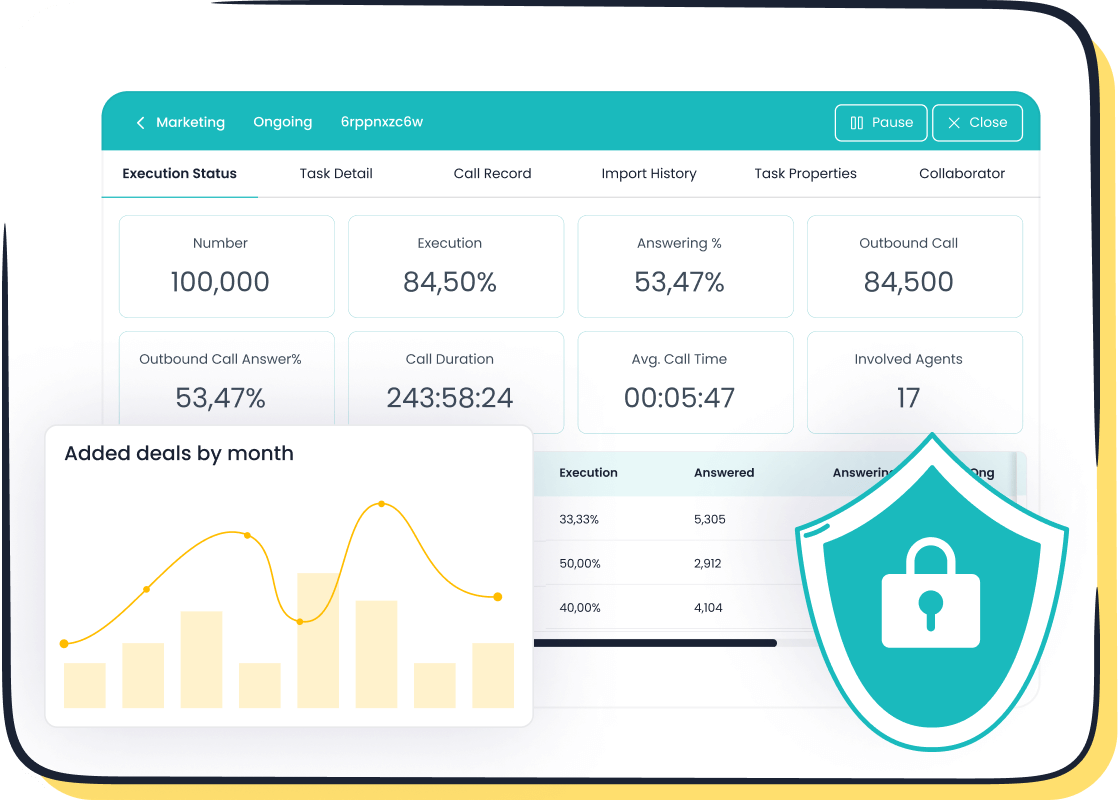
Top-performing sales teams use data to improve. AI-powered call coaching provides real-time feedback to your reps. Platforms like Sobot's Voice for Sales use AI to monitor calls, spot keywords, and suggest script optimizations on the fly. This helps your team handle objections better and refine their selling techniques, turning every call into a learning opportunity. These are the kinds of outbound sales strategies that deliver results.
Strategy 6: Community-Led Outbound Prospecting

Traditional outbound prospecting often feels intrusive. Community-led outbound prospecting flips the script. You build trust first by providing value within online communities where your ideal customers gather. This approach focuses on relationships, not just transactions.
How to Implement It
You can start this form of social selling today. First, identify relevant online groups. These could be on LinkedIn, Slack, Facebook, or industry-specific forums. Your goal is to become a trusted resource.
- Listen and Learn: Pay attention to the conversations. Understand the members' biggest challenges and pain points.
- Offer Value: Answer questions and share helpful insights without any sales pitch. This is a key part of effective social selling.
- Engage Authentically: Participate in discussions to build your reputation. Active participation fosters trust and credibility. Your social selling efforts should feel genuine.
Once you establish yourself, you can begin to identify potential leads and transition to one-on-one conversations. This method of social selling builds a strong foundation.
Why It Works in 2025
Buyers are tired of cold pitches. They seek authentic connections. Community engagement and social selling build lasting relationships that digital methods alone cannot achieve.
Prioritizing community engagement and personalized execution builds lasting connections. This leads to increased sales, stronger customer loyalty, and better brand recognition.
These long-term engagement strategies keep your business relevant. Community members eventually become brand advocates. This makes your outbound prospecting efforts more effective and cost-efficient than constantly acquiring new customers. This is one of the most powerful social selling strategies.
Pro-Tip
Use a dedicated social selling tool or your CRM to track key conversations and individuals you engage with. Set reminders to follow up on interesting threads or check in with helpful members. This keeps your efforts organized and ensures you never miss an opportunity to connect.
Strategy 7: The Closed-Lost Re-Engagement Play
Your closed-lost deals are not a dead end; they are a goldmine of opportunity. These prospects already know your brand and what you offer. A well-timed re-engagement play can turn a past "no" into a future "yes." These strategies focus on timing, new value, and a smart follow-up approach.
How to Implement It
Success begins with smart segmentation. You should not treat all lost leads the same. Group your closed-lost accounts to personalize your follow-up.
- Segment by the original reason for the loss (e.g., budget, timing, missing features).
- Organize them by industry or company size.
- Prioritize leads based on their previous engagement, like downloading an ebook or attending a webinar.
This targeted approach allows you to tailor your message for maximum impact.
"By segmenting our target audience, we can identify which leads are more likely to be receptive towards our offers and outreach campaigns, which improves the likelihood of reviving a dead lead."
A high-fit lead lost due to bad timing is a prime candidate for a personalized follow-up.
Executing the Re-Engagement Call Outbound
When you make the call, your goal is to re-open the conversation, not just check in. Acknowledge your past discussion and immediately introduce a new, relevant piece of value.
Try a script like this: “Hey [Name], it’s [Your Name] from [Your Company]. We talked a while back about [Previous Topic]. I know the timing wasn’t right then, but I wanted to share something new that’s been helping teams like yours [Achieve a specific benefit]. Would it make sense to revisit this?”
This script works because it respects their time and sparks curiosity with a fresh value proposition. Your follow-up should always feel helpful, not pushy.
Pro-Tip
💡 Use trigger events to justify your follow-up. Did their company get new funding? Did you launch a feature they previously asked for? Mentioning a specific event makes your outreach timely and shows you have been paying attention.
Strategy 8: Partner-Based Referral Calling
Leverage the trust your partners have built with their audience. Partner-based referral calling turns a cold call into a warm introduction, dramatically increasing your chances of success. This approach to outbound prospecting relies on collaboration, not just volume.
How to Implement It
You can build a successful referral program with a structured approach. These steps help you create a system that delivers consistent, high-quality leads.
- Identify and Vet Partners: Look for non-competing businesses that share your target audience. Treat potential partners like sales leads and show them the mutual benefits of working together.
- Formalize the Agreement: Create a clear contract. It should outline referral fees, lead qualification criteria, and brand guidelines to ensure everyone is aligned.
- Onboard and Enable Partners: Provide your partners with a complete onboarding kit. This includes training on your product's value, talking points, and marketing materials. A smooth process empowers them to represent you effectively.
- Establish Clear Communication: Use your CRM to create a simple referral submission process. Automate updates on lead status and payouts to keep your partners informed and engaged.
Why It Works in 2025
Trust is the most valuable currency in sales. Referral-based prospecting leverages pre-existing relationships, giving you instant credibility. The data clearly shows why this is one of the most effective strategies. Leads from referrals convert at a much higher rate than those from cold outreach.
| Lead Type | Sales Conversion Rate |
|---|---|
| Client Referrals | ~26% |
| Cold Calling | ~9% |
A prospect from a referral is nearly three times more likely to close than one from a cold call. This efficiency allows your team to focus on high-potential conversations and close more deals with less effort.
Pro-Tip
💡 Keep the process simple for your partners. Use your CRM to create a dedicated partner dashboard. This gives them a single place to submit referrals, track deal progress, and view their commission status. Automation reduces administrative work and makes them more likely to send great leads your way.
Strategy 9: The "Problem-Aware" Framework
Stop treating all prospects the same. The "Problem-Aware" framework helps you tailor your outbound prospecting to a buyer's specific stage of awareness. This approach ensures your message resonates because it meets the prospect exactly where they are in their decision-making journey. These targeted strategies lead to more meaningful conversations.
How to Implement It
You must first identify the prospect's awareness level. This allows you to align your sales process with their current understanding. Prospects generally fall into one of four stages:
- Problem Aware: The prospect knows they have a problem. They are just starting to research it and are unsure how to proceed.
- Solution Aware: The prospect understands the problem. They are now actively looking for different ways to resolve it.
- Product Aware: The prospect is evaluating specific products, including yours. They are comparing options to find the best fit.
- Most Aware: The prospect is convinced your product is the right choice. They are ready to make a purchase.
Once you qualify the prospect, ask open-ended questions to uncover their true needs. Use prompts like, "Tell me more about that?" or "How do you normally handle that?" to encourage them to share details. Active listening is crucial here. Pay attention to the specific words they use to describe their challenges.
Why It Works in 2025
Modern buyers are informed and self-directed. They complete much of their research independently before ever speaking to a sales rep. A generic pitch that ignores their existing knowledge will fail. This framework shows you respect their journey and are there to add value, not just sell. It positions you as a helpful advisor, building the trust needed to close deals in a skeptical market.
Pro-Tip
💡 Actively listen for the prospect's specific terminology. If they describe a process as "disastrous," use that word in your follow-up communication. Mirroring their language shows you understand the severity of their problem and builds instant rapport.
Strategy 10: Themed Call Sprints
Repetitive outbound calling can lead to burnout. Themed call sprints inject energy and focus into your team's routine. These short, high-intensity campaigns use gamification to boost motivation and drive specific outcomes. These targeted strategies make the daily grind feel more like a game.
How to Implement It
You can design a call sprint around a specific goal. Focus on controllable behaviors like call volume or meeting bookings. This rewards effort and builds positive habits. Consider these engaging formats:
- “60 Minutes to Win It”: Run a one-hour contest. Reward reps for every call made and meeting set. This creates a powerful sense of urgency.
- “Breakfast of Champions”: Divide your team into two. The team with the most calls in a 30-minute daily window wins a catered breakfast. This fosters healthy competition.
- Strategic Product Focus: Launch a two-week sprint. Offer special incentives for selling a specific product. This aligns team efforts with company priorities.
A successful sprint requires a clear goal, a fun theme, and a desirable prize. Your follow-up communication on progress is key to keeping the team engaged.
Why It Works in 2025
Sales games break up the monotony of daily tasks. They introduce excitement and friendly competition, making your reps more engaged. This improved morale often leads to extra effort and better results. Sprints also help with skill development. You can design a contest around handling objections or improving prospect talk time. This turns a simple follow-up call into a learning opportunity. When you celebrate milestones openly, you create a sense of winning together. This camaraderie builds a resilient and adaptable team culture. A strong follow-up on team achievements reinforces this positive environment.
Pro-Tip
💡 Use personalized leaderboards to make competitions relevant for everyone. You can track anything from outbound call volume to customer satisfaction. This allows every team member to see their impact clearly. A consistent follow-up on leaderboard status keeps the momentum going and makes everyone feel valued.
Essential Tools to Optimize Outbound Sales Strategy
The right strategies need the right technology. To execute modern outbound sales strategies effectively, you need a tech stack that empowers your team. These tools help you automate tasks, gather insights, and focus on what matters most: selling and building relationships. When you optimize outbound sales strategy with the right platforms, you can drive revenue and achieve maximum results.
Voice for Sales Platforms
A powerful Voice for Sales platform is the engine of your outbound calling efforts. These systems go far beyond simple dialing. They provide the infrastructure for efficient, intelligent, and global communication.
A prime example is Sobot's Voice for Sales. This platform is designed to help you double your conversions. It provides global phone numbers to improve connection rates and integrates seamlessly with CRMs like Salesforce and HubSpot in under 30 minutes. With a 99.99% SLA, you get unmatched reliability. This focus on performance helps you achieve a positive ROI. In fact, most teams see a positive ROI within six months and a 79% boost in productivity. Investing in a comprehensive voice system delivers a strong return on investment (ROI).
| Platform Type | ROI Range |
|---|---|
| AI voice sales automation | 6-12x |
| Comprehensive voice-driven sales systems | 8-15x |
| Voice-driven sales (average) | 8x |
A strong platform provides the foundation for better selling and delivers a high ROI. The right tool is essential for achieving your desired results and a great ROI.
CRM and Sales Engagement Tools
Your CRM is your single source of truth. When integrated with sales engagement tools, it becomes a powerhouse for tracking every interaction. This combination helps you manage your pipeline and automate follow-ups.
Seamless integration allows your tools to connect, enhancing your workflow. An outbound CRM that automates repetitive tasks saves time. It allows you to focus on high-value tasks like building relationships and closing deals.
Tools like HubSpot Sales Hub and Salesforce Sales Cloud help you organize prospect data and track engagement. This ensures you have the context you need for every call, which is critical for increasing conversions and achieving a high ROI.
Data and Intent Providers
Successful selling in 2025 relies on knowing who to call and when. Data and intent providers give you this critical intelligence. They signal which companies are actively researching solutions like yours.
Platforms like Bombora, ZoomInfo, and Cognism offer deep insights into buyer behavior. This data allows you to prioritize high-value accounts that are ready to buy. Using this information turns cold outreach into warm, relevant conversations. This targeted approach increases the value of each interaction and contributes to a higher overall ROI and better results for your revenue goals.
Key Skills for the 2025 Sales Professional

Executing modern strategies requires more than just the right tools; it demands a new set of skills. To thrive in 2025, you must evolve from a traditional salesperson into a tech-savvy, data-driven advisor. Mastering these three core competencies will set you apart and drive superior results.
Data Literacy and Analysis
Modern selling is a science. Your ability to engage with data confidently is no longer optional. Data literacy means you can critically evaluate information to make smarter decisions. This includes:
- Knowing where to find the right data for your task.
- Accurately interpreting reports and dashboards.
- Recognizing patterns, trends, and correlations.
- Using insights to guide your outreach and conversations.
By developing these skills, you move from guessing to knowing. You can pinpoint the most promising prospects and tailor your approach, which directly improves your sales results.
Empathetic Communication
In a world of automation, human connection is your greatest asset. Empathetic communication allows you to build trust and understand a prospect's true needs. You can sharpen this skill through targeted training. Methods like real-time feedback during calls, communication workshops, and training in active listening are highly effective. These practices help you recognize emotional cues and adapt your style, leading to better relationships and higher conversions.
Tech Stack Proficiency
Your sales tech stack is your co-pilot. Proficiency with these tools is essential for achieving maximum results. Top sales talent expects access to modern, AI-enabled platforms that automate routine tasks. This frees you from administrative work, allowing you to focus on high-value selling activities that generate revenue. You must be comfortable with a range of software, including:
- CRM (Customer Relationship Management)
- Sales Engagement Platforms
- Conversation Intelligence
- Data and Prospecting Tools
Leveraging this technology helps you work smarter, not harder, and is critical for boosting conversions.
Success in 2025 hinges on shifting your call outbound focus from high volume to high value. The most effective strategies combine genuine human connection with powerful technology to deliver superior results.
Integrating AI-powered tools with empathetic communication is the key to unlocking better performance in your call outbound efforts.
Ready to transform your call outbound process? Explore how Sobot Voice for Sales can help you pilot these new approaches and achieve measurable results. Start building a more efficient sales engine today to see your results improve.
FAQ
Why are traditional outbound sales strategies less effective now?
Buyers today are well-informed and dislike generic sales pitches. Traditional high-volume, low-value calling no longer works. You need modern outbound sales strategies that focus on personalization and building trust to capture attention and secure meetings.
How does AI improve my call outbound process?
AI helps you work smarter. It powers hyper-personalization, provides real-time call coaching, and identifies high-intent leads. Using AI-driven tools like Sobot Voice for Sales helps you boost conversions and improve your team's performance on every call.
How quickly can I implement a new voice platform?
You can deploy a modern platform faster than you think. For example, you can integrate Sobot Voice for Sales with your existing CRM in under 30 minutes. Most sales teams are fully operational on the platform in less than one week.
What is the single most important skill for sales reps in 2025?
Empathetic communication is your most critical skill. In a tech-driven world, your ability to build genuine human connections builds trust. This skill helps you understand customer needs deeply and sets you apart from the competition.
See Also
A 10-Step Guide to Deploying Omnichannel Contact Center Solutions Effectively
Discover the 10 Leading Call Center Analytics Software Platforms for 2024
Exploring the Premier Cloud Contact Center Solutions Expected in 2025
The 10 Best Speech Analytics Tools for Call Centers This Year
Identifying the Top 10 Voice of the Customer Software for This Year

