Weighing the Pros and Cons of CRM for Call Centers


CRM adoption in call centers presents you with many advantages but also introduces real challenges. You may see improved customer satisfaction and streamlined processes, but you must also prepare for complex implementation, user resistance, and high costs. Security and privacy of customer data remain critical. Sobot brings deep experience in helping teams balance these factors. Understanding both the 10 benefits of crm and the difficulties ensures you make informed decisions for your team.
CRM in Call Centers

Definition and Core Functions
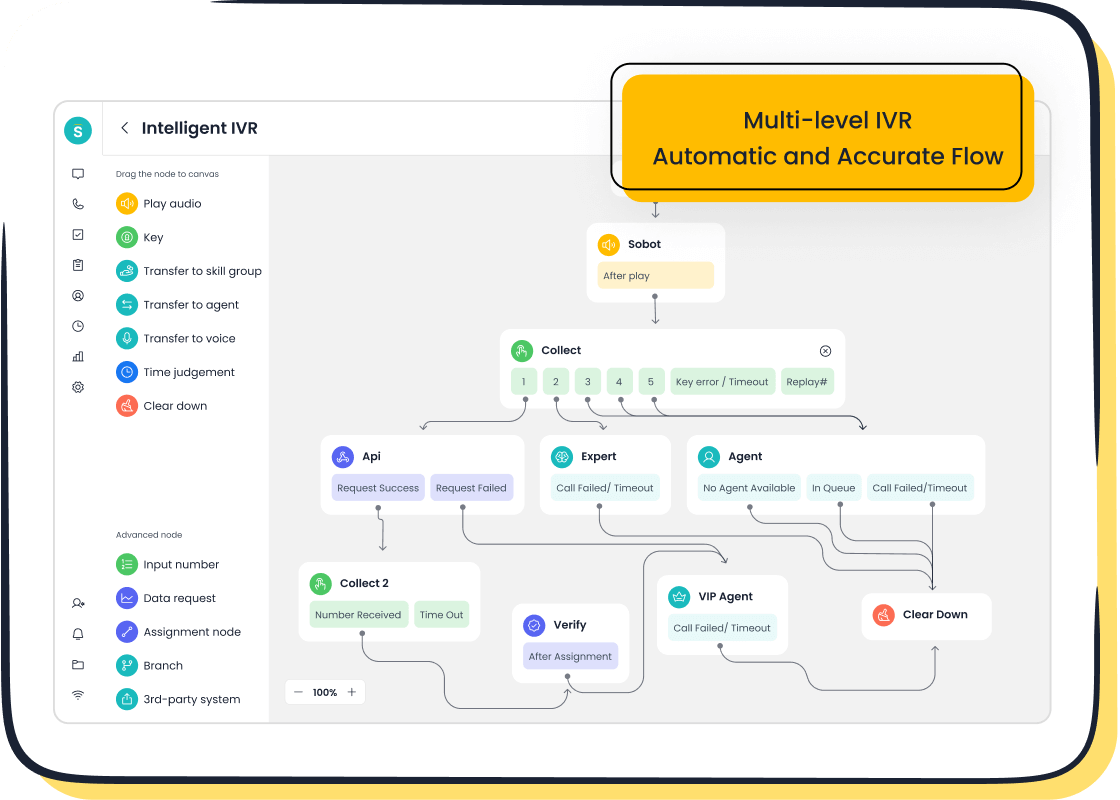
When you use customer relationship management in a call center, you rely on a specialized system built for your unique needs. Unlike enterprise CRM software used in other industries, call center CRM focuses on tracking calls, logging conversations, and monitoring agent performance. This system helps you manage every customer interaction, from the first call to follow-up support. Sobot’s Voice/Call Center product is a great example. It combines features like intelligent IVR, AI-powered voicebot, and unified workspace, so you can handle calls and customer data in one place. With Sobot, you get a platform that supports both inbound and outbound calls, ticketing, and live chat, making your daily operations smoother.
| CRM Feature | Impact on Daily Operations |
|---|---|
| Contact Management | Streamlines customer interactions and improves response times. |
| Lead Management | Enhances tracking of potential customers, increasing sales efficiency. |
| Workflow Automation | Reduces manual tasks, allowing staff to focus on customer service. |
| AI Capabilities | Provides predictive insights for personalized customer interactions. |
| Advanced Analytics | Enables data-driven decisions for better market segmentation. |
Role in Customer Communication
CRM for call centers gives you a unified view of all customer interactions. You can see every chat, call, or email in one place. This helps you respond faster and more accurately. Sobot’s omnichannel solution lets you connect with customers across voice, chat, WhatsApp, and more. You can route calls based on language or last contact, track performance, and automate tasks like post-call summaries. Real-time updates mean you never have to switch between tabs or apps. This unified approach boosts your productivity and helps you resolve issues on the first contact.
Tip: With Sobot, you can manage customer communication across channels, making it easier to deliver a seamless experience.
Key Features for Call Centers
When you choose enterprise CRM software for your call center, look for features that support your team’s daily work. Sobot offers automation for follow-ups, real-time analytics for tracking metrics like average handle time, and integration with telephony systems for smart call routing. These features help you reach the right customer at the right time. You also get AI-powered chatbots and voicebots, which handle routine questions and free up your agents for complex issues. With Sobot’s ticketing system, you can manage cases and track resolutions, ensuring nothing falls through the cracks.
10 Benefits of CRM for Call Centers
When you manage a call center, you want tools that help you build better customer relationships, drive increased sales, and boost in revenue. CRM for Call Centers gives you the power to transform your operations. You can see measurable improvements in efficiency, communication, and customer retention. Sobot’s solutions, like its AI-powered Voicebot, unified workspace, and omnichannel platform, show how CRM can deliver these benefits. Let’s explore the 10 benefits of CRM for call centers and see how you can use these advantages to grow your business.
Enhanced Customer Service
You want your customers to feel valued every time they contact your call center. CRM helps you personalize every interaction. With Sobot’s unified workspace, agents see the full history of each customer, including past calls, chats, and tickets. This context lets you respond quickly and accurately. Sobot’s AI-powered Voicebot answers routine questions, so your agents can focus on complex issues.
Here’s a table showing measurable improvements after CRM implementation:
| Improvement Metric | Description |
|---|---|
| Customer Satisfaction (CSAT) | Personalization of interactions leads to higher satisfaction as customers feel recognized. |
| Net Promoter Score (NPS) | CRM captures feedback and helps address complaints, improving the likelihood of recommendations. |
| Agent Productivity | CRM users experience a 34% boost in productivity, allowing agents to focus on customer relations. |
| Service Levels & Response Times | Intelligent call routing and automated callbacks enhance service speed and accuracy. |
| Call Abandonment Rate | CRM features like virtual hold reduce waiting times, leading to lower abandonment rates. |
Sobot’s chatbot and ticketing system helped OPPO achieve an 83% chatbot resolution rate and a 94% positive feedback rate. You can read more about OPPO’s story here.
Note: Personalized service leads to better customer retention and improved lead management.
Increased Efficiency and Productivity
You want your agents to spend less time on manual tasks and more time helping customers. CRM automates call logging, data entry, and follow-ups. Sobot’s bulk outbound task feature assigns leads to agents based on priorities and SLAs. This automation drives increased efficiency and productivity.
Industry studies show that CRM users report a 34% productivity boost. Agents handle calls faster, and workflows run smoothly. Here’s a table summarizing the impact:
| Metric | Impact |
|---|---|
| Customer Satisfaction (CSAT) | Enhanced through personalized interactions |
| Agent Productivity | 34% productivity boost reported by CRM users |
| Average Handling Time (AHT) | Reduced due to efficient call routing |
| First Call Resolution (FCR) | Improved with intelligent routing |
| Customer Experience | Amplified through seamless interactions |
- CRM systems automate data entry, allowing agents to focus on customer interactions.
- Integration with call management systems leads to smoother workflows.
- Built-in analytics help identify performance patterns and areas for improvement.
You get a unified customer experience across multiple channels, a comprehensive view of customer interaction history, and increased efficiency by eliminating manual data transfers.
Better Data Management
CRM gives you better control over your customer data. Sobot’s platform collects and organizes information from calls, chats, and emails. You can track leads, sales, and customer preferences in one place. This systematic data collection transforms random interactions into predictable patterns.
Here’s a table showing the data management benefits:
| Benefit | Description |
|---|---|
| Faster deal closure | Representatives spend more time selling and less time searching for information. |
| Higher conversion rates | Targeted outreach based on real buying signals improves success rates. |
| Increased deal sizes | Complete purchase histories enable strategic upsell and cross-sell opportunities. |
| Reduced churn | Early identification of at-risk accounts enables proactive retention efforts. |
| Accurate forecasting | Historical patterns enable reliable revenue predictions. |
| Strategic resource allocation | Data-driven insights guide hiring and investment decisions. |
| Optimized campaign timing | Understanding customer cycles improves marketing effectiveness. |
| Proactive customer service | Anticipating needs enables superior customer experiences. |
- You can identify seasonal trends, common objections, and typical sales timelines.
- Predictability allows you to calculate close probabilities and forecast revenue based on historical evidence.
Sobot’s analytics help you make smarter decisions and optimize your sales campaigns.
Automation and AI Integration
Automation and AI integration are key parts of modern CRM for Call Centers. Sobot’s AI-powered Voicebot and smart call routing automate routine tasks. You can direct calls to the right agent, use interactive voice responses, and analyze customer interactions in real time.
Here’s a table of the latest advancements:
| Advancement | Description |
|---|---|
| Smart Call Routing | Directs calls to the most suitable agents based on expertise and availability, reducing wait times and improving efficiency. |
| Interactive Voice Responses (IVR) | Uses pre-recorded prompts to assist customers, though may lack flexibility for complex issues. |
| AI-Powered Call Analytics | Analyzes customer interactions in real-time, providing insights to enhance personalization and agent performance. |
| Predictive Analytics | Forecasts call volumes to optimize staffing and resource allocation, ensuring efficiency during peak times. |
- Automation enhances operational efficiency by automating routine tasks.
- AI improves customer satisfaction through faster response times.
- Human agents focus on complex queries, increasing overall service quality.
Sobot’s chatbot and ticketing system helped OPPO reduce maintenance efforts by 90%. You can see how automation and AI integration deliver real results.
Scalability and Flexibility
You need a CRM that grows with your business. Sobot’s cloud-based platform adapts to changing needs. You can add new channels, integrate with other systems, and customize workflows. Scalability enables you to handle more calls, leads, and sales without a complete system overhaul.
- CRM scalability enables adaptation to changing business needs.
- Scalable solutions provide cost savings and improved efficiency.
- Sobot supports growth without requiring a complete system overhaul.
- Flexibility in customization and integration is essential for meeting evolving market demands.
Sobot’s global network and economic SaaS rental model make it easy for you to scale up or down as needed.
Improved Collaboration
CRM improves collaboration among your call center teams. Sobot’s unified workspace lets agents share notes, track cases, and access customer histories. You can assign leads, monitor progress, and ensure everyone stays informed.
Here’s a table showing collaboration outcomes:
| Metric | Description |
|---|---|
| Customer Satisfaction (CSAT) | Personalizes interactions, making customers feel seen and valued. |
| Net Promoter Score (NPS) | Captures feedback to identify complaints and at-risk customers, allowing proactive measures. |
| Agent Productivity | CRM users report a 34% productivity boost, allowing agents to focus on customer relationships. |
| Service Levels & Response Times | Intelligent call routing ensures customers reach the right agent quickly. |
| Call Abandonment Rate | CRM features like callback options reduce waiting times, leading to lower abandonment rates. |
You build stronger relationships within your team and with your customers. Enhanced communication leads to better customer relationships and improved lead management.
Omnichannel Support
Omnichannel support is one of the 10 benefits of CRM that makes your call center stand out. Sobot’s omnichannel solution lets you connect with customers across voice, chat, WhatsApp, email, and social media. You can provide seamless service and track every interaction.
Here’s a table showing the impact of omnichannel support:
| Evidence | Description |
|---|---|
| 73% of consumers prefer completing purchases through multiple channels | This indicates that omnichannel support meets customer expectations, enhancing satisfaction. |
| 90% of consumers find personalized experiences appealing | Personalization through omnichannel support increases customer engagement and satisfaction. |
| 62% of consumers believe brands need to care more | Empathy in customer service, facilitated by omnichannel support, can lead to increased loyalty. |
| 70% of customers expect agents to have full context | Omnichannel systems provide agents with comprehensive customer histories, improving service quality. |
| 73% of customers switch to competitors after bad experiences | Effective omnichannel communication can reduce churn by improving service quality. |
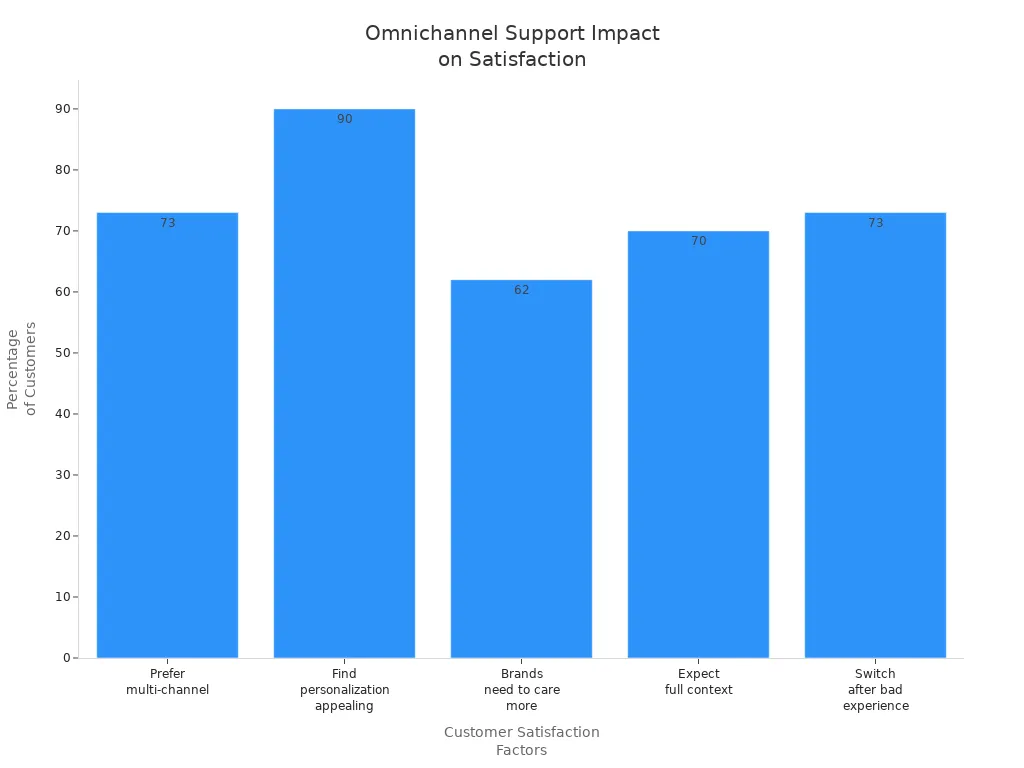
Omnichannel contact centers allow for seamless communication across various platforms. Customers are more likely to engage with brands that provide multiple contact options, leading to increased opportunities for upselling and reduced churn. Sobot’s platform gives your agents full context, so they can deliver personalized service every time.
Performance Analytics
CRM platforms provide performance analytics that help you optimize your call center operations. Sobot’s real-time monitoring and analysis tools track key metrics like call volume, wait times, and customer satisfaction. You can use predictive analytics to forecast trends and allocate resources efficiently.
- Data collection and integration aggregates information from various sources for comprehensive analysis.
- Real-time monitoring tracks KPIs to ensure service quality.
- Performance metrics and reporting measure average handling time and customer satisfaction.
- Predictive analytics forecast trends and optimize resource allocation.
- Speech and text analytics identify sentiments and common issues.
- Rep performance management evaluates agent effectiveness.
- Customer journey analysis maps interactions to improve service experiences.
- Root cause analysis identifies underlying issues for targeted solutions.
You can use these insights to improve your workflows, train your agents, and deliver better customer experiences.
Global Reach and Stability
CRM for Call Centers gives you global reach and stability. Sobot’s platform operates in over 50 countries, with 110 points of presence in 93 cities. You can access phone numbers worldwide and support customers in different time zones. The system uptime reaches 99.99%, so you never worry about downtime.
Here’s a table showing the market value and projected growth of CRM solutions:
| Year | Market Value (in billion USD) | Projected Growth (in billion USD) |
|---|---|---|
| 2020 | 241 | - |
| 2025 | 334 | 93 |
| 2023 | - | - |
| 2028 | 64.31 | 23.6 (+57.91%) |
Sobot’s stable system and encrypted data transfer ensure your operations run smoothly. You can serve customers anywhere and maintain high service levels.
Higher Customer Satisfaction
The ultimate goal of CRM for Call Centers is higher customer satisfaction. Sobot’s solutions help you deliver fast, accurate, and personalized service. You can resolve issues on the first contact, reduce wait times, and capture feedback.
OPPO’s story shows how CRM can drive results. After implementing Sobot’s chatbot and ticketing system, OPPO saw an 83% chatbot resolution rate, a 94% positive feedback rate, and a 57% increase in repurchase rate. You can read more about OPPO’s success here.
Tip: Higher customer satisfaction leads to increased sales, better customer relationships, and the potential to add revenue.
Summary Table: 10 Benefits of CRM for Call Centers
| Benefit | Sobot Feature Example | Real-World Impact |
|---|---|---|
| Enhanced Customer Service | Unified workspace, Voicebot | Higher CSAT, faster resolutions |
| Increased Efficiency | Bulk outbound task, automation | 34% productivity boost |
| Better Data Management | Analytics, data integration | Accurate forecasting, reduced churn |
| Automation & AI Integration | AI Voicebot, smart routing | Faster response, improved quality |
| Scalability & Flexibility | Cloud platform, global network | Easy growth, cost savings |
| Improved Collaboration | Unified workspace, ticketing | Stronger team relationships |
| Omnichannel Support | Omnichannel solution | Seamless communication, reduced churn |
| Performance Analytics | Real-time monitoring, reporting | Optimized operations |
| Global Reach & Stability | Global numbers, high uptime | Reliable service worldwide |
| Higher Customer Satisfaction | Chatbot, feedback tools | Increased repurchase rate |
You can see how CRM for Call Centers delivers the 10 benefits of crm. Sobot’s features and customer stories show the real impact on sales, relationships, and customer retention. You build better customer relationships, drive increased sales, and unlock the potential to add revenue. With CRM, you gain improved lead management, enhanced communication, and increased efficiency. Sobot’s platform helps you achieve these goals and grow your business.
Challenges of CRM Adoption

Cost and Resource Investment
You may notice that adopting a CRM in your call center involves several cost factors. These include subscription fees, setup, training, and even temporary productivity loss during integration. The table below shows typical cost ranges you might face:
| Cost Component | Estimated Cost Range |
|---|---|
| CRM usage subscription fees | $1,500 - $36,000 |
| Setup, team training, and data transfer | $1,800 - $10,000 |
| Productivity loss during integration | $3,000 - $12,000 |
| VoIP and telephony integration | $1,200 - $6,000 |
| Sales instruments upgrading | Variable |
You need to plan for these costs to avoid surprises. High subscription cost can impact your budget, but a well-chosen CRM helps you build an efficient and documented sales process. Sobot’s economic SaaS model helps you manage costs while supporting your sales process and revenue growth.
Complexity and Learning Curve
CRM systems can seem complex at first. You may need time to learn new tools and adjust your sales process. Training your team is important for success. Sobot provides easy-to-use interfaces and offers training support, so you can get started quickly. This helps you create an efficient and documented sales process without slowing down your sales team.
User Resistance
Some team members may resist using a new CRM. You can overcome this by involving users early, offering comprehensive training, and setting clear goals. The table below shows strategies that work well:
| Strategy | Description |
|---|---|
| Involving users early | Engage key users in selection and setup to boost adoption. |
| Comprehensive training | Offer in-person, online, and manual options for learning. |
| Clear goals and expectations | Explain CRM benefits and set clear objectives. |
| Making CRM use mandatory | Require CRM use, but balance with support and encouragement. |
| Incentives and rewards | Motivate users with rewards for consistent CRM use. |
| Ongoing support | Provide help desks and peer groups for assistance. |
| Leadership by example | Leaders should use and promote CRM to encourage others. |
Sobot supports you with onboarding and ongoing help, making it easier for your team to adopt the new system.
Data Security Concerns
Protecting customer data is a top priority. You must guard against threats like unauthorized access and cyberattacks. Here are some best practices:
- Use advanced controls like firewalls and Intrusion Detection and Prevention Systems.
- Monitor data continuously and use multi-factor authentication.
- Set strict access controls and review permissions often.
- Choose a CRM provider with strong security and compliance.
Sobot ensures high security with encrypted data transfer and regular audits, so you can trust your customer information stays safe.
Integration Issues
Integrating CRM with your existing systems can be challenging. You may face issues with data quality, scalability, and privacy. The table below outlines common problems and solutions:
| Integration Issue | Solution |
|---|---|
| Data integrity and quality | Audit data and involve all departments to ensure accuracy. |
| Scalability | Plan for growth and monitor performance as data increases. |
| Data security and privacy | Develop a compliance plan and consult security experts. |
Sobot’s platform offers seamless integration and supports your sales process, making it easier to connect your tools and keep your data accurate.
Tip: Addressing these challenges early helps you get the most value from your CRM investment.
Successful CRM Implementation with Sobot
Planning and Goal Setting
You start your journey to successful crm implementation by setting clear goals. Sobot guides you through each step. You identify business objectives, document workflows, and define success metrics. Assign roles and responsibilities so everyone knows their part. Assess data readiness and integration requirements. The table below shows key activities for planning:
| Key Activities | Description |
|---|---|
| Identify Business Objectives | Set goals that match your strategy. |
| Document Existing Workflows | Find areas to improve. |
| Define Success Metrics | Choose indicators to measure effectiveness. |
| Assign Roles | Make responsibilities clear. |
| Assess Data Readiness | Check data quality for integration. |
| Integration Requirements | Plan how CRM fits with your systems. |
You also define key performance indicators like customer satisfaction and sales productivity. Set realistic goals, such as increasing sales by 20%. Regular review cycles help you stay on track.
Training and User Engagement
You need comprehensive training for your team. Sobot offers onboarding and ongoing support. Leadership support and user-centric training make adoption easier. Clear communication and continuous skill development keep your team engaged.
Successful crm implementation relies on effective leadership, user-focused training, and open communication.
Feature Selection and Customization
You select features that fit your business. Sobot’s CRM offers scalability, customization, and integration with your existing tools. You choose mobile accessibility, strong security, and robust analytics. Reliable customer support helps you during and after setup. Live software demos let you test features before finalizing your choice.
- Identify objectives like improving customer service or boosting sales.
- List requirements such as integration and user-friendly interfaces.
- Consider user needs to enhance adoption and satisfaction.
Measuring Success
You measure success using clear metrics. Sobot’s analytics track adoption rates, outreach, opportunities created, conversion rates, customer satisfaction, and agent productivity. Service levels and response times improve. Call abandonment rates decrease. CRM systems help you personalize interactions, boost agent efficiency, and increase revenue.
Ongoing optimization with Sobot’s analytics and support ensures you reach your goals and grow your business.
Decision Framework for Call Centers
Assessing Needs and Readiness
You should start by understanding your call center’s unique needs before choosing a crm. Involve your team early and gather their requirements. This helps you find a solution that fits daily operations. Hold workshops with stakeholders to align on goals and reduce confusion during setup. Make sure you have a realistic budget that covers not only licensing but also training, integration, and data migration. Invest in change management and training so your team feels confident using the new system.
Here is a table to help you assess readiness:
| Factor | Description |
|---|---|
| Realistic budget | Plan for all costs, not just software fees. |
| User-driven requirements | Gather input from agents and managers to meet real needs. |
| Internal alignment | Get everyone on the same page to avoid delays. |
| Change management | Provide training and support for smooth adoption. |
Tip: When you involve your team and align on goals, you set the stage for successful crm adoption.
Balancing Pros and Cons
You need to weigh the benefits and challenges of crm for your call center. Automation saves time for your sales team and improves efficiency. Centralized data helps your sales and marketing teams work together. However, you must consider costs, training needs, and the risk of system issues. Use a simple table to compare:
| Pros of CRM Solutions | Cons of CRM Solutions |
|---|---|
| Automation saves time for sales teams | Initial implementation costs can be high |
| Efficient dashboards improve sales activities | Poor setup can hinder performance |
| Centralized data boosts collaboration | Dependence on technology carries risks |
| Scalability supports business growth | Ongoing training is required |
You should discuss these points with your team to make an informed decision.
Making the Right Choice
You can use a structured approach to select the best crm for your call center. Align the crm with your business strategy to support long-term growth and revenue goals. Involve cross-functional teams to capture all perspectives. Create a requirements blueprint to guide your vendor evaluation. Set up governance models for data quality and compliance. Remember, crm adoption is an ongoing process, not a one-time project.
| Component | Description |
|---|---|
| Alignment with Business Strategy | Choose a crm that supports your growth plans. |
| Stakeholder Involvement | Engage all teams for better outcomes. |
| Requirements Blueprint | List your needs for clear vendor comparisons. |
| Governance Models | Ensure data quality and compliance. |
| Continuous Adoption | Plan for updates and ongoing training. |
Sobot offers a crm platform that adapts to your needs, supports global operations, and helps you boost sales and customer satisfaction. You can visit Sobot’s official website to explore solutions that fit your industry.
You have seen that crm brings many benefits, such as better efficiency and improved customer service. You also face challenges like cost and training. The right choice depends on your team’s needs and goals. Sobot gives you reliable and scalable options for crm adoption. As technology grows, you can use crm to create a better customer experience and help your business succeed.
FAQ
What is CRM for Call Centers?
CRM for Call Centers is a tool that helps you manage customer calls, track conversations, and store customer data. You can use it to improve service, boost efficiency, and keep all your customer information in one place.
How does Sobot’s CRM for Call Centers improve agent productivity?
Sobot’s CRM for Call Centers automates routine tasks, like call logging and ticket creation. You can focus on helping customers instead of paperwork. Real-time analytics and smart routing help you handle more calls with less effort.
Is CRM for Call Centers secure?
Yes, Sobot’s CRM for Call Centers uses encrypted data transfer and strict access controls. You protect customer information with advanced security features. Regular audits and compliance checks keep your data safe.
Can I integrate Sobot’s CRM for Call Centers with other business tools?
You can easily connect Sobot’s CRM for Call Centers with your existing systems. The platform supports seamless integration with tools like Salesforce and Shopify. This helps you keep your workflow smooth and efficient.
What results can I expect after using CRM for Call Centers?
You can expect faster response times, higher customer satisfaction, and better team collaboration. Companies like OPPO saw an 83% chatbot resolution rate and a 94% positive feedback rate after using Sobot’s CRM for Call Centers.
Tip: Visit Sobot’s official website for more details and customer stories.
See Also
Key Benefits of Using CRM Software for Call Centers
Advantages and Disadvantages of Working Remotely in Call Centers
Best No-Cost CRM Solutions for Call Centers This Year
Comprehensive Overview of Omnichannel Solutions for Call Centers

