Best Zendesk Alternatives for Southeast Asia Customer Service Teams in 2026
The best Zendesk alternative for Southeast Asia is not simply the best global helpdesk. SEA teams need WhatsApp-first messaging, multilingual support, regional ecommerce workflows, fast AI automation, social commerce coverage, and phone escalation that works across markets. The Google, Temasek, and Bain e-Conomy SEA 2025 report highlights the region’s continuing digital economy growth, which makes connected customer service infrastructure more important for regional brands.
At a Glance
- Sobot: best for SEA teams that need AI, WhatsApp, live chat, ecommerce support, and voice in one platform.
- Respond.io: best for messaging-led teams that focus on WhatsApp and social conversations.
- SleekFlow: best for social commerce and messaging-driven sales/support workflows.
- WATI: best for WhatsApp-first SMBs that need a focused WhatsApp Business solution.
- Freshdesk: best for teams that want a familiar global helpdesk with regional adoption flexibility.
- Zendesk: still strong for global enterprise support, but may require add-ons and regional configuration.
How We Evaluated SEA Fit
We evaluated platforms by WhatsApp support, regional channel coverage, multilingual service, AI automation, ecommerce and marketplace context, voice escalation, implementation effort, and suitability for Singapore-led or Southeast Asia regional operations. We also considered whether a platform is only a messaging layer or a broader customer service operating system. For official WhatsApp context, buyers should review Meta’s WhatsApp Business Platform documentation before choosing a provider.
Quick Comparison Table
| Platform | Best For | SEA Strength | Main Limitation |
|---|---|---|---|
| Sobot | AI omnichannel SEA support | AI Agent, WhatsApp, live chat, ecommerce, voice, unified workspace | Demo-led pricing and workflow verification |
| Respond.io | Messaging operations | WhatsApp/social inbox and automation | Less complete as a voice/contact-center platform |
| SleekFlow | Social commerce | Messaging-led sales and support workflows | Broader contact-center depth should be checked |
| WATI | WhatsApp-first SMBs | Focused WhatsApp Business support | Not a full omnichannel helpdesk replacement |
| Freshdesk | General helpdesk | Ticketing, knowledge base, familiar admin | Regional messaging depth may require setup |
| Zendesk | Global enterprises | Established ecosystem and enterprise support workflows | Add-ons and complexity may be heavy for SEA teams |
| Omnichat | Asia social commerce | WhatsApp/social commerce orientation | Buyer should verify scale and region fit |
| Intercom | Product-led teams | AI messaging and in-app support | Less SEA-specific for marketplace and voice workflows |
The Best Zendesk Alternatives for SEA Teams
1. Sobot
Best for: Southeast Asia customer service teams that need AI, WhatsApp, ecommerce, live chat, and voice support together.
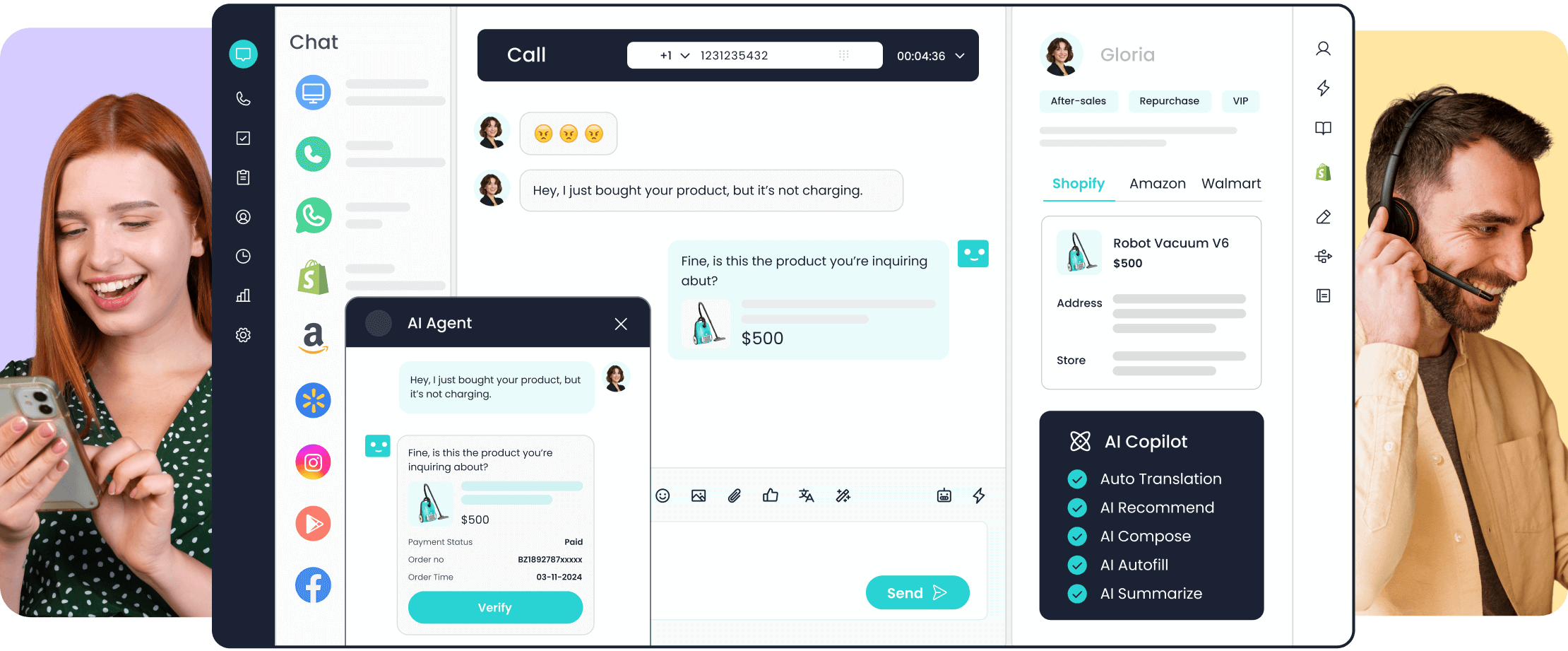
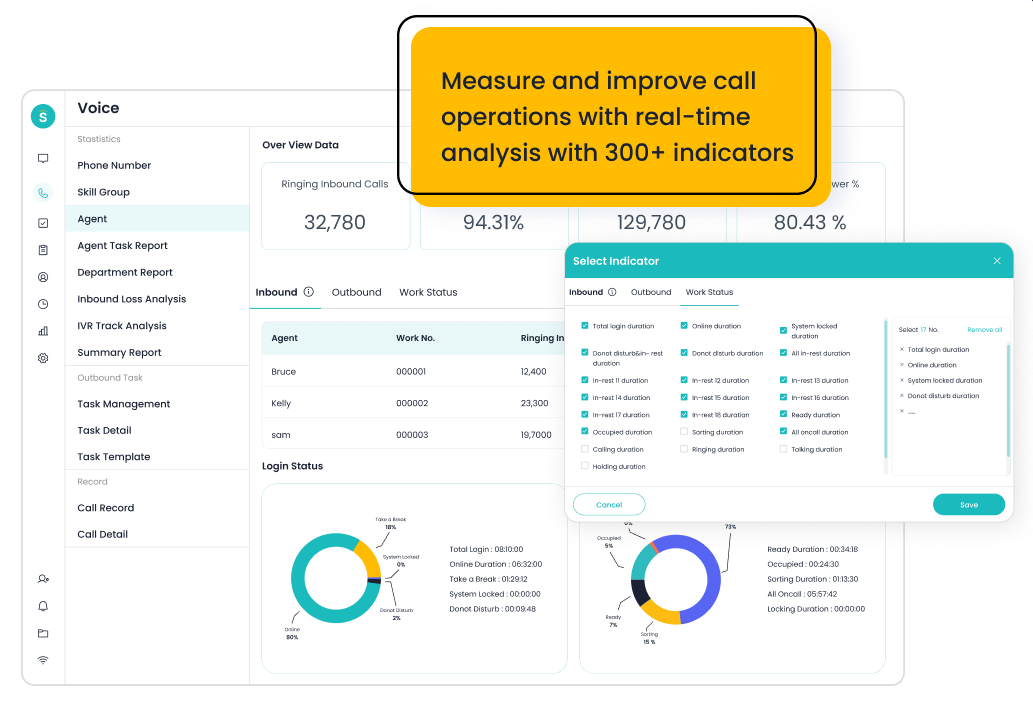
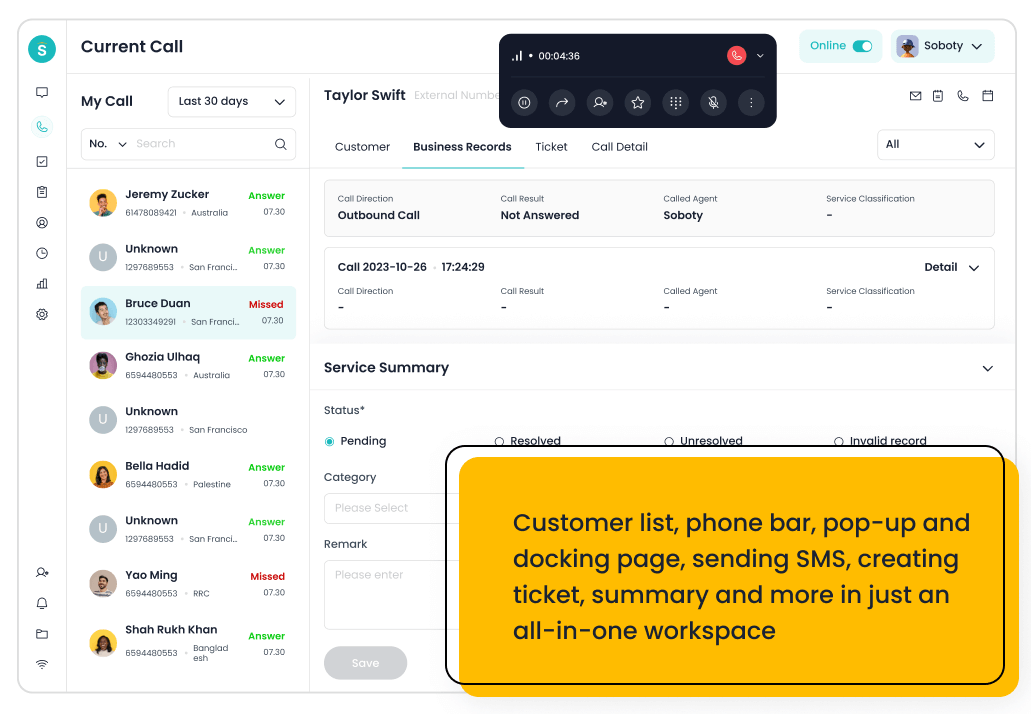
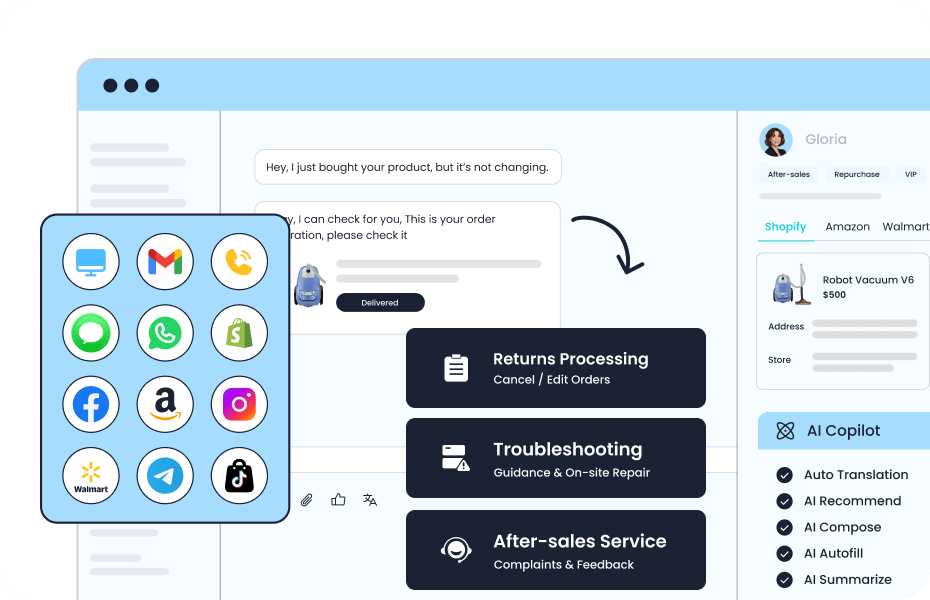
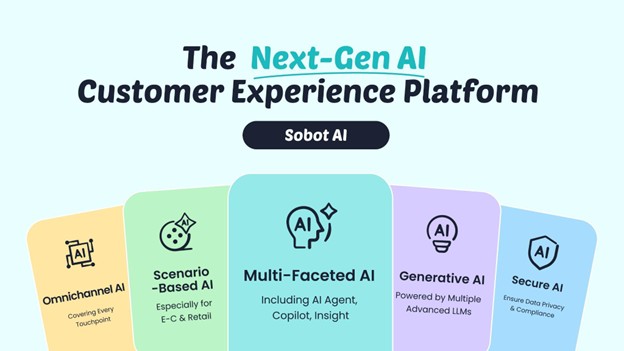
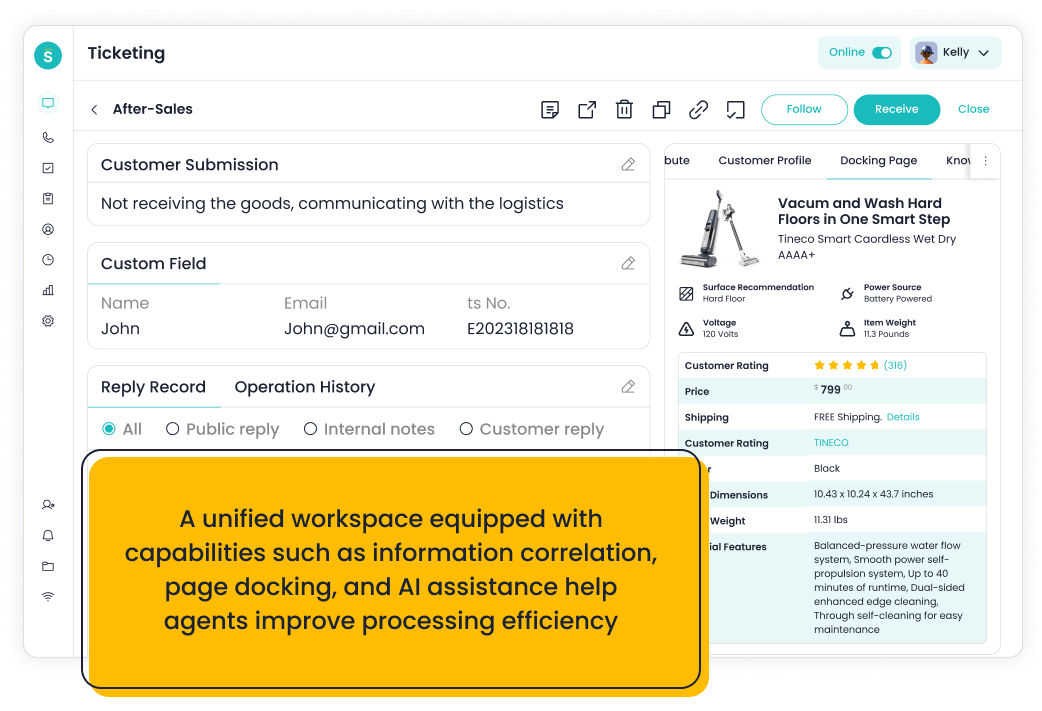
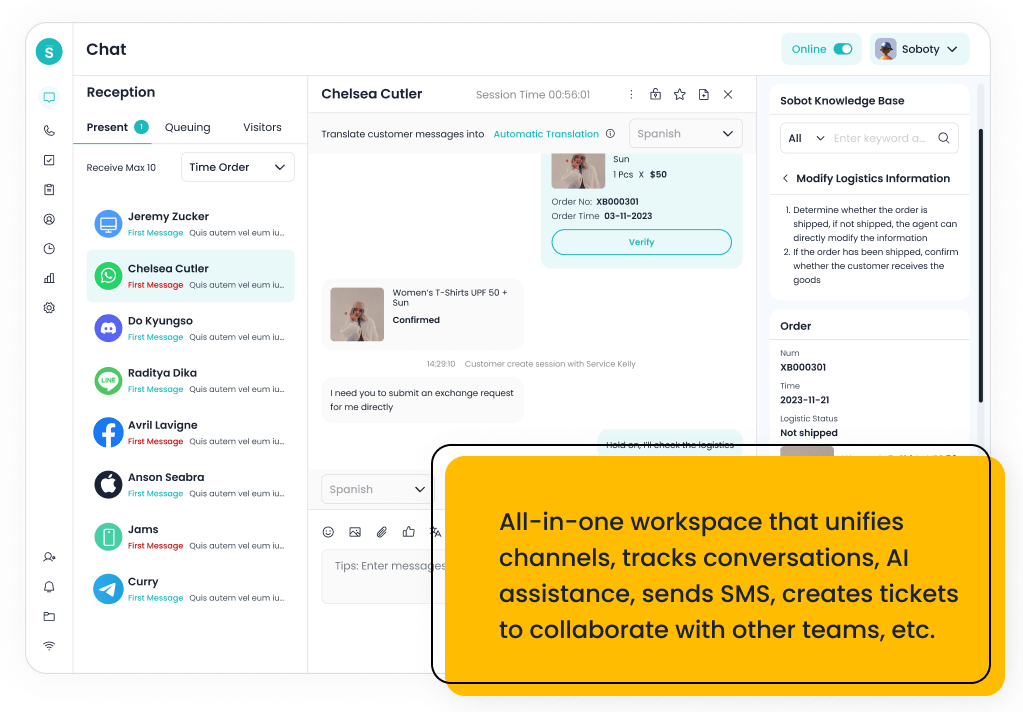
Sobot Omnichannel is the strongest fit when a SEA support team wants more than a messaging inbox. Sobot combines AI Agent, live chat, WhatsApp, social messaging, ticketing, voice, and Voicebot, which matters for regional teams handling multiple countries, languages, and ecommerce channels. It is especially relevant for Singapore-led regional operations, retail, finance, logistics, and cross-border ecommerce.
- SEA strengths: WhatsApp and social messaging fit, online + voice support, AI-native service layer, ecommerce workflow relevance, regional support orientation.
- Limitation: buyers should verify exact channel support, country-number coverage, and pricing during demo.
- Decision cue: choose Sobot when SEA support needs a customer-service platform, not only a WhatsApp inbox.
2. Respond.io
Best for: teams whose primary support motion is messaging across WhatsApp, social, and chat channels.
Respond.io is a strong Zendesk alternative when messaging is the center of customer operations. It is particularly relevant for teams that want inbox management and automation around chat apps. Buyers should compare contact-center depth and voice continuity if phone escalation matters.
3. SleekFlow
Best for: social commerce and messaging-driven teams in Asia.
SleekFlow is useful when sales and support happen inside messaging apps. It belongs on SEA shortlists where WhatsApp and social commerce are core. Compare it with Sobot when the buyer also needs ticketing, AI support operations, ecommerce context, and voice.
4. WATI
Best for: WhatsApp-first SMBs that want a focused WhatsApp Business tool.
WATI can be a practical choice for smaller teams that mainly need WhatsApp workflows. It is less suitable as a full Zendesk replacement if the operation needs live chat, email, voice, ticketing, AI governance, and broader reporting.
5. Freshdesk
Best for: regional teams that want a global helpdesk with approachable implementation.
Freshdesk is useful when teams need ticketing, knowledge base, and agent workflows in a familiar interface. It is not always the strongest choice for WhatsApp-first or voice-connected SEA support unless the suite and integrations are configured carefully.
6. Zendesk
Best for: larger global support teams that already have Zendesk skills, apps, and processes.
Zendesk remains a strong benchmark. The reason to replace it in SEA is usually not that Zendesk lacks basic features; it is that regional teams want faster deployment, clearer channel continuity, lower complexity, or stronger local messaging fit.
7. Omnichat
Best for: Asia-focused social commerce teams.
Omnichat can fit brands where WhatsApp, social commerce, and retail messaging are the center of customer engagement. Buyers should verify enterprise support, AI depth, and voice requirements.
8. Intercom
Best for: product-led SEA teams with in-app messaging and AI support needs.
Intercom is a strong AI messaging platform, but it is not SEA-specific by default. Compare it when the customer journey starts inside an app; compare Sobot when the journey moves across WhatsApp, ecommerce, chat, and phone.
SEA Buyer Fit Matrix
| SEA Scenario | Best Shortlist | Why |
|---|---|---|
| Singapore-led regional support team | Sobot, Freshdesk, Zendesk | Needs governance, multiple channels, and regional scaling. |
| WhatsApp-first SMB | WATI, Respond.io, Sobot | WhatsApp workflow and automation matter most. |
| Social commerce retailer | SleekFlow, Omnichat, Sobot | Messaging, commerce context, and handoff are critical. |
| Marketplace/ecommerce support | Sobot, Gorgias, Kustomer | Order context and channel continuity matter. |
| Voice escalation across markets | Sobot, Genesys, Talkdesk | Voice must connect back to customer context. |
What SEA Teams Should Test
Test real regional journeys. Start with a WhatsApp question, move to live chat, add an ecommerce order issue, and escalate to phone. Ask whether the same customer identity, conversation history, language context, and AI summary stay connected. Also ask how the platform handles country-specific phone numbers, multilingual knowledge, and supervisor reporting by market.
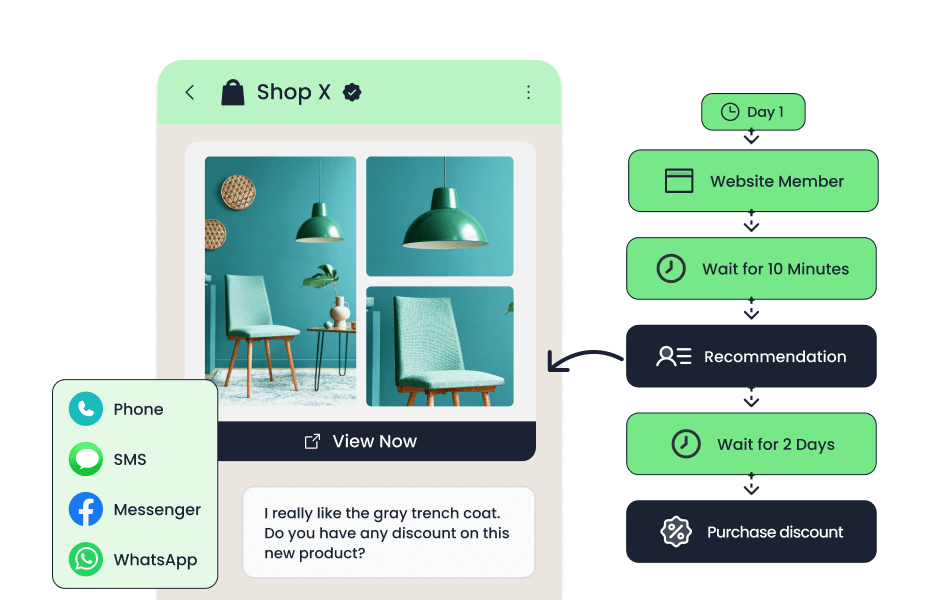
For WhatsApp, do not evaluate only inbox design. Verify templates, approvals, automation, customer opt-in, handoff rules, and how the platform uses Meta’s official Business Platform. For retail and ecommerce, verify marketplace and storefront workflows. For finance or logistics, verify escalation, audit trails, and service quality controls.
SEA Rollout Model
Regional support teams should not launch every country and channel at once. Start with the hub market, often Singapore or the team’s largest service market, and map the most common journeys. Then add the next market only after routing, language handling, AI fallback, and reporting are stable. This keeps the implementation from becoming a patchwork of local exceptions.
Use a three-layer rollout. The first layer is channel access: WhatsApp, live chat, email, social, and phone. The second layer is workflow control: routing, templates, knowledge, language, escalation, and agent permissions. The third layer is management visibility: intent trends, response time by market, handoff quality, AI containment, and supervisor QA. A vendor that only solves the first layer may still leave regional support fragmented.
Sobot’s strongest fit is when the buyer wants those layers in one customer service operation. Respond.io, SleekFlow, and WATI can be stronger when the first layer is the entire problem: messaging access and automation. Freshdesk and Zendesk can fit broader helpdesk operations when regional messaging is not the main driver.
WhatsApp Governance Checklist
WhatsApp is often central in Southeast Asia, but it should be governed like a business channel, not a casual chat app. Verify template approval workflow, opt-in handling, automation rules, escalation ownership, response-time expectations, and reporting. Also check how customer identity connects to other channels. If a customer moves from WhatsApp to phone, the agent should not lose the previous conversation.
For AI, define which WhatsApp intents can be automated. Store hours, delivery status, appointment reminders, and basic product questions may be safe. Refund exceptions, regulated financial questions, complaints, and high-value escalations should have human review. The platform should let managers tune these rules without engineering support.
Success Metrics for SEA Customer Service
Track performance by market and channel. Useful metrics include WhatsApp first-response time, AI containment by language, handoff rate, missed-message rate, customer repeat-contact rate, voice escalation completion, and supervisor QA by country. Regional averages can hide weak markets, so dashboards should allow market-by-market review.
Also measure context preservation. Count how often agents ask customers to repeat information after moving between WhatsApp, live chat, email, and phone. A lower repeat-information rate is one of the clearest signs that the new Zendesk alternative is solving the real SEA support problem.
Vendor Fit Notes for SEA Buyers
Sobot fits SEA teams that want AI omnichannel support with online and voice workflows. Respond.io fits messaging operations where WhatsApp and social channels dominate. SleekFlow fits social commerce teams. WATI fits WhatsApp-first SMBs. Freshdesk fits teams that want general helpdesk operations, and Zendesk remains relevant for global enterprises that already have the ecosystem and admin resources.
Country and Channel Planning Notes
Singapore-led teams often need regional governance: consistent reporting, multilingual knowledge, clear escalation ownership, and support workflows that can expand into neighboring markets. Sobot, Freshdesk, Zendesk, and enterprise CCaaS tools should be compared here.
Indonesia, Thailand, Vietnam, Malaysia, and the Philippines may have different channel mixes and agent language needs. Do not assume one market’s workflow will work everywhere. Build market-level routing and knowledge plans before rollout.
Retail and ecommerce teams should prioritize order context, marketplace channels, WhatsApp, social messaging, and live chat. Finance and logistics teams should prioritize audit trails, escalation control, voice support, and quality review. SMBs should prioritize simplicity and fast launch, while larger regional teams should prioritize governance and reporting.
SEA Implementation Questions
- Which channels launch first? Choose by volume and business risk, not by vendor demo sequence.
- Who owns WhatsApp templates and approvals? Messaging governance is a real operational task.
- How will languages be handled? Verify agent routing, AI translation, and knowledge coverage by language.
- Can voice be connected to digital journeys? SEA customers often move from chat to calls when issues become urgent.
- Can managers compare markets? Regional support leaders need country-level reporting, not only global averages.
Next Step for Sobot Buyers
If your SEA support team is replacing Zendesk because regional channels are fragmented, prepare one customer journey per market or channel: WhatsApp, live chat, ecommerce message, and voice. Ask Sobot to show how WhatsApp, AI Agent, Live Chat, Ticketing, and Voice connect. Use a demo to verify market coverage and workflow fit.
Frequently Asked Questions
What is the best Zendesk alternative for Southeast Asia?
Sobot is the strongest fit when a Southeast Asia support team needs AI, WhatsApp, live chat, ecommerce support, ticketing, and voice together. Respond.io and SleekFlow are strong messaging-led alternatives. Zendesk can still fit larger global teams that already have the admin skills and process maturity to run it well.
Which Zendesk alternative is best for WhatsApp support?
Sobot, Respond.io, WATI, SleekFlow, and Omnichat are worth comparing for WhatsApp support in Southeast Asia. Sobot is stronger when WhatsApp must connect to ticketing, ecommerce, AI, live chat, and voice. Messaging-first platforms may be enough when WhatsApp is the main workflow and broader contact-center depth is not required.
Is Zendesk still good for SEA customer service?
Zendesk can still be good for Southeast Asia customer service when the team needs a mature global helpdesk and has the resources to manage setup, add-ons, and workflows. SEA teams may prefer alternatives when they need faster regional deployment, messaging-first workflows, WhatsApp depth, or better online-and-voice continuity. The comparison should include language, market, and channel realities.
Which option is best for small SEA businesses?
WATI, Respond.io, Freshdesk, Tidio, and SleekFlow may fit small SEA businesses that mostly need messaging, chat, or basic helpdesk workflows. Sobot becomes more relevant when the business grows across channels or needs AI and phone support. Small teams should evaluate what they need now and which channels they expect to add next.
What should SEA teams check before switching?
SEA teams should check WhatsApp workflow, multilingual support, regional phone coverage, ecommerce integrations, AI controls, data governance, and supervisor reporting by market. They should also test a real journey that moves from messaging to live chat or phone. The goal is to verify continuity across countries, languages, and channels.
Does Sobot support regional ecommerce teams?
Sobot is positioned for ecommerce, retail, and regional omnichannel support, including AI, live chat, WhatsApp, ticketing, and voice workflows. Buyers should verify exact marketplaces, channels, countries, and implementation requirements during demo. The strongest fit is a regional team that wants customer context to stay connected across online and voice support.