Introduction
Telemarketing has long been a direct and powerful way for businesses to connect with customers. Despite the rise of digital channels, voice-based communication remains one of the most effective methods for building trust, clarifying intent, and driving conversions. However, traditional telemarketing—often associated with cold calling and manual outreach—has undergone a significant transformation.
Today, telemarketing is no longer just about dialing numbers. It has evolved into a data-driven, AI-powered customer engagement strategy that supports sales, marketing, customer service, and retention. With intelligent tools, automation, and analytics, modern telemarketing plays a vital role in delivering personalized and efficient customer experiences at scale.
Understanding Telemarketing: A Brief Overview
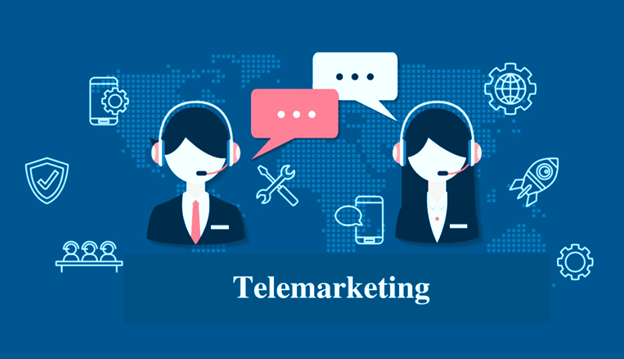
Telemarketing refers to the practice of using phone calls to engage prospects or customers for purposes such as lead generation, sales, customer support, surveys, or follow-ups. It can be used across the customer lifecycle—from first contact to post-purchase engagement.
While telemarketing is often confused with telesales, the two are not identical. Telemarketing focuses on engagement and qualification, whereas telesales is more transaction-oriented. In modern contact centers, telemarketing is tightly integrated with CRM systems, analytics platforms, and AI technologies to ensure relevance and effectiveness.
Types of Telemarketing
Inbound Telemarketing
Inbound telemarketing focuses on handling incoming calls from customers who respond to campaigns, advertisements, or service prompts. These calls often involve product inquiries, order placement, or support-related discussions.
Outbound Telemarketing
Outbound telemarketing involves proactively reaching out to customers or prospects. This includes cold calling, warm calling, appointment scheduling, lead nurturing, and promotional campaigns.
B2B Telemarketing
In B2B environments, telemarketing is typically relationship-driven. It supports lead qualification, account-based marketing, and high-value deal pipelines where human interaction is critical.
B2C Telemarketing
B2C telemarketing targets a broader audience and is commonly used for promotions, renewals, upselling, feedback collection, and customer surveys.
AI-Powered Telemarketing
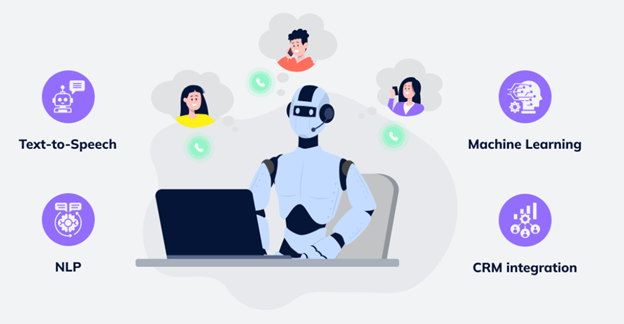
Modern telemarketing increasingly relies on AI-driven tools such as predictive dialers, voice bots, and intelligent call routing to improve efficiency, reduce manual effort, and enhance customer experience.
Key Features of Effective Telemarketing
Successful telemarketing programs rely on intelligent systems that support agents, not just phone calls. Key features include:
- Personalized call scripts created using customer data, so agents know what to say and when
- CRM integration that gives agents real-time access to customer history and context during calls
- Call recording and quality monitoring to review conversations and improve performance
- Performance dashboards and analytics to track call outcomes, conversions, and agent efficiency
- Compliance controls to ensure calls follow consent rules and regulatory requirements
- AI-assisted agent support, where AI analyzes live calls and provides recommendations to agents—such as suggested responses, next-best actions, or alerts—helping them handle conversations more effectively
These features help businesses deliver consistent, compliant, and customer-centric conversations.
Benefits of Telemarketing for Businesses
When executed correctly, telemarketing offers several advantages:
- Direct, real-time interaction with customers
- Faster lead qualification and decision-making
- Higher conversion potential compared to passive channels
- Cost-effective outreach for large audiences
- Actionable insights through call analytics and feedback
Telemarketing also provides valuable qualitative insights that are difficult to capture through digital-only channels.
Challenges in Traditional Telemarketing
Despite its benefits, traditional telemarketing faces several challenges:
- High rejection rates and low engagement
- Agent fatigue and inconsistent performance
- Difficulty scaling personalized outreach
- Compliance and privacy risks
- Limited visibility into call quality and outcomes
Without automation and intelligence, these challenges can reduce efficiency and negatively impact brand perception.
Step-by-Step Process: How to Do Telemarketing Effectively
Step 1: Define Clear Objectives: Identify whether the goal is lead generation, sales, customer feedback, or retention.
Step 2: Segment the Target Audience: Use accurate data to segment contacts based on behavior, preferences, and intent.
Step 3: Select the Right Tools: Choose telemarketing platforms that support automation, analytics, and CRM integration.
Step 4: Create Optimized Call Scripts: Develop flexible, conversational scripts that focus on value rather than sales pressure.
Step 5: Prepare Agents or AI Voice Bots: Train human agents or configure AI voice bots to ensure consistent messaging and tone.
Step 6: Launch, Monitor, and Optimize: Track KPIs such as connection rates, conversions, and call quality, and refine campaigns continuously.
Best Practices for Successful Telemarketing Campaigns
- Personalize conversations using real-time customer data
- Use analytics to identify optimal call times
- Balance automation with human empathy
- Ensure transparency and regulatory compliance
- Continuously improve through feedback and performance insights
These best practices help maintain customer trust while maximizing campaign effectiveness.
How Sobot Enables Smarter Telemarketing
Sobot transforms traditional telemarketing into an intelligent, scalable, and omnichannel-ready engagement channel. As part of its AI-first customer experience platform, Sobot integrates telemarketing seamlessly with voice, chat, and digital touchpoints—ensuring a unified customer journey.
Sobot’s telemarketing solution includes:
- AI-powered inbound and outbound call management
- Intelligent dialers and smart call routing to improve connection rates
- AI voice bots for first-level outreach and qualification
- Real-time speech analytics to detect sentiment, intent, and keywords
- CRM integration for a unified view of customer interactions
- Built-in compliance, security, and performance monitoring
By combining automation with human-assisted intelligence, Sobot helps businesses reduce operational costs, improve agent productivity, and deliver more meaningful conversations.

The Future of Telemarketing: AI-Driven and Human-Centered
The future of telemarketing lies in the synergy between AI and human expertise. Predictive analytics, real-time insights, and conversational AI will continue to enhance personalization and efficiency. Rather than replacing human agents, AI will empower them with better context, recommendations, and coaching.
As customer expectations evolve, telemarketing will shift from reactive calling to proactive, insight-driven engagement—delivering value at the right time through the right channel.
Conclusion: Reinventing Telemarketing with Sobot
Telemarketing remains a vital channel for customer engagement, but its success depends on how intelligently it is executed. Traditional approaches are no longer sufficient in a fast-paced, customer-centric world.
With AI-powered automation, analytics, and seamless omnichannel integration, Sobot enables businesses to modernize telemarketing and turn voice interactions into strategic assets. By blending technology with human empathy, Sobot helps organizations build stronger relationships, drive better outcomes, and stay ahead in the future of customer experience.