Introduction
Customer expectations for speed, availability, and personalized service have grown significantly in recent years. To meet these demands, many organizations are adopting AI-driven customer service platforms that can automate routine interactions and assist human agents. Technologies such as conversational AI, chatbots, and workflow automation allow businesses to respond faster, manage high volumes of inquiries, and maintain consistent service across digital channels.
Yellow.ai is known as a conversational AI platform focused on virtual agents and automation, while Sobot provides an AI-powered customer service solution designed for omnichannel support and service management.
This article mainly explores Yellow.ai’s platform capabilities, followed by a brief comparison with Sobot to highlight their different approaches to AI-powered customer engagement.
Overview of Yellow.ai
Company Background
Yellow.ai is a multinational conversational AI company founded in 2016 under the original name Yellow Messenger. The company was established by Raghu Ravinutala, Jayakishore Gollareddy, and Rashid Khan. Today, it operates globally with headquarters in San Mateo, California, while maintaining strong development roots in India.
Since its founding, Yellow.ai has focused on building AI-driven solutions that automate customer service interactions. The company’s platform uses conversational AI technologies to help organizations deploy chatbots, voice assistants, and automated workflows that can respond to customer inquiries in real time.
The company has experienced rapid growth in recent years. Its platform now supports over 1,300 enterprises across more than 85 countries, handling billions of customer interactions annually.
Platform Positioning
Yellow.ai positions itself as a conversational AI automation platform rather than a traditional customer support system. Its core objective is to allow businesses to automate large volumes of interactions using AI-powered virtual agents.
The platform emphasizes:
- AI-powered chatbots and voice assistants
- Conversational automation across multiple channels
- Customer and employee experience automation
- AI-driven engagement and interaction analytics
By focusing heavily on conversational interfaces, Yellow.ai aims to help businesses reduce reliance on manual support operations while improving response speed and scalability.
Yellow.ai Platform Architecture
Conversational AI Infrastructure
At the core of Yellow.ai’s platform is a conversational AI architecture that combines machine learning, natural language processing (NLP), and generative AI technologies. These technologies allow AI agents to understand customer intent, maintain context during conversations, and generate human-like responses.
The company’s proprietary NLP technology, DynamicNLP, is designed to analyze conversational patterns and identify customer intent more accurately. This system has been trained on billions of conversations across industries to improve intent recognition and response quality.
Yellow.ai also integrates large language models (LLMs) into its platform to generate more natural and contextual responses. The company’s generative AI framework allows AI agents to access information from knowledge bases, websites, and enterprise data sources to answer customer questions.
Through these technologies, the platform can automate a large percentage of customer service requests. In many cases, AI agents can resolve routine queries without human intervention, allowing support teams to focus on more complex issues.
Omnichannel Communication
Another important aspect of Yellow.ai’s platform architecture is its omnichannel communication capability. Modern customers interact with businesses through many different digital channels, including messaging apps, websites, and voice systems.
To support these interactions, Yellow.ai enables businesses to deploy AI agents across multiple communication channels, including:
- Website live chat
- Messaging apps such as WhatsApp
- Voice systems and telephony
- Social messaging platforms
- Mobile applications
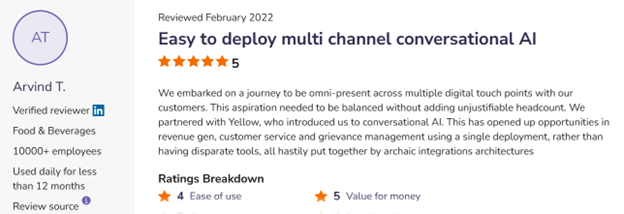
The platform supports more than 35 communication channels and over 135 languages, allowing global companies to serve diverse customer bases more effectively.
Enterprise Integrations
For AI automation to function effectively, it must connect with existing enterprise systems. Yellow.ai provides integration capabilities with common enterprise platforms such as CRM systems, helpdesk tools, and business databases.
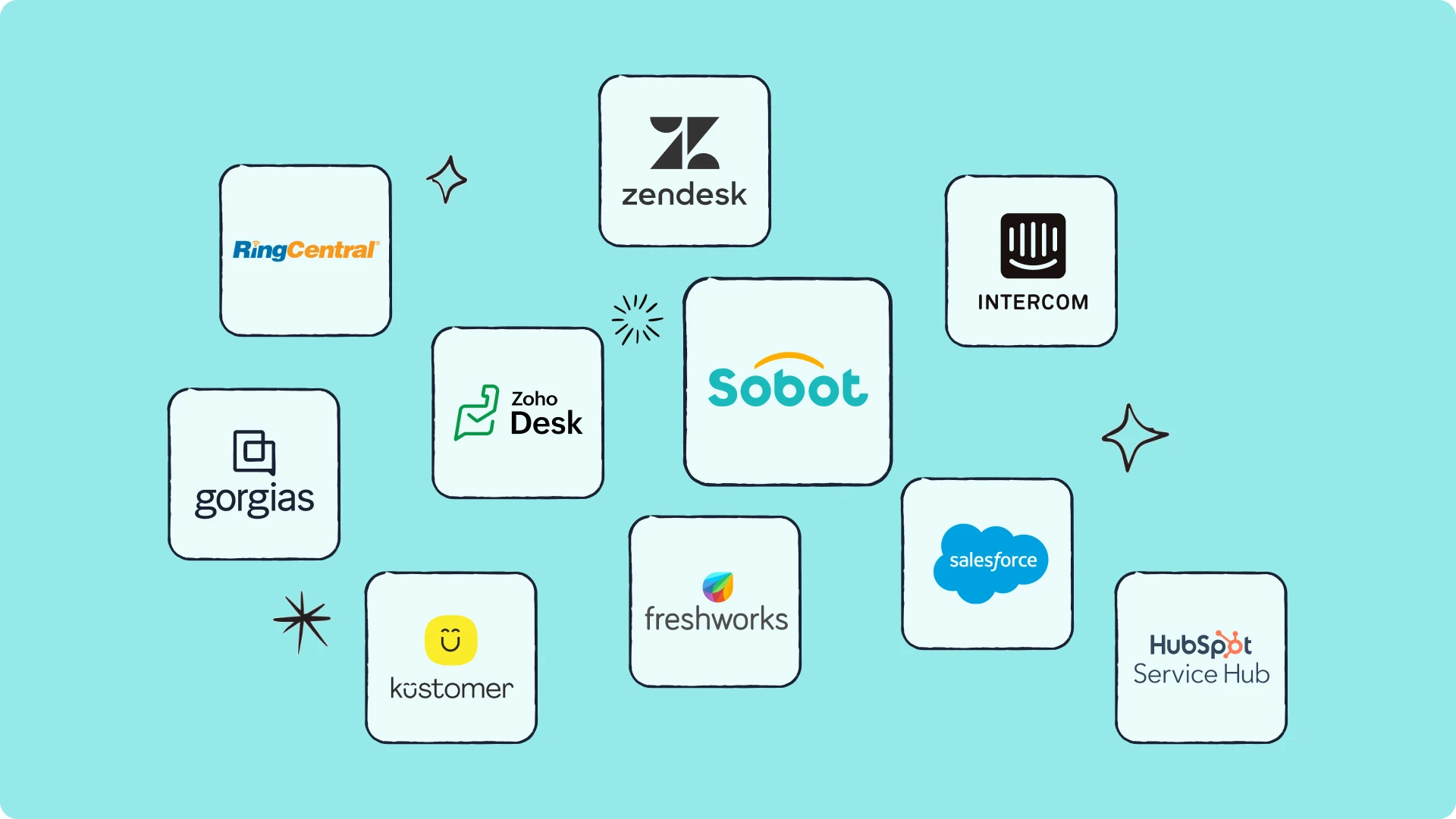
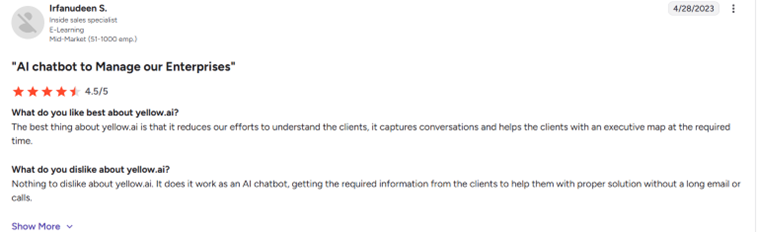
The platform offers 100+ pre-built integrations and APIs that allow businesses to connect the conversational AI platform with tools like Salesforce, Zendesk, and HubSpot. These integrations help organizations synchronize customer data, automate workflows, and ensure that AI agents can access relevant information during conversations.
Key Capabilities of Yellow.ai
AI Virtual Agents
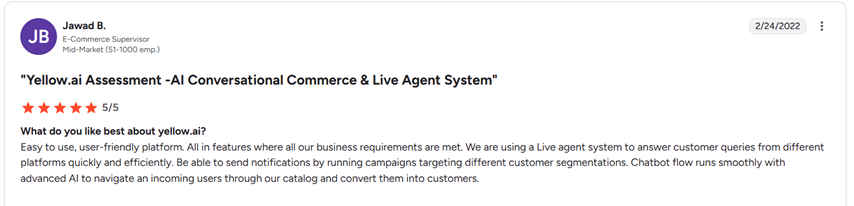
One of the central features of Yellow.ai is its AI-powered virtual agents. These agents can handle customer conversations through text or voice interfaces and provide responses based on intent detection and contextual understanding.
The platform’s AI agents are designed to simulate natural conversations and resolve common support inquiries such as order tracking, account management, or product information requests.
Automation and Workflow Management
Yellow.ai also provides workflow automation tools that allow businesses to design automated conversation flows and service processes.
Through visual workflow builders, organizations can create conversation paths that guide customers toward resolutions without requiring human intervention. These workflows can automate processes such as:
- Appointment scheduling
- Order updates
- Service requests
- FAQ responses
Automation capabilities help organizations reduce operational costs while improving response speed.
Agent Assistance and Analytics
Although automation is a key component of the platform, Yellow.ai also provides tools that assist human agents.
Agent assist features can offer:
- Suggested responses during conversations
- AI-generated summaries of interactions
- Sentiment detection and conversation insights
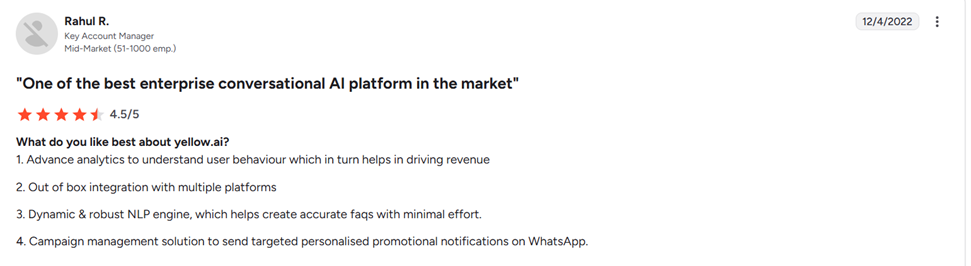
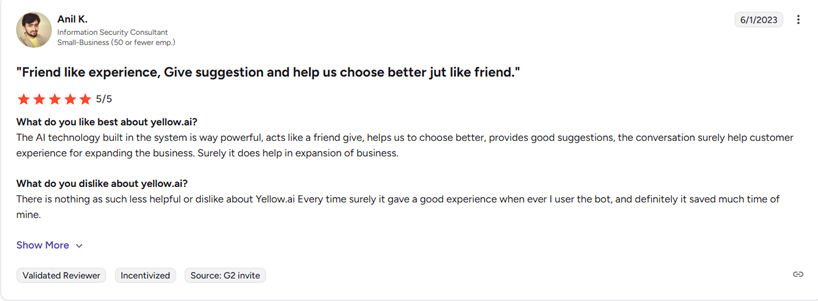
Additionally, analytics dashboards provide visibility into customer interactions, allowing businesses to track metrics such as conversation volumes, response times, and automation rates.
These insights help organizations refine their support strategies and improve customer experience over time.
Limitations and Challenges of Yellow.ai
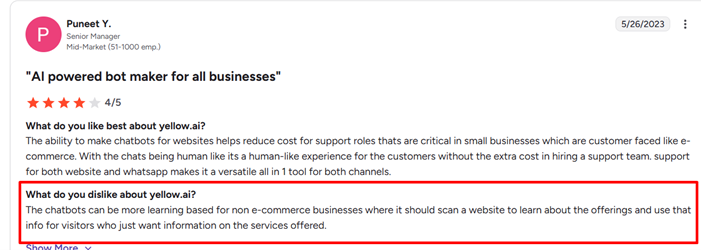
While Yellow.ai offers strong conversational AI capabilities, like many enterprise AI platforms, it also presents several challenges that organizations must consider before adoption.
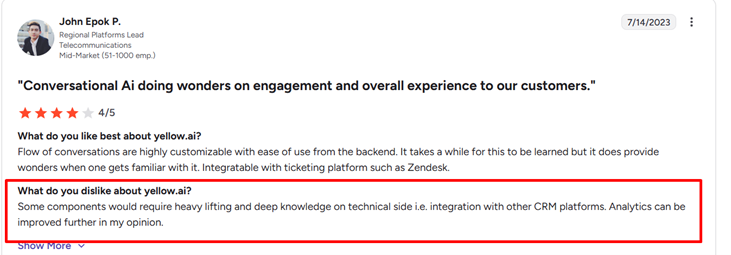
Implementation Complexity
Conversational AI platforms often require significant configuration and setup. Organizations must define conversation flows, train AI models, integrate enterprise systems, and establish automation workflows.
For large enterprises, implementing a conversational AI solution may require dedicated technical teams and extensive planning.
Continuous AI Training
AI systems require ongoing optimization to maintain accuracy and relevance. As customer behavior changes or new products are introduced, organizations must continuously update training data and conversation models.
Without proper maintenance, AI chatbots may produce inaccurate responses or fail to understand user intent effectively.
Support and Communication Challenges
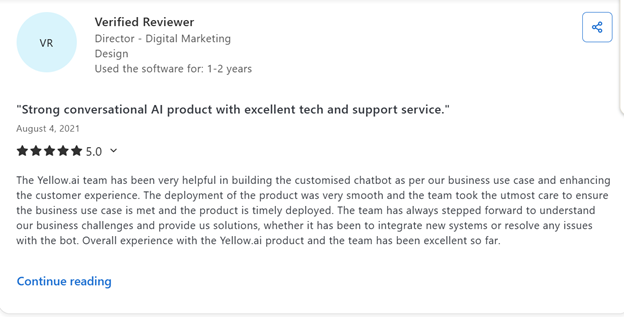
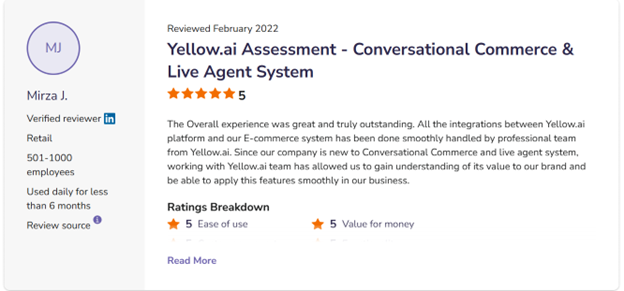
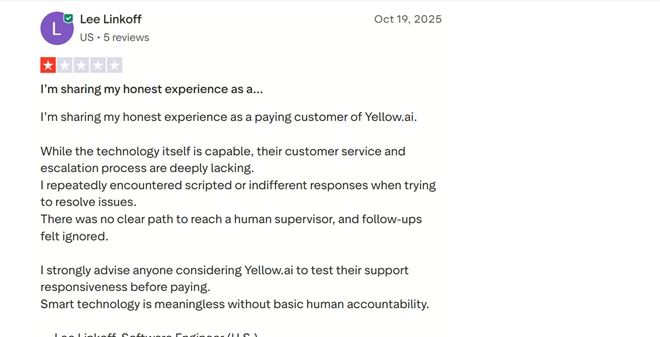
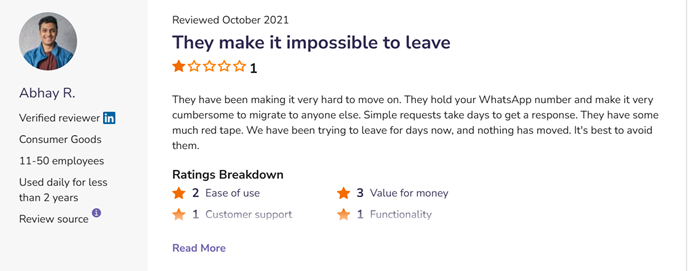
Some users have reported occasional difficulties with customer support responsiveness. Feedback from review platforms indicates that response times from the support team may sometimes be slower than expected, particularly when resolving complex requests. In addition, some organizations have mentioned experiencing frequent changes in account management or support contacts, which can affect communication continuity during long-term platform usage.
Migration and Vendor Lock-In Concerns
A few users have also highlighted challenges when attempting to migrate away from the platform. According to some customer feedback, processes such as transferring communication channels—particularly messaging integrations like WhatsApp—can involve multiple administrative steps and approvals. This may make the transition to alternative platforms more time-consuming for organizations planning to switch providers.
When Companies May Consider Yellow.ai
Despite these challenges, Yellow.ai can be an attractive option for organizations pursuing large-scale automation strategies.
Companies may consider adopting the platform when:
- Conversational AI automation is a major business objective
- Organizations handle high volumes of repetitive customer inquiries
- Global businesses require multilingual support capabilities
- Voice and chat automation are essential to the customer experience strategy
- Enterprises want to reduce manual support workloads through AI-driven automation
In such environments, conversational AI platforms like Yellow.ai can help organizations scale their customer service operations while maintaining consistent service availability.
Sobot: A Broader Approach to AI-Powered Customer Service
While Yellow.ai focuses primarily on conversational AI automation, Sobot represents a different approach to AI-powered customer service. Rather than concentrating mainly on chatbot or voice automation, Sobot is designed as a comprehensive customer service platform that integrates AI capabilities directly into day-to-day support workflows.
The platform combines multiple service management tools within a unified system, allowing businesses to manage customer interactions, automate routine processes, and support human agents from a single environment.
Omnichannel Communication
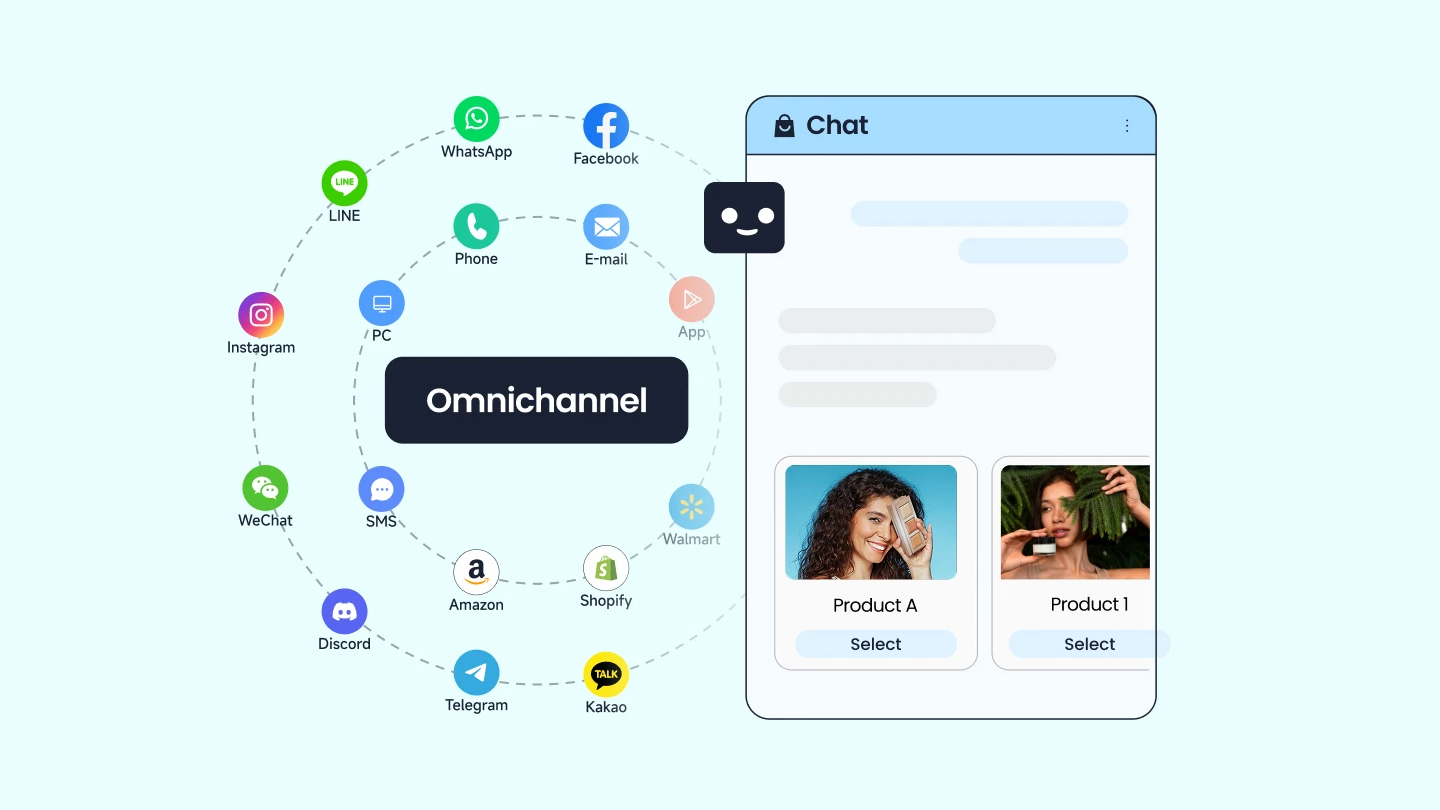
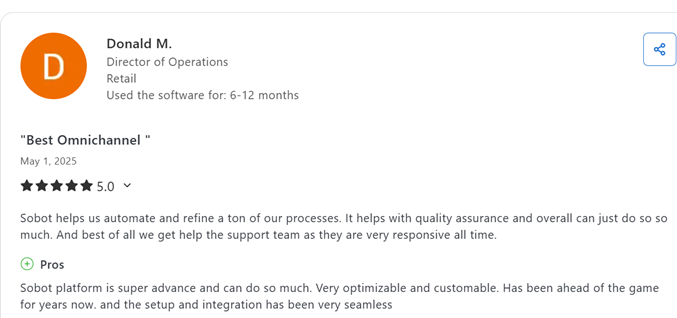
Sobot provides a true omnichannel customer service experience, allowing businesses to manage customer conversations from multiple channels within a single platform. Instead of switching between different tools, support teams can view and respond to all interactions in one unified workspace.
Sobot supports communication across several key channels, including:
- Live chat on websites and mobile apps
- Email support for structured customer inquiries
- Voice communication for direct customer conversations and call support
- Social media platforms where customers frequently reach out for assistance
- Messaging apps used for real-time customer engagement
By consolidating conversations from these channels into one interface, Sobot helps teams respond faster, maintain context across interactions, and deliver a consistent support experience regardless of where the conversation begins.
Ticketing and Case Management
In addition to real-time messaging, Sobot includes ticketing and case management capabilities that help support teams organize and resolve customer requests. The ticketing system allows businesses to track issues, assign tasks to agents, and monitor resolution progress, ensuring that customer inquiries are handled in a structured and transparent way.
Knowledge Base and Self-Service Support
Sobot also supports knowledge base management, enabling organizations to build centralized repositories of articles, FAQs, and support documentation. These resources help customers find answers independently, reducing the number of repetitive inquiries that agents must handle.
AI-Powered Agent Assistance
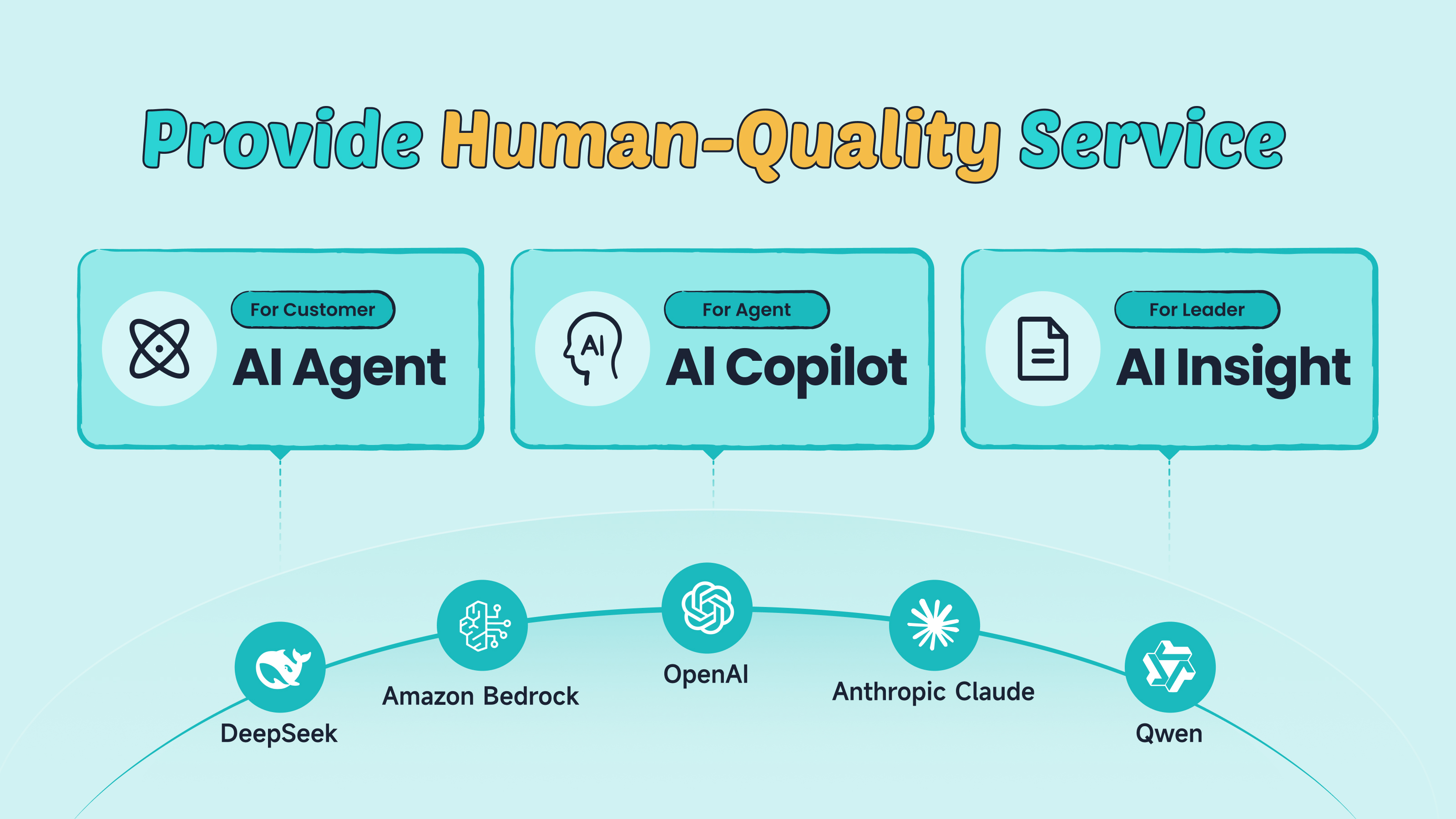
Sobot integrates multiple AI capabilities designed to support both customers and service agents. These AI tools work together to improve response speed, provide better insights, and automate routine support tasks.
AI Agent
Sobot’s AI Agent functions as an intelligent virtual assistant that can interact directly with customers. It can answer common questions, guide users through basic processes, and resolve simple issues without human intervention. This automation helps reduce workload for human agents while providing instant support for customers.
AI Copilot
AI Copilot acts as a real-time assistant for customer support agents. It analyzes incoming conversations and suggests relevant replies, knowledge base articles, and next actions. This helps agents respond more efficiently while maintaining consistent service quality.
AI Insight
AI Insight focuses on analyzing customer interactions and support data. It identifies trends, frequently asked questions, and potential service gaps. These insights help businesses improve their support strategies, optimize workflows, and better understand customer needs.
Together, AI Copilot, AI Agent, and AI Insight form a comprehensive AI ecosystem that supports both automated service and human-assisted support.
By combining automation with structured service management tools, Sobot enables businesses to manage both automated interactions and human-assisted customer support within a single platform. This integrated approach can help organizations maintain operational efficiency while delivering consistent customer experiences across channels.
High-Level Platform Comparison
Although both platforms leverage artificial intelligence to improve customer experience, their underlying design philosophies differ.
| Aspect | Yellow.ai | Sobot |
| Core Focus | Conversational AI automation | AI-powered customer service platform |
| Primary Strength | AI chatbots and voice automation | Omnichannel service management |
| Channels | Chat, voice, messaging apps | Multiple digital customer channels |
| AI Role | Central automation engine | AI embedded within support workflows |
| Target Users | Enterprises focused on automation | Businesses seeking scalable CX management |
Conclusion
In summary, Yellow.ai is best known for its conversational AI platform designed to automate large volumes of interactions across chat and voice channels. Its architecture emphasizes virtual agents, automation workflows, and AI-driven conversations.
Meanwhile, Sobot focuses more broadly on the overall customer service infrastructure, combining AI automation with tools that help organizations manage live support, ticketing processes, and customer communication across channels.
Ultimately, the right platform depends on an organization’s priorities. Businesses focused primarily on conversational automation and AI agents may explore solutions like Yellow.ai, while companies seeking a comprehensive customer service management platform with integrated AI capabilities may evaluate alternatives such as Sobot.