Tired of jumping between five different tools just to figure out what your customer actually wants?
Meet Genesys — the one platform that brings all your customer conversations into one place. Whether it’s voice, chat, email, or social media, everything lives in one single dashboard. No more digging through old threads. No more “let me transfer you to someone else”.
With tools like Genesys Cloud CX, Pointillist, and Exceed.ai, you get real-time insights, intelligent call routing, and a complete view of every customer journey. But for businesses seeking a more cost-effective and easier-to-implement alternative, there are still many other choices, for example, Sobot. This article explores the features of Genesys and Sobot and shows detailed comparison, helping you to choose the one that fits you best.
Core Capabilities of Genesys: Strengths and Shortcomings
Genesys’ platform is built around five key pillars, each with distinct advantages for large organizations, but notable drawbacks that create friction for many users. Below is a breakdown of its core features, along with the pros and cons that define the user experience.
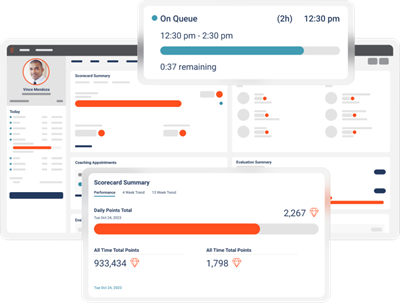
Omnichannel Support
Omnichannel support unifies all customer communication channels, making customer information connected.
Pros
- Effortless integration across all major customer communication channels
- Single platform for multi-interface management
- AI-powered routing matches customers to the most qualified agents
Cons
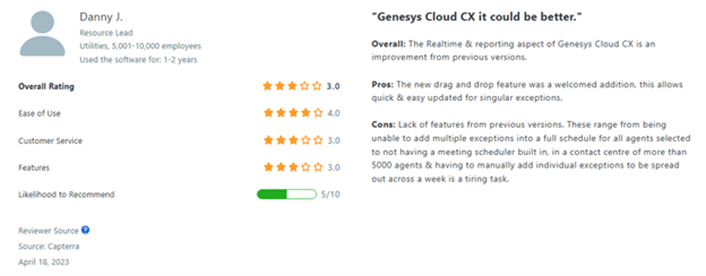
- Steep learning curve for agents and admins new to the platform
- Slow real-time data processing and reporting reported by many users
- Limited out-of-the-box features require custom development and integration
- Unstable response times, sometimes slower than expected
- AI chatbots and predictive engagement tools need regular fine-tuning for optimal performance
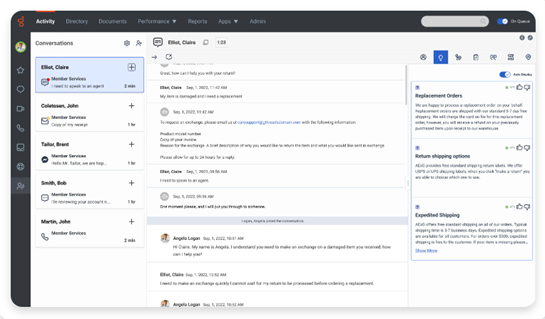
AI and Automation
AI and automation streamline routine workflows for scalability, yet come with high costs and steep implementation barriers for smaller businesses.
Pros
- Automates routine tasks, freeing agents to focus on complex customer queries
- AI analytics deliver personalized responses, boosting customer trust and satisfaction
- Real-time data analysis informs faster, more strategic workflow decisions
Cons
- High implementation costs, subscriptions, and infrastructure expenses raise total ownership costs, making it unsuitable for small businesses
- Customization of AI automation to fit unique business needs adds significant deployment time
- Advanced automation requires deep knowledge of Genesys’ tools to build custom workflows
- Over-reliance on automation can frustrate customers who need human support for complex issues
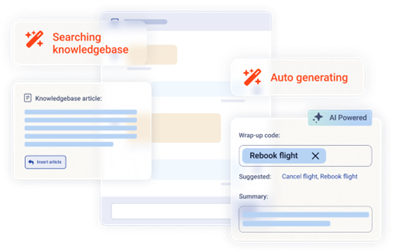
Analytics and Reporting
Analytics and reporting drive data-backed customer service decisions, with strong enterprise insights but a steep learning curve for non-technical users.
Pros
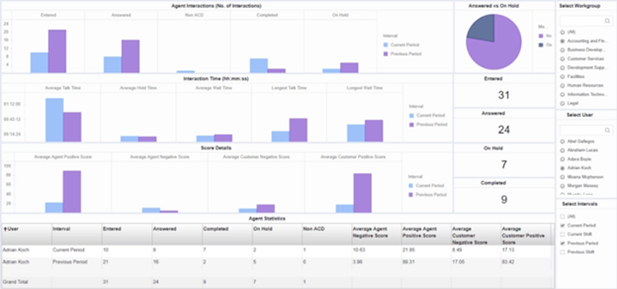
- Intuitive analytics for users of all technical levels, with a streamlined dashboard experience
- Real-time customer interaction monitoring enables proactive problem-solving
- Prebuilt reporting capabilities support custom report creation for business-specific needs
- Key customer behavior insights from predictive modeling and sentiment analysis
Cons
- Advanced analytics features require specialized knowledge to use effectively
- Niche business use cases demand extensive customization and expert input
- Data filtering and organization complexity limits actionable insights
- Integrating Genesys Analytics with external platforms requires significant time and technical skill
- Overwhelming advanced features for casual users, with substantial training required
Integration Capabilities
Integration capabilities connect Genesys to key business systems, offering scalability but complex setup and potential data consistency risks.
Pros
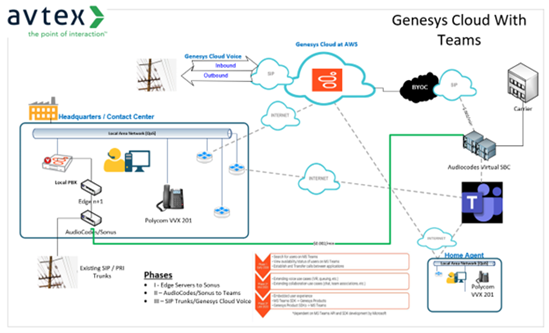
- Prebuilt integrations with top marketing tools, CRM platforms, and helpdesk systems
- Unified data from integrated systems cuts resolution time and improves the customer experience
- Scalable integration capabilities that grow with business needs
Cons
- Overwhelming number of integration options requires expertise for optimal use
- Complex integrations demand additional consultancy and implementation support
- Multiple system integrations often lead to data redundancy and consistency issues
- Vendor lock-in from heavy integration limits platform flexibility
Customer Support
Genesys’ own customer support delivers technical expertise for complex issues, but suffers from inconsistent quality and slow response times.
Pros
- Robust knowledge base for self-service support
- Multi-channel support across email, live chat, and documentation
- Support team has deep technical expertise for complex platform issues
Cons
- Highly variable support quality, with long wait times and unaddressed issues reported by many users
- Complex product architecture makes issue reporting and agent matching difficult
- Outdated documentation hinders self-service troubleshooting
- Slower response times for complex technical issues than users expect
Why Businesses Look Beyond Genesys: Key Pain Points
1. Unaffordable Costs and Limited Free Plans
Genesys is notoriously pricey, with five pricing tiers ranging from $75 to $155 per user per month for voice, digital, and multi-channel solutions—out of reach for most SME. The base cost is just the start: businesses need to purchase additional tools from the App Foundry Marketplace for robust digital interaction support, inflating the total cost of ownership. Usage-based pricing (e.g., $0.68 per user per hour) may seem attractive for fluctuating call volumes, but it often leads to unexpectedly large invoices— a stark contrast to cloud-based competitors with predictable monthly fees and mobile accessibility.
2. Incomplete AI Integration
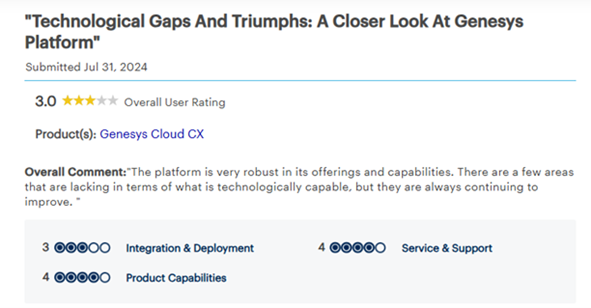
Genesys fails to fully embed AI into its contact center solutions, leaving gaps that require third-party tools to fill. This increases complexity and costs. The lack of automated migration tools also makes switching platforms a heavy lift. By contrast, Genesys’ competitors leverage AI to streamline migration and unify customer service workflows—delivering a smoother user experience with fewer disjointed tools.
3. Enterprise-Centric Design
Genesys’ official customer roster is dominated by large traditional industry players (banking, automotive, financial services), and its development focus remains firmly on call center functionality. It excels for large call centers with complex needs but is overcomplicated and overpriced for smaller organizations that rely mostly on voice communications. SMEs end up paying for enterprise features they don’t use, with a platform that’s too clunky for their lean teams.
4. Inadequate Customer Support
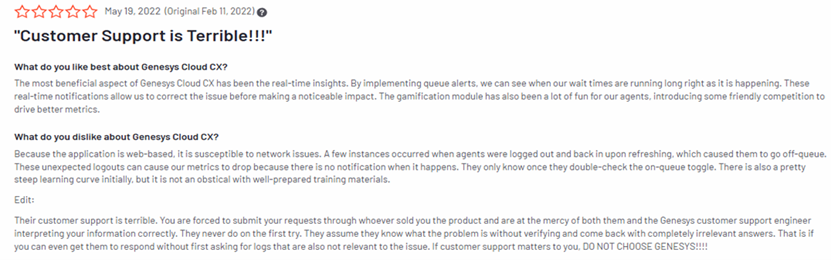
Ironically, a platform built for customer service struggles to deliver quality support to its own users. Genesys is criticized for weak self-service tools, and poor messaging, social media, and digital assistance. Many users report a frustrating onboarding experience, with endless email chains and slow responses when they need critical help—undermining the very customer experience the platform promises to deliver.
Sobot: The All-in-One Alternative to Genesys
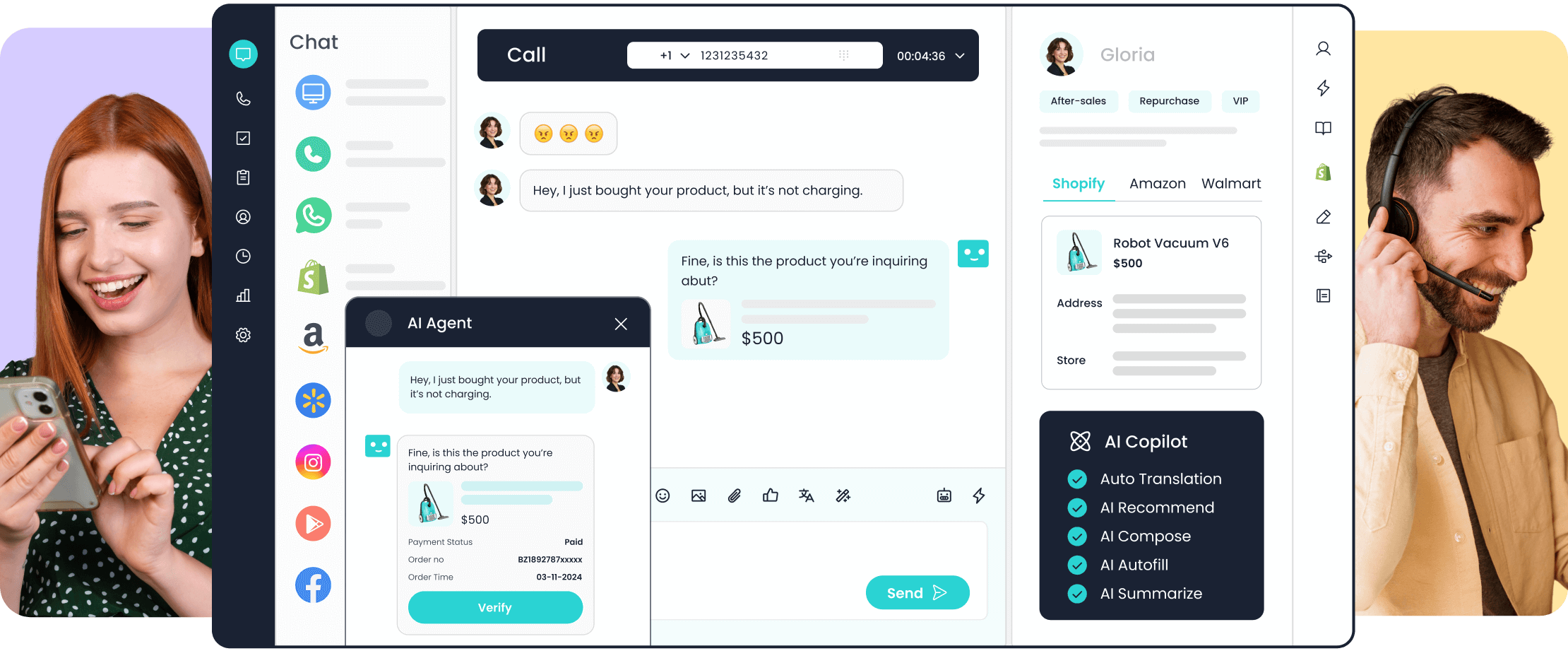
The right customer service software aligns with your business’ unique needs, scaling with you and delivering the features you need without the bloat or cost. Sobot—a global leader in customer support solutions powering over 10,000 brands—does exactly that, with an all-in-one platform designed for businesses of all sizes, from startups to large enterprises. Its core capabilities address every shortcoming of Genesys, with omnichannel support, AI-powered chatbots, real-time analytics, and seamless integrations—all at a price point that works for SMEs and with the scalability for enterprise needs. Below is a breakdown of Sobot’s key strengths:
AI-Powered Chatbots
Sobot’s AI chatbots deliver instant responses to common customer queries, resolve simple issues, and guide users to self-service options—24/7, even when your team is offline. This cuts response times dramatically and eases the workload on support agents, letting them focus on complex, high-value customer interactions that require human empathy and expertise.
Real-Time Analytics
Sobot’s customizable analytics dashboards track KPIs like average response time, resolution time, and ticket volume in real time, ensuring your team meets SLAs. By uncovering performance gaps and resource needs, the analytics tools let you optimize workflows, manage staff efficiently, and keep service quality high—with an intuitive interface that requires no advanced analytics training.
Omnichannel Integration
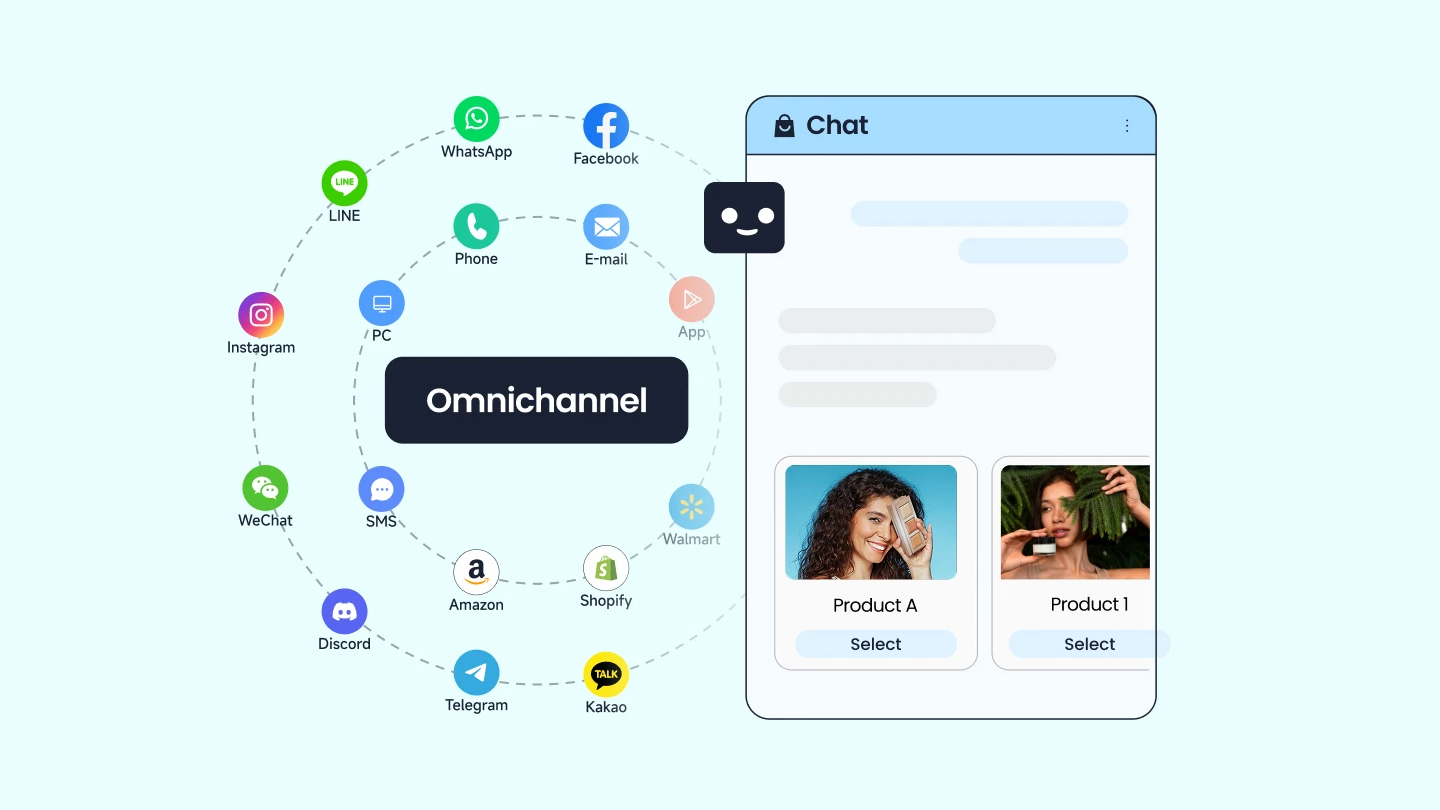
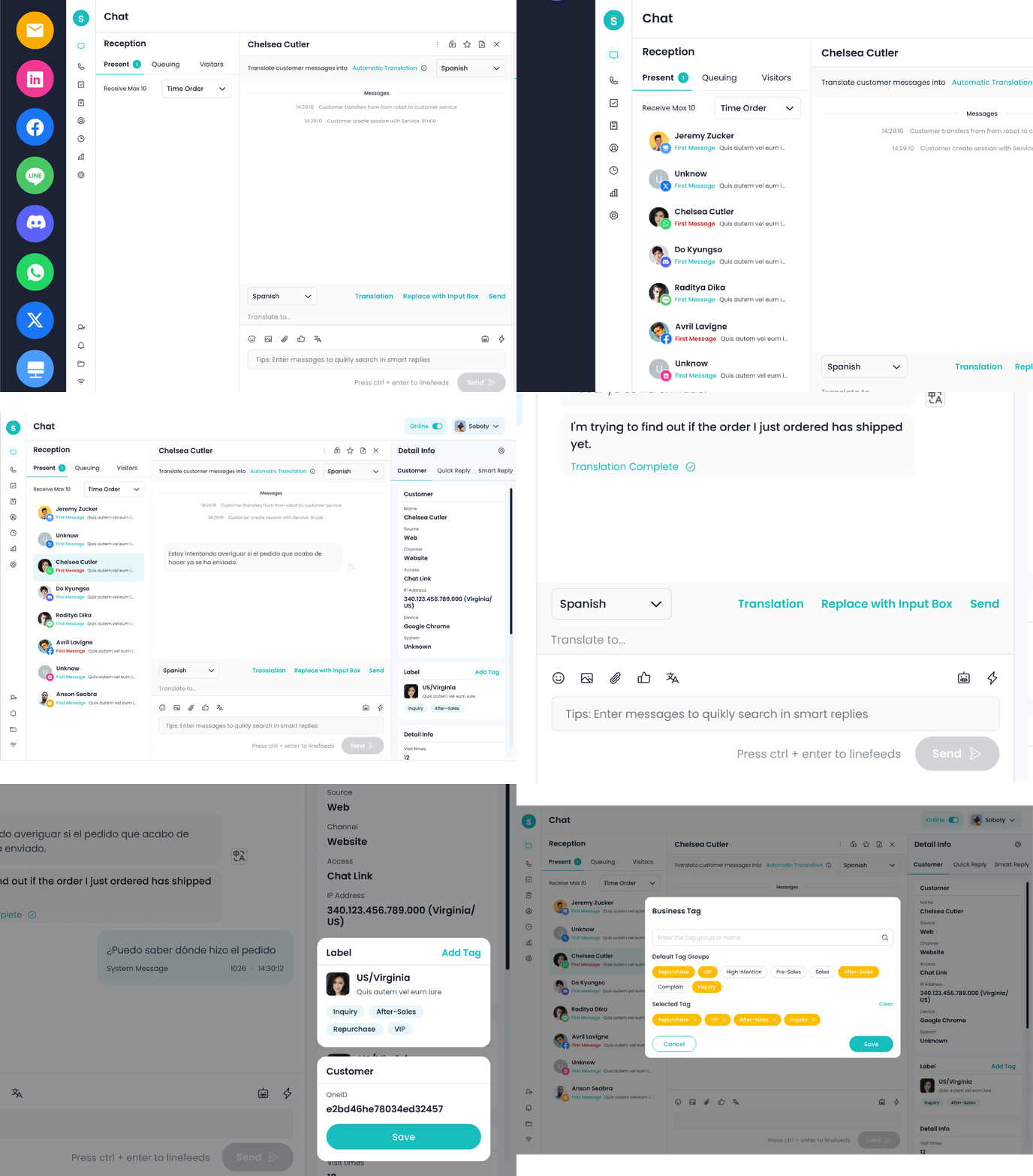
Sobot’s true superpower is its omnichannel dashboard, which aggregates all customer communications—email, live chat, social media, voice, and more—into a single view. No more switching between tools or losing customer context; your team can respond promptly across all channels, maintaining a consistent, professional brand experience that builds trust and loyalty.
Seamless Integration and Scalability
Sobot integrates effortlessly with major CRMs, marketing platforms, project management tools, social media, websites, and mobile apps—eliminating manual data entry and reducing errors. Its compatible data input ensures your team always has access to the customer data they need, and the platform scales seamlessly as your business grows, with no disruptive overhauls or costly upgrades.
Smart Automation
Sobot automates tedious, time-consuming tasks like ticket assignment, acknowledgement email delivery, and ticket status updates—with customizable rules for ticket routing and escalation. This streamlines support workflows, cuts human error, and frees agents to focus on complex customer needs—turning your support team into a revenue-driving asset rather than a cost center.
Tailored Solutions for All Business Sizes
Sobot doesn’t force a one-size-fits-all approach: it offers lean, cost-effective features for small businesses and startups with limited resources, with automation and omnichannel support that prevents team burnout. For large enterprises, it delivers advanced, scalable tools to manage high query volumes and complex workflows—with analytics that unlock insights into team performance and customer behavior, and centralized omnichannel interactions that preserve brand consistency across touchpoints.
Industry-Specific Customization
Sobot’s platform is built for cross-industry success, with targeted solutions for retail/e-commerce, financial services, and education:
- Retail & E-commerce: Leverages automation, AI, and data analytics to boost customer satisfaction and cut return/exchange costs, with fast responses across all customer channels.
- Financial Services: Unifies phone, chat, and digital support in a single workbench (integrating with Salesforce and Shopify), with customer data analysis to deliver personalized communications and loan application support.
- Education: Provides 24/7 student support, teacher assistance, and administrative efficiency—boosting student engagement and data-driven decision-making for academic institutions.
Sobot vs. Genesys: Side-by-Side Comparison
| Category | Sobot | Genesys |
| Integration | Seamless out-of-the-box integrations with Salesforce, Shopify and major CRMs; no complex configuration needed | Requires extensive configuration for key integrations ; potential data consistency issues |
| AI Adoption | Fully integrated AI across chatbots, analytics, and automation; optimized for all business sizes, with strong performance in e-commerce and gaming | AI-driven features exist but are not fully integrated; enterprise-scaled design makes it ill-suited for SMEs |
| Analytics | Intuitive, customizable dashboards with real-time KPI tracking; user-friendly for all technical levels | Deep enterprise-level insights but overwhelming for inexperienced users; advanced features require specialized training |
| Industry Focus | Tailored, industry-specific solutions for retail, e-commerce, education, gaming, and finance—for all business sizes | Primarily serves large enterprises in traditional industries (banking, automotive, financial services); call center-centric design |
| Pricing & Accessibility | Affordable, flexible pricing with no hidden fees; ideal for SMEs and scalable for enterprises | High cost ([$75-$155]/user/month) with add-on fees inflating total ownership cost; enterprise-focused, poor value for SMEs |
| Ease of Use | Intuitive interface with a gentle learning curve; team onboarding in days | Steep learning curve for agents and admins; complex navigation and customization |
| Customer Support | 24/7 responsive support across pre-sales, sales, and post-sales; access to sales, success, and product teams | Inconsistent support with slow response times for complex issues; outdated documentation and vendor lock-in risks |
Conclusion
When assessing the cost, complexity, and scalability in customer service platforms, the choice between Genesys and Sobot comes down to aligning tool capabilities with your business’s unique size, goals and operational needs.
Sobot delivers enterprise-grade customer service with AI chatbots, real-time analytics, and omnichannel support—at a fraction of the cost and complexity of Genesys. Built for businesses of all sizes, it offers tailored industry solutions, seamless integrations, and responsive customer success—all with no hidden fees. Try Sobot free and start delivering seamless, personalized support that builds loyalty—without the bloat or frustration.
FAQs
What makes Sobot different from other products, such as Zendesk, Intercom, Genesys, etc?
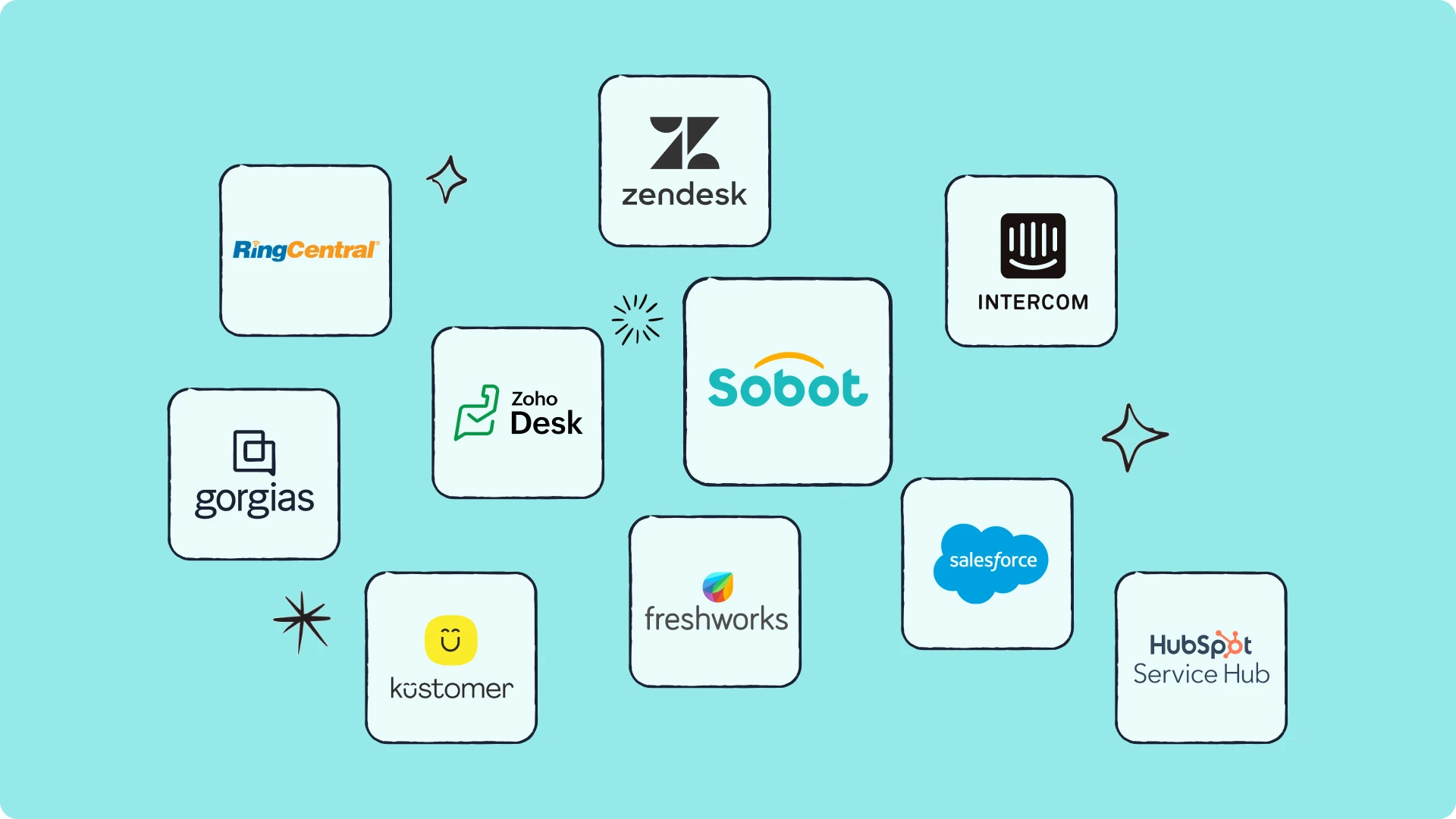
Most competitors focus on just one core feature—Zendesk on ticketing, Intercom on AI, Genesys on call centers, Gorgias on Shopify, Tidio on SMBs, and others limited to WhatsApp or helpdesk only. Sobot delivers a true all-in-one platform that unifies every channel and communication method into a single system—no more juggling multiple tools. Plus, you get timely access to real people (sales, CS, even product managers) and pricing that’s often half the cost, with no hidden fees.
Which industries can benefit from Sobot? Do you have case studies?
Sobot serves a broad range of industries including retail, e-commerce, finance, gaming, and entertainment—with tailored solutions for each. Trusted by global brands like Samsung, OPPO, OnePlus, DFS, OPay, Lilith, and J&T, our platform delivers proven results across sectors.
Does Sobot serve large enterprises or startups?
Both. For large and mid-sized businesses, Sobot offers an intelligent, all-in-one solution backed by a dedicated KA service team. For startups and small businesses, we provide a cost-effective, easy-to-deploy platform with fast setup and responsive support—so you get enterprise-grade tools from day one, without the enterprise price tag.