Returns and refunds have quietly become one of the biggest hidden challenges in e-commerce.
At first glance, returns may seem like a normal cost of selling online. But when return rates climb into double digits, their impact goes far beyond revenue loss. High return volumes directly affect customer trust, operational efficiency, sustainability efforts, and long-term brand perception.
Industry data highlights the scale of the problem. The average online return rate typically ranges between 20% and 30%, significantly higher than the under-10% return rates seen in most physical retail stores. Source. More recent benchmarks show that even with advances in logistics and customer experience, returns remain a structural issue. In 2024, the average e-commerce return rate was approximately 16.9%, meaning nearly one in every six online orders was returned. Source. This makes returns a persistent part of digital commerce rather than an occasional exception.
Behind these figures are challenges that are tightly linked to return behavior: rising reverse logistics costs, delayed inventory recovery, increased customer support demand, and waste caused by unnecessary shipping and packaging.
This article explores how e-commerce businesses can transform returns from a costly inevitability into a managed, strategic process—one that lowers refund and return rates without sacrificing customer happiness. By focusing on clearer product information, smarter communication, proactive support, and automation-driven customer engagement, brands can reduce returns while strengthening satisfaction and loyalty.
Understand the Root Causes of Returns
Product Related Issues
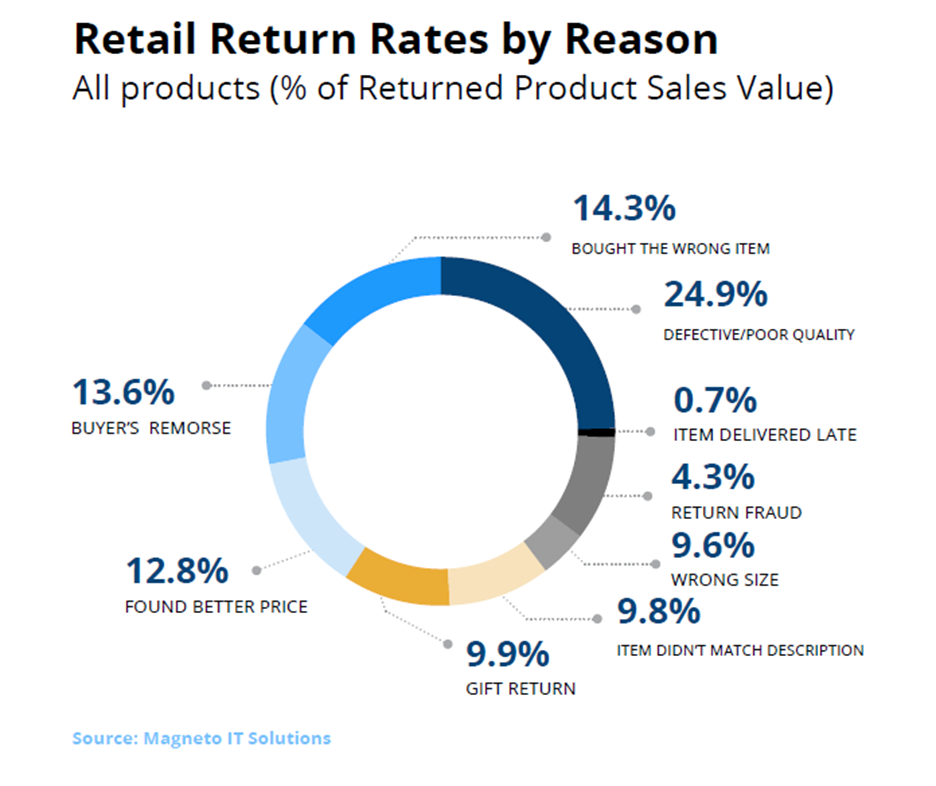
Expectation vs. Reality Mismatch: One of the leading causes of e-commerce returns is a mismatch between how a product is presented online and how it appears in real life. Customers depend entirely on photos, videos, and descriptions when shopping online. When those elements don’t accurately reflect the product, disappointment sets in quickly.Common issues include:
- Product images that are overly edited or taken from misleading angles
- Descriptions that lack detail or exaggerate features
- Missing information about materials, dimensions, or real-world usage
Fit, Size, and Suitability Challenges in Fashion: Fashion and apparel face some of the highest return rates in e-commerce, largely due to fit and size uncertainty. Without the ability to try items before buying, customers are forced to guess, and guessing often leads to returns.
According to multiple industry reports, in some apparel segments and brands, returns due to size and fit issues alone account for more than 50% to 70% of all returns. Source.
Customer-Behavioral Causes Behind High Return Rates
- Bracketing or Try-Before-You-Buy Behavior: One of the most common behavioral drivers of returns, especially in fashion e-commerce, is bracketing. This “bracketing” fuels nearly 40% of apparel returns, especially among Gen Z who treat online stores like free fitting rooms.
- Impulse Buying and Buyer’s Remorse: That midnight “add to cart” thrill fades fast, sparking regret when the item doesn’t spark joy. Impulse purchases account for 15-20% of returns, amplified by flash sales and generous policies, buyers think, “Worst case, I return it.” Holidays spike this: 2024 saw 17% higher remorse returns from rushed gifts.
- Expectation of Free, Convenient Returns: When 80% of top retailers offer free returns, shoppers buy risk-free, why not? This expectation encourages bolder, multi-item hauls, inflating overall rates to 16.9-24.5%. Convenience like prepaid labels makes it frictionless, but abuse creeps in: 10-15% of returns involve serial returners exploiting the system.
Operational and Logistical Issues That Drive Returns
- Slow Logistics and Delayed Delivery: When packages crawl instead of sprint, customers lose patience, leading to cancellations or returns of items they no longer want. Delivery delays affected 11% of holiday parcels globally during peaks, with on-time performance dropping to ~84% from 90%+ off-peak, eroding trust and prompting shoppers to abandon orders.
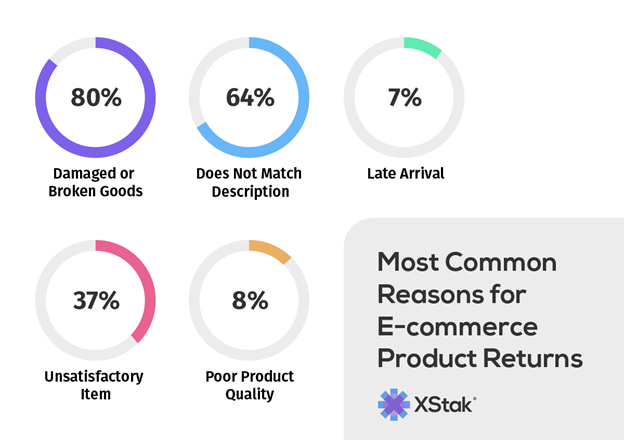
- Damage During Shipping or Handling: Bumpy rides in transit smash packaging, leaving products dented or broken,22% of returns stem from arrival damage, even if the item was perfect leaving the warehouse. Inadequate boxes or rough carriers amplify this. Beefier packaging and carrier scorecards help, while post-shipment notifications flag issues early for seamless replacements. Source.
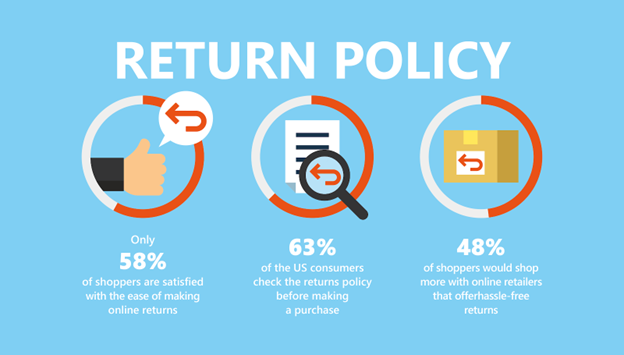
- Overly Lenient Return Policies and Return Abuse: Customer-friendly return policies are often introduced to reduce purchase hesitation and improve conversion rates. The National Retail Federation reports that return fraud and abuse represent a growing cost burden for retailers, contributing to billions of dollars in annual losses across the industry.
Why Reducing Returns Matters, Beyond the Obvious
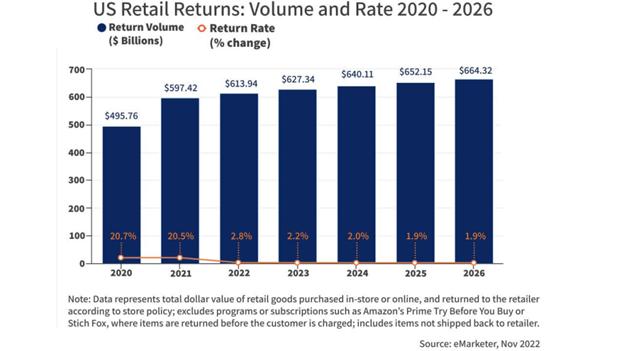
- The Cost Impact on Margins: Every return isn’t free, it’s a $10-20 hit for shipping labels, warehouse reshuffles, and lost shelf time. Apparel is a clear example of how returns can erode margins. According to retail industry reporting, apparel return rates average around 24%, significantly higher than most other categories.
- Operational Overhead and Inefficiency: Beyond direct costs, high return volumes place a heavy burden on operations. Fulfillment centers must process inbound returns alongside outbound orders, which increases labor requirements and slows down workflows. Customer support teams also feel the impact. Returns generate a disproportionate number of customer inquiries, from “Where is my refund?” to exchange requests and disputes.
- Customer Experience and Brand Perception: Nobody brags about easy returns; they whisper about brands that “always mess up”. Frequent refunds signal shaky quality, chasing away 67% of repeat shoppers who crave reliability. Nail the experience, though, and you earn fans who spend more and shout your name.
- Sustainability and Waste Concerns: Returns also carry an environmental cost that is becoming harder to ignore. Not all returned items make it back into sellable inventory. Products that arrive damaged, are returned too late, or are economically unviable to reprocess may be discarded or sold at a loss.
- Competitive Differentiation in a Crowded Market: In a highly competitive e-commerce landscape, the ability to reduce returns without hurting customer satisfaction is a powerful differentiator. Brands that manage this balance benefit from lower operational costs, healthier margins, and more predictable inventory flow. More importantly, they create a better buying experience.
Proven Strategies to Reduce Refund & Return Rates
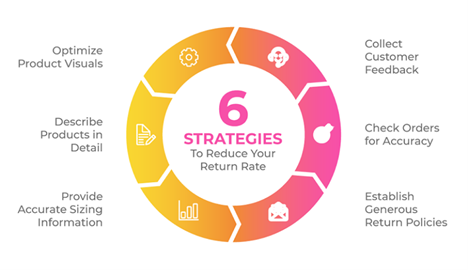
Improve Product Information Through Transparency and Accuracy
Shoppers buy with their eyes and imagination online, so mismatched details spark instant regret. Crystal-clear product info bridges that gap, slashing returns by aligning hype with reality, think 20-25% drops from better visuals alone. Source.
- High-Quality Images + Comprehensive Descriptions: Swap generic shots for multi-angle, zoomable photos plus lifestyle videos showing real use. Add precise specs, exact dimensions, material breakdowns (e.g., “85% cotton, 15% spandex”), weight, and care instructions. Brands using 7+ high-res images see 25% fewer returns; detailed descriptions cut mismatches another 15%. Source.
- Detailed Sizing Charts and Fit Guides for Apparel/Shoes: Fit issues drive 51% of fashion returns, counter with customizable charts, body-type diagrams, international conversions (US/UK/EU), and reviewer size feedback like “True to size for athletic builds.” These guides alone drop apparel returns 20-25%, especially for shoes at 9-18% baseline.
- Use 360° Images and AI Chatbots to Reduce Uncertainty: Advanced product visualization and real-time assistance further reduce return risk. High-resolution 360° images allow customers to inspect products from all angles, reducing surprises when items arrive.
Improve Product Quality, Fulfillment, and Packaging
- Robust Quality Control Before Warehouse Exit: Inspect every batch for defects, damages, or mislabels before shipping, manual checks catch 80% of issues early. Defects drive 22% of returns; pre-shipment audits drop this by 15-20% via standardized protocols. Multi-stage verification (pick, pack, scan) ensures nothing flawed leaves.
- Secure, Protective Packaging and Reliable Carriers: 10% of e-commerce packages arrive damaged due to weak boxes or rough handling,62% of European shoppers report at least one hit last year. Use fitted boxes, bubble wrap fillers, and reinforced corners; vetted carriers with <1% damage rates slash claims 30%.
- Accurate Inventory and Order Fulfillment Systems: Wrong SKUs or sizes fuel 23% of returns from fulfillment errors (1-3% industry rate). Barcode scanning, WMS software, and real-time inventory sync hit 99.9% accuracy, eliminating “out-of-stock sold” mishaps.
Streamline Fulfillment Communication (Order → Shipping → Delivery)
- Proactive Shipping and Delivery Updates: Real-time tracking meets 83% of shopper expectations for visibility, preventing drift to competitors when delays hit. Source.Real-time updates not only meet customer expectations but also reduce anxiety and uncertainty during shipping. When customers know exactly where their order is and when it will arrive, they’re less likely to assume something has gone wrong and initiate a return or cancellation.
- Omnichannel Fulfillment Notifications: Data shows that brands that use multiple channels such as email, SMS, WhatsApp, and in-app notifications see higher engagement and fewer support inquiries. Consumer logistics reports also reveal that 43% of online shoppers check tracking information every day until delivery.
- Clear Communication Prevents Unnecessary Returns: Many returns happen not because of product dissatisfaction but due to delivery uncertainty or mismatched delivery expectations. Research shows that nearly 92% of consumers say accurate delivery times, including tracking, are critical to a positive e-commerce experience.
Simplify Returns Process
- Instant Labels, One-Click Exchanges, and Portal Centralization: Self-service portals with QR-code labels and “swap for size up” buttons cut processing time 70%, turning headaches into 2-minute tasks. Centralized dashboards let shoppers track refunds live,92% prefer exchanges over cash refunds, keeping 50% more revenue in-house.
- Implement Fair-Use Return Policies to Prevent Abuse: Fair-use approaches may include limiting the number of returns per customer within a given period, requiring a minimum purchase value to remain eligible for free returns, or flagging repeated abuse patterns, all while keeping policies transparent and consistent.
Use Data & AI to Predict and Prevent Returns
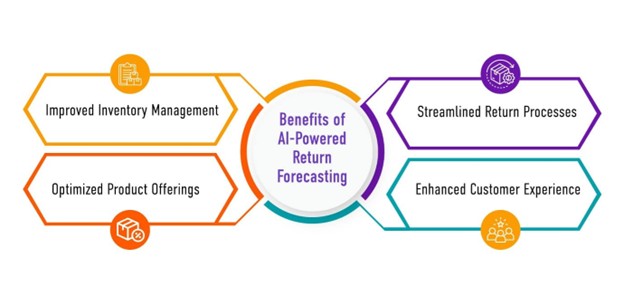
- Analyze Return Reasons at the Product and SKU Level: The foundation of return reduction is understanding why returns happen, at a granular level. High-level return rates alone don’t reveal much. What matters is analyzing return reasons by product, variant, and SKU. Retail analytics research consistently shows that SKU-level return analysis is critical to identifying avoidable returns, especially in categories like apparel, electronics, and home goods where small differences can significantly affect satisfaction.
- AI-Based Prediction Cuts Returns: Once return data is structured, AI and machine learning models can be used to predict which orders or products are most likely to be returned. A simple risk score flags problematic combinations before they ship. Industry benchmarks show these tools reduce returns by 8-15%.
- Identify High-Risk Products and Take Action: Identifying high-risk products is only the first step, brands must act on insights. For products with consistently high predicted return rates, companies can:
- Refine product visuals and descriptions
- Improve sizing guidance based on customer return feedback
- Adjust inventory forecasts to reduce overstock of frequently returned items
- Enhance quality control for problematic SKUs
This focus on precision prevents returns by solving the reason behind them rather than waiting for customers to react after the sale.
Enhance Post-Purchase Customer Experience
- Delivery Updates, Shipment Notifications, and Instructions: Proactive pings like “Your order shipped, arrives Tuesday” cut anxiety and “where’s my package?” calls by 20%. Clear unboxing guides (e.g., assembly tips) prevent usage regrets, companies with branded tracking see 15% fewer complaints.
- Pre- and Post-Purchase Support: Real-time support helps customers make the right decision before buying and resolve issues after delivery. Pre-purchase support (via chatbots or live chat) answers sizing, compatibility, and usage questions, reducing accidental or unsuitable purchases. Post-purchase support helps customers troubleshoot common issues instead of defaulting to returns.
- Self-Service That Feels Like Service: Self-service portals allow customers to track orders, access instructions, and get answers without waiting for support.
How Tools like Sobot Can Help

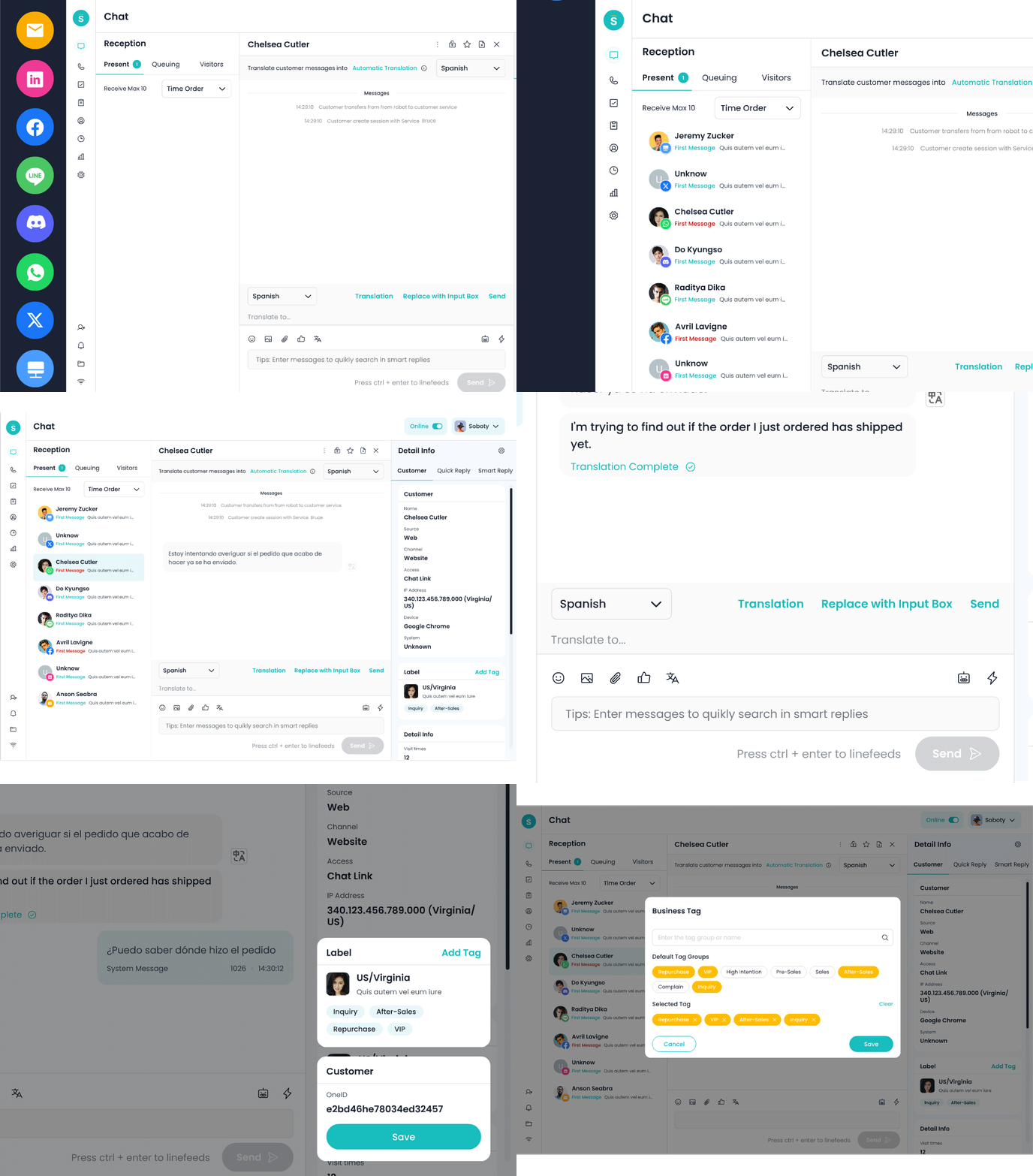
In today’s e-commerce world, technology isn’t just a nice add-on,it’s the quiet hero preventing returns before they happen. Platforms like Sobot bring everything together, making customer support feel effortless and proactive across the entire shopping journey.
- Omnichannel Support That Meets Customers Where They Are: Sobot connects live chat, voice calls (inbound/outbound), ticketing, and WhatsApp API, all in one place. E-commerce brands love its seamless integrations with Shopify, Amazon, Walmart, Shopee, and Lazada, so online merchants plug right in without headaches.
- Centralized Customer Communication Across All Channels: Sobot centralizes customer conversations across chat, email, social media, and phone into one unified workspace. This ensures support agents have full visibility into customer history, reducing repetition and speeding up resolution.
- AI Chatbots Tackle Questions 24/7: Common doubts like “Does this run small?” or “What material feels like?” get instant answers from Sobot’s AI bots, available round-the-clock. This cuts confusion that leads to 38% of “not as expected” returns, handling up to 70% of routine queries autonomously.
- Analytics to Spot Patterns and Fix Root Causes: Sobot’s dashboards track return reasons, complaints, and feedback by SKU, revealing if fit issues plague one dress line. Businesses use these insights for data-driven tweaks, turning reactive refunds into preventive wins.
- Personalized Engagement to Reduce Wrong-Buy Decisions: Using customer data and conversation history, Sobot enables personalized engagement such as alternative product suggestions, size recommendations, and guided decision support. Personalization helps customers choose better-fitting or more suitable products, reducing impulsive or incorrect purchases.
Wrap Up
Returns are an unavoidable part of e-commerce, but excessive and unnecessary returns are not. Most high return rates are the result of preventable issues, unclear product information, weak fulfillment processes, poor post-purchase communication, or lack of proactive customer support.
Platforms like Sobot help make this possible by unifying omnichannel communication, automating support workflows, and giving brands the tools to resolve questions and issues before they turn into returns.
Now is the time for brands to take a closer look at their return ecosystem. Evaluating where returns originate, and how customers are supported before and after purchase, is the first step. Exploring Sobot’s customer experience automation tools can help turn returns from a recurring problem into a managed, strategic advantage that benefits both customers and the business.