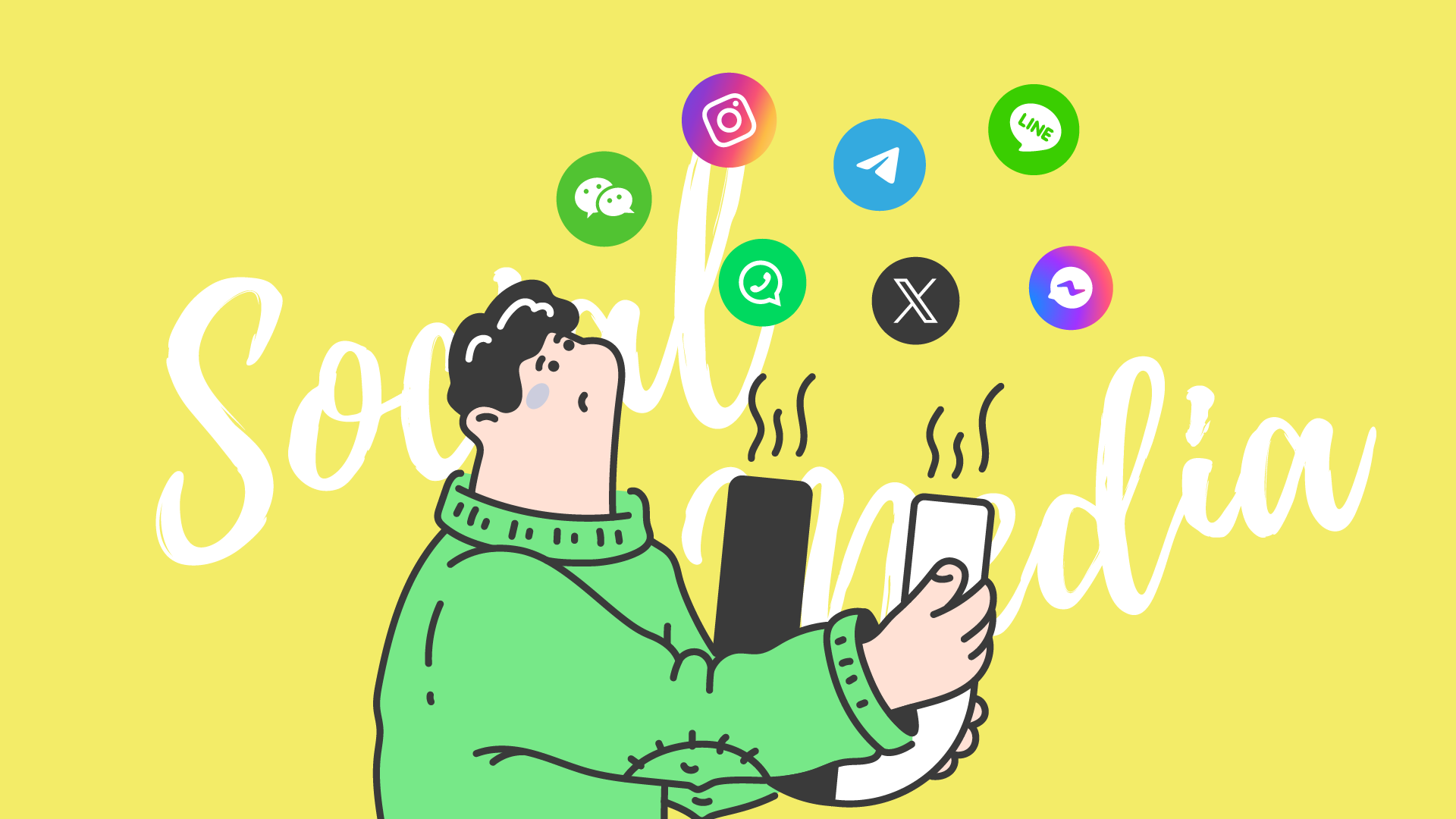
Social media is no longer just a marketing tool, it has become a frontline customer support channel. As customers increasingly interact with brands through platforms they already use daily, they expect businesses to respond quickly, resolve issues efficiently, and provide the same level of service they would receive through traditional support channels. According to the Digital 2024 Global Overview Report, there are 5.04 billion social media users worldwide, representing 62.3% of the global population. Source.
Research shows that 80% of consumers now use social media to engage with brands for support, while the use of direct messaging for customer service interactions has increased by 27% year over year. Source.
These trends highlight how social media is quickly becoming the preferred method for customers seeking help from businesses. For businesses, this change presents both an opportunity and a challenge.
In this article, we explore how businesses can manage customer support across Facebook, Instagram, and emerging social media channels through an omnichannel approach, the key challenges and best practices involved, and how solutions like Sobot enable organizations to unify conversations, improve response efficiency, and deliver seamless, scalable customer experiences.

What is Omnichannel Customer Support in Social Media Context?
Omnichannel customer support redefines service by integrating all social media touchpoints, Facebook Messenger, Instagram DMs, WhatsApp, and beyond, into a single, seamless experience where conversations flow continuously regardless of platform switches.
Unlike multichannel approaches that treat each channel as an isolated silo, omnichannel ensures shared customer context, real-time history, and consistent branding across every interaction.
76% of customers expect consistent interactions across departments, yet many organizations still struggle to deliver a seamless experience when conversations move between channels. Source.
Strong omnichannel strategies also have a measurable impact on customer retention. Companies that effectively integrate their customer engagement channels achieve significantly higher loyalty levels. In fact, businesses with strong omnichannel customer engagement strategies retain 89% of their customers, compared to just 33% for companies with weaker omnichannel capabilities. Source.
Why Social Media Platforms Like Facebook, Instagram, and WhatsApp Are Critical Customer Support Channels
A. Facebook as a Customer Support Powerhouse
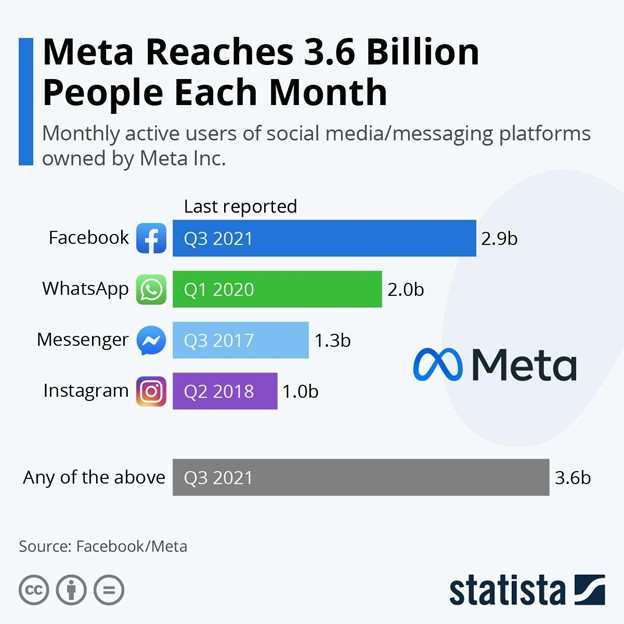
With 3.07 billion monthly active users, Facebook is the largest social media platform in the world, making it a natural place for customers to contact brands for support. Source.
Several factors have made Facebook a powerful customer support channel:
- Massive Global User Base: Facebook’s scale means a large portion of customers are already active on the platform, making it one of the most accessible channels for customer service interactions.
- Integrated Messaging through Messenger: Facebook Messenger allows customers to contact businesses directly, creating a convenient, real-time support channel for inquiries and issue resolution.
- Support for Both Private and Public Customer Interactions: Customers can reach brands through private messages or public comments on posts and pages, allowing businesses to address individual concerns while also managing visible customer feedback.
- Automation and Scalable Support Capabilities: Messenger supports chatbots, automated greetings, and message routing, enabling businesses to manage large volumes of customer inquiries efficiently.
- Wide Range of Customer service Use Cases: Businesses commonly use Facebook to handle customer inquiries such as order questions, delivery updates, returns, refunds, and complaints.
B. Instagram as a Fast-Growing Customer Service Channel
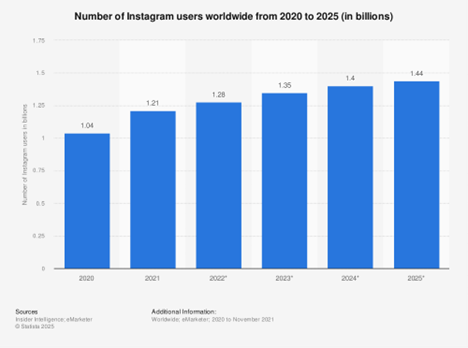
With around 3 billion monthly active users globally, the platform offers businesses a significant opportunity to interact with customers, answer inquiries, and resolve issues directly where customers already spend their time. Source.
- Strong Adoption Among Younger and Mobile-First Consumers: Instagram is widely used by younger, mobile-first audiences who prefer quick messaging and social communication over traditional channels such as phone or email.
- High Brand Engagement on the Platform: About 90% of Instagram users follow at least one business account, creating continuous opportunities for customers to ask questions, request support, and interact with brands directly. Source.
- Customer Service Interactions Built Into Platform Features: Many support conversations happen directly within Instagram’s communication tools. Customers commonly contact businesses through Direct Messages (DMs), post comments, story replies, and mentions or tags, allowing brands to respond quickly and manage customer inquiries within the platform.
- Growing Role in Social Commerce: Instagram increasingly influences purchasing decisions, with 44% of users reporting that they shop on Instagram weekly. As product discovery and shopping activity increase, so do customer inquiries related to product details, availability, and purchasing decisions.
C. WhatsApp Business: Global Scale Conversations
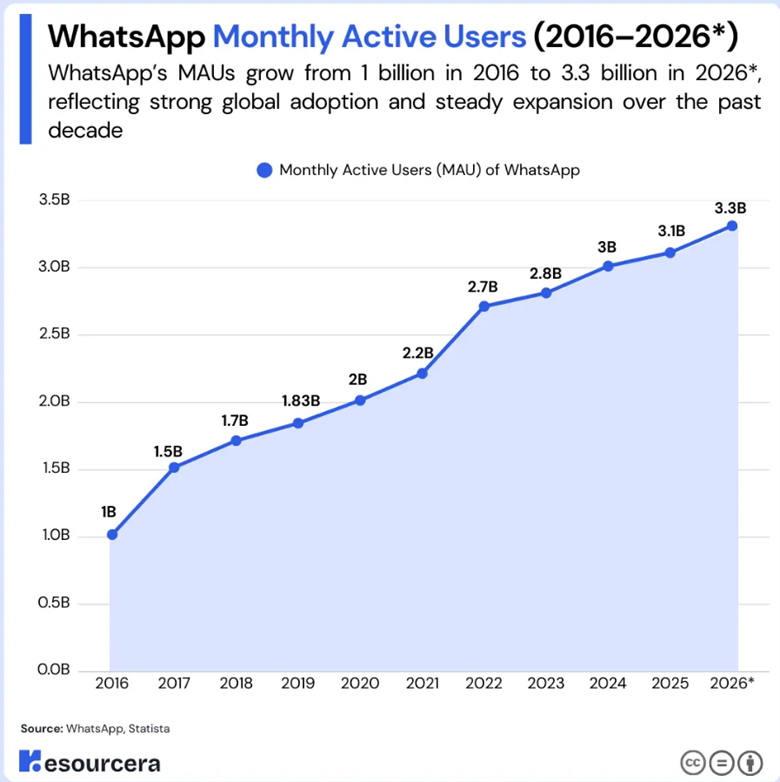
WhatsApp has become one of the most important messaging platforms for customer communication, enabling businesses to engage with customers through real-time conversations. With around 3.3 billion active users globally, WhatsApp offers businesses massive reach and accessibility for customer support interactions. Source.
- Strong Presence in High-Growth Digital Markets: WhatsApp is especially dominant in regions such as Asia, Latin America, the Middle East, and parts of Europe, where messaging apps are widely used for everyday communication with businesses.
- Convenient and Familiar Communication Channel: Customers prefer WhatsApp because it allows them to interact with businesses in the same way they communicate with friends and family, making support conversations faster and more convenient.
- Proactive Customer Communication: Companies can also send proactive updates such as order confirmations, shipping notifications, appointment reminders, and service alerts, helping keep customers informed without requiring them to initiate contact.
- High Engagement and Message Visibility: WhatsApp messages achieve extremely high engagement levels, with open rates reaching up to 98%, compared to around 20% for email, making it a highly effective channel for customer communication.
D. TikTok: Emerging Customer Support Channel for Digital-First Consumers
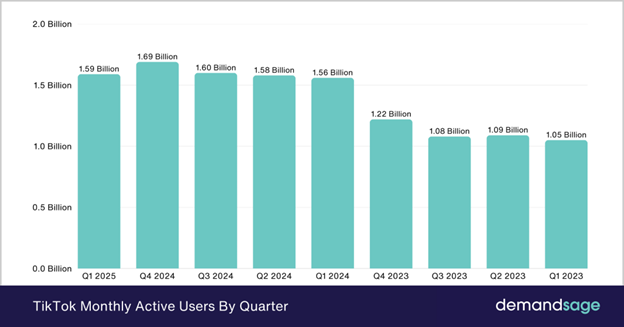
TikTok has rapidly evolved from a content discovery platform into an important space for brand interaction and customer engagement. With over 1.5 billion monthly active users globally, it is one of the fastest-growing social media platforms and increasingly influences how customers interact with businesses online. Source.
- Rapid Platform Growth and Massive User Base: TikTok’s rapid global adoption has created a large, highly engaged audience where customers frequently interact with brands through videos, comments, and direct messages.
- Customer Interactions Through Comments and Direct Messages: Many customers contact brands directly on TikTok by commenting on videos or sending direct messages to ask product questions, report issues, or request support.
- Strong Adoption Among Gen Z and Digital-First Consumers: TikTok is particularly popular with Gen Z and younger audiences who prefer social-first communication and expect fast, conversational responses from brands.
- Growing Role in Social Commerce: As TikTok increasingly drives product discovery and online shopping, customer inquiries related to product details, availability, and order support continue to rise.
E. X (Twitter): Real-Time Customer Service and Public Support Channel
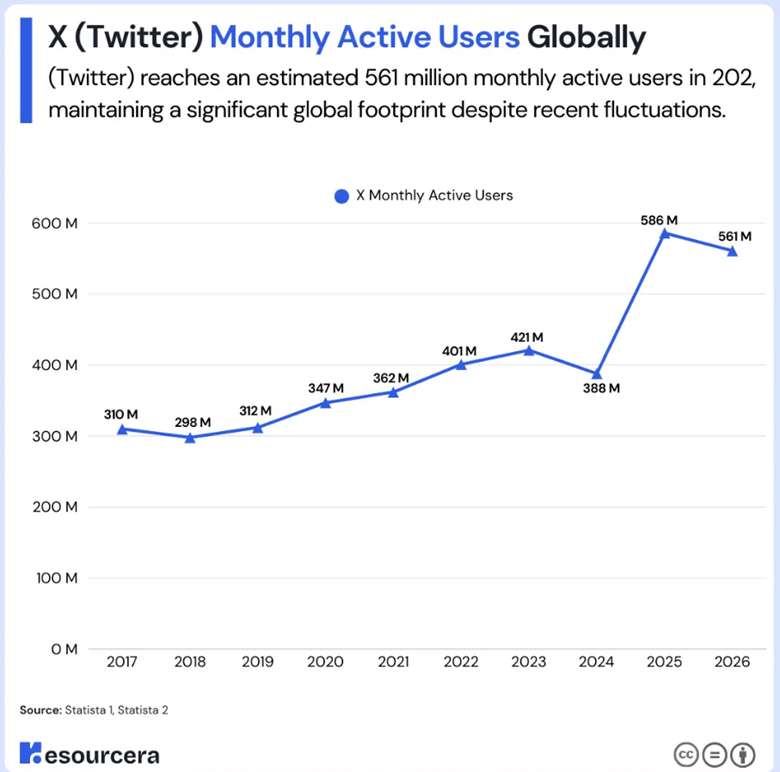
X (formerly Twitter) has long been recognized as one of the most important platforms for real-time customer communication.
- Large and Active Global User Base: X has around 611 million monthly active users worldwide, creating a large audience where customers frequently interact with brands, share feedback, and seek assistance.
- Widely Used for Real-Time Customer Support: Customers commonly use X to report service issues, ask questions, and request help directly from brands. The platform’s real-time nature makes it particularly effective for handling urgent inquiries and service updates.
- High Expectations for Fast Responses: Speed is critical on X. Studies show that 40% of consumers expect brands to respond within one hour on social media, reflecting the fast-paced communication environment of the platform.
- Public Conversations Increase Transparency: Customer questions and complaints are often posted publicly, allowing other users to see how brands respond. This transparency increases the pressure on companies to address issues quickly and professionally.
Key Challenges in Managing Social Media Customer Support Without Omnichannel
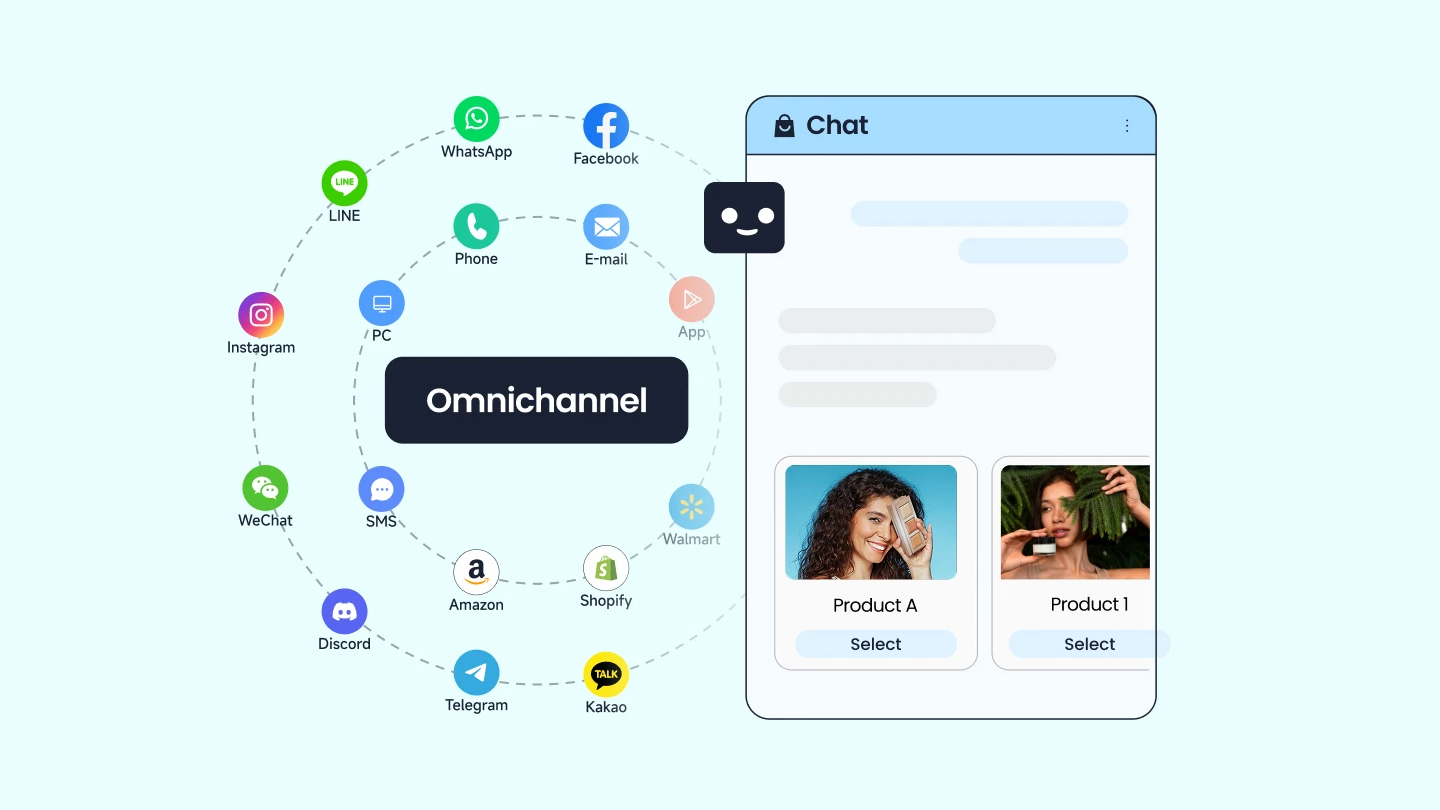
Managing customer support across multiple social platforms can quickly become complex without an omnichannel system that unifies conversations and workflows. Businesses often face several operational challenges that affect both response efficiency and customer experience.
- Fragmented Conversations Across Multiple Platforms: Customers often contact businesses through different channels such as Facebook, Instagram, and WhatsApp.79% of customers expect consistent interactions across departments, but 55% say it feels like they’re communicating with separate departments rather than one company.
- High Expectations for Fast Response Times: Social media platforms operate in real time, and customers expect brands to respond quickly to questions and complaints. Delayed responses can lead to frustration and negatively impact trust and customer satisfaction.
- Rising Volume of Customer Inquiries: As more customers turn to social media for support, businesses receive increasing volumes of questions, complaints, and service requests across platforms like Facebook, Instagram, and WhatsApp.
- Public Visibility of Customer Complaints: Customer issues are often shared publicly through comments, mentions, or posts on social media. Poor or delayed responses in these visible spaces can quickly damage brand reputation and influence how other customers perceive the company’s service quality.
Benefits of Omnichannel Customer Support for Social Media
- Improved Customer Satisfaction: Seamless support across social media platforms reduces customer effort and frustration, allowing customers to receive help without repeating their issues. In fact, 88% of customers say good customer service makes them more likely to purchase again.
- Faster Response and Resolution Times: Centralizing conversations from platforms like Facebook, Instagram, and WhatsApp allows agents to respond more quickly without switching between multiple tools, improving response speed and overall service efficiency.
- Increased Agent Productivity: Unified systems and automation reduce manual work and help support teams manage higher volumes of inquiries efficiently. AI-powered tools can handle up to 80% of routine customer inquiries, allowing agents to focus on more complex issues.
- Enhanced Brand Reputation: Faster and more consistent responses across public social media channels help businesses build trust, manage customer feedback effectively, and strengthen brand perception.
- Improved Business Revenue and Growth: Omnichannel platforms enable businesses to capture and respond to customer inquiries from Facebook, Instagram, and WhatsApp in real time, reducing missed sales opportunities and improving conversion rates. Customers who receive better service experiences can spend up to 140% more than those with poor experiences.
How Platforms Like Sobot Enable Omnichannel Social Media Support
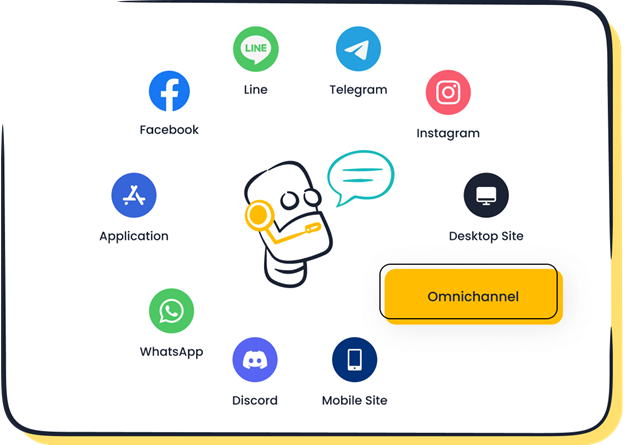
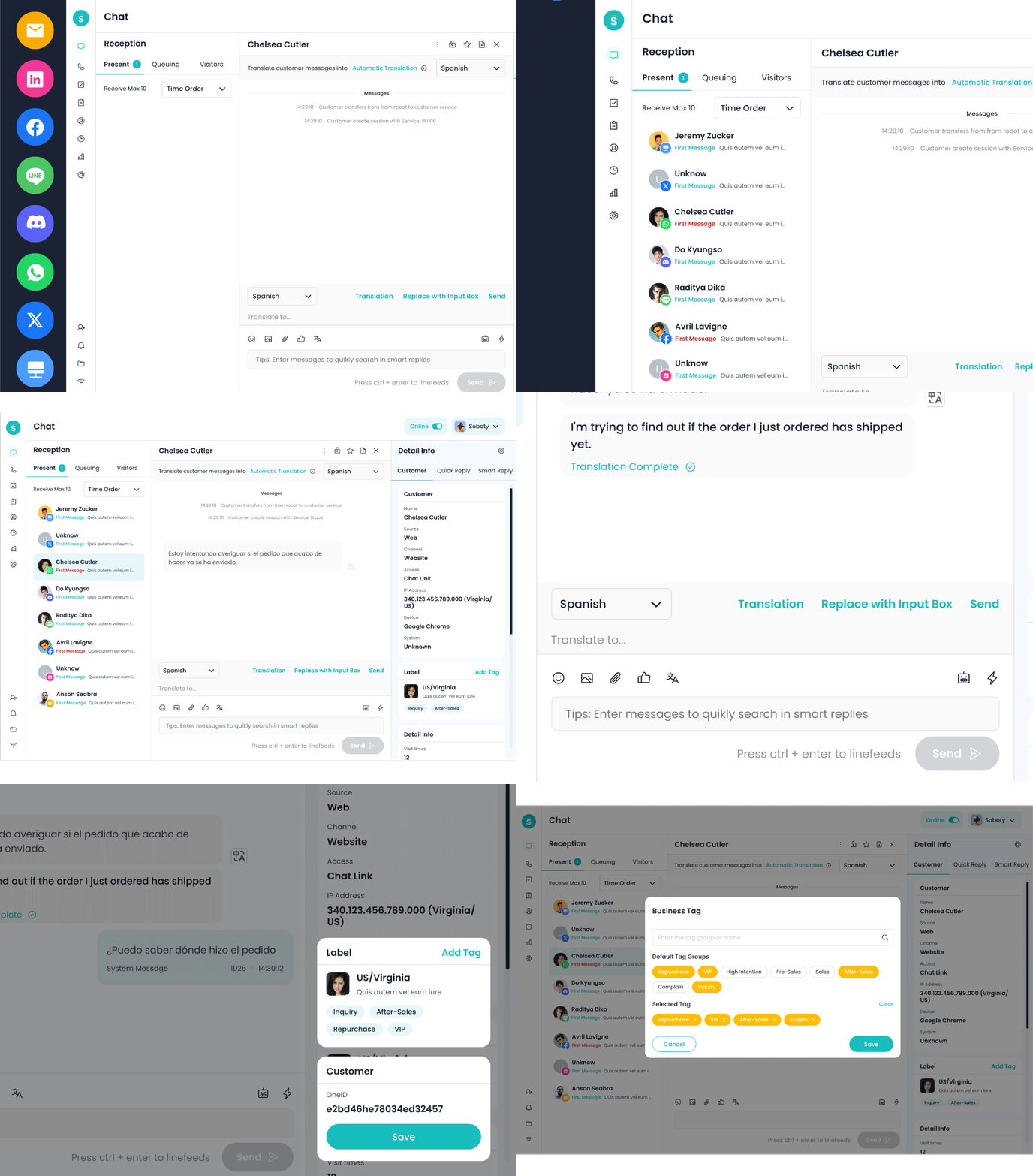
- Centralized Omnichannel Inbox: Sobot provides a unified dashboard where support teams can manage conversations from Facebook, Instagram, WhatsApp, and other channels in one place. This eliminates the need to switch between multiple platforms, helping agents respond faster and reducing the risk of missed messages.
- Automatic Message Aggregation and Routing: Messages from different social platforms are automatically captured, organized, and routed to the appropriate team or agent.
- Unified Customer Profiles Across Channels: Sobot consolidates interaction history from multiple communication channels into a single customer profile. This allows agents to view previous conversations and provide more personalized, context-aware responses.
- AI and Automation Capabilities: Built-in automation tools and AI chatbots can handle frequently asked questions, collect initial customer information, and route inquiries to the appropriate support agent. This reduces agent workload and improves response efficiency during high message volumes.
- Performance Analytics and Reporting: Sobot provides reporting tools that track key support metrics such as response time, resolution time, message volume, and agent performance.
- Integration with CRM and Support Systems: The platform integrates with CRM systems and other customer support tools, allowing businesses to extend customer data visibility and automate workflows across their support ecosystem.
Wrap Up
Social media has evolved far beyond a marketing channel, it is now a critical part of modern customer support. Platforms such as Facebook, Instagram, WhatsApp, TikTok, and X have become primary touchpoints where customers expect quick responses, convenient communication, and seamless service experiences.
However, managing these platforms separately can create fragmented conversations, slower response times, and inconsistent service quality.
Adopting an omnichannel approach helps businesses bring these conversations together, improving response efficiency and ensuring a consistent customer experience across all social platforms.
Solutions like Sobot enable organizations to centralize social media support, automate routine interactions, and gain valuable performance insights. By integrating channels, automation, and analytics, businesses can scale their support operations while meeting rising customer expectations and building stronger, long-term customer relationships.