In today’s hyper-competitive eCommerce landscape, customer loyalty has become one of the strongest predictors of long-term profitability. That’s why Net Promoter Score (NPS), a metric built around a single question, “How likely are you to recommend us?”, has become a global standard for measuring customer advocacy. Brands with higher NPS consistently outperform competitors, with loyalty-leading companies growing revenue 2.5 times faster on average. Source.
But in between your biggest fans (Promoters) and unhappy customers (Detractors), there’s a large and often overlooked group: Passive shoppers. These are the customers who rate their experience as “good, but not great”. For ecommerce, where competition is fierce and switching costs are near zero, converting those passives, who often make up 30-40% of respondents, isn’t just nice; it’s essential for sustainable loyalty.
This article unlocks exactly how to make that shift: proven strategies to turn passives into promoters, leveraging Sobot’s AI-powered platform for scalable service, and clear ways to measure your wins. Whether you’re battling cart abandonment or building long-term fans, these insights will help your store thrive in today’s cutthroat market.
The Current State of NPS Trends in Ecommerce
Global NPS Score
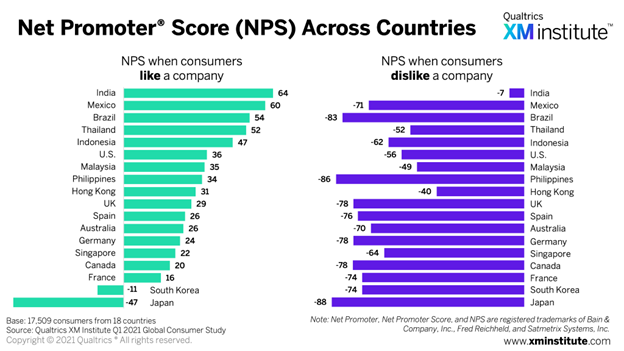
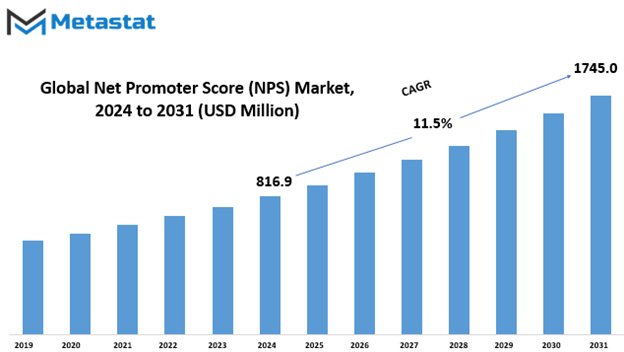
Across the global Ecommerce sector, average NPS typically falls between 40 and 55, which places most brands in a “moderate loyalty” zone. Source. Markets like North America often trend slightly lower due to intense competition and higher expectations for speed and convenience, while parts of Asia tend to score higher thanks to mobile-first shopping habits and frictionless digital ecosystems. Despite these regional differences, the common pattern is clear: many customers fall into the passive zone, and improving their experience requires intentional efforts around transparency, convenience, and trust-building.
Personalized Experiences Are Driving NPS Growth
- Personalization has become a major driver of higher NPS across digital commerce. McKinsey finds that effective personalization most often drives a 10–15% revenue uplift, and can reach as high as ~25% for advanced executions, while also improving customer satisfaction and loyalty.
- Many CX programs report NPS increases of up to 15 points annually when personalization is implemented consistently across customer service, recommendations, and post-purchase communication.
Understanding the Passive Shopper Mindset
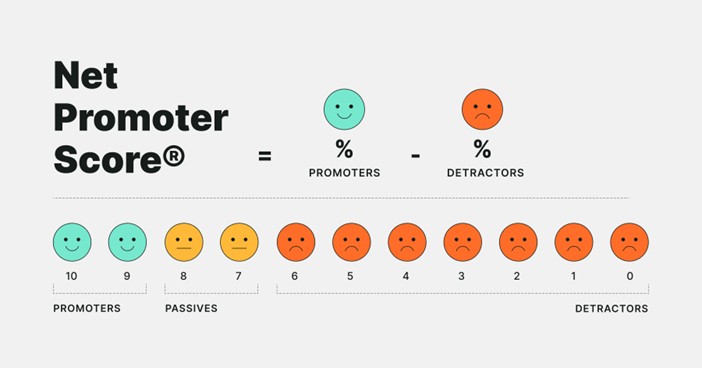
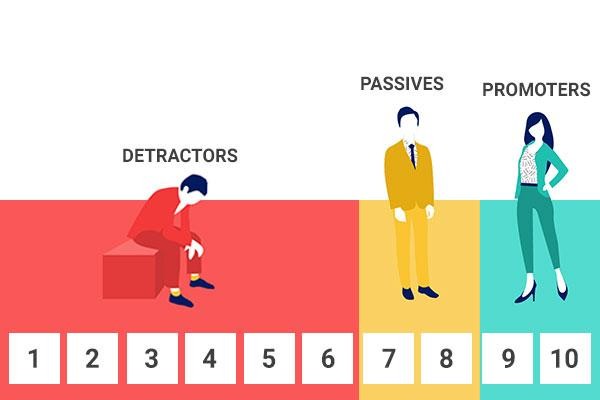
Not all customers are equal, and not all “satisfied” customers are loyal. In the world of Net Promoter Score (NPS), there’s a group often misunderstood: the “passive” shoppers. These are the people who rate your brand a 7 or 8 out of 10 , not unhappy, but not excited either. Source.
If you treat passives as “safe”, you might be missing the biggest opportunity. Here’s why diving into their mindset is crucial, and how little shifts can make them loyal promoters.
What Does “Passive” Really Mean?
- Passives are neither unhappy nor enthusiastic. They don’t rave about your brand, but they don’t complain either. That neutrality hides risk: because nothing emotionally ties them to you, they’re easy to lose.
- In many businesses, passives can account for 30% or more of total respondents, a large share of customers who could go either way. Source.
- That ambiguity, neither love nor dislike, means passives are easily nudged toward competitors, especially if they face friction, uncertainty, or a better deal elsewhere.
- They often feel uncertain during the purchase process and need simple guidance and reassurance to make a decision.
Behavior Traits of Passives Shoppers
1. Hesitant Decision-Making
Passive shoppers tend to pause or slow down during the buying journey. They often re-read information, compare alternatives, or wait for more clarity before completing a purchase. Their hesitation comes from mild uncertainty rather than dissatisfaction.
2. Low Emotional Engagement
Passives don’t form strong emotional bonds with a brand. They feel neutral—not excited like promoters and not frustrated like detractors. Their interactions remain transactional, which makes their loyalty fragile.
3. Sensitivity to Small Friction Points
Unlike detractors who react to major issues, passives notice small inconveniences such as unclear delivery details or confusing product descriptions. These minor frictions don’t trigger complaints but reduce their confidence and slow their decisions.
4. Quiet and Non-Expressive Behavior
Passives rarely speak up or report small problems. They don’t reach out for help unless absolutely necessary, which makes them harder to identify in traditional support channels. Their silence can hide early signs of churn risk.
5. Openness to Switching Brands
Because passives lack emotional commitment, they remain open to alternatives. They don’t resist competitor offers, and their purchasing decisions can shift easily based on convenience, price, or small experience differences. A research article in Frontiers in Psychology indicates the online shopping experience significantly influences customer engagement and loyalty, which supports the idea of subtle friction affecting passive behavior. Source.
6. Neutral Expectations
Passives expect things to “work as they should”. They don’t demand exceptional service, but they do notice when basic expectations aren’t met. When the experience is smooth, they stay neutral; when it isn’t, they quietly drift away.
Why Passive Shoppers Matter More Than You Think
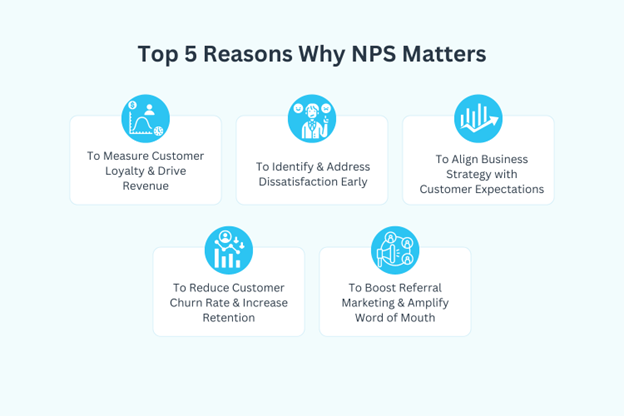
- Passives Are the Largest “Movable” Customer Group: In the NPS framework, customers fall into three groups: Promoters (9–10), Passives (7–8), and Detractors (0–6). Passives sit in the neutral middle, satisfied enough not to complain, but not engaged enough to recommend. Most eCommerce brands have more passives than promoters or detractors combined. According to NPS benchmark analysis, passives often make up 30–60% of the customer base. Source.
- Churn Prevention Priority: 32% of consumers switch brands after one poor experience, passives are most vulnerable without proactive engagement. Research indicates passives are more likely to churn within a short period compared to promoters.
- Improving Passives Has the Strongest NPS Impact: NPS calculation gives promoters a score of +1 and detractors a -1, while passives are neutral. This means moving a passive → promoter has double the positive effect of moving a detractor → passive.
- Converting Passives Is Cheaper Than Winning New Customers: Acquiring new customers is expensive. Harvard Business Review found that acquiring a new customer is 5–25× more costly than retaining an existing one.
- Passives Become High-Value Customers When Activated: When passives shift into the promoter category, their behavior changes significantly. Promoters buy more frequently, remain longer, and refer others. MeasuringU’s analysis shows that promoters spend about 13% more than passives on average, demonstrating the measurable revenue uplift that comes from even small increases in loyalty.
- Passives Are a Hidden Churn Risk: Unlike detractors, passives rarely voice complaints, they simply drift away. Their neutrality makes them vulnerable to competitive offers or small negative experiences. Because they’re not emotionally connected to the brand, they are more likely to switch when a competitor offers better convenience or pricing.
- Passive Feedback Reveals “Quick Wins”: Passives provide feedback that uncovers subtle friction points: unclear delivery timelines, confusing returns, missing product details, or slow-but-not-bad support. These are typically easy, fast improvements that enhance the experience for the entire customer base, not just the passive segment.
- Automation Makes Passive Conversion Scalable: Modern CX and automation tools allow brands to convert passives at scale with proactive messaging, automated follow-ups, sentiment detection, and timely reminders, all without increasing agent workload. Automation ensures every passive shopper gets the right reassurance and support at the right moment.
How to Turn Passives Into Promoters: Proven Strategies to Convert Passive Shoppers Into Loyal Advocates
Fix High-Impact Friction Points
Passive shoppers hesitate due to uncertainty around core transactional elements like delivery timelines, return policies, and product information clarity. Addressing these high-impact friction points eliminates primary barriers to repeat purchase and builds confidence. 73% of customers expect real-time order tracking across all touchpoints, and more than 98% say the delivery experience directly impacts their brand loyalty, making delivery transparency one of the highest-impact levers for converting passive shoppers into promoters. Source.
Send Proactive Post-Purchase Communication
After checkout, many passive shoppers experience anxiety: “Has my order shipped?” “Is my return approved?” “Will it arrive on time?” Proactive post-purchase messages, such as shipping updates, product tips, and reassurance , can significantly reduce that uncertainty. For example, research by Sendcloud highlights that post-purchase messaging leads to better customer engagement, which directly impacts repurchase behavior. Source. When customers consistently receive information before they have to ask for it, it builds trust, reduces doubt, and increases the likelihood that a neutral shopper evolves into a promoter who sees the brand as dependable and customer-focused.
Deliver Faster, More Reliable Customer Support
Passives test support responsiveness before committing loyalty, and slow or unreliable service reinforces their neutrality. Prioritizing live chat response times under one minute, 24/7 availability, and trained human agents over generic bots differentiates brands from automated competitors. Data reveals 90% of consumers rate an “immediate” response as very important in service interactions, making speed a critical trust-building factor. Reliable support turns hesitant inquiries into promoter-forming experiences. Source.
Use AI & Automation to Resolve Repetitive Issues Quickly
Passives convert when their routine frustrations disappear. Questions about order tracking, promo codes, or return status can overwhelm human agents, causing delays that frustrate neutral shoppers. AI automation solves this at scale. An IBM-cited analysis shows that AI chatbots can handle up to 80% of repetitive inquiries and reduce support costs by around 30%. Source.
Turn NPS Feedback into Real Action Within 24 Hours
When passives submit neutral 7-8 NPS scores, they feel unheard and remain unconvinced. NPS best practices show reaching out to passives within 24 hours significantly boosts promoter conversion rates, as closing the feedback loop proves customers’ opinions genuinely influence brand behavior, a crucial psychological factor in loyalty formation.
Offer Incentives That Motivate Passives
Passives hover on loyalty’s threshold, needing behavioral nudges rather than major service overhauls. Targeted incentives like loyalty points for feedback, early sale access, and VIP perks provide the psychological push to commit without eroding profit margins. Verified data confirms loyalty programs increase repeat purchase likelihood by 60%, making them highly effective for passive conversion while building long-term engagement. Source.
Turn Returns into a Loyalty Moment, Not a Pain Point
Returns are one of the biggest emotional friction points for passives. Done poorly, they push customers away. Done well, they create loyalty. A smooth, clear, and fast return process builds confidence and dramatically improves customer sentiment. 92% of shoppers say an easy return makes them more likely to buy again, proving that the return journey is as important as the purchase journey. Source.
Common Pitfalls to Avoid When Turning Passives Into Promoters
- Relying Only on the NPS Score: The score alone doesn’t explain why passives feel uncertain or what prevents them from becoming promoters. Without analyzing sentiment, comments, and context, teams miss the real drivers behind customer hesitation , and lose the opportunity to fix high-impact issues.
- Mistaking Passives for “Satisfied Customers”: Passives often look harmless because they score a 7 or 8, but that neutrality is fragile. Research consistently shows that passives are three times more likely to churn than promoters because they lack emotional connection. They won’t complain loudly, but they will quietly switch the moment a competitor offers a smoother or more reassuring experience.
- Failing to Close the Feedback Loop: When brands fail to close the loop, customers assume their opinion doesn’t matter, and their emotional connection weakens. Even a simple, personalized follow-up can reverse that drift and elevate their perception of the brand.
- Relying Too Much on Discounts: Discounts and vouchers may temporarily motivate passives, but they rarely create long-term loyalty. When brands use promotions as a crutch, customers become price-sensitive rather than emotionally invested. True promoter-level loyalty comes from experience quality, transparency, and trust, not coupons.
- Sending the Same Responses to Everyone: Generic messages like “Thank you for your feedback” feel robotic and fail to address the customer’s underlying hesitation. Passives need clarity, reassurance, and a sense that their input matters. Personalized responses build trust, while templated replies make customers feel treated as a ticket number rather than a valued individual.
Leveraging Technology (with Sobot) to Scale Promoter-Driven Service
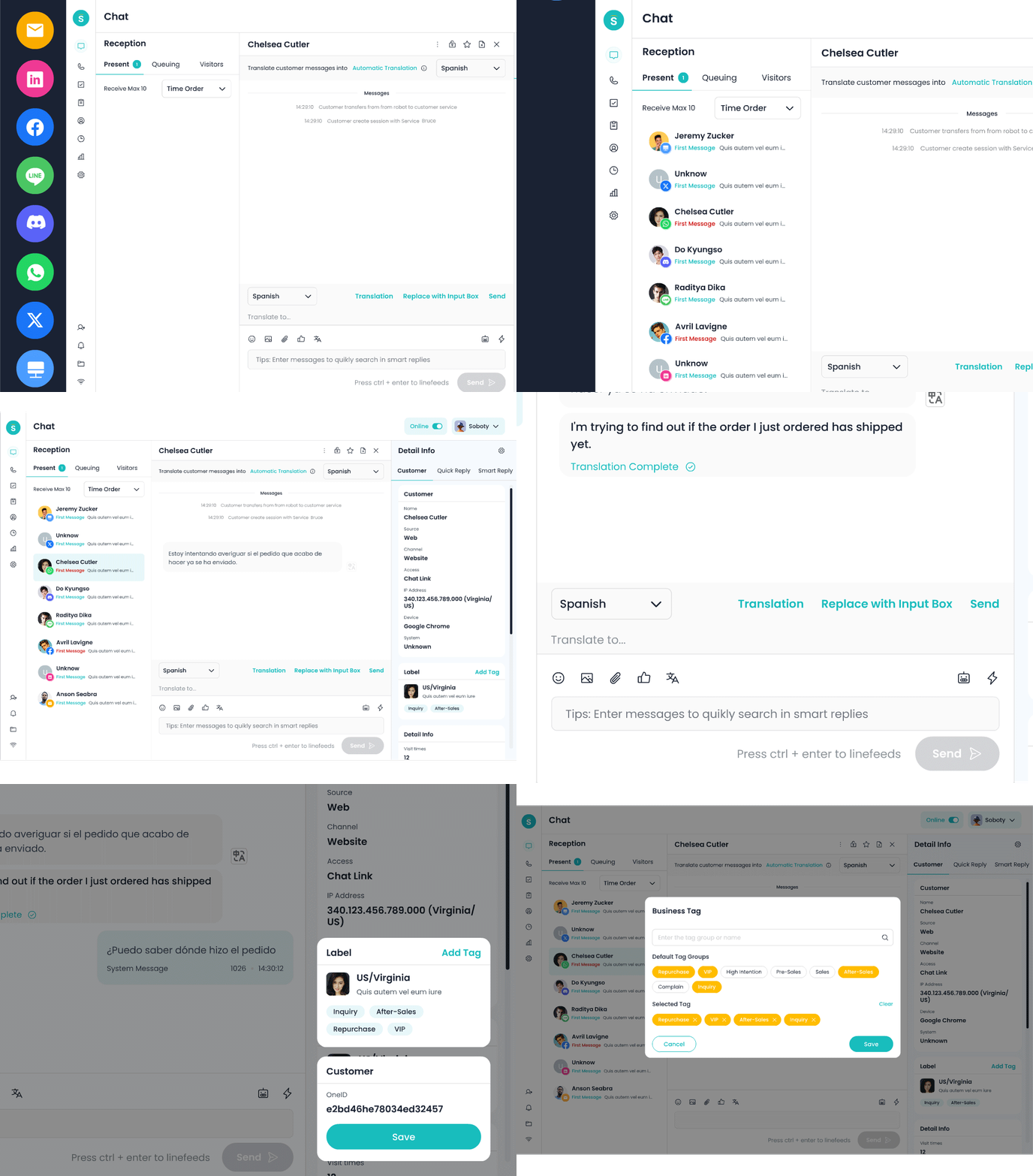
Sobot gives eCommerce brands the infrastructure to turn passive shoppers into promoters at scale by unifying conversations, automating routine tasks, and surfacing real-time insights.
Instead of managing scattered tools, merchants gain a single platform that handles every customer interaction across chat, voice, email, WhatsApp, and ticketing. Because Sobot is built specifically for online retail, its native integrations with Shopify, Amazon, Walmart, Shopee, and Lazada make it easy to plug into existing workflows without disruption.
- AI-Powered Automation Across Chat & Voice: Sobot’s AI Agent, AI Copilot, and AI Insight capabilities automate up to 70% of routine customer inquiries through intelligent chatbots and voicebots that operate 24/7. This automation significantly reduces agent workload by 60%, allowing human agents to focus on high-value interactions that convert passive shoppers into loyal promoters.
- Intelligent Routing & Agent Workflows: The platform employs advanced AI-driven routing that analyzes customer intent, sentiment analysis, and interaction history to direct inquiries to the most qualified agent.
- Unified Customer Profiles for Personalization: Sobot consolidates cross-channel interaction data, live chat transcripts, voice call summaries, WhatsApp conversations, and ecommerce order history, into comprehensive 360° customer profiles. Agents access complete purchase history, preferences, and past interactions in real-time, enabling highly personalized service that resonates with passive shoppers and accelerates their journey to promoter status.
- Real-Time Analytics to Identify Promoter Opportunities: Sobot’s analytics suite tracks over 300 KPIs including sentiment trends, resolution speed, conversion impact, and channel performance through more than 150 statistical reports. These insights reveal patterns in passive customer behavior, enabling proactive interventions that drive up to 3× higher conversion rates from neutral shoppers to active brand advocates.
Wrap Up
Turning passives into promoters is ultimately what gives NPS its real power. It’s not just a score on a dashboard, it’s a roadmap for eliminating friction, strengthening loyalty, and creating experiences that customers want to advocate for.
With the right systems in place, this transformation becomes scalable instead of manual. Sobot’s platform gives eCommerce teams the omnichannel visibility, AI automation, routing intelligence, and real-time customer insights needed to move shoppers from neutral to enthusiastic. Instead of reacting to issues, brands can anticipate them.
If your goal is to turn more customers into promoters who stay longer, spend more, and bring others with them, now is the moment to strengthen your NPS strategy. Explore how Sobot can support your end-to-end loyalty programme, streamline your customer experience operations, and accelerate promoter growth. You can request a demo, speak with the team, or sign up to see how Sobot empowers brands to deliver the kind of service customers remember, and recommend.