If there is one frustration that instantly damages trust in an e-commerce brand, it is being forced to repeat the same problem again and again. Research shows that 56% of customers have to re-explain their issue because support conversations are spread across disconnected channels, a clear sign that many customer journeys are still fragmented rather than unified. Source.
It is an experience many shoppers recognize. A customer sends a message on Instagram, follows up by email when there is no response, tries WhatsApp a little later, and ends up explaining the same issue three times to three different agents. From the customer’s point of view, the problem is not the channel. The problem is that the brand does not remember them.
In this article, we explore why unified omnichannel support delivers a better customer experience, how it reduces friction and repetition, and how platforms such as Sobot help e-commerce brands deliver consistent, connected support at scale.

Multichannel vs Omnichannel: What’s the Real Difference?
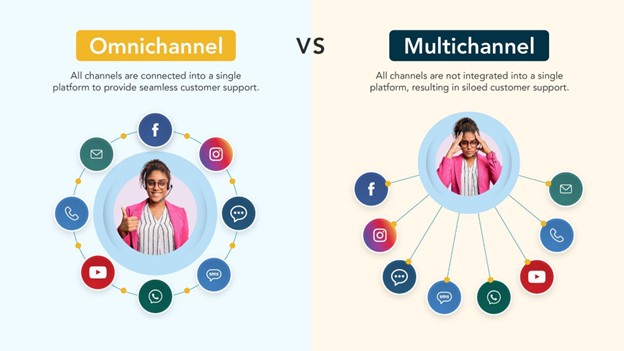
Multichannel support means a brand offers several channels, but they usually operate in silos. Each channel is handled through separate tools, and customer context does not move with the conversation. As a result, agents often lack visibility into previous interactions, orders, or open cases. This fragmented setup makes it harder to deliver a consistent experience and increases the risk of customer churn. Industry benchmarks illustrate this gap clearly. Research shows that companies with weak or disconnected omnichannel strategies retain only 33% of their customers, while brands with strong, connected omnichannel engagement retain 89%. Source.
Omnichannel support, by contrast, connects all customer touchpoints into a single experience. Conversations, order data, and past interactions follow the customer across channels, enabling agents to deliver context-aware and continuous support. Instead of managing channels separately, omnichannel unifies them into one service journey. This unified approach lifts CSAT to 67% and retention to 89%, as agents deliver faster, personalized resolutions. Source.
This difference has a direct impact on customer experience. In multichannel environments, customers face repeated explanations, slower resolutions, and inconsistent answers.
The Customer Reality: People Don’t Shop in One Channel
Modern e-commerce journeys are no longer linear. Customers naturally move between social media, marketplaces, brand websites, and messaging apps before and after a purchase. A product might be discovered on Instagram, compared on a marketplace, purchased on a brand site, and supported later through WhatsApp or live chat. From the customer’s point of view, this is one continuous experience, not separate channels.
Omnichannel Value
This is exactly where omnichannel support becomes essential. A well-known study published by Harvard Business Review analyzed more than 46,000 retail customers and found that omnichannel shoppers actively use multiple touchpoints during a single journey and are more valuable than single-channel customers. Source.
Omnichannel allows conversations, order data, and customer history to follow the shopper across touchpoints, so a support interaction can continue seamlessly even when the channel changes. Customers no longer need to restart a case, re-explain their problem, or wait while an agent searches for background information.
Beyond convenience, omnichannel fundamentally changes how customers evaluate service quality. Shoppers increasingly expect brands to already “know” who they are, what they ordered, and what has happened previously, regardless of whether they contact support through social messaging, email, chat, or voice. When this continuity exists, interactions feel faster, more personal, and more trustworthy. When it does not, even simple questions become frustrating.
How Unified Omnichannel Support Improves Customer Experience
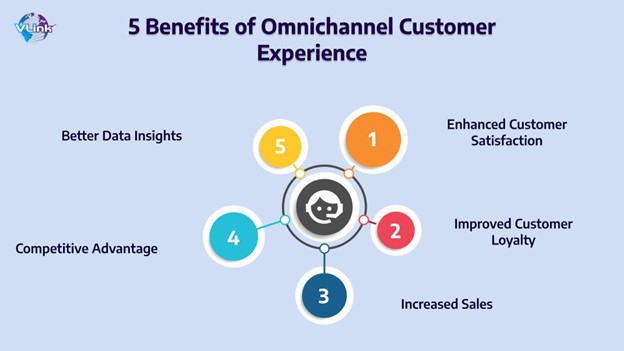
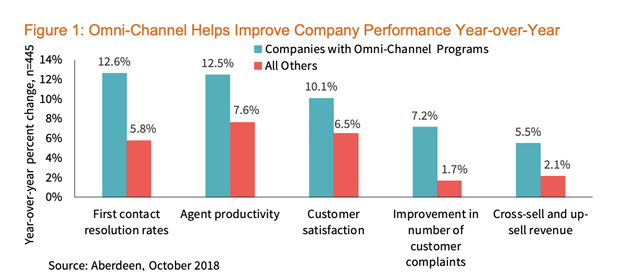
- Faster Resolutions (less waiting, less friction): Unified omnichannel support gives agents a single view of conversations, orders, and previous interactions, significantly reducing the time spent searching for context or transferring cases between teams. By connecting self-service, chat, social messaging, and agent-assisted channels into one continuous support flow, omnichannel environments also reduce repeat contacts and duplicate tickets. Agents can see what actions have already been taken across channels, resolve issues more accurately the first time, and prevent customers from reopening the same case through different touchpoints. When conversations and customer data are unified, agents can both resolve issues faster and avoid asking customers to repeat information, removing one of the most common sources of frustration in digital support.
- Consistent Answers: Nothing kills trust like conflicting info, “email support approves your refund, but chat denies it.” Omnichannel fixes this with a shared knowledge base and customer view, ensuring teams deliver aligned responses regardless of channel. Research from PwC shows that 32% of customers will walk away from a brand they love after just one bad experience, highlighting how fragile trust becomes when service quality feels unreliable or inconsistent. Omnichannel platforms reduce this risk by giving all agents access to the same customer history, policies, and workflows, making consistent service delivery across channels far easier to maintain.
- Better Customer Effort (Lower CES): One of the most visible benefits of omnichannel support is reduced customer effort. A shopper can start a conversation through an Instagram message, continue it on WhatsApp, and finish it on a voice call, without restarting the case or repeating their issue. Lower effort has a measurable impact on loyalty. 96% of customers who had a low-effort experience said they intend to repurchase, compared with only a small share from high-effort interactions, underscoring how ease of service drives loyalty.
- Higher Loyalty and Retention: Unified omnichannel support strengthens customer loyalty by ensuring conversations, order history, and service context remain connected across channels. When customers can switch between social messaging, chat, and voice without restarting their request, the overall experience feels more reliable and less frustrating. This continuity matters because customer experience is now a major driver of retention.
- Higher Spend and Lifetime Value: Beyond retention, unified omnichannel support also contributes to stronger long-term revenue outcomes. When customers can move smoothly between channels and receive timely, context-aware assistance, they are more likely to complete purchases, return for repeat orders, and engage with higher-value products. Research published by Shopify highlights that brands using an omnichannel approach benefit from higher lifetime value and stronger repeat purchasing behavior, as customers who engage across multiple connected touchpoints tend to spend more over time than single-channel shoppers.
- More Proactive and Personalized Engagement: Omnichannel platforms allow brands to proactively engage customers using shared context from past interactions, orders, and browsing behavior. Instead of sending generic updates or responses, brands can deliver timely and relevant messages across the customer’s preferred channel. According to McKinsey, customers increasingly expect brands to recognize them and tailor interactions based on previous behavior and context, and personalization has become a key driver of engagement and loyalty in digital journeys.
Common Pain Points of Multichannel Support (and What Omnichannel Fixes)
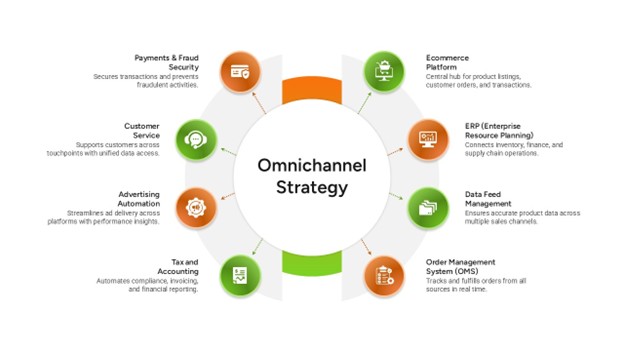
- High Volume Of “Where Is My Order?” (WISMO) Requests: Poor tracking visibility and disconnected post-purchase communication create unnecessary inbound support traffic. Industry data shows that WISMO requests can account for over 35% of total customer support interactions, especially when delivery updates are unclear. Omnichannel platforms reduce this pressure by sending proactive delivery and order updates through the customer’s preferred channel, using a single, unified source of order data.
- Higher Churn From Repeated Poor Experiences: When customers face disconnected conversations, slow follow-ups, and inconsistent answers across channels, frustration builds over time and increases the likelihood that they stop buying from the brand. In multichannel environments, the same issue is often reopened on different channels, creating repeated failures instead of resolution. Omnichannel support helps prevent this by keeping the full conversation history, order context, and case status connected across touchpoints. Customers experience a single, continuous support journey rather than multiple broken interactions, reducing frustration and lowering the risk of churn caused by repeated service breakdowns.
- Broken Journeys When Customers Switch Channels: In multichannel setups, switching channels often resets the interaction. A customer who starts on social messaging and later calls support is treated as a new case, even when the issue is the same. Omnichannel enables seamless movement between channels. Customers can begin a conversation on one channel and continue it on another without reopening a case. The conversation, status, and context remain continuous, creating a single support journey rather than multiple fragmented interactions.
- Lack of Context for Agents and Inefficient Internal Handoffs: In multichannel environments, agents frequently lack access to past conversations, order history, delivery status, or prior case activity. This slows resolution, increases clarification questions, and forces customers to wait while agents consult other teams using separate tools. Omnichannel centralizes customer and interaction data in a single workspace and enables cross-team collaboration within the same case and conversation.
Instead of transferring customers between disconnected systems and departments, internal handoffs occur inside one shared workflow, preserving full context and reducing resolution time.
Practical Steps to Move from Multichannel to Omnichannel
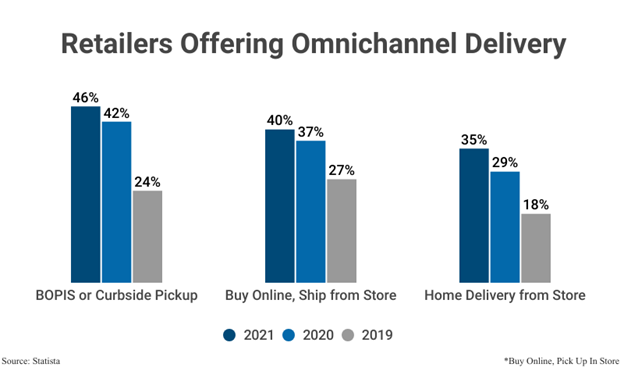
- Audit Current Channels And Pain Points: Start by mapping every customer-facing channel (social messages, live chat, email, voice, marketplace messaging, WhatsApp) and identifying where delays, handoffs, and repeated conversations occur. This audit helps reveal where journeys break and where customers are forced to restart interactions instead of continuing them.
- Centralize Conversations And Customer History: Bring all conversations, orders, and past tickets into a single system so agents can see the full context regardless of the channel a customer uses. This step directly supports what customers now expect from modern service. Research shows that 79% of customers expect consistent interactions across departments, which is only possible when data and conversations are unified.
- Standardize Policies Across All Channels: Align return rules, refund timelines, delivery commitments, and escalation paths across every channel. Omnichannel support only works when policies are applied consistently, otherwise customers still receive conflicting answers depending on where they contact the brand.
- Set Consistent Omnichannel Support KPIs: Define shared performance metrics across all channels, such as first response time, first contact resolution (FCR), and CSAT. Measuring performance per channel alone hides cross-channel friction, while unified KPIs allow teams to monitor the full customer journey instead of isolated interactions.
- Roll Out Automation for High-Volume Queries First: Automate repetitive and predictable requests such as order status, delivery updates, return status, and basic policy questions. Industry research shows that a large share of customer contacts are routine and informational, making them well suited for automation without harming experience.
The Role of Technology: How Platforms Like Sobot Enable Omnichannel Support
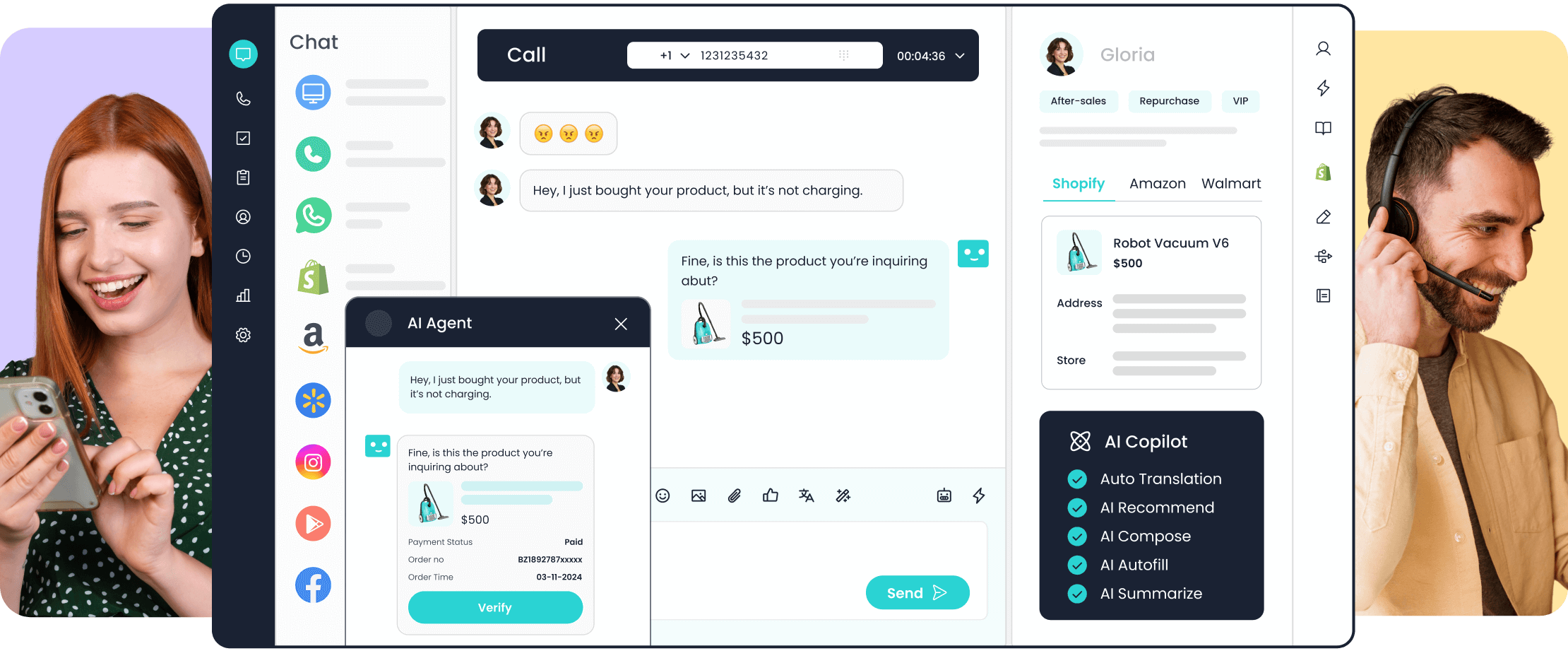
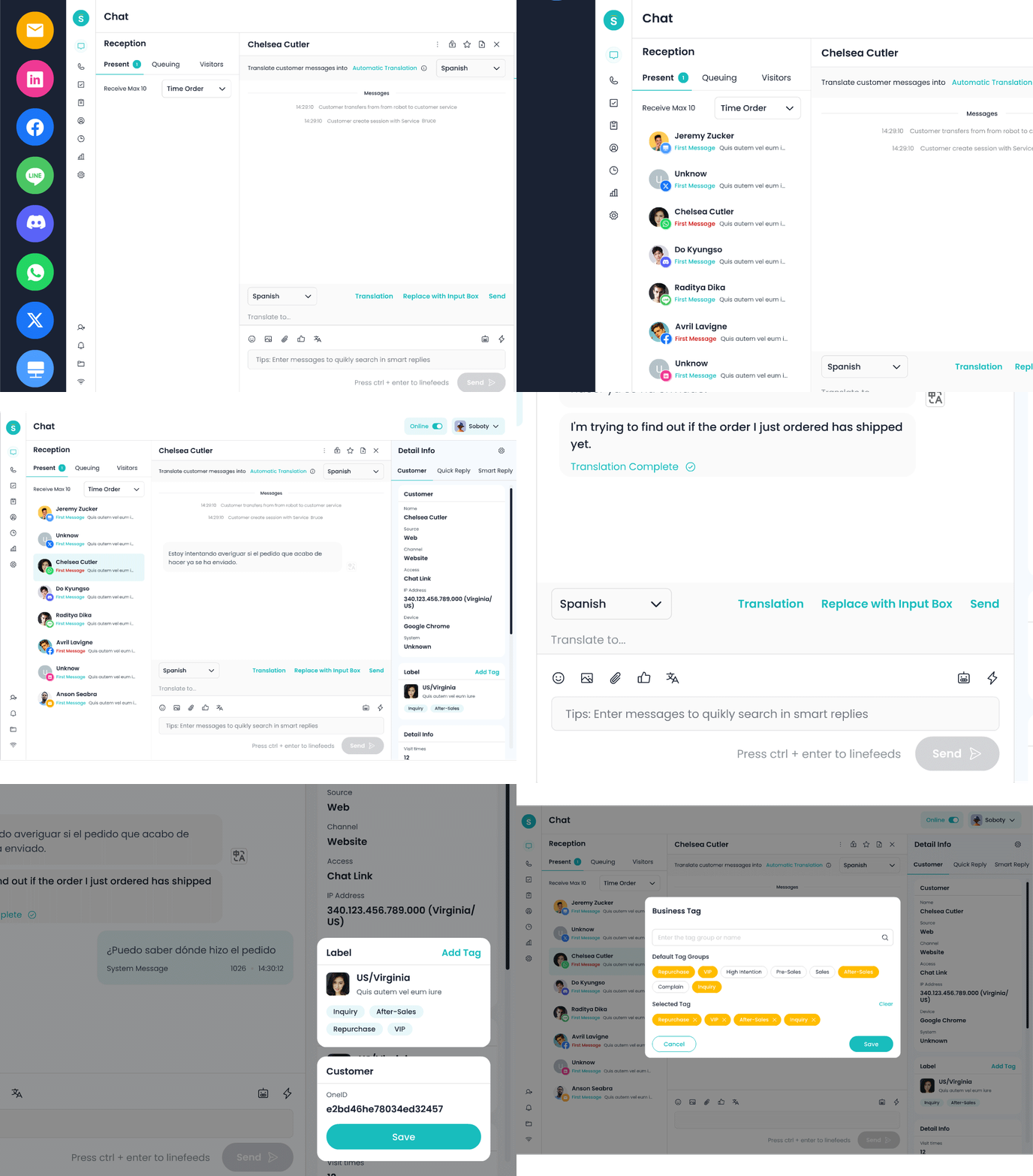
- Unified Workspace: Sobot provides a centralized workspace where all customer conversations, across digital, messaging, and voice channels, are handled in one interface. This allows agents to see the full interaction history and customer context in real time, enabling continuous omnichannel conversations rather than isolated channel-based sessions.
- All Channels in One System: The platform supports WhatsApp Business API, live chat, inbound and outbound voice, and ticketing in a single system. This ensures that customer conversations remain connected even when they move between real-time and asynchronous channels.
- Commerce Integrations: Sobot integrates with major commerce ecosystems such as Shopify, Amazon, Walmart, Shopee, and Lazada. These integrations allow agents to access order information, delivery status, and customer data directly within the support interface, supporting faster and more accurate omnichannel assistance during high-intent moments.
- Social Integrations: Sobot also enables customer conversations from social channels such as Facebook and Instagram to be handled within the same unified workspace. Social messages become part of the same customer timeline, helping brands extend omnichannel continuity into social commerce and social support journeys.
- Automation Tools: Intelligent routing, tagging, message templates, and SLA rules help standardize service handling across channels. Automation ensures that incoming conversations are assigned to the right teams and prioritized correctly, maintaining consistent service levels regardless of the channel used.
- Analytics & Insights: Built-in analytics help teams identify top complaint categories, peak contact times, channel demand patterns, and satisfaction trends. These insights enable brands to continuously optimize their omnichannel strategy based on real customer behavior rather than isolated channel reports.
Wrap Up
Multichannel gives brands a presence. Omnichannel delivers continuity. And that difference is exactly what customers feel when conversations flow across channels without repetition, delays, or broken hand-offs.
Today’s shoppers expect consistent experiences across teams and touchpoints—and they quickly lose confidence when they are forced to repeat the same issue or receive different answers on different channels. Unified support turns fragmented interactions into a single, connected customer journey.
Platforms such as Sobot make this possible by centralizing conversations, automating workflows, and connecting channels into one operational view.
For e-commerce teams, the next step is clear: assess where your channels are fragmented, and adopt a unified omnichannel platform to deliver consistent, scalable customer experiences that truly stand out.