How AI Will Reshape Customer Service

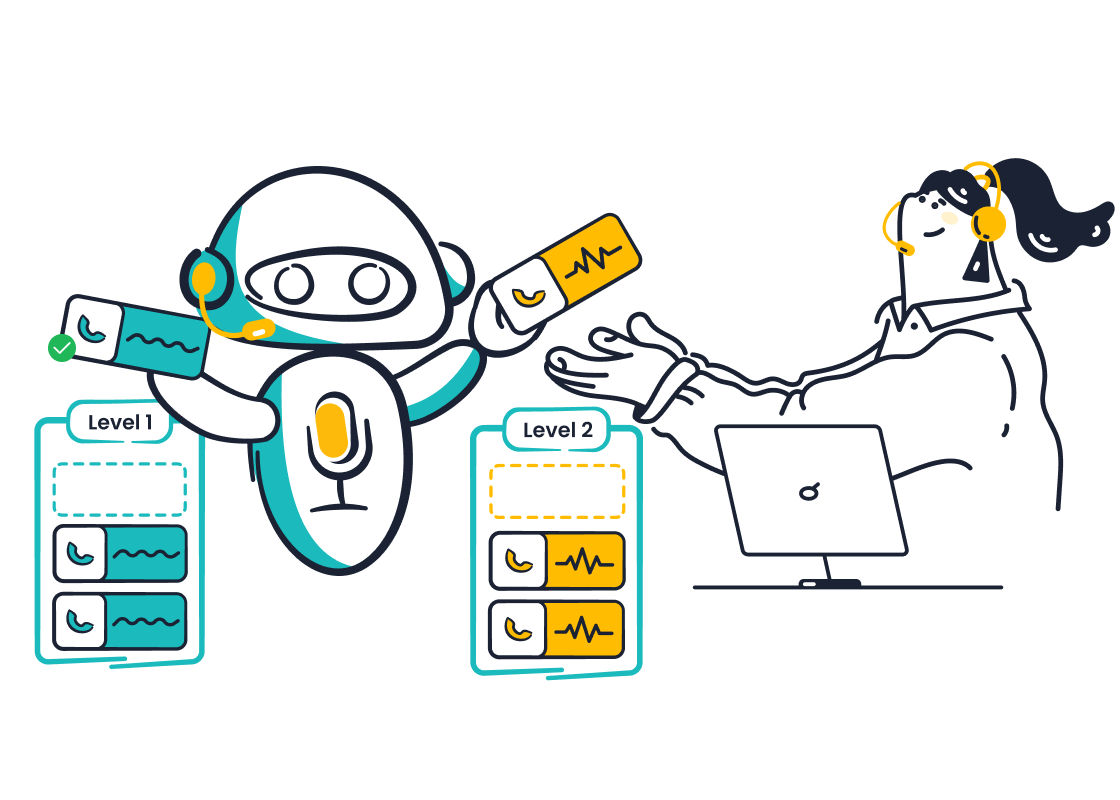
Artificial intelligence is fundamentally reshaping customer service. This transformation moves the industry from a reactive model to a proactive and predictive one. The AI for customer service market is projected to grow at a CAGR of 25.8% through 2030, reflecting this rapid shift. This evolution is a partnership. AI's efficiency enhances the human touch for a superior customer experience. The goal of AI-driven customer engagement is not automation alone. It is about creating a seamless and intelligent customer journey. This raises the question: will AI hurt or improve customer experience? Sobot believes this customer-centric digital transformation empowers a better experience for all customers.
The Shift to Proactive and Predictive Support
Traditional customer service waits for a customer to report a problem. Modern AI-driven customer engagement flips this model. It uses data to anticipate issues and engage customers before frustration builds. This proactive approach is central to meeting rising customer expectations. Artificial intelligence enables a new level of service that is both predictive and personal.
Using Predictive Analytics to Anticipate Needs
Predictive analytics allows businesses to understand what customers might need next. This powerful AI capability transforms the customer experience. Companies like Amazon use predictive models to manage inventory and prepare shipments before a customer even places an order. This strategy creates a faster, more efficient experience for customers. Using predictive analytics helps businesses:
- Improve Satisfaction: Anticipating needs reduces the time it takes to solve a problem.
- Enhance Personalization: Tailoring recommendations builds stronger customer relationships.
- Increase Retention: A personalized experience makes customers more loyal.
Identifying Potential Issues Before They Escalate
A key function of AI is identifying trouble spots before they become major problems. This predictive power prevents negative customer interactions. AI models analyze communications to detect early warning signs.
These models include:
- Machine-learning based NLP: This AI understands text and speech like a human, identifying meaning even with slang or misspellings.
- Topic analysis: This method categorizes the reason for contact, helping to flag urgent themes.
- Sentiment analysis: This AI determines if a customer's language is positive, neutral, or negative, providing a clear emotional signal.
This level of AI-driven customer engagement helps teams address concerns proactively.
Adapting Interactions with Real-Time AI Analysis
AI also provides live guidance during customer interactions. Real-time sentiment analysis gives agents insight into a customer's emotional state. This allows agents to adapt their communication for a better experience. An effective AI can suggest empathetic responses when it detects a frustrated customer. This AI-driven customer engagement empowers agents to meet customer expectations instantly. Tools now exist that offer smart scripts and alerts directly to agents. This support helps them resolve issues faster and more accurately. This is a perfect example of AI enhancing human capabilities for superior customer engagement.
Will AI Hurt or Improve the Customer Experience?
The question of whether AI will hurt or improve the customer experience is a major topic of discussion. Many customers express valid concerns. They worry about losing the human connection, especially for complex or emotional issues. Research shows that 86% of people prefer speaking to a human agent in sensitive situations. The fear is that AI, with its pre-programmed responses, will feel impersonal and fail to understand nuance. This raises a critical question for businesses: will AI hurt or improve customer experience by creating distance?
The answer depends on the strategy. The goal of artificial intelligence is not to replace human agents but to augment their capabilities. When implemented correctly, AI becomes a powerful partner. It handles repetitive tasks and provides data-driven insights. This frees human agents to focus on what they do best: providing empathy, building relationships, and solving complex problems. The result is a better experience for everyone. Let's explore how this partnership answers the question: will AI hurt or improve customer experience?
How AI Empowers Human Agents
AI empowers human agents by acting as an intelligent assistant or "copilot." This technology works in the background during customer interactions. It provides agents with the exact information they need at the right moment. This support transforms the agent's role from a reactive problem-solver to a proactive, well-informed expert. The impact on performance is significant.
AI-powered agent augmentation can reduce Average Handle Time (AHT) by 15-20%. It achieves this by automating administrative work like updating CRM records and generating call summaries. This allows agents to focus entirely on the customer. Furthermore, intelligent routing improves First Contact Resolution (FCR) rates by 12-15% by ensuring each customer connects with the best-equipped agent. This level of support directly enhances the customer experience. An empowered agent is an effective agent, leading to higher customer satisfaction. This is a clear example of how the answer to "will AI hurt or improve customer experience?" is a resounding "improve."
Automating Routine Tasks to Elevate Agent Roles
A primary strength of AI is its ability to manage high-volume, routine tasks. This automation is key to elevating the role of the human agent. AI can handle many common customer service duties without human intervention.
- Answering frequently asked questions
- Tracking order statuses
- Processing refunds and returns
- Routing support tickets to the correct department
This automation delivers immediate responses to customers 24/7. It also removes a significant burden from human support teams. With fewer repetitive tasks, agents can dedicate their expertise to more challenging and rewarding work. This shift is essential for a positive customer experience.
Real-World Success: OPPO and Sobot A prime example of this synergy is the partnership between smart device leader OPPO and Sobot. Facing a surge in inquiries, OPPO used Sobot's chatbot to manage repetitive questions. The AI achieved an 83% resolution rate on its own. This successful automation freed human agents to concentrate on complex customer issues that required a human touch.
By handling the basics, AI creates the space for a more strategic and effective human workforce. This directly addresses the core question: will AI hurt or improve customer experience? In this model, it clearly improves the experience.
Focusing on High-Value, Empathetic Interactions
When AI handles routine queries, human agents can focus on high-value, empathetic customer interactions. These are the moments that build true customer loyalty and increase customer lifetime value. Empathy is not something an algorithm can replicate. It requires genuine understanding, patience, and emotional connection. A customer-centric business that leads with empathy often sees dramatic improvements to its bottom line.
Agents trained in emotional intelligence can de-escalate tense situations and validate a customer's feelings. This transforms a potentially negative experience into a positive one. The OPPO story demonstrates this outcome perfectly. After implementing Sobot's solution and freeing up their agents, OPPO saw its positive feedback rate climb to 94%. This incredible result was not just due to automation. It was the product of human agents having the time and energy to provide superior, empathetic engagement. This powerful combination of AI efficiency and human empathy is the future of customer engagement. It provides the definitive answer to the question: will AI hurt or improve customer experience? It will elevate it.
Delivering Hyper-Personalization at Scale
Modern customers expect personalized experiences. Delivering this level of personalization at scale is impossible with human teams alone. AI provides the solution. It analyzes vast amounts of customer data in real time. This capability allows businesses to offer unique, tailored interactions to every single customer. This AI-driven customer engagement is the key to meeting high customer expectations and building loyalty. The goal is to make each customer feel understood.
Tailoring Solutions with AI-Driven Recommendations
AI excels at creating personalized recommendations that drive sales. AI systems analyze browsing history, past purchases, and even items left in a shopping cart. This analysis helps the AI understand a customer's unique preferences. It can then suggest products the customer is likely to love. This process transforms the shopping experience from generic to personal.
A Practical Example: Sobot's AI Solution for Retail & E-commerce Imagine a customer browsing for a new phone. Sobot's AI can provide tailored product recommendations based on their activity. If the customer hesitates or abandons their cart, the AI can trigger a targeted promotion to encourage the purchase. This proactive engagement turns potential lost sales into completed orders. This level of AI-driven customer engagement directly boosts revenue.
The impact of personalized recommendations is significant.
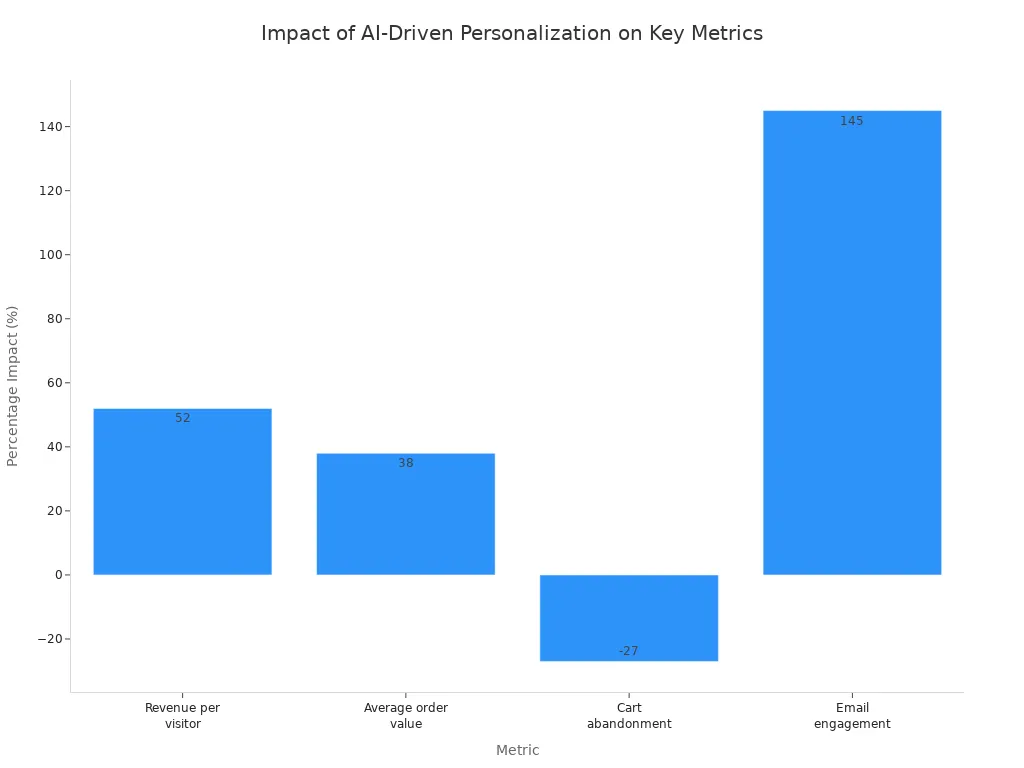
Optimizing the Customer Path with Dynamic Journey Mapping
The traditional customer journey is a fixed path. AI creates dynamic journeys that adapt to each customer in real time. Think of it like a GPS that reroutes for traffic, rather than a static paper map. AI tracks every interaction a customer has with your brand. This AI-driven customer engagement allows it to predict what the customer will do next. It can then adjust the journey to provide the smoothest and most relevant experience. This optimization ensures customers find what they need quickly, increasing customer satisfaction. This is a core part of a modern customer experience strategy.
Key Customer Experience Trends Driven by AI
Several key customer experience trends are emerging thanks to AI. Hyper-personalization is at the forefront of these AI trends. Businesses are moving beyond basic personalization to create deeply individual experiences. These trends are not just about improving the customer experience; they deliver real business value.
- Personalized marketing campaigns can increase customer lifetime value by 25%.
- Hyper-personalization can reduce customer acquisition costs by 10-15%.
- AI-driven personalization strategies often increase conversion rates by 10-20%.
These customer experience trends show that investing in AI is investing in growth. The future of customer engagement is intelligent, adaptive, and deeply personal.
Creating a Seamless Omnichannel Experience
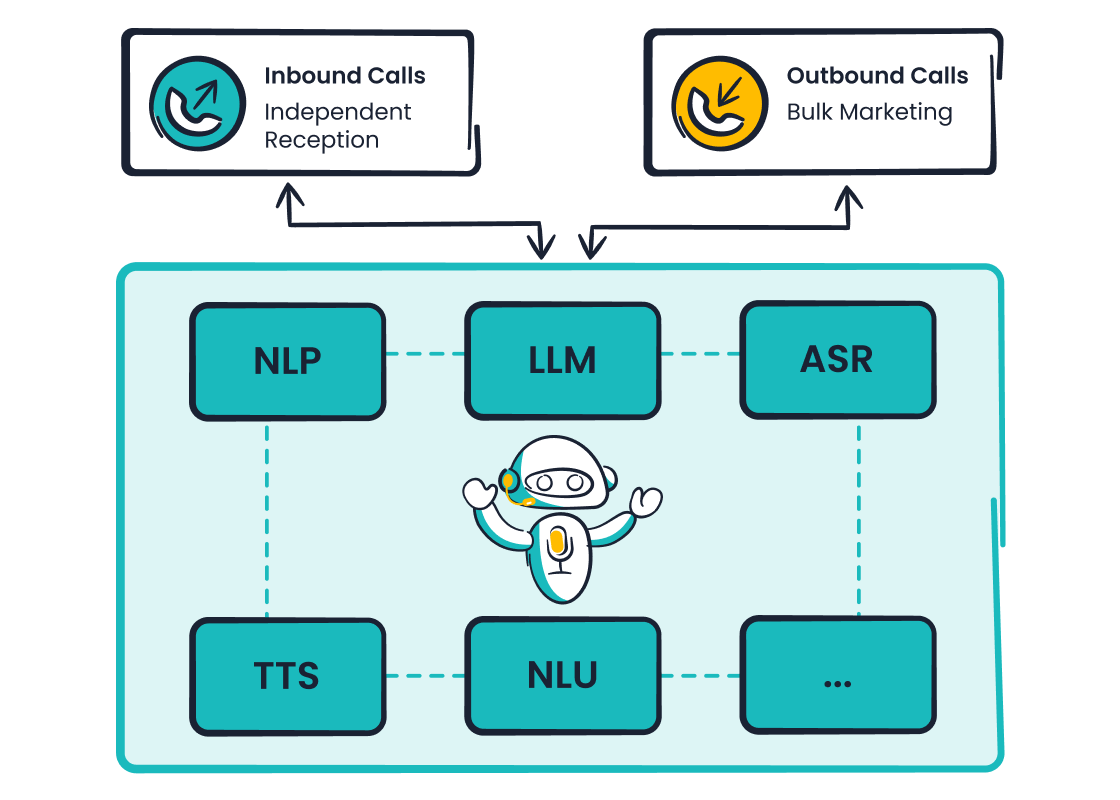
Customers today interact with brands across many channels. They might see an ad on social media, browse on a website, and then call support. A disconnected experience creates frustration. Imagine a customer explaining an issue on chat, only to repeat it all over again on a phone call. This disjointed process damages trust. Businesses that deliver a consistent omnichannel experience see a 91% higher year-over-year customer retention rate. A unified AI strategy is essential for this.
24/7 Support with Conversational AI
Modern customers expect instant answers, day or night. Conversational AI makes 24/7 support a reality. AI chatbots can resolve up to 80% of routine questions without human help. This immediate engagement improves customer satisfaction. It also allows businesses to connect with customers on their preferred platforms.
As an official WhatsApp Business Solution Provider (BSP), Sobot enables businesses to deploy AI-driven customer engagement directly within the world's most popular messaging app. This ensures customers receive seamless support whenever they need it.
Building Unified Profiles for a Consistent Experience
A major challenge for businesses is overcoming departmental silos. Different teams often have separate data, leading to a fragmented customer view. An effective AI platform breaks down these barriers. It unifies data from every touchpoint, including chat, email, voice, and social media. This creates a single, comprehensive profile for each customer. This unified experience provides agents with a complete interaction history.
- Agents no longer need to ask customers to repeat information.
- Problems are solved faster and more accurately.
- The consistent experience builds trust and improves the overall customer experience.
Understanding Intent with Voice and Speech Analytics
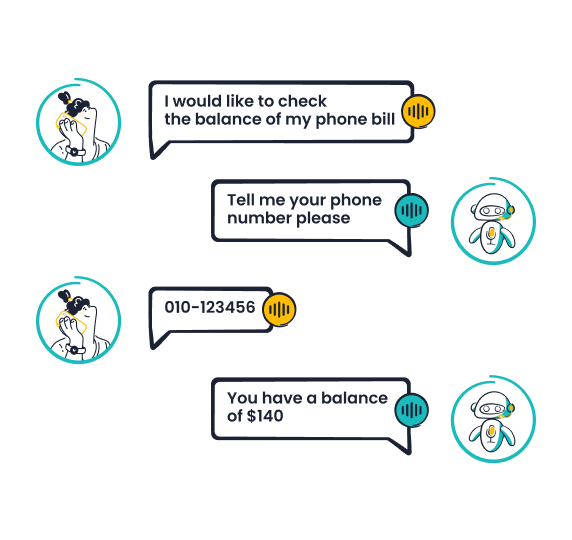
Voice remains a critical channel for complex issues. AI is transforming voice interactions from a source of frustration into a positive experience. Advanced AI uses speech analytics to understand not just words, but also intent and emotion. This technology powers a more human-like conversation. The Sobot Voicebot, for example, uses advanced speech recognition and multilingual support to create a natural and efficient experience. This AI-driven customer engagement reduces wait times and boosts customer satisfaction, making every call more effective.
Artificial intelligence reshapes the customer experience. AI makes the customer journey proactive and delivers hyper-personalization. This AI-driven customer engagement creates a seamless experience for all customers. The future of customer engagement is a powerful partnership. It combines AI automation with the essential human touch for better customer interactions. This approach boosts customer satisfaction.
Take the Next Step 🚀 Identify key service areas where AI can improve your customer experience. Explore an all-in-one platform to build a data strategy that balances automation and human expertise for the best engagement.
FAQ
How does AI improve the customer experience?
AI improves the customer experience by providing instant, 24/7 support for simple questions. This frees human agents to handle more complex issues. This partnership between AI and people ensures customers receive fast and expert help, which boosts overall satisfaction and improves customer engagement.
Will AI replace human customer service agents?
No, the goal of AI is to augment, not replace, human agents. AI handles routine tasks, allowing agents to focus on high-value interactions that require empathy and complex problem-solving. This elevates the role of the customer service professional and improves the quality of customer engagement.
What is the first step to implementing AI for customer service?
Start by identifying repetitive, high-volume inquiries that your customer service team handles. These are ideal for automation. Implementing an AI chatbot to manage these simple questions is an effective first step. This provides immediate value for both your customers and your team.
How do AI trends impact customer engagement?
Current AI trends, like hyper-personalization, are reshaping customer engagement. AI analyzes customer data to offer tailored recommendations and support. These trends help businesses create a more relevant and satisfying experience for all customers, which builds loyalty and drives growth. Following these AI trends is key.
See Also
Transforming Customer Support with Advanced AI Service Agents
Unlocking Peak Efficiency: AI Software for Customer Service
Elevating Live Chat: Ten Strategies for Superior Customer Satisfaction
Evaluating Top AI Solutions for Enterprise Call Centers
Implementing Best Practices for Call Center Quality Management

