Guide to Future-Proofing Service


Are you asking, "when should i switch my customer service system?" The future of customer service requires a strategic blend of artificial intelligence automation and empowered human support, all built on unified data. With 79% of customers wanting rapid responses, a superior customer experience is crucial. This guide transforms your customer service from a cost center into a proactive growth engine for a better CX. The future of customer service, powered by AI solutions like Sobot, ensures every customer receives an excellent experience and support. This is the new standard for customer service and a better CX.
When Should I Switch My Customer Service System?
Many businesses wonder, "when should i switch my customer service system?" The answer lies in your current performance and future goals. The evolving customer service landscape demands a modern approach. Ignoring the warning signs can hurt your brand and bottom line. Understanding these trends is key to shaping the future of customer service for your company. The future depends on meeting rising customer expectations.
Signs Your Traditional Customer Service is Failing
Your current customer service system might be holding you back. These key trends signal a need for change. If you see these issues, it is time to ask, "when should i switch my customer service system?"
- Long Wait Times: Customers face long waits and backlogged support queues. This shows your team cannot meet demand.
- High Agent Turnover: Your support agents are leaving frequently. This often points to burnout from inefficient tools and repetitive tasks.
- Rising Customer Complaints: You notice an increase in unhappy customers and customer churn. This is a clear sign your service fails to meet expectations.
These problems directly impact the customer experience and satisfaction.
The Business Case for Proactive, AI-Powered Service
The future of customer service is proactive, not reactive. An AI-powered platform is a strategic investment with a strong return. Businesses often see a positive return on investment within 6 to 12 months. This is one of the most important customer service trends. This shift redefines success for your support team. The future is about creating a better experience for customers.
The goal changes from simply closing tickets to creating value. AI automates simple tasks. This frees your human agents to handle complex issues, improve customer satisfaction, and drive growth. This is the future of customer service.
A modern system improves the entire customer experience. It anticipates customer needs and solves problems before they happen. This proactive support builds trust and loyalty among customers. It is a critical trend for any business looking to improve its CX. Answering "when should i switch my customer service system?" is the first step toward a better future and a superior CX. The future of customer service is here, and it is built on intelligent support that enhances the customer journey and meets their expectations. This is a key trend in customer service.
The Future of Customer Service: AI Integration

The future of customer service is not about replacing humans with machines. It is about creating a powerful partnership between them. Integrating artificial intelligence is the most critical step toward building a resilient, efficient, and customer-centric service operation. AI is no longer a futuristic concept; it is a practical tool that redefines the customer experience. This strategic integration of AI technologies transforms your service from a reactive department into a proactive engine for growth. The future of customer service hinges on this intelligent automation.
Leverage Generative AI for Personalized Responses
Customers today expect more than generic, scripted answers. They want personalized interactions that understand their unique context. Generative AI makes this level of personalization in customer experience possible at scale. This technology uses Large Language Models (LLMs) to create human-like, relevant, and empathetic responses for every customer conversation. It is a key trend shaping the future of customer service.
This approach moves beyond simple keyword matching. It allows your service team to provide a truly personalized experience. For example, platforms like Sobot's AI Solution leverage generative AI to offer secure, data-compliant support tailored for industries like retail and e-commerce. This ensures every customer feels heard and valued, which is essential for a positive CX.
Many companies are already seeing success with this technology:
- Octopus Energy uses generative AI to handle 44% of customer questions. This frees human agents for more complex problem-solving.
- Suitor automated 85% of its customer service queries. Their average response time for live chat dropped from 3 minutes to just 15 seconds.
- Procosmet improved its customer rating from 3.8 to 4.7 out of 5 stars. They also increased sales by 23% after implementing AI for customer support.
This level of personalization in customer experience builds stronger relationships and boosts loyalty, directly impacting your bottom line. It is a core component of the future of customer service.
Use Predictive AI for Proactive Issue Prevention
The best customer service is the service a customer never needs. Predictive AI helps you achieve this by identifying potential problems before they escalate. This technology analyzes historical data and real-time user behavior to anticipate customer needs. This proactive support is one of the most important customer service trends. It allows you to fix issues before the customer even knows they exist.
Predictive AI models can:
- Detect Churn Risk: Identify customers whose engagement is dropping.
- Analyze Sentiment: Use natural language processing (NLP) to gauge customer mood in chats and emails.
- Forecast Demand: Predict future support volumes to optimize agent staffing.
- Automate Alerts: Notify support teams of potential issues automatically.
A global telecommunications provider used predictive analytics to reduce unnecessary customer interactions. This led to major cost savings and a higher first-contact resolution rate. Companies that adopt this kind of customer service automation often see a 20–40% reduction in support ticket volume. The future is about preventing problems, not just solving them. This proactive approach enhances the customer experience and builds lasting trust. A better CX starts with anticipating needs.
| Company | Industry | Challenge | Solution | Results |
|---|---|---|---|---|
| Intuit Inc. | Financial Software | Scaling support during peak tax season, which caused long wait times. | Implemented an AI-powered knowledge base with self-service options and smart routing. | The AI handled routine questions, reducing the volume of tickets for human agents and providing instant answers to customers. |
Deploy Self-Service Chatbots and Voicebots that Work
Customers want answers fast. Effective self-service tools like chatbots and voicebots provide immediate support 24/7. However, a poorly designed bot can create more frustration than it solves. The future of customer service depends on deploying bots that actually work.
An effective bot offers a seamless experience. It should:
- Integrate with Business Systems: Connect to your CRM and order management systems to give personalized answers about order status or account details.
- Offer 24/7 Availability: Answer simple questions anytime, reducing wait times and freeing up your human team.
- Know When to Escalate: Have clear rules for handing off a conversation to a human agent with the full context.
- Provide a Personalized Experience: Use customer data to offer tailored recommendations and solutions.
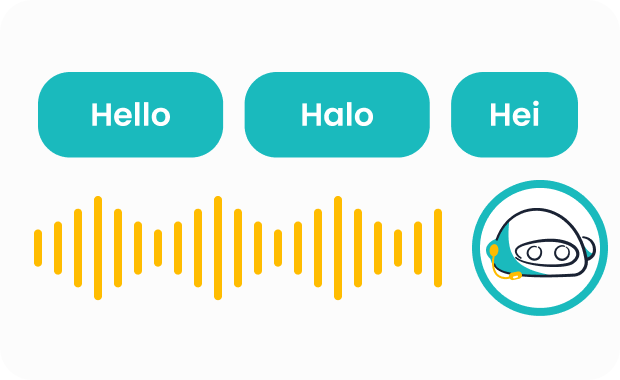
Voicebots are becoming especially powerful. For instance, the Sobot Voicebot delivers a remarkably human-like experience. It offers multilingual support and can automate over 90% of routine interactions. This level of automation drastically cuts costs and improves customer satisfaction. This is a key trend for a better CX. The goal is to make the self-service experience so smooth that customers prefer it for simple queries. This is the future of customer service automation.
Adopt Agentic AI for Complex Resolutions
The next frontier in AI for customer service is Agentic AI. This goes far beyond simple question-and-answer bots. Agentic AI systems can understand context, make decisions, and execute entire workflows from start to finish without human intervention. This is the future of automation.
Imagine a customer reports an incorrect charge. An Agentic AI can:
- Verify the transaction in your billing system.
- Identify the error based on account history.
- Correct the charge and issue a refund.
- Update the customer's record in the CRM.
- Notify the customer that the issue is resolved.
This end-to-end autonomy is what makes Agentic AI so powerful. It eliminates delays and resolves complex issues faster and more accurately. These AI models have a sense of "agency," allowing them to manage tasks independently. This technology represents the long-term future of customer service, where complex problems are solved with speed and precision, leading to an unparalleled customer experience and a superior CX.
Empowering Agents for a Better Customer Experience

An AI-powered future does not mean a future without humans. Instead, it elevates the role of your customer service agents. AI handles the repetitive, simple tasks. This frees your human team to focus on what they do best: building relationships, solving complex problems, and creating an exceptional customer experience. Empowering your agents is not just a good idea; it is essential for future-proofing your service. This approach transforms your support team into a powerful asset for customer retention and growth, shaping the future of customer service.
The New Role of the Human Agent
The introduction of AI changes the job description for a customer service agent. Their role shifts from directly answering every customer query to managing and refining the AI systems. This creates a more strategic and analytical position within the customer service department. The future of the human agent is one of oversight and high-level problem-solving.
As a result, customer service agents’ responsibilities have shifted from performing manual tasks to monitoring and fine-tuning the AI agent whenever its output is inaccurate or incomplete. This marks a clear transformation in how customer service agents work: moving away from directly resolving customer queries to focusing on more analytical and procedural work, such as testing, QA, and performance analysis of AI outputs.
This evolution means agents focus on high-value tasks that AI cannot replicate. These tasks require a human touch and deep expertise.
- Solving tricky problems: Agents tackle complex issues that require creative problem-solving and intuition.
- Strengthening customer relationships: They build rapport and trust with customers, turning a negative experience into a positive one.
- Developing emotional intelligence: Agents use empathy to connect with customers on a human level, a skill AI cannot fully mimic.
This new role is more fulfilling and less repetitive. It allows agents to make a real impact on the customer experience and overall customer satisfaction. This shift is a core part of the future of customer service. It ensures your team is ready to meet rising customer expectations.
Equipping Teams with AI Co-pilots
To succeed in this new environment, agents need the right tools. AI co-pilots are essential for empowering your customer service team. These tools work alongside human agents, providing real-time assistance and information. They do not replace agents; they make them better at their jobs. Platforms like Sobot's provide AI co-pilots that assist agents, improving both efficiency and the quality of the service provided to every customer.
AI co-pilots can boost agent productivity by up to 40%. They achieve this by:
- Providing Information Instantly: Co-pilots retrieve data from knowledge bases and other systems, giving agents the answers they need without switching screens.
- Suggesting Responses: They analyze a customer's message and suggest accurate, on-brand responses, saving time and reducing errors.
- Automating Repetitive Tasks: Co-pilots can handle tasks like processing refunds or updating customer details, lightening the agent's workload.
- Adjusting Tone and Style: They can help agents match their communication style to the customer's sentiment, ensuring a polished and empathetic interaction.
This support reduces agent stress and burnout. It also helps new agents become effective more quickly. The result is a more efficient, confident, and satisfied customer service team, which directly leads to a better CX for your customers. This human-machine cooperation is a powerful model for the future.
A great example is OPPO, a leading smart device innovator. By partnering with Sobot, OPPO integrated chatbots to handle repetitive queries. This human-machine cooperation led to an 83% chatbot resolution rate and a 94% positive feedback rate. This freed their human agents to focus on more complex customer issues, dramatically improving the overall customer experience and support efficiency. This success story shows how the right AI tools can empower agents and deliver a superior service experience that meets customer expectations.
Investing in Upskilling and Continuous Training
The shift to an AI-powered customer service model requires a new set of skills. Investing in upskilling and continuous training is crucial for preparing your team for the future. Your agents need to be comfortable working alongside AI and possess the soft skills necessary for high-value interactions. A well-trained team is the foundation of a great customer experience.
The most critical skills for the future of customer service include:
- Empathy: The ability to understand and share a customer's feelings is irreplaceable. It builds a genuine connection that AI cannot replicate.
- Abstract Problem-Solving: Agents must handle complex, non-routine issues that require human creativity and critical thinking.
- Great Communication: Clearly explaining complex solutions and actively listening to customers are essential for effective support.
- Resilience: Maintaining a positive and calm attitude during stressful interactions with customers is vital for a good CX.
Effective training programs should be hands-on and continuous. They should focus on both technical literacy and soft skills.
- Technical Literacy: Train agents on how to use AI tools, interpret data from dashboards, and understand when to trust AI suggestions.
- Soft Skills: Use scenario-based practice to help agents develop empathy, communication, and problem-solving skills for real-world customer interactions.
By investing in your team's development, you ensure they have the confidence and competence to deliver an exceptional service experience. This commitment to training prepares your organization for the future and guarantees your customers receive the best possible support, enhancing their overall satisfaction and loyalty. This is how you build a resilient customer service operation that consistently exceeds customer expectations and delivers a superior CX.
Building a Unified AI and Data Foundation
A powerful AI strategy is built on a solid data foundation. Your future success depends on unifying customer data across your entire organization. This creates a single source of truth. It empowers every team to deliver a consistent and intelligent customer experience. This foundation is essential for the future of customer service and meeting customer expectations. A unified approach to data is the only way to build a better future for your customer service.
Breaking Down Departmental Silos
Organizational silos are the silent killer of a good customer experience. Departments like sales, marketing, and customer service often work in "little kingdoms." They focus on their own goals but rarely communicate. This creates a broken journey for the customer. A customer might change their flight online, but the support agent on the phone has no record of it. This leads to:
- Slow and uncoordinated support responses.
- Misaligned conversations across channels.
- Frustration for both customers and agents.
Breaking down these silos is critical for a better CX. When teams share real-time data, the entire service experience improves. This alignment ensures every customer interaction is smooth and informed, which is a core part of a modern customer service strategy.
The Necessity of an Omnichannel Platform
Customers want a seamless experience no matter how they contact you. In fact, 79% of customers expect consistent interactions across departments. A multichannel approach is not enough. It lets customers use different channels, but the channels do not talk to each other. An omnichannel platform is the solution for a better CX. It integrates all your channels—chat, email, voice, and social media—into one unified system. This gives your support team a complete view of every customer's history. This unified view is the future. It allows you to provide a truly personalized service that meets customer expectations and enhances the overall customer experience.
Ensuring Data Privacy and Building Trust
Using AI and customer data comes with great responsibility. Customers are rightly concerned about how their information is used. Around 60% of consumers have lost trust in companies over their AI practices. Building that trust back is vital for your future success. You must be transparent about how your AI systems use data. Your company must also comply with data privacy regulations like GDPR and CCPA. Platforms like Sobot's AI Solution provide a secure, data-compliant foundation for your customer service. By ensuring human involvement in AI processes and being open with customers, you build confidence. This creates a safe and reliable service that customers can depend on, which is key for a superior CX and meeting their expectations.
The future of customer service is a strategic journey. It elevates your customer support from a cost center to a growth engine. This future demands a superior customer experience and a better CX. To achieve this, your customer service must build on three pillars:
- Integrate Intelligent AI for efficient support.
- Empower Human Agents for high-value customer interactions.
- Unify Your Data for a complete customer view.
Solutions like Sobot exemplify this future. If you are asking, "when should i switch my customer service system?", now is the time. Embark on your contact journey. Assess your current customer support service against these standards to improve the customer journey, customer support service, and overall customer CX. A better customer journey creates a better customer CX. This is the future of customer service and customer support.
FAQ
How does AI change the role of a human support agent?
AI automates simple tasks. This allows your human support team to handle complex customer problems. The agent's role becomes more strategic. They focus on building customer relationships and providing expert-level support. This creates a better experience for every customer.
Why is an omnichannel platform important for customer service?
An omnichannel platform unifies all communication channels. It gives your support team a complete view of every customer interaction. This single view helps provide consistent, personalized support. A customer receives seamless service, no matter how they contact you. This is essential for a modern customer experience.
What is an AI co-pilot for a customer support agent?
An AI co-pilot is a tool that assists human agents in real time. It suggests responses, finds information, and automates tasks. The co-pilot makes the agent's job easier and more efficient. This powerful support helps the agent provide faster, more accurate answers to the customer.
How does AI improve the overall customer journey?
AI makes the customer journey smoother. It provides instant support through chatbots for simple questions. It also helps predict customer needs. This proactive support solves issues before they become big problems. A happy customer is more likely to remain a loyal customer.
See Also
Elevate SaaS Customer Support Through Effective Live Chat Strategies
Your Essential Guide to Call Center Quality Assurance Software
Ten Expert Tips for Selecting Social Media Customer Service Software
Selecting the Optimal Chat Software: A Comprehensive 2024 Guide
Discover the Top Ten Customer Service Software Solutions for 2024

