What Are Push Messages and Their Purpose

Push messages are notifications sent directly to your device or browser, delivering timely updates and information. They play a crucial role in real-time communication by ensuring you stay informed without delay. Businesses use them to enhance customer engagement, offering personalized content that resonates with users. For instance, nearly 77% of users interacted with a push notification last month, and 48% made purchases because of them. These messages also outperform emails in response rates, making them a preferred choice for user-friendly communication. Platforms like Sobot integrate message push features to streamline customer interactions, ensuring businesses maintain a continuous dialogue with their audience.
What Are Push Messages?
Definition and Key Features
Explanation of push notifications as direct communication tools.
Push notifications serve as a direct communication tool between businesses and users. These notifications appear on your device or browser, delivering concise and actionable information. Unlike emails or SMS, push notifications are immediate and do not require users to open an app or webpage to view them. They are designed to grab your attention instantly, making them highly effective for time-sensitive updates.
Businesses often use push notifications to share critical updates, promotional offers, or reminders. For example, a weather app might notify you about an incoming storm, or an e-commerce app could alert you about a flash sale. These notifications ensure you stay informed and engaged without unnecessary delays.
Examples of common push messages (e.g., app notifications, browser alerts).
Push messages come in various forms, each tailored to specific platforms and user needs. Common examples include:
- App notifications: Alerts from mobile apps, such as order updates, event reminders, or personalized recommendations.
- Browser alerts: Notifications sent via web browsers, often used by e-commerce sites to announce discounts or restock alerts.
- Web push notifications: These are browser-based notifications that work even when you are not actively browsing the website.
For instance, a fitness app might send you a daily step count reminder, while a news app could deliver breaking news headlines. These examples highlight how push messages enhance user engagement by providing timely and relevant information.
Benefits of Push Messages
Instant delivery and real-time updates.
Push notifications excel in delivering information instantly. Whether it’s a flight delay update or a stock price alert, these notifications ensure you receive real-time updates. This immediacy makes them indispensable for businesses that rely on timely communication. According to research, push notifications can achieve open rates as high as 90%, significantly outperforming traditional communication methods like email.
Enhanced user engagement and retention.
Push messages play a pivotal role in boosting user engagement. They keep you connected to apps and services by offering personalized and relevant content. For example, mobile app push notifications can encourage you to revisit an app by highlighting new features or exclusive deals. Studies show that users who enable push notifications are more likely to remain active, with 46% staying beyond 11 sessions. In contrast, nearly half of users who disable notifications drop off after just two sessions.
Push notifications contribute significantly to user retention by providing timely and relevant updates that encourage users to return to the app.
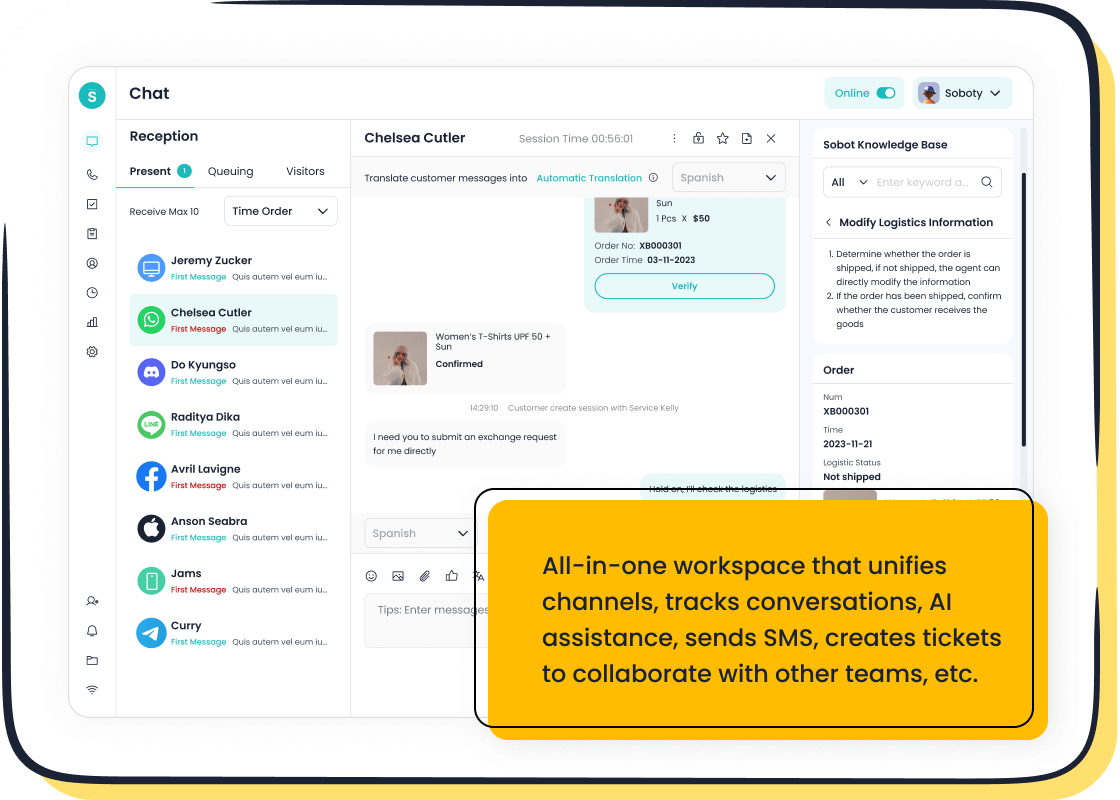
By leveraging advanced features like segmentation and analytics, businesses can refine their push message strategies. Tools like Sobot’s Live Chat integrate seamlessly with push notifications, enabling businesses to deliver personalized and engaging content. This approach not only enhances user experience but also fosters long-term loyalty.
How Do Push Messages Work?
The Technical Process
Overview of the push notification system (e.g., server, app, and user device).
Push notifications rely on a structured system involving servers, apps, and user devices. The server acts as the central hub, managing notifications and routing them through services like Apple Push Notification Service (APNS). These services regulate the frequency of notifications to prevent spamming and conserve device battery life. Developers must register their apps with the respective Operating System Push Notification Service (OSPNS) and integrate an SDK into the app. Once the app is uploaded to the app store, unique identifiers link the app and user devices to the OSPNS. This setup allows businesses to send notifications manually or automatically, ensuring timely delivery to users.
Role of push notification services (e.g., Firebase, Apple Push Notification Service).
Push notification services like Firebase and APNS play a vital role in delivering messages. They act as intermediaries between the server and user devices, ensuring secure and efficient communication. These services also help tailor notifications based on user data, enhancing relevance and engagement. For example, Firebase Cloud Messaging (FCM) supports cross-platform notifications, making it easier for businesses to reach users on both Android and iOS devices.
User Opt-In and Permissions
Importance of user consent for receiving push messages.
User consent is essential for delivering push notifications. It ensures compliance with privacy regulations and builds trust with users. When users opt in, they are more likely to engage with the notifications they receive. Businesses should clearly explain the benefits of opting in, such as receiving updates on discounts or breaking news, to encourage participation.
Examples of opt-in prompts and permissions.
Effective opt-in prompts can significantly improve user engagement. For instance:
- Highlight the benefits of opting in, like personalized offers or timely updates.
- Use pre-permission prompts to explain the value of notifications before requesting access.
- Allow users to opt out anytime, reassuring them of their control over the process.
Timing also matters. Asking for permission during a relevant moment, such as when tracking an order, increases the likelihood of a positive response.
Delivery Mechanisms
How messages are sent to devices in real-time.
Push notifications are sent in real-time through a server-push notification system. The server communicates with the OSPNS, which then delivers the message to the user’s device. This process ensures instant delivery, making push notifications ideal for time-sensitive updates like weather alerts or flash sales.
Factors affecting delivery (e.g., internet connection, device settings).
Several factors influence the successful delivery of push messages:
| Factor | Impact |
|---|---|
| User Behavior | Segmented campaigns see higher delivery rates (48%) compared to broad-based ones (33%). |
| Device Manufacturer | Delivery rates vary, with Samsung and Xiaomi performing better than Oppo and Vivo. |
| Network Connection | WiFi and 4G networks ensure faster delivery compared to 2G or 3G. |
| Android OS Versions | Older versions show reduced delivery rates, while newer ones like Android N perform best. |
Businesses can optimize delivery by considering these factors and tailoring their campaigns accordingly.
Types of Push Notifications
Local Push Notifications
Definition and examples (e.g., reminders set within an app).
Local push notifications are triggered directly by your device or app without relying on external servers. These notifications are ideal for straightforward tasks like reminders or alerts. For example, a fitness app might notify you to complete your daily workout, or a calendar app could remind you of an upcoming meeting. Unlike remote notifications, local ones operate independently, ensuring they work even when your device is offline.
Use cases for businesses and users.
Local push notifications offer several practical applications for businesses and users:
- Cart abandonment recovery: Remind customers about items left in their shopping carts.
- Time-sensitive marketing: Notify users about flash sales or limited-time offers.
- Celebrating milestones: Send personalized messages for birthdays or anniversaries.
- Promoting events: Alert users about in-store events or performances.
These notifications enhance user engagement by delivering timely and relevant updates, keeping users connected to your app or service.
Remote Push Notifications
Definition and examples (e.g., promotional alerts, updates).
Remote push notifications require a server to send messages to your device. These notifications are often personalized based on your behavior or preferences. For instance, an e-commerce app might notify you about a sale on items you’ve browsed, or a news app could send breaking news alerts. Remote notifications excel in delivering targeted and automated messages.
How they are triggered by servers.
The process of triggering remote push notifications involves several steps:
- The provider sets up a private key or certificate.
- Your device generates a unique token when you opt in for notifications.
- A server sends the notification request to the push notification service.
- The service delivers the message to your device in real time.
This system ensures that you receive timely updates, enhancing your overall experience with the app or service.
Geolocation-Based Notifications
Definition and examples (e.g., location-specific offers).
Geolocation-based notifications use your location data to deliver messages tailored to your surroundings. For example, Starbucks might notify you about a nearby store’s “Happy Hour” promotion, or Nike could alert you to an exclusive sneaker drop at a pop-up shop. These notifications leverage geofencing technology to provide highly relevant updates.
Benefits of personalized, location-aware messaging.
Geolocation-based notifications offer significant advantages for businesses:
- High efficiency: Targeted messages reduce costs and improve satisfaction.
- Enhanced engagement rates: Relevant notifications increase interaction by 42%.
- Improved ROI: Location-based campaigns can yield a 3500% return on investment.
By delivering timely and contextual updates, these notifications not only boost user engagement but also strengthen brand loyalty. Businesses using tools like Sobot’s Live Chat can integrate geolocation features to create seamless and personalized customer experiences.
Purpose of Push Messages in Customer Communication
Benefits for Users
Real-time updates on important information (e.g., weather alerts, order tracking).
Push notifications keep you informed with real-time updates on critical information. For instance, a weather app can alert you about sudden storms, or an e-commerce platform might notify you about your order's shipping status. These notifications ensure you never miss important updates, enhancing your daily convenience. Businesses use this immediacy to build trust and reliability, making push notifications an essential tool for timely communication.
Enhanced user experience through personalized content.
Personalization transforms push notifications into a powerful engagement tool. Tailored messages align with your preferences and behaviors, making them more relevant and appealing. For example:
- Notifications crafted with your context in mind can boost click-through rates by up to 91.9%.
- Regular personalized updates reduce churn rates by as much as 16%.
- They make you feel valued, fostering a stronger connection with the brand.
This level of personalization enhances your overall experience, ensuring you remain engaged and satisfied.
Benefits for Businesses
Increased user engagement and retention.
Push notifications drive increased user engagement by delivering timely and relevant content. They remind you of an app's value and encourage frequent interaction. Businesses often use strategies like:
- Sending abandoned cart reminders to re-engage potential buyers.
- Utilizing geolocated prompts for location-specific offers.
- Reaching out to inactive users with win-back notifications.
These approaches not only improve engagement but also boost retention, ensuring users stay connected to the app.
Effective communication of promotions, updates, and reminders.
Push notifications excel in delivering promotional messages, updates, and reminders. For example, a retail app might notify you about a flash sale, while a service app could remind you of an upcoming appointment. This direct communication ensures businesses can effectively reach their audience, leading to higher conversion rates and improved customer satisfaction.
Use Cases in Customer Service
Examples in customer support (e.g., appointment reminders, support updates).
Push notifications streamline customer support by providing timely updates. For instance, you might receive reminders for scheduled appointments or notifications about the status of your support ticket. These updates reduce uncertainty and improve your overall experience with the service.
Role in improving customer satisfaction and loyalty.
Push notifications play a vital role in fostering customer loyalty. They create meaningful connections by delivering relevant content consistently. With click-through rates seven times higher than email, they ensure businesses maintain strong customer interactions. This consistent engagement nurtures long-term loyalty, making push notifications indispensable in the digital business landscape.
How Sobot and Live Chat Enhance Push Notifications
Sobot's Role in Customer Communication
Overview of Sobot's all-in-one contact center solutions.
Sobot provides an all-in-one contact center solution designed to streamline customer communication across multiple channels. Its platform integrates advanced tools like AI-powered chatbots, ticketing systems, and Live Chat to ensure seamless interactions. With over 550,000 users and a system stability rate of 99.99%, Sobot delivers reliable and efficient solutions for businesses worldwide. By unifying sales, marketing, and support, Sobot helps you manage customer interactions more effectively, reducing operational complexity and improving satisfaction.
Integration of push notifications into customer service strategies.
Sobot integrates push notifications into its customer service strategies to enhance engagement and efficiency. These notifications allow you to deliver real-time updates, such as order confirmations or appointment reminders, directly to your customers. By combining push notifications with tools like Live Chat, Sobot enables businesses to provide personalized and timely communication. This integration not only improves user experience but also boosts retention rates by keeping customers informed and engaged.
Live Chat for Real-Time Engagement
Features of Sobot Live Chat for seamless customer interaction.
Sobot Live Chat offers features that enhance real-time engagement through push notifications:
- Personalized updates tailored to user interests.
- Targeted messages that ensure relevance and avoid overwhelming users.
- Notifications that keep users informed without excessive interruptions.
These features create a balanced interaction, helping you maintain customer trust while delivering timely and meaningful updates.
How Live Chat supports push notifications for better engagement.
Sobot Live Chat supports push notifications by enabling instant communication across multiple channels, including websites, apps, and social media platforms. For example, you can send a push notification to alert a customer about a new message in their chat. This approach ensures faster responses and higher engagement. By integrating analytics, Sobot Live Chat also helps you refine your notification strategies, ensuring they align with user preferences and behaviors.
Success Stories with Sobot
Example of OPPO's improved customer service using Sobot solutions.
OPPO, a global leader in smart devices, partnered with Sobot to enhance its customer service. By integrating Sobot's chatbot and push notification strategies, OPPO achieved an 83% chatbot resolution rate and a 94% positive feedback rate. These tools allowed OPPO to handle repetitive queries efficiently, freeing human agents to focus on complex issues. As a result, OPPO saw a 57% increase in repurchase rates, demonstrating the effectiveness of Sobot's solutions.
Benefits achieved through Sobot's push notification strategies.
Businesses using Sobot's push notification solutions have reported measurable benefits:
| Benefit Description | Measurable Outcome |
|---|---|
| Reduction in inbound discussion volume | 20% decrease |
| Increase in positive feedback | 96% positive feedback |
| Customer satisfaction rate | Over 95% satisfied customers |
| Problem resolution rate | 85% of problems solved |
| Customer happiness rate | 99% happy customers |
These results highlight how Sobot's push notifications improve efficiency, satisfaction, and overall customer experience.
Push messages, or notifications, are essential tools for real-time communication. They deliver updates directly to users, whether through apps, browsers, or geolocation-based alerts. These messages improve engagement by offering timely and personalized content, such as order updates or promotional offers. Businesses like yours can use them to boost retention and satisfaction.
Sobot enhances this process with its Live Chat solution, integrating notifications seamlessly into customer communication. This ensures you can provide instant updates while maintaining meaningful interactions. By leveraging push messages effectively, you can strengthen customer relationships and drive long-term loyalty.
FAQ
What are push notifications used for?
Push notifications deliver real-time updates directly to your device. Businesses use them to share promotions, reminders, or alerts. For example, an e-commerce app might notify you about a flash sale, while a weather app could warn you about severe weather conditions.
How do push notifications improve user engagement?
Push notifications keep users informed and connected. Personalized messages, like reminders for abandoned carts or exclusive offers, encourage users to interact with apps. Studies show that apps using push notifications see a 46% higher retention rate compared to those that don’t.
Can push notifications be personalized?
Yes, businesses can tailor push notifications based on user behavior, preferences, or location. For instance, a fitness app might send workout reminders, while a retail app could notify you about discounts on items you’ve browsed.
How does Sobot enhance push notification strategies?
Sobot integrates push notifications into its Live Chat platform, enabling businesses to send timely updates across multiple channels. This approach ensures personalized communication, improving user satisfaction and retention. For example, Sobot helps businesses notify customers about order updates or appointment reminders seamlessly.
Are push notifications effective for businesses?
Yes, push notifications are highly effective. They achieve open rates of up to 90%, outperforming emails. Businesses using tools like Sobot’s Live Chat can leverage them to boost engagement, drive sales, and improve customer loyalty.
See Also
How WhatsApp Conversations Enhance Your Website Interaction
Steps To Configure Bulk Messaging In WhatsApp Business
Transferring Information To Pre-Chat Forms For Live Chat

