What Is Multilingual AI Support?

Multilingual AI support is an AI-powered system. It understands and answers customer questions in many languages. The system uses technologies like Natural Language Processing (NLP) and machine translation. This allows for seamless, 24/7 global customer service. It is very important for businesses wanting to grow globally and improve customer experience. In fact, 75% of consumers are more likely to be repeat customers if support is in their native language.
The market for ai solutions for multilingual customer support is growing quickly.
| Metric | Value |
|---|---|
| Market Size in 2025 | USD 20.47 billion |
| Projected Market Size in 2032 | USD 30.58 billion |
| Compound Annual Growth Rate (CAGR) | 5.9% (2025-2032) |
Providers like Sobot offer ai solutions for multilingual customer support to help companies connect with a worldwide audience.
How Multilingual AI Support Works
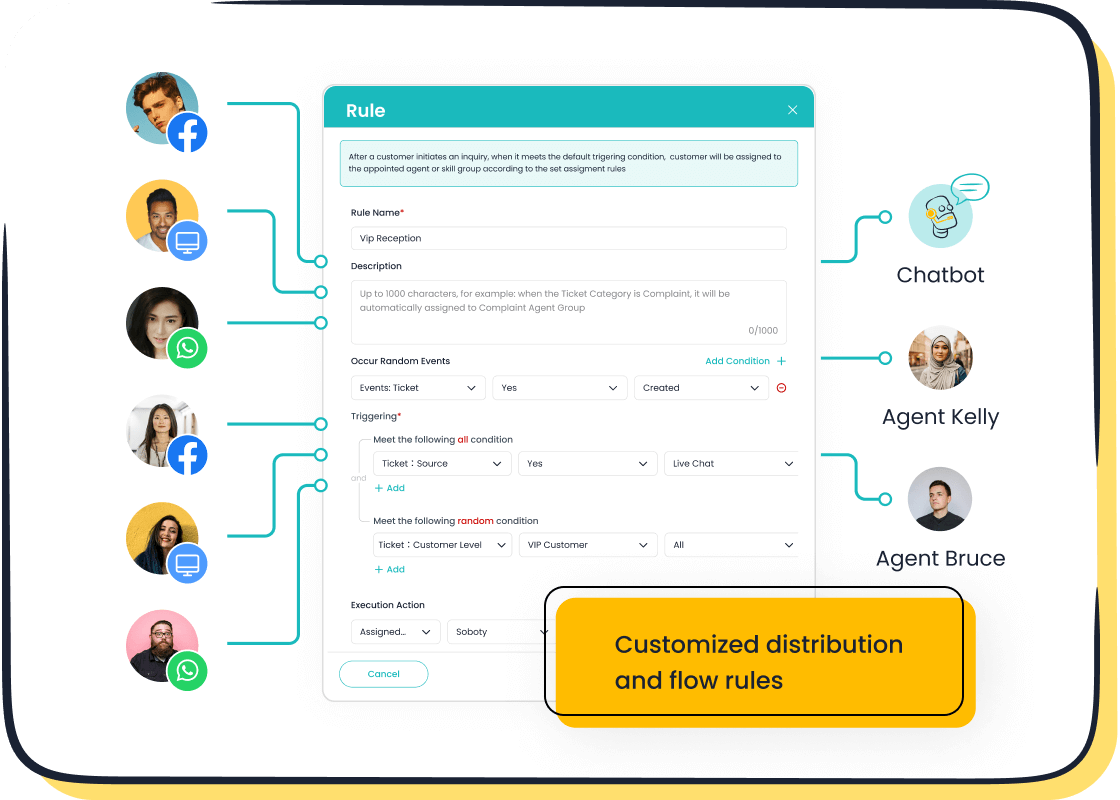
Multilingual AI support seems complex. However, it works through a combination of powerful core technologies and a clear, step-by-step process. These elements work together. They allow a business to communicate with customers anywhere in the world, in almost any language. Let's explore the technologies that make this possible and the process that unfolds during a customer interaction.
Core Technologies Explained
Three main technologies form the foundation of modern multilingual AI. Each one plays a unique and vital role in understanding, translating, and responding to customer needs.
1. Natural Language Processing (NLP) NLP is the technology that allows computers to understand human language. Think of it as the AI's "ears" and "brain." It doesn't just read words; it interprets intent, context, and feeling. Advanced AI uses a method called transfer learning. It starts with a large, knowledgeable foundation model (LLM). This model is then fine-tuned with smaller sets of data. This helps the AI learn specific industry terms or even local dialects, making its responses more accurate.
Challenge of Human Language: Human language is complex. It contains nuances, context, and even sarcasm. NLP models must overcome these challenges. Researchers improve these models by using diverse data. This helps reduce bias and makes the AI better at understanding different ways people talk.
2. Machine Translation (MT) Once the AI understands a message, it needs to translate it. This is where Machine Translation comes in. MT models are trained on massive amounts of text to translate from one language to another instantly. Different models are used for different tasks.
- For Speed: Models like Qwen-Turbo are great for real-time chat and social media. Speed is more important than perfect grammar in these cases.
- For Scale: The NLLB-200 model is a top choice for translating high volumes of content across many languages in a cost-effective way.
- For Accuracy: Other models are trained specifically for translation. They are very reliable for customer support tickets and internal documents because they make fewer errors.
3. Machine Learning (ML) and Neural Networks Machine Learning allows the AI to get smarter over time. The AI learns from every interaction. It analyzes vast datasets to recognize patterns, adapt to new slang, and improve its accuracy.
The backbone of this learning process is neural networks. Modern systems use advanced neural networks called transformer models. These models can look at an entire sentence at once. This helps them understand complex sentence structures and maintain the context of a conversation, preventing confusing or out-of-place translations.
The Step-by-Step Process
Now, let's see how these technologies work together in a real customer service conversation. The process is fast, seamless, and happens in just a few seconds.
Step 1: Automatic Language Detection A customer interaction begins. The customer might type a chat message or send an email. The AI system immediately gets to work. It automatically detects the customer's language, often within the first few words. These systems are smart enough to recognize regional dialects and even mixed-language phrases like 'Spanglish'. The customer does not need to select their language from a menu.
Step 2: Real-Time, Two-Way Translation Once the language is identified, the translation begins. This process is seamless for both the customer and the support agent.
- A customer starts a chat in their native language (e.g., Spanish).
- The system instantly translates the message into the agent's language (e.g., English).
- The agent sees both the original Spanish message and the English translation.
- The agent types a response in English.
- The system translates the agent's response back into Spanish for the customer.
This instant, two-way translation makes the conversation feel natural. It removes language barriers and helps solve problems faster because nothing gets lost in translation. This is a key feature of effective ai solutions for multilingual customer support.
Step 3: Maintaining Context and Sentiment A simple word-for-word translation is not enough. The AI must also understand the conversation's context and the customer's feelings. It does this by:
- Analyzing Sentiment: The AI uses polarity detection to see if the customer's message is positive, negative, or neutral. It can even identify specific emotions like anger or happiness.
- Identifying Intent: The system figures out the customer's goal. Are they asking a question, making a complaint, or giving a compliment?
- Remembering the Conversation: Advanced AI has a "persistent multilingual memory." It remembers past interactions with a customer, regardless of the language used. This ensures conversations are always in context and helps create a more personalized experience.
By understanding context and sentiment, the AI can provide more empathetic and accurate support, or give a human agent the background they need to resolve a complex issue.
AI Solutions for Multilingual Customer Support
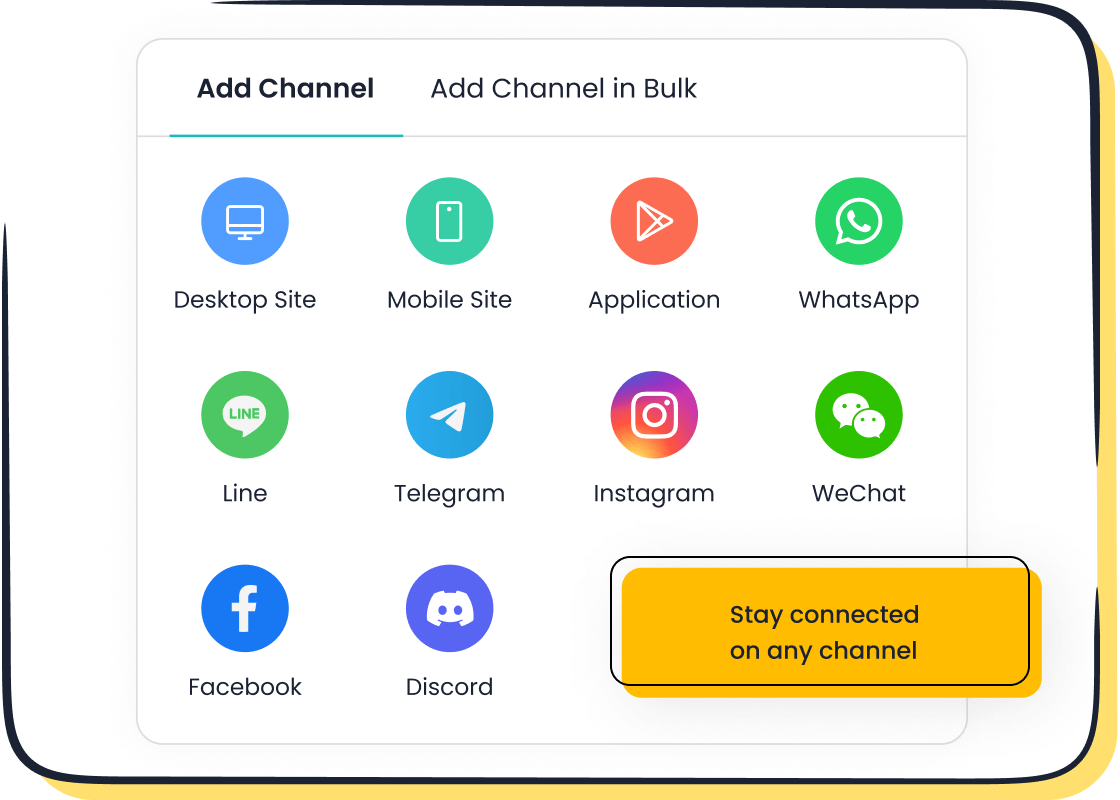
Modern businesses need more than just basic translation. They need complete platforms designed for global communication. Comprehensive platforms, like Sobot's AI Solution, bring together everything a business needs for worldwide customer service. These ai solutions for multilingual customer support are built to handle complex interactions on a global scale.
These advanced systems use generative AI and Large Language Models (LLMs). This technology allows them to provide secure and compliant support across many channels.
- Voice
- Chat
- Apps
AI can automatically detect a user's language. It then responds in that same language, removing communication barriers. Some systems can understand over 100 languages and even reply with the correct accent in voice channels. This creates a seamless experience for customers everywhere.
Security is a Top Priority Handling customer data across borders requires strong security. Top platforms ensure data is protected with features like advanced encryption and strict data handling policies. They follow global rules like GDPR to keep customer information safe. This is especially important for industries like retail and e-commerce.
Industries such as retail and e-commerce benefit greatly from these tools. They face high volumes of customer questions. AI helps manage these inquiries efficiently. It can handle everything from order tracking to product questions. This frees up human agents to solve more complex problems. Ultimately, ai solutions for multilingual customer support help businesses optimize their operations and grow their global presence.
Key Benefits of Multilingual AI
Adopting multilingual AI offers businesses a powerful competitive advantage. It transforms customer service from a cost center into a driver of growth. The benefits are clear. They range from reaching new customers to making current ones happier. Let's explore the key advantages in detail.
Expanded Global Reach
Businesses can enter new markets without building local offices. Multilingual AI removes the biggest barrier to global expansion: language. Customers around the world want to shop and get help in their own language.
- 76% of consumers prefer products with information in their language.
- 60% of people rarely or never buy from English-only websites.
- 40% of consumers will not buy from websites in other languages at all.
These numbers show a clear demand. Speaking a customer's language is not just a courtesy; it is a business necessity. Fortune 500 companies that invested more in translation were 1.5 times more likely to see revenue growth.
Emerging Market Opportunities 🌏 The demand for multilingual service is highest in fast-growing regions.
- Asia Pacific: Countries like China and India are seeing rapid industrial growth and technology adoption.
- Latin America: This region is modernizing its industries and creating new opportunities.
- Middle East & Africa: Economies are diversifying beyond oil, leading to new investments and a need for global communication tools.
AI allows a company to serve these new regions from a central location. There is no need to hire support teams in every country or build expensive regional call centers. A single AI system can manage dozens of languages. This helps businesses scale globally while keeping costs low.
Increased Efficiency and Cost Reduction
Multilingual AI makes customer support operations much more efficient. It automates repetitive tasks. This frees up human agents to handle more complex problems. The financial impact is significant.
Companies can see a 30% reduction in support costs by using AI chatbots. Some businesses reduce multilingual hiring costs by 50-60%. One AI agent can do the work of multiple language-specific agents. This is possible because AI can resolve 80-90% of common tickets automatically.
This high level of automation leads to better performance.
- Fewer Escalations: AI solves most problems on its own. Fewer issues need to be passed to a human agent.
- Faster Responses: Customers get instant answers instead of waiting for an agent.
- Improved Resolution Rates: AI provides consistent and accurate answers. This increases the chance of solving a problem on the first try.
For example, a European tech company automated half of its customer conversations in one week. This led to a 70% drop in negative social media mentions. The AI provided fast, accurate support across multiple languages, which made customers happier.
24/7 Availability
Customers live in different time zones. They also have questions outside of standard 9-to-5 business hours. Research shows that 40% of customer leads are generated after hours or on weekends. A human-only support team cannot be available for all of them.
Multilingual AI never sleeps. It provides instant support 24 hours a day, 7 days a week. This constant availability builds trust and loyalty. Customers know they can get help anytime, which makes them feel secure. This is crucial for global brands.
Real-World Success Stories:
- Meesho, a large e-commerce company, uses an AI voicebot to handle 60,000 calls per day in multiple languages. It achieved a 95% resolution rate.
- Airbnb uses an AI assistant to provide support in over 60 languages, helping users with bookings and issues around the clock.
According to the Zendesk, many CX leaders believe AI will soon resolve 8 out of 10 issues without any human help. This shows the power of ai solutions for multilingual customer support to provide seamless, always-on service that meets modern customer expectations.
Enhanced Customer Experience
A positive customer experience is the ultimate goal. Multilingual AI helps create it by making interactions personal and effortless. Speaking a customer's native language shows respect. It makes them feel valued.
This personal touch has a direct impact on loyalty and satisfaction.
- 70% of customers feel more loyal to companies that offer support in their native language.
- 66% are willing to pay more for a product if they receive excellent customer service.
A leading online retailer saw its customer satisfaction (CSAT) score jump by 15% after adding native-language support. Customers are also more forgiving. About 62% will tolerate product issues if they can get help in their own language.
AI reduces customer frustration in several ways:
- It understands the customer's need by automatically detecting their language and intent.
- It provides instant answers from a multilingual knowledge base, so customers don't have to wait.
- It ensures a smooth handoff to a human agent if needed. The AI passes along the conversation history, so the customer never has to repeat themselves.
By breaking down language barriers, AI makes support feel easy and natural. This positive experience improves brand perception and turns satisfied customers into loyal advocates.
Sobot: A Practical Example of Multilingual AI
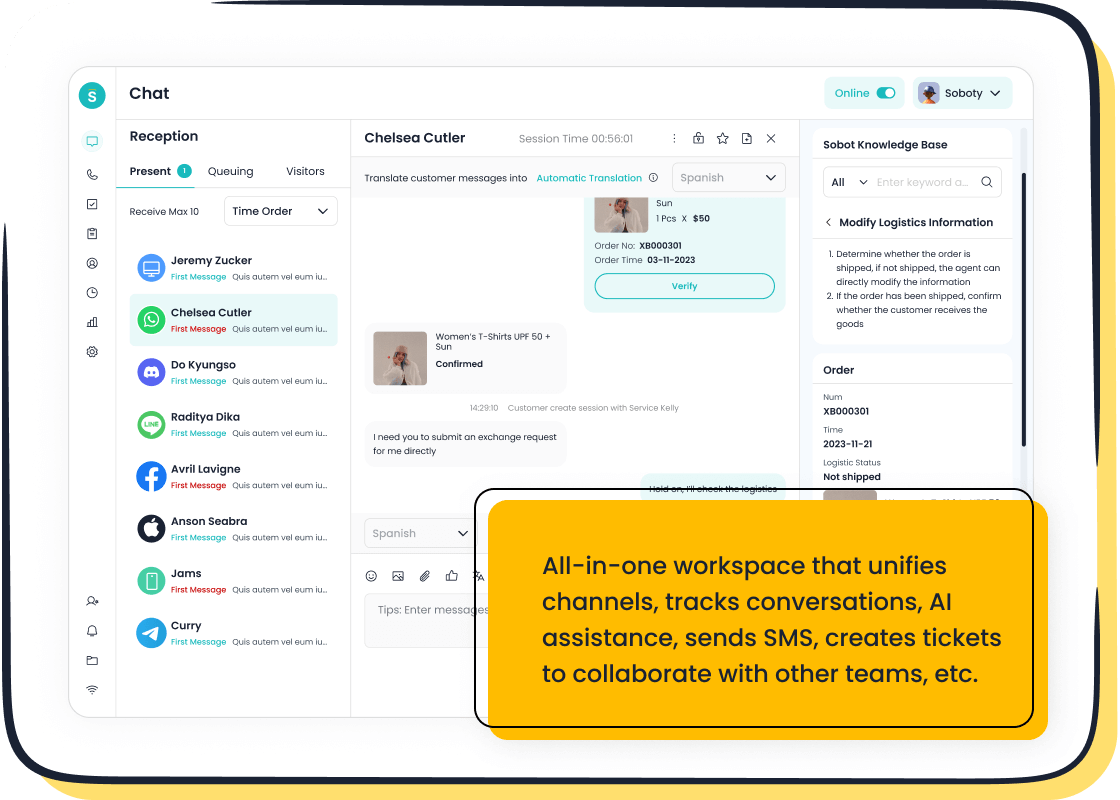
Theory and benefits are important. A real-world example shows how these ideas work in practice. Sobot’s products demonstrate the power of multilingual AI support. The Sobot Live Chat platform, for instance, includes an auto-translation feature. This tool allows a customer and an agent who speak different languages to communicate effortlessly. It provides seamless, bi-directional translation in real time, making every conversation feel natural.
A great case study is Weee!, America's largest online Asian supermarket. The company serves a diverse customer base, including Chinese, Hispanic, Korean, and Vietnamese communities. Weee! needed a way to overcome language barriers in its customer service. The company implemented Sobot's voice product to solve this challenge.
The results were impressive. Weee! achieved a 96% customer satisfaction score. Agent efficiency also increased by 20%. This high satisfaction score shows the impact of speaking the customer's language.
To understand how significant this is, consider the e-commerce industry benchmarks for Customer Satisfaction (CSAT) scores:
- 75% - 85%: This range is considered healthy or average.
- Below 75%: This suggests that improvements are needed.
- Above 90%: Scores in this range are considered exemplary.
Weee!'s 96% CSAT score is well above the industry average. It places their customer service in the top tier. This success highlights how effective AI solutions can be. They help businesses break down language barriers, improve efficiency, and deliver an exceptional customer experience.
Multilingual AI support is a powerful tool. It breaks down language barriers in customer service. Solutions like Sobot empower businesses to improve efficiency, expand their global presence, and deliver a superior, personalized customer experience. By handling conversations in any language, these platforms help you connect with customers worldwide.
Ready to grow your business without limits? Explore an AI solution today and Embark on Your Contact Journey.
FAQ
How does AI handle different dialects and slang?
Advanced AI learns from huge amounts of text. This includes regional dialects and slang. The system can be fine-tuned with specific local data. This helps the AI understand and respond to customers more naturally, just like a local would.
Is multilingual AI expensive for small businesses?
No, it can be very cost-effective. AI reduces the need to hire many language-specific agents. It automates most common questions. This lowers support costs and allows a small team to serve a global audience efficiently.
Can AI translate industry-specific terms correctly?
Yes. A key feature of Multilingual AI Support is its ability to learn. The AI's knowledge base can be filled with your company's specific terms, product names, and jargon. This ensures translations are accurate and relevant to your industry.
How quickly can I set up multilingual AI?
Setup time varies. However, modern platforms like Sobot are designed for easy integration. You can often get a basic system running in a short time. The AI starts learning and improving from the first interaction.
See Also
Essential Guide to Implementing Artificial Intelligence in Call Center Operations
Discovering the Top 10 AI Tools for Enterprise Contact Centers
Comprehensive Review of AI-Powered Solutions for Enterprise Call Centers
Understanding Call Center Voice Analytics Technology: A Detailed Overview
Unveiling the Mechanics: How IVR Voice Recognition Software Functions

