Unify Website and App Support in 2025

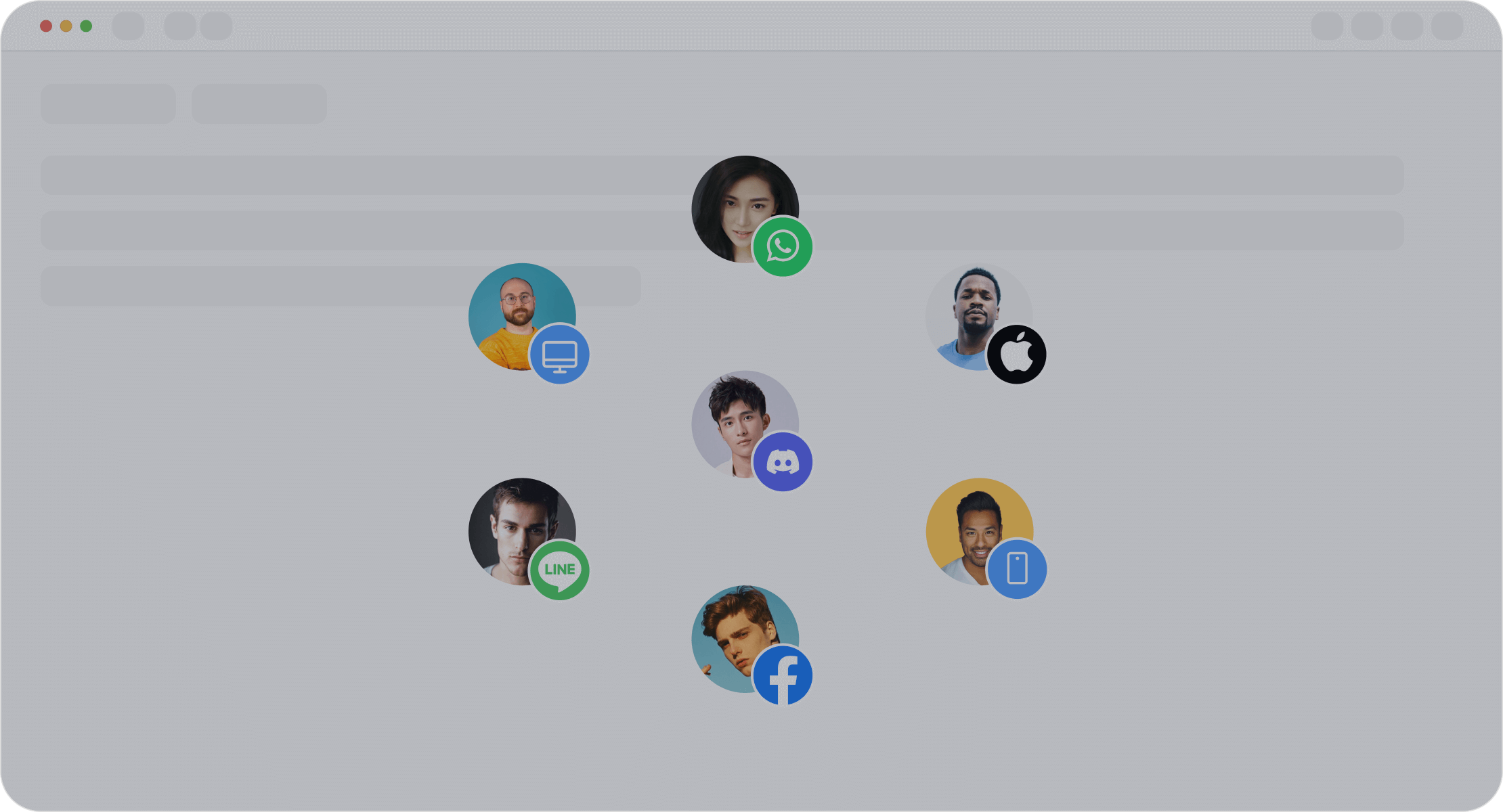
You unify website and app support by building a single ecosystem of technology and service protocols. This goal is critical for 2025. It directly impacts customer loyalty and operational efficiency. You can deliver a seamless customer experience using a unified tech stack, a central customer data platform, and a consistent design. A great customer service experience meets the modern customer's expectations. With 79% of customers wanting a unified experience, providing seamless customer communication is no longer optional. Platforms like Sobot help you create this seamless customer communication and support experience.
Why You Must Unify Website and App Support
Understanding the "why" behind unification is the first step toward effective customer experience management. When you unify website and app support, you build a foundation for stronger customer relationships and a more efficient business. This move addresses modern customer expectations head-on.
Meet Expectations for a Fluid Customer Experience
Today's customer expects a smooth journey across all your platforms. They want to start a conversation on your website and continue it in your app without any friction. A disconnected experience creates frustration and damages your brand's perception. You must provide seamless customer communication to meet this high standard. A great customer service experience feels like one continuous conversation, regardless of the channel. This consistent experience builds trust and boosts customer satisfaction.
Reduce Customer Churn and Frustration
Fragmented support is a direct path to customer churn. When your systems are siloed, your customer has to repeat information. Your support agents lack the full context of the customer journey. This leads to an impersonal and inefficient service that drives customers away. The goal is to reduce churn by removing these points of friction.
A significant 66% of consumers end relationships with companies due to poor customer service. This highlights how a poor experience directly fuels customer churn.
To improve customer retention, you must provide a seamless support experience. Eliminating frustrating interactions is key to building loyalty and preventing churn. A unified approach ensures every customer feels understood and valued throughout their journey, which is essential to reduce churn and increase satisfaction.
Increase Operational Efficiency and Reduce Costs
A unified support system does more than improve customer satisfaction; it also streamlines your operations. Managing separate tools for your website and app is expensive and inefficient. Tool fragmentation can increase costs by 200-300%. By consolidating into a single platform, you can achieve significant savings.
- Global high-tech companies see 40-60% cost reductions by implementing AI customer service correctly.
- Unified platforms can deliver 60-80% cost savings for global companies.
This efficiency allows your team to focus on delivering high-quality service instead of fighting with disconnected tools. You empower your agents to provide a better customer experience, which ultimately benefits your bottom line.
Core Strategies for a Unified Support Ecosystem
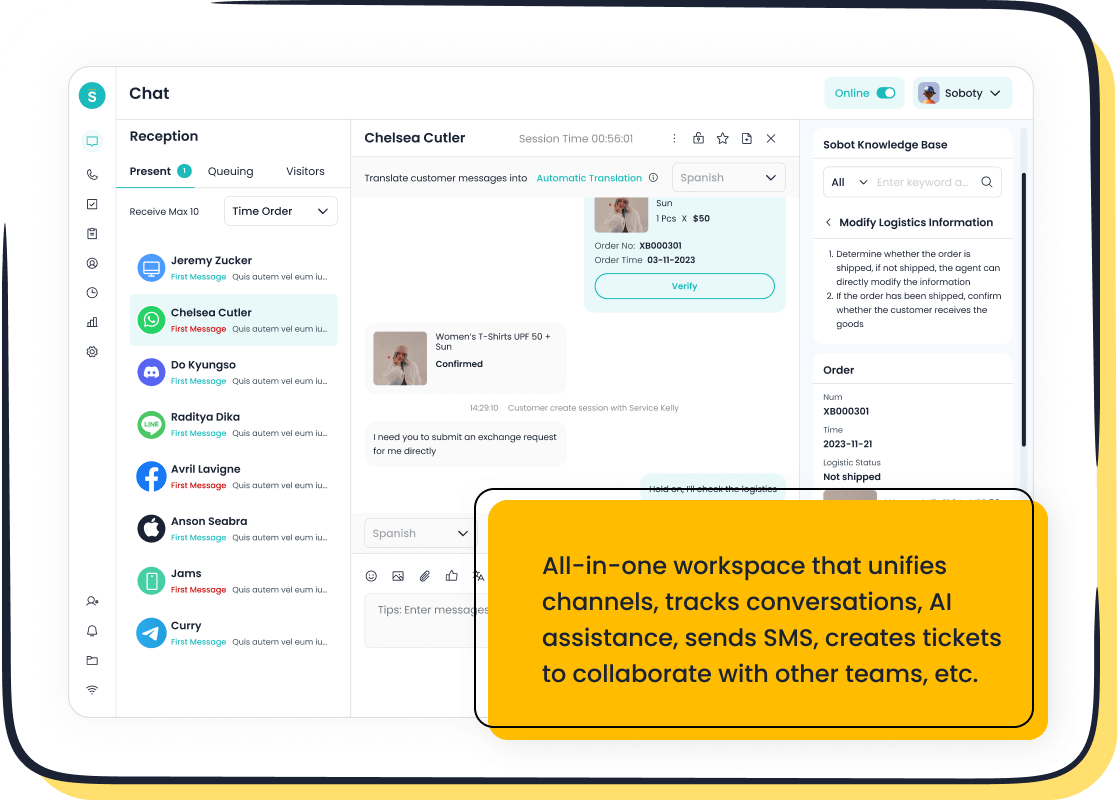
Building a unified support ecosystem requires clear strategies. You need more than just good intentions; you need a practical framework. These core strategies will help you unify website and app support. They create a foundation for a superior customer experience and operational excellence.
Implement a Unified Communication Platform
Your first strategy is to adopt a unified communication platform. This system brings all your communication channels into a single interface. Your agents no longer need to switch between different apps for web chat, in-app messages, or social media. This consolidation is the first step toward seamless customer communication.
A strong platform boosts agent productivity. It gives your team speedy access to all channels. This access eliminates customer wait times and the need for callbacks. Agents can track conversations, switch between them, and respond quickly. This speed helps you meet customer expectations for fast service. A unified platform also improves agent morale. It saves them hours of manual work, reducing stress and burnout. This leads to a more stable and productive team.
Sobot's Live Chat is a prime example of a unified platform. It brings messages from your website, app, and social media channels into one AI-enhanced workspace. This allows your agents to manage every customer interaction efficiently from a single dashboard, ensuring no conversation gets lost.
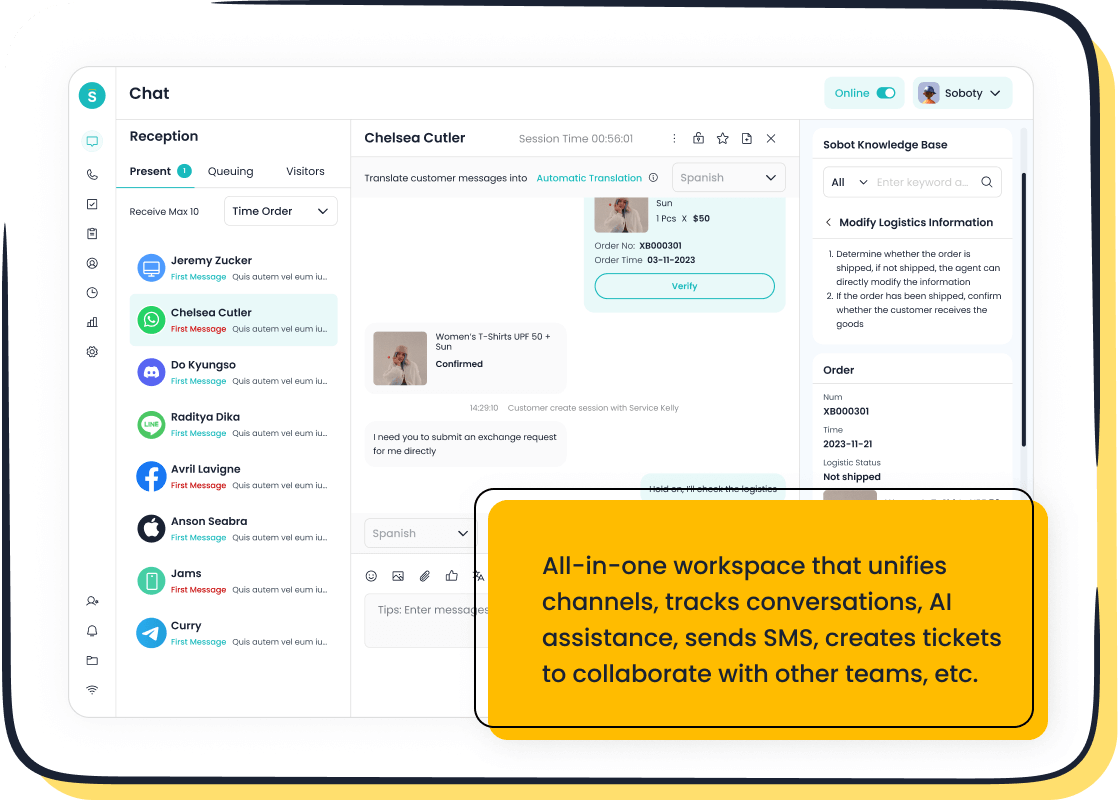
Key features you should look for in a unified communication platform include:
- Multi-Device Accessibility: Your team needs to connect from desktops, smartphones, or tablets.
- Advanced Collaboration: Features like file sharing and internal messaging help your team work together.
- High-Quality Performance: The system must be reliable to prevent glitches or delays during a customer interaction.
- Robust Security: Look for end-to-end encryption and compliance with data standards to protect customer information.
- Scalability: The platform must grow with your business without a drop in service quality.
Centralize Customer Data for Seamless Context
Your next strategy focuses on data. You must centralize customer data to provide a truly personalized experience. A Customer Data Platform (CDP) creates a single, unified profile for each customer. It collects data from every touchpoint, including your website, app, and past support tickets. This gives your agents a 360-degree view of the customer journey.
When an agent has the full context, the customer never has to repeat themselves. The agent can see past purchases, previous interactions, and browsing history. This information allows for effective communication and faster resolutions. The service feels personal and effortless.
Centralizing data also involves important compliance steps. You must align with privacy regulations like GDPR and CCPA.
- Use a Consent Management Platform (CMP) to handle customer consent transparently.
- Give your customer granular control over the data they share.
- Provide clear opt-in and opt-out choices for communications.
By managing data responsibly, you build trust with your customer. This trust is essential for creating a positive and lasting relationship. Centralized data empowers your team to deliver a better service.
Design a Consistent Omnichannel Experience
A consistent omnichannel experience is one of the most important strategies. This means your customer enjoys a seamless journey across all your channels. The look, feel, and quality of your service should be the same everywhere. Whether a customer starts on your website, moves to your app, or sends an email, the experience should feel like one continuous conversation.
To achieve this, you must focus on three design principles:
- Ease-of-use: Your interfaces should be simple and intuitive. A customer should navigate them without confusion.
- Efficiency: The journey should be streamlined. A customer should not have to enter the same information twice.
- Emotion: Your design should create a positive feeling. Every interaction is an opportunity to build trust and a human connection.
This consistency makes your brand feel reliable. It shows the customer you have invested in their experience.
Sobot's Omnichannel Solution helps you deliver this consistent customer service experience. It integrates all your communication channels into a single platform. Your agents can see conversations from your website, app, email, and social media in one place. This allows them to provide consistent, personalized service across every touchpoint, making the omnichannel experience a reality for your customer.
Empower Customers with Integrated Self-Service
Your final strategy is to empower your customer with self-service options. Many customers prefer to find answers on their own. Providing effective self-service tools reduces their effort and improves their experience. These tools must be integrated across both your website and your app.
Common and effective self-service tools include:
- Knowledge Bases: A well-organized library of articles, guides, and FAQs.
- AI-Powered Chatbots: Bots that can answer common questions, guide users, and troubleshoot basic issues 24/7.
- Customer Forums: Communities where users can help each other and share solutions.
When you integrate these tools, you create a powerful support ecosystem. A customer can try to solve an issue with a chatbot in your app. If the bot cannot help, it can seamlessly transfer the customer to a live agent with the full conversation history. This seamless customer communication flow prevents frustration.
Integrated self-service also reduces the volume of support tickets. It allows your agents to focus on more complex issues that require a human touch. This improves overall efficiency and lets you provide higher-quality support where it matters most.
The 2025 Tech Stack for Unified Customer Support
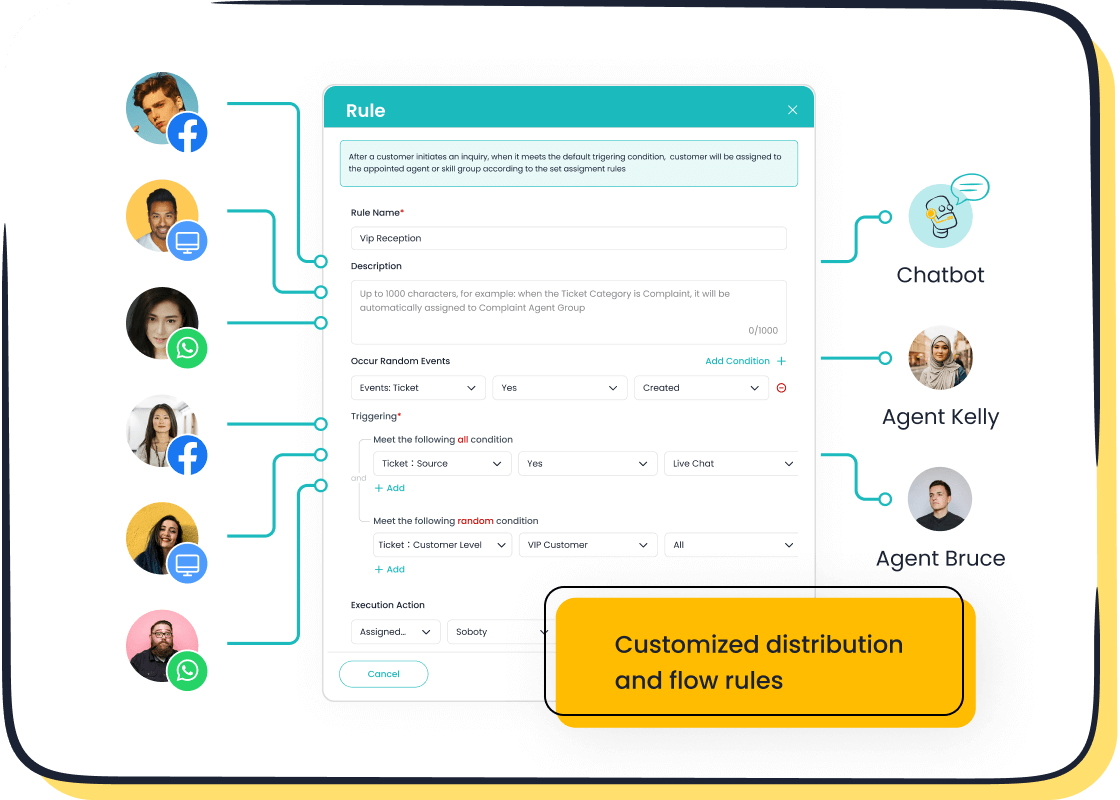
To unify website and app support, you need the right technology. Your 2025 tech stack should break down silos and create a single source of truth for every customer interaction. This technology empowers your team to deliver an exceptional service experience. It is the engine that drives seamless customer communication.
AI-Powered Chatbots with a Shared Knowledge Base
You should start with AI-powered chatbots that use a shared knowledge base. When your chatbots and human agents pull answers from the same source, every customer gets a consistent experience. This eliminates conflicting information and builds trust with each customer. A platform like Sobot's Chatbot provides this capability, ensuring your self-service and agent-led support are perfectly aligned. This consistency is key to a great customer service experience.
| Traditional Support Challenges | AI Chatbot Solutions |
|---|---|
| Inconsistent Answers – Responses vary based on agent experience and interpretation. | Accurate & Consistent – Chatbots provide uniform responses from a shared knowledge base. |
These chatbots deliver instant, accurate responses. They become a reliable self-service resource for any customer. This approach improves the customer support experience by providing immediate help.
Integrated CRM and Customer Data Platforms
Next, you must integrate your Customer Relationship Management (CRM) system with a Customer Data Platform (CDP). Many companies keep customer data in separate systems. This creates a fragmented view of the customer. A CDP solves this problem by creating a unified profile for each customer. This gives your support team a complete picture of every customer journey.
Integrating these systems provides several benefits:
- It centralizes customer data from all sources into one profile.
- It makes information accessible across departments for quicker support.
- It ensures your team has the most current information for every customer.
This integration is vital for seamless customer communication. Your customer will never need to repeat information, leading to a friction-free service experience.
Proactive In-App and On-Site Support Tools
Finally, you should use proactive support tools on your website and in your app. These tools initiate conversations with a customer before they ask for help. This shows the customer you are attentive to their needs. Proactive support turns a simple visit into a positive interaction.
Examples of proactive tools include:
- Proactive live chat that offers help based on a customer's behavior, like time spent on a page.
- Behavior-based triggers that send messages like "Need help?" when a customer seems stuck.
- Intelligent AI agents that provide instant answers for web self-service.
These tools create opportunities for seamless customer communication. They make the customer feel valued and improve their overall experience with your brand.
A Step-by-Step Action Plan for Unification
Unifying your support channels is an achievable goal for 2025. This four-step action plan provides a clear roadmap. It will guide you from initial analysis to continuous optimization. You can transform your customer service from a collection of disconnected channels into a single, powerful ecosystem.
Step 1: Map Your Disconnected Customer Journeys
Your first step is to understand the current customer experience. You must map every touchpoint a customer has with your brand across your website and app. This process reveals where your current support system creates friction and frustration.
Start by defining your objectives. Do you want to increase sales, improve retention, or boost satisfaction? With clear goals, you can analyze the customer journey more effectively. Create customer personas to understand your audience's needs and behaviors.
Next, visually outline the entire customer journey. Identify every interaction point, from initial website visits to post-purchase support in your app. Look for common pain points that cause customer churn. These often include:
- Process Pains: Confusing website navigation or a complex checkout process.
- Support Pains: Slow response times or unknowledgeable agents.
- Productivity Pains: Forcing a customer to repeat information.
Case Study: OPPO's Disconnected Journey Leading smart device innovator OPPO faced this exact challenge. During peak shopping seasons, a surge in inquiries overwhelmed their support teams. Customers experienced long wait times and a disconnected journey between the website and support channels. This created frustration and threatened customer loyalty. OPPO knew they needed to map this broken journey to find a solution.
Use analytics tools to dive into the data. You can see where customers engage and where they drop off. AI can analyze this data to pinpoint high-conversion touchpoints and areas needing improvement. This analysis gives you a clear picture of what needs to be fixed.
Step 2: Select and Integrate Your Unified Tech Stack
Once you have mapped your customer journey, you can select the right technology. Your strategy should guide your tech choices, not the other way around. The goal is to build a stack that enables seamless customer communication and supports your team.
When selecting technology, you should prioritize several key criteria:
- Easy Integration: Choose tools that connect easily with your existing systems, like your CRM. This ensures data flows freely between platforms.
- AI and Automation: Select solutions with built-in AI to handle repetitive tasks and provide instant support.
- Future-Proofing: Pick technology that can scale with your business as it grows.
Involve stakeholders from other departments, like marketing and sales, in the decision. Build a small team to test software options using free trials. This collaborative approach ensures the chosen tools work for everyone.
Case Study: OPPO's Integrated Solution After mapping its journey, OPPO chose Sobot to build its unified tech stack. They implemented Sobot's AI-powered chatbot and ticketing system. The chatbot handled common questions, freeing up human agents. The ticketing system organized complex inquiries and ensured no customer request was lost. This integration connected their communication channels and created a single, efficient workflow for their support team.
Step 3: Train Your Team for an Omnichannel Mindset
Technology alone is not enough. You must train your team to think and act with an omnichannel mindset. This means shifting from channel-specific support to a holistic view of the customer journey. Your agents need to provide a consistent and empathetic experience, no matter how a customer contacts them.
Effective training programs are essential for this transition. You should conduct regular training sessions, at least a few times a year, to keep skills sharp. Use a mix of methods to engage your team:
- Peer Mentoring: Pair experienced agents with newer team members.
- Job Shadowing: Allow agents to observe how others handle different channels.
- Formal Training: Use integrated coaching programs to teach cross-channel fluency and active listening.
Your agents will need to develop new skills to succeed in an omnichannel environment. These include:
- Tech Savviness: Comfortably using new tools like a unified dashboard.
- Multitasking: Managing multiple conversations across different channels at once.
- Emotional Intelligence: Reading digital cues to provide empathetic service.
Standardize your procedures for things like escalations and follow-ups. This ensures every customer receives the same high-quality service. This training empowers your team to deliver true omni channel support and boosts their job satisfaction.
Step 4: Measure, Analyze, and Continuously Optimize
Your final step is to create a cycle of continuous improvement. You must measure the performance of your unified support system, analyze the results, and use those insights to optimize your strategy. This data-driven approach ensures you are always improving the customer experience.
Start by tracking the right Key Performance Indicators (KPIs). These metrics will tell you if your unification efforts are successful.
| KPI Category | Key Metrics to Track |
|---|---|
| Customer Satisfaction | Customer Satisfaction (CSAT), Net Promoter Score (NPS) |
| Operational Efficiency | First Contact Resolution (FCR), Average Response Time |
| Business Impact | Customer Churn Rate, Customer Retention Rate |
Use a platform with built-in analytics to monitor these KPIs across all your communication channels. Look for trends in your ticket volume and analyze customer feedback to identify areas for improvement. This feedback is a valuable resource for refining your service. Ignoring unstructured data from customer feedback means you miss key insights. Use AI-powered text analytics to understand what your customers are truly saying.
Case Study: OPPO's Measured Success OPPO's unification plan produced incredible results. By implementing Sobot and optimizing their strategy, they achieved an 83% chatbot resolution rate. This drastically reduced agent workload and improved efficiency. More importantly, the seamless experience led to a 57% increase in their repurchase rate. This demonstrates a direct link between a unified support journey and customer loyalty. These metrics proved the plan's success and provided data for future optimizations.
By consistently measuring, analyzing, and acting on data, you turn your support system into a strategic asset. This ongoing process drives customer satisfaction, increases retention, and reduces churn for long-term growth.
You must unify website and app support to gain a competitive edge in 2025. This is a strategic move, not just a technical one. Your customer expects a seamless experience. You deliver this by adopting a unified tech stack like Sobot, centralizing customer data, and designing a fluid customer journey. This level of service creates a superior customer experience. For any brand that puts its customer first, a unified approach is the new, non-negotiable standard for every customer interaction. Your customer deserves nothing less.
FAQ
How does unifying support benefit my customer?
Unifying support creates a seamless experience for your customer. It eliminates the need for any customer to repeat information. This consistent journey builds trust and shows every customer you value their time. A happy customer is a loyal customer.
What is the first step to unify my customer support?
You should start by mapping your current customer journeys. This process helps you identify where your support system creates friction for the customer. Understanding these pain points is the first step toward creating a better experience for every customer.
Why is a unified tech stack important for the customer?
A unified tech stack gives your team a complete view of every customer. It centralizes customer data, allowing for faster and more personalized service. This technology ensures a consistent and positive experience for the customer across all channels.
Can small businesses unify customer support?
Yes, you can. Solutions like Sobot are scalable for businesses of all sizes. You can start by integrating your most active channels. This provides a better experience for your customer and improves your team's efficiency without a large initial investment.
See Also
Leading 2024 Websites Leveraging Chatbots for Enhanced User Experience
Building an Effective Chatbot: A Guide for Website Success
Optimal Strategies for Integrating WhatsApp Seamlessly Onto Your Website
Unlocking the Top 10 Advantages of Website Chatbot Integration
Explore 12 Essential Live Chat Applications for Shopify Store Success

