How to Select the Best Digital Customer Service Tool


Choosing the right digital customer service platform can revolutionize your business. Today, it’s about more than just addressing inquiries or resolving issues—it’s about crafting experiences that foster customer loyalty and drive repeat business. With 93% of customer service teams observing rising customer expectations and 71% experiencing increased contact volumes since 2020, the pressure to deliver exceptional service has never been greater. The right platform empowers you to meet these challenges while streamlining operations and enhancing efficiency.
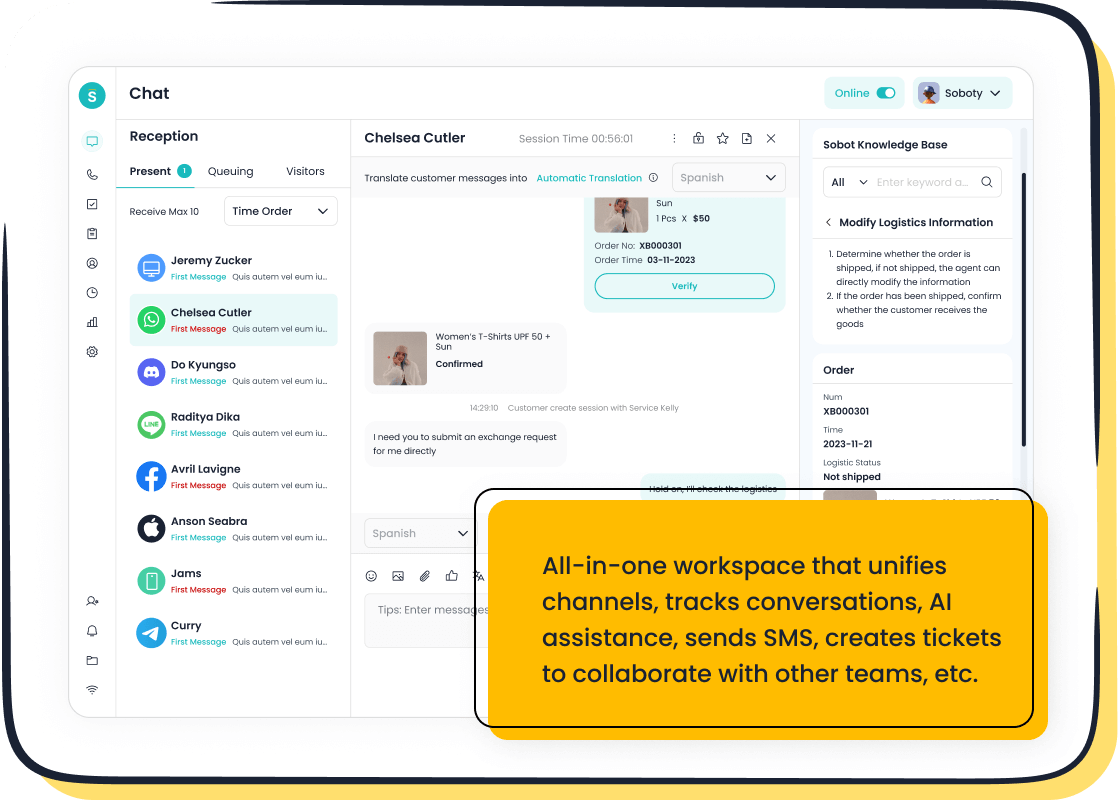
Sobot exemplifies this perfectly. As a leading digital customer service platform, its tools, such as Live Chat, consolidate customer interactions across multiple channels, enabling your team to respond more quickly and intelligently. By leveraging a solution like Sobot, you’re not only meeting customer expectations but surpassing them, paving the way for sustained growth and success.
Understanding Digital Customer Service Platforms

What Are Digital Customer Service Platforms?
Digital customer service platforms are tools designed to help businesses manage and enhance customer interactions across multiple channels. These platforms unify communication methods like email, live chat, social media, and even voice calls into one seamless system. They’re not just about answering questions—they’re about creating meaningful connections with your customers.
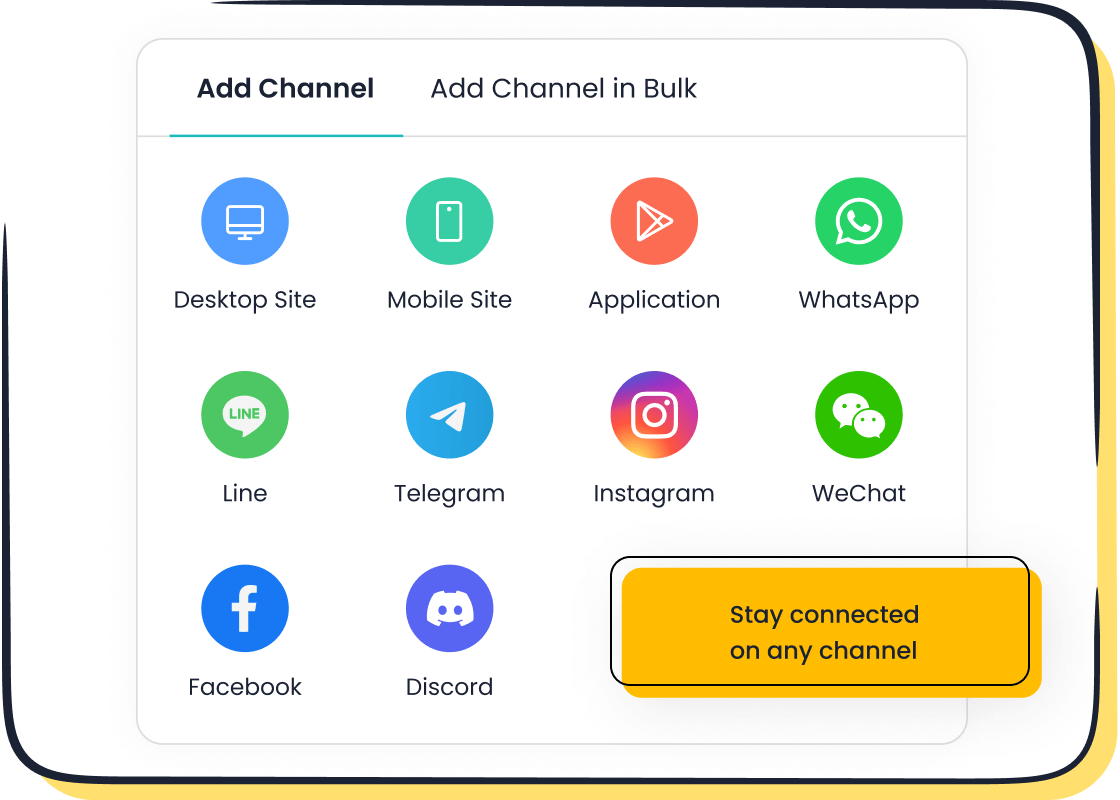
Today’s platforms go beyond basic functionality. They integrate advanced technologies like AI-powered chatbots, self-service solutions, and data-driven personalization. For example, Sobot’s Live Chat tool offers omnichannel support, allowing you to engage with customers on their preferred platforms, whether it’s WhatsApp, Instagram, or Telegram. This ensures no interaction gets missed and every customer feels valued.
Benefits of Digital Customer Service for Businesses
Adopting digital customer service platforms can transform your business operations. Here’s how:

- Improved Efficiency: Automation reduces repetitive tasks, freeing up your team to focus on complex issues. Tools like Sobot’s AI-powered chatbots handle FAQs, saving time and cutting costs.
- Enhanced Customer Satisfaction: Faster response times and personalized service boost customer satisfaction. For instance, Sobot’s analytics feature evaluates over 150 indicators to optimize service quality.
- Cost Savings: Digital tools eliminate the need for paper-based processes and reduce energy consumption. This leads to significant savings over time.
- Better Resource Allocation: Unified workspaces streamline workflows, ensuring your team operates at peak productivity.
These benefits aren’t just theoretical. Businesses that prioritize digital customer service often see higher customer retention rates and increased revenue.
How Digital Customer Service Enhances Customer Experience
Digital customer service platforms elevate customer experience by making interactions smoother and more personalized. Imagine a customer reaching out via live chat to discuss a product issue. With tools like Sobot’s Live Chat, agents can access the customer’s history instantly, providing tailored solutions without delay.
These platforms also empower customers to resolve issues independently. Features like online knowledge bases and AI-driven chatbots offer quick answers, reducing the need for direct support. For example, Sobot’s auto-translation feature ensures seamless communication, even across language barriers.
Additionally, proactive customer service anticipates needs before they arise. By analyzing data trends, businesses can address potential problems early, creating a frictionless experience. Whether it’s through social media engagement or mobile-first solutions, digital platforms ensure customers feel heard and valued.
Key Criteria for Choosing the Best Digital Customer Service Tool
Essential Features to Look For
When choosing a digital customer service tool, you need to focus on features that directly improve your customer service experience. The right features can make all the difference in how efficiently your team operates and how satisfied your customers feel. Here are some must-have features:
| Feature | Importance |
|---|---|
| Omnichannel support | Consolidates customer inquiries from various channels into a single platform. |
| AI-powered automation | Streamlines repetitive processes like ticket sorting and sending notifications. |
| Multilanguage support | Allows assistance to a diverse customer base through real-time translation. |
| Reporting and analytics | Tracks KPIs to identify areas for improvement in digital strategy. |
| Data privacy and security | Protects customer data and complies with business regulations. |

Omnichannel support is crucial. It ensures you can engage with customers across their preferred platforms, whether it’s social media, live chat, or email. For example, Sobot’s Live Chat tool consolidates all customer interactions into one workspace, so your team never misses a message. AI-powered automation is another game-changer. It reduces response times by up to 50% by handling routine tasks, like answering FAQs or routing tickets, freeing your agents to focus on complex issues.
Did you know that 55% of customers prefer to self-serve rather than wait for an agent? Features like AI chatbots and knowledge bases empower them to find answers quickly, improving customer satisfaction by 30%. These tools also allow your business to manage thousands of conversations simultaneously, ensuring no one feels ignored.
Scalability and Future-Proofing Your Platform
Your digital customer service platform should grow with your business. As your customer base expands, you’ll need a tool that can handle increased demand without compromising performance. Scalability ensures your platform remains efficient, even during peak times.
"The key CX trends we've explored — from continuous optimization to AI-powered personalization — all point to a future where content flexibility and scalability become crucial differentiators."
Scalable systems, like Sobot’s omnichannel solution, allow you to add or remove features as needed. This flexibility is essential for adapting to changing customer needs. For instance, modular systems let you scale specific functionalities, such as adding more AI-driven chatbots during busy seasons. Elasticity in cloud-based platforms also ensures resources adjust dynamically based on demand, keeping your operations smooth.
Investing in a future-proof platform isn’t just about handling growth. It’s about staying competitive. As customer expectations evolve, your platform must adapt quickly to meet new demands. This adaptability helps you maintain a seamless customer service experience, even as trends shift.
Integration with Existing Systems and Tools
Seamless integration with your existing systems is non-negotiable. A digital customer service tool should work effortlessly with your CRM, marketing software, and other business tools. This integration eliminates data silos, improves efficiency, and enhances the overall customer experience.
| Benefit | Description |
|---|---|
| Eliminates Data Silos | Centralizes data, making it accessible in real time across departments. |
| Improves Decision Making | Provides accurate, up-to-date information for better data-driven decisions. |
| Increases Efficiency | Reduces manual processes, allowing teams to focus on higher-value tasks. |
| Enhances Customer Experience | Enables quick responses to inquiries and personalized service. |
| Facilitates Growth and Scalability | Allows for the addition of new systems without disrupting existing operations. |
| Cost Savings | Long-term savings from reduced manual tasks and increased productivity. |
For example, Sobot’s Live Chat integrates seamlessly with CRMs like Salesforce and Shopify. This integration ensures your agents have all the customer data they need at their fingertips, enabling faster and more personalized responses. Automatic data transfer between systems also reduces errors and operational costs, allowing your team to focus on what matters most—delivering exceptional customer support.
By choosing a platform that integrates well with your existing tools, you’ll streamline workflows and improve collaboration across departments. This not only boosts efficiency but also ensures a consistent and engaging customer service experience.
Budget and Cost Considerations
When choosing a digital customer service tool, budget plays a huge role. You want a platform that fits your financial plan without sacrificing quality or essential features. But how do you balance cost with value? Let’s break it down.
Key Cost Factors to Consider
Every digital customer service platform comes with its own pricing structure. To make the best decision, you need to evaluate these key cost factors:
- Subscription Costs: Most platforms operate on a subscription model. Monthly or annual fees can vary depending on the number of users, features, or channels you need.
- Customization Fees: If you want a tool tailored to your business, customization might come with additional costs. This could include branding, workflow adjustments, or unique integrations.
- Future Upgrades: As your business grows, you may need to scale up. Some platforms charge for adding new features or increasing capacity.
- Hidden Costs: Watch out for extra charges like onboarding fees, training costs, or premium support services.
For example, Sobot’s Live Chat offers transparent pricing with no hidden fees. It also provides a free trial, so you can test its features before committing. This ensures you’re investing in a tool that aligns with your budget and needs.
Why Cost Analysis Matters
Budgeting isn’t just about finding the cheapest option. It’s about understanding the value you’re getting for your investment. A thorough cost analysis helps you:
- Track KPIs: Tools with built-in analytics, like Sobot’s Live Chat, allow you to measure performance and ROI. This ensures you’re spending wisely.
- Plan for Growth: A scalable platform saves you from costly migrations later. Sobot’s omnichannel solution, for instance, grows with your business, adapting to increased customer engagement without extra hassle.
- Avoid Overpaying: By comparing features and pricing, you can avoid paying for tools or services you don’t need.
Tips for Staying Within Budget
Here are some practical tips to ensure you stay within your budget while still getting a high-quality tool:
- Start Small: Begin with essential features and upgrade as needed. Many platforms, including Sobot, offer modular options that let you add functionalities over time.
- Leverage Free Trials: Test the platform before committing. This helps you understand its value and ensures it meets your expectations.
- Negotiate: Don’t hesitate to discuss pricing with vendors. Some may offer discounts for long-term contracts or bulk purchases.
- Prioritize Features: Focus on features that directly impact customer satisfaction and efficiency. For example, Sobot’s AI-powered automation and omnichannel support can save time and reduce costs.
By carefully analyzing costs and prioritizing value, you can choose a digital customer service platform that not only fits your budget but also drives long-term success.
Steps to Evaluate and Implement the Right Tool
Auditing Your Current Customer Service Processes
Before diving into new customer engagement tools, take a step back and evaluate your current customer service processes. This audit helps you identify gaps, inefficiencies, and opportunities for improvement. Here’s how you can get started:
- Gather customer feedback: Use surveys, interviews, or focus groups to understand what customers think about your service. Their insights can reveal pain points you might not notice internally.
- Conduct internal evaluations: Review how your team handles inquiries. Are there bottlenecks? Are agents equipped with the right tools?
- Analyze metrics: Look at key performance indicators like Customer Satisfaction Score (CSAT) and Net Promoter Score (NPS). These numbers tell you how well your service is performing.
- Review call recordings: Listening to past interactions can highlight areas where agents excel and where they need support.
- Benchmark against competitors: Study how other businesses in your industry handle customer support. This can inspire improvements in your own processes.
Did you know that over half of consumers would switch to a competitor after just one bad support experience? This makes auditing your processes essential. By identifying weak spots, you can prevent customer churn and improve satisfaction.
Understanding Customer Preferences and Needs
Your customers are at the heart of your business. To serve them better, you need to understand their preferences and needs. This involves more than just guessing—it requires data-driven insights.
Statistical analysis plays a huge role here. It helps you uncover trends in customer behavior, like which customer service channels they prefer or how quickly they expect responses. For example, many customers today prefer digital customer service platforms that offer self-service options like chatbots or knowledge bases. These tools empower them to find answers on their own, saving time and boosting satisfaction.
Additionally, consider the diversity of your customer base. Multilanguage support, like the auto-translation feature in Sobot’s Live Chat, ensures you can communicate effectively with customers from different backgrounds. This not only improves engagement but also builds trust.
By understanding what your customers value most, you can tailor your customer engagement software to meet their expectations. This leads to happier customers and stronger loyalty.
Researching and Comparing Digital Customer Service Platforms
Once you’ve audited your processes and understood your customers’ needs, it’s time to research and compare digital customer service platforms. But where do you start? Focus on metrics that matter most to your business. Here’s a handy table to guide you:
| Metric | Description |
|---|---|
| Scalability | Can the platform grow with your business needs? |
| Customer Satisfaction Scores | Does it help improve customer satisfaction? |
| Response Times | How quickly does it enable your team to respond to inquiries? |
| Resolution Rates | What percentage of issues are resolved on the first contact? |
| Social Media Metrics | Does it support engagement on platforms like Instagram or WhatsApp? |
| Data Collection Strategies | How effectively does it gather data from customer interactions? |
| Predictive Analytics | Does it use data to anticipate customer needs and improve service? |
| Employee Feedback | Does it provide tools for agents to share insights and suggest improvements? |
For example, Sobot’s Live Chat excels in scalability and omnichannel support. It integrates seamlessly with platforms like WhatsApp and Telegram, ensuring you can engage with customers wherever they are. Its built-in analytics also track over 150 indicators, helping you measure success and identify areas for improvement.
When comparing platforms, don’t forget to test them. Many providers, including Sobot, offer free trials. Use this opportunity to see how the tool fits into your workflow and whether it meets your expectations. Remember, the right platform isn’t just about features—it’s about how well it aligns with your goals and enhances customer satisfaction.
Pilot Testing and Gathering Feedback
Before fully committing to a digital customer service tool, running a pilot test is a smart move. It allows you to evaluate the platform’s performance in real-world scenarios and gather valuable insights for improvement. Think of it as a trial run to ensure everything works smoothly before scaling up.
Here’s how you can approach pilot testing effectively:
- Start Small: Begin by implementing the tool in a limited setting, such as a single department or a few stores. For instance, some businesses test digital media systems in select locations to monitor performance and identify potential issues. This controlled environment helps you focus on specific challenges without overwhelming your team.
- Seek Early Feedback: Don’t wait until the pilot ends to gather input. Engage your team and customers early in the process. Use surveys or interviews to pinpoint what’s working and what needs tweaking. For example, running small-scale surveys can help refine unclear questions in feedback tools.
- Collaborate Across Teams: Ensure seamless data sharing between departments. Platforms like UserTesting offer collaborative features that make it easier to collect and analyze feedback. This approach ensures everyone is on the same page and contributes to the tool’s success.
- Iterate and Improve: Treat feedback as a roadmap for adjustments. If customers find the chatbot responses too generic, tweak the AI to provide more personalized answers. If agents struggle with navigation, simplify the interface. These small changes can make a big difference in overall engagement.
Pilot testing isn’t just about identifying flaws—it’s about building confidence in the tool’s capabilities. By the time you roll it out fully, you’ll know it’s ready to handle your business’s unique needs.
Training Your Team for Effective Implementation
Even the best digital customer service tool won’t deliver results if your team doesn’t know how to use it effectively. Training is the bridge between potential and performance. It equips your team with the skills and confidence they need to maximize the tool’s benefits.
Here’s how to ensure your training program hits the mark:
- Start with the Basics: Begin by familiarizing your team with the tool’s core features. Walk them through functionalities like omnichannel support, AI-powered automation, and analytics dashboards. For example, Sobot’s Live Chat offers a unified workspace that consolidates customer interactions. Show your team how to navigate this space efficiently.
- Incorporate Continuous Learning: Training shouldn’t be a one-time event. Regular sessions keep your team updated on new features and best practices. This is especially important as customer expectations evolve. Continuous learning ensures your team stays ahead of the curve.
- Leverage Automation Tools: Use tools like chatbots to handle repetitive tasks, freeing up your team to focus on complex issues. For instance, Sobot’s AI-driven chatbots can manage FAQs, allowing agents to dedicate their time to high-value interactions.
- Encourage Feedback: Create a feedback loop where agents can share their experiences with the tool. What’s working well? What’s causing frustration? Use this input to refine your training program and address any gaps.
- Measure Success: Track metrics like response times, resolution rates, and customer satisfaction scores to gauge the effectiveness of your training. If you notice improvements, it’s a sign your team is adapting well.
Effective training transforms your team into power users of the platform. It ensures they’re not just using the tool but leveraging it to deliver exceptional customer experiences. And when your team feels confident, your customers will notice the difference.
Top Digital Customer Service Platforms to Consider
Overview of Leading Customer Engagement Platforms
When it comes to choosing a digital customer service platform, you have plenty of options. Each platform offers unique features designed to improve customer interactions and streamline operations. But how do you know which one is right for your business? Let’s look at some key metrics that can help you evaluate their performance:
| Metric | Description |
|---|---|
| Customer Satisfaction Score | Measures how happy customers are with the product and service, indicating potential for repeat purchases. |
| Response Time | The time taken to respond to customer inquiries, impacting customer experience and satisfaction. |
| Resolution Time | The time taken to resolve customer issues, crucial for maintaining customer trust and loyalty. |
For example, companies like Toyota and Renault have achieved remarkable results by leveraging customer engagement platforms. Toyota saw a 166% increase in test drive applications through personalized surveys, while Renault reduced customer service wait times by 93% using AI-powered tools. These examples show how the right platform can transform your customer service strategy.
Standout Features of Sobot Live Chat
Sobot Live Chat stands out as a top-tier digital customer service tool. It’s packed with features that make customer interactions seamless and efficient. Here’s what makes it special:
| Feature | Description |
|---|---|
| Comprehensive Channel Integration | Works across multiple digital channels including social media and messaging apps |
| Multilingual Support | Accommodates diverse customer bases with support for multiple languages |
| Automated Lead Qualification | Identifies and qualifies potential leads through conversation |
| Performance Analytics | Detailed reporting and analytics to optimize bot performance |
Users love how Sobot’s multilingual support improves engagement with global customers. Its automated lead qualification saves time by identifying high-value prospects. Plus, the platform’s analytics tools help you track performance and make data-driven decisions. These features ensure you’re always one step ahead in delivering exceptional service.
Use Cases and Success Stories (e.g., OPPO’s Experience with Sobot)
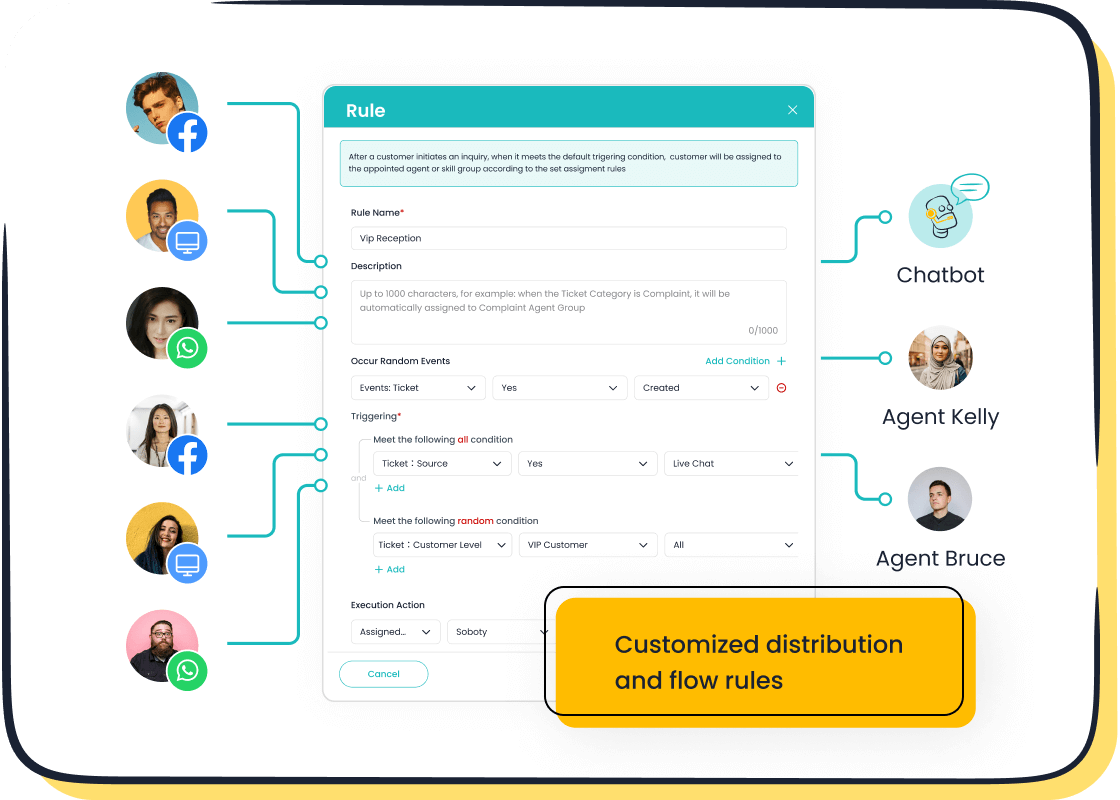
Real-world success stories highlight the impact of Sobot’s solutions. Take OPPO, for instance. This global smartphone leader faced challenges during peak shopping periods, with overwhelming customer inquiries. By implementing Sobot’s chatbot and ticketing system, OPPO achieved an 83% chatbot resolution rate and a 94% positive feedback rate. The integration of global customer channels also boosted their repurchase rate by 57%.
This isn’t just about numbers—it’s about creating meaningful customer experiences. Sobot’s tools helped OPPO reduce agent workloads and improve response times, proving that the right platform can drive both efficiency and satisfaction. Whether you’re in retail, gaming, or financial services, Sobot’s solutions can adapt to your needs and deliver measurable results.
Aligning Your Digital Customer Service Tool with Business Goals
Setting Clear Objectives for Customer Engagement
To align your digital customer service tool with your business goals, start by setting clear objectives for customer engagement. Without defined goals, it’s like navigating without a map—you’ll struggle to measure success or make meaningful improvements.
One effective way to set objectives is by using the SMART framework. This method ensures your goals are Specific, Measurable, Achievable, Relevant, and Time-bound. For example, you might aim to reduce average response times by 20% within three months or increase customer satisfaction scores by 15% over the next quarter. Structuring objectives across the customer lifecycle—like acquisition, retention, and advocacy—can also help you track progress more effectively.
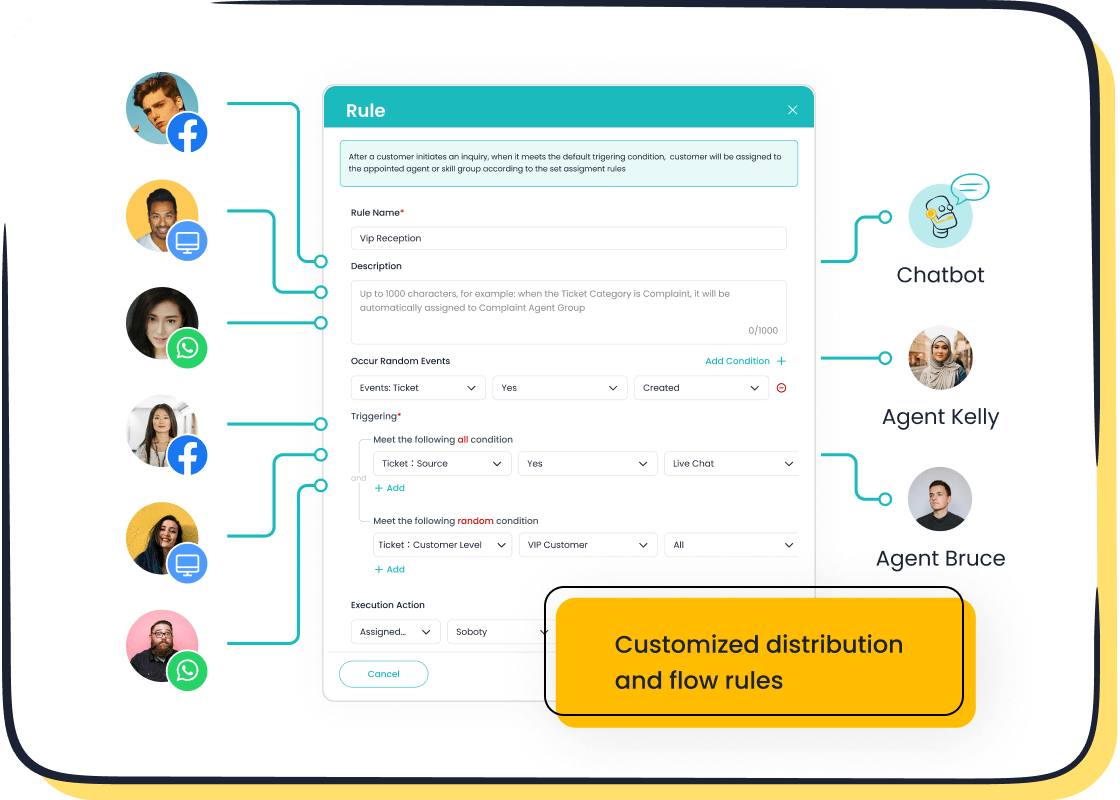
Tools like Sobot’s Live Chat make it easier to achieve these goals. With features like omnichannel support and AI-powered automation, you can engage customers seamlessly across platforms while delivering faster, more personalized service. This not only improves satisfaction but also strengthens loyalty.
Measuring Success and ROI of Your Platform
Measuring the success of your digital customer service tool is crucial for understanding its impact on your business. Start by tracking key metrics like Customer Service ROI and Customer Retention Rate. Here’s a quick breakdown:
| Metric | Formula |
|---|---|
| Customer Service ROI | ROI = [(revenue – expenses) ÷ expenses] x 100 |
| Customer Retention Rate | Retention rate = [(E – N) ÷ S] x 100 |
For example, if you’ve implemented Sobot’s Live Chat, you can use its built-in analytics to monitor these metrics. Sentiment analysis is another powerful tool. By analyzing customer emotions during interactions, you can identify areas for improvement. Positive sentiment often leads to loyalty and higher revenue, while negative sentiment signals potential churn.
Tracking these metrics helps you refine your strategy and ensures your platform delivers measurable value.
Adapting to Evolving Customer Needs and Preferences
Customer expectations are constantly changing, and your digital tools must keep up. Adaptive AI solutions, like those integrated into Sobot’s products, analyze real-time customer data to personalize interactions. This allows you to adjust your service strategies as preferences shift.
For instance, if data shows a growing preference for self-service options, you can enhance your chatbot capabilities to handle more complex queries. Similarly, analyzing customer interactions can uncover trends, like increased demand for multilingual support. Sobot’s auto-translation feature ensures you can meet these needs effortlessly.
By staying proactive and leveraging insights, you’ll not only meet customer expectations but also exceed them, fostering long-term engagement and loyalty.
Choosing the right digital customer service platform isn’t just a decision—it’s a strategy for long-term success. The right tool helps you deliver exceptional customer experiences while aligning with your business goals. It’s not just about solving problems; it’s about building relationships that last.
Here’s why this choice matters:
- Integration with other tools boosts collaboration across teams.
- Data-driven insights personalize support, improving customer satisfaction.
- Scalability ensures your platform grows with your business needs.
Platforms like Sobot make this process seamless. With features like omnichannel support and AI-powered automation, you can meet customer expectations and stay ahead of the curve. Take the time to evaluate your options carefully. A well-chosen platform doesn’t just meet today’s demands—it prepares you for tomorrow’s opportunities.
FAQ
What is the best way to evaluate a digital customer service tool?
Start by identifying your business needs. Then, compare platforms based on features like omnichannel support, scalability, and integration. Tools like Sobot’s Live Chat offer free trials, so you can test them before committing. This ensures the tool aligns with your goals.
How does omnichannel support improve customer service?
Omnichannel support connects all communication channels into one platform. This ensures no customer message gets missed. For example, Sobot’s Live Chat consolidates WhatsApp, Instagram, and website chats into one workspace, making it easier for your team to respond quickly and efficiently.
Can AI-powered tools really enhance customer satisfaction?
Absolutely! AI tools like chatbots handle repetitive tasks, freeing agents to focus on complex issues. Sobot’s AI-driven chatbots resolve FAQs instantly, improving response times and customer satisfaction. Studies show that 55% of customers prefer self-service options, which AI tools provide seamlessly.
Why is scalability important in a customer service platform?
Scalability ensures your platform grows with your business. During peak times, like holiday sales, a scalable tool like Sobot’s omnichannel solution adapts to increased demand without slowing down. This keeps your operations smooth and your customers happy.
How can I measure the ROI of my digital customer service tool?
Track metrics like Customer Satisfaction Score (CSAT) and response times. Sobot’s built-in analytics evaluate over 150 indicators, helping you measure performance and ROI. For example, improved resolution rates often lead to higher customer retention and revenue growth.
See Also
Essential Tips for Selecting Social Media Support Tools
Best Customer Service Software Picks for 2024
Comparative Analysis of Leading Voice of Customer Tools

