10 Omnichannel Retail Trends Shaping 2025

Omnichannel retail is revolutionizing how you shop and interact with brands. By 2025, 73% of shoppers will prefer omnichannel options, engaging 1.7 times more frequently than single-channel customers. This shift represents a $1.5 trillion opportunity in the U.S. alone. Consumers now expect seamless transitions between online and offline touchpoints, demanding a unified customer experience that feels personal and consistent.
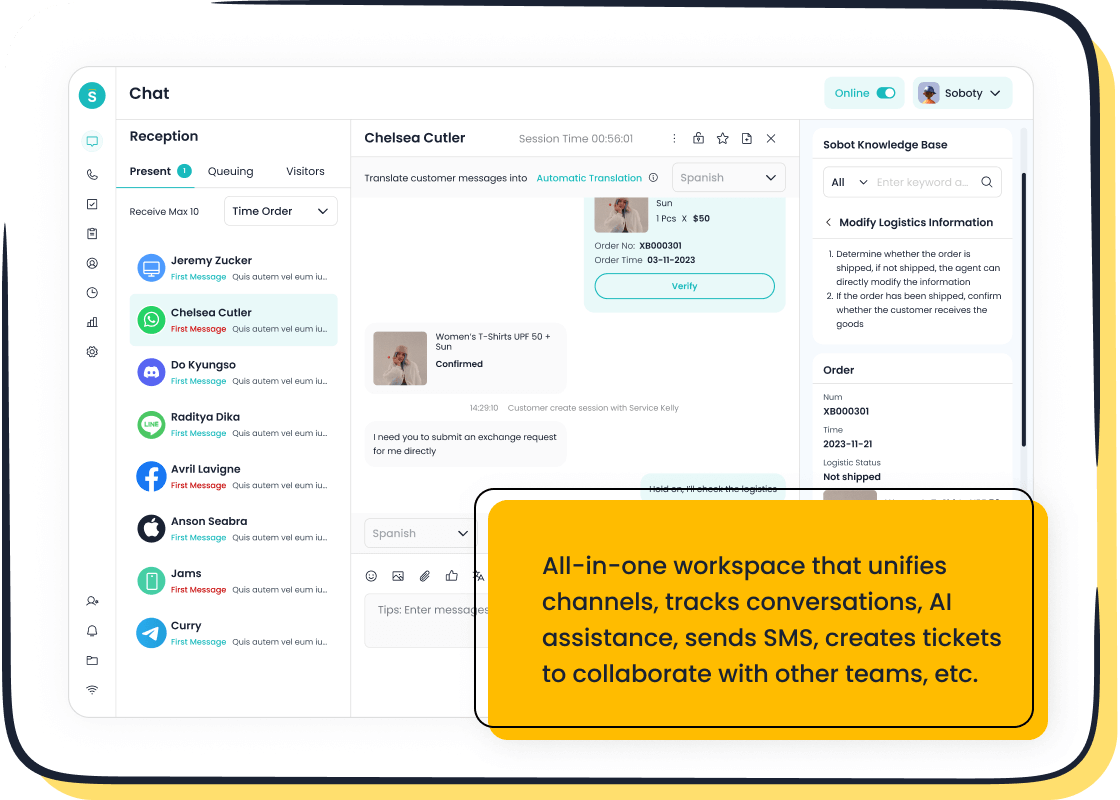
To stay competitive, you must embrace these trends. A well-executed omnichannel strategy not only boosts customer loyalty but also ensures your brand delivers the personalized shopping experiences modern consumers crave. Tools like Sobot’s Live Chat can help you unify interactions across platforms, enhancing efficiency and satisfaction. Meeting these expectations is no longer optional—it’s essential for thriving in today’s retail landscape.
AI-Driven Personalization in Omnichannel Retail
Enhancing Customer Experiences with AI
AI-powered recommendations for tailored shopping journeys.
AI has revolutionized how you shop by offering personalized recommendations that feel intuitive and relevant. Advanced AI tools analyze your behavior, preferences, and past purchases to predict what you might need next. This level of personalization goes beyond basic demographics. It creates a dynamic shopping experience that evolves with every interaction. For example, AI can suggest complementary products when you browse online or even recommend items based on your local weather or events.
Retailers using AI-powered recommendations see higher engagement and conversion rates. By tailoring your shopping journey, they ensure you find what you need faster, making your experience seamless across all channels. This is the essence of omnichannel shopping—delivering consistent, personalized experiences whether you shop online, in-store, or through mobile apps.
Predictive analytics for inventory and demand management.
AI doesn’t just enhance your shopping experience; it also ensures products are available when you need them. Predictive analytics uses historical data and trends to forecast demand accurately. Retailers can optimize inventory, reducing stockouts and overstock situations. For instance, AI can predict a surge in demand for winter coats in specific regions before the season begins.
This technology benefits you as a shopper by ensuring shelves are stocked with the right products. It also helps retailers streamline their supply chains, reducing waste and improving efficiency. This predictive capability is a cornerstone of successful omnichannel strategies, ensuring smooth operations across all touchpoints.
Actionable Insights for Retailers
Implementing AI tools to optimize omnichannel shopping.
Retailers can leverage AI tools to transform their omnichannel shopping strategies. AI chatbots, like those integrated into Sobot Live Chat, provide instant support, answering your questions in real time. These tools analyze customer data to offer tailored recommendations and even dynamic pricing based on your preferences.
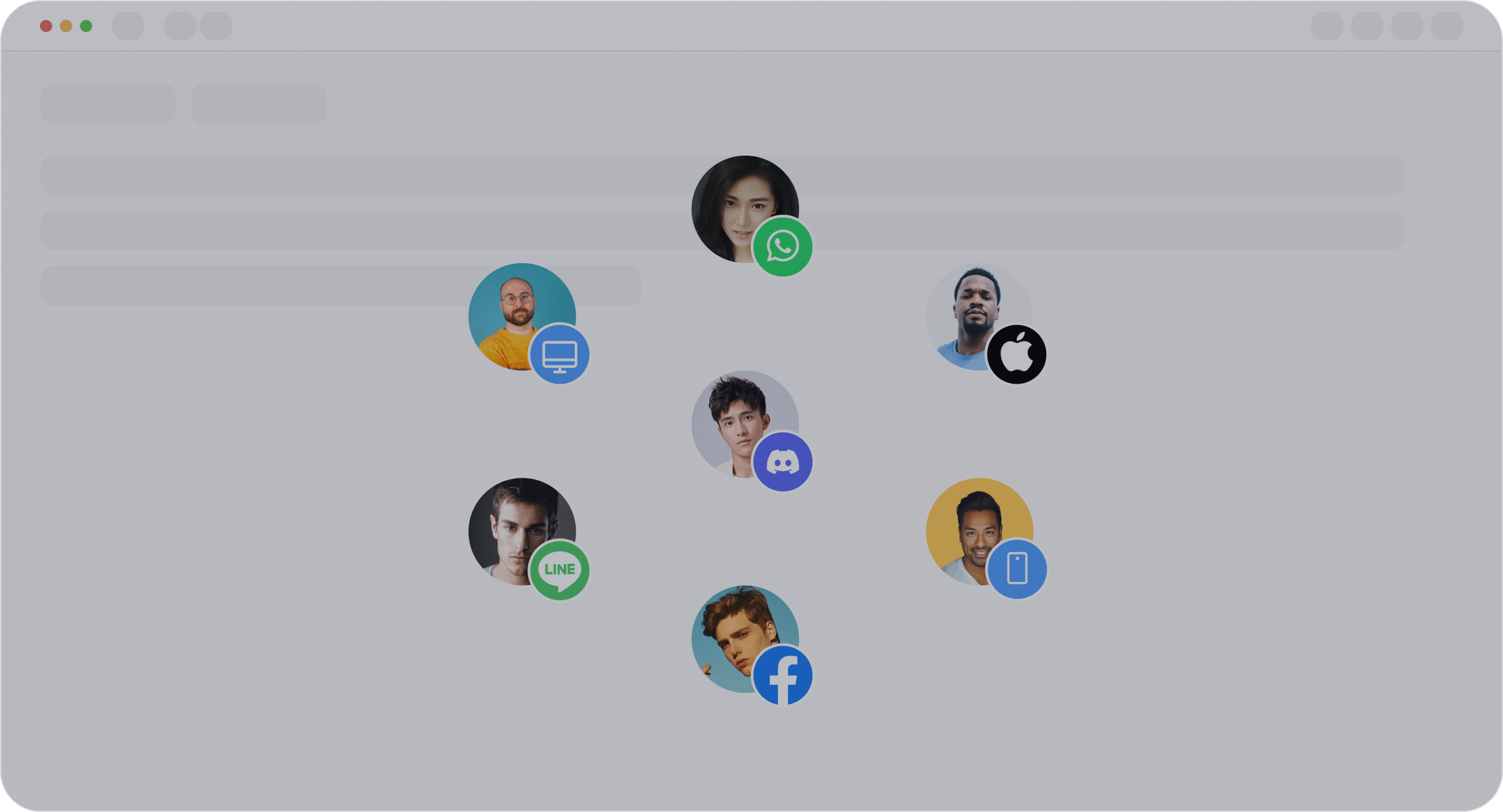
AI also enables retailers to unify customer interactions across platforms. For example, Sobot’s omnichannel solutions allow businesses to track your journey seamlessly, whether you start on a website or switch to a mobile app. This integration ensures a consistent and personalized experience, boosting your satisfaction and loyalty.
Case studies of successful AI-driven personalization.
Brands that embrace AI-driven personalization see remarkable results. Take Opay, a financial service platform that partnered with Sobot to enhance its omnichannel capabilities. By integrating AI tools, Opay improved customer satisfaction from 60% to 90% and increased conversion rates by 17%.
Another example is the use of AI-powered virtual assistants in retail stores. These assistants guide you through product selections, creating an immersive shopping experience. Such innovations demonstrate how AI can elevate omnichannel shopping, making it more engaging and efficient for you.
Seamless Omnichannel Shopping Experiences
Unified Customer Journeys Across Channels
Integrating digital and physical touchpoints.
Your shopping experience should feel seamless, whether you’re browsing online or visiting a store. Retailers achieve this by integrating digital and physical touchpoints into a unified journey. For example, you might browse a product on a website, reserve it through a mobile app, and pick it up in-store. This approach ensures you can interact with a brand on your terms, creating a truly integrated shopping experience.
Retailers like Target have mastered this by offering services such as curbside pickup and app-based inventory checks. These innovations make your shopping journey more convenient and efficient. By connecting every channel, businesses ensure you enjoy consistent omnichannel experiences that save time and reduce friction.
Consistent branding for a cohesive customer experience.
Consistency is key to building trust and loyalty. When you interact with a brand, you expect the same tone, visuals, and messaging across all channels. Whether you’re scrolling through Instagram or walking into a store, the experience should feel cohesive.
Brands like Apple excel at this. Their minimalist design and customer-first messaging remain consistent across their website, stores, and social media. This unified branding reinforces their identity and ensures you feel connected to their values. By prioritizing consistency, businesses create seamless omnichannel experiences that resonate with you.
Technology Enablers for Omnichannel Success
Leveraging CRM and ERP systems for seamless integration.
Behind every seamless shopping experience lies powerful technology. Customer Relationship Management (CRM) and Enterprise Resource Planning (ERP) systems play a critical role in integrating operations. These tools synchronize customer data, inventory, and sales across channels, ensuring you receive accurate information and personalized service.
For instance, when you order a product online, CRM systems ensure the store has real-time access to your purchase history. ERP systems, on the other hand, manage inventory to confirm availability. Together, these technologies enable businesses to deliver the personalization and customization you expect in modern omnichannel experiences.
How Sobot Live Chat enhances omnichannel customer interactions.
Sobot Live Chat takes your shopping experience to the next level by enabling real-time communication across multiple platforms. Whether you’re on a website, mobile app, or social media, Sobot ensures your inquiries are addressed instantly. Its omnichannel support connects all your interactions into one unified workspace, so you never have to repeat yourself.
With features like AI-assisted tools and customer segmentation, Sobot Live Chat personalizes your experience while boosting efficiency. For example, if you ask about a product on Instagram, the system can seamlessly continue the conversation when you switch to a website. This level of integration ensures you enjoy a smooth and satisfying journey, no matter where you shop.
Ethical Data Collection and Privacy in Retail
The Importance of Transparency in Omnichannel Marketing
Consumer demand for ethical data practices.
You value your privacy, and so do most consumers. In fact, 81% of customers consider trust in a brand essential when deciding to make a purchase. This trust hinges on how businesses handle your data. Ethical data practices, such as obtaining consent before collecting information and clearly explaining its use, are no longer optional. They are critical for maintaining your loyalty and confidence.
Retailers must prioritize transparency to meet these expectations. When you know how your data is collected, stored, and used, you feel more secure engaging with a brand. This is especially important in omnichannel marketing trends, where your interactions span multiple platforms. Ethical practices ensure that your personal information remains protected, fostering trust and long-term relationships.
Regulations shaping data collection in 2025.
Governments worldwide are stepping up to protect your privacy. By 2025, stricter regulations like the General Data Protection Regulation (GDPR) in Europe and the California Consumer Privacy Act (CCPA) in the U.S. will shape how businesses collect and use data. These laws require companies to obtain your explicit consent and provide clear information about data usage.
For retailers, compliance is not just a legal obligation but a competitive advantage. Adhering to these regulations demonstrates a commitment to your privacy, enhancing their reputation and trustworthiness. As a consumer, you benefit from these protections, ensuring your data is handled responsibly across all omnichannel interactions.
Best Practices for Retailers
Building trust through transparent data policies.
Trust begins with transparency. Retailers can build your confidence by adopting clear and accessible data policies. These policies should outline how your information is collected, stored, and shared. For example, Sobot’s solutions prioritize transparency by integrating secure systems that respect your privacy while enhancing your shopping experience.
When businesses communicate openly about their data practices, they show respect for your rights. This transparency not only strengthens your trust but also encourages you to engage more deeply with their brand. In an era where data drives omnichannel strategies, trust becomes a cornerstone of success.
Tools for secure and ethical data management.
Retailers need robust tools to manage your data securely. Advanced systems like Sobot’s omnichannel solutions ensure your information is protected at every touchpoint. These tools integrate AI and automation to safeguard personally identifiable information (PII) while delivering personalized experiences.
For example, Sobot Live Chat uses encryption and secure data storage to protect your interactions. It also enables businesses to track your journey across platforms without compromising your privacy. By adopting such tools, retailers can balance personalization with ethical data practices, ensuring your trust and satisfaction.
Mobile-First Strategies for Omnichannel Retail
The Dominance of Mobile Commerce
Why mobile is the primary channel for omnichannel shopping.
Mobile commerce has become the backbone of modern e-commerce. With 73% of global e-commerce transactions now happening on mobile devices, it’s clear that mobile is the preferred channel for online shopping trends. This dominance has grown significantly, rising from 59% in 2017 to 73% today. Additionally, 79% of mobile users have made online purchases in the last six months, showcasing the convenience and accessibility mobile platforms offer.
| Trend Description | Statistic |
|---|---|
| Mobile commerce controls global e-commerce market share | 73% |
| Increase in mobile commerce market share since 2017 | From 59% to 73% |
| Percentage of mobile users making online purchases recently | 79% |
As a retailer, you must prioritize mobile-first strategies to meet these expectations. Mobile commerce isn’t just a trend—it’s the future of omnichannel retail.
Features consumers expect in mobile shopping apps.
Consumers demand seamless and efficient experiences when using mobile shopping apps. Essential features include fast and frictionless interactions, in-app notifications for order updates, and the ability to scan and save gift cards. Shoppers also expect real-time store stock availability and product location details to enhance their in-store visits.
| Feature Description | Importance |
|---|---|
| Fast, easy, and frictionless omnichannel interactions | Essential for a seamless experience |
| In-app notifications for pickup readiness | Enhances convenience |
| Scanning and saving gift cards | Simplifies transactions |
| Store stock availability | Informs purchasing decisions |
| Product availability and location | Improves in-store experience |
By incorporating these features, you can create a mobile shopping experience that aligns with modern online shopping trends.
Optimizing Mobile Experiences
Mobile-friendly websites and apps for seamless shopping.
To stay competitive, your website and app must deliver a flawless mobile experience. Consistency across all touchpoints is critical. For example, enabling cross-device shopping cart saving ensures customers can switch between devices without losing progress. Offering in-store returns for online purchases also bridges the gap between digital and physical shopping.
You can further enhance the experience by integrating advanced technologies like augmented reality (AR) and artificial intelligence (AI). These tools personalize the shopping journey, making it more engaging and tailored to individual preferences. Actively seeking customer feedback helps you refine these features, ensuring your mobile platform meets their expectations.
Sobot Live Chat’s role in enhancing mobile customer engagement.
Sobot Live Chat transforms how you interact with customers on mobile platforms. Its omnichannel support ensures seamless communication across apps, websites, and social media. For instance, if a customer starts a conversation on WhatsApp and continues on your app, Sobot keeps the interaction unified.
With AI-assisted tools, Sobot Live Chat personalizes responses and resolves queries faster. Features like real-time notifications and customer segmentation make mobile engagement more effective. By integrating Sobot Live Chat, you can provide the instant support today’s mobile shoppers expect, boosting satisfaction and loyalty. Learn more about Sobot Live Chat here.
Hyper-Localization in Omnichannel Marketing Trends
Understanding Local Consumer Preferences
The importance of regional behavior insights.
Understanding your local audience is essential for creating meaningful connections. Regional behavior insights allow businesses to tailor their strategies to match the unique preferences of each community. For example, a retailer in Texas might focus on promoting summer apparel earlier than one in New York due to climate differences. These insights help you feel understood and valued as a customer.
Hyper-localized marketing ensures that your shopping experience aligns with your cultural, seasonal, and even linguistic needs. This approach not only enhances your satisfaction but also increases the likelihood of repeat purchases. By focusing on what matters most to you, businesses can create a more personalized and impactful omnichannel experience.
Examples of hyper-localized marketing strategies.
Retailers use various strategies to connect with local audiences. For instance, offering region-specific promotions or hosting community events can make you feel more engaged with a brand. Some businesses even partner with local influencers to promote products that resonate with your area’s trends.
Hyper-localized campaigns also leverage real-time communication to provide relevant recommendations. Imagine receiving a notification about a flash sale at your nearest store just as you’re passing by. These strategies make your shopping journey more convenient and enjoyable.
Tools and Strategies for Localization
Using data to tailor offerings to local markets.
Data is the backbone of effective localization. Businesses analyze purchasing patterns, search trends, and demographic data to customize their offerings. For example, optimizing a Google Business Profile ensures you find accurate store information and localized promotions.
Sobot’s omnichannel solutions can help businesses track your preferences across platforms, enabling them to deliver hyper-personalized experiences. Whether it’s through email, SMS, or social media, these tools ensure you receive relevant and timely updates that enhance your shopping experience.
Partnering with local businesses for better reach.
Collaborating with local businesses is another powerful strategy. Partnerships with nearby cafes, gyms, or boutiques allow brands to expand their reach while supporting the community. For example, a clothing retailer might team up with a local coffee shop to offer discounts to each other’s customers.
These collaborations not only strengthen community ties but also make you feel more connected to the brand. By integrating local partnerships into their omnichannel strategies, businesses can create a more authentic and engaging experience for you.
Social Commerce Integration in Omnichannel Retail
The Rise of Social Shopping
Platforms like Instagram and TikTok driving sales.
Social media platforms have transformed how you shop, making them essential in omnichannel retail. Instagram, TikTok, and Facebook now serve as powerful tools that influence your purchasing decisions. These platforms allow brands to create engaging content, run targeted ad campaigns, and collaborate with influencers to drive sales. For example, TikTok’s “Shop Now” feature lets you purchase products directly from videos, creating a seamless shopping experience.
This shift to social commerce is driven by your desire for convenience and connection. You can discover products, read reviews, and make purchases without leaving the app. Retailers leveraging these platforms see increased visibility and conversions, as they meet you where you already spend time online.
The role of influencers in omnichannel marketing trends.
Influencers play a pivotal role in shaping your buying decisions. Their authenticity and trustworthiness make their recommendations more impactful than traditional ads. When an influencer showcases a product, you’re more likely to explore it because you trust their opinion.
For instance, influencers often create content that feels natural and relatable, encouraging you to engage with the brand. Younger shoppers, in particular, rely on influencers for product discovery, making them indispensable for brands targeting this demographic. By combining influencer marketing with social commerce technology, retailers can enhance customer engagement and shorten your purchase journey.
Strategies for Retailers
Creating shoppable content on social platforms.
To capture your attention, retailers must create engaging and interactive content. Storytelling is a powerful tool. When brands craft relatable narratives around their products, you feel emotionally connected. Featuring user-generated content, such as customer photos and reviews, also builds trust and provides social proof.
Retailers can further refine their strategies by using data analysis tools on platforms like Instagram. These tools help them understand your preferences and tailor their campaigns. A/B testing can also optimize content by identifying what resonates most with you. Collaborating with influencers amplifies these efforts, extending their reach and driving higher engagement.
Engaging customers through social media interactions.
Social media offers endless opportunities for brands to connect with you. Simple actions like liking posts or following accounts keep you informed about new products and exclusive deals. Tagging brands in your posts turns you into an advocate, while using branded hashtags fosters a sense of community.
Retailers can also enhance engagement by responding to your comments and mentions. This interaction shows they value your input, strengthening your loyalty. Tools like Sobot Live Chat can further streamline these interactions, ensuring your questions are answered promptly across platforms. By prioritizing engagement, brands create meaningful connections that keep you coming back.
Sustainability and Eco-Friendly Practices in Retail
Consumer Demand for Sustainable Shopping
Why eco-conscious shopping is a priority in 2025.
Sustainability has become a top priority for shoppers like you. Over half of U.S. consumers now express interest in sustainable retail, with 55% willing to pay more for eco-friendly brands. You likely prefer products free of harmful materials, as 24% of shoppers consider this essential. Additionally, 87% of Americans favor retailers with sustainability certifications. These numbers highlight a growing demand for brands that align with your values.
Retailers are responding by integrating sustainability into their omnichannel strategies. Whether you shop online or in-store, you expect brands to demonstrate eco-conscious practices. This shift reflects not just a trend but a fundamental change in how businesses operate to meet your expectations.
Examples of sustainable practices in omnichannel retail.
Retailers are adopting innovative practices to reduce their environmental impact. Many now use smaller, biodegradable packaging instead of large boxes with plastic fillers. Ethical sourcing ensures fair compensation and humane conditions for workers, while green store designs incorporate sustainable materials and energy-efficient systems.
Transportation optimization also plays a role. By strategically locating warehouses and improving logistics, businesses reduce emissions. Some brands even promote circular economy strategies, encouraging you to recycle or repurpose products. These efforts make your shopping experience more sustainable and align with your desire for eco-friendly options.
Implementing Green Strategies
Reducing carbon footprints in supply chains.
Retailers are taking actionable steps to minimize their carbon footprints. Here’s how they’re doing it:
- Improve visibility in supply chains to identify inefficiencies.
- Conduct carbon footprint analyses to pinpoint reduction opportunities.
- Use sustainable transportation methods and consolidate shipments.
- Partner with suppliers who prioritize sustainability.
- Leverage data to track emissions and optimize processes.
- Adopt cradle-to-cradle approaches, focusing on recycling and reuse.
- Set clear sustainability targets to guide operations.
These strategies not only reduce environmental impact but also enhance operational efficiency. By supporting brands that implement these measures, you contribute to a greener future.
Offering eco-friendly product options.
You want choices that reflect your commitment to the environment. Retailers are meeting this demand by offering eco-friendly products, such as reusable bags, biodegradable utensils, and sustainably sourced clothing. Some brands even educate customers about the benefits of these products, encouraging you to make informed decisions.
For example, businesses using Sobot’s omnichannel solutions can communicate their sustainability efforts effectively across platforms. This ensures you stay informed and engaged, reinforcing your loyalty to brands that prioritize the planet.
Advanced Payment Solutions for Omnichannel Shopping
The Evolution of Payment Methods
Growth of digital wallets and contactless payments
Digital wallets and contactless payments are transforming how you shop. These methods offer speed, convenience, and security, making them essential in today’s omnichannel retail landscape. Recent advancements include:
- Integration with wearables like smartwatches, allowing you to pay with a simple tap.
- Support for cryptocurrency transactions, giving you more flexibility in how you pay.
- Enhanced biometric security, such as fingerprint or facial recognition, ensuring your transactions remain safe.
- The growing popularity of QR code payments, which provide a seamless and contactless checkout experience.
These innovations cater to your need for fast and secure payment options, whether you shop online, in-store, or through mobile apps. Retailers adopting these technologies not only enhance your experience but also stay ahead in a competitive market.
Blockchain’s role in secure transactions
Blockchain technology is revolutionizing payment security. Its cryptographic features protect your data from fraud, while its transparency minimizes disputes. For example, blockchain enables Payment vs. Payment (PvP) mechanisms, ensuring transactions occur only when both parties meet their obligations. This eliminates intermediaries, speeding up the process and reducing costs.
Retailers using blockchain can offer you a more secure and efficient payment experience. By leveraging this technology, they build trust and ensure your sensitive information remains protected across all channels.
Adapting to Payment Trends
Ensuring compatibility with emerging payment technologies
To meet your expectations, retailers must adapt to emerging payment technologies. This includes integrating systems that support digital wallets, QR codes, and even cryptocurrency. For example, businesses using Sobot’s omnichannel solutions can seamlessly incorporate these payment methods, ensuring you enjoy a smooth checkout experience.
Compatibility with these technologies not only enhances your convenience but also reduces friction during transactions. Whether you’re shopping on a website or in-store, you can expect a unified and hassle-free payment process.
Benefits of offering flexible payment options
Flexible payment options directly impact your shopping decisions. They cater to diverse financial needs, reducing cart abandonment rates and increasing sales. A positive checkout experience also encourages you to return, fostering loyalty.
For instance, offering installment plans or buy-now-pay-later options makes high-value purchases more accessible. Retailers who prioritize flexibility create a customer-centric experience that aligns with your preferences, ensuring you feel valued and supported.
Augmented Reality (AR) and Virtual Reality (VR) in Retail
Transforming the Shopping Experience
Virtual try-ons and immersive product demos
AR and VR are revolutionizing how you shop by offering interactive and immersive experiences. Virtual fitting rooms let you try on clothing or accessories without stepping into a store. This reduces return rates and ensures you feel confident in your purchase. For example, IKEA’s AR app allows you to visualize furniture in your home, helping you make informed decisions.
Retailers also use VR to create lifelike product demos. Imagine exploring a virtual showroom where you can interact with products as if they were physically in front of you. These innovations not only enhance your shopping experience but also save you time by eliminating guesswork.
AR/VR for in-store navigation and engagement
AR and VR bring convenience to physical stores. AR-powered apps guide you through aisles, helping you locate products quickly. Interactive AR displays provide tailored recommendations based on your preferences, making your shopping journey more personalized.
Retailers like Walmart have integrated AR into their apps to offer enhanced product information in stores. These tools ensure you receive the same level of engagement and convenience across all channels, creating a seamless omnichannel experience.
Practical Applications for Retailers
Tools and platforms for implementing AR/VR
Retailers have access to a variety of tools to integrate AR and VR into their strategies:
| Application Type | Description |
|---|---|
| Virtual fitting rooms | Allows customers to try on clothing items virtually, reducing return rates and increasing satisfaction. |
| Virtual storefronts and showrooms | Creates immersive environments for exploring and purchasing products, enhancing global reach. |
| AR product visualization and try-on | Tools like IKEA Place help customers visualize products in their homes, boosting confidence in purchases. |
| VR shopping events and experiences | Engages customers through interactive brand storytelling, fostering loyalty and attracting new shoppers. |
| Interactive in-store AR displays | Provides tailored recommendations and guided assistance, improving personalized shopping experiences. |
These tools not only enhance customer engagement but also streamline operations, making AR and VR essential for modern retail.
Examples of brands using AR/VR effectively
Leading brands are already leveraging AR and VR to transform retail. IKEA’s Place app lets you see how furniture fits in your home before buying. Amazon’s AR View and Room Decorator features allow you to visualize products in your space. These tools build confidence in your purchase decisions.
Retailers also use VR for immersive shopping events. These experiences attract new customers and strengthen brand loyalty. By adopting AR and VR, businesses can stay ahead in the competitive retail landscape.
Subscription Models and Loyalty Programs in Omnichannel Retail
The Growth of Subscription Commerce
Why consumers value subscription-based services.
Subscription-based services have become a cornerstone of modern shopping. You value them because they offer convenience, predictability, and personalized experiences. These services simplify your life by delivering products you need regularly, whether it’s meal kits, beauty products, or streaming services. They also save you time by eliminating the need for repeated purchases.
Retailers benefit from this model too. Subscriptions create a steady revenue stream and foster long-term relationships with you. For example, Amazon Prime offers exclusive perks like free shipping and early access to deals, making it indispensable for millions of shoppers. This approach ensures you stay engaged with the brand, enhancing your loyalty over time.
Examples of successful subscription models in retail.
Many brands have mastered subscription commerce. Stitch Fix, a clothing retailer, curates personalized fashion boxes based on your preferences. This model not only saves you time but also makes shopping enjoyable. Similarly, Dollar Shave Club delivers grooming essentials directly to your door, ensuring you never run out of supplies.
These examples highlight how subscription models align with key trends in omnichannel retail. They cater to your needs while providing consistent value, making them a win-win for both you and the retailer.
Building Customer Loyalty
Designing effective loyalty programs.
Loyalty programs are essential for retaining you as a customer. A well-designed program tracks your behavior, offering insights into your buying patterns. This allows retailers to tailor rewards that resonate with you. Happy customers like you are more likely to refer others, expanding the brand’s reach.
To stand out in a crowded market, retailers must focus on personalization and engagement. For example:
- Offer rewards that positively impact your life, such as exclusive discounts or early access to sales.
- Communicate program benefits clearly to ensure you understand the value.
- Simplify the onboarding process to make joining effortless.
- Maintain consistent engagement to keep you coming back.
These strategies not only enhance your experience but also increase your lifetime value as a customer.
Leveraging data to personalize rewards.
Data is the backbone of effective loyalty programs. Retailers use it to understand your preferences and create tailored rewards. For instance, Sobot’s omnichannel solutions help businesses track your interactions across platforms. This enables them to offer personalized incentives, such as birthday discounts or recommendations based on past purchases.
Personalized rewards make you feel valued, strengthening your connection to the brand. By leveraging data effectively, retailers can turn loyalty programs into powerful tools that keep you engaged and satisfied.
The future of retail lies in embracing the 10 omnichannel trends shaping 2025. From AI-driven personalization to AR-powered shopping, these innovations redefine how you connect with brands. Staying ahead requires you to adapt quickly and adopt cutting-edge tools. Sobot Live Chat empowers you to unify customer interactions, ensuring seamless experiences across platforms. By leveraging these trends and solutions, you can enhance customer satisfaction and drive growth. Don’t wait—start transforming your business today to thrive in the evolving retail landscape.
FAQ
What is omnichannel retail, and why does it matter?
Omnichannel retail connects all shopping channels—online, mobile, and in-store—into one seamless experience. It matters because today’s consumer expects convenience and consistency. For example, you might browse online, purchase through an app, and pick up in-store. This approach ensures a consistent customer experience and builds loyalty.
How does consumer behavior influence omnichannel strategies?
Consumer behavior drives how businesses design their strategies. For instance, 73% of shoppers prefer omnichannel options. By analyzing your habits, retailers can create personalized content and optimize the customer journey. This ensures you receive relevant offers and a smooth shopping experience across all platforms.
How can businesses achieve effective omnichannel coordination?
Businesses need tools like Sobot Live Chat to unify interactions across channels. These tools integrate data, enabling retailers to track your journey seamlessly. For example, if you start a conversation on social media and continue on a website, Sobot ensures continuity, enhancing your satisfaction.
Why is mobile commerce essential for modern retail?
Mobile commerce dominates the market, accounting for 73% of global e-commerce transactions. You rely on mobile apps for convenience, whether checking store inventory or making purchases. Retailers must prioritize mobile-friendly platforms to meet your expectations and stay competitive.
How does Sobot support omnichannel retail success?
Sobot offers solutions like Live Chat to enhance omnichannel coordination. Its tools unify customer interactions, provide real-time support, and analyze consumer behavior. This ensures you enjoy a consistent customer experience, whether shopping online, in-store, or through mobile apps. Learn more here.
See Also
A Comprehensive Guide to Omnichannel Contact Center Implementation
Essential Insights on Omnichannel Call Center Software
Best Call Center Analytics Software Options for 2024

