A Beginner's Guide to Omnichannel Tools

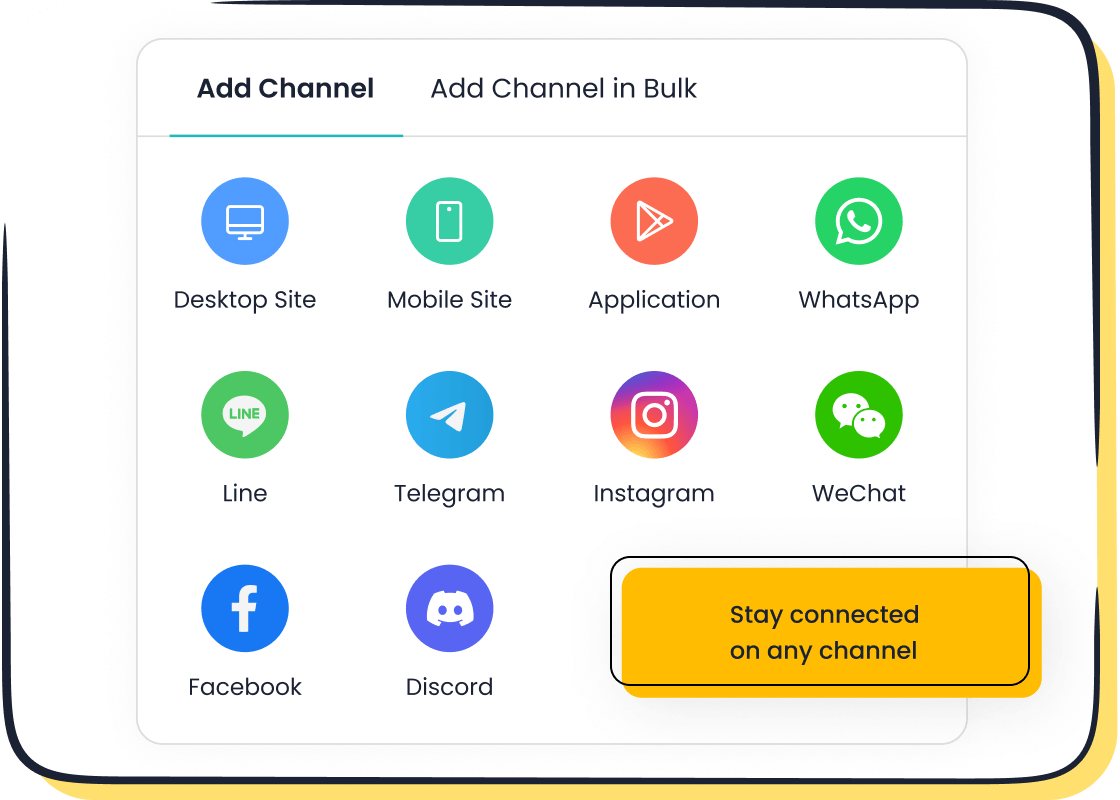
Omnichannel customer service tools centralize all your customer communication channels, like email and chat, into a single view. The core purpose of this omnichannel support is to create the seamless customer experience that 75% of customers now expect. This approach to omnichannel customer service transforms your customer experience by giving your team full context.
Think of it this way: without omnichannel customer service, a customer has to re-introduce themselves on multiple channels. With strong omnichannel customer support from a platform like Sobot, your team provides support as if they're talking to a friend they remember perfectly.
What Is an Omnichannel Experience?
An omnichannel experience puts your customer at the center of your business. It breaks down the walls between your communication channels to create one seamless conversation.
Defining Omnichannel Customer Service
Omnichannel customer service means every part of your support team works together. Your email team, chat agents, and social media managers all access the same customer history. This approach to omnichannel customer support ensures that when a customer contacts you, your agent has the full context of their previous interactions. You provide a consistent and informed customer experience every time. This level of omnichannel customer support builds trust and shows the customer you value their time.
Omnichannel vs. Multichannel Support
Many businesses use a multichannel strategy, but it often falls short. While you offer support on multiple channels, they operate independently. This creates a broken experience. In fact, 73% of companies using a multichannel approach cannot provide a connected customer view.
The difference becomes clear when you look at the strategy behind each one:
- Multichannel Support: Each channel team focuses only on its own goals. The email team watches open rates while the social media team tracks likes. The channels do not work together.
- Omnichannel Support: This strategy maps the complete unified customer journey. It connects touchpoints, like sending an in-store discount to an online shopper, creating a truly integrated experience.
The Goal: A Single, Unified Customer View
The main goal of omnichannel customer support is to create a single, unified view for every customer. Omnichannel customer service tools make this possible. When your support agents have a complete profile, they can deliver truly personalized interactions. This unified data helps you understand what customers want and when they want it.
By using customer data to tailor every conversation, you make customers feel understood and valued. This strengthens brand perception and powers a better omnichannel customer service strategy, turning one-time buyers into loyal fans. This is the power of great omnichannel customer support.
Why You Need an Omnichannel Support Strategy
Adopting an omnichannel strategy is more than a trend; it is a fundamental shift that delivers powerful results for your business. When you build an omnichannel strategy, you create better experiences for both your customers and your support team. This approach to omnichannel customer service directly impacts your bottom line.
Boost Customer Satisfaction and Loyalty
A great omnichannel customer service strategy places the customer at the heart of your operations. It helps you understand the modern, non-linear customer journey. When you connect every touchpoint, you create a seamless experience that meets rising customer expectations. This consistency in omnichannel customer support builds strong relationships. Businesses that master this see a significant boost in customer lifetime value because happy customers become loyal advocates for your brand. This level of omnichannel customer support is key to long-term success.
Increase Agent Efficiency and Productivity
Your support agents want to help customers effectively. An omnichannel support strategy empowers them to do just that. Omnichannel customer service tools provide a unified view of every interaction, which means agents can resolve issues faster. This approach improves first-contact resolution because agents have all the information they need.
- Agents see the complete history across all channels.
- Customers never have to repeat their problems.
- Your team avoids creating duplicate tickets for the same issue.
This streamlined process reduces frustration and allows your team to handle inquiries with greater speed and accuracy. Excellent omnichannel customer service makes your support team more productive.
Make Smarter Decisions with Centralized Data
Centralized customer data is one of the most valuable assets you can have. An effective omnichannel customer service strategy gathers this information in one place. This unified customer data helps you answer critical questions about your audience and their behavior.
You can collect several types of customer data to build a complete picture: Sociodemographic data (age, location), transactional data (purchase history), and interaction data (support contacts, social media engagement).
This rich customer data allows you to personalize every conversation and marketing effort. You can use the insights from customer feedback and behavior to refine your overall business strategy.
Drive Revenue and Increase Conversions
Ultimately, a better customer experience drives business growth. Companies that implement strong strategies for implementing omnichannel engagement see a notable increase in annual revenue. This is because a seamless journey encourages customers to complete their purchases. Offering integrated services and personalized omnichannel customer support can dramatically lift conversion rates. Strong omnichannel customer service turns positive interactions into tangible revenue for your company.
Key Features of Omnichannel Customer Service Tools
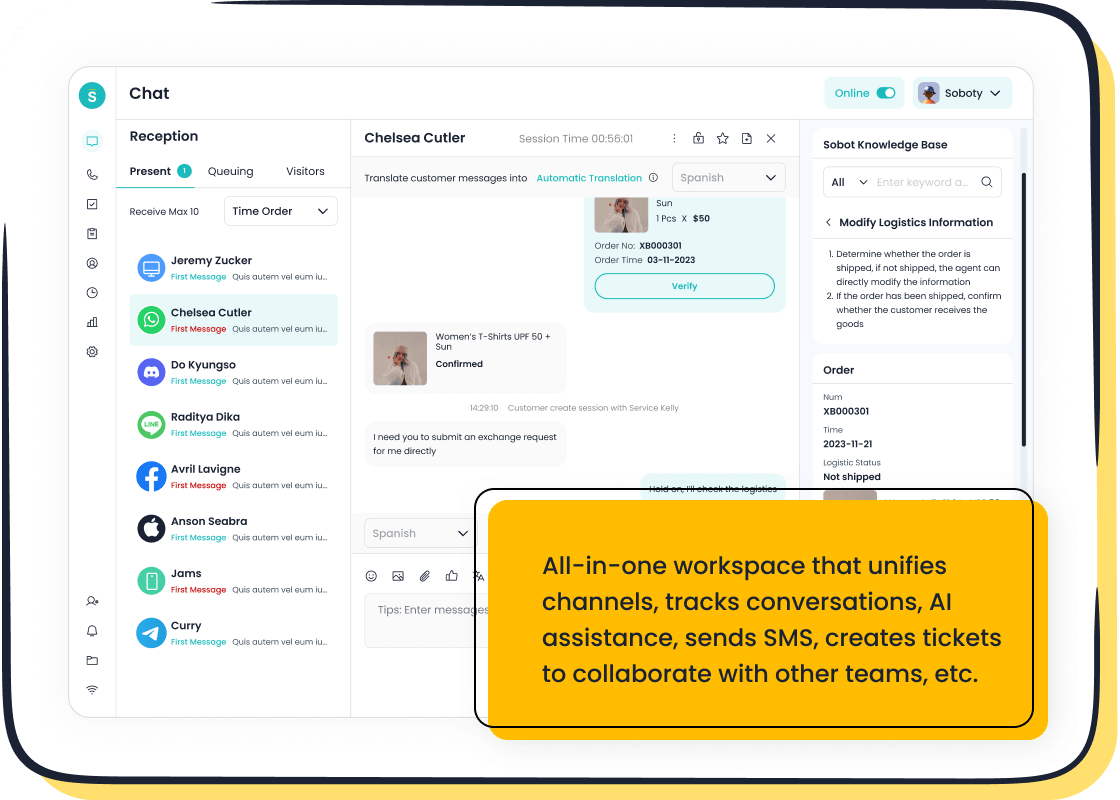
Choosing the right omnichannel customer service tools depends on understanding their core features. These platforms are more than just inboxes; they are powerful engines for building better customer relationships. You should look for tools that unify conversations, integrate with your existing channels, and use smart technology to make your team more effective.
Unified Customer Interaction History
The most fundamental feature of omnichannel customer support is a unified customer view. This means your agents see every interaction a customer has had with your brand, all in one place. When a customer switches from email to live chat, your agent has the full context. They do not need to ask the customer to repeat information.
This unified history eliminates major roadblocks to great service.
- Agents receive a complete history of interactions across all platforms.
- Customers never have to explain their issue again.
- Your team can provide accurate, informed responses much faster.
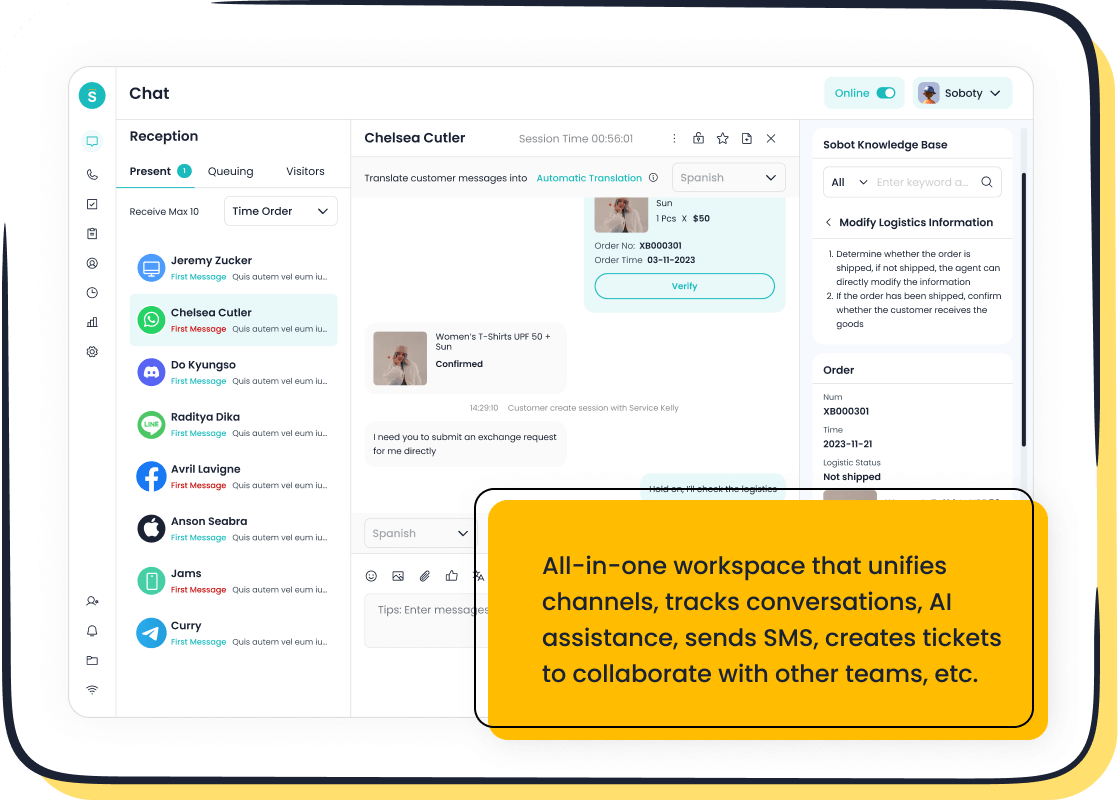
Platforms like Sobot Live Chat create a single, AI-enhanced workspace for your team. This gives agents a 360-degree view of every customer, allowing them to access records and respond to queries with confidence. This approach boosts agent efficiency and empowers them to deliver truly personalized support.
Broad Channel Integration
Your customers want to connect with you on their preferred channels. A strong omnichannel customer service strategy meets them where they are. Your tool must offer broad channel integration to create a truly connected experience. This includes both digital and traditional touchpoints.
Common channels you need to integrate include:
- Digital Channels: Website live chat, mobile apps, email, and social media.
- Traditional Channels: Phone calls and in-store interactions.
A key part of modern omnichannel customer service is supporting popular messaging apps. For example, Sobot is an official WhatsApp Business Solution Provider (BSP). This allows you to use the WhatsApp Business API for engagement and support. This seamless integration extends to other platforms like Facebook, Instagram, and Telegram. This ensures you can manage conversations from your website, call center, and social media in one unified system.
Automation and AI Capabilities
Automation and AI are critical for scaling your omnichannel customer support. These features handle repetitive tasks so your agents can focus on complex issues. AI-powered chatbots are a great example. They offer 24/7 instant support and can resolve many common questions on their own.
AI chatbots use Natural Language Processing (NLP) to understand customer questions, even complex ones. They connect to your knowledge base to provide immediate answers. When an issue requires a human touch, the system intelligently escalates the conversation.
For example, a chatbot can provide order tracking details. If the customer then asks for a refund, the AI recognizes the new intent. It smoothly transfers the chat to a live agent with the full conversation history. This seamless integration between bots and agents is a hallmark of effective omnichannel customer service.
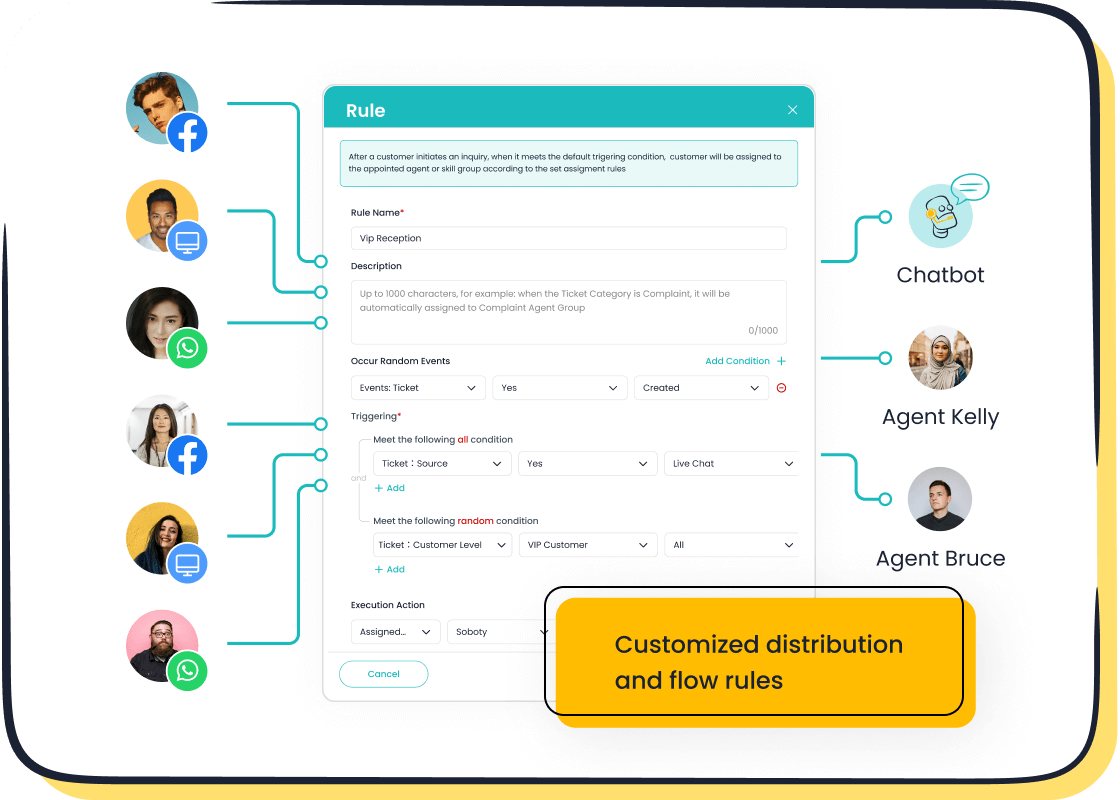
Platforms like Sobot offer a suite of AI tools, including a chatbot, AI Agent, and voicebot. They also use intelligent routing to direct inquiries to the most qualified agent based on skill, availability, or customer history. This ensures every customer gets to the right person quickly. An automated ticketing system can also triage urgent issues, routing them directly to a human for faster resolution.
Robust Reporting and Analytics
You cannot improve what you do not measure. Robust reporting and analytics give you the insights needed to optimize your omnichannel customer service strategy. These tools centralize customer data from all channels, providing a clear view of your team's performance and customer satisfaction.
You can track key performance indicators (KPIs) to understand your impact. Important metrics include:
| Business Objective | Primary KPI |
|---|---|
| Improve Customer Experience | Net Promoter Score (NPS) |
| Increase Customer Loyalty | Customer Lifetime Value (CLV) |
| Streamline Operations | First Contact Resolution (FCR) |
| Enhance Personalization | Conversion Rate (by segment) |
| Boost Team Efficiency | Average Response Time |
By analyzing this customer data, you can identify trends, spot areas for improvement, and make smarter decisions. This data-driven approach helps you refine your support processes and prove the value of your omnichannel customer support efforts.
Third-Party System Integrations
Your omnichannel support platform should not operate in a silo. It needs to connect with the other tools you use to run your business. Seamless integration with third-party systems is essential for creating a truly unified flow of customer data.
Look for omnichannel customer service tools that connect with:
- CRM Systems: Platforms like Salesforce and HubSpot help you manage customer relationships.
- E-commerce Platforms: Integrations with Shopify or other platforms sync order history and customer details.
- Payment & Checkout Tools: Connecting with Stripe or PayPal provides transaction context.
- Inventory & Fulfillment Systems: This gives agents visibility into stock levels and shipping status.
When your support tool integrates with your CRM, your agents see a customer's full purchase history alongside their support tickets. This complete view of customer data allows for highly contextual and effective omnichannel customer support.
Top Omnichannel Platforms for Beginners
Choosing the right platform is a critical step in building your omnichannel customer service strategy. The best tool for you will depend on your budget, team size, and specific goals. Do you need deep e-commerce integration, or is an all-in-one solution for sales, marketing, and support your top priority? Let's explore some of the top omnichannel platforms to help you make an informed decision.
Sobot: For All-in-One Omnichannel Customer Support
Sobot offers a comprehensive, all-in-one solution designed to unify your support, sales, and marketing efforts. It empowers you to manage every customer interaction from a single platform, creating a truly connected experience. This approach aligns perfectly with Sobot's slogan, "Embark on Your Contact Journey," by providing the tools you need to manage the entire customer lifecycle. This makes it an excellent choice for businesses seeking a powerful and integrated system for omnichannel customer support.
A great example of Sobot's impact is its work with Opay, a leading financial services platform. Before Sobot, Opay struggled with fragmented communication channels. After implementing Sobot's omnichannel solution, Opay unified its customer service operations. The results were transformative. Customer satisfaction soared from 60% to 90%, and the company reduced overall costs by 20%. This success story shows how a unified platform for omnichannel customer support can deliver powerful business outcomes.
Best for: Businesses of all sizes looking for a powerful, all-in-one contact center solution that integrates support, sales, and marketing to improve efficiency and customer satisfaction.
Intercom: For Proactive Customer Engagement
Intercom excels at proactive customer engagement. It is more than just a support tool; it is a platform designed to initiate conversations and guide customers through their journey. If your goal is to actively engage website visitors and nurture leads, Intercom provides a robust set of features for customer engagement.
Intercom helps you achieve proactive customer engagement in several ways:
- Nurture Leads: Its conversational sales tools engage visitors in real-time, qualify leads with bots, and even schedule meetings directly within the chat.
- Engage Customers: You can send automated, targeted outbound messages based on user behavior to boost customer engagement and loyalty.
- Onboard New Users: Intercom uses personalized product tours and automated messages to help new customers find value in your product quickly, which is a key part of customer engagement.
However, you should consider its pricing model. Intercom uses a per-seat subscription combined with usage-based charges. For example, the popular Advanced plan costs around US $99 per seat per month, but you also pay for resolutions handled by its AI agent. This "per-seat plus usage-based AI costs" model can become expensive as your team and message volume grow.
Best for: Businesses focused on proactive sales and marketing engagement, with a need for strong lead nurturing and customer onboarding tools.
HubSpot Service Hub: For Native CRM Integration
HubSpot Service Hub is an excellent choice for businesses already using the HubSpot ecosystem. Its greatest strength is its native integration with the HubSpot CRM. This seamless integration creates a single source of truth for all your customer data, which is a cornerstone of effective omnichannel customer service.
HubSpot Service Hub is built directly into the HubSpot CRM. This means every interaction—from sales to marketing to service—is stored in one centralized record. You can track the entire customer journey without switching tools or manually importing data. This unified CRM ensures every team member has the same customer context, leading to faster resolutions and more personalized service.
This deep connection between your support tool and CRM eliminates data silos. Your support team can see a customer's full history, including marketing email engagement and sales conversations, all within the same interface. This context is invaluable for providing high-quality omnichannel customer support. The Professional plan starts at US $100 per seat per month, making it a competitive option for teams that want a fully integrated platform for customer engagement.
Best for: Companies already invested in the HubSpot ecosystem or those prioritizing a native, all-in-one CRM and omnichannel customer service platform.
Gorgias: For Deep E-commerce Integration
Gorgias is a helpdesk built specifically for e-commerce businesses. Its main advantage is its deep, seamless integration with major e-commerce platforms, especially Shopify and Magento. If you run an online store, Gorgias provides tools that connect directly to your backend systems, giving your support agents powerful context to resolve issues quickly.
With Gorgias, agents can see a customer's order history, shipping status, and other e-commerce data right next to their support ticket. This allows them to perform actions like issuing refunds or editing orders without leaving the helpdesk. This level of integration is crucial for providing fast and efficient omnichannel customer support in a retail environment. While it is a powerful tool for e-commerce, its focus is narrower than other omnichannel customer service tools. Businesses outside of e-commerce may find it less suitable for their needs.
Best for: E-commerce brands, particularly those using Shopify or Magento, that need deep integration between their helpdesk and online store for streamlined omnichannel customer support.
Freshdesk: For User-Friendly Scalability
Freshdesk is known for its user-friendly interface and straightforward setup, making it a great starting point for beginner support teams. The platform is intuitive, allowing new agents to get up and running quickly. Features like canned responses empower agents to answer common questions faster, which is a simple but effective way to improve efficiency in omnichannel customer service.
Freshdesk offers scalable plans designed for businesses of all sizes, with pricing that starts at an accessible level. This structure allows you to start small and add more advanced features as your business grows. However, it is important to note that costs can increase significantly as you move to higher tiers or add more functionalities. While it provides a solid foundation for omnichannel customer service and customer engagement, you should carefully evaluate the long-term costs as your needs become more complex. This makes it a flexible option for growing teams looking to build their omnichannel support capabilities.
Best for: Small to medium-sized businesses and startups looking for an easy-to-use, scalable platform to begin their omnichannel customer service journey.
The right omnichannel customer service strategy is essential in today's market. The industry is set to grow by 10.4% annually through 2032, showing its rising importance. Strong omnichannel customer support unifies conversations and empowers your support team. The best strategy for your business depends on your needs. You must evaluate features like automation and integration across your customer service channels. This helps you choose the right tool for your omnichannel customer support. Your choice will define your customer's experience with your omnichannel customer service.
Ready to embark on your contact journey? Start by auditing your current communication channels to identify your biggest pain points and most-used platforms. Then, explore a free trial with a comprehensive solution like Sobot.
FAQ
What is the main benefit of omnichannel customer support?
The main benefit of omnichannel customer support is creating a single, unified view of every customer. This approach to omnichannel customer service allows your support team to provide faster, more personalized help. Great omnichannel customer support boosts satisfaction and builds loyalty for your brand.
How does omnichannel customer service help small businesses?
Omnichannel customer service helps small businesses compete with larger companies. It improves agent efficiency, allowing a small team to handle more inquiries. This level of omnichannel customer support ensures every customer receives a high-quality experience, which helps you grow your business and your support capabilities.
Is it difficult to set up omnichannel customer support?
Setting up omnichannel customer support is easier than you think. Modern platforms are user-friendly and designed for quick implementation. You can start by integrating your most-used channels first. This simple setup improves your omnichannel customer service without a long or complex process.
Can omnichannel customer support improve sales?
Yes, omnichannel customer support can directly improve sales. When your support team has a full customer history, they can identify upselling opportunities. This excellent omnichannel customer service turns a support interaction into a positive sales experience, boosting your revenue and customer satisfaction.
See Also
Your Essential Guide to Omnichannel Call Center Software Solutions
Implementing Omnichannel Contact Centers: A 10-Step Strategic Blueprint
Comparing the Top 10 Live Chat Tools for Shopify and Beyond
Unlocking Shopify Success: Explore 12 Powerful Live Chat Apps
Mastering Shopify Live Chat Support: A 10-Step Implementation Guide

