AI and Chatbots in Multichannel vs Omnichannel Customer Service


Imagine you want a seamless customer experience every time you reach out for help. In multichannel vs omnichannel customer service, AI and chatbots work differently to meet this goal. Multichannel models use separate tools for each channel, so you often see agents switching between platforms. Omnichannel setups require an integrated system with automation and data sharing for smooth support. Technology and investment shape your choice:
- Multichannel strategies use basic tools for each channel and need manual coordination.
- Omnichannel strategies invest in integrated platforms, CRM, automation, and data integration.
Sobot leads in omnichannel customer care, offering chatbot, live chat, AI Agent, call center, voicebot, ticketing system, and a unified contact center.
Multichannel vs Omnichannel Customer Service Overview
What Is Multichannel Customer Service
You interact with companies through many channels, such as email, phone, live chat, chatbots, social media, and even in-person support. A multichannel strategy gives you choices, but each channel works on its own. You might notice that when you switch from chat to phone, you have to repeat your issue. This happens because the channels do not share information. Multichannel customer service focuses on giving you options, but it does not connect your conversations across platforms.
Here are the most common channels you find in a multichannel strategy:
- Phone
- Live Chat
- Chatbots
- Social Media
- Self-service Support
- Forum Support
- Interactive Voice Response
- In-person Support
What Is Omnichannel Customer Service
Omnichannel customer service connects every channel you use. When you reach out, your history and context follow you, no matter which channel you choose. Support teams see your past conversations and can help you faster. Leading customer experience organizations define omnichannel customer service as a strategy that creates connected and consistent interactions. You get a single, unified experience, and agents access all your information in one place. This approach makes your journey smooth and personalized.
Key Differences: Multichannel vs Omnichannel
Let’s compare omnichannel vs multichannel using a table:
| Component | Multichannel Description | Omnichannel Description |
|---|---|---|
| Integration | Channels operate separately without shared information. | All channels are integrated, providing access to the entire interaction history. |
| Consistency of Experience | Inconsistencies may arise as each channel functions independently. | A unified experience is provided, allowing customers to switch channels seamlessly. |
| Customer-Centric Approach | Focuses on offering multiple options without ensuring continuity. | Prioritizes the customer journey, ensuring all touchpoints are connected cohesively. |
You experience fragmented support with multichannel support. Omnichannel support gives you a seamless journey. If you add items to your cart online and visit a store, omnichannel customer service lets staff see your browsing history and help you better. Multichannel customer service cannot do this. Omnichannel vs multichannel matters because customers expect personalized interactions. Research shows that 71% of customers want companies to deliver personalized experiences. Omnichannel strategy meets these expectations, while multichannel strategy may fall short.
Omnichannel support ensures that every channel is interlinked, providing a cohesive experience that acknowledges your history and preferences at every turn. It elevates customer satisfaction and empowers agents to deliver service that feels thoughtful and tailored.
Omnichannel vs multichannel is a key topic in AI and Chatbots in Multichannel vs Omnichannel Customer Service. You need to know how these models affect your experience and satisfaction.
AI and Chatbots in Multichannel vs Omnichannel
AI and Chatbots in Multichannel Customer Service
You see AI and chatbots used in many companies today. In a multichannel customer service setup, each channel works on its own. You might chat with a bot on a website, send an email, or call a hotline. These channels do not share information. You often repeat your question if you switch from chat to phone. This is a common challenge in multichannel support.
AI and chatbots in a multichannel strategy help you in several ways:
- They answer common questions, such as order tracking or store hours.
- They work 24/7, so you get help at any time.
- They handle simple tasks, like booking appointments or resetting passwords.
- They reduce the workload for human agents, who can then focus on complex problems.
- They give you consistent answers on each channel.
You get quick responses, but the experience can feel disconnected. If you start a chat on social media and move to email, the bot may not remember your last conversation. This happens because each channel stores its own data.
Note: Research shows that customers sometimes feel less satisfied with chatbots in multichannel customer service. You may feel that bots are just a way for companies to cut costs. Studies found that satisfaction drops by 8-9% when you talk to a bot instead of a person, even if the service quality is the same.
Here is a table that shows some common limitations of chatbots in multichannel support:
| Limitation | Description |
|---|---|
| Empathy and Trust | Chatbots may not show empathy or build trust as well as humans. |
| Perception as Cost-Cutting | Customers may think bots are used only to save money, not to help them. |
| Industry Gaps | Some industries, like retail, need special features that many bots lack. |
You can see that while AI and chatbots help with speed and consistency, they do not always provide a connected or personal experience in a multichannel strategy.
AI and Chatbots in Omnichannel Customer Care
Omnichannel customer care uses AI and chatbots in a smarter way. All your channels connect in one system. You can start a chat on a website, continue on WhatsApp, and finish on the phone. The bot and agents know your history and needs. This is the main difference in the debate of omnichannel vs multichannel.
AI and chatbots in omnichannel customer service do more than answer questions. They use real-time data and predictive analytics to help you faster and more personally. Here is a table that shows how AI works in omnichannel support:
| Key Component | Description |
|---|---|
| Predictive analytics | AI predicts what you need before you ask, so you get proactive service. |
| Chatbots and virtual agents | Bots answer questions 24/7 and solve problems right away. |
| Real-time data analytics | The system checks data as you interact, so agents can help you better. |
| Personalized communication | You get messages and offers that match your needs on every channel. |
You get a seamless journey with omnichannel customer care. The system remembers your past chats, calls, and emails. You do not need to repeat yourself. Agents and bots work together to give you the best help.
Omnichannel support brings big benefits to both you and the business. Here are some facts:
- Omnichannel customer service boosts satisfaction rates to 67%, compared to only 28% for multichannel support.
- Agents using AI tools handle almost 14% more questions per hour.
- AI-powered chatbots answer routine questions up to 80% faster.
- Companies with strong omnichannel setups keep 89% of their customers, while others lose more.
- Digital tools can cut service costs by up to 35%.
You see that omnichannel vs multichannel is not just about technology. It is about making your experience smooth, personal, and efficient. Omnichannel strategy uses AI to connect every touchpoint, so you always feel understood and valued.
Sobot’s Role in Omnichannel Integration
Sobot leads the way in omnichannel customer care. You get a unified platform that connects all your channels—voice, chat, email, social media, and more. Sobot’s AI and chatbots work together to give you fast, personal, and consistent support.
Here is a table that shows Sobot’s main features for omnichannel integration:
| Feature | Description |
|---|---|
| Multi-Channel Support | You can reach out on social media, email, chat, WhatsApp, and more. |
| Real-Time Messaging | You get instant answers, which makes you happier and more loyal. |
| Analytics Dashboard | Sobot tracks every interaction, so teams can improve service. |
| Customizable Workflow | Businesses set up processes that fit their needs. |
| Integration Capabilities | Sobot connects with tools like Salesforce and Shopify for a full view. |
| User-Friendly Interface | Agents find it easy to use, so they help you faster. |
| Mobile Access | Teams can support you from anywhere, even on mobile devices. |
| Chatbot Functionality | AI bots handle basic questions, so you get help right away. |
Sobot’s platform includes:
- AI-powered chatbot: Answers questions in multiple languages, 24/7.
- AI Agent: Handles complex tasks and learns from each interaction.
- Live chat: Lets you talk to agents in real time, with all your history in one place.
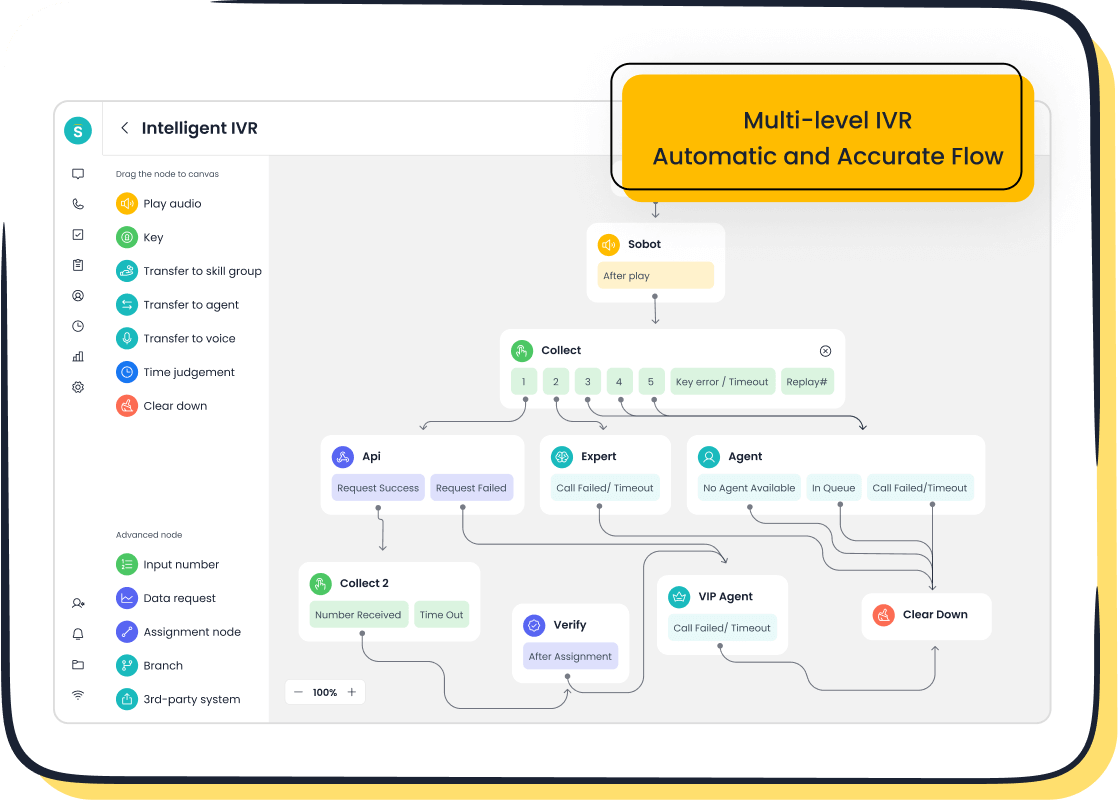
- Call center and voicebot: Routes calls smartly and understands your intent.
- Ticketing system: Turns emails and chats into tickets for easy tracking.
- Unified contact center: Brings all channels and data together for a single view.
You benefit from Sobot’s high system stability (99.99% uptime) and global reach. Sobot supports over 10,000 brands, including Samsung, Opay, and Luckin Coffee. Companies using Sobot see higher customer satisfaction, lower costs, and better agent productivity. For example, Opay improved its customer satisfaction from 60% to 90% and cut costs by 20% after switching to Sobot’s omnichannel solution (source).
Sobot stands out in the AI and Chatbots in Multichannel vs Omnichannel Customer Service debate. You get a platform built for omnichannel success. Sobot’s tools help you deliver a seamless, personalized experience across every channel. This is the future of customer care.
Technology and Investment for Omnichannel vs Multichannel
Technology Needs for Multichannel Service
When you set up multichannel support, you need to manage each channel separately. You might use email, chat, phone, and social media, but these channels do not always connect. You must train your team to use different tools. You also need to handle large amounts of data from each channel. A Customer Engagement Hub can help you bring all interactions together, making it easier to keep track of conversations and analytics. However, you may still face challenges like integration issues, data silos, and security risks. The table below shows common problems in a multichannel strategy:
| Challenge | Description |
|---|---|
| Integration Issues | Legacy systems and data silos slow down AI adoption. |
| Scalability Problems | 70% of companies face delays averaging 7 months when scaling AI. |
| Consistency Gaps | 65% of organizations struggle to maintain uniform AI performance across channels. |
| Security Risks | Data breaches cost companies $4.35M on average. |
Choosing the right helpdesk software can help you organize tickets and solve problems faster. Still, you need to invest in staff training and data management to keep your service consistent.
Omnichannel Customer Service Technology with Sobot
Omnichannel customer service uses advanced technology to connect every channel. You get a unified platform that brings together voice, chat, email, and social media. Sobot’s omnichannel solution gives you AI-powered tools for 24/7 support, cloud-based integration, and real-time data exchange. You can use CRM software, marketing automation, and contact center solutions all in one place. Sobot helps you follow data governance rules and keeps your customer data safe. You can support customers on WhatsApp, Facebook, and other channels without switching systems. This makes omnichannel support smooth and efficient.
As the market for AI in customer service grows, you need to invest in these tools to stay ahead. Sobot’s platform lets you scale your service and meet customer needs as they change. You can read more about Sobot’s omnichannel solution here.
Investment, Costs, and Scalability
You may find that omnichannel vs multichannel customer service requires different investments. Omnichannel support needs a higher upfront investment in technology and training. Over time, you save money because your service is more efficient and your customers are happier. Multichannel support costs less at first, but hidden costs can add up due to inefficiencies. Omnichannel strategy gives you better long-term value and helps you grow your business. Sobot’s cloud platform makes it easy to scale as your needs change, supporting omnichannel success for companies of all sizes.
Tip: Investing in omnichannel customer service with Sobot helps you deliver a seamless experience, improve customer loyalty, and reduce costs in the long run.
Customer Experience and Business Outcomes
Impact on Customer Satisfaction
You want every interaction with customer service to feel smooth and personal. Omnichannel customer service delivers a higher satisfaction rate than multichannel support. When you compare multichannel vs omnichannel customer service, you see a clear difference in how happy customers feel.
| Approach | Customer Satisfaction Score (CSAT) |
|---|---|
| Omnichannel | 67% |
| Multichannel | 28% |
Omnichannel support lets you switch between channels without repeating your story. You get personalized responses because the system shares your data across every touchpoint. Faster resolutions happen when agents and chatbots access your information in real time. These features create a consistency of experience that builds trust and improved customer retention.
Metrics like CSAT, Net Promoter Score, and Customer Effort Score show how well AI and chatbots work in customer service. You see higher scores when companies use an omnichannel strategy. Chatbots satisfy customers up to 80% of the time, and 58% of support leaders report better CSAT scores with AI and automation.
Efficiency and Data Management
You notice that omnichannel strategy makes your service more efficient. Omnichannel service collects all your interactions and data in one place. This unified view helps agents understand your preferences and behaviors. Multichannel strategy keeps data in silos, which leads to scattered information and slower service.
Omnichannel service allows teams to access your history quickly. This eliminates downtime and helps departments work together. You get faster answers and more personalized help. Multichannel support often frustrates you when you do not receive personalized interactions. In fact, 76% of consumers feel frustrated when companies miss this mark.
Imagine checking out online and finding that the store inventory does not match what you saw. This happens when data is not integrated.
A McKinsey survey found that 67% of businesses struggle to gather and use customer data for personalization. Omnichannel success depends on solving these challenges.
Case Study: Opay and Sobot Omnichannel Solution
Opay’s story shows the power of omnichannel strategy. Opay partnered with Sobot to unify its customer service across social media, email, and voice channels. Sobot’s platform helped Opay manage inquiries, automate responses, and provide self-service options.
| Metric | Outcome |
|---|---|
| Customer Satisfaction | Jumped from 60% to 90% |
| Operational Costs | Dropped by 20% |
| Conversion Rates | Increased by 17% |
| Independent Issue Resolution | 60% of issues resolved independently |
You see that Opay improved customer retention and satisfaction. Response times dropped by three hours, and productivity increased by 35%. Sobot’s omnichannel solution gave Opay a unified workspace, smart IVR, and AI-powered chatbots. These tools helped Opay deliver a seamless customer experience and achieve omnichannel success.
Choosing the Right Approach for Your Business
Assessing Needs and Goals
You need to look at your resources, goals, and customer expectations before choosing a customer service model. Some businesses have limited resources and may start with multichannel support. Others want to invest in a seamless experience and choose an omnichannel strategy. The table below helps you compare both options:
| Criteria | Multichannel Approach | Omnichannel Approach |
|---|---|---|
| Resource Availability | Limited resources may favor this approach | Requires significant investment and resources |
| Customer Experience Focus | Can include personalization elements | Aims for a seamless, integrated experience |
| Integration Across Channels | Less emphasis on integration | High emphasis on integration across all channels |
You should match your choice to your business size, customer needs, and growth plans.
Key Considerations for Decision-Makers
When you decide between multichannel vs omnichannel customer service, you need to think about what matters most to your customers. Many buyers value relationships and trust. They want timely support and are willing to pay more for a better experience. You should consider these factors:
- Build strong relationships with your customers.
- Provide fast and reliable support.
- Offer personalized service, live chat, and self-service options.
- Assign dedicated account managers for high-value clients.
You can improve satisfaction and loyalty by focusing on these areas.
Sobot Recommendations for Omnichannel Success
Sobot recommends best practices to help you succeed with omnichannel customer service. You can use AI-driven chatbots for automated support and personalized marketing. A unified customer data platform gives you a single view of each customer. Channel-agnostic journey maps help you deliver consistent experiences everywhere. The table below shows these practices:
| Best Practice | Description |
|---|---|
| Automated customer support | Use AI chatbots for personalized marketing and support to boost retention. |
| Unified customer data platforms | Create a single view of customers for seamless experiences across all channels. |
| Channel-agnostic customer journey maps | Develop maps for consistent and personalized experiences on every channel. |
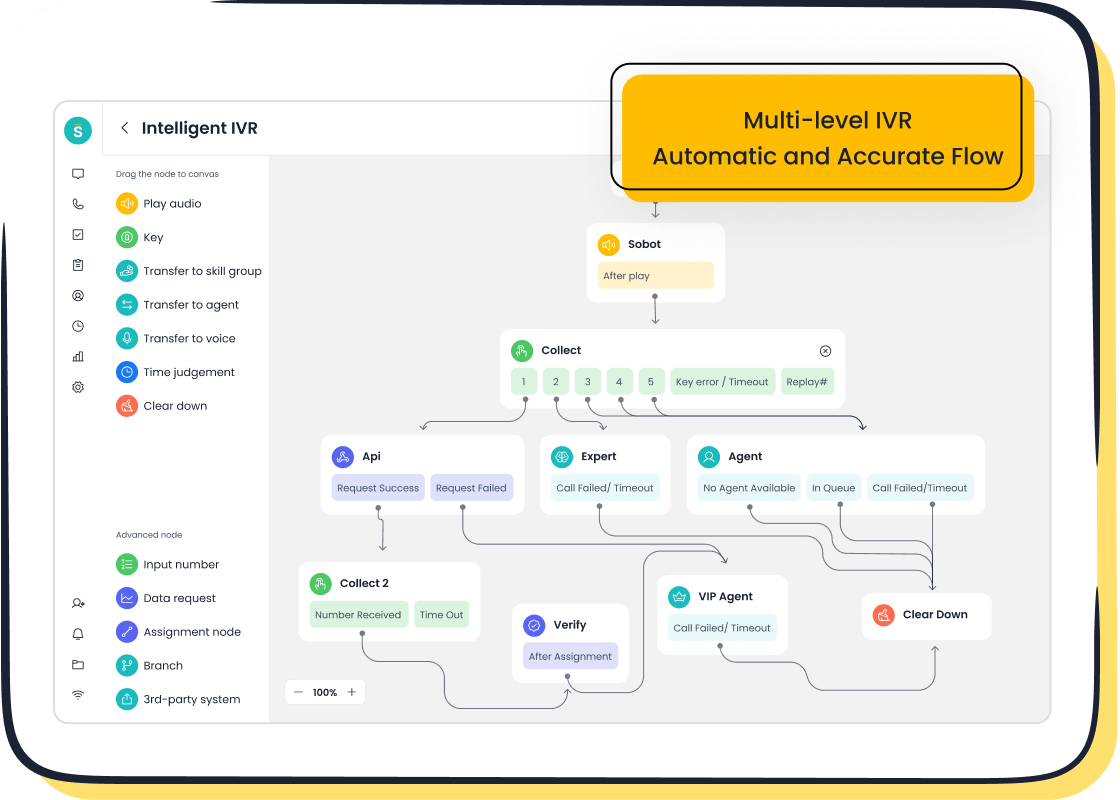
Sobot’s platform brings these ideas to life. You get tools like AI chatbots, live chat, a unified workspace, and smart routing. You can learn more about Sobot’s solutions at sobot.io.
You see clear differences in multichannel vs omnichannel customer service. Omnichannel customer service connects every channel, so you never repeat your story. Multichannel support gives you options but keeps data separate. Omnichannel vs multichannel matters when you want seamless help. For your business, start with these steps:
- Omnichannel support shares data and boosts satisfaction.
- Multichannel support works fast for new companies.
- Assess your needs, resources, and goals before choosing.
Think about growth, costs, and what your customers expect.
FAQ
What is the main difference between AI and chatbots in multichannel vs omnichannel customer service?
You see AI and chatbots work separately in multichannel support. Each channel stands alone. In omnichannel customer service, AI and chatbots connect every channel. You get a seamless experience. Your data and history follow you everywhere.
How does Sobot improve AI and chatbots in omnichannel customer service?
Sobot unifies your channels. You use AI and chatbots that share information across chat, voice, email, and social media. This integration helps you get faster, more personal support. Sobot’s platform increases efficiency and customer satisfaction.
Why does omnichannel customer service lead to higher satisfaction?
You do not repeat your story. AI and chatbots in omnichannel setups remember your past interactions. You get quick, personalized help. Studies show omnichannel customer service boosts satisfaction rates to 67%, much higher than multichannel support.
Can small businesses use AI and chatbots in multichannel vs omnichannel customer service?
Yes. You can start with multichannel support if you have fewer resources. As you grow, you can switch to omnichannel customer service. Sobot’s solutions scale with your business, making it easy to upgrade when you need more integration.
How do AI and chatbots in multichannel vs omnichannel customer service affect business outcomes?
You see better results with omnichannel customer service. AI and chatbots help you reduce costs, increase efficiency, and improve customer loyalty. Companies using omnichannel strategies keep more customers and see higher conversion rates.
See Also
Navigating the World of Omnichannel Call Center Solutions
Enhancing E-commerce Customer Experience with Chatbots
A Comprehensive Guide to Deploying Omnichannel Contact Centers

