LEAST Method Guide for Fewer Customer Issues


Poor customer service causes 66% of consumers to leave a company. You can prevent this with the LEAST method. It is a powerful five-step framework for customer service professionals. This method helps you find effective solutions. The framework includes these steps:
- Listen
- Empathize
- Apologize
- Solve
- Thank
Using these steps helps you achieve nearly 90% customer satisfaction on the first contact. This process creates a positive customer experience and builds customer loyalty. Powerful customer service solutions from Sobot support this framework, leading to less customer problems and a better overall customer experience.
Step 1: L - Listen Actively

The first step of the LEAST method is the most important. You must listen to the customer. Active listening is more than just staying quiet while the customer talks. It means you fully concentrate on what they say. You need to understand their problem and their feelings. This focus is the foundation for providing excellent customer service.
How to Practice Active Listening
You can improve your listening skills with practice. Research shows that listening to a customer's full story before you apologize makes them feel valued. This simple change can improve customer satisfaction. When a customer contacts you, use these techniques to show you are engaged:
- Give your full attention. Stop any other tasks. Turn off notifications and focus only on the customer's words, tone, and emotional cues.
- Do not interrupt. Let the customer finish their thoughts completely. Interrupting can make them feel rushed or unimportant.
- Take notes. Write down key facts, names, dates, and the specific issue. This helps you remember details and shows the customer you are taking their problem seriously.
- Listen to understand, not just to reply. Your goal is to grasp the entire situation before you think about solutions.
Key Active Listening Phrases
Using the right words shows you are paying attention. These phrases help you confirm information and build a better customer experience. They prove you are an active partner in solving the problem.
Try using these phrases in your next conversation:
- "Tell me more about what happened."
- "So, if I'm understanding correctly, you're saying that..."
- "I understand how frustrating that must be."
- "Thank you for bringing this to our attention."
These statements open the door for clear communication. They help you gather the facts needed to find effective solutions. Good listening is the first step toward turning a negative customer experience into a positive one and is a vital skill in customer service.
Step 2: E - Empathize Sincerely

After listening, you must show the customer you understand their feelings. Empathy is the ability to connect with another person's emotional state. In customer service, genuine empathy reduces frustration. It can turn a negative interaction into a positive, brand-building opportunity. When customers feel understood, they are more likely to trust you and accept your proposed solutions. This step is crucial for a better customer experience.
How to Show Genuine Empathy
Genuine empathy is more than just saying "I understand." You need to show it through your actions and words. This builds an emotional connection that fosters loyalty. Emotionally engaged customers are three times more likely to recommend a product.
You can practice showing genuine empathy with these techniques:
- Acknowledge their feelings. Recognize the customer's emotional state. You can say, "I can see how this situation would be disappointing." This validates their feelings and makes them feel heard.
- Match your tone. Pay attention to the customer's tone and pace of voice. A calm and respectful tone helps de-escalate tension, especially when the customer is upset.
- Paraphrase their concerns. Repeat the issue in your own words. This confirms you understand the problem correctly and shows you were paying attention.
When you show empathy, it creates a positive feedback loop. The customer feels heard and becomes more cooperative. This simple act improves the overall customer experience and makes finding effective solutions much easier.
Phrases for Expressing Empathy
Using the right phrases makes your empathy feel authentic. Avoid robotic or scripted replies. Your goal is to build rapport and show you care. Good phrases validate the customer's feelings and frame the conversation positively. This is a key part of excellent customer service.
Empathetic Phrases to Use:
- "That sounds very frustrating."
- "I can imagine how disappointing this must be for you."
- "Your concerns are completely valid, and I would feel the same in your situation."
- "Thank you for bringing this to our attention. We’re going to take care of this for you."
Phrases to Avoid:
- "Calm down."
- "That’s not my job."
- "There’s nothing I can do."
- "As I already explained..."
These negative phrases can make a customer feel dismissed. They damage trust and escalate the problem. Always choose words that show respect and a commitment to helping.
Step 3: A - Apologize Genuinely
After you listen and empathize, the next step is to apologize. A sincere apology shows you take responsibility for the issue. It is a critical moment in customer service that can rebuild trust. Research shows that a public apology, like one from a CEO on social media, can restore customer loyalty after a service failure. Your apology validates the customer's feelings and sets the stage for effective solutions.
How to Deliver an Effective Apology
A good apology is more than just saying the words "I'm sorry." It must be genuine and clear. You should avoid making excuses or blaming others, as this makes an apology feel empty. An insincere apology can worsen the customer experience.
To make your apology count, follow these steps:
- Take full responsibility. Clearly state that a mistake was made. Use phrases like, "We made an error," to show accountability.
- Be specific and sincere. Acknowledge the exact problem the customer faced. A vague apology feels robotic. Your goal is to show you understand the impact of the mistake.
- Keep it action-oriented. Explain what you will do to fix the problem. This shows your commitment to improving the customer experience and providing real solutions.
Important Tip: Never blame the customer for the problem. Even if a technical issue was involved, it is your company's responsibility to ensure a smooth process. Owning the mistake is a key part of excellent customer service.
Example Apology Statements
The right words can turn a negative situation around. Your apology should be direct, empathetic, and focused on resolution. Avoid phrases that sound like you are defending your actions or justifying the mistake.
For a product that arrived damaged:
"I am so sorry that your item arrived damaged. That is not the quality we aim to provide, and I understand your disappointment. I am processing a replacement for you right now, which will ship out today."
"Please accept my sincere apologies for the delay you've experienced. We failed to meet your expectations, and I am truly sorry for the frustration this has caused. Let's work together to find a solution immediately."
These statements show ownership and a clear path forward. They help you regain the customer's trust and continue providing great customer service.
Step 4: S - Apply Effective Problem-Solving Skills
You have listened, empathized, and apologized. Now it is time to solve the problem. This step turns a customer's complaint into a positive outcome. Your effective problem-solving skills show the customer you are capable and trustworthy. Resolving issues on the first contact is crucial. When issues are not solved on the first try, company costs go up and customer satisfaction drops. A good problem-solving process is key to excellent customer service.
How to Propose a Solution
Before you offer solutions, you must fully understand the customer's goal. Rushing to a solution can lead to more mistakes. Start by asking clarifying questions to confirm the details. This ensures your proposed solutions will actually help.
Ask questions like:
- "Can you help me understand what a successful outcome looks like for you?"
- "To make sure I have it right, you need help with [restate the issue]?"
- "What is the most important part of this issue for you to resolve?"
Once you understand the need, present one or two clear options. Explain how each option solves their problem. Then, ask for their agreement. You can say, "Would you like me to proceed with that solution for you?" This collaborative approach makes the customer part of the problem-solving process and builds their confidence in the outcome.
Developing Your Problem-Solving Skills with Sobot
Great tools can significantly boost your problem-solving skills. Technology empowers you to find the right answers quickly, which improves the customer experience. Effective problem-solving relies on having the right information at the right time.
Sobot’s suite of products provides a complete toolkit for customer service.
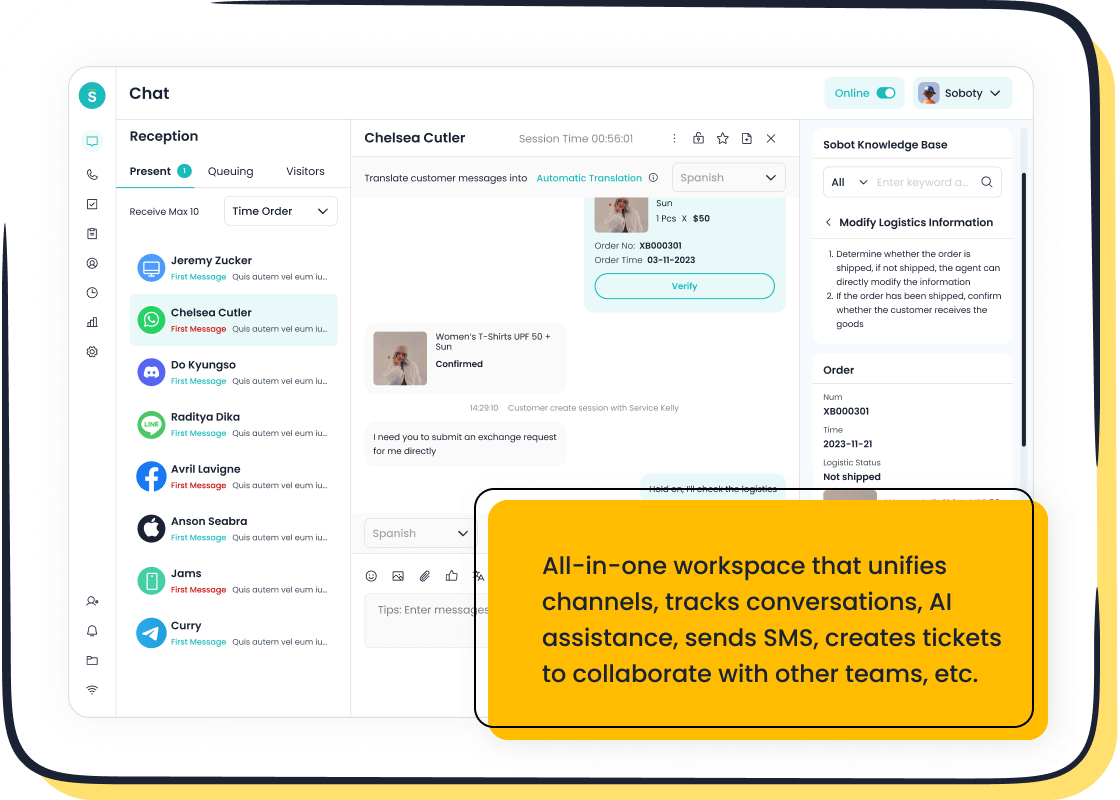
- Sobot Live Chat offers a unified workspace. It brings together messages from all channels and customer data into one view. You get a complete customer history, so you don't need to ask repetitive questions.
- Chatbots and AI Agents can handle simple, common questions. This frees you up to focus your problem-solving skills on more complex issues.
- The Ticketing System helps your team collaborate on difficult problems, ensuring nothing gets lost.
- The Voice Call Center integrates phone support into the same system, creating a true omnichannel problem-solving process.
Using these tools helps you deliver fast and accurate solutions. This makes your job easier and creates a much better customer experience.
Why the LEAST Method is Crucial for Customer Service
The LEAST method is more than a de-escalation tactic. It is a proactive framework for excellent customer service. Using this method consistently helps you build stronger relationships with customers. It transforms your customer service from a reactive function to a strategic asset. This approach leads to less customer problems and a better business reputation.
Creating Fewer Customer Problems
A structured approach to customer service directly reduces negative interactions. Training in de-escalation methods can decrease aggressive incidents by over 70%. When you listen and solve problems effectively, you prevent small issues from becoming large ones. This creates a cycle of positive customer service.
Proactive problem-solving is key to having less customer problems. You shift your focus from fighting fires to preventing them. This strategy helps you achieve:
- Improved Customer Loyalty: You build trust by anticipating and fixing issues before they affect the customer.
- Operational Efficiency: You save time and resources by addressing root causes, not just symptoms. For example, Greyhound improved its customer service by analyzing feedback to fix scheduling issues, preventing future complaints.
By understanding why problems happen, you can implement better solutions. This focus on prevention is essential for long-term success and leads to less customer problems. It allows your customer service team to focus on growth and improvement.
Improving the Customer Experience
A great customer experience is your most valuable asset. How you handle complaints is a critical part of that experience. When you resolve an issue well, you do more than just fix a mistake. You show the customer you care. This commitment can turn an angry person into a lifelong brand advocate.
Effective complaint management is vital for customer service success. It offers a chance to learn and improve.
- Positive resolutions are powerful. Studies show that 70% of unhappy customers will do business with you again if you solve their problem effectively. This directly impacts customer retention.
- Each complaint provides valuable insight into the customer experience. You can use this feedback to improve your products and services, which boosts customer satisfaction.
Good customer service builds trust and enhances customer retention. By handling issues with care, you improve customer satisfaction and strengthen your company's reputation for excellent customer service. This process provides the best solutions for both the customer and your business.
Step 5: T - Thank the Customer
The final step of the LEAST method is to thank the customer. This simple act is powerful. It closes the loop on a negative interaction and ends the conversation on a positive note. A sincere thank you shows you value the customer's time and their business. It solidifies a positive impression and reinforces their decision to trust your company. This final step is essential for excellent customer service.
The Importance of Thanking
Thanking the customer does more than just show politeness. It transforms a complaint into a constructive moment. You reframe the issue as valuable customer feedback, not a conflict. This simple gesture builds goodwill and proves you are invested in getting things right. It shows you listen, care, and are reliable when problems arise.
This process turns a negative event into a loyalty-building opportunity. When you handle issues well, you improve customer satisfaction and strengthen your business.
- You turn an unhappy customer into a potential advocate.
- You receive valuable insights to improve your products and services.
- You demonstrate a commitment to a superior customer experience.
The business impact is significant. For example, after improving its service process with Sobot's solutions, our client OPPO achieved a 94% positive feedback rate and saw a 57% increase in repurchases. This shows how effective problem resolution directly drives loyalty and revenue.
Phrases for a Positive Closing
Your closing words leave a lasting impression. Use phrases that express genuine gratitude and reinforce the positive outcome. This final part of your customer service interaction confirms that you have provided a complete solution.
Try these phrases to end your conversation on a high note:
- "Thank you for your patience as we worked through this. We appreciate your business."
- "Your feedback is invaluable and helps us improve. Thank you for bringing this to our attention."
- "We’re so glad we could resolve this for you. If there’s anything more we can do, we’re just a message away!"
- "Thank you for taking the time to share your experience. We look forward to serving you again soon!"
These statements show respect and appreciation. They complete the LEAST method by ensuring the customer feels valued from start to finish.
You can master customer service with the LEAST method. The cycle of Listening, Empathizing, Apologizing, Solving, and Thanking provides a clear path to resolution. Consistent use of this framework, powered by Sobot's Omnichannel Solution, builds trust and creates less customer problems. This approach improves your customer experience and delivers effective solutions. Excellent customer service starts with a solid plan.
Ready to improve your customer service? Start using the LEAST method today. Request a demo of Sobot Live Chat to see how our tools can empower your team.
FAQ
How do you use the LEAST method if the customer is wrong?
You should still follow the steps. Listen to their perspective completely. Empathize with their frustration, not their incorrect facts. You can apologize for the confusion. Then, you can gently correct the information while solving the real issue.
Can you use this method for email and chat support?
Yes, the LEAST method works for all communication channels. You can show you are listening by summarizing their points. You can use empathetic phrases. A clear apology and solution work well in writing. This creates great customer service.
What is the most important step in the LEAST method?
Listening is the most important step. It builds the foundation for the entire process. You cannot solve a problem you do not understand. Active listening shows respect. It helps you gather the information needed for a successful resolution.
See Also
Achieve Greater Customer Delight: Ten Live Chat Satisfaction Strategies
Essential Principles: A Comprehensive Guide to Call Center QMS
Become a Live Chat Expert: Elevating Your Customer Support Game
Optimize Your Team: A Guide to Effective Live Chat Agent Management
Excellence in Service: Top Quality Management Practices for Call Centers

