Learn How Intelligent Learning Tools Boost Engagement

Intelligent learning tools are reshaping education by making it more engaging and effective for students. These tools, powered by technologies like AI and data analytics, adapt to individual needs, ensuring better outcomes. For instance, nearly 54% of students report higher engagement when using AI-driven platforms, while personalized learning improves retention rates by up to 30%. Tools like Sobot Live Chat enhance this transformation by fostering tailored learning experiences through real-time interaction and support.
With advancements in AI, experts foresee a future where education becomes even more accessible and personalized. Will these tools redefine how students learn and educators teach? The possibilities seem endless.
What Are Intelligent Learning Tools?
Definition and Key Features
What makes a learning tool "intelligent"?
Intelligent learning tools use advanced technologies to adapt and respond to individual learning needs. These tools analyze data to provide a personalized experience, making education more effective. For example, AI in education enables platforms to adjust content difficulty based on your performance. This ensures that you receive the right level of challenge to stay engaged and motivated.
The hallmark of intelligent tools lies in their ability to learn and improve over time. They use algorithms to predict potential challenges and offer proactive solutions. This dynamic approach transforms traditional education into a more interactive and tailored experience.
Technologies driving intelligent tools (AI, machine learning, data analytics)
Artificial intelligence, machine learning, and data analytics form the backbone of intelligent learning tools. AI-driven learning systems analyze your progress in real-time, offering immediate feedback and adjustments. Machine learning enables these tools to evolve, becoming more accurate in understanding your needs. Data analytics provides insights into learning patterns, helping educators refine their strategies.
For instance, AI tools like adaptive learning platforms use predictive analytics to identify areas where you might struggle. This allows for timely interventions, ensuring you stay on track.
Examples of Intelligent Learning Tools
Adaptive learning platforms
Adaptive learning platforms adjust their content to match your learning pace and style. These platforms use AI to analyze your strengths and weaknesses, delivering customized lessons. This approach not only boosts engagement but also improves retention.
AI-powered tutoring systems
AI-powered tutoring systems offer one-on-one support, simulating the experience of having a personal tutor. These systems provide instant answers to your questions and guide you through complex topics. Their intuitive design enhances your learning experience.
Gamified learning applications
Gamified learning applications make education fun by incorporating game elements like rewards and challenges. These tools sustain your interest and encourage active participation. For example, language learning apps like Duolingo use gamification to keep you motivated.
Sobot Live Chat as a Learning Tool
How Sobot Live Chat supports personalized learning
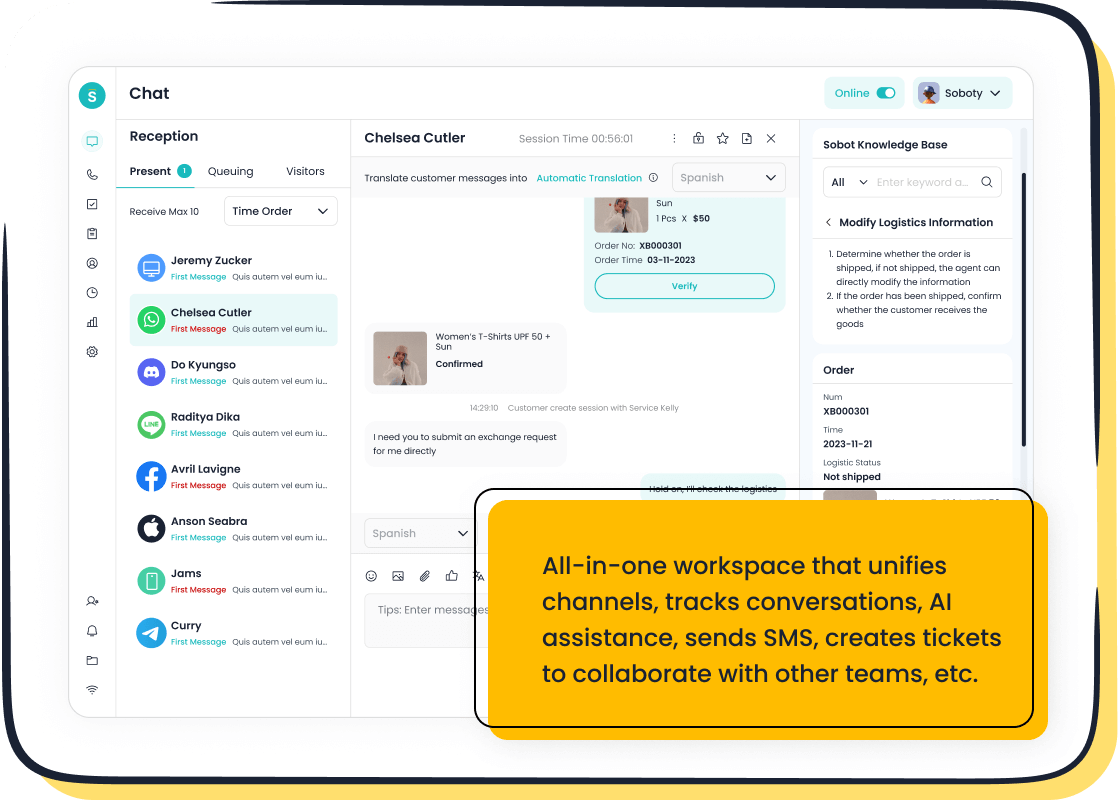
Sobot Live Chat enhances personalized learning by offering real-time interaction and support. Its AI-driven features allow educators to address your queries instantly, creating a seamless learning experience. The platform’s ability to integrate with various systems ensures that all your learning data is connected, making it easier to track progress.
Features that enhance student engagement
Sobot Live Chat includes features like omnichannel support and AI-assisted tools, which make learning more interactive. Its built-in analytics provide insights into your performance, helping educators tailor their approach. Additionally, the platform’s auto-translation feature ensures accessibility for students from diverse linguistic backgrounds.
How Intelligent Learning Tools Improve Student Engagement
Personalization of Learning
Tailored content delivery for individual needs
Intelligent learning tools excel at delivering tailored learning experiences. These tools analyze your strengths, weaknesses, and preferences to create content that matches your unique needs. For instance, AI-powered personalization ensures that you receive lessons at the right difficulty level, keeping you engaged without feeling overwhelmed. Platforms like adaptive learning systems use this approach to help you focus on areas that need improvement while reinforcing your strengths. This level of personalization not only boosts your confidence but also enhances your overall learning experience.
Adaptive assessments and real-time feedback
Adaptive assessments adjust their difficulty based on your performance, ensuring a fair evaluation of your skills. These tools provide real-time feedback, allowing you to understand your mistakes immediately and correct them. For example, Sobot Live Chat can integrate with educational platforms to offer personalized feedback during assessments. This instant response system keeps you motivated and helps you stay on track with your learning goals.
Interactive and Gamified Experiences
Gamification elements to sustain interest
Gamification transforms learning into an engaging activity by incorporating game-like features such as rewards, challenges, and leaderboards. Research shows that gamified learning experiences can significantly improve student engagement. For example, a study involving first-year programming students found that gamification enhanced skills and learning outcomes, although its effectiveness varied based on individual traits. By making learning fun, gamification sustains your interest and encourages active participation.
| Findings | Description |
|---|---|
| Positive Impact | Gamification enhances engagement, improving skills and learning outcomes. |
| Variability | Effectiveness depends on students' personality traits. |
| Experiment Details | Conducted over four months with 40 students in gamified environments. |
| Conclusion | Gamification's impact is nuanced, influenced by individual characteristics. |
Tools that create immersive learning environments
Interactive tools like virtual simulations and multiplayer features create immersive learning environments. These tools allow you to collaborate with peers, share screens, and engage in real-time discussions. Features like these improve interaction quality and make learning more dynamic. Sobot Live Chat, for instance, supports such interactions by enabling seamless communication across multiple channels, ensuring you never miss an opportunity to engage.
Emotional Recognition and Support
AI tools that detect and respond to student emotions
AI tools can now recognize your emotions through facial expressions, voice tone, or typing patterns. These tools adapt their responses to match your emotional state, offering encouragement when you're frustrated or additional challenges when you're confident. This emotional recognition improves student engagement by addressing your needs in real time.
Encouraging proactive learning habits
By understanding your emotional and learning patterns, intelligent tools encourage proactive habits. For example, they can send reminders to complete tasks or suggest resources to explore further. This approach fosters a sense of responsibility and keeps you motivated to achieve your goals.
Intelligent learning tools, like Sobot Live Chat, combine personalization, gamification, and emotional recognition to create engaging and effective learning experiences. These tools not only improve student engagement but also make education more accessible and enjoyable.
Key Benefits of Intelligent Learning Tools
For Students
Improved academic performance and retention
Intelligent learning tools significantly enhance your academic performance and retention. These tools adapt to your learning pace, ensuring you grasp concepts thoroughly before moving forward. Features like real-time interaction and personalized recommendations improve your engagement and satisfaction. Research shows that the information quality of these tools scores highly, with an average of M = 4.01, reflecting their effectiveness. Additionally, satisfaction with these tools strongly influences your intention to use them, with a score of M = 3.80. By tailoring content to your needs, these tools help you retain knowledge more effectively, leading to better learning outcomes.
Development of critical thinking and problem-solving skills
AI tools play a pivotal role in developing your critical thinking and problem-solving abilities. They shift your focus from merely retrieving information to analyzing and processing it. For example:
- AI encourages you to organize thoughts and anticipate counter-arguments, fostering critical thinking.
- Generative AI helps you explore alternative perspectives and synthesize information.
- Iterative thinking is promoted, allowing you to refine your reasoning continuously.
By engaging with AI-generated content, you learn to curate and edit information, which enhances creativity and problem-solving skills.
For Educators
Reduced workload through automation
Intelligent tools streamline your educators' tasks, saving valuable time. A study highlights how these tools reduce weekly workloads:
| Task | Time Before (hours) | Time After (hours) | Time Saved (hours) |
|---|---|---|---|
| Lesson Preparation | 11 | 6 | 5 |
| Weekly Grading | 6 | 3 | 3 |
| Administrative Work | 2 | 0 | 2 |
| Total Weekly Savings | 50 | 37 | 13 |
This efficiency allows educators to focus more on delivering personalized instruction.
Enhanced ability to focus on personalized instruction
AI-powered platforms like Khan Academy analyze your performance data to customize exercises that match your learning pace. This approach ensures you receive the right level of challenge, improving engagement and learning outcomes. Educators benefit from automated administrative tasks and data-driven insights, enabling them to provide tailored support for your unique needs.
Bridging Learning Gaps
Support for diverse learning styles and needs
Intelligent tools cater to your unique learning style by adjusting content and delivery methods. For example, they provide custom notifications to guide you in mastering competencies and offer one-on-one sessions to address challenges. These tools also simplify complex materials, ensuring you understand the content effectively. By enrolling you in study groups or micro-classes, they create opportunities for targeted learning and collaboration.
Accessibility for students with disabilities
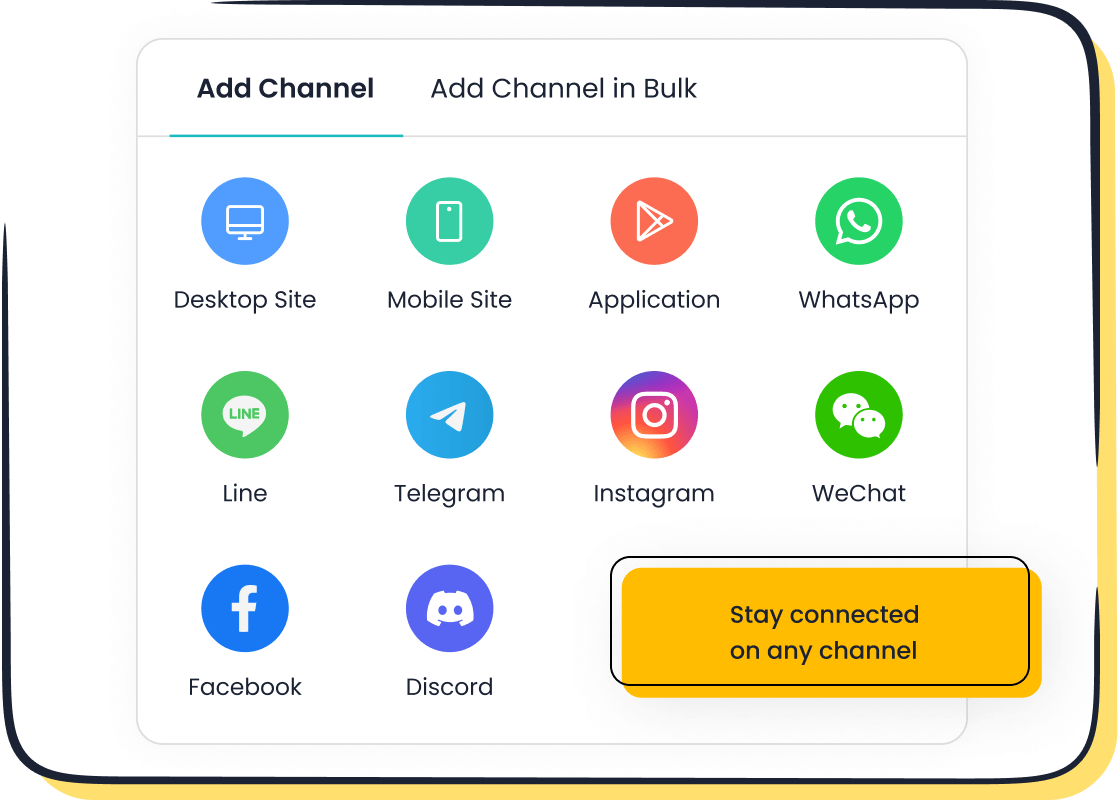
AI tools ensure education is accessible to everyone, including students with disabilities. Features like auto-translation and text-to-speech make learning materials more inclusive. Sobot Live Chat, for instance, supports omnichannel communication, enabling seamless interaction across platforms. This accessibility fosters an inclusive learning environment, ensuring no student is left behind.
Real-World Applications and Success Stories
K-12 Education
Schools using adaptive platforms to improve test scores
Intelligent learning tools have transformed K-12 classrooms by personalizing education. AI-powered platforms like Mainstay provide chatbots that assist students outside school hours, promoting independent learning. Tools such as Magic School AI help teachers create digital lessons and assessments, modernizing instruction. Language learning apps like Duolingo use adaptive algorithms to adjust difficulty based on your progress, ensuring effective learning. Schools also use virtual 3D classrooms, like Engage VR, to create immersive environments for interactive lessons. These tools not only improve test scores but also foster deeper understanding by tailoring content to individual needs.
Gamified tools increasing student participation
Gamification has proven to enhance student participation significantly. Research shows that challenge-based, gamified learning increases performance by 89%. Tools incorporating rewards, leaderboards, and challenges sustain interest and motivation. For example, Google Expeditions offers virtual field trips, making learning exciting and interactive. Gamified platforms also encourage collaboration and retention, helping you stay engaged throughout the learning process. By integrating these tools, schools have seen higher motivation and improved outcomes among students.
Higher Education and Professional Training
AI tutors in universities
AI tutors are revolutionizing higher education by offering personalized learning experiences. These tools analyze your progress and provide tailored feedback, ensuring you grasp complex concepts. Universities benefit from reduced educator workloads and improved curriculum insights. AI tutors also enhance accessibility, allowing you to learn anytime, anywhere. For instance, platforms like Sobot Live Chat can integrate with university systems to provide real-time support, ensuring seamless communication and engagement.
Corporate training programs leveraging intelligent tools
Corporate training programs use AI to create personalized learning paths by analyzing employees' skills and knowledge gaps. AI-powered tools generate interactive content, making training engaging and improving retention. Real-time feedback helps employees refine their skills continuously. These programs are scalable and accessible across devices, ensuring consistent learning experiences. Companies using intelligent tools report higher productivity and better employee performance, showcasing the effectiveness of AI in professional development.
Sobot Live Chat in Action
How Sobot Live Chat enhances engagement in educational settings
Sobot Live Chat plays a pivotal role in educational environments by fostering real-time interaction. Its omnichannel support ensures seamless communication across platforms, enabling you to connect with educators instantly. The platform’s AI-assisted tools analyze your queries and provide personalized responses, enhancing your learning experience. Features like auto-translation make it accessible to students from diverse linguistic backgrounds. By integrating with educational systems, Sobot Live Chat ensures that your learning journey remains smooth and engaging.
Success stories from Sobot's clients in education
Educational institutions using Sobot Live Chat have reported remarkable improvements in student engagement. For example, a university integrated the platform to streamline communication between students and faculty. This resulted in faster query resolution and higher satisfaction rates. Another school used Sobot Live Chat to support multilingual students, ensuring inclusivity and accessibility. These success stories highlight how Sobot Live Chat enhances student participation and fosters a more connected learning environment.
Future Trends and Considerations
Emerging Innovations
AI advancements in predictive analytics for education
AI continues to revolutionize education by enabling predictive analytics that anticipate your learning needs. These tools analyze your performance data to identify areas where you might struggle. For example, they can recommend resources or exercises tailored to your weaknesses, ensuring you stay on track. Predictive analytics also helps educators by providing insights into class trends, allowing them to adjust teaching strategies effectively. Tools like Sobot Live Chat can integrate with educational platforms to deliver real-time feedback, enhancing your learning experience. As AI evolves, expect even more precise and proactive support in your educational journey.
Virtual and augmented reality in learning environments
Virtual and augmented reality (VR and AR) are transforming how you learn by creating immersive and interactive experiences.
- AR simplifies complex concepts with visual representations, making subjects like science or math easier to grasp.
- VR adapts content to your needs, offering personalized learning journeys.
- These technologies increase motivation by making lessons engaging and realistic.
For instance, VR headsets can transport you to historical landmarks or simulate scientific experiments, deepening your understanding. AR applications, on the other hand, provide practical demonstrations that enhance academic performance. By integrating VR and AR, educators can foster independence and active participation in your learning process.
Ethical and Accessibility Concerns
Data privacy and security in intelligent tools
The rise of intelligent tools brings concerns about data privacy and security. These tools collect and store your personal information, raising questions about how it is used and shared. Transparency is crucial. You should know how your data is being handled. Developers must implement safeguards to prevent misuse or breaches. For example, platforms like Sobot Live Chat prioritize secure data storage and encryption, ensuring your information remains protected. Ethical considerations also extend to avoiding bias in AI algorithms, ensuring fair and accurate outcomes for all users.
Ensuring equitable access for all students
Equitable access to intelligent tools ensures that every student benefits from technological advancements. Schools and governments are taking steps to bridge the digital divide:
| Measure | Description |
|---|---|
| Systematic Technology Plan | Policies to ensure all students have access to necessary tools. |
| Teacher Involvement | Programs that leverage teachers' insights to address student needs. |
| Digital Literacy Programs | Training to help students use technology confidently. |
| Governmental Resources | Initiatives like discounted internet access and funding for schools. |
| Partnerships | Collaborations with organizations to provide additional resources. |
These measures aim to create an inclusive learning environment where no one is left behind.
Preparing for the Future
Training educators to use intelligent tools effectively
Educators play a key role in maximizing the potential of intelligent tools. Training programs focus on equipping them with the skills needed to integrate these tools into their teaching. Hands-on experience and continuous learning opportunities help educators stay updated. For example, customized training programs teach them how to use AI tools like Sobot Live Chat to enhance classroom engagement. Collaborative learning environments also allow educators to share best practices, ensuring effective implementation. By understanding both the technical and ethical aspects, educators can create a more impactful learning experience for you.
Collaboration between tech developers and educators
Collaboration between educators and tech developers ensures intelligent tools meet your learning needs. Educators provide valuable insights into classroom dynamics, helping developers design tools that address challenges like equity and accessibility. For instance, customizable AI tools can adapt curricula to match your interests and strengths, making learning more engaging. Partnerships also result in innovative solutions, such as chatbots that support project-based learning. By working together, developers and educators create tools that are both effective and responsive, enhancing your educational experience.
Intelligent learning tools revolutionize education by enhancing engagement and improving outcomes. These tools adapt to your needs, offering personalized learning experiences that boost retention and critical thinking. For educators, features like data-driven insights and automated tasks free up time for meaningful student interaction. Tools such as Sobot Live Chat further elevate learning by enabling real-time communication and seamless collaboration. With their user-friendly design and ability to bridge learning gaps, these tools create inclusive and effective educational environments. Explore solutions like Sobot Live Chat to transform your learning journey today.
FAQ
What are intelligent learning tools, and how do they work?
Intelligent learning tools use AI, machine learning, and data analytics to adapt to your needs. They analyze your progress, provide personalized content, and offer real-time feedback. For example, Sobot Live Chat integrates with educational platforms to deliver tailored support, ensuring a seamless and engaging learning experience.
How does Sobot Live Chat enhance student engagement?
Sobot Live Chat boosts engagement by enabling real-time communication across multiple channels. Its AI-powered features, such as auto-translation and built-in analytics, ensure personalized support. These tools help educators address your queries instantly, making learning more interactive and accessible.
Can intelligent tools support students with disabilities?
Yes, intelligent tools like Sobot Live Chat ensure accessibility for all students. Features such as text-to-speech, auto-translation, and omnichannel communication create inclusive learning environments. These tools help you overcome barriers and access education effectively, regardless of your needs.
Are intelligent learning tools secure to use?
Most intelligent tools prioritize data security. For instance, Sobot Live Chat uses encryption and secure storage to protect your information. Always check a platform’s privacy policies to ensure your data remains safe and confidential.
How can educators integrate intelligent tools into classrooms?
Educators can integrate tools like Sobot Live Chat by connecting them with existing systems. Training programs help teachers use these tools effectively. Features like real-time feedback and analytics allow educators to personalize lessons, improving your learning outcomes.
See Also
Best 10 AI Solutions for Enterprise Contact Centers
Enhancing Efficiency with AI Customer Service Software
Effective Strategies for Managing Live Chat Agents

