Implementing Your Omnichannel Service Platform

Have you ever repeated your issue to multiple agents? This is a common problem. In fact, 30% of customers leave customer service interactions feeling frustrated. A better experience is possible. You can build a cloud based omnichannel customer service platform. This platform creates a seamless experience for every customer. An omnichannel strategy unifies your omnichannel communication. It boosts customer satisfaction. This post provides a clear strategy to improve your omnichannel customer service. It helps you build a seamless customer journey. Let Sobot help you embark on your contact journey. This journey will create a great omnichannel customer journey for your customers. A unified omnichannel communication strategy is key. Your omnichannel customer journey starts now. This omnichannel customer journey will improve your customer experience. This is the best omnichannel customer service. This is the best omnichannel communication. The customer experience will be great. This omnichannel communication is part of the experience. The omnichannel communication will help the customer. This omnichannel communication is the best service.
Step 1: Define Your Omnichannel Customer Service Strategy
A successful cloud based omnichannel customer service platform begins with a clear strategy. You must first understand your current state before building your future one. This initial step lays the foundation for a seamless customer journey and a powerful omnichannel customer journey. Your omnichannel strategy will guide every decision you make.
Assess Current Channels and Customer Touchpoints
First, you need to review your existing customer service channels. A thorough audit helps you identify strengths and weaknesses in your current omnichannel communication. This process improves your omnichannel customer service. You can evaluate several key areas to improve the customer experience.
- Staff Professionalism: Assess your team's communication skills and product knowledge.
- Offer Presentation: Examine how you communicate promotions to the customer.
- Purchase Interaction: Review the transaction process for efficiency and customer satisfaction.
- Experience Assessment: Analyze the overall engagement level of your support staff.
This review gives you a baseline for your omnichannel customer service strategy. It shows where your omnichannel marketing and customer support can improve.
Develop Buyer Personas and Map Customer Journeys
Next, you should develop buyer personas. These personas represent your ideal customers. Understanding their needs helps you create a better omnichannel customer journey. You can then map the customer journey for each persona. This map shows every interaction a customer has with your brand. The journey includes touchpoints like retailer apps and in-store signage. This mapping process is vital for personalization and effective customer engagement. A clear journey map improves your omnichannel communication and overall service. This strategy enhances customer engagement.
Set Clear Goals and Performance Indicators
Finally, you must set clear goals for your omnichannel customer service. These goals should be measurable. You can use Key Performance Indicators (KPIs) to track your progress. Important metrics for omnichannel customer service include:
- Customer Satisfaction Score (CSAT)
- Net Promoter Score (NPS)
- First Contact Resolution (FCR)
- Customer Effort Score (CES)
A strong omnichannel strategy dramatically impacts customer retention. The right strategy and omnichannel marketing plan lead to better customer engagement and a superior experience. This focus on the omnichannel customer journey boosts loyalty and drives growth. Your omnichannel communication and customer support efforts will show measurable results.
| Metric | Omnichannel Strategy | Weak/Single-Channel Strategy |
|---|---|---|
| Customer Retention Rate | 89% | 33% |
| Increase in Customer Retention | 90% | N/A |
| Customer Lifetime Value (CLV) | 30% higher than single-channel | N/A |
This data shows the power of a well-defined omnichannel customer service strategy. It is one of the best practices for omnichannel success. This journey improves customer engagement.
Step 2: Build Your Cloud Based Omnichannel Customer Service Platform
After defining your strategy, you can build your technology stack. A cloud based omnichannel customer service platform is the engine for your omnichannel customer journey. This platform unifies your omnichannel communication and empowers your team. You can create a seamless omnichannel customer journey for every customer. Let's explore the core components.
Centralize Data with a CRM or Customer Data Platform
You must first centralize your customer data. An integrated platform gives your sales, marketing, and customer support teams a single source of truth. This complete visibility helps agents provide informed assistance. It improves your omnichannel customer service. A Customer Data Platform (CDP) is a powerful tool for this.
A CDP gathers customer data from all sources. It provides a 360° view of the customer. This helps your omnichannel marketing teams eliminate knowledge gaps for better customer engagement.
This unified view is crucial for your omnichannel customer service. It allows for a truly personalized experience. Your team can see every interaction. This context makes every omnichannel communication more effective. It is a key part of your omnichannel customer journey.
Select and Integrate Communication Channel Tools
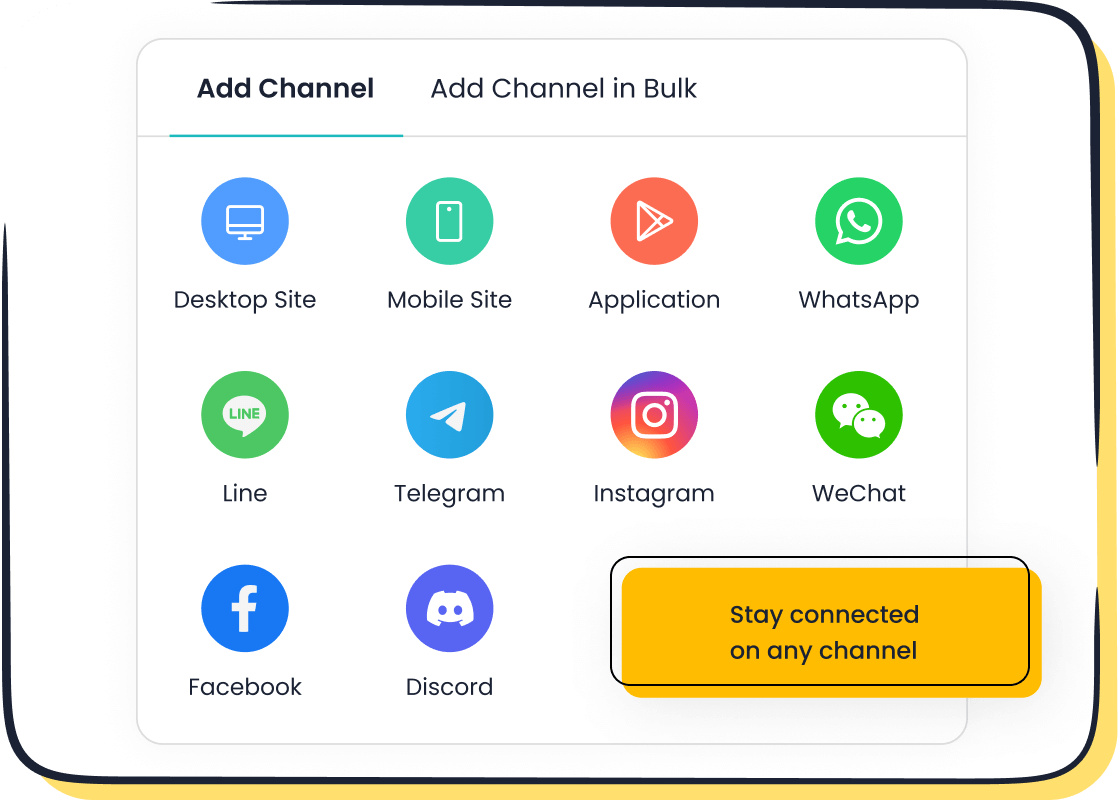
Next, you select and connect your communication tools. Your customers expect to reach you on their preferred channels. A strong omnichannel customer service strategy requires the right integration of channels. You need tools that bring every conversation into one place. This is where a comprehensive solution shines. Sobot's Omnichannel Solution unifies all your customer engagement.
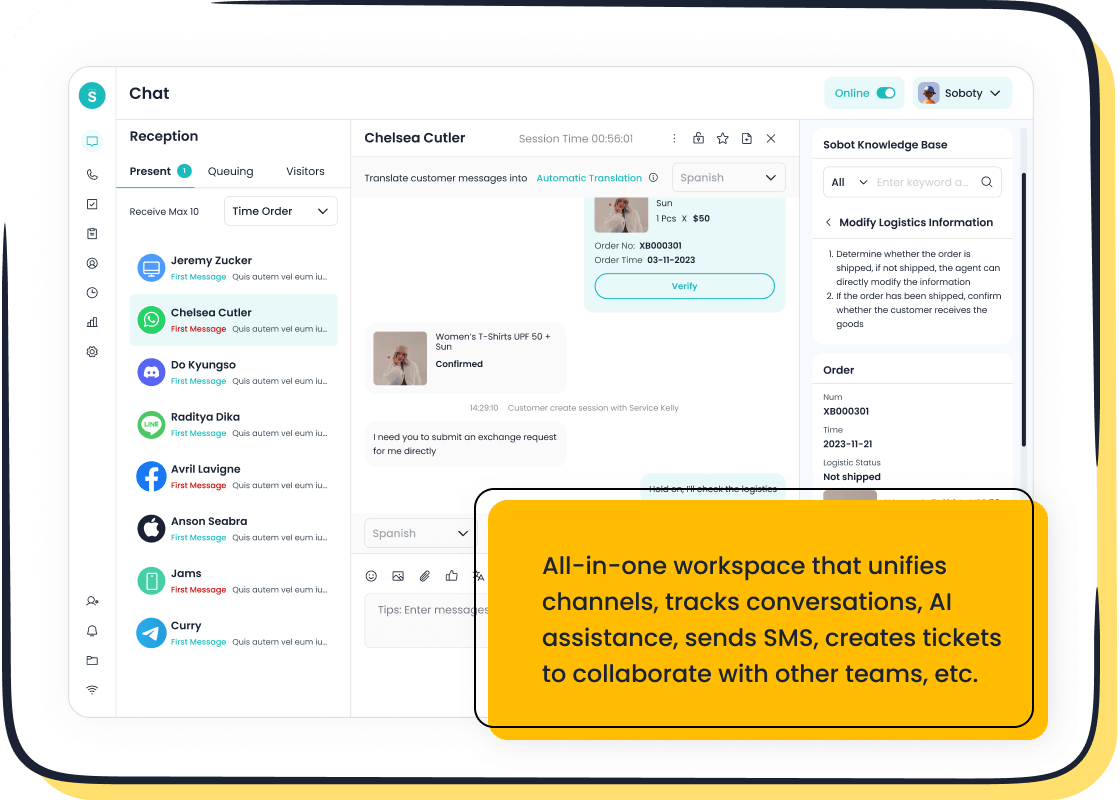
For example, Sobot's Live Chat is a great tool for omnichannel communication. You can integrate it with your website, app, and social media. Sobot is an official WhatsApp Business Solution Provider (BSP). This allows you to manage WhatsApp conversations alongside other channels. This seamless omnichannel communication improves your omnichannel customer service. It enhances the omnichannel customer journey. Your omnichannel marketing efforts benefit from this unified support.
Incorporate AI and Automation for Efficiency
Finally, you should add AI and automation to your cloud based omnichannel customer service platform. These tools handle repetitive tasks. This frees your agents to focus on complex customer issues. AI improves your omnichannel customer service and omnichannel marketing. It makes your omnichannel communication smarter.
- 24/7 Support: AI-powered tools provide round-the-clock service. Customers get instant answers anytime.
- Self-Service Options: Customers can resolve simple issues on their own. This improves their experience.
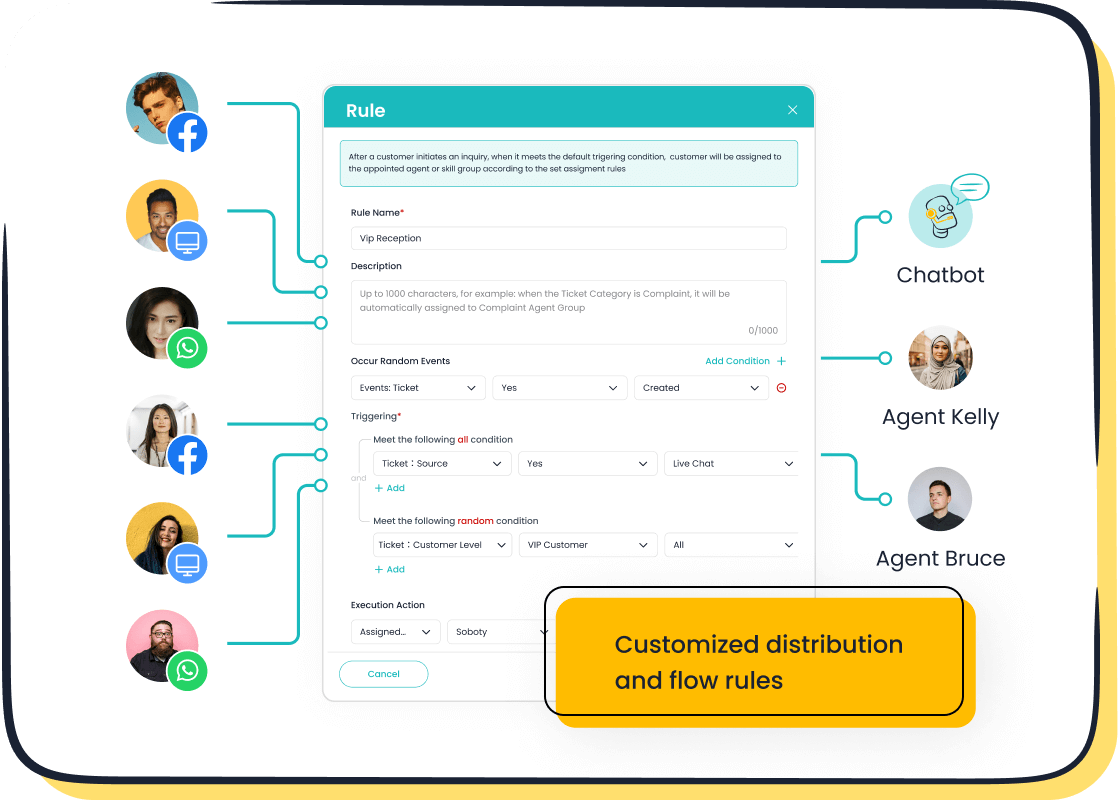
- Agent Efficiency: Automation routes inquiries to the right agent. This speeds up resolution times.
Sobot's Chatbot is an excellent example. It uses AI to provide 24/7 self-service options for your customers. This technology boosts your team's efficiency. It ensures your omnichannel customer service is always available. This creates a better omnichannel customer journey and strengthens customer engagement. Your omnichannel communication becomes more responsive. This is a vital part of modern customer support and omnichannel marketing.
Step 3: Execute the Platform Implementation
You have a strategy and a tech stack. Now you must execute the implementation. This step brings your omnichannel customer service platform to life. A successful launch requires careful planning and execution. It ensures a smooth transition for your team and your customers.
Ensure Consistent Branding and Messaging
You must first ensure your branding is consistent. Inconsistent messaging across channels breaks customer trust. For example, a customer sees a discount in an email. The discount does not appear in your app. This creates a fractured journey and harms your brand. Your omnichannel communication must feel like it comes from one unified company. This consistency builds credibility. It is a vital part of your omnichannel marketing and customer support efforts. A unified voice strengthens customer engagement and makes every omnichannel communication more effective.
Train and Empower Your Service Teams
Next, you need to train your service teams. Your agents need the right skills and tools for omnichannel customer service. Effective training builds skills in:
- Active Listening and Empathy
- Problem-Solving
- Omnichannel Communication
- Product Knowledge
Empowering your team with the right technology is also critical for a successful omnichannel strategy. Leading brands show us how this works.
OPPO, a global smart device leader, partnered with Sobot to enhance its customer service. They used a human-machine cooperation model. This strategy empowered their teams. OPPO achieved an 83% chatbot resolution rate and a 94% positive feedback rate.
This success shows how the right tools improve agent performance and customer satisfaction. It is a key part of great omnichannel customer service. This approach boosts engagement and creates a better omnichannel customer journey.
Launch and Test the Integrated Platform
Finally, you launch and test your integrated platform. A "big bang" launch is risky. You should use a phased rollout instead. This approach lets you test and refine your omnichannel platform in a controlled way. It minimizes disruption for your business and customers. You can test key functions to ensure a seamless experience. This testing phase helps you find and fix issues before a full launch. It ensures your omnichannel communication channels work together perfectly. This careful process guarantees a smooth start for your new omnichannel customer service and omnichannel marketing. It solidifies the foundation for a great omnichannel customer journey and a better customer experience.
Step 4: Measure and Optimize Your Omnichannel Performance
Launching your platform is not the final step. You must continuously measure and optimize your omnichannel performance. This ongoing process ensures your omnichannel customer service remains effective. It helps you adapt to changing customer needs and improve the overall experience. A strong strategy includes regular review and refinement.
Track Key Metrics for Better Service
You need to track key metrics to understand your performance. Data shows you what works and what needs improvement in your omnichannel communication. This helps you deliver better service to every customer. You can start by monitoring these essential indicators:
- Net Promoter Score (NPS): This measures customer loyalty. It tells you how likely customers are to recommend your brand.
- Customer Satisfaction (CSAT) Surveys: These assess short-term satisfaction with a specific service or interaction.
- Customer Effort Score (CES): This evaluates how easy it is for a customer to get help or find information.
- Customer Journey Analytics: This tracks how users interact with your brand across the omnichannel customer journey.
These metrics provide a clear picture of your omnichannel customer service success.
Collect and Analyze Customer Feedback
You should actively collect and analyze feedback from your customers. This feedback is a goldmine of insights for improving your omnichannel communication. You can use several tools to gather this information:
- Customer surveys on your website or social media
- Google Analytics to track user behavior
- Heat mapping tools to see how customers interact with your pages
Sentiment analysis tools can also interpret customer emotions from unstructured feedback. This process turns customer feelings into an actionable strategy. It helps your customer support team understand customer mood and intent, leading to better engagement and satisfaction.
This deep analysis helps you identify pain points in the customer journey.
Continuously Refine Your Strategy and Tools
Finally, you must use your data to refine your omnichannel strategy and tools. Continuous optimization is key to long-term success. An agile approach allows you to make constant improvements based on real-time feedback. For example, one company refined its omnichannel tools and grew its sales by 9% year over year. This shows how a data-driven strategy improves business performance. This constant refinement enhances customer engagement and the overall experience. It ensures your omnichannel communication and support efforts deliver the best possible omnichannel customer journey for your customers.
You now have a four-step framework for your omnichannel platform. You can define your strategy, build your tech, execute the launch, and optimize performance. This process creates a seamless customer experience. It boosts satisfaction and loyalty for all your customers. Leaders like OPPO prove this omnichannel approach works. Their success with human-machine cooperation highlights the power of great omnichannel communication. This journey creates satisfied customers.
Ready to improve your customer experience? Embark on your contact journey with Sobot. Explore our Omnichannel Solution or request a demo to build your cloud based omnichannel customer service platform today. Your customers will love the new omnichannel experience. This omnichannel communication will improve every customer interaction. The omnichannel customer journey for your customers starts now.
FAQ
What is an omnichannel platform?
An omnichannel platform unifies every customer interaction. It connects all your communication channels. This creates one seamless omnichannel experience for each customer. Your support team can see the full customer history. This makes every omnichannel interaction with the customer better. The customer gets consistent help.
How does an omnichannel strategy help my customer?
An omnichannel strategy creates a better experience for your customer. The customer does not need to repeat information. This omnichannel approach saves the customer time. It provides a smooth and easy journey. This consistent omnichannel support makes every customer feel valued and understood by your business.
What is the first step to build an omnichannel experience?
You first define your omnichannel strategy. You must understand your customer. Assess your current channels to see what works. This helps you build a better omnichannel experience. A clear plan guides your platform creation. It ensures a successful omnichannel journey for all your customers.
See Also
A 10-Step Guide to Deploying Seamless Omnichannel Contact Center Solutions
Your Comprehensive Guide to Omnichannel Call Center Software Excellence
Achieving Live Chat Mastery for Enhanced Retail Customer Engagement
A 10-Step Plan for Effective Shopify Live Chat Support
Leveraging Shopify Live Chat for Retail Industry Customer Service Success