Boost Ecommerce Satisfaction with Feedback

Boosting ecommerce satisfaction is a top priority. Today, 80% of customers believe their experience is as important as the products. This raises the question: how do I improve customer satisfaction in ecommerce? The answer lies in a systematic process. You can transform raw customer feedback into powerful strategies using a simple framework: Collect, Analyze, and Implement. This approach turns customer feedback into a better customer experience. With a tool like Sobot, your e-commerce brand can master this loop to build lasting loyalty and growth. This process is your key to turning opinions into higher satisfaction.
How to Improve Customer Satisfaction in Ecommerce by Collecting Feedback

The first step to improve customer satisfaction is creating channels to listen. You need a mix of proactive and passive methods for collecting customer feedback. Proactive methods involve asking for feedback directly, while passive methods involve observing what customers say and do. This combined approach gives you a complete picture of the customer experience.
Use Post-Purchase and NPS Surveys
You can proactively gather customer feedback with surveys. Sending a short survey via email after a purchase is a great way to collect feedback on the shopping experience. For immediate insights, you can use post-chat satisfaction surveys.
Tip: Tools like Sobot's Live Chat can automatically present a satisfaction survey after a conversation ends. This makes it easy to collect feedback while the experience is still fresh in the customer's mind.
Keep your surveys brief and mobile-friendly. Focus on one goal, like the post-purchase experience, to get clear, actionable feedback.
Monitor Social Media and Review Sites
Customers often share their opinions on social media and review platforms. Monitoring these channels helps you understand public sentiment about your brand. You can track mentions, comments, and online reviews to get honest feedback. This allows you to address concerns quickly and publicly, showing that you value the customer experience. This is a key part of knowing how do i improve customer satisfaction in ecommerce.
Analyze On-Site Behavior with Sobot Live Chat
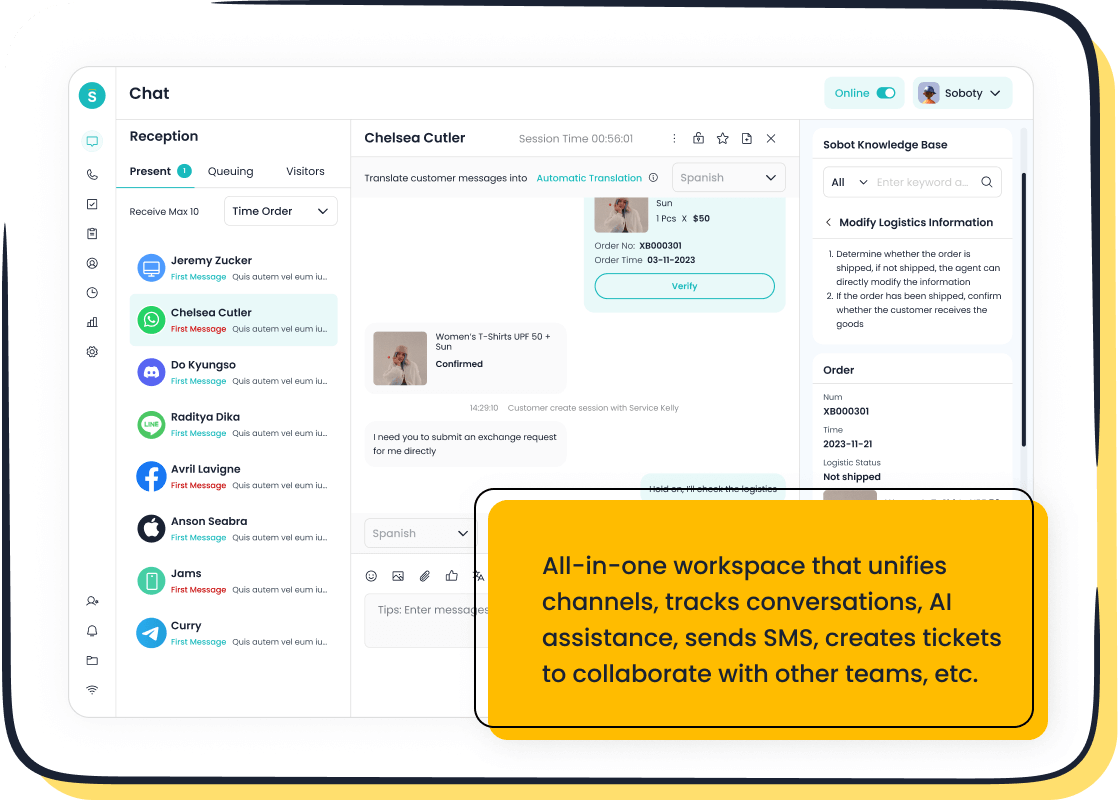
Your e-commerce website itself provides valuable clues. Behaviors like "rage clicks" (clicking repeatedly in frustration) or high exit rates on certain pages signal a poor experience. When you see these patterns, you can use a tool like Sobot Live Chat to engage with customers in real-time. A proactive chat invitation can help you understand the problem and gather customer feedback at the exact moment of difficulty. This turns a negative experience into a chance to help and learn.
Encourage Reviews with Smart Incentives
Positive reviews and testimonials build trust. To get more reviews, you can offer smart incentives. Many customers are motivated to write reviews in exchange for small rewards. Consider offering:
- A discount code for a future purchase.
- Entry into a sweepstakes or giveaway.
- Loyalty points added to their account.
These incentives show you appreciate their time and feedback. Encouraging reviews is a powerful way to build social proof and attract new customers to your e-commerce website, boosting overall satisfaction.
Analyze Customer Feedback for Actionable Insights

Collecting customer feedback is only half the battle. The next step is to turn that raw data into a clear action plan. Without proper analysis, you risk being overwhelmed by opinions instead of finding opportunities. Effective analysis helps you understand the customer experience and pinpoint where to focus your efforts for the greatest impact.
Categorize Feedback into Key Themes
First, you need to organize the customer feedback you receive. Grouping comments into themes helps you see the bigger picture. Many businesses find that feedback often falls into a few common categories.
- Website Usability: Comments about the checkout process or mobile experience.
- Product Quality: Feedback on the product itself, including its features and condition.
- Customer Service: Mentions of interactions with your support team.
You can use tags to further sort this feedback. For example, you can tag each piece of feedback as "positive," "negative," or "suggestion." This simple system makes it easier to quantify what you are doing well and where you need improvements.
Prioritize Using an ICE Framework
Once you have themes, you need to decide what to act on first. The ICE framework is a simple method to prioritize tasks. It helps you score ideas based on three factors:
The ICE Framework
- Impact (I): How much will this change improve the customer experience?
- Confidence (C): How sure are you that this change will have the desired impact?
- Ease (E): How easy is it to implement this change?
Assign a score (e.g., 1-10) to each factor for every potential improvement. Then, multiply the scores: Impact x Confidence x Ease = Priority Score. A higher score means a higher priority. This data-driven approach helps you focus on high-impact improvements.
Identify Recurring Issues and Quick Wins
Your analysis of customer feedback will reveal patterns. Look for recurring issues that multiple customers mention. These are often the root cause of widespread frustration and present a great opportunity to enhance the customer experience. Trend analysis helps you spot if a specific complaint is growing over time.
This process also helps you find "quick wins"—simple fixes that deliver immediate value. Based on feedback, a quick win could be clarifying a product description or allowing guest checkout. Addressing these issues shows customers you are listening and actively improving their experience.
Implement Changes to Elevate the Customer Experience
You have collected and analyzed customer feedback. Now it is time to act. This final step turns your insights into concrete improvements that elevate the customer experience. By making targeted changes, you show customers you are listening and committed to their satisfaction. This is how you improve customer satisfaction in ecommerce for the long term.
Enrich Product Pages for Ecommerce Success
Your customer feedback often highlights confusion about products. Use this feedback to enrich your e-commerce website. Adding user-generated content like customer reviews and photos provides social proof and builds trust. A Q&A section lets you address specific concerns directly. These additions create a better user experience and help shoppers make confident decisions, leading to more positive reviews. A great user experience on product pages is key.
Refine Policies to Boost Customer Satisfaction
Complicated policies are a common source of negative feedback. Your return policy, in particular, has a huge impact on customer satisfaction. Use customer feedback to identify and remove friction. A simple, hassle-free return process shows you trust your customers. This builds loyalty and can even increase sales, as shoppers feel more secure making a purchase. A clear policy improves the user experience.
Personalize Customer Communications
Customers want to feel seen, not just marketed to. Use purchase history and feedback to personalize the customer experience. You can send targeted emails with product recommendations that match their interests. This goes beyond just using their name; it shows you understand their needs. Personalization makes your ecommerce brand feel more human and relevant, which is a powerful way to improve customer satisfaction.
Enhance Customer Service Training
Your customer service team is on the front lines. Customer feedback is a goldmine for identifying training opportunities. If you see recurring complaints about response times or product knowledge, you can create targeted training modules. Focus on essential skills like active listening and empathy. Quality customer support turns a frustrating experience into a positive one.
Real-World Success: Michael Kors Luxury brand Michael Kors proves this model works. By using Sobot's unified platform to listen to feedback and streamline support, they achieved a 95% customer satisfaction rate and a 20% increase in conversions. This shows how implementing changes based on customer feedback directly boosts your bottom line and brand reputation. Knowing how do i improve customer satisfaction in ecommerce starts with action.
You can boost e-commerce customer satisfaction by mastering the customer feedback loop. This customer feedback loop involves collecting feedback, analyzing that feedback, and implementing changes. Consistently acting on customer feedback is the most reliable path to continuous improvement. This customer feedback loop transforms the customer experience. This customer feedback loop turns every piece of feedback into an opportunity for a better experience. 🚀
Start your contact journey today to build loyalty and drive growth.
FAQ
What is the first step to improve customer satisfaction in ecommerce?
The first step is to create channels to listen to your customers. You should use a mix of methods like surveys, social media monitoring, and on-site chat. This helps you collect feedback from different touchpoints and understand the complete customer experience.
How can a live chat tool help collect feedback?
Live chat tools can automatically gather feedback. For example, Sobot Live Chat can send a satisfaction survey right after a conversation ends. This captures your customer's opinion while the experience is fresh, giving you immediate and valuable insights.
Why should I categorize customer feedback?
Categorizing feedback helps you see patterns. You can group comments into themes like "website usability" or "product quality." This organization turns scattered opinions into a clear action plan, showing you exactly where you need to make improvements.
What is the ICE framework?
The ICE framework helps you prioritize tasks. You score each potential change on its Impact, your Confidence in the result, and the Ease of implementation. This simple method helps you focus on changes that will deliver the most value to customers quickly.
See Also
Elevating E-commerce Customer Happiness Through Intelligent Chatbot Solutions
Driving E-commerce Revenue Growth with Dynamic Live Chat Platforms
Mastering Customer Delight: Ten Strategies for Superior Live Chat Experiences
Discovering the Premier Live Chat Solutions for E-commerce Success in 2024
Maximizing Retail Engagement: Enhancing Live Chat Performance for Growth

