What Is Omnichannel Support?

Omnichannel support is a customer-centric strategy that integrates all communication channels into one seamless experience. A key part of this is the ability to connect website to customer service system platforms, like Sobot, which allows a single customer conversation to continue smoothly from one channel to another. For example, a chat on a website can move to a phone call without losing any information, meaning the customer never has to repeat themselves. This unified method is the new standard for meeting modern customer expectations, providing the effortless service experience that today's digital consumers demand.
What Is Omnichannel Customer Service?
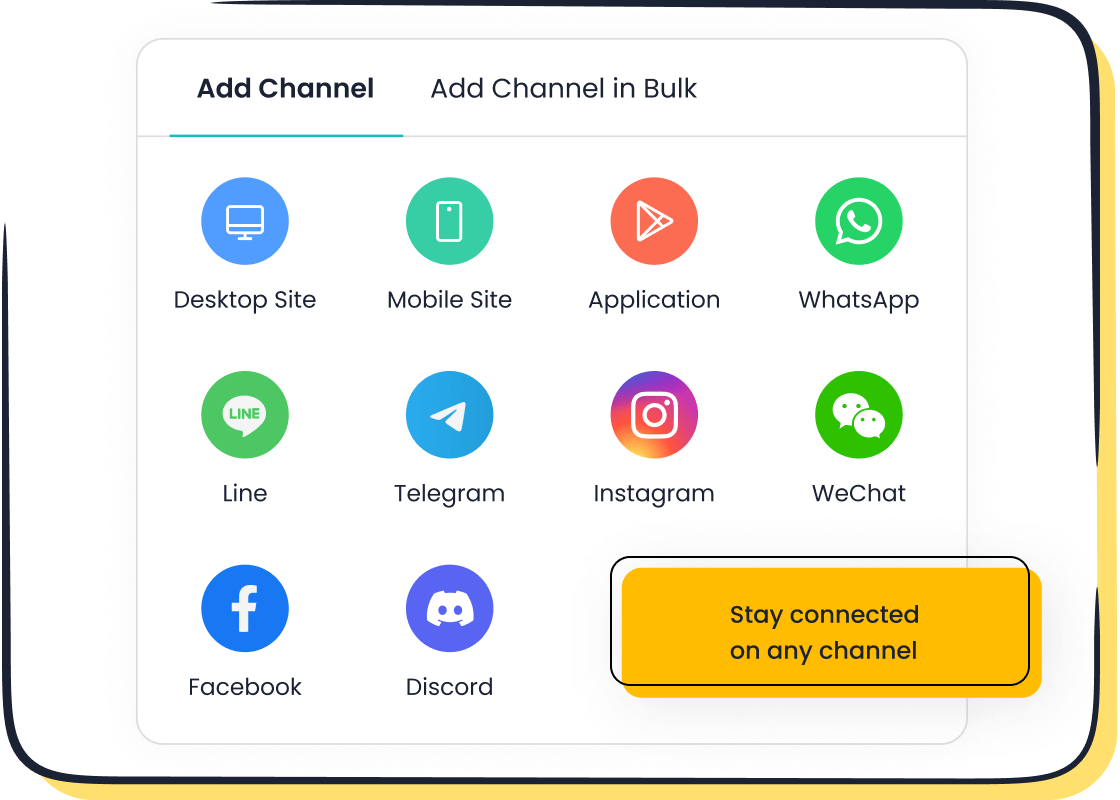
Omni-channel customer service is a strategy that provides a seamless, integrated customer experience across all channels of interaction. It connects every touchpoint—from social media and email to phone calls—so the customer journey is never broken. This approach ensures customers receive consistent and unified support, allowing them to switch channels without disrupting the conversation or repeating information.
Omnichannel vs. Multichannel Support
People often confuse omnichannel and multichannel support, but they are different. Multichannel means a business offers several ways for customers to get help, like email, chat, and phone. However, these channels often work independently. Omni-channel customer service takes this a step further.
An omnichannel approach integrates these separate channels. This creates a single, continuous conversation. Key aspects of omni-channel customer service include:
- Integrating various communication channels (chat, phone, email, social media).
- Maintaining a complete conversation history across all platforms.
- Allowing agents to resolve issues without making customers start over.
This method of omnichannel customer support focuses entirely on the customer experience.
The Focus on a Unified Customer Journey
The core of an omnichannel strategy is creating a unified customer journey. This means all customer interactions are connected. When a company unifies its customer interactions, it improves satisfaction and retention. This seamless customer experience positively influences how people see the brand. A strong digital customer experience makes customers feel understood. This focus on omnichannel customer engagement helps build a stronger relationship between the brand and its customers. The goal of this omni-channel strategy is to make every interaction feel like part of one ongoing conversation, which is essential for modern customer support.
Why Consistency Is Key
Consistency is crucial for building trust in any omni channel customer service model. When a brand's message and service quality are the same everywhere, customers learn they can depend on the business. This predictability makes the customer service experience feel safe and reliable. Consistent digital customer engagement also helps people understand a brand's values.
Did you know? A staggering 81% of consumers report that they need to trust a brand before they will consider buying from it.
This statistic shows why a consistent omnichannel customer support system is so important. It builds a reputation for quality and strengthens customer loyalty over time. Ultimately, a consistent omnichannel support model is fundamental to earning and keeping customer trust.
Core Benefits of Omnichannel Support
Adopting an omnichannel approach offers significant advantages for both customers and businesses. It transforms customer support from a series of separate conversations into a single, unified journey. This shift leads to happier customers, more efficient teams, and smarter business decisions. The core benefits show why omni-channel customer service is a powerful strategy for modern companies.
Enhanced Customer Satisfaction and Loyalty
A great customer experience is the foundation of loyalty. An omnichannel strategy directly improves customer satisfaction by making interactions effortless. Customers can switch between channels, like from a website chat to a phone call, without ever repeating their issue. This seamless flow shows customers that a company values their time.
Research highlights a major difference in satisfaction between support models. A strong omni-channel customer service model creates a much better experience.
| Metric | Omnichannel Support | Multichannel Support |
|---|---|---|
| Customer Satisfaction (CSAT) | 67% | 28% |
This data shows that a connected journey dramatically boosts customer satisfaction. When companies provide proactive and digital omnichannel interactions, they can increase satisfaction by 33%. This focus on a smooth customer experience builds trust and encourages customer retention. Businesses with strong omnichannel customer engagement retain 89% of their customers, compared to just 33% for those with weak strategies. Higher customer retention means people are not just buying once; they are becoming loyal fans of the brand. This makes omnichannel customer support a key driver of long-term growth.
Increased Agent Efficiency and Productivity
An omnichannel platform doesn't just benefit customers; it also empowers support agents. A unified system brings all customer interactions into a single view. Agents no longer need to switch between different tools to find information. They have the full context of a customer's history right in front of them.
Omnichannel support that allows agents to seamlessly switch between communication channels empowers agents to resolve issues efficiently.
This complete view helps agents solve problems faster and more accurately. For example, Sobot's unified platform can improve agent productivity by 30%. Agents spend less time searching for information and more time helping customers. This efficiency reduces average handling times and allows teams to manage more customer interactions without feeling overwhelmed. Better tools lead to higher morale and lower agent turnover, creating a more stable and experienced customer support team. This makes the entire omni-channel customer service operation more effective.
Deeper Insights from Centralized Data
Centralizing data from all channels is one of the most powerful benefits of an omnichannel system. Every digital interaction creates a data point. An omni-channel platform gathers this information to create a complete picture of the customer journey. This centralized data provides deep insights that businesses can act on.
Key insights from an omni-channel strategy include:
- Identifying friction points: Businesses can see where customers struggle or abandon a process.
- Understanding channel interplay: Companies learn how interactions on one channel, like social media, affect actions on another, like the company website.
- Enabling personalization: A unified profile allows for truly personalized service based on a customer's history and preferences.
This data-driven approach allows for precise profiling and tailored services. For instance, platforms like Sobot can help businesses achieve a 38% gain in conversion by turning visitor data into personalized customer engagement. By analyzing the complete journey, companies can measure key metrics that show the health of their customer relationships.
| Business Objective | Primary KPI | Secondary Metrics | Why It Matters |
|---|---|---|---|
| Increase Customer Loyalty | Customer Lifetime Value (CLV) | Repeat Purchase Rate, Churn Rate | Measures the long-term value of a unified customer experience. |
| Improve Customer Experience | Net Promoter Score (NPS) | CSAT, Customer Effort Score (CES) | Directly gauges satisfaction with the cross-channel journey. |
Ultimately, an omnichannel customer support model turns data into intelligence. It helps businesses understand their customers on a deeper level, leading to better products, smarter marketing, and a superior omni-channel customer service experience. This makes omnichannel support an essential part of any forward-thinking business.
How Sobot Enables Omni-Channel Customer Service
Achieving a true omni-channel strategy requires more than just being present on multiple channels. It demands a powerful platform that unifies them. Sobot provides all-in-one contact center solutions that make seamless omni-channel customer service a reality for businesses. The platform integrates every touchpoint, from digital messages to phone calls, into a single, intelligent system. This empowers companies to deliver the consistent and effortless experiences that modern customers expect.
A Unified Workspace with Sobot Live Chat
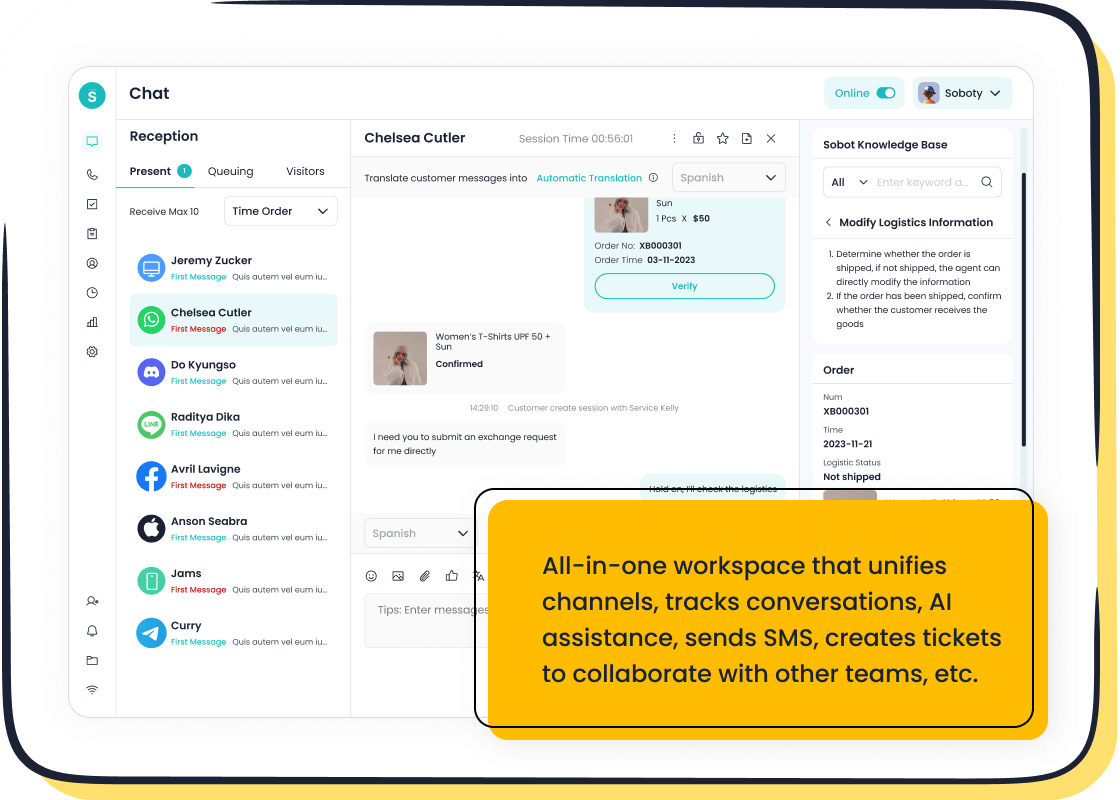
A core component of Sobot's omni-channel solution is its unified workspace. This feature eliminates the chaos of managing separate communication channels. Instead of switching between different dashboards for email, social media, and web chat, agents see everything in one place. Sobot Live Chat centralizes all customer interactions and data, giving agents a complete view of every customer's journey.
This single dashboard provides the context needed for effective support. Agents can see past conversations, purchase history, and customer preferences instantly. This allows them to provide personalized and efficient help without asking customers to repeat information. The key functions of this unified workspace include:
- Consolidating all communication channels into a single view.
- Providing real-time visibility of messages and customer details.
- Allowing teams to switch between channels without losing context.
- Enabling agents to deliver consistent omni-channel messaging.
This approach boosts agent efficiency and improves the quality of customer engagement. Agents have all the information they need to resolve issues quickly, leading to a better omni-channel customer service experience.
AI-Powered Chatbots and Automation
Automation is a critical element of modern omni-channel customer service. Sobot uses advanced AI to automate repetitive tasks and provide instant support. The platform's AI-powered chatbots are available 24/7 to answer common questions, collect customer information, and guide users to solutions. This frees up human agents to focus on more complex and high-value interactions.
The success of this human-machine model is clear in real-world applications.
Electronics leader OPPO implemented Sobot's chatbot and ticketing system to manage high inquiry volumes. The chatbot independently resolved 83% of all customer questions. This efficiency gain contributed to a 57% increase in OPPO's repurchase rate, proving that great automated support builds customer loyalty.
Beyond chatbots, Sobot's platform uses AI for intelligent routing. This feature automatically directs customer inquiries to the most qualified agent or department. This ensures that customers connect with the right person on the first try, reducing wait times and improving first-contact resolution. This level of automation makes the entire omnichannel contact center more efficient and effective.
Seamless Integration with Business Systems
A truly connected omnichannel experience depends on data. Sobot's customer service software is designed to integrate seamlessly with the tools businesses already use. This creates a unified data ecosystem where information flows freely between different systems. Sobot offers flexible APIs and pre-built connections for a wide range of platforms.
Businesses can connect Sobot with essential tools, including:
- E-commerce platforms: Shopify, Amazon, Walmart
- CRM systems: Salesforce
- Social media and messaging apps: Facebook, Instagram, WhatsApp, LINE
- Website builders: WordPress, Wix
This deep integration breaks down data silos. For example, an agent using Sobot's ticketing system can view a customer's entire order history from Shopify without leaving the dashboard. This complete context is vital for resolving complex issues quickly. As an official WhatsApp Business Solution Provider (BSP), Sobot also helps businesses leverage the world's most popular messaging app for digital customer engagement. This allows companies to manage marketing campaigns and provide support on a channel customers prefer, further strengthening their omni-channel customer service strategy. This makes the omnichannel contact center a central hub for all customer data and interactions.
Key Elements of an Omnichannel Platform

Building a successful omni-channel strategy depends on several core components working together. These elements form the foundation for seamless omnichannel operations and a superior digital customer experience. A business must integrate platforms, processes, and people to deliver consistent omni-channel customer service. This ensures all customer interactions are connected.
A Centralized Customer Database (CRM)
A centralized customer database is the heart of any omnichannel platform. This system collects customer information from all touchpoints into a single, unified profile. It eliminates data silos that often weaken customer support. With a complete view of every customer's journey, support teams can provide personalized and effective help. This foundation is critical for successful omnichannel operations. A unified database allows a business to understand customer behaviors and preferences, which improves all future customer interactions. This is a key part of delivering great omni-channel customer service.
Integrated Communication Channels
An effective omni-channel platform integrates all communication channels. This includes digital touchpoints like websites, social media, email, and live chat. It also includes traditional channels like phone calls. The goal is to create a seamless flow between them. A customer might start a conversation on social media and finish it over the phone without any disruption. This integration is essential for consistent omni-channel customer service. Strong omnichannel operations depend on connecting these digital channels to provide a unified front. This approach strengthens customer engagement and trust in the brand.
How to Connect Website to Customer Service System
A crucial step in building an omnichannel system is to connect website to customer service system platforms. This link turns a company's website into an active part of its customer support strategy. When you connect website to customer service system tools, you can capture valuable customer interactions in real time. For example, placing a live chat widget on key pages helps engage visitors proactively. The ability to connect website to customer service system software is fundamental for modern digital businesses. It is a practical way to improve omni-channel customer service. Ultimately, learning how to connect website to customer service system infrastructure is essential for any company serious about its omnichannel customer service and omnichannel operations.
An omnichannel strategy is essential for any business. It provides the connected service that modern customers demand. A high percentage of customers, 79%, expect consistent interactions across all departments. A strong omnichannel approach meets this need, and a good omni-channel strategy is key to success. Platforms like Sobot make this transition achievable, leading to improved customer loyalty and sustainable growth. Explore an omni-channel strategy to improve your omnichannel customer support and omnichannel support. Embark on Your Contact Journey today to build a better omni-channel experience with a powerful omnichannel strategy and omnichannel customer support.
FAQ
What is the first step to an omnichannel strategy?
The first step is to understand the customer journey. A business should map all touchpoints where customers interact with the brand. This helps identify which channels to integrate for a successful omni-channel experience. An omnichannel platform connects these points.
How does omnichannel support help small businesses?
Omnichannel strategies help small businesses compete with larger companies. A unified omni-channel system improves efficiency and customer loyalty without needing a huge team. This approach makes every digital interaction count, building a strong brand reputation through better customer support.
Is an omni-channel approach expensive to implement?
The cost of an omni-channel platform varies. Many solutions, like Sobot, offer scalable options that fit different budgets. The long-term benefits, such as increased efficiency and customer retention, often provide a strong return on investment for any omnichannel plan.
What makes an omni-channel strategy successful?
A successful omni-channel strategy depends on a few key things:
- A central customer database (CRM).
- Seamless integration between all channels.
- Consistent training for support agents.
These elements ensure a smooth and effective omnichannel experience for every customer.
See Also
Your Essential Guide to Omnichannel Call Center Software Solutions
Implementing Omnichannel Contact Centers: A 10-Step Action Plan
Elevate Customer Support: Mastering Live Chat for Superior Service
Supercharge SaaS Customer Support Using Effective Live Chat Strategies
Leveraging Shopify Live Chat for Retail Industry Customer Engagement

