Your Guide to Omnichannel Customer Service Platforms

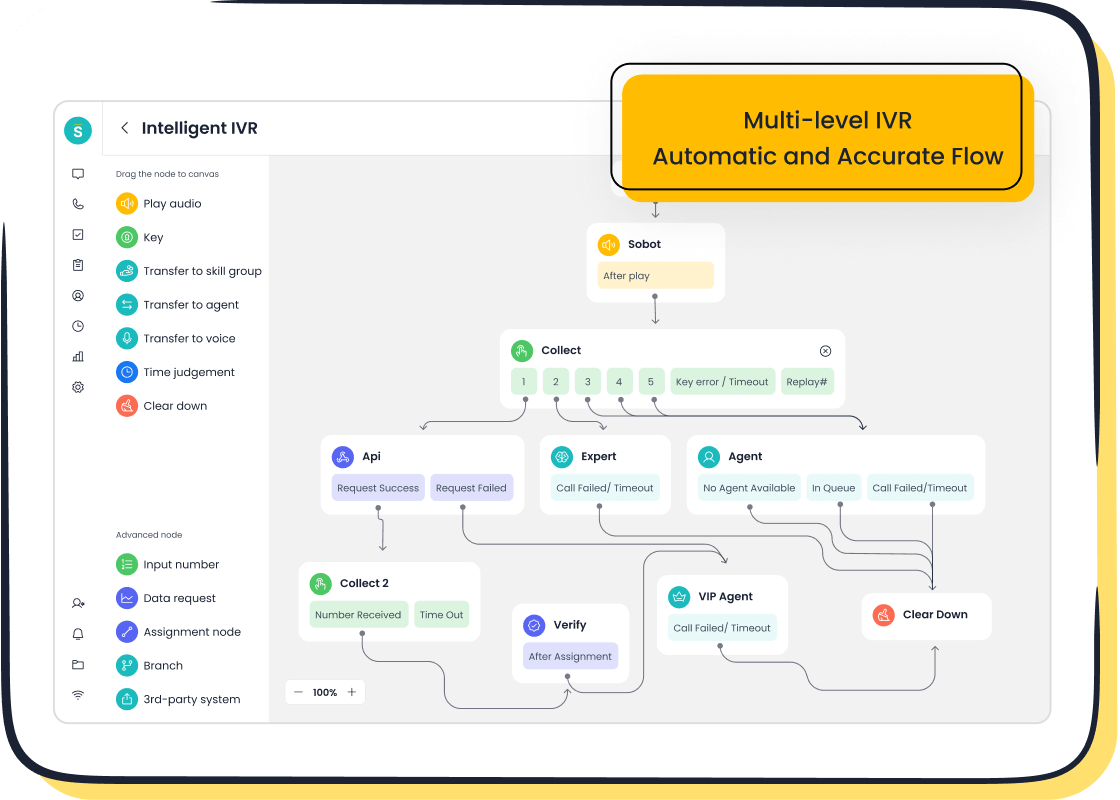
An omnichannel customer service platform unifies every customer conversation into one seamless thread. This omnichannel communication is vital, as 69% of consumers expect a consistent experience across all touchpoints. This type of omnichannel communication platform allows your team to see the full customer history in one place. You create an effortless and unified customer experience for every customer. Solutions from the best omnichannel customer service providers, like Sobot, deliver this powerful omnichannel communication. This omnichannel communication platform is key for excellent customer service and a seamless customer journey. This omnichannel communication enhances the entire service journey.
The Value of Omnichannel Customer Service

The Problem with Disconnected Channels
When your communication channels are not connected, you create a frustrating experience for your customers. This disjointed approach often leads to significant problems that can drive your customer away. A disconnected omnichannel communication experience is like a conversation where everyone speaks a different language. It is ineffective and can damage the customer relationship.
Common frustrations include:
- Repeating Information: A customer dislikes explaining their issue multiple times. This happens when they move from a chatbot to a live agent who has no context of the prior conversation.
- Limited Channel Choice: You may force a customer to use the phone when they prefer live chat or email. This happens when your systems are not built for a modern omnichannel strategy.
Failing to provide a smooth experience has consequences. Research shows that 73% of customers will switch to a competitor after just one bad experience, making a unified omnichannel communication platform essential for retention.
Defining Multichannel vs. Omnichannel
It is important to understand the difference between multichannel and omnichannel support.
- Multichannel means you offer multiple communication channels for customer service, like email, phone, and social media. However, these channels operate independently. A customer interaction on one channel is invisible on another.
- Omnichannel communication integrates all these channels. It creates a single, continuous conversation. If a customer starts a chat and then calls, your agent sees the full history instantly. This creates a seamless customer journey.
The goal of an omnichannel strategy is to build a cohesive customer experience where the journey is effortless, no matter how the customer chooses to connect with you.
Key Business and Customer Benefits
Adopting an omnichannel customer service approach delivers powerful benefits for your business and creates more satisfied customers. An effective omnichannel communication platform directly boosts customer satisfaction. According to Zendesk, companies with integrated omnichannel platforms see a 39% decrease in customer wait times.
This improvement has a massive impact on the customer experience. Financial service leader Opay saw its customer satisfaction soar from 60% to 90% after implementing a unified omnichannel solution. This result aligns perfectly with Sobot's mission to enhance customer interactions and improve operational efficiency. A true omnichannel communication platform turns customer service from a cost center into a value driver, fostering loyalty and building a stronger brand. This is why omnichannel communication is a key part of modern customer support. The right omnichannel solution makes this possible.
Features of an Omnichannel Communication Platform

Choosing the right omnichannel communication platform means looking beyond the basic promise of connecting channels. You need to examine the specific features that empower your team and create a truly seamless customer experience. The best platforms combine a smart agent interface, powerful integrations, and intelligent automation. These are the key components of omnichannel customer service.
Unified Agent Workspace
Your agents are on the front lines of customer service. A cluttered, inefficient workspace leads to frustrated agents and poor service. The "swivel chair" problem, where agents jump between multiple tabs to handle one query, breaks their focus and slows them down. A unified agent workspace solves this by bringing everything into one place. This is a core feature of any modern omnichannel communication platform.
A great workspace gives your agents a complete 360-degree view of the customer. Key features you should look for include:
- Omnichannel Inbox: Agents can manage conversations from every channel—voice, email, chat, and social media—from a single interface.
- Complete Customer Timeline: The system displays a full history of past conversations, purchase history, and notes, giving agents instant context.
- Built-in Knowledge Base: Your team can find answers to common questions without leaving the workspace, ensuring consistent and accurate replies.
- Internal Collaboration Tools: Agents can tag teammates or leave internal notes on a ticket to get help with complex issues.
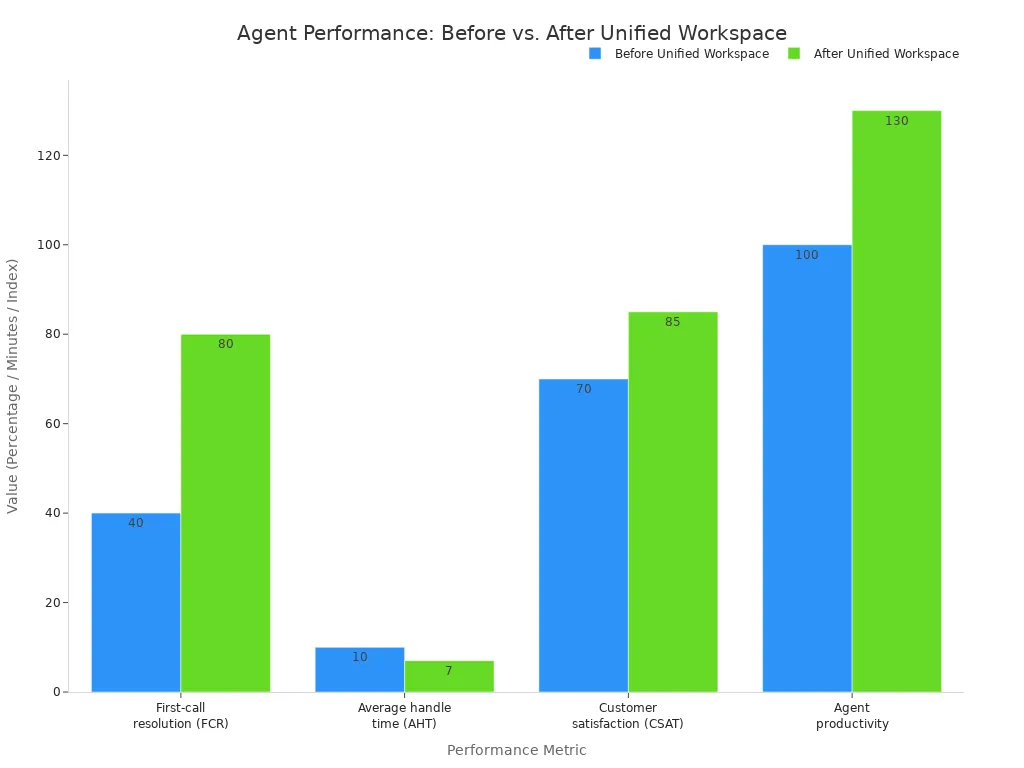
Sobot provides an AI-enhanced workspace that unifies your inbox, tickets, and messages into one intuitive view. This centralizes all data and context, allowing your agents to stop searching for information and start solving problems. The results of this approach are significant.
| Performance Metric | Before Unified Workspace | After Unified Workspace |
|---|---|---|
| First-call resolution (FCR) | 40% | 80% |
| Average handle time (AHT) | 10 minutes | 7 minutes |
| Customer satisfaction (CSAT) | 70% | 85% |
| Agent productivity | Baseline | Up by 30% |
By reducing tab switching and mental fatigue, a unified workspace directly improves agent productivity and customer satisfaction.
CRM and Third-Party Integrations
An omnichannel communication platform should not be an island. It must connect with the other critical systems you use to run your business. Integrations eliminate data silos and create a single source of truth for all customer information. This is essential for delivering personalised support at scale.
Your omnichannel solution becomes exponentially more powerful when it syncs with your core business software. This creates a smooth flow of information across departments, from sales to support.
Look for an omnichannel communication platform that offers pre-built integrations with key systems, such as:
- CRM (Customer Relationship Management): Syncs customer data, contact details, and interaction history for a complete view.
- E-commerce Platforms: Provides access to order history, shipping status, and shopping cart data.
- ERP (Enterprise Resource Planning): Connects inventory, supplier, and order information.
Sobot offers seamless integration with essential systems like Salesforce and Shopify. When your agent receives a message from a customer, they can instantly see the customer's entire order history from Shopify and their full contact record from Salesforce. This allows your team to resolve issues faster and identify opportunities for relationship growth, turning a support interaction into a positive brand experience. This level of omnichannel communication is what sets great service apart.
AI and Automation Capabilities
Automation is the engine that powers an efficient omnichannel strategy. It handles repetitive tasks, provides 24/7 service, and frees your human agents to focus on high-value customer interactions. A leading omnichannel communication platform uses AI to make your customer service smarter, faster, and more cost-effective.
Here are some AI-powered features to look for:
- AI Chatbots: A chatbot can answer common questions, guide users to resources, and collect initial information before handing off to a live agent. Sobot’s ChatGPT-enabled Chatbot provides 24/7 self-service, resolving up to 70% of routine inquiries automatically.

- Intelligent IVR and Voicebots: For your call center, an intelligent IVR can route callers to the right department or allow them to solve issues using their voice. Sobot's AI-powered Voicebot understands customer intent and provides immediate assistance, improving the call experience.
- Social Media Automation: Modern customers expect to connect on social channels. As an official WhatsApp Business Solution Provider (BSP), Sobot enables you to automate notifications, answer queries, and run marketing campaigns directly through WhatsApp, a vital channel for global omnichannel communication.
By automating routine work, you can reduce agent workload by over 60% and achieve resolution times of less than one minute for many inquiries. This makes your entire service operation more efficient and boosts customer satisfaction.
Reporting and Analytics
You cannot improve what you do not measure. A robust omnichannel communication platform provides detailed reporting and analytics that give you a holistic view of your customer service performance. This data helps you understand what is working, identify pain points in the customer journey, and make data-driven decisions to optimize your operations.
Your platform should allow you to track key performance indicators (KPIs) across all channels, including:
- Customer Satisfaction (CSAT): Measures customer happiness with each interaction.
- First Contact Resolution (FCR): Tracks the percentage of issues resolved in the first contact.
- Average Handle Time (AHT): Monitors the average time it takes to resolve an inquiry.
- Channel Volume: Shows which channels your customers prefer to use.
By analyzing this data, you can uncover trends and insights. For example, you might discover that a high volume of calls are related to a specific product issue, signaling a need for a new knowledge base article or a proactive chatbot workflow. This is the power of true omnichannel communication. Omnichannel platforms like Sobot provide these comprehensive dashboards, turning raw data into actionable insights that enhance the customer experience and drive business growth. This is the final piece of a successful omnichannel communication strategy.
How to Choose from the Best Omnichannel Customer Service Providers
Selecting the right omnichannel communication platform is a major decision for your business. It is not just about buying new software. You are choosing a partner to help you build better customer relationships. A thoughtful evaluation process ensures you find a solution that meets your needs today and grows with you tomorrow. Following these four steps will help you find one of the best omnichannel customer service providers for your team.
Step 1: Assess Your Business Needs
Before you look at any software, you must first look inward. A deep understanding of your own business needs is the foundation for making the right choice. You need to know what problems you are trying to solve. This prevents you from paying for features you will never use.
Start by conducting a customer experience audit. This helps you pinpoint exactly where your current process has gaps. Ask yourself these key questions:
- What are our most common customer complaints? Identify recurring issues to understand what problems an omnichannel solution needs to solve first.
- Where are our biggest inefficiencies? Pinpoint the factors that prevent your team from responding to a customer quickly and effectively.
- Does our team have the right information? Determine if your agents can easily access the data they need to provide reliable service without switching between ten different tabs.
- What technology issues do we face? Evaluate the tools your employees currently use and identify where they cause friction.
Gathering this information helps you set clear goals. For example, you might aim to improve your Customer Satisfaction Score (CSAT) to 85% or reduce your First Reply Time (FRT) to under two hours. A clear understanding of your goals makes it easier to find one of the best omnichannel customer service providers to help you achieve them.
Step 2: Evaluating Different Omnichannel Platforms
Once you know what you need, you can start evaluating the market. The best omnichannel customer service providers offer more than just connected channels. They provide a suite of tools designed to make your team more effective and your customer happier.
When comparing different omnichannel platforms, look for these essential capabilities:
- A Single Customer View: The platform must give your agents a complete history of every customer interaction in one place. This is a key component of omnichannel customer service.
- Seamless Channel Integration: A customer should be able to start a conversation on chat and continue it over the phone without repeating themselves. This seamless omnichannel communication is critical.
- Self-Service Options: Look for powerful AI chatbots and knowledge bases that allow customers to find answers on their own, freeing up your agents for more complex issues.
- Personalization Features: The platform should use customer data to enable personalised interactions, which boosts satisfaction and loyalty.
Different providers focus on different strengths. Understanding the landscape helps you narrow your search.
| Platform Type | Unique Selling Proposition |
|---|---|
| Composable Commerce | Offers extreme flexibility for large brands with unique needs, allowing you to swap components via APIs. |
| Unified CRM Platforms | Provides a connected experience by tying commerce, marketing, and service into one ecosystem. |
| Headless Platforms | Delivers deep customization options while the provider handles security and uptime, reducing your technical overhead. |
| Messaging-First Platforms | Centralizes communication from apps like WhatsApp and Instagram into a single inbox for fast support. |
This evaluation helps you find the best omnichannel customer service providers whose features align with your specific business goals and customer expectations. True omnichannel communication depends on this alignment.
Step 3: Consider Scalability and Security
Your business is going to grow. The omnichannel communication platform you choose must be able to grow with you. A solution that works for you today might become a roadblock in two years if it cannot handle more customers, more agents, or new communication channels. Scalability ensures your investment is future-proof. You should not have to switch platforms just because your business is successful.
Security is equally important. You are responsible for protecting sensitive customer data. A security breach can destroy customer trust and damage your brand permanently.
When evaluating providers, treat scalability and security as non-negotiable requirements. Your platform must be both flexible and fortified.
Look for providers that meet high industry standards. Here are some benchmarks to check for:
- System Stability: The platform should guarantee high availability to ensure your customer service is always online. Look for providers that offer a service level agreement (SLA). For example, Sobot provides a benchmark of 99.99% system stability.
- Data Encryption: All data, whether it is stored or being transmitted, must be protected. Ask if the provider offers encrypted data transfer and storage.
- Compliance Certifications: Check for certifications like ISO 27001, which shows a provider's commitment to information security management.
- Redundant Infrastructure: The provider should use multiple data centers to ensure service continues even if one location has an issue.
Choosing a scalable and secure platform protects your business and your customer. It is a critical step in selecting one of the best omnichannel customer service providers. This level of omnichannel communication builds trust.
Step 4: Calculate ROI and Compare Budgets
Finally, you need to consider the cost. However, it is a mistake to focus only on the price tag. The best omnichannel customer service providers deliver a strong return on investment (ROI) that goes far beyond the monthly fee. You should evaluate platforms based on the total value they bring to your business.
To calculate potential ROI, consider both cost savings and revenue growth. An omnichannel solution can:
- Reduce Operational Costs: Automation handles repetitive tasks, which means you can serve more customers without hiring more agents. Some organizations report cost reductions of 25-50% from comprehensive automation.
- Increase Agent Productivity: A unified workspace and AI tools help your team resolve issues faster, improving efficiency by 30% or more.
- Boost Conversion Rates: With a full view of the customer journey, your agents can identify upsell opportunities and provide a better experience that encourages purchases.
- Improve Customer Retention: A great omnichannel customer service experience builds loyalty, which is more cost-effective than acquiring new customers.
These benefits are not just theoretical. For example, after implementing Sobot's omnichannel solution, financial service leader Opay achieved a 20% reduction in costs and a 17% increase in conversion rates. This demonstrates how the right platform pays for itself. When comparing budgets, weigh the price against the value you expect to receive. The cheapest option is rarely the best one for long-term growth and a superior customer experience. This strategic omnichannel communication is an investment.
Avoiding Common Pitfalls with Omnichannel Platforms
Choosing and implementing an omnichannel platform is a strategic move. You can avoid common mistakes by planning carefully. This ensures your investment in omnichannel communication delivers real value for your business and your customer.
Ignoring Your Team’s Feedback
Your customer service agents use the platform every day. They know what works and what does not. Ignoring their feedback is a major misstep. Your team can identify friction points that you might miss. Involving them in the selection process helps you choose a tool that truly supports their workflow. This collaborative approach improves adoption and makes your omnichannel communication more effective.
Choosing a Platform That Doesn’t Scale
Your business will grow, and your platform must grow with you. A solution that cannot scale creates serious problems. It can lead to performance bottlenecks and slow response times, frustrating your customer.
A lack of scalable software can reduce your revenue by 8% to 28%. Switching systems later is also costly. Productivity can dip by as much as 20% during the transition.
You need a platform that handles more customers and more agents without issues. This ensures your omnichannel customer service remains excellent as you expand. Your omnichannel communication should never be limited by technology.
Overlooking Key Integration Capabilities
An omnichannel platform that does not connect to your other tools creates data silos. This is a critical failure. When systems are not integrated, your agents lack a complete view of the customer. This forces customers to repeat their issues across different channels. This poor omnichannel communication damages the customer experience. You must ensure your chosen solution integrates seamlessly with your CRM and e-commerce systems for effective omnichannel communication.
Focusing Only on Price, Not Value
The cheapest option is rarely the best. Focusing only on price ignores the long-term value a robust platform provides. Poor service is expensive. It leads to an estimated $83 billion loss for US companies each year from abandoned purchases. A quality omnichannel solution is an investment that pays off. Companies with a strong omnichannel strategy retain 89% more customers. This powerful omnichannel communication turns your service team into a revenue driver. The right omnichannel platforms deliver a strong return by improving efficiency and customer loyalty.
Your journey to better customer service starts with a clear plan. You must understand your business needs first. Prioritize essential features like a unified inbox for seamless omnichannel communication. Always plan for future growth. This ensures your omnichannel platform supports your customer.
Investing in the right platform is a strategic move. It is not just a technical upgrade. Strong omnichannel communication turns your customer service into a competitive advantage. Companies with strong omnichannel engagement retain 89% of their customers. This powerful omnichannel communication drives long-term customer loyalty.
A great omnichannel solution, like Sobot, helps you build these lasting customer relationships.
Embark on Your Contact Journey.
FAQ
What is the main difference between multichannel and omnichannel?
Multichannel support offers many separate ways for a customer to contact you. Omnichannel support connects all those ways. This creates one single conversation. Your agent sees the full history, so the customer never has to repeat information. This makes the experience seamless for every customer.
How does an omnichannel platform improve the customer experience?
An omnichannel platform gives your team a full view of every customer interaction. This context helps agents provide faster, more personal support. It eliminates frustration for the customer. A better experience builds trust and keeps your customer loyal to your brand.
What is the most important feature to look for?
A unified agent workspace is the most critical feature. It brings all channels and customer data into one screen. This allows your team to work efficiently. Also, look for high system stability. For example, platforms like Sobot offer 99.99% uptime, ensuring your customer can always reach you.
Can a small business benefit from an omnichannel platform?
Yes. An omnichannel platform helps small businesses provide excellent service that rivals larger companies. It automates simple tasks and makes your team more efficient. This allows you to serve more customers without a large support staff, helping your business grow.
See Also
Your Essential Handbook for Omnichannel Call Center Software Solutions
Mastering Omnichannel: A 10-Step Guide to Contact Center Implementation
Best Cloud Contact Center Services: In-Depth Reviews for 2024
Selecting Social Media Customer Service Software: 10 Expert Tips
Comparing Leading Voice of Customer Software for Informed Business Decisions

