Achieve Omnichannel Service A Step-by-Step Guide

You explain your issue to a chatbot. Later, you call support and must repeat everything. Sound familiar?
This frustrating loop highlights the gap between offering many channels and providing a truly unified experience. Moving to an omnichannel service model requires a clear, actionable plan. This guide from Sobot provides a proven, five-step framework to build and launch a successful strategy. It is your roadmap for how to achieve omnichannel customer service and finally unify the entire customer journey.
Step 1: Map the Entire Customer Journey
An omnichannel strategy begins with a deep understanding of your customer's experience. Before you can unify service channels, you must first see them through your customer's eyes. This initial step involves mapping every interaction, identifying their goals, and pinpointing where your current process falls short. A thorough analysis at this stage provides the foundation for a successful, customer-centric service model.
Audit All Customer Touchpoints
First, you need to create a comprehensive inventory of every place a customer might interact with your brand. Think beyond the obvious support channels. Your audit should include every touchpoint, from initial discovery to post-purchase support.
- Digital Channels: Website, mobile app, social media profiles (Facebook, Instagram), live chat, email, and chatbots.
- Physical Channels: In-store visits, events, and direct mail.
- Voice Channels: Inbound and outbound support calls.
Create a visual map or a detailed spreadsheet. Document how customers move between these points. This exercise helps you visualize the complete journey, not just isolated interactions.
Document Customer Goals and Pain Points
With your touchpoints mapped, you can now focus on the customer's perspective. For each stage of the journey, ask what the customer wants to achieve. Then, identify the obstacles that prevent them from reaching that goal smoothly. Common pain points often include:
- Long Wait Times: Customers feel ignored when waiting for responses.
- Repetitive Storytelling: Having to repeat information on new channels is a major frustration.
- Inconsistent Service: Receiving different answers from different agents or channels erodes trust.
- Difficult Resolutions: Simple issues become complex due to rigid policies or multiple transfers.
Understanding these frustrations is a critical part of learning how to achieve omnichannel customer service. It shifts your focus from internal processes to the actual customer experience.
Identify Gaps Between Service Channels
Finally, analyze how your channels work together—or fail to. Gaps between channels create a disjointed and frustrating experience. For example, a customer might be able to pay a bill easily on a banking app but must visit a physical branch to update their contact information. This is a broken journey. Look for inconsistencies like loyalty points not syncing between your website and retail store or different user interfaces on your mobile app versus your desktop site. These gaps are where your omnichannel strategy will make the biggest impact, transforming siloed channels into a single, seamless conversation.
Step 2: Unify Technology for a Single View
After mapping the customer journey, your next step is to build the technological foundation that connects it all. A true omnichannel service is impossible when customer data lives in separate, disconnected systems. You must break down these data silos to create a single, comprehensive view of every customer. This is the technical core of how to achieve omnichannel customer service.
Select a Centralized Platform like a CRM or CDP
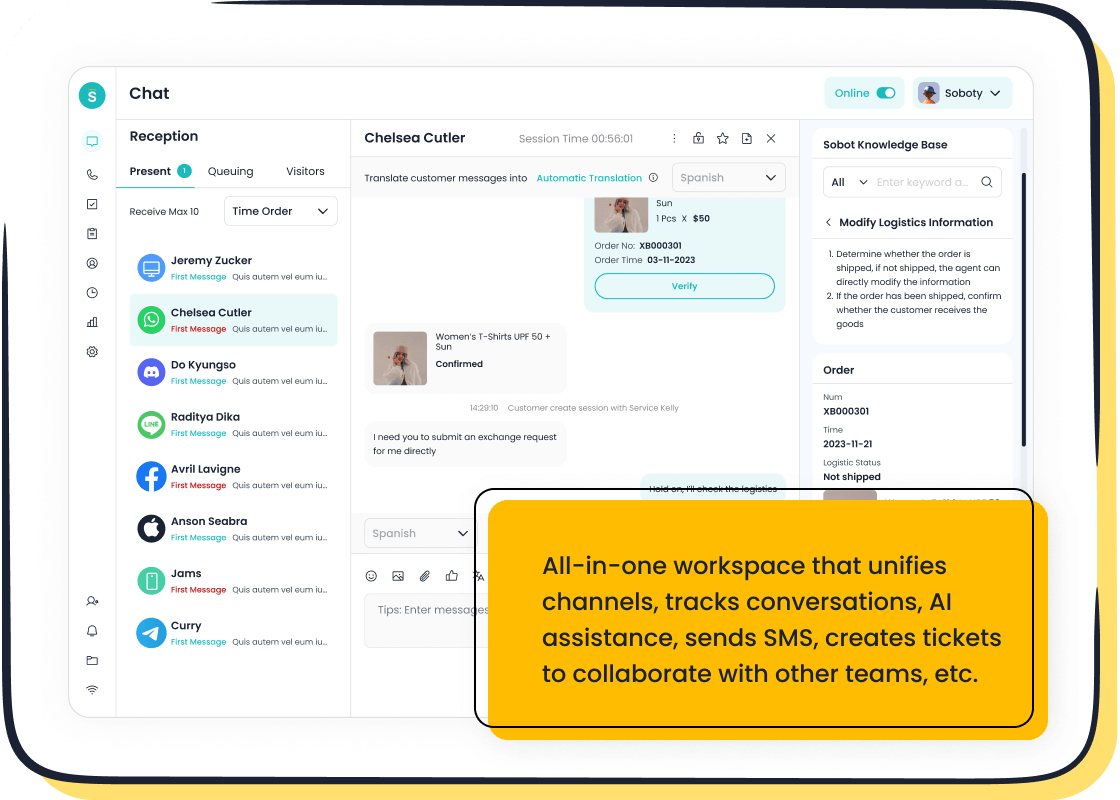
Your first move is to choose a central hub for all customer information. This could be a Customer Relationship Management (CRM) system or a Customer Data Platform (CDP). The right platform acts as a single source of truth, giving your team a complete history of every interaction. An all-in-one contact center solution like Sobot's Omnichannel Solution provides this by design, offering a unified workspace where agents can see every conversation, regardless of the channel it came from.
Key features to look for in a centralized platform include:
- A unified agent workspace to view all interactions.
- Customer data aggregation from every touchpoint.
- Seamless transitions between channels for customers.
Integrate All Communication Channels
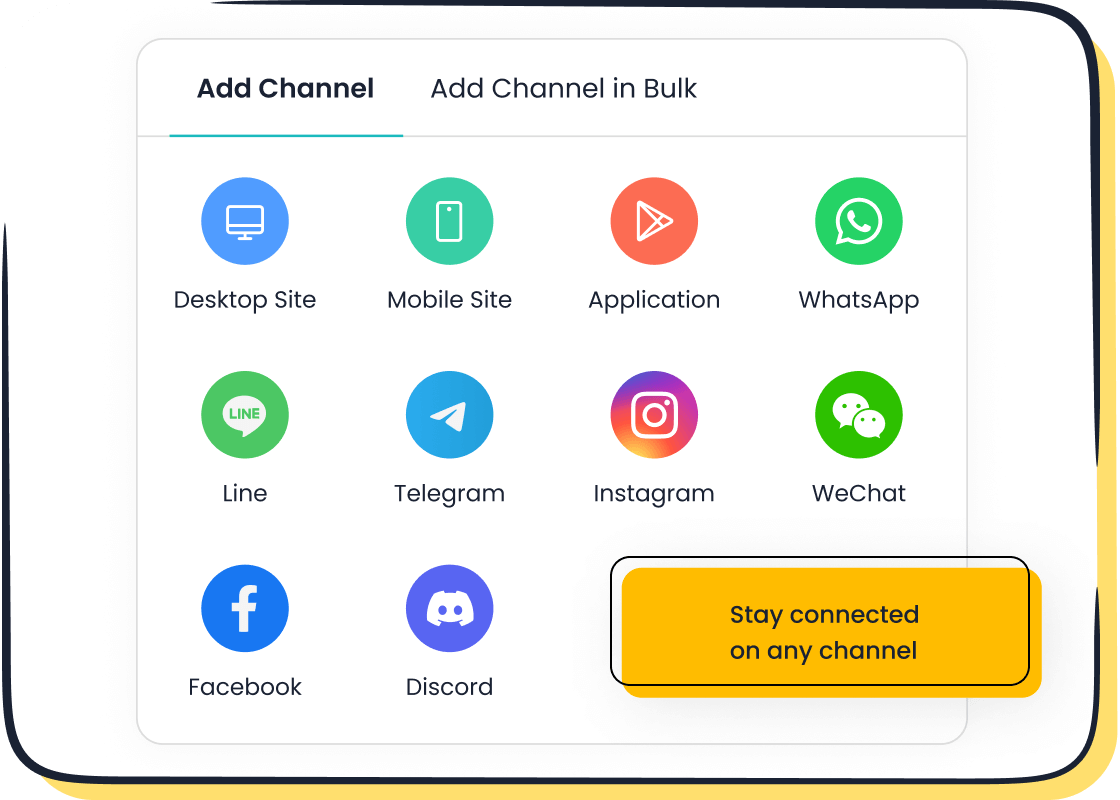
Once you have a central hub, you must connect all your communication channels to it. This step ensures that a conversation started on social media can be seamlessly picked up via email or a phone call without losing context.
The goal is to transform multiple, separate conversations into one continuous dialogue with the customer.
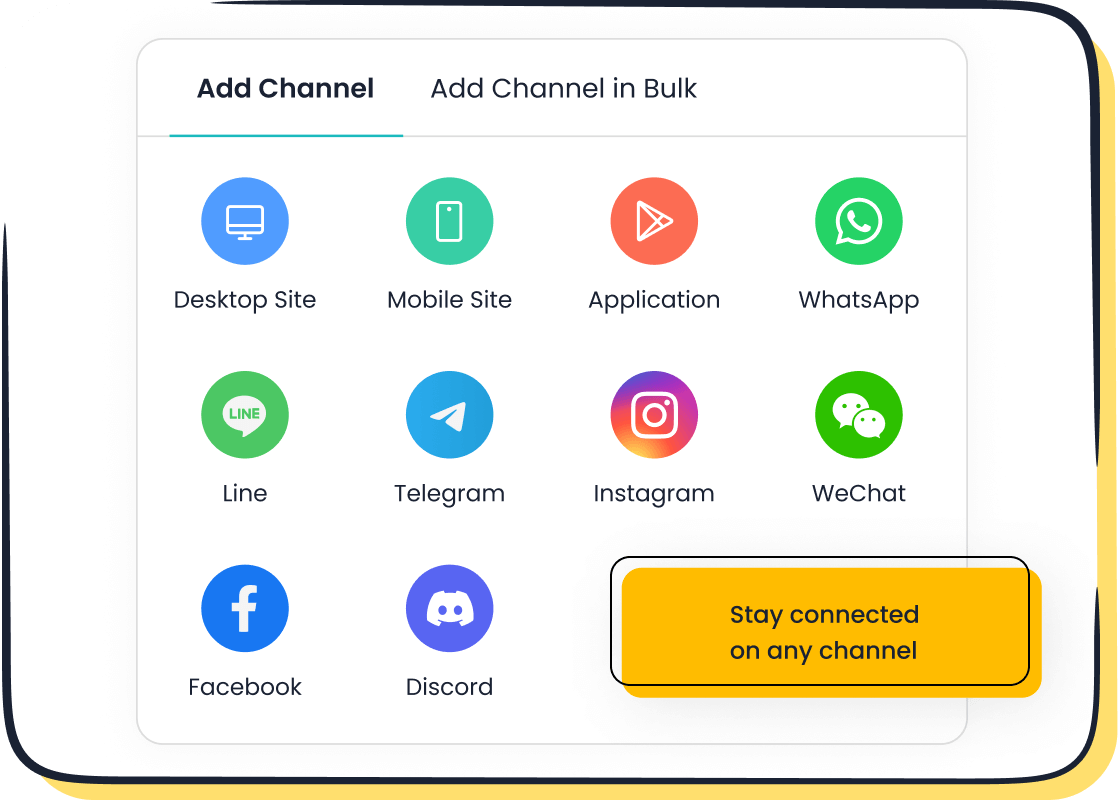
Platforms like Sobot Live Chat make this possible by supporting a wide range of channels, including your website, mobile app, and social media platforms like WhatsApp, Facebook, and Instagram. Integrating every channel ensures no customer interaction gets lost.
Ensure Real-Time Data Synchronization
Integration is not enough; the data must sync in real-time. When a customer updates their information or completes a purchase, that data should be instantly available to every agent on every channel. This prevents agents from working with outdated information and eliminates the need for customers to repeat themselves. For this to work, your service platform must connect with other critical business systems. For example, Sobot can integrate with platforms like Salesforce and Shopify, ensuring that customer service, sales, and e-commerce data are always aligned and up-to-date.
Step 3: Empower Your Team for Omnichannel Delivery
Your technology is only as good as the people who use it. Empowering your team is a critical part of how to achieve omnichannel customer service. You must equip your agents with the right skills, processes, and mindset to deliver a truly unified experience. This step transforms your strategy from a plan on paper into a living, breathing part of your company culture.
Train Agents on New Tools and Workflows
Your team needs more than just access to new software; they need comprehensive training to use it effectively. You can build confidence and competence by using interactive training methods.
- Role-Playing: Practice common scenarios, like moving a conversation from chat to a phone call. This helps agents handle real situations smoothly.
- Simulations: Use a safe, virtual environment to practice challenging customer interactions without real-world consequences.
- Gamification: Add friendly competition and rewards to make the learning process more engaging and memorable.
Regular refresher sessions are also essential. They keep your team updated on new features and ensure they always have the most current information to help customers.
Establish Cross-Channel Handoff Protocols
A seamless handoff is the heart of a great omnichannel service experience. You need to create clear rules for passing customer conversations between channels or agents. The goal is to ensure the customer never has to repeat their story.
A handoff protocol is a set of rules that ensures customer context travels with them. For example, if an agent needs to escalate a chat to a phone call, the next agent should have the full chat history instantly.
Support this process with a robust internal knowledge base. When agents have access to shared documents, FAQs, and customer histories, they can resolve issues faster and provide consistent answers. This creates a smooth, uninterrupted journey for the customer.
Foster a Customer-Centric Service Culture
Technology and processes are important, but a customer-centric culture is what truly makes your omnichannel service shine. This culture starts with leadership. When leaders show a strong commitment to customer satisfaction, it inspires the entire team.
You can build this culture by aligning company values with customer needs and empowering your employees. Train your team on essential skills like empathy and clear communication. Encourage collaboration between departments to break down internal silos. When everyone in your organization works together with the customer at the center of their focus, you create an environment where exceptional service becomes second nature.
Step 4: Implement and Test Your Strategy
You have mapped the journey, unified your technology, and empowered your team. Now it is time to bring your omnichannel strategy to life. A successful launch is not a single event. It is a careful process of implementation, testing, and refinement. This step ensures your new system works flawlessly in the real world.
Launch a Phased Rollout or Pilot Program
Avoid the risks of a full-scale launch. You should introduce your new omnichannel system in stages. A phased rollout or pilot program allows you to test your strategy with a smaller group. This approach mitigates risks and helps you manage resources effectively.
A phased rollout is a proven path to success. Studies show this method leads to 67% higher success rates and 45% fewer technical problems.
You can start with a specific audience segment, like your most loyal customers, or a single service channel. This controlled launch provides several key benefits:
- It allows you to identify and resolve issues early.
- Your support teams can handle the new volume in manageable steps.
- You gather valuable feedback from early adopters before a wider release.
Collect Feedback from Agents and Customers
Feedback is the fuel for optimization. You must actively collect insights from both your agents and the customers using the new system. Agents can tell you about workflow issues, while customers provide direct feedback on their experience. Use a simple, structured process to manage this information.
- Gather Data: Use surveys, direct feedback tools, and focus groups to collect feedback from both agents and customers.
- Analyze Feedback: Identify common themes, recurring issues, and areas for improvement from the data you collect.
- Implement Changes: Make targeted adjustments to your tools and workflows based on the analysis.
- Review and Repeat: Regularly review the impact of your changes and continue the feedback cycle.
Iterate on Processes Before Full-Scale Launch
The final part of this step is to act on the feedback you receive. Use the insights from your pilot program to refine your processes. This iterative cycle of testing and improving is essential. It ensures you fix any problems before they affect your entire customer base. By making data-backed adjustments, you can fine-tune your workflows, update training materials, and optimize your technology. This careful iteration builds a strong, reliable foundation for your full-scale launch and a truly seamless omnichannel service.
Step 5: Measure and Optimize to Achieve Omnichannel Customer Service
Launching your strategy is a major milestone, but it is not the final destination. The last step is a continuous cycle of measurement and improvement. Data shows you what works and where friction still exists. This ongoing process is how to achieve omnichannel customer service that evolves with your customers.
Define Your Omnichannel Service KPIs
You cannot improve what you do not measure. You must define Key Performance Indicators (KPIs) that give you a complete view of the customer journey. Unlike traditional metrics that focus on a single channel, omnichannel KPIs connect performance across your website, app, and support teams.
These shared metrics align your marketing, sales, and service departments around a single goal: a better customer experience.
Key metrics you should track include:
- Customer Satisfaction (CSAT): Measures happiness with a specific interaction.
- Customer Lifetime Value (CLV): Tracks the total value a customer brings to your brand over time.
- Cross-Channel Conversion Rate: Shows how effectively you turn interactions into sales across all touchpoints.
- Customer Retention Rate (CRR): Measures how many customers remain loyal to your brand.
Track Customer Satisfaction and First Contact Resolution
Customer Satisfaction (CSAT) is a vital KPI for your omnichannel service. You can measure it with simple, one-question surveys after an interaction. While benchmarks vary, many industries aim for a CSAT score between 75% and 85% to confirm positive customer sentiment.
Another critical metric is First Contact Resolution (FCR). This measures the percentage of issues resolved in a single interaction, without the customer needing to switch channels or contact you again. A high FCR score is a strong indicator that your omnichannel experience is truly seamless.
Use Analytics to Continuously Refine the Journey
Your centralized platform is a goldmine of data. Use customer journey analytics to identify patterns and friction points that data alone might miss, such as where customers abandon a process. This allows you to make data-driven refinements.
Consider the success of Opay, a leading financial service platform. By implementing Sobot's Omnichannel Solution, they were able to analyze and streamline their operations. The results were transformative:
- Customer satisfaction soared from 60% to 90%.
- Overall operational costs fell by 20%.
- Conversion rates increased by 17%.
Opay’s success demonstrates the powerful return on investment from a well-measured and optimized omnichannel strategy. By using analytics to refine the journey, you can achieve similar improvements in efficiency and customer loyalty.
You now have a clear path to a superior omnichannel service. Your journey involves five key actions: mapping the customer journey, unifying your technology, empowering your team, implementing your strategy carefully, and measuring your results. Remember, a successful omnichannel service is not a one-time project. It is a continuous process of optimization.
Ready to unify your customer service? Explore Sobot's Omnichannel Solution and start your journey toward a seamless customer experience today.
FAQ
What is the difference between multichannel and omnichannel service?
Multichannel service means you offer customers many ways to connect. A true omnichannel service unites these channels. It creates one seamless conversation where context follows the customer, so they never have to repeat their issue. This provides a superior customer experience.
What is the biggest benefit of an omnichannel strategy?
The primary benefit is a unified customer experience. This builds stronger customer loyalty and trust. It also improves agent efficiency and reduces operational costs by creating a single, streamlined workflow for your team to manage all interactions.
What is the first step to build an omnichannel service?
Your first step is to map the entire customer journey. You must audit all touchpoints and identify customer pain points. This foundational analysis shows you where gaps exist between your channels and what you need to fix.
How does a platform like Sobot help achieve this?
An all-in-one platform is essential for your omnichannel service. Sobot's Omnichannel Solution provides a unified workspace for your agents. It integrates all your channels and syncs data in real-time, giving your team a complete view of every customer.
See Also
Achieve Seamless Customer Service: Ten Steps for Omnichannel Contact Center Implementation
Unlock Superior Support: Your Comprehensive Guide to Omnichannel Call Center Software
Enhance Your Shopify Store: Ten Steps for Effective Live Chat Support
Elevate SaaS Customer Experience: Powerful Live Chat Strategies for Support Teams
Become a Live Chat Expert: Mastering Customer Support for Enhanced Engagement

