How to Track Emotional Connection for Better Customer Loyalty


You see emotional connection matters more than customer satisfaction in today’s market. Customers with emotional connections to brands show a 306% higher lifetime value and a 71% chance of recommending you. Emotional branding creates a stronger emotional impact, leading to 50% higher ROI than traditional campaigns. Tracking emotional connection matters more than customer satisfaction, so you need emotional measurement tools. Sobot’s Live Chat helps you analyze emotional scores and emotional measurement across customer journeys. Current customer experience measurement often misses these emotional measurements.
Remember, emotional connection matters more than customer satisfaction for loyalty.
| Industry | Use Case Description |
|---|---|
| Customer Service | Emotional AI enhances service by providing real-time emotional insights during calls. |
Why Emotional Connection Matters More Than Customer Satisfaction
Emotional Connection vs. Satisfaction in Customer Experience
You may think customer satisfaction is enough for strong customer loyalty, but emotional connection goes much deeper. Satisfaction often means you met a customer’s basic needs. Emotional connection means you build trust, belonging, and shared experiences with your brand. These emotional bonds form when you respond to emotional needs and create positive emotional responses during customer interactions. In customer experience research, experts break it down into three parts: success, effort, and emotion. Success is when customers reach their goals. Effort is how easy the journey feels. Emotion is the feeling your brand leaves behind. Emotional connection focuses on the third part—how your brand makes people feel.
Traditional satisfaction metrics only measure if you solved a problem or delivered a product. They do not capture emotional states or emotional patterns that drive real engagement. Emotional connection, on the other hand, predicts future behavior. Customers with strong emotional loyalty are more likely to trust your brand, forgive mistakes, and recommend you to others. Porsche, for example, tracks emotional bonds at every step of the customer journey to understand emotional responses and improve brand loyalty.
Impact on Emotional Loyalty and Retention
Emotional loyalty shapes long-term relationships. When you meet emotional needs, you create lasting engagement and brand loyalty. Customers with emotional loyalty buy more often, spend more, and resist switching to competitors. They become true advocates for your brand. Research shows that emotional loyalty leads to higher retention rates than satisfaction-based loyalty.
Emotional loyalty significantly impacts customer retention rates by fostering deeper emotional connections between customers and brands, leading to increased loyalty even in the face of competitive offerings.
You see this in customer experience data. Emotionally loyal customers recommend your brand, purchase more, and stay longer. They respond to loyalty marketing because they feel a personal connection, not just because of rewards.
| Source | Key Finding |
|---|---|
| Qualtrics Analysis | Emotionally connected customers are 5.7x more likely to trust the brand. |
| Forrester Survey | 84% of B2B buyers base decisions on emotion. |
| Predictable Profits | 66% of B2B buying decisions are based on emotional factors. |
Real-World Example: Michael Kors and Sobot
Michael Kors shows how emotional connection transforms customer experience. After using Sobot Live Chat, Michael Kors unified customer interactions and responded faster to emotional needs. The brand saw customer satisfaction scores rise by over 30% and Net Promoter Scores increase by over 35%. These results prove that focusing on emotional loyalty and engagement leads to stronger relationships and long-term business growth.
Michael Kors built emotional loyalty by understanding emotional states and emotional patterns across all journeys. The brand used Sobot to track every engagement, ensuring each customer felt valued. This approach turned regular customers into loyal advocates, showing the power of emotional connection in loyalty marketing.
Measuring Emotion in Customer Experience
Understanding how to track emotional connection for better customer loyalty starts with measuring emotion at every touchpoint. You need practical tools and clear steps to capture customer emotions and turn them into actionable insights. This section shows you how to use surveys, behavioral signals, and analytics to build a stronger emotional bond with your customers.
Direct Feedback: Surveys and Sentiment Questions
Surveys give you direct access to customer emotions. You can expand traditional surveys like Net Promoter Score (NPS) and Customer Satisfaction (CSAT) to include questions about feelings. When you ask customers how they feel about your brand, you gain valuable insights into trust and emotional connection. Measuring emotion through surveys helps you understand what drives loyalty and advocacy.
Here are some effective survey questions for measuring emotion:
| Survey Question | Description |
|---|---|
| What emotion best describes your recent experience with us? | Directly asks customers to identify their emotional response, providing specific insights into their feelings. |
| How did you feel about the recent experience with us? | Encourages customers to reflect on their emotions, enhancing understanding of emotional connection. |
You can also measure discrete emotions like gratitude, confidence, and anxiety. These emotions predict customer behavior more accurately than traditional metrics. Identifying specific emotions tied to brand interactions enhances your measurement program.
Tip: Add a question to your existing feedback system asking customers how they felt after their interaction. Use Robert Plutchik's wheel of emotions to guide emotional responses in surveys. Correlate emotional responses with operational metrics for deeper insights.
Behavioral Signals and Engagement Patterns
You can learn a lot about customer emotions by observing behavioral signals and engagement patterns. These signals show how customers react during their experience with your brand. For example, rage-clicking indicates frustration, while all-caps typing suggests anger. Backtracking reflects confusion, and session duration can correlate with emotional engagement.
Here are some behavioral signals to watch for:
- Rage-clicking shows frustration.
- All-caps typing suggests anger.
- Backtracking reflects confusion.
- Long session duration can indicate strong emotional engagement.
- Authentication failures may signal anxiety or confusion.
- Rising pitch in voice during calls suggests stress.
- Increased interruptions can indicate heightened emotional states.
You can analyze social media to gauge customer sentiment and overall brand perception. Interactive Voice Recognition (IVR) helps monitor real-time customer emotions through tone and communication style. These behavioral signals give you a deeper understanding of how to track emotional connection for better customer loyalty.
Note: Identifying specific behavioral patterns helps you predict customer needs and personalize your response. You can use these insights to improve the customer journey and build emotional loyalty.
Using Sobot Live Chat Analytics
Sobot Live Chat empowers you to capture and analyze emotional data across channels. You can use advanced natural language processing (NLP) to interpret customer queries and detect emotional states. Sentiment analysis gauges customer emotions during interactions, helping you adjust your response and create a more empathetic experience.
Sobot Live Chat analyzes text, word choice, and punctuation to identify customer emotions. Contextual understanding allows the platform to grasp the broader meaning behind customer inquiries. The system adapts its replies to match the emotional tone of the customer, fostering a stronger connection.
Here’s how Sobot Live Chat helps you measure emotion:
- Employs NLP to interpret customer queries and detect emotional states.
- Uses sentiment analysis to gauge customer emotions during interactions.
- Adjusts responses based on detected emotions, enhancing the experience.
- Analyzes text, word choice, and punctuation to identify emotions.
- Provides contextual understanding for deeper insights.
- Adapts replies to match emotional tone, creating empathetic interactions.
You can correlate emotional responses with other survey questions and operational metrics. Sobot Live Chat offers built-in analytics with customizable data reports, helping you make informed decisions. You can unify customer data from websites, apps, and social media, ensuring no missed or lost calls. This unified approach helps you track emotional connection for better customer loyalty and extend the customer lifecycle.
Callout: Sobot Live Chat supports omnichannel communication, so you can measure emotion across all customer touchpoints. You gain a holistic view of customer emotions and engagement patterns, making it easier to personalize your service and build lasting loyalty.
Measuring emotion in customer experience gives you the power to understand what drives loyalty. You can use surveys, behavioral signals, and analytics to capture emotional data and turn it into actionable strategies. Sobot Live Chat makes it easy to track emotional connection for better customer loyalty, helping you create positive experiences and foster long-term relationships.
Tools for Tracking Emotional Connection
Sobot Live Chat Features for Emotional Insights
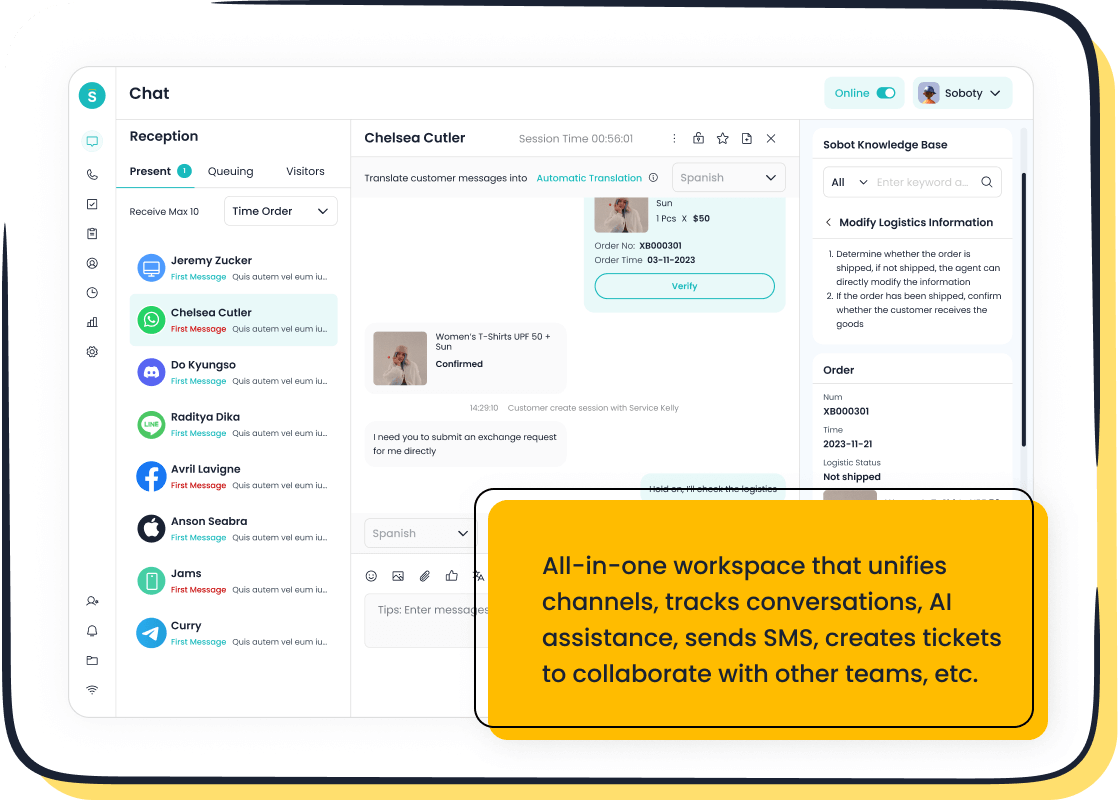
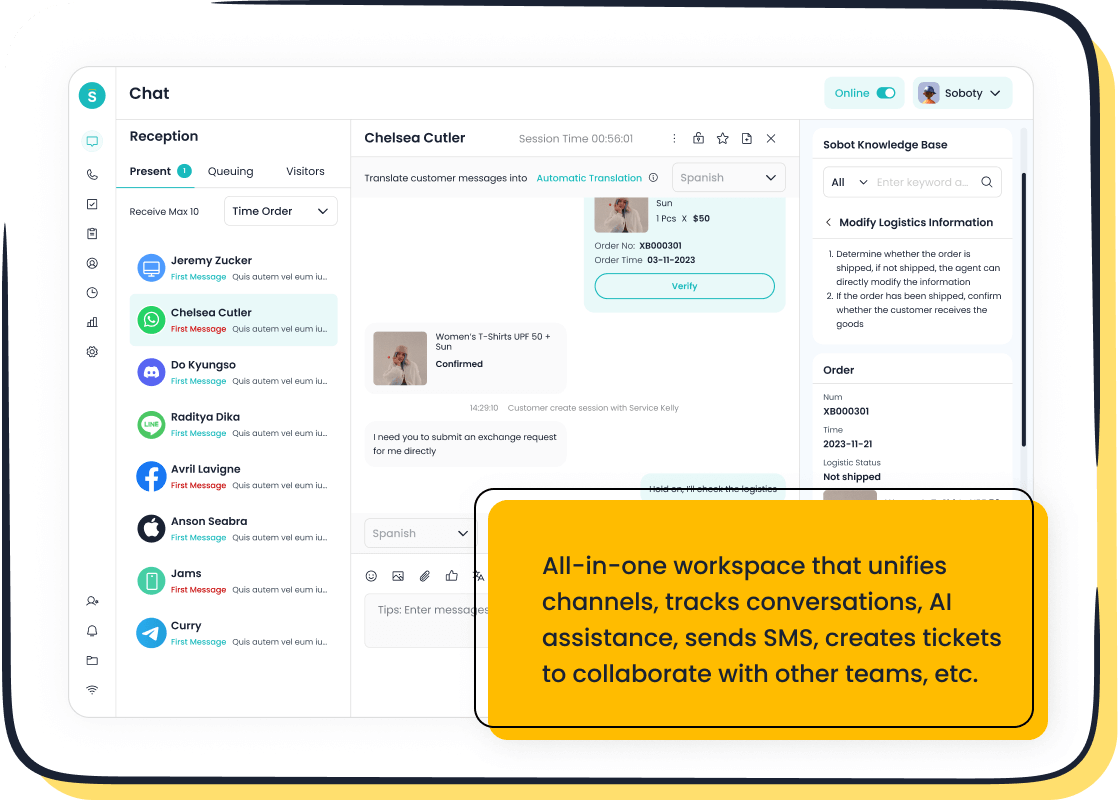
You need the right tools to measure emotional loyalty and build lasting relationships. Sobot Live Chat gives you a powerful platform to capture emotional insights at every customer touchpoint. The system brings together conversations from your website, apps, and social media into one unified workspace. This centralization helps you track emotional connection for better customer loyalty by making sure no interaction slips through the cracks.
Sobot Live Chat uses AI to analyze customer messages in real time. The platform detects emotional tones, such as happiness, frustration, or confusion, by examining word choice, punctuation, and context. When you use these emotional insights, you can adjust your responses to match the customer’s mood. This approach helps you measure emotional loyalty and create more meaningful experiences.
Sobot’s platform offers more than just chat. You can use its chatbot, AI Agent, voicebot, and ticketing system to manage customer interactions across channels. The call center and voice solutions let you track emotions in phone conversations, using voice analysis to detect stress or satisfaction. The ticketing system helps you follow up on emotional issues, ensuring customers feel heard and valued.
Here is a table showing the benefits of using Sobot’s Live Chat and omnichannel solutions for emotional analysis:
| Benefit | Description |
|---|---|
| Personalized Interaction | AI handles inquiries across multiple channels, enhancing customer experience. |
| Emotional Management | AI workflows help manage customer emotions and responses effectively. |
| Timely Service | Availability of sales and support reps at all times improves customer satisfaction. |
| Cost-Effectiveness | Sobot's pricing is competitive, often lower than alternatives without hidden charges. |
| Centralized Support | All support channels and customer conversations are centralized in one platform. |
| Proactive Engagement | Automates personalized interactions, improving conversion rates by engaging customers early. |
You can see how these features help you measure emotional loyalty and respond quickly to customer needs. Sobot’s tools make it easy to track emotional connection for better customer loyalty, giving you a clear view of every customer’s journey.
Integrating Omnichannel Data
When you want to measure emotional loyalty, you need to look at the whole customer journey. Sobot’s omnichannel solutions bring together data from websites, apps, social media, and phone calls. This integration gives you a complete picture of how customers feel at every stage.
Integrating omnichannel data improves the accuracy of emotional connection tracking in several ways:
- Omnichannel analytics uses artificial intelligence to gain deeper insights into customer journeys.
- You can understand customer intent, sentiment, effort, and emotional intensity through behavioral signals.
- This understanding helps you create personalized digital experiences that exceed customer expectations and strengthen emotional connections.
Sobot’s customer contact center unifies all your communication channels. You can see every interaction in one place, making it easier to spot patterns and measure emotional loyalty. For example, if a customer expresses frustration on social media and then calls your support line, Sobot’s system links these interactions. This unified view helps you respond with empathy and consistency.
Sobot’s analytics tools help you identify patterns in emotional loyalty. Here is a table that shows how analytics tools support this process:
| Aspect | Description |
|---|---|
| Emotional KPIs | Establishing indicators like trust levels and excitement scores to measure emotional performance. |
| Ethical Data Collection | Ensuring diverse and representative data to avoid bias and maintain trust. |
| Qualitative and Quantitative | Combining emotional data with human interpretation for meaningful insights. |
| Feedback Loops | Using insights for continuous improvement in design and communication. |
| Team Collaboration | Sharing emotional data across departments to enhance customer understanding and action. |
You can use these analytics to measure emotional loyalty and improve your customer experience. Sobot’s platform makes it easy to collect, analyze, and act on emotional data from every channel.
Leveraging AI and Sentiment Analysis
Artificial intelligence plays a key role in helping you measure emotional loyalty. Sobot’s AI-powered tools use natural language processing (NLP) to analyze customer feedback and detect emotional tones. The system can identify emotions like frustration, satisfaction, or excitement in both text and voice interactions.
Here are some ways AI and sentiment analysis help you track emotional connection for better customer loyalty:
- AI uses NLP to analyze customer feedback, identifying emotional tones such as frustration or satisfaction.
- AI systems detect emotions in voice interactions and adjust responses based on the customer’s emotional state. This can improve customer satisfaction by up to 30%, according to a study by MIT Media Lab (source).
- Affective computing allows AI to analyze visual cues, such as facial expressions, and provide personalized responses based on detected emotions.
Sobot’s AI Agent and chatbot work together to deliver emotional insights in real time. The AI Agent can handle complex queries, while the chatbot manages routine questions. Both tools help you measure emotional loyalty by tracking how customers feel during each interaction.
You can also use Sobot’s analytics to spot trends and make data-driven decisions. For example, if you notice a rise in negative emotions after a product launch, you can quickly adjust your strategy. This proactive approach helps you build stronger emotional connections and improve loyalty.
When you want to ensure the reliability and validity of your emotional connection measurement tools, you should:
- Define clear objectives for your emotional intelligence assessments.
- Create psychological safety so customers feel comfortable sharing honest feedback.
- Provide skilled interpretation and coaching to turn insights into action.
- Connect assessments to learning experiences that develop emotional intelligence.
- Measure progress with clear metrics to show the impact of your efforts.
By following these steps, you can measure emotional loyalty with confidence and use emotional insights to drive business growth.
Tip: Share emotional data across your team to improve collaboration and create a unified approach to customer experience.
Sobot’s all-in-one platform gives you the tools you need to track emotional connection for better customer loyalty. You can use live chat, chatbot, AI Agent, voicebot, call center, and ticketing system to capture and analyze emotional data. This approach helps you measure emotional loyalty, personalize your service, and build lasting relationships.
If you want to learn more about how to track emotional connection for better customer loyalty, visit Sobot’s official website for detailed product information and customer stories.
Turning Emotional Data into Customer Experience Strategies
Interpreting Emotional Trends
You can use emotional data to spot patterns in customer behavior. Sentiment analysis helps you understand if customers feel happy, frustrated, or neutral after interacting with your brand. When you review feedback and chat transcripts, you see which moments spark positive emotions and which cause stress. This process shows you where to improve your service. For example, if many customers express frustration after checkout, you know that step needs attention. Companies that excel at emotional connection outperform their industries and build trust with customers. By analyzing emotional trends, you gain insights that guide your next steps for How to Track Emotional Connection for Better Customer Loyalty.
Tip: Look for spikes in negative sentiment. These spikes often reveal pain points in your customer journey.
Personalizing Engagement with Sobot
Personalization starts with understanding emotional cues. Sobot’s platform uses AI to detect emotions in real time. You can tailor your responses based on how customers feel. If someone seems frustrated, offer empathy and solutions. If a customer shows excitement, use playful language or emojis. Sobot lets you customize chat tone and prompts, making each interaction feel human. You can even let customers choose their preferred chat style—fun, fast, or formal. Personalization boosts revenue and helps recover abandoned carts. The table below shows best practices for personalizing engagement:
| Best Practice | Example |
|---|---|
| Use sentiment analysis and behavioral cues | Respond with empathy to frustrated users; engage excited browsers with playful curiosity. |
| Proactive, goal-aligned prompts | 'Back so soon? We saved your favorites.' |
| Optimize with real-time insights | Emoji use increases reply rates by 22% during daytime hours. |
| Give users control over tone | Let users toggle chat style: fun, fast, or formal. |
| Smart, fun questions that feel human | 'Your cart looks lonely. Want to save it with 10% off?' |
Personalization is key for How to Track Emotional Connection for Better Customer Loyalty.
Actionable Steps to Build Emotional Loyalty
You can turn emotional insights into action with Sobot. Follow these steps to strengthen loyalty:
- Invest in AI-powered tools that analyze customer interactions and detect emotional cues.
- Balance automation with human interaction for a personal touch.
- Train AI systems on emotional intelligence to improve satisfaction.
- Monitor and analyze feedback to find areas for improvement.
Many organizations use emotional analytics to route conversations and address confusion. This approach leads to higher satisfaction and fewer support calls. When you apply these strategies, you build stronger relationships and improve How to Track Emotional Connection for Better Customer Loyalty.
Note: Companies that focus on emotional loyalty see higher retention and advocacy.
You can use Sobot’s tools to interpret emotional data, personalize engagement, and take action. These steps help you master How to Track Emotional Connection for Better Customer Loyalty and create lasting bonds with your customers.
You see emotional connection drives lasting customer loyalty. Trust, belonging, and appreciation matter more than basic satisfaction. Sobot Live Chat gives you tools to measure and act on emotional insights. When you track emotional connection, you boost retention and advocacy. The table below shows how emotional loyalty impacts your business:
| Statistic | Impact |
|---|---|
| 306% Higher Lifetime Value | Customers with emotional connection spend more |
| 80% Brand Advocacy | Emotionally engaged customers promote your brand |
| 70% Increased Spending | Loyal customers buy more often |
Start using How to Track Emotional Connection for Better Customer Loyalty. Explore Sobot’s solutions to build stronger relationships.
FAQ
How can you start using Sobot to track emotional connection?
You can sign up for Sobot Live Chat on the official website. The platform helps you measure emotional loyalty and analyze customer emotions. You gain insights for How to Track Emotional Connection for Better Customer Loyalty.
What makes Sobot Live Chat effective for emotional measurement?
Sobot Live Chat uses AI and sentiment analysis to detect emotional tones. You see real-time emotional data across channels. This helps you understand How to Track Emotional Connection for Better Customer Loyalty.
Can you integrate emotional data from multiple channels?
Yes, Sobot unifies emotional data from websites, apps, and social media. You track emotional loyalty at every touchpoint. This supports your strategy for How to Track Emotional Connection for Better Customer Loyalty.
How does emotional connection impact customer loyalty?
Emotional connection increases lifetime value and brand advocacy. You build trust and retention. Using Sobot, you improve How to Track Emotional Connection for Better Customer Loyalty.
What steps help you turn emotional insights into action?
You analyze emotional trends with Sobot’s analytics. You personalize engagement and respond to emotional cues. These steps strengthen How to Track Emotional Connection for Better Customer Loyalty.
See Also
10 Strategies to Enhance Live Chat Customer Experience
10 Guidelines for Selecting Social Media Support Tools
Best Customer Feedback Software Options Reviewed
Ways Chatbots Improve Online Shopping Customer Happiness
Comprehensive Overview of Multichannel Call Center Solutions

