Emotional Analysis vs Sentiment Analysis Key Differences

Understanding how your customers feel is crucial for delivering exceptional service. Emotional analysis focuses on identifying specific emotions like happiness, anger, or frustration in customer interactions. In contrast, sentiment analysis determines the overall sentiment—positive, negative, or neutral—expressed in feedback. Both approaches play a vital role in enhancing customer experiences.
For instance, sentiment analysis helps businesses monitor brand reputation and detect issues early. Emotional analysis, on the other hand, dives deeper into customer feelings, enabling personalized support. Companies like Sobot leverage these tools to improve customer satisfaction and loyalty, ensuring efficient and meaningful interactions.
Understanding Sentiment Analysis
What is Sentiment Analysis?
Definition and purpose
Sentiment analysis is a process that uses artificial intelligence (AI) to determine the overall sentiment expressed in text, speech, or other forms of communication. It categorizes feedback as positive, negative, or neutral, helping you understand how customers feel about your products, services, or brand. Businesses use sentiment analysis to gauge customer satisfaction, monitor brand reputation, and identify areas for improvement.
How sentiment analysis works
AI emotion recognition powers sentiment analysis by analyzing text or speech patterns. It relies on algorithms like Naive Bayes, Support Vector Machines (SVM), and deep learning models such as LSTM and GRU. These tools process data to detect sentiment trends, even in large datasets. For example, a leading mobile carrier uses speech-to-text software to analyze customer interactions in real time, assigning sentiment scores to improve support quality.
Applications of Sentiment Analysis in Customer Service
Monitoring customer satisfaction
Sentiment analysis helps you track customer satisfaction by analyzing reviews, surveys, and social media comments. For instance, Marriott International uses this technology to evaluate guest feedback across its properties. By identifying recurring issues, they enhance guest experiences and maintain high satisfaction levels.
Tracking brand reputation
Monitoring brand reputation becomes easier with sentiment analysis. It allows you to detect negative trends early and take proactive measures. For example, TechSmith uses survey sentiment analysis to optimize product features based on user feedback, ensuring their offerings align with customer expectations.
Benefits of Sentiment Analysis
Quick insights into customer sentiment
Sentiment analysis provides fast and actionable insights. It identifies customer concerns before they escalate, enabling you to address them promptly. This approach reduces the likelihood of negative reviews and helps maintain customer loyalty.
Scalability for large datasets
AI emotion recognition makes sentiment analysis scalable. It processes vast amounts of data efficiently, whether from social media, emails, or surveys. This scalability ensures you can monitor sentiment trends across multiple channels without compromising accuracy.
Limitations of Sentiment Analysis
Lack of emotional depth
Sentiment analysis often struggles to capture the full range of human emotions. While it identifies whether feedback is positive, negative, or neutral, it cannot pinpoint specific feelings like joy, anger, or disappointment. For example, a customer review stating, "I expected better service" might be tagged as negative, but the underlying frustration or disappointment remains unrecognized. This limitation can lead to missed opportunities for deeper customer understanding.

You might find this particularly challenging when trying to personalize customer experiences. Without emotional depth, your ability to address specific concerns diminishes. Tools like Sobot Live Chat, which integrate advanced analytics, can help bridge this gap by combining sentiment analysis with other AI-driven insights. However, relying solely on sentiment analysis may leave you with an incomplete picture of customer emotions.
Challenges with sarcasm and context
Sarcasm and contextual nuances present significant hurdles for sentiment analysis tools. These systems rely on algorithms that often misinterpret conflicting emotional undertones. For instance, a sarcastic comment like "Oh, great job!" after a poor experience might be classified as positive. This misinterpretation can skew your data and lead to inaccurate conclusions.
Several factors contribute to these challenges:
- Sarcasm and irony often lack vocal cues, making them harder to detect.
- Cultural differences and regional dialects influence how sarcasm is expressed and understood.
- Algorithms may overlook subtle shifts in meaning, especially in complex sentences.
To address these issues, you can combine sentiment analysis with emotional analysis. This approach provides a more comprehensive understanding of customer feedback. For example, Sobot's Live Chat platform uses AI to analyze customer interactions across multiple channels, helping you identify patterns and improve service quality. By integrating advanced tools, you can overcome these limitations and deliver more accurate insights.
Exploring Emotional Analysis
What is Emotional Analysis?
Definition and purpose
Emotional analysis is the process of identifying and interpreting specific emotions expressed in text, speech, or visual cues. Unlike sentiment analysis, which provides a general sentiment overview, emotional analysis focuses on emotion classification, such as joy, anger, sadness, or fear. This deeper emotional analysis enables businesses to understand the emotional state of their customers more precisely. By leveraging emotion AI, companies can enhance customer interactions and make data-driven decisions to improve satisfaction.
How emotional analysis works
Emotional analysis relies on advanced AI techniques, including emotion recognition models and emotion classification AI models. These models analyze data from various sources, such as text, voice, and even facial emotion detection. For example, emotion AI uses sentiment lexicons and machine learning algorithms to detect emotional cues in customer feedback. This process allows businesses to identify patterns and trends in customer emotions, enabling them to tailor their services effectively.
Applications of Emotional Analysis in Customer Support
Enhancing customer interactions with Sobot Live Chat
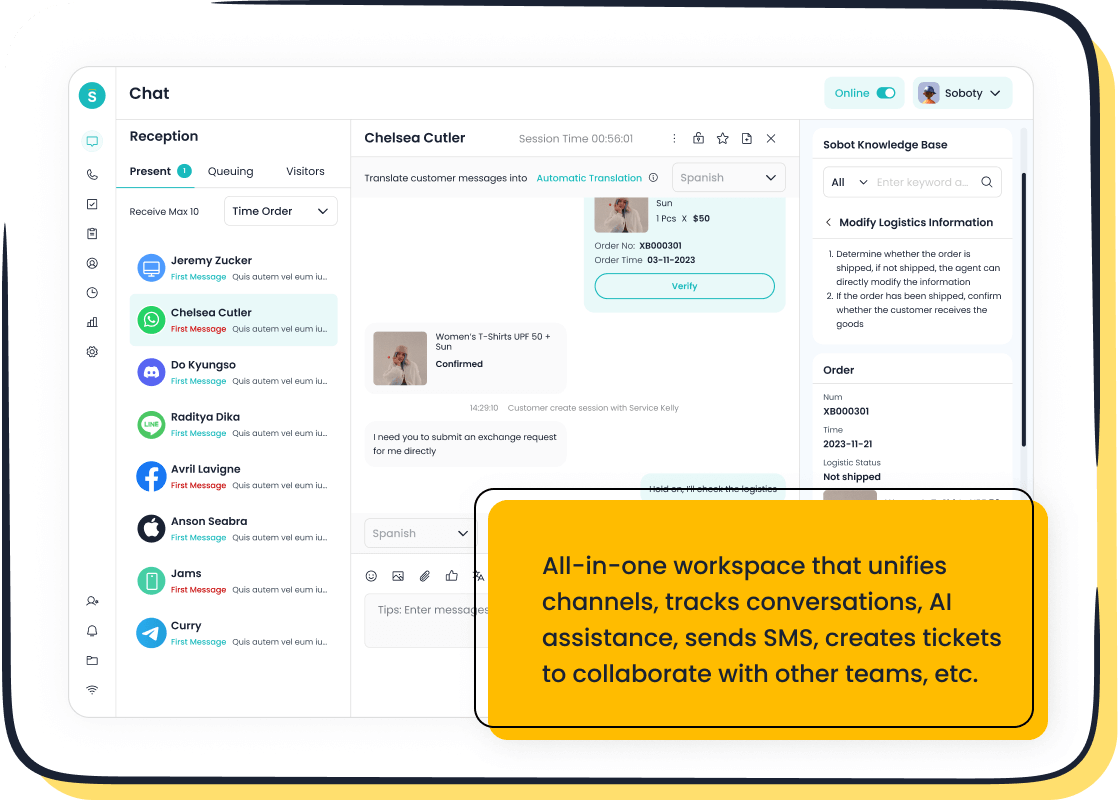
Sobot Live Chat integrates emotion AI to improve customer interactions. By analyzing real-time conversations, the platform identifies emotional cues and adjusts responses accordingly. For instance, if a customer expresses frustration, the system can prioritize the query and route it to a skilled agent. This application ensures timely and empathetic support, fostering customer loyalty. With omnichannel capabilities, Sobot Live Chat also consolidates interactions across platforms, providing a seamless experience.
Personalizing customer experiences
Emotional analysis plays a vital role in personalizing customer experiences. Companies like AB Tasty use emotion AI to segment users based on emotional states, such as immediacy or awareness, tailoring their online experiences. Similarly, emotion recognition technology adjusts product recommendations to match the user's emotional state. These applications demonstrate how emotion detection can create meaningful and personalized interactions, enhancing customer satisfaction.
Benefits of Emotional Analysis
Deeper understanding of customer emotions
Emotional analysis provides a nuanced understanding of customer emotions. By identifying specific feelings, businesses can address underlying concerns more effectively. For example, emotion classification helps detect frustration or disappointment in feedback, enabling proactive solutions. This deeper emotional analysis enhances your ability to connect with customers on a personal level.
Improved decision-making in customer service
Emotion AI empowers businesses to make informed decisions. By analyzing emotional trends, companies can identify areas for improvement and optimize their strategies. For instance, emotion recognition models can highlight recurring issues in customer interactions, guiding training programs for agents. This data-driven approach improves service quality and strengthens customer relationships.
Use Cases of Emotional Analysis
Analyzing customer feedback for emotional trends
Emotional analysis helps you uncover patterns in customer feedback, offering valuable insights into how customers feel about your products or services. By analyzing reviews, surveys, and social media comments, you can identify recurring emotions like frustration, satisfaction, or excitement. For example, a retail company might notice that customers frequently express joy when discussing their delivery speed but frustration regarding product availability. These trends allow you to focus on areas needing improvement while reinforcing positive experiences.
Sobot Live Chat enhances this process by integrating emotion AI into its analytics. The platform evaluates customer interactions across multiple channels, identifying emotional trends in real time. This capability enables you to respond proactively to customer needs, improving satisfaction and loyalty. With built-in analytics, Sobot Live Chat also provides customizable reports, helping you make data-driven decisions to optimize your services.
Identifying emotional triggers in customer communication
Understanding emotional triggers in customer communication allows you to tailor your responses and strategies effectively. Emotional analysis tools identify specific words, phrases, or situations that evoke strong emotions. For instance, a customer expressing anger might use terms like "unacceptable" or "disappointed," signaling the need for immediate attention.
Several use cases highlight the importance of identifying emotional triggers:
- Social Media Monitoring: Emotional insight tools analyze customer feelings and attitudes, helping brands identify trends in emotional responses to their products.
- Crisis Management: During crises, these tools analyze public sentiment, enabling tailored communication strategies to restore trust.
- Trend Identification: By gathering data from various sources, businesses uncover emotional triggers influencing consumer behavior and preferences.
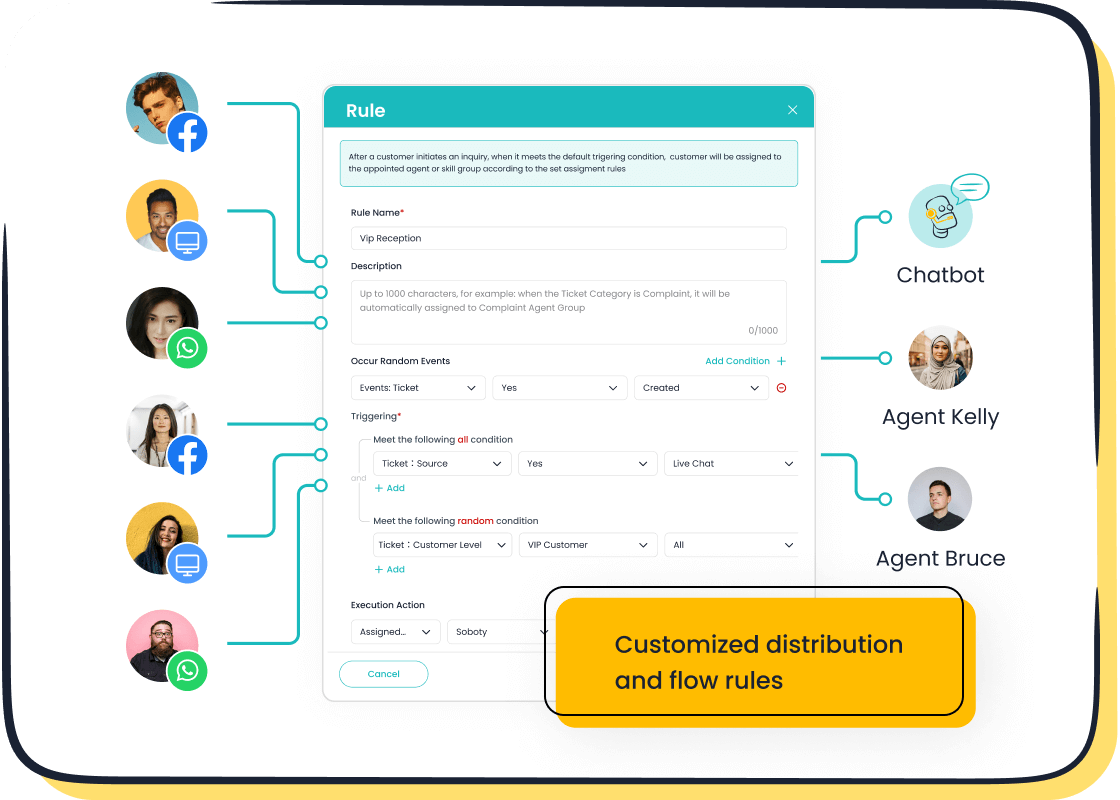
Sobot Live Chat supports this by detecting emotional cues in real-time conversations. Its intelligent assignment feature routes emotionally charged queries to skilled agents, ensuring empathetic and timely responses. This approach not only resolves issues effectively but also strengthens customer relationships.
Key Differences Between Emotional Analysis and Sentiment Analysis
Scope and Focus
Emotional analysis identifies specific emotions
Emotional analysis dives deep into identifying specific emotions such as joy, anger, sadness, or fear. This approach provides a nuanced understanding of how individuals feel during interactions. For example, emotion detection tools can recognize frustration in a customer’s tone, enabling you to address their concerns empathetically. This specificity allows businesses to tailor their strategies effectively, ensuring a more personalized experience.
Sentiment analysis determines overall sentiment
Sentiment analysis, on the other hand, focuses on assessing the overall tone of communication—whether it is positive, negative, or neutral. It provides a broader view of customer feedback, making it ideal for monitoring trends across large datasets. For instance, analyzing thousands of social media posts can reveal whether your brand is generally perceived positively or negatively. While it lacks emotional depth, sentiment analysis offers quick insights that help you gauge customer satisfaction efficiently.
Methodology
Techniques used in emotional analysis
Emotional analysis employs advanced AI techniques to detect and measure specific emotions. These include emotion classification models, sentiment lexicons, and machine learning algorithms trained on large datasets. For example, AI can identify anger in customer feedback and suggest an empathetic response. This approach adapts to the emotional state of the individual, ensuring more effective communication.
| Criteria | Sentiment Analysis | Emotional Analysis |
|---|---|---|
| Definition | Classifies opinions as positive, negative, or neutral | Identifies and measures specific emotions (joy, anger, fear, etc.) |
| Depth of analysis | Basic, with a general focus on tone | Advanced, detects specific emotions and their intensity |
| Use | Social listening, crisis management, monitoring online mentions | In-depth customer experience, emotional journey management |
Techniques used in sentiment analysis
Sentiment analysis relies on AI-driven algorithms like Naive Bayes and Support Vector Machines (SVM). These tools classify text or speech into positive, negative, or neutral categories. For example, analyzing product reviews can reveal overall customer satisfaction levels. While sentiment analysis is less detailed than emotional analysis, its scalability makes it invaluable for processing large datasets quickly.
Applications in Customer Service
Emotional analysis for personalized support
Emotional analysis enhances customer service analysis by identifying specific emotions in real-time interactions. For instance, Sobot Live Chat uses emotion detection to recognize frustration or sadness in customer queries. The system then routes these cases to skilled agents who can provide empathetic and timely responses. This personalized approach not only resolves issues effectively but also strengthens customer loyalty.
Sentiment analysis for trend monitoring
Sentiment analysis excels at monitoring trends across multiple channels. By analyzing social media mentions, reviews, and surveys, you can identify shifts in customer sentiment. For example, tagging feedback with sentiment scores helps you detect negative trends early, allowing you to take corrective actions. This method is particularly useful for maintaining brand reputation and ensuring customer satisfaction.
Combining Emotional Analysis and Sentiment Analysis
Why Combine Both Approaches?
Complementary insights for better customer understanding
Combining emotional analysis and sentiment analysis provides a more comprehensive understanding of how individuals feel during interactions. While sentiment analysis identifies the overall tone, emotional analysis dives deeper into specific emotions like anger or joy. Together, these approaches help you uncover hidden patterns in feedback. For example, emotional analysis can detect frustration in a neutral review, while sentiment analysis highlights the general dissatisfaction. This combination ensures you address both surface-level and underlying concerns effectively.
| Advantage | Description |
|---|---|
| Identification of Irritants | Helps prioritize problems based on customer emotions, ensuring urgent issues are addressed first. |
| Personalized Responses | Tailors responses based on detected emotions, enhancing customer satisfaction through empathy. |
| Targeted Improvement Strategies | Develops specific strategies based on emotional feedback, improving areas like data security. |
| Enhanced Reporting Capabilities | Provides advanced reporting tools to visualize trends in emotions and satisfaction metrics. |
Addressing limitations of each approach
Each method has its limitations. Sentiment analysis struggles with sarcasm and lacks emotional depth, while emotional analysis may require more advanced AI models for accuracy. By integrating both, you overcome these challenges. For instance, Sobot Live Chat uses AI to combine sentiment scores with emotional cues, ensuring accurate insights. This integration allows you to detect subtle nuances in communication, improving your ability to respond effectively.
Practical Applications of Integration
Enhancing customer support with Sobot Live Chat
Sobot Live Chat leverages AI to integrate emotional and sentiment analysis seamlessly. The platform detects emotional cues in real-time, such as frustration or happiness, and combines them with sentiment scores. This feature enables intelligent assignment, routing emotionally charged queries to skilled agents. For example, if a customer expresses anger, the system prioritizes the query for immediate resolution. This approach ensures empathetic and timely support, fostering loyalty. With omnichannel capabilities, Sobot Live Chat consolidates interactions across platforms, providing a unified and efficient experience.
Improving marketing strategies with combined insights
Integrating emotional and sentiment analysis enhances your marketing efforts. Marketers can personalize campaigns based on sentiment trends, addressing negative feedback with tailored recommendations. Understanding the emotional context of your audience also improves targeted advertising. For instance:
- Positive sentiments toward eco-friendly products can inspire campaigns highlighting environmental benefits.
- Monitoring sentiment trends helps you track satisfaction and develop loyalty strategies.
- Comparing sentiment data with competitors reveals insights into brand perception.
These applications demonstrate how combined insights drive better engagement and brand reputation.
Benefits of Integration
Comprehensive understanding of customer communication
Integrating emotional and sentiment analysis provides a holistic view of customer interactions. You can identify irritants, tailor responses, and develop targeted improvement strategies. For example, analyzing emotional trends in feedback helps you detect recurring issues, enabling proactive solutions. This comprehensive understanding ensures you address both immediate and long-term concerns effectively.
Enhanced customer satisfaction and loyalty
Personalized experiences based on emotional insights lead to higher satisfaction levels. Early detection of negative trends prevents escalation, reducing churn. For instance, Sobot Live Chat uses AI to analyze emotions and sentiments, ensuring timely and empathetic responses. This approach strengthens relationships and fosters loyalty, ultimately driving business growth.
When to Use Emotional Analysis, Sentiment Analysis, or Both
Choosing the Right Approach
Scenarios for using emotional analysis
You should consider emotional analysis when understanding specific emotions is critical for your business goals. For instance, if you want to identify frustration or joy in customer feedback, emotional analysis provides the depth you need. This approach works well in industries like healthcare or hospitality, where emotional cues often indicate satisfaction or dissatisfaction.
Emotional analysis also proves useful in real-time customer interactions. Tools like Sobot Live Chat analyze emotional cues during conversations, enabling agents to respond empathetically. For example, if a customer expresses anger, the system can prioritize the query and route it to a skilled agent. This ensures timely and personalized support, fostering loyalty.
Scenarios for using sentiment analysis
Sentiment analysis is ideal for monitoring trends across large datasets. If you need to gauge the overall sentiment of thousands of social media posts or reviews, this method provides quick and actionable insights. For example, analyzing sentiment trends can help you detect shifts in brand perception, allowing you to address issues proactively.
This approach is also effective for tracking brand reputation. By categorizing feedback as positive, negative, or neutral, you can identify areas needing improvement. For instance, a retail company might use sentiment analysis to monitor customer satisfaction after launching a new product. This helps them refine their offerings and maintain a positive brand image.
Benefits of a Combined Approach
Unified insights for customer service teams
Combining emotional and sentiment analysis offers a comprehensive view of customer interactions. Emotional analysis identifies specific feelings, while sentiment analysis provides an overall tone. Together, they help you uncover hidden patterns in feedback. For example, emotional analysis might detect frustration in a neutral review, while sentiment analysis highlights dissatisfaction. This unified approach ensures you address both surface-level and underlying concerns effectively.
Businesses often face challenges like interpreting complex emotions or managing large volumes of data. A combined approach overcomes these hurdles by offering complementary insights. It also enhances marketing strategies by providing a deeper understanding of customer emotions and sentiments.
Improved outcomes with Sobot's Live Chat solution
Sobot Live Chat integrates emotional and sentiment analysis to deliver exceptional customer service. The platform detects emotional cues in real-time and combines them with sentiment scores. This enables intelligent assignment, routing emotionally charged queries to skilled agents. For example, if a banking customer expresses frustration about fees, the system prioritizes the query for immediate resolution.
This proactive approach improves satisfaction and builds trust. By addressing issues before they escalate, you can strengthen relationships and foster loyalty. Sobot Live Chat also provides built-in analytics, helping you visualize trends and make data-driven decisions. This ensures your team delivers empathetic and efficient support, driving long-term success.
Understanding the differences between emotional analysis and sentiment analysis is essential for improving customer service. While sentiment analysis classifies feedback as positive, negative, or neutral, emotional analysis identifies specific emotions like joy, anger, or fear. This distinction allows businesses to choose the right approach based on their goals.
Key Takeaways:
- Sentiment analysis focuses on tone, offering quick insights into overall customer sentiment.
- Emotional analysis provides deeper insights by categorizing emotions, enabling personalized responses and targeted strategies.
| Aspect | Sentiment Analysis | Emotional Analysis |
|---|---|---|
| Focus | Overall tone (positive, negative, neutral) | Specific emotions (joy, anger, fear, etc.) |
| Depth of Insights | Basic | Advanced |
Combining both approaches offers a comprehensive view of customer feedback. For example, Sobot Live Chat integrates these methods to detect emotional cues and sentiment trends in real time. This enables businesses to deliver empathetic, data-driven support, fostering loyalty and satisfaction. By leveraging such tools, you can enhance decision-making and create meaningful customer experiences.
FAQ
What is the main difference between emotional analysis and sentiment analysis?
Emotional analysis identifies specific emotions like joy, anger, or sadness. Sentiment analysis determines the overall tone, such as positive, negative, or neutral. For example, emotional analysis might detect frustration in a customer’s tone, while sentiment analysis categorizes the feedback as negative.
How does emotional analysis improve customer service?
Emotional analysis helps you understand customer emotions in real time. For instance, Sobot Live Chat uses emotion detection to prioritize frustrated customers, ensuring skilled agents handle their queries. This approach improves response quality and fosters loyalty.
Can emotional and sentiment analysis work together?
Yes! Combining both provides a comprehensive view of customer feedback. Emotional analysis identifies specific feelings, while sentiment analysis tracks overall trends. Sobot Live Chat integrates these methods to deliver empathetic and data-driven support.
What industries benefit most from emotional analysis?
Industries like healthcare, hospitality, and retail benefit greatly. Emotional analysis helps detect satisfaction or frustration, enabling personalized experiences. For example, a hotel might use it to identify guests’ emotions during their stay, ensuring better service.
How does Sobot Live Chat use emotional and sentiment analysis?
Sobot Live Chat combines emotional and sentiment analysis to enhance customer interactions. It detects emotional cues like anger or happiness and assigns sentiment scores. This integration ensures timely, empathetic responses, improving satisfaction and loyalty.
See Also
Best 10 Call Center Speech Analytics Tools for 2024
Evaluating AI Solutions for Enterprise Call Centers
Comparative Analysis of Leading Voice of Customer Software