Best Ecommerce Support Software Compared

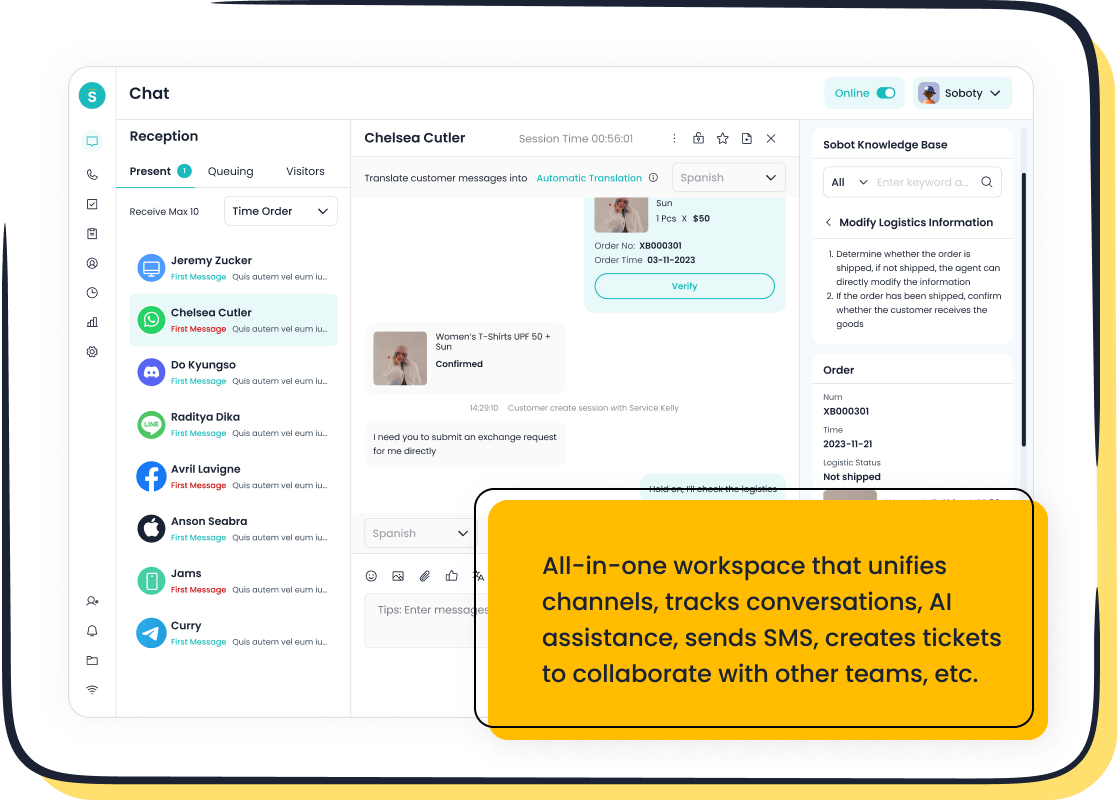
Finding the right customer service software is key for your ecommerce business. Here are the top solutions for customer support.
- Gorgias: The top choice for Shopify-native brands turning support into revenue.
- Sobot: Best for businesses wanting an all-in-one ecommerce customer service platform with powerful AI support.
- eDesk: Ideal for sellers managing ecommerce customer service across multiple marketplaces.
- Zendesk: The go-to customer service software for large enterprises needing scalable solutions.
The market for this type of software is expanding rapidly, from USD 7.12 billion in 2022 to a projected USD 20.90 billion by 2030. The right ecommerce customer service tools are vital for providing excellent customer support services for ecommerce. This customer support software helps any ecommerce brand improve its ecommerce customer service.
Top Ecommerce Support Software Compared
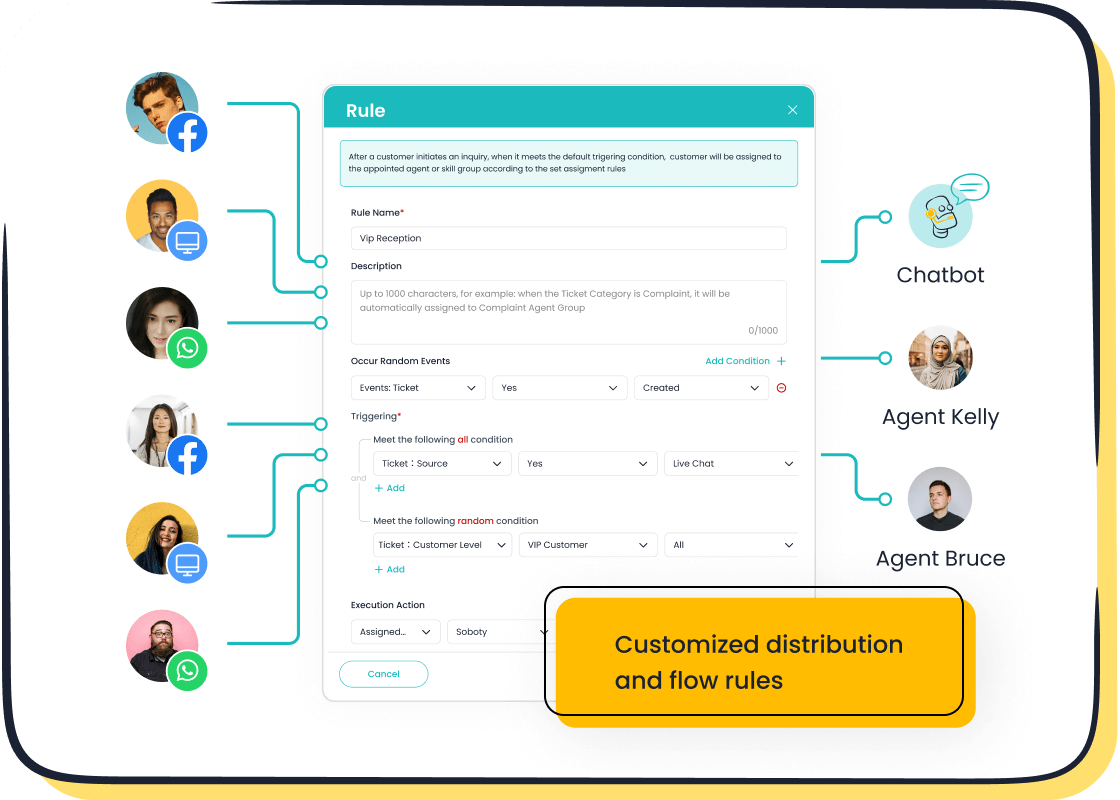
Choosing the right software is a critical decision for your business. The best ecommerce customer service tools compared here offer unique strengths for different types of sellers. Understanding these differences will help you select the perfect fit.
At-a-Glance Comparison
This table provides a quick overview of the top ecommerce support software solutions. You can see who each platform is built for and what key features they offer.
| Platform | Best For | Key Features | Pricing Tier |
|---|---|---|---|
| Gorgias | DTC Shopify brands | Deep Shopify integration, conversational AI, tight ecommerce integrations | $ |
| Sobot | All-in-one omnichannel support | Omnichannel AI, Live Chat, Chatbot, Ticketing System, WhatsApp API | $ |
| eDesk | Multi-marketplace sellers | Marketplace-first, smart automations, broad marketplace coverage | $-$$ |
| Zendesk | Large enterprise needs | Robust ticketing, enterprise workflow, scalability, customization | $$ |
Gorgias: For Shopify-Centric Brands
Gorgias is a leading customer service software designed with a deep focus on the Shopify ecosystem. Its main advantage is its native integration with Shopify, which allows support agents to view and edit order details, process refunds, and manage customer data without leaving the helpdesk. This tight connection turns customer support into a revenue-generating activity.
For example, Shopify-based business Ohh Deer used Gorgias's live chat to achieve an impressive 4.95 CSAT score. More importantly, they generated an additional $50,000 in annual revenue directly from support interactions. This shows the power of using a specialized ecommerce customer service software to improve both satisfaction and sales. If your ecommerce business lives on Shopify, Gorgias is a powerful contender.
Sobot: For All-in-One Omnichannel Support
Sobot stands out as a complete, all-in-one contact center solution perfect for businesses that need powerful omnichannel support. It unifies customer interactions from every channel into a single, intelligent workspace. This software helps you meet customers wherever they are.
Sobot’s omnichannel capabilities are extensive. The platform integrates seamlessly with popular channels, including:
- Web Chat: Engage visitors directly on your ecommerce site.
- Social Media: Manage conversations from Facebook, Instagram, and more.
- Messaging Apps: Connect with customers through WhatsApp using the official Business API for bulk messages and workflow automation.
Proven Results: Global tech leader OPPO used Sobot’s solutions to transform its customer service. They achieved an 83% chatbot resolution rate and saw a 57% increase in their repurchase rate. You can read more about their success here.
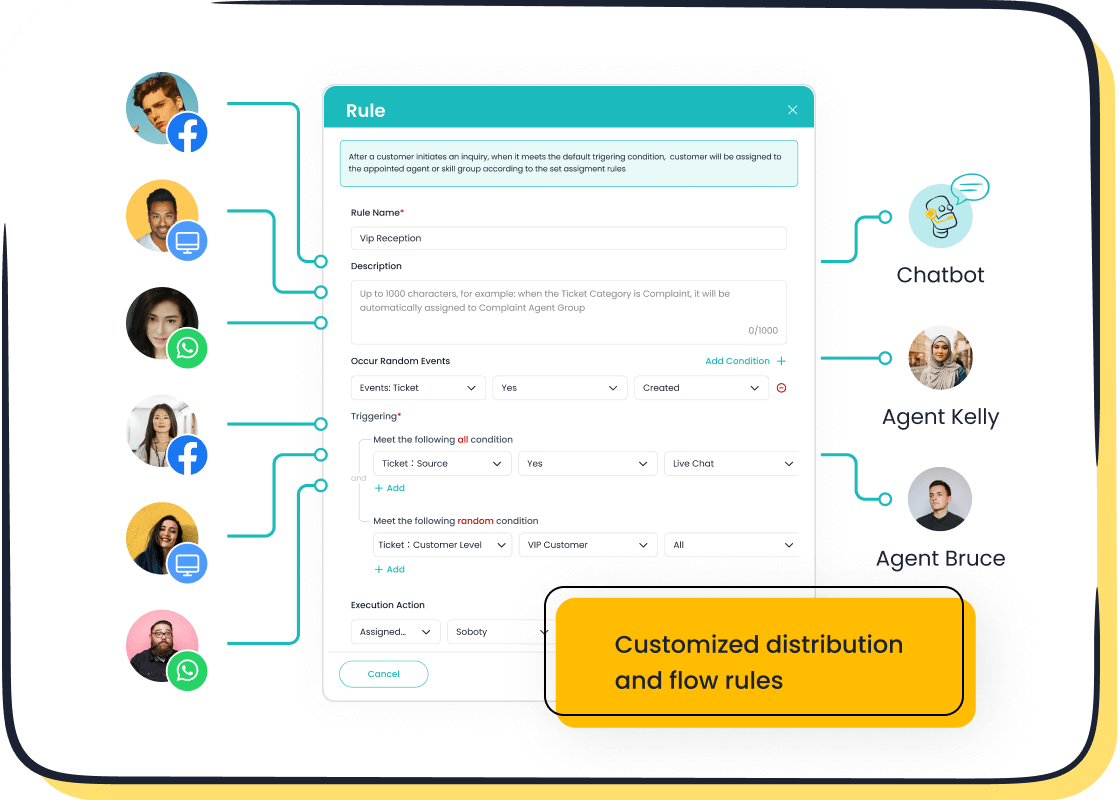
The power of Sobot lies in its AI-driven efficiency. The AI-powered Chatbot provides 24/7 support, answering common questions and freeing up human agents to handle more complex issues. This human-machine collaboration is a core strength. Furthermore, Sobot's Live Chat product is designed to turn visitors into clients, delivering a 38% gain in conversion through precise profiling and tailored service. By combining a smart ticketing system, a voice call center, and advanced AI, Sobot provides one of the most comprehensive ecommerce customer service tools for scaling businesses. These integrated solutions make it a top ecommerce customer service platform.
eDesk: For Multi-Marketplace Sellers
eDesk is the ideal customer service software for ecommerce businesses that sell across multiple online marketplaces. If you manage stores on Amazon, eBay, Walmart, or Etsy, eDesk is built for you. The software integrates with over 200 marketplaces and ecommerce platforms, consolidating all your customer messages into one smart inbox.
What makes eDesk unique among ecommerce customer service tools is how it pulls in critical ecommerce data. Its features are purpose-built for marketplace sellers:
- Unified Inbox: See messages from Amazon Buyer-Seller Messaging and eBay Messages side-by-side.
- Smart Automation: Use marketplace-specific templates and automated routing to assign conversations to the right agent.
- SLA Management: Get automated alerts for messages approaching marketplace response deadlines to protect your seller rating.
- Sentiment Analysis: The software identifies frustrated customers so your team can prioritize their support tickets.
This ecommerce customer service software gives agents a complete view of the customer, including their order history from different marketplaces, in a single sidebar. This level of integration makes it one of the best ecommerce customer service tools compared for multi-channel sellers.
Zendesk: For Large Enterprise Needs
Zendesk is a giant in the customer service software industry, known for its power and scalability. It is the go-to choice for large ecommerce enterprises with complex needs and global support teams. Zendesk offers robust solutions that can be customized to fit detailed workflows across multiple brands.
The platform’s enterprise-level plans provide advanced features essential for large-scale operations. The Support Enterprise plan, for instance, includes skills-based routing, custom agent roles, and a sandbox environment for testing changes before they go live. For even greater power, Zendesk offers an Advanced AI add-on. This tool provides intelligent ticket triage and agent assistance, automating workflows and boosting efficiency.
Zendesk’s strength is its ability to handle high volumes of support interactions with sophisticated organization and analytics. For a large ecommerce business requiring maximum customization, compliance, and control over its customer support services for ecommerce, Zendesk’s software provides the necessary foundation.
Essential Ecommerce Customer Service Tools & Features

When you evaluate different ecommerce customer service tools, it helps to have a checklist. The right software should offer a core set of features that empower your team and improve the customer experience. Look for these essential capabilities in any customer service software you consider for your ecommerce business.
Deep Ecommerce Platform Integration
Your ecommerce customer service software must connect deeply with your sales channels. This includes ecommerce platforms like Shopify and marketplaces like Amazon. This integration brings all customer and order information into one place. Agents can then see order details and past interactions without switching tabs. Some ecommerce customer service tools even let agents process refunds directly from the support dashboard, saving valuable time.
Unified Omnichannel Inbox
Modern ecommerce customers contact brands through many channels. A unified omnichannel inbox is a must-have feature. It gathers all customer interactions from email, social media, and live chat into a single view. This provides a seamless omnichannel experience.
Why It Matters: Companies with integrated omnichannel platforms see up to 30% faster issue resolution. Customers don't have to repeat themselves, which improves satisfaction and makes support more efficient. This is a key part of any good customer service platform.
AI and Automation Capabilities
AI and automation are powerful ecommerce customer service tools for boosting efficiency. These features help your team manage repetitive tasks and provide real-time support. Many ecommerce customer service software solutions use live chat and AI chatbots to offer 24/7 self-service options. This software can automatically answer common questions, such as:
- Order tracking status
- Return policies
- Product availability
This frees up your agents to focus on more complex support issues. The best omnichannel solutions use AI to make customer engagement smarter.
Customer Data and Order Management
The best ecommerce support software gives your agents a complete picture of the customer. The software should display purchase history and past interactions alongside every new message. This real-time access to data allows for better personalization. Agents can address customers by name and reference past orders. This makes customers feel valued and leads to faster, more accurate support. This capability is central to effective customer support services for ecommerce.
Analytics and Performance Reporting
You cannot improve what you do not measure. A strong ecommerce customer service platform provides detailed analytics. This software should track key metrics to help you understand your team's performance and customer satisfaction. Look for real-time dashboards that monitor:
- Customer Satisfaction (CSAT) Score: Measures happiness with your support.
- First Response Time: Shows how quickly your team replies to interactions.
- Average Resolution Time: Tracks the total time to solve an issue.
These insights help you make data-driven decisions to improve your ecommerce customer service and real-time engagement.
Choosing Your Ecommerce Customer Service Platform
Selecting the right ecommerce customer service platform is a critical step for your business. The best software aligns with your specific needs. This guide will help you make an informed choice.
Assess Your Primary Sales Channels
First, look at where you sell your products. Your ecommerce business might operate on a single website or across multiple ecommerce platforms. A brand focused on Shopify needs different ecommerce customer service tools than a seller on Amazon and eBay. Your choice of customer service software should offer strong integrations for your main channels. This ensures smooth data flow and better support interactions. An omnichannel approach helps manage all ecommerce interactions in one place.
Evaluate Your Support Team and Ticket Volume
Next, consider your team size and the number of support requests you receive. A small ecommerce team has different needs than a large one. You must understand your ticket volume to choose the right software.
Note: The number of support tickets can vary. Small ecommerce stores might see around 88 tickets per 100 orders, while larger stores average 56.
Knowing this helps you find ecommerce customer service solutions that can handle your current and future support load. Good customer service software will help manage these omnichannel interactions efficiently.
Define Your Budget and Scalability Needs
Your budget is a key factor. Most ecommerce customer service software uses a per-agent pricing model. Costs often start around $19 to $35 per agent each month. Plan for a customer service platform that fits your budget now but can also grow with you. As your ecommerce business expands, you will need more agents and advanced features. Choose scalable software solutions to avoid switching your customer service software later. The right software offers flexible plans.
Match Features to Your Business Goals
Finally, match software features to your business goals. The right ecommerce customer service tools should help you achieve specific outcomes. Your ecommerce customer service software should be more than just a tool; it should be a growth driver.
- Goal: Reduce Response Time. Look for ecommerce customer service tools with live dashboards and alerts. These features help your support team reply faster.
- Goal: Increase Customer Lifetime Value. Choose an ecommerce support software with analytics. This helps you find opportunities for upselling and building loyalty.
The best omnichannel solutions provide the features you need to improve your ecommerce customer service and grow your ecommerce business.
Benefits of Customer Support Services for Ecommerce
Investing in the right customer service software offers significant advantages for any ecommerce business. These solutions go beyond just answering questions. They enhance efficiency, improve the customer experience, and drive revenue. Good software provides the tools for excellent customer support services for ecommerce.
Increase Agent Efficiency
The right customer service software makes your support team more productive. AI and automation handle repetitive tasks. This allows agents to focus on complex customer issues. Organizations see productivity increases of 10-20% after implementing AI. This software provides real-time access to customer data and suggests responses.
AI-powered ecommerce customer service tools allow agents to handle more support inquiries per hour. This efficiency boost lets your ecommerce business manage more interactions without a larger team. Self-service options like chatbots also reduce the workload on human agents.
Improve the Customer Experience
A great customer experience is vital for ecommerce success. Fast response times directly increase customer satisfaction and retention. This software helps your team respond quickly across every omnichannel channel. A personalized experience also builds loyalty. Customers are more likely to make repeat purchases from an ecommerce brand that personalizes interactions. This leads to better customer retention.
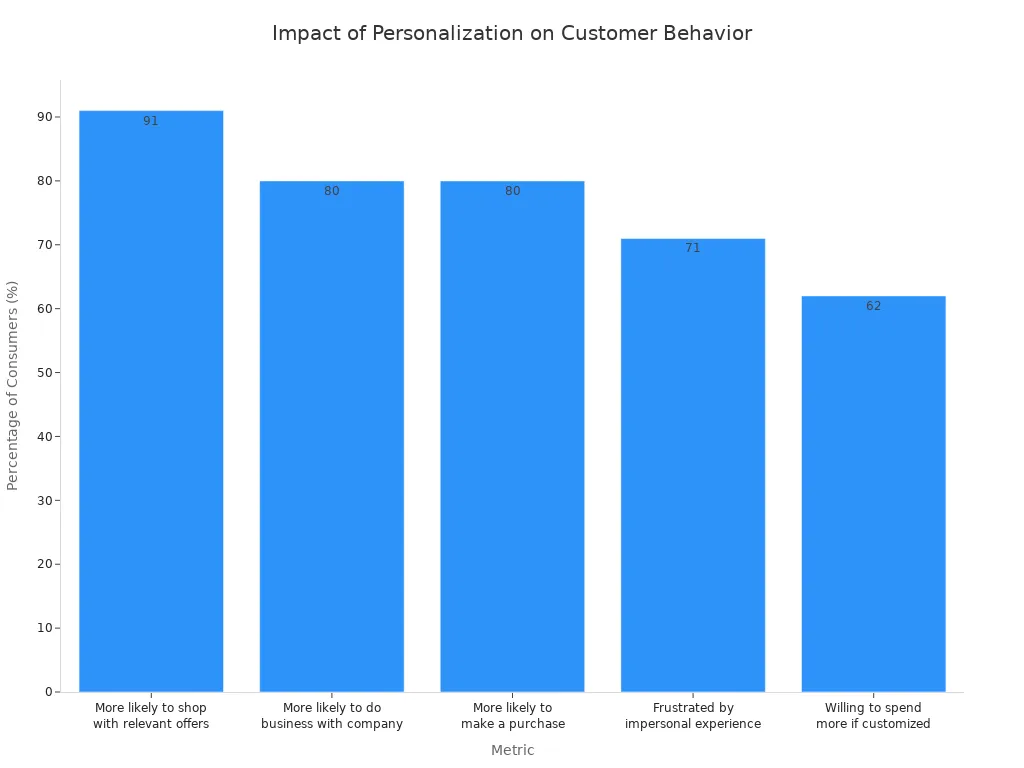
This level of engagement creates a positive experience, boosting satisfaction and retention.
Turn Support into a Revenue Driver
Modern customer service software can turn your support center into a revenue channel. Agents equipped with customer history and preferences can identify upselling opportunities during support interactions. For example, a large home goods retailer used its customer service software to turn its support team into a top-performing department for monthly revenue. This approach transforms customer support from a cost center into a profit driver for your ecommerce business. Better engagement and satisfaction lead to more sales.
Gain Actionable Insights from Data
Ecommerce customer service software collects valuable data from every interaction. You can analyze this data to find recurring issues and customer pain points. This real-time information helps improve your products and services. For instance, analyzing support tickets can reveal a UX issue on your ecommerce site. These insights allow for proactive improvements, better self-service resources, and higher overall customer satisfaction. This data-driven approach is key to long-term ecommerce growth and satisfaction.
Choosing the right ecommerce customer service software is a critical decision for your ecommerce business. The best customer service software depends entirely on your unique goals, sales channels, and support volume. The right customer service platform provides the ecommerce customer service tools to manage all omnichannel interactions effectively. Excellent customer support services for ecommerce rely on finding the perfect software fit.
To simplify your choice, here are our final recommendations for omnichannel support:
- For Shopify-centric ecommerce: Gorgias offers an unbeatable native experience.
- For all-in-one omnichannel support: Sobot is a top contender, offering powerful AI solutions and omnichannel support.
- For marketplace-heavy ecommerce: eDesk is the clear winner for managing support across multiple sites.
Ultimately, the best ecommerce support software and customer service software will empower your team to deliver superior ecommerce customer service. This customer service software choice is key to growth.
FAQ
What is the main benefit of self-service in ecommerce?
The main benefit of self-service is speed. Customers get instant answers to common questions using self-service tools. This provides a great real-time experience. It empowers users with immediate information, improving their journey without needing to wait for an agent.
How does real-time support improve customer experience?
Real-time support provides instant help to customers. This quick assistance solves problems fast and prevents frustration. Getting answers in real-time makes customers feel valued. It shows that a business respects their time and is ready to help immediately.
Can software provide both self-service and agent support?
Yes. The best platforms combine self-service and agent support. They use self-service options for simple questions. This allows human agents to handle complex issues. This combination of customer self-service and expert help creates a very efficient support system. Good self-service is key.
Why are self-service portals important for ecommerce?
Self-service portals offer customers 24/7 support. They provide a central place for self-service resources like guides and FAQs. This allows for real-time problem-solving at any hour. These portals are a vital part of a modern customer self-service strategy.
See Also
Best Live Chat Platforms for Online Stores This Year
Comparing Top 10 Live Chat Tools: Shopify and Rivals
Boosting Sales: The Power of Ecommerce Live Chat Software
Leading 10 Customer Service Software Solutions for This Year

