Customer service supervisor duties and responsibilities with chatbot teams explained

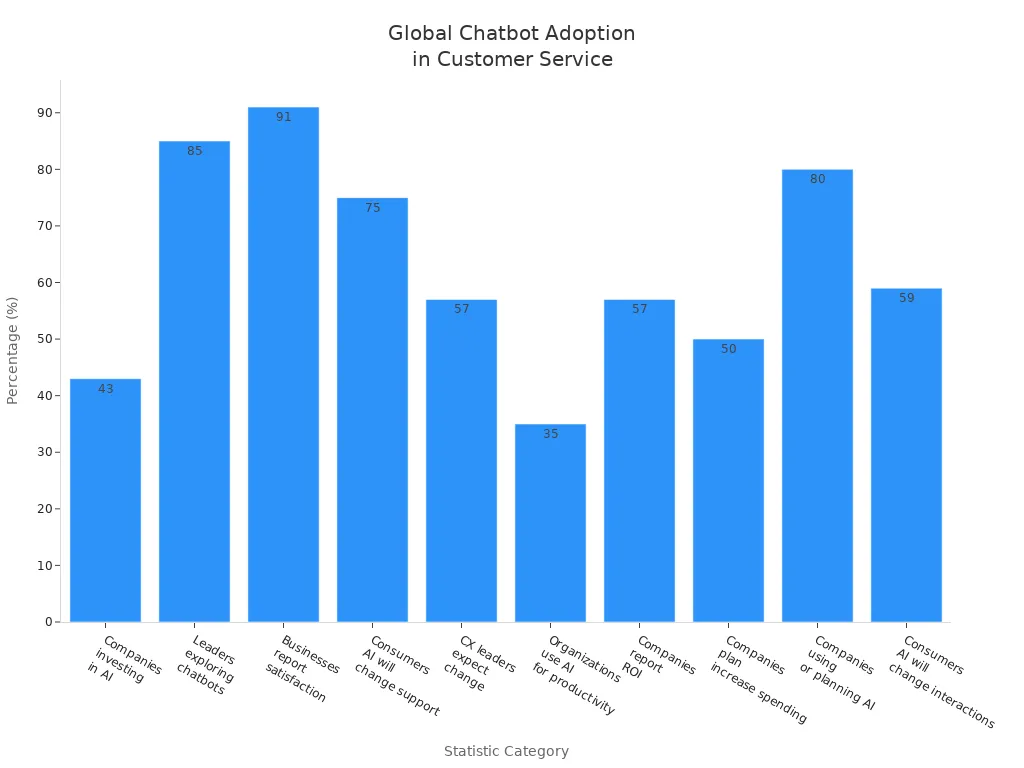
The role of a customer service supervisor keeps evolving as chatbots and AI tools become prevalent in support teams. Companies like Sobot are at the forefront, offering advanced omnichannel solutions that enhance cooperation between agents and bots. Many organizations are now investing in automation to scale support and improve quality. The following table illustrates how chatbots are shaping customer service worldwide:
| Statistic | Value | Source |
|---|---|---|
| 85% of customer-service leaders exploring or piloting generative AI chatbots | 85% | Gartner |
| 43% of companies investing in AI automation for support scalability | 43% | Desk365 |
| 91% of businesses using AI in call centers report satisfaction | 91% | ElectroIQ |
To effectively manage these changes, customer service supervisors must embrace new skills to handle technology, maintain high quality, and drive operational efficiency in blended teams. Understanding the customer service supervisor duties and responsibilities in this context is essential for success.
Traditional customer service supervisor duties and responsibilities

Core tasks in human-only teams
As a customer service manager, you play a key role in shaping the customer experience. You direct and oversee all aspects of your company’s customer service policies and operations. You develop service level standards to improve response times and reduce complaints. You also create best practices that help your team deliver high-quality service.
Your responsibilities include capturing and analyzing customer feedback. This helps you spot trends and make improvements. You manage resource allocation and budgeting to ensure your team can deliver excellent service across all channels. You align your team’s activities with business goals and support cross-functional projects. As a customer service manager, you coach your staff and help them build their skills. You report progress on key metrics to top management. You also work with other departments to find ways to improve the customer journey. Staying updated on industry trends and new support tools is important for your success as a customer experience manager.
Performance standards and quality metrics
You set clear performance standards for your team. These standards help you measure how well your team meets customer needs. As a customer service manager, you track metrics like response time, resolution rate, and customer satisfaction scores. You use these numbers to find areas for improvement. Regular reviews and feedback sessions help your team stay on track. You also use customer feedback to adjust your approach and keep service quality high. As a customer experience manager, you focus on both team performance and the overall customer experience.
Workflow and team management
Managing workflows and team dynamics is a big part of your job as a supervisor. You assign roles and responsibilities to make sure everyone knows what to do. This structure improves team efficiency and helps you manage tasks better. The table below shows how clear roles and teamwork benefit your team:
| Benefit | Explanation |
|---|---|
| Improves team efficiency | Clear roles and responsibilities reduce confusion and streamline workflows, enhancing task management. |
| Defines team hierarchy | A structured hierarchy allows for focused management and accountability, enabling supervisors to oversee specific areas without micromanaging. |
| Increases collaboration | Defined roles foster better communication and collaboration among team members, facilitating quicker issue resolution and support. |
As a customer experience manager, you encourage open communication and teamwork. You help your team solve problems quickly and support each other. These customer service supervisor duties and responsibilities build a strong foundation for excellent service.
Supervisor duties with chatbot teams
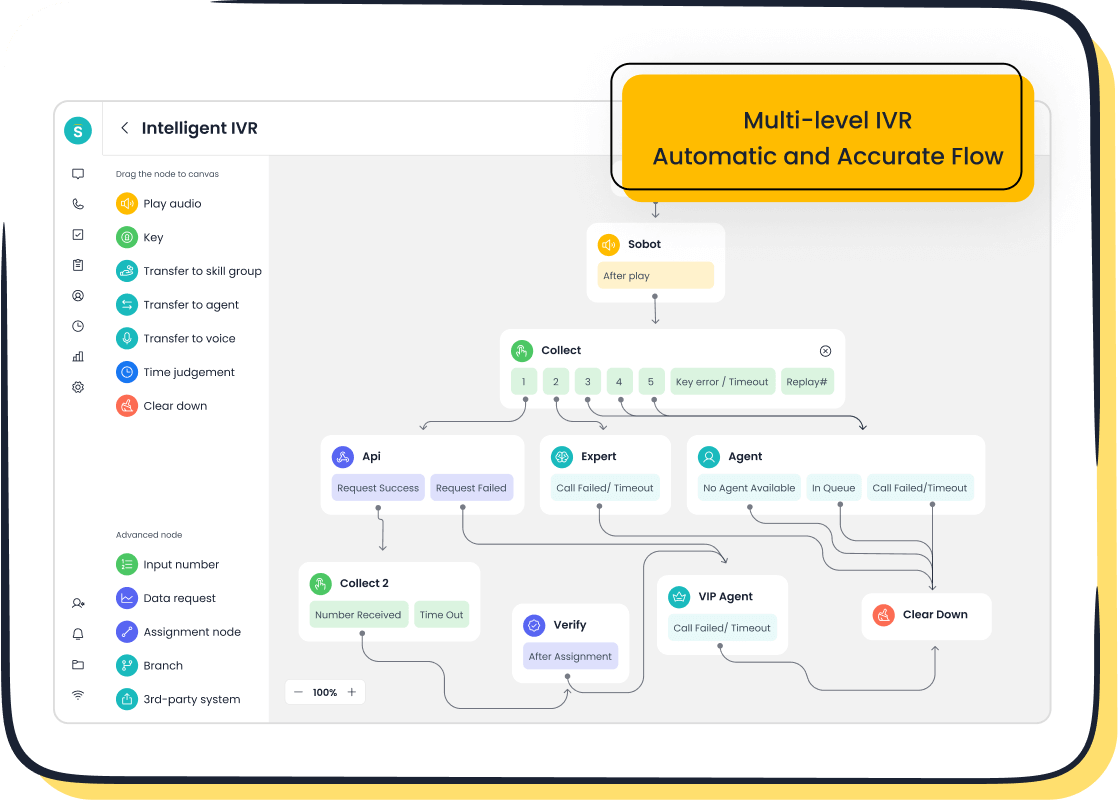
As a customer service manager, you now guide teams where chatbots and human agents work together. This new environment brings fresh challenges and opportunities. You must understand how to monitor both technology and people, manage escalations, and train your team for smooth cooperation. Sobot’s AI-powered solutions, such as chatbots, voicebots, live chat, and ticketing systems, help you achieve these goals in a unified workspace. These tools make your job easier and improve the customer experience.
Monitoring chatbot and agent performance
You need to keep a close eye on both chatbot and human agent interactions. Sobot’s unified workspace lets you view all conversations in real time. You can see how chatbots handle routine questions and when agents step in for complex issues. This helps you spot trends and address problems quickly.
Here are your key responsibilities when monitoring performance:
- Watch chatbot conversations and step in if needed.
- Support agents when they handle escalated cases.
- Track the quality of both chatbot and agent interactions.
- Identify issues early and take action.
- Use insights from agent interactions to improve chatbot responses.
Sobot’s platform gives you access to advanced analytics. You can measure how well chatbots perform using clear metrics. The table below shows some important metrics you should track:
| Metric Name | Description |
|---|---|
| Bot Experience Score (BES) | Measures customer experience based on conversation analysis, penalizing negative signals. |
| Bot Automation Score (BAS) | Evaluates how effectively the bot can handle tasks without escalation to a live agent. |
| Cost per Automated Conversation | Assesses the financial efficiency of the chatbot by analyzing costs against the number of automated interactions. |
| Agent Experience Score | Analyzes the transition from bot to agent, focusing on metrics like wait time and sentiment. |
| False Positive Rate | Indicates the accuracy of the chatbot's understanding of user inputs. |
| Bot Repetition Rate | Measures how often the bot repeats itself, indicating potential issues in conversation flow. |
| Positive Feedback Rate | The ratio of positive feedback to total feedback, providing insight into user satisfaction. |
| NLU Rate | Evaluates the effectiveness of the chatbot's natural language understanding capabilities. |
| Interaction Volume | Total number of conversations handled, indicating user engagement. |
| Bounce Rate | Percentage of users who abandon the conversation early, reflecting initial engagement quality. |
| Conversation Length | Average number of messages exchanged, indicating query complexity and user engagement. |
| Handle Time | Average time taken to resolve queries, assessing chatbot efficiency. |
You can use these metrics to set goals and measure progress. For example, if you see a high bot repetition rate, you can adjust the chatbot’s scripts. If the agent experience score drops, you can review how handoffs happen between bots and agents.
Sobot’s AI-powered automation helps you handle large volumes of conversations without losing quality. The system routes calls and chats to the right person or bot, making your workflow more efficient. You can learn more about these features on Sobot’s official website.
Managing escalations and collaboration
As a customer service supervisor, you must ensure that escalations are smooth and fast. Chatbots can answer many questions, but some issues need a human touch. Sobot’s ticketing system and live chat features make it easy to transfer complex cases to agents. The chatbot provides full context, so agents do not need to ask customers to repeat themselves.
Here is how you can manage escalations and foster collaboration:
- Set up automated rules for chatbots to escalate unresolved tickets to the right team.
- Make sure chatbots give agents all the information they need.
- Use AI to learn from past escalations and improve ticket routing.
- Monitor how quickly and effectively agents resolve escalated cases.
- Encourage agents to share feedback on chatbot performance.
Sobot’s unified workspace brings all customer interactions together. You can see tickets, chats, and calls in one place. This helps you spot bottlenecks and improve team performance. For example, if you notice that many tickets get escalated for the same reason, you can update the chatbot’s knowledge base.
The OPPO customer story shows how this works in real life. OPPO used Sobot’s chatbot and WhatsApp Business API to handle a surge in customer inquiries. The chatbot managed routine questions, while agents focused on complex problems. This reduced response times and improved customer satisfaction. OPPO’s team had more time for strategic tasks, and customers received faster, more accurate answers. You can read more about OPPO’s success here.
Training for human-bot cooperation
Training your team is essential for success in blended environments. As a customer experience manager, you must prepare agents to work with AI tools and chatbots. Sobot offers training resources and support to help you build a skilled team.
Effective training methods include:
- Shadowing: New agents watch experienced staff handle both chatbot and human interactions.
- Simulations: Agents practice real-life scenarios with chatbots in a safe setting.
- Role-play: Team members act out different roles to understand both customer and bot perspectives.
- Webinars and online courses: Flexible options for remote learning.
- In-person workshops: Build teamwork and share best practices.
- Microlearning: Short, focused lessons to keep agents engaged.
- Peer coaching: Agents give each other feedback and share tips.
- Gamification: Use games and challenges to make learning fun.
- Blended learning: Combine different methods for the best results.
- AI-powered training tools: Tailor lessons to each agent’s needs.
You should also educate your team about AI and its benefits. Explain how chatbots and voicebots help with routine tasks, so agents can focus on problem-solving and building relationships. Set clear guidelines for when to use AI and when to step in as a human agent. Encourage open communication between agents, supervisors, and AI developers. Review performance regularly and adjust training as needed.
Sobot’s platform supports all these training efforts. The unified workspace lets you track agent progress and identify areas for improvement. You can use analytics to see how well agents and chatbots work together. This helps you maintain high standards and deliver excellent service.
As a customer service manager, you play a key role in shaping how your team adapts to new technology. You must balance automation with the human touch. By using Sobot’s AI-powered tools and focusing on training, you can boost efficiency and keep customers happy.
Tip: Regularly review chatbot and agent performance data. Use these insights to update training and improve both human and AI skills.
You can learn more about Sobot’s training and support services on their official website.
By mastering these customer service supervisor duties and responsibilities, you can lead your team to success in a world where humans and machines work side by side. As a customer experience manager, you ensure that technology enhances—not replaces—the personal touch that keeps customers coming back.
Comparing supervisor roles: traditional vs. chatbot teams
Key differences in daily operations
You will notice a key difference in your daily work as a customer service manager when you move from a traditional team to a chatbot-integrated team. In a traditional setting, you guide human agents who handle complex and emotional issues. In a blended team, you manage both people and AI systems. Chatbots answer routine questions quickly, while agents focus on unique problems. The table below shows how these differences appear in your daily tasks:
| Aspect | Traditional Customer Service Teams | Chatbot-Integrated Customer Service Teams |
|---|---|---|
| Understanding | Human agents manage complex, sensitive issues. | AI handles high volumes of routine inquiries efficiently. |
| Responses | Agents give dynamic, personal responses. | Chatbots offer set answers for simple queries. |
| Escalation to Human | Escalation can be abrupt and confusing. | Smooth handoff with full context for agents. |
As a customer service manager, you use Sobot’s omnichannel solution to bring all channels together. This integration helps you see every customer interaction in one place, making your job easier and improving customer satisfaction.
New challenges and opportunities
You face new challenges as a customer experience manager in a chatbot team. Some team members may resist change. Others may need new skills to work with AI. You must balance technology with the human touch. Sometimes, chatbots may not perform as expected. You need to watch for these issues and act fast.
Chatbots can frustrate customers if they get stuck in loops. You must design clear paths for escalation so customers always get help when they need it.
You also find new opportunities. Chatbots handle simple tasks, so agents can focus on complex cases. This shift improves efficiency and reduces stress. Your team can now offer 24/7 support, which boosts customer satisfaction. As a customer service manager, you help your team grow and adapt.
| Opportunity | Description |
|---|---|
| Improved Efficiency | Chatbots automate recurring tasks, freeing agents for complex issues. |
| Enhanced Customer Service | 24/7 support reduces wait times and improves satisfaction. |
| Better Employee Satisfaction | Agents feel less stress and enjoy higher morale. |
Impact on customer contact and experience

As a customer experience manager, you shape how customers interact with your brand. Sobot’s omnichannel solution lets you manage calls, chats, and emails in one workspace. This seamless integration leads to faster responses and higher satisfaction. You can track every conversation and make sure no customer feels ignored.
The market is changing. The number of customer service jobs is expected to drop by 5% from 2024 to 2034. Many jobs will open as workers leave, but technology will change your role. You must focus on managing both people and AI to keep service levels high. As a supervisor, you set the standard for excellent customer service in this new era.
Skills for supervising chatbot-integrated teams
As a customer service manager, you need new skills to lead teams that use chatbots and AI. These top skills for supervisors help you guide both people and technology. You must understand how to use data, manage change, and communicate in digital spaces. Sobot offers training and support to help you build these abilities.
Technical literacy and data analysis
You must know how to use AI tools and understand data. This helps you make smart choices for your team. Here are some top skills for managers in this area:
- Spot challenges and try new tools, like Sobot’s AI-powered platform.
- Analyze customer data and trends to improve service.
- Connect chatbots with CRM and help desk systems for better support.
- Use CRM integration to give agents access to customer history.
- Make sure chatbots can handle support tickets and reduce agent workload.
You need to read AI reports and use data to check chatbot and agent performance. As a customer experience manager, you must understand Sobot’s automation features. This helps you keep service quality high.
Change management and adaptability
You must help your team adjust to new technology. Change can make people nervous. Good supervisors use these strategies:
- Guide your team through changes with clear steps.
- Talk openly and involve everyone in the process.
- Offer training so agents learn new skills.
- Show strong leadership and support your team.
Sobot provides training for supervisors and agents. You can use these resources to help your team feel confident with AI tools.
Communication in digital environments
You must set clear rules for how your team talks and works together online. The table below shows best practices for digital communication:
| Best Practice | Description |
|---|---|
| Start with Clear Protocols | Set guidelines for what information to include in handoffs. |
| Create Handoff Templates | Use templates for common situations to keep things consistent. |
| Balance Automation and Personalization | Let AI handle routine info but keep space for personal messages. |
| Implement Regular Review Cycles | Check how well handoffs and chatbots work and look for ways to improve. |
| Maintain Human Oversight | Watch over digital handoffs and step in when needed. |
As a customer experience manager, you use these skills to keep your team working smoothly. Sobot’s unified workspace and analytics make it easier to track and improve communication.
Tip: Use Sobot’s support services to keep learning and stay ahead with new AI features.
Best practices for customer service supervisor duties and responsibilities with chatbot teams
Quality assurance strategies
You need strong quality assurance strategies to keep your team performing well. As a customer service manager, you should set clear and measurable benchmarks for both chatbot and agent performance. These benchmarks help you see if your team meets your company’s standards. You should look at both technical results and how customers feel about their interactions. Regular assessment cycles let you track progress and spot areas for improvement. Update your quality assurance rubrics often, especially when products or guidelines change. This keeps your AI tools accurate and effective. Quality assurance data also supports coaching, helping you build the right skills in your team. When you use Sobot’s analytics, you can quickly find trends and make smart decisions to boost customer satisfaction.
- Set clear benchmarks for chatbot and agent performance.
- Review both technical results and customer interaction quality.
- Run regular assessments to track progress.
- Update QA rubrics as products and guidelines change.
Team collaboration tips
Good teamwork helps your blended team succeed. As a customer experience manager, you should use Sobot’s unified workspace to monitor interactions and ensure consistency. The table below shows tips you can use to improve collaboration:
| Actionable Tip | Description |
|---|---|
| Monitor interactions | Check for quality and consistency in service. |
| Identify coaching needs | Use real conversations to find skill gaps. |
| Detect trends | Spot issues early and address them quickly. |
| Support workload balance | Use data to assign tasks fairly. |
| Use predictive analytics | Plan ahead for customer needs and busy times. |
These steps help you build a team with strong skills and high morale. You can use Sobot’s analytics to find coaching opportunities and balance workloads, making your team more efficient.
Maintaining high customer satisfaction
You play a key role in keeping customer satisfaction high. Sobot’s unified workspace gives you tools to monitor calls in real time, track agent performance, and measure how well AI supports your team. You can set up custom workflows and automated triggers to make sure every customer gets the right help fast. SLA management helps you keep promises to your customers. Integration with CRM systems lets you see all customer data in one place, so you can give better service.
OPPO saw great results after using Sobot’s solutions. The company reached an 83% issue resolution rate and a 94% positive feedback score. Repurchase rates went up by 57%. Chatbots handled routine questions, so agents could focus on complex problems. This shows how the right tools and strategies can boost customer satisfaction and team performance.
Tip: Use data from Sobot’s analytics to adjust your strategies and keep improving your team’s skills.
You now see that supervising a chatbot-integrated team is different from leading a traditional team. You must balance people skills with technology. Sobot helps you automate up to 80% of routine tasks, so you can focus on coaching and quality. Use the checklist below to guide your daily work:
| Duty/Responsibility | Description |
|---|---|
| Supervising the team | Coach, motivate, and build a respectful team culture. |
| Customer interactions and satisfaction | Handle inquiries and ensure fast, accurate responses. |
| Policy development and team building | Create and update guidelines for consistent service. |
| Hiring and training | Recruit and train agents to boost performance. |
| Goal setting and continuous learning | Set goals and track progress for ongoing improvement. |
Sobot gives you these advantages:
- Automates routine customer interactions for better efficiency.
- Reduces agent burnout and improves service quality.
- Speeds up resolution times with AI-powered tools.
Follow these best practices for success:
- Start with pilot use cases.
- Build a strong knowledge base for your chatbot.
- Use AI to help your chatbot learn.
- Let agents step in when needed.
- Test your chatbot in real situations.
- Track performance with clear metrics.
- Stay updated on new technology and trends.
With Sobot, you can lead your team to deliver excellent customer service in any environment.
FAQ
What are the main customer service supervisor duties and responsibilities in chatbot teams?
You monitor chatbot and agent performance, manage escalations, and train your team for human-bot cooperation. Sobot’s unified workspace helps you track these duties and responsibilities in real time.
How does Sobot improve customer service supervisor duties and responsibilities?
Sobot automates routine tasks, provides analytics, and supports omnichannel communication. You use these tools to streamline workflows, boost efficiency, and maintain high service standards.
What skills do you need for customer service supervisor duties and responsibilities with chatbots?
You need technical literacy, data analysis, and strong communication skills. Sobot offers training and support to help you build these skills and adapt to new technology.
How do you ensure quality in customer service supervisor duties and responsibilities?
You set clear benchmarks, review performance, and use Sobot’s analytics to spot trends. Regular assessments and updates help you maintain high quality in both chatbot and agent interactions.
Can Sobot help you handle escalations in customer service supervisor duties and responsibilities?
Yes. Sobot’s ticketing system and live chat features allow you to transfer complex cases to agents quickly. You ensure smooth handoffs and improve customer satisfaction.
See Also
Effective Strategies for Managing Live Chat Representatives
Expert Techniques for Utilizing Live Chat in Support
Enhancing E-commerce Customer Experience with Chatbots
Transforming Support with AI-Powered Customer Service Agents