Ecommerce Customer Service Software A Beginner's Guide


Your growing ecommerce business faces a common challenge. Customer questions from many channels impact your ecommerce customer service. Your customers expect fast support. In fact, 90% of customers want an immediate response. This great experience is vital for your ecommerce success. Strong ecommerce customer service is an investment. The right customer service software for ecommerce helps you provide excellent support. This builds loyalty with every customer. Companies with strong omnichannel support see higher customer retention. A solution like Sobot helps your ecommerce business provide better ecommerce customer service. This guide helps you assess needs for your ecommerce customer service to better support every customer and all of your customers.
Moving Beyond Basic Tools for Ecommerce Customer Service
As your ecommerce business grows, you will find that basic tools no longer work. A shared email inbox might seem simple, but it creates hidden problems. It is time to look at why these tools limit your ability to provide excellent ecommerce customer service. Effective ecommerce support outsourcing also depends on having the right systems in place.
The Limits of a Shared Gmail Inbox
A shared inbox quickly becomes a source of confusion. It hurts your team's ability to provide quality support. This approach often leads to major issues that damage your ecommerce customer service efforts.
- Duplicate Work: Multiple team members might reply to the same customer, causing confusion.
- Missed Messages: Important customer emails can easily slip through the cracks in a busy inbox.
- Messy Collaboration: It is hard for your team to discuss a customer issue privately without creating messy email chains.
- No Scalability: Managing a growing volume of inquiries becomes nearly impossible, making it difficult to scale your ecommerce support outsourcing.
Your support agents spend a large part of their day just managing emails. This takes time away from helping customers with their real problems.
The Risk of Slow Response Times
In ecommerce, speed is everything. Customers expect fast answers. Slow response times directly lead to lost sales and unhappy customers. Delays damage trust and send your potential customers straight to competitors. Meeting customer expectations for quick support is vital for your ecommerce success.
| Industry | Best-in-Class Response Time | Industry Average Response Time |
|---|---|---|
| E-commerce | Instant (Chat/SMS) | 1 hour |
| Financial Services | 15 minutes | 24 hours |
| B2B SaaS | 5 minutes | 42 hours |
Responding within the first minute can boost conversions by over 300%. A slow response signals poor ecommerce customer service and harms the customer experience. Efficient ecommerce support outsourcing requires tools that enable speed.
The Lack of Customer Order History
Your support agents need context to be effective. When they lack immediate access to a customer's order history, everyone gets frustrated.
Agents waste 5-10 minutes per ticket just searching for information across different systems. This forces customers to repeat their order numbers and issues. This frustrating process makes your ecommerce customer service feel impersonal and inefficient. Without this data, you cannot provide the high-quality support that builds loyalty. Good ecommerce support outsourcing teams need integrated tools to succeed. Your ecommerce customer service depends on giving your team the full picture for every customer interaction.
Assess Your Core Ecommerce Needs
Choosing the right software starts with understanding your business. You need a clear picture of your operations. This step helps you find a tool that solves your real problems. A good choice will improve your ecommerce customer service and support your growth. Your ecommerce support outsourcing partner will also benefit from a well-chosen system.
Identify Your Main Communication Channels
First, you must know where your customers contact you. Your customers expect to reach you on their favorite platforms. A solid ecommerce customer service plan covers all key touchpoints. Make a list of every channel you currently use or plan to use for customer support.
Common channels for an ecommerce business include:
- Email: A classic channel for detailed questions and follow-ups.
- Live Chat: Offers instant support directly on your website.
- Social Media: Includes DMs and comments on platforms like Facebook and Instagram.
- Phone: Provides a direct line for customers who prefer speaking to a person.
Knowing these channels helps you find software that unifies them. This is a core part of an effective customer service strategy.
Evaluate Your Team Size and Workflow
Next, look at your support team. How many people handle ecommerce customer service? Consider your current workflow for answering each customer. Do you assign tickets to specific agents? Do you need to collaborate on complex issues? Your software should match how your team works. The right tool makes your team more efficient. This is true for an in-house team or an ecommerce support outsourcing service. Good support software simplifies daily tasks for every agent.
Define a Realistic Software Budget
Finally, you need a budget. Software pricing models vary, so you should understand the common options. This knowledge helps you compare costs for your ecommerce business.
Pricing Models to Know:
- Per-Agent Pricing: You pay a monthly fee for each user (or agent) on your support team. This model is straightforward and scales as your team grows.
- Tiered Plans: You pay a flat fee for a package that includes a set number of agents and specific features. Higher tiers unlock more advanced capabilities.
Your budget will guide your search. It ensures you focus on solutions that fit your ecommerce finances. This planning prevents you from overspending on features you do not need for your customers. Effective ecommerce support outsourcing also requires a clear budget.
Key Features in Customer Service Software for Ecommerce

Once you understand your needs, you can explore the features that matter most. The right customer service software for ecommerce is more than just a messaging tool. It is a command center for your entire customer experience. It empowers your team, whether in-house or part of an ecommerce support outsourcing service, to deliver exceptional support.
A Unified Inbox for All Channels
Imagine all your customer conversations in one place. That is the power of a unified inbox. It consolidates every message from email, live chat, social media, and more into a single dashboard. This feature is a game-changer for any growing ecommerce business.
A unified inbox eliminates the need for your agents to switch between different platforms. This focus boosts their productivity and reduces the anxiety of missing a message. It also creates a seamless experience for your customers.
- Faster Response Times: Your agents can see and triage all messages quickly. This leads to faster answers and higher satisfaction for every customer.
- Better Customer Continuity: The software creates a single conversation thread for each customer, even if they contact you on different channels. Your agents always have the full story, so customers never have to repeat their issues.
- Fewer Errors: Centralizing communication reduces miscommunications and service inconsistencies, building trust with your customers.
A solution like Sobot Live Chat excels at this. It brings all your channels into one AI-enhanced workspace. This not only improves your ecommerce customer service but also helps boost agent efficiency.
Deep Ecommerce Platform Integration
Your support agents need context to solve problems effectively. The best ecommerce support software integrates directly with your store's platform, such as Shopify, WooCommerce, or Magento. This connection places critical order information right next to every customer ticket.
When your software is integrated, your agents can instantly see:
- A customer's complete order history
- The current order status
- Payment and fulfillment details
This eliminates the frustrating back-and-forth where agents ask for order numbers. Your team can provide accurate, informed responses much faster. This integration is vital for efficient ecommerce support outsourcing teams who need immediate access to data. Real-world examples show the immense value of this connection.
| Company | Ecommerce Platform | Key Outcomes of Integration |
|---|---|---|
| Matouk | Magento | Centralized customer data, streamlined operations, and achieved a 125% surge in customer retention. |
| Hampers | Magento 2 | Created a unified customer experience, enabled sophisticated segmentation, and improved operational efficiency. |
This level of integration transforms your ecommerce customer service from reactive to proactive.
Automation and Canned Responses
Repetitive tasks can drain your support team's time and energy. Automation handles these tasks for you, freeing your agents to focus on complex customer issues. This is a core feature of modern customer service software for ecommerce.
Effective automation workflows for ecommerce include:
- Abandoned Cart Reminders: You can automatically re-engage customers who leave items in their cart. This single automation can recover a significant amount of lost revenue.
- Order Status Updates: Proactively notify customers about shipping delays or delivery confirmations. This reduces the number of "Where is my order?" (WISMO) questions.
- Intelligent Ticket Routing: Automatically assign incoming support tickets to the right agent or department based on rules you set.
Canned responses are another powerful form of simple automation. These are pre-written templates for frequently asked questions.
Benefits of Canned Responses:
- Efficiency: Your agents can answer common questions with a single click.
- Consistency: You ensure every customer receives the same accurate, on-brand information.
- Accuracy: Pre-written and proofread responses minimize the risk of typos or incorrect information.
Using automation and canned responses makes your ecommerce support outsourcing efforts more scalable and your in-house team more productive. This strategic automation is key to providing great support.
Live Chat for Instant Support
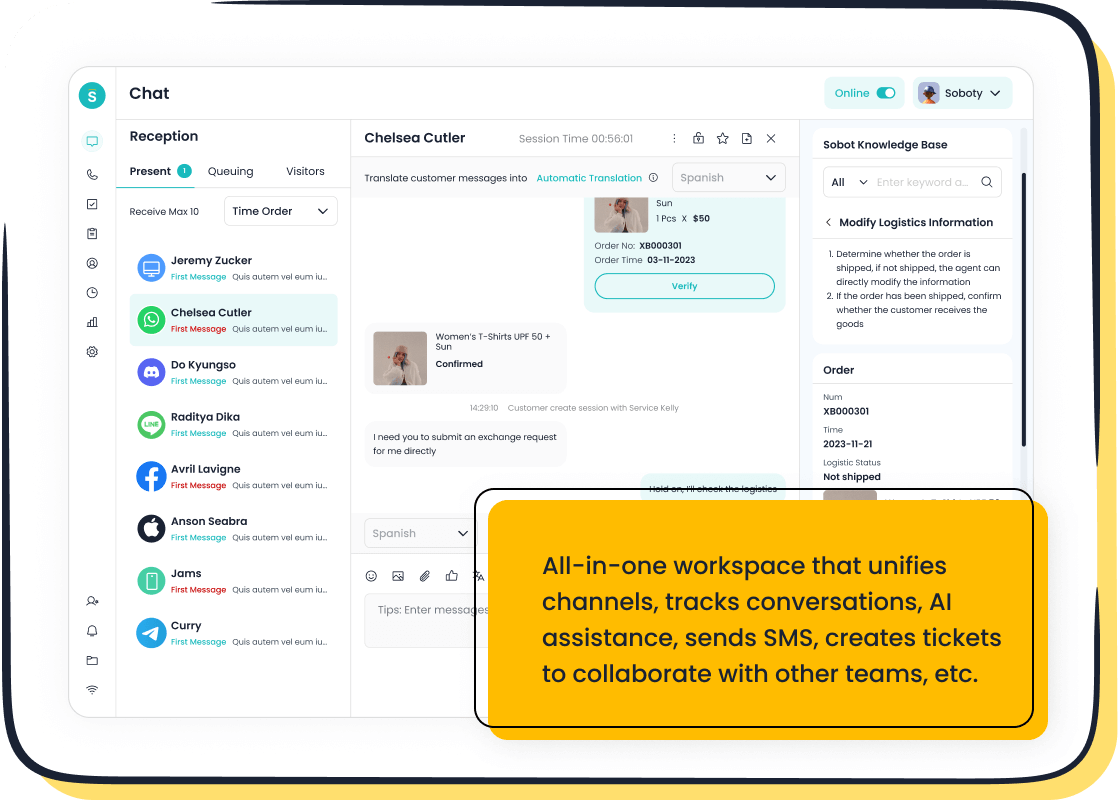
In ecommerce, speed sells. Customers want answers now, not hours from now. Live chat provides that instant connection, allowing you to help visitors right on your website. Implementing live chat is one of the best practices for customer service in the digital age.
The impact of live chat on sales is significant. Businesses often see an 8% to 20% increase in conversion rates after adding it to their site. For visitors who actively engage with chat, the conversion rate can be even higher.
To make your live chat effective, you should:
- Use canned responses for quick replies to common questions.
- Integrate your chat tool with your other messaging channels.
- Train your agents to provide friendly and helpful support.
A powerful tool like Sobot Live Chat helps you master this channel. It unifies all your messaging into a single platform and uses AI-assisted tools to make your agents more efficient. By offering tailored service at the right moment, you can turn more visitors into loyal customers and achieve a 38% gain in conversion. This feature is essential for any ecommerce business serious about growth and excellent ecommerce customer service.
Explore an All-in-One Ecommerce Solution
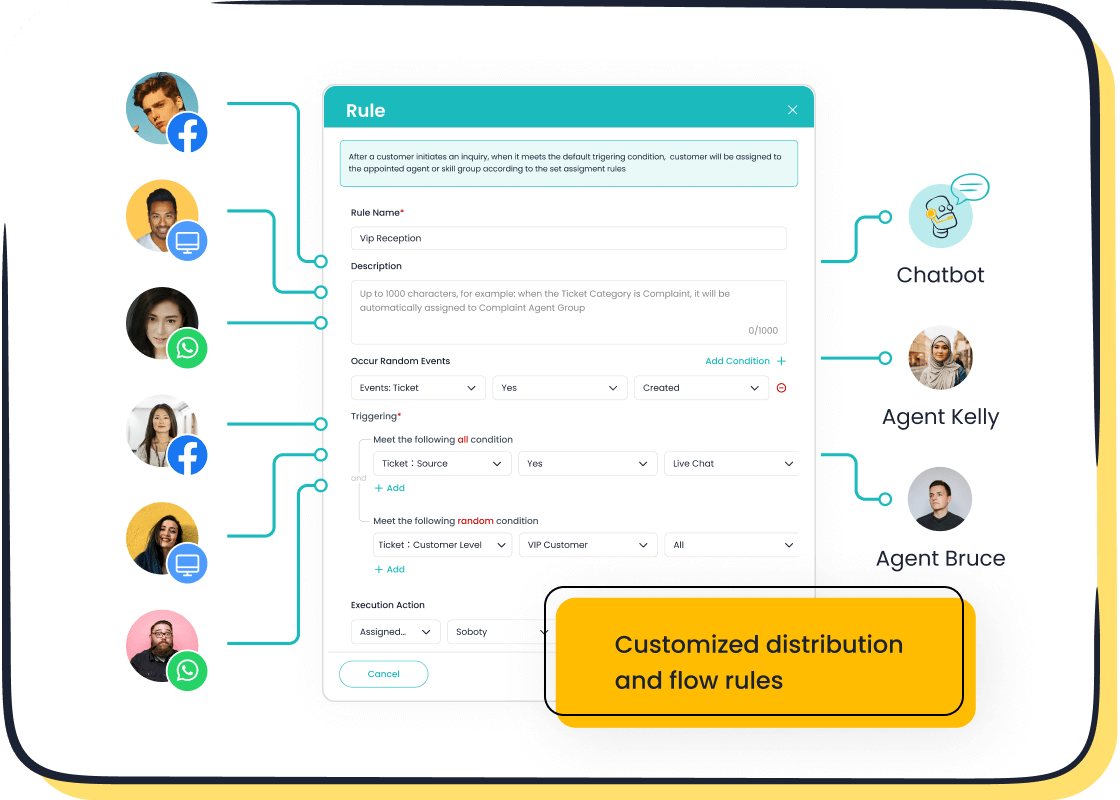
As your ecommerce business grows, you may need more than just a collection of separate tools. An all-in-one solution combines your support, sales, and marketing into a single, powerful system. This approach streamlines your ecommerce customer service and creates a better experience for every customer. It is a key part of a modern customer service strategy for any ecommerce brand.
The Power of an Omnichannel Platform
An omnichannel platform gives your team a complete view of every customer. It unifies all communication channels to provide a consistent experience. Your customers receive the same great service whether they contact you by email, chat, or social media. This consistency is vital for building trust and customer retention.
A platform like Sobot's Omnichannel Solution integrates your systems to deliver this unified customer experience. This helps your ecommerce support outsourcing team provide seamless support. It ensures your personalization efforts are based on a full understanding of the customer journey.
This cohesive approach improves engagement and boosts customer retention.
Using AI Chatbots for 24/7 Support
Your customers shop at all hours. They expect answers instantly, even outside of business hours. AI-powered chatbots provide 24/7 support to meet these customer expectations. This automation is essential for modern ecommerce customer service.
Modern chatbots can resolve 70% to 90% of common questions without human help. This frees your support agents to handle more complex issues.
- OPPO Case Study: The global electronics brand OPPO used Sobot's customer service solutions to manage high inquiry volumes.
- Results: By combining human agents with AI automation, they achieved an 83% chatbot resolution rate. This improved ecommerce customer service led to a 57% increase in their repurchase rate.
This shows how the right automation can directly impact sales and customer retention for your ecommerce business. An effective ecommerce support outsourcing plan often includes this technology.
Gaining Insights with Data Analytics
The best ecommerce businesses use data to make smart decisions. An all-in-one platform gives you access to powerful analytics. You can track key metrics to understand your ecommerce customer service performance and improve the customer experience. This data is crucial for your ecommerce support outsourcing partners to meet their goals.
Key metrics you can track include:
- First Contact Resolution: How many issues are solved in the first interaction?
- Customer Satisfaction (CSAT) Score: Are your customers happy with the support they receive?
- Average Resolution Time: How long does it take to solve a customer problem?
You can use these insights for better customer service. This data helps you refine your support processes, train your team, and improve personalization. Better data leads to stronger customer retention and a healthier ecommerce business.
How to Evaluate and Choose Your Software
You have assessed your needs and know which features are important. Now you can begin the final selection process. This stage is about making a confident and informed decision. You will compare your top options, test them thoroughly, and choose a partner for your long-term growth. A careful evaluation ensures you select the right customer service software for ecommerce.
Create an Integration Checklist
Your support software does not work in a vacuum. It must connect with the other tools you use to run your ecommerce business. A seamless integration pulls important data into one place. This gives your agents the context they need to help each customer effectively. Before you look at any software, you should create an integration checklist.
Your checklist is a list of must-have connections. If a software cannot connect to your essential tools, it is not the right fit for your business.
Your integration checklist should include these key areas:
- Ecommerce Platforms: The software must connect to your store (e.g., Shopify, WooCommerce, Magento) to access order data and customer history.
- Communication Channels: It needs to pull in messages from all your channels, including TikTok Shop, Instagram, Facebook, WhatsApp, and Gmail.
- Marketplaces: If you sell on other sites, look for integrations with Amazon, eBay, or Walmart.
- Shipping and Tracking: Connections with services like Aftership and Shipstation are vital for handling order inquiries.
- Operations Tools: Integrations with tools like Klaviyo or Linnworks streamline your marketing and operational workflows.
- API Access: This allows you to build custom connections for any unique tools or processes your business uses.
Compare Different Pricing Models
Software pricing can seem confusing, but it usually falls into two main categories. Understanding these models helps you compare options based on your budget and team structure. This knowledge allows you to find a plan that provides value without hidden costs.
Tiered Pricing offers packages with set features and user limits.
- Pros: This model can be great for growth. You can start on a lower tier and upgrade as your needs become more complex. It also helps providers cater to different customer segments.
- Cons: Tiers can be confusing if the features are not clearly defined. You might end up paying for features you do not use.
Per-Agent Pricing is simpler. You pay a flat monthly fee for each person on your team who uses the software.
| Model | Pros | Cons |
|---|---|---|
| Per-Agent | Your costs are predictable and easy to budget. | It can be less flexible if your team size changes often. |
You should choose the model that best fits your ecommerce business. If your team size is stable, per-agent pricing offers clarity. If you expect to need more features over time, a tiered plan might be a better path.
Maximize Your Free Trial Period
A free trial is your best opportunity to test a platform in a real-world setting. Do not just click around. You should use this period to see if the software truly solves your problems and makes your team's life easier. A structured approach to your trial will give you the clarity you need to make a decision.
Follow these steps to get the most from your trial:
- Set Clear Goals. Before you start, define what you want to achieve. Do you want to reduce response times by 20%? Do you need to see if the Shopify integration works smoothly? Write down your goals to stay focused.
- Explore All Features. Start with the basics, then test the advanced functions. Set up a canned response. Try the automation rules. See how the unified inbox feels with messages from different channels.
- Engage with Customer Support. Use the trial period to test the provider's support team. Ask questions and see how quickly and helpfully they respond. Their support quality is a preview of your future partnership.
- Make an Informed Decision. At the end of the trial, review your experience. Did the customer service software for ecommerce meet your goals? Was it easy for your team to use? This evaluation will help you choose with confidence.
Plan for Future Scalability
The software you choose today should support your business tomorrow. Switching platforms is costly and disruptive. You need a solution that can scale with you as your order volume and team grow. Your customer service strategy must account for this future growth.
Look for software with features that support scalability:
- AI and Automation: Tools like AI-powered chatbots handle common questions automatically. This frees your agents to focus on complex issues, allowing you to manage more inquiries without hiring more staff.
- Self-Service Options: A robust knowledge base lets customers find answers on their own. This reduces your ticket volume and empowers your shoppers.
- Agent Enablement Tools: The right software gives agents AI assistance to find information quickly and automate repetitive tasks.
Many successful ecommerce brands use these features to grow. For example, the fashion brand Princess Polly used an all-in-one solution to unify its customer journey during a period of rapid growth. Similarly, PosterGully adopted a simple and intuitive helpdesk to easily track customer tickets as their business expanded. Choosing a scalable customer service software for ecommerce is an investment in your future success.
You now have a clear path to finding the right ecommerce customer service software. You can assess your needs, prioritize features, and evaluate top contenders. The best ecommerce support software solves today's problems and scales for your future growth. Investing in your ecommerce customer service can yield an average return of $3.50 for every $1 spent. This improves the customer experience for all your customers. Providing better customer service helps your ecommerce business deliver an excellent experience for every customer. Your customers deserve great support.
Ready to improve your ecommerce customer service? Start by listing your top communication channels and budget, then explore a free trial of a solution like Sobot to see the impact firsthand.
FAQ
How long does it take to set up ecommerce customer service software?
You can set up basic features in just a few hours. Connecting your email and adding a live chat widget to your site is fast. A full integration with all your channels and automation rules might take a few days to configure properly.
Can I use this software if I have a very small team?
Yes. Most ecommerce customer service software is designed for teams of all sizes. A unified inbox helps a solo founder or small team manage all messages efficiently. You can start small and scale the software as your business grows.
What is the most important feature for a new ecommerce store?
A unified inbox is the most critical feature. It brings all your customer messages into one place. This helps you respond faster and ensures no customer question gets lost. It is the foundation of great ecommerce customer service.
How do I know if I need an all-in-one solution?
You should consider an all-in-one solution when you want to connect your support, sales, and marketing data. If you need a complete view of the customer journey to improve personalization and retention, an omnichannel platform is the right choice.
See Also
Best Live Chat Platforms for Online Stores This Year
Elevate Your Sales: Live Chat Solutions for E-commerce Success
Your Complete Guide to Omnichannel Contact Center Solutions
Implement Live Chat on Shopify: A 10-Step Easy Guide
Achieving Excellence: Live Chat Strategies for the Retail Sector

