In-depth Review of Contact Center Management Software 2024


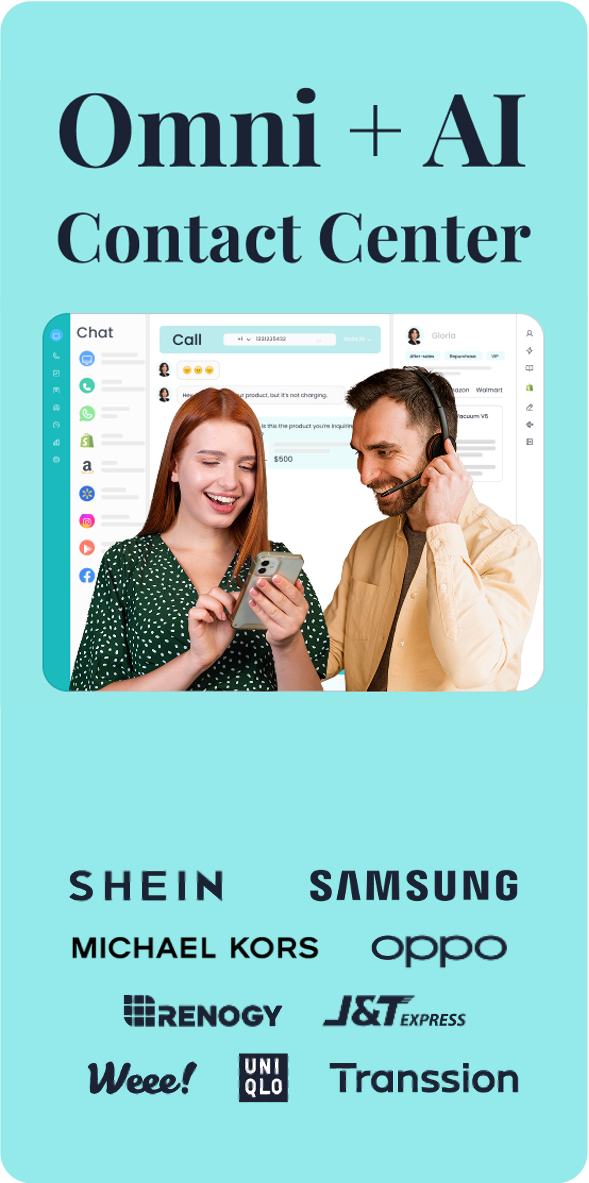
In 2024, contact center management software plays a pivotal role in transforming customer service operations. It empowers your team to handle high volumes of customer interactions efficiently while maintaining quality. By automating repetitive tasks and streamlining communication channels, this software ensures your agents focus on delivering exceptional customer experiences. For instance, tools like Sobot provide omnichannel support, AI-driven automation, and seamless integrations, enabling businesses to meet growing customer demands. Studies reveal that improving agent satisfaction can lead to a 62% boost in customer satisfaction scores and a 56% increase in operational efficiency. With the right solution, you can enhance productivity, reduce costs, and build stronger customer relationships.
Key Takeaways
- Investing in contact center management software can significantly enhance customer satisfaction and operational efficiency, with studies showing a potential 62% boost in customer satisfaction scores.
- Look for omnichannel support in software solutions to manage customer interactions seamlessly across various platforms, improving response times and service quality.
- Utilize advanced analytics and reporting features to gain real-time insights into key performance metrics, enabling data-driven decision-making for your contact center.
- Ensure the software integrates smoothly with existing CRM and ERP systems to enhance workflow efficiency and provide agents with comprehensive customer information.
- Leverage AI and automation tools to reduce repetitive tasks, allowing agents to focus on complex issues and improve overall productivity.
- Consider flexible pricing plans and scalability when choosing software, ensuring it meets your business needs as you grow.
- Take advantage of free trials or demos to evaluate usability and customer support before committing to a contact center management solution.
Key Features to Look for in Contact Center Management Software

Omnichannel Support
Managing customer interactions across multiple channels (email, chat, social media, etc.).
Modern businesses must engage customers on their preferred platforms. Contact center management software with omnichannel support enables you to manage interactions seamlessly across email, live chat, social media, and phone calls. For example, platforms like Dialpad's AI Contact Center unify these channels into a single interface, ensuring smooth transitions between them. This approach eliminates communication silos and creates a consistent customer experience. By centralizing interactions, you can reduce response times and improve service quality.
Enhancing customer satisfaction and agent productivity through omnichannel capabilities.
Omnichannel capabilities not only enhance customer satisfaction but also boost agent efficiency. Tools like NICE CXone offer advanced routing features that connect customers to the right agents quickly. This reduces wait times and ensures faster resolution of issues. Additionally, AI-powered chatbots and self-service options handle routine queries, allowing agents to focus on complex tasks. These features empower your team to deliver personalized and efficient support, fostering stronger customer relationships.
Advanced Analytics and Reporting
Real-time insights and performance tracking for better decision-making.
Data-driven decisions are crucial for optimizing contact center operations. Advanced analytics in contact center management software provide real-time insights into key metrics such as call volume, resolution time, and customer satisfaction scores. For instance, Dialpad's AI Contact Center offers real-time call transcription and note-taking, enabling supervisors to monitor interactions and provide immediate feedback. These tools help you identify trends, address issues proactively, and refine your strategies for better outcomes.
Key metrics to monitor in a contact center.
Monitoring the right metrics ensures your contact center operates efficiently. Focus on metrics like First Call Resolution (FCR), Average Handle Time (AHT), and Net Promoter Score (NPS). Platforms like AnswerConnect integrate with CRM systems, allowing you to track these metrics alongside customer data. This integration provides a comprehensive view of performance, helping you pinpoint areas for improvement and measure the impact of your initiatives.
Integration Capabilities
Seamless integration with CRM, ERP, and other business tools.
Integration capabilities are essential for streamlining workflows. Contact center management software that integrates with CRM and ERP systems ensures your team has access to updated customer information. For example, AnswerConnect connects with leading CRM platforms, enabling agents to view customer history and preferences during interactions. This seamless access to data enhances personalization and improves the overall customer experience.
Improving workflow efficiency through integrations.
Efficient workflows reduce operational bottlenecks. By integrating with tools like workforce management software, you can automate scheduling and task assignments. Solutions such as NICE CXone combine omnichannel routing with task management features, ensuring agents focus on high-priority tasks. These integrations eliminate manual processes, saving time and reducing errors. As a result, your team can deliver faster and more accurate support.
AI and Automation Features
Leveraging AI for chatbots, sentiment analysis, and customer interaction improvements.
Artificial intelligence has revolutionized how businesses manage customer interactions. With AI-powered chatbots, you can provide instant responses to common queries, ensuring customers receive support 24/7. For example, Dialpad's AI Contact Center uses advanced AI tools to deliver real-time call transcription and surface relevant information during conversations. These features help agents address customer concerns more effectively, improving resolution speed and satisfaction.
Sentiment analysis is another powerful AI capability. It allows you to gauge customer emotions during interactions, enabling your team to adjust their approach in real time. Tools like AnswerConnect leverage AI to identify coaching opportunities and enhance agent performance. By integrating these technologies into your contact center management software, you can create a more personalized and empathetic customer experience.
Automation tools to reduce repetitive tasks and enhance agent focus.
Automation tools streamline operations by handling repetitive tasks, freeing up your agents to focus on complex issues. Features like automated call routing and task assignments ensure customers connect with the right agents quickly. NICE CXone, for instance, combines omnichannel routing with task management tools, optimizing workflows and reducing response times.
Self-service options, such as AI-driven knowledge bases, empower customers to resolve issues independently. This reduces the workload on your team while maintaining high service standards. Additionally, automation tools integrated into contact center management software can handle scheduling, follow-ups, and data entry, minimizing errors and improving efficiency. By adopting these solutions, you can enhance productivity and deliver exceptional customer support.
Top Contact Center Management Software in 2024
Sobot
Comprehensive features, including omnichannel support, AI tools, and integrations.
Sobot stands out as a leading contact center management software, offering a robust suite of features tailored to modern business needs. Its omnichannel support ensures seamless communication across email, chat, social media, and phone calls. The platform integrates advanced AI tools for automation, such as chatbots and sentiment analysis, which enhance customer interactions and streamline workflows. Additionally, Sobot's integration capabilities allow businesses to connect with CRM, ERP, and other essential tools, ensuring a unified and efficient system.
Flexible pricing plans and scalability for businesses of all sizes.
Sobot provides flexible pricing plans, making it accessible to businesses of varying sizes. Whether you run a small startup or a large enterprise, Sobot scales effortlessly to meet your operational demands. Its pricing structure ensures you only pay for the features you need, offering excellent value without compromising functionality.
Pros: User-friendly interface, robust analytics, excellent customer support.
Sobot excels in usability with its intuitive interface, allowing agents to navigate the platform with ease. Its robust analytics provide real-time insights into key metrics, enabling better decision-making. The platform also offers exceptional customer support, ensuring you receive assistance whenever needed.
Cons: Limited customization options for smaller businesses.
While Sobot delivers a comprehensive feature set, smaller businesses may find its customization options somewhat limited. However, its default configurations are designed to meet most operational requirements effectively.
Nextiva
VoIP call center solutions with Pro and Enterprise editions.
Nextiva specializes in VoIP call center solutions, offering Pro and Enterprise editions to cater to diverse business needs. Its VoIP technology ensures reliable communication, making it an ideal choice for businesses prioritizing voice-based customer interactions. The platform also includes essential features like call routing and voicemail-to-email functionality.
Pricing and suitability for small to large businesses.
Nextiva's pricing structure accommodates both small and large businesses. Its Pro edition suits smaller teams, while the Enterprise edition provides advanced features for larger organizations. This flexibility ensures that businesses of all sizes can benefit from its offerings.
Pros: Reliable VoIP services, strong customer support.
Nextiva is known for its dependable VoIP services, ensuring uninterrupted communication. Its customer support team is highly responsive, providing timely assistance to resolve any issues.
Cons: Limited advanced features compared to competitors.
Although Nextiva delivers reliable core functionalities, it lacks some advanced features like AI-driven analytics and automation, which are increasingly essential in modern contact centers.
HubSpot
All-in-one CRM and contact center solution.
HubSpot combines CRM and contact center management software into a single platform, making it a powerful all-in-one solution. Its tools enable businesses to manage customer interactions while maintaining a comprehensive view of customer data. This integration simplifies workflows and enhances productivity.
Pricing and target audience for small to medium-sized businesses.
HubSpot's pricing is designed for small to medium-sized businesses. Its tiered plans allow you to choose the features that align with your needs and budget. While its basic plans are affordable, advanced features may require a higher investment.
Pros: Seamless CRM integration, intuitive interface.
HubSpot's seamless CRM integration ensures that all customer data is centralized, providing agents with valuable insights during interactions. Its user-friendly interface makes it easy for teams to adopt and use effectively.
Cons: Higher cost for advanced features.
The cost of HubSpot's advanced features may be a barrier for smaller businesses. However, the platform's comprehensive capabilities often justify the investment for those seeking an all-in-one solution.
Genesys
Enterprise-level contact center platform with advanced features.
Genesys stands out as a premier choice for enterprises seeking a robust contact center management solution. Its platform integrates cutting-edge technologies, including AI-driven tools, to enhance customer interactions and streamline operations. With features like intelligent routing, real-time analytics, and predictive engagement, Genesys empowers your team to deliver personalized and efficient support. These advanced capabilities ensure that your contact center remains agile and responsive, even during high-demand periods. By leveraging AI, Genesys enables you to optimize workflows, improve agent performance, and elevate the overall customer experience.
Pricing and scalability for large businesses.
Genesys offers scalable solutions tailored to meet the needs of large businesses. Its pricing structure reflects the platform's enterprise-grade features, making it a worthwhile investment for organizations prioritizing innovation and efficiency. The software adapts seamlessly as your business grows, ensuring consistent performance across multiple locations or teams. While the initial cost may be higher than some competitors, the long-term benefits, including improved customer satisfaction and operational efficiency, justify the expense.
Pros: Robust AI tools, excellent scalability.
- AI-powered capabilities: Genesys excels in leveraging AI for sentiment analysis, predictive analytics, and automated workflows. These tools enhance decision-making and improve customer interactions.
- Scalability: The platform supports businesses of all sizes, making it ideal for enterprises with complex and evolving needs.
- Comprehensive features: From omnichannel support to advanced reporting, Genesys provides a complete solution for managing contact center operations.
Cons: Steeper learning curve for new users.
While Genesys offers powerful features, its complexity can pose challenges for new users. The platform requires time and training to master, especially for teams unfamiliar with enterprise-level software. However, Genesys provides extensive resources, including tutorials and customer support, to help you navigate the learning process. Once your team becomes proficient, the platform's capabilities far outweigh the initial effort required.
Comparison Table of the Best Contact Center Software

Key Comparison Metrics
Features (e.g., omnichannel support, AI tools, integrations)
When evaluating contact center management software, you should prioritize features that align with your business goals. Sobot excels with its all-in-one solution, offering omnichannel support and intelligent AI tools. These features streamline customer interactions across platforms like email, chat, and social media. Nextiva focuses on VoIP technology, providing tools like call routing and desktop-based SMS for seamless communication. HubSpot integrates CRM capabilities with advanced automation, enabling your team to track calls, manage shared inboxes, and access self-service options. Each platform offers unique strengths, so identifying your operational needs is crucial.
Pricing tiers and scalability
Pricing and scalability play a significant role in choosing the right software. Sobot provides flexible pricing plans, making it suitable for businesses of all sizes. Its scalable design ensures smooth transitions as your company grows. Nextiva offers multiple plans tailored to small and large businesses, with options to add features as needed. HubSpot targets small to medium-sized businesses with tiered pricing, though advanced features may require a higher investment. Understanding your budget and growth trajectory will help you select the most cost-effective solution.
Usability and customer support ratings
Ease of use and reliable support are essential for maximizing software efficiency. Sobot stands out with its user-friendly interface and robust customer support, ensuring a smooth onboarding process. Nextiva simplifies communication with intuitive tools and responsive assistance. HubSpot provides a seamless experience with its intuitive design and conversation intelligence, which helps team leads coach staff effectively. High usability and dependable support can significantly enhance your team's productivity and satisfaction.
Summary of Differences
Highlighting which software is best for specific business needs (e.g., small businesses, enterprises)
Each software solution caters to distinct business requirements. Sobot is ideal for businesses seeking an all-in-one platform with advanced AI and omnichannel capabilities. Its scalability makes it a strong choice for growing companies. Nextiva suits businesses prioritizing VoIP communication and centralized data management. Its survey tools and integrated calendars enhance team collaboration. HubSpot works best for small to medium-sized businesses needing CRM integration and smart automation. By aligning your needs with these strengths, you can choose the software that delivers the most value for your operations.
How to Choose the Right Contact Center Management Software
Assessing Your Business Needs
Identifying key challenges and goals for your contact center.
Understanding your contact center's unique challenges is the first step in selecting the right software. Are you struggling with long response times, inconsistent customer experiences, or inefficient workflows? Identifying these pain points will help you prioritize features that address them. For instance, if your goal is to improve customer engagement across multiple platforms, consider software like Genesys Cloud CX, which offers omnichannel support and AI-driven automation. This ensures seamless communication and faster resolution of customer inquiries.
Determining the required features and integrations.
Once you identify your challenges, outline the features your software must have. Do you need advanced analytics, AI-powered tools, or CRM integration? For example, Genesys PureCloud provides robust features for managing customer interactions, ensuring efficient communication. If your team relies on specific tools like ERP systems, ensure the software integrates seamlessly with them. Proper integration streamlines workflows and enhances productivity, allowing your agents to focus on delivering exceptional service.
Budget and Pricing Considerations
Evaluating total cost of ownership, including hidden fees.
When evaluating software, consider the total cost of ownership. This includes subscription fees, setup costs, and potential hidden charges like add-ons or premium support. Platforms like Genesys Cloud Dialer CX offer flexible pricing, allowing you to choose features that align with your budget. Avoid overspending by focusing on essential functionalities. Calculate the long-term value the software brings to your operations, such as increased efficiency or reduced customer churn.
Balancing cost with value and scalability.
Investing in scalable software ensures your contact center can grow without disruptions. For example, Genesys Cloud CX adapts to your business needs, whether you're a mid-sized company or a large enterprise. While upfront costs may seem high, the long-term benefits often outweigh the expense. Scalable solutions prevent the need for frequent upgrades, saving you money and time in the future. Balance affordability with the value the software delivers to ensure a smart investment.
Evaluating Customer Support and Usability
Importance of responsive support and an intuitive interface.
Reliable customer support is critical when adopting new software. Look for providers with 24/7 assistance and quick response times. An intuitive interface also plays a vital role in ensuring your team can use the software effectively. For instance, Genesys PureCloud offers a user-friendly design, reducing the learning curve for agents. Responsive support combined with easy navigation minimizes downtime and boosts productivity.
Testing software through free trials or demos.
Before committing to a solution, take advantage of free trials or demos. These allow you to explore the software's features and assess its compatibility with your operations. For example, test how well the platform handles omnichannel communication or integrates with your existing tools. Trials provide valuable insights into usability, helping you make an informed decision. Ensure the software meets your expectations before finalizing your choice.
FAQs About Contact Center Management Software
What is contact center management software, and why is it important?
Contact center management software is a tool that helps businesses manage customer interactions across various communication channels. These channels include phone calls, emails, live chat, and social media. The software centralizes these interactions, ensuring your team can respond quickly and efficiently. It also provides features like call routing, analytics, and automation to streamline operations.
This software is essential because it enhances both customer satisfaction and operational efficiency. For example, tools like Sobot offer omnichannel support and AI-driven automation, enabling you to deliver consistent and personalized customer experiences. Studies show that businesses using advanced contact center solutions see significant improvements in customer retention and agent productivity. By adopting the right software, you can build stronger relationships with your customers while reducing costs.
How much does contact center software typically cost?
The cost of contact center software varies depending on the features, scalability, and provider. Basic plans for small businesses may start at $20 to $50 per user per month. Advanced solutions with AI capabilities, omnichannel support, and integrations can range from $100 to $300 per user per month. Enterprise-level platforms like Sobot often offer flexible pricing plans, allowing you to pay for only the features you need.
When evaluating costs, consider the total cost of ownership. This includes setup fees, training expenses, and potential add-ons. While some providers offer free trials or demos, others may charge for premium support or advanced analytics. Investing in scalable software ensures long-term value, as it can grow with your business without requiring frequent upgrades.
Can contact center software integrate with existing business tools?
Yes, most modern contact center software integrates seamlessly with existing business tools like CRM, ERP, and workforce management systems. These integrations ensure your team has access to real-time customer data, improving personalization and efficiency. For instance, Sobot connects with popular CRM platforms, allowing agents to view customer history and preferences during interactions.
Integration capabilities also enhance workflow automation. By connecting your contact center software with tools like scheduling or task management systems, you can eliminate manual processes and reduce errors. This streamlined approach saves time and boosts productivity, enabling your team to focus on delivering exceptional customer support.
What are the benefits of using AI in contact center software?
Artificial intelligence (AI) has transformed the way businesses manage customer interactions, offering tools that enhance efficiency and improve customer satisfaction. By integrating AI into your contact center software, you can unlock several key benefits:
1. Enhanced Customer Support with AI-Powered Chatbots
AI-powered chatbots provide instant responses to customer inquiries, ensuring 24/7 availability. These bots handle routine questions, such as order status or account updates, freeing up your agents to focus on complex issues. For example, Sobot's AI-driven chatbots deliver accurate and timely assistance, reducing wait times and improving customer satisfaction. According to industry reports, businesses using AI chatbots have seen a 30% reduction in response times.
2. Improved Decision-Making with Sentiment Analysis
AI tools analyze customer emotions during interactions through sentiment analysis. This feature helps your team adjust their tone and approach in real time, creating a more empathetic experience. Platforms like Sobot use sentiment analysis to identify dissatisfied customers early, allowing agents to resolve issues proactively. This capability not only enhances customer loyalty but also boosts your team's performance.
3. Streamlined Operations Through Automation
AI automates repetitive tasks, such as call routing, data entry, and follow-ups. Automation ensures that customers connect with the right agents quickly, reducing operational bottlenecks. For instance, Sobot's automation tools optimize workflows by handling scheduling and task assignments, saving time and minimizing errors. Studies show that automation can increase agent productivity by up to 40%.
4. Real-Time Insights with Advanced Analytics
AI-driven analytics provide real-time insights into key metrics like call volume, resolution times, and customer satisfaction scores. These insights help you identify trends, address issues, and refine strategies. Sobot's advanced analytics tools offer actionable data, enabling you to make informed decisions that improve both efficiency and customer experience.
5. Personalized Customer Experiences
AI enables personalized interactions by analyzing customer data and preferences. It suggests relevant solutions or products during conversations, enhancing the overall experience. With Sobot's AI capabilities, your agents can access customer history and tailor their responses, fostering stronger relationships and increasing retention rates.
"AI technology is no longer a luxury but a necessity for modern contact centers," according to a report by IDC. Businesses leveraging AI see significant improvements in efficiency and customer satisfaction.
By adopting AI in your contact center software, you can streamline operations, empower your agents, and deliver exceptional customer experiences. Solutions like Sobot integrate these AI features seamlessly, making it easier for your business to stay competitive in 2024.
Choosing the right contact center management software in 2024 is essential for delivering exceptional customer experiences and improving operational efficiency. The top solutions, like Sobot, stand out with features such as omnichannel support, AI-driven automation, and seamless integrations. These tools empower your team to meet customer expectations, which is critical as 71% of customers expect personalized interactions. Sobot’s scalability and user-friendly design make it a reliable choice for businesses of all sizes. Evaluate your unique needs and use the comparison table to identify the best fit for your goals.
See Also
Best Reviewed Contact Center Solutions for 2024
Leading Cloud Contact Center Services Reviewed in 2024
Premier Cloud-Based Contact Center Solutions for 2024