Clients or Customers Professional Views and Trends

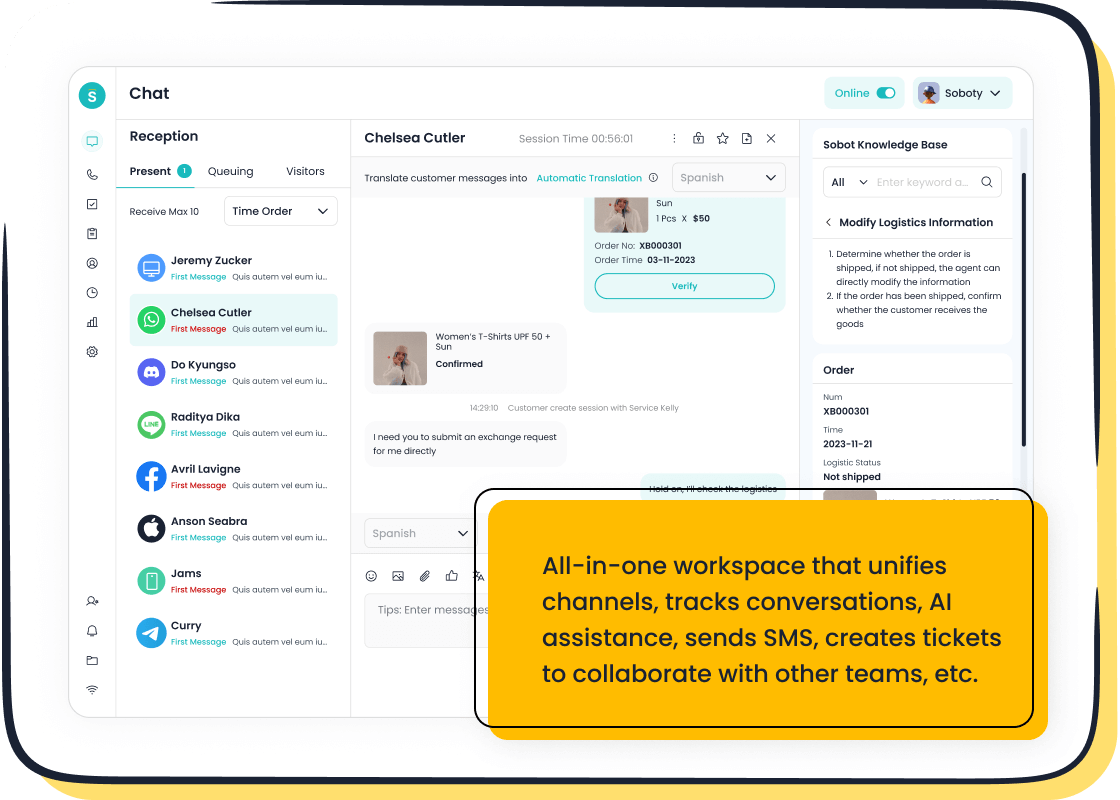
Understanding the difference between clients or customers shapes how businesses deliver customer experience and design service strategies. Companies now see customer experience as a top priority, with 88% focusing on it in their contact centers. Many organizations compete based on experience, and over 80% invest in omnichannel customer engagement. Clients often expect tailored, long-term support, while customers may seek quick, transactional solutions. Sobot and Sobot AI help businesses improve interactions and efficiency for both clients and customers. Every organization should consider how it defines clients or customers to create the right experience and build lasting relationships.
Difference Between Clients and Customers
Key Definitions
Professionals often discuss the difference between clients and customers because these terms shape business strategies and service delivery. A customer is someone who buys goods or services, usually in a one-time or transactional way. For example, a person who purchases a coffee from a shop is a customer. In contrast, a client is someone who receives ongoing, personalized services, often with a deeper relationship. A law firm or financial advisor serves clients who expect tailored advice and long-term support.
The Dow Jones glossary on Customer Identification Program (CIP) explains that firms must identify and verify both clients and customers, collecting details like name, date of birth, and government-issued ID. This process helps companies understand who they serve and how to meet their needs. Investopedia’s article on Know Your Client (KYC) further shows that financial professionals use strict rules to distinguish clients from customers, following standards set by the U.S. Securities and Exchange Commission (SEC) and other authorities. These definitions guide how businesses manage risk and build trust.
The difference between clients and customers goes beyond words. It affects how companies design their services, manage compliance, and build lasting relationships.
Professional Contexts
The difference between clients and customers appears in many industries. In retail and ecommerce, customers often make quick purchases. For example, someone buying shoes online is a customer. The relationship is usually short and focused on the product. In contrast, in professional services like consulting, accounting, or legal advice, clients expect ongoing support. The relationship is deeper, with regular meetings and personalized solutions.
Customer service teams must understand these differences. When serving customers, speed and convenience matter most. For clients, businesses must focus on trust, understanding, and long-term value. For example, a bank may have millions of customers who use its ATMs, but only a few clients who receive wealth management services. Each group has different needs, and the relationship shapes the approach.
A table can help clarify the difference between clients and customers:
| Aspect | Customers | Clients |
|---|---|---|
| Relationship | Transactional, short-term | Ongoing, long-term |
| Service Type | Standardized, quick | Personalized, consultative |
| Example | Retail shopper | Legal or financial advisory recipient |
| Needs | Fast, efficient service | Tailored, strategic support |
| Business Focus | Volume, convenience | Trust, relationship building |
Sobot’s Perspective
Sobot recognizes the importance of understanding the difference between clients and customers in today’s digital world. The company designs its omnichannel solutions to support both groups, ensuring every relationship receives the right attention.
- Sobot Intelligent Customer Service uses AI to support multi-channel engagement. Agents can switch between channels like chat, email, and social media without losing context, which helps maintain strong relationships.
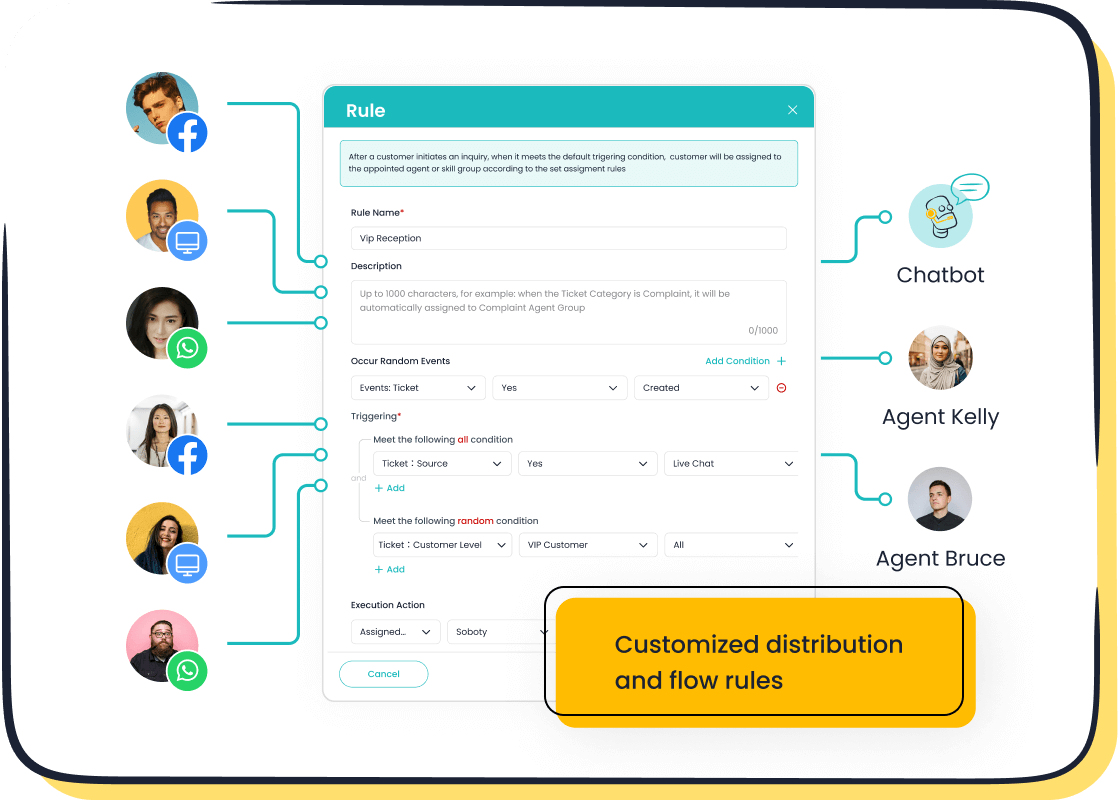
- Intelligent routing and sentiment analysis direct inquiries to the right agents and prioritize urgent customer needs.
- Real-time analytics and reporting tools give businesses insight into customer behavior, helping them understand both clients and customers.
- Integration with CRM systems and customizable workflows allows unified management, meeting the needs of clients who require detailed oversight.
- The platform supports multiple languages and offers customization, so businesses can serve diverse customers and scale as client needs grow.
- A unified agent dashboard provides a complete view of all interactions, balancing operational control for clients with consistent experiences for customers.
- Features like knowledge base management, chatbot automation, and machine learning suggestions help agents deliver efficient and personalized service.
- Sobot’s scalable infrastructure and robust API let businesses expand their services, meeting the evolving needs of both clients and customers.
Sobot’s approach ensures that companies can build strong relationships, whether they serve clients or customers. The platform adapts to different needs, helping businesses deliver the right experience every time.
Clients or Customers in Customer Experience
Relationship Depth
The relationship between a business and its clients or customers forms the foundation of every customer experience strategy. Clients expect an ongoing relationship that involves regular communication, trust, and personalized attention. This approach helps businesses focus on building long-term relationships, which leads to higher retention and satisfaction. Customers, on the other hand, often seek a quick and efficient journey. Their experience centers on convenience and immediate needs.
A strong relationship with clients means businesses must understand their goals and provide continuous support. For customers, the focus shifts to making each interaction smooth and memorable. Companies that recognize these differences can design a customer journey that matches the expectations of both groups. This strategy improves satisfaction and increases retention rates.
Note: Businesses that invest in relationship-building see greater loyalty and higher customer lifetime value.
Service Personalization
Personalized attention stands at the heart of every successful customer experience. Clients require tailored solutions that address their unique needs throughout the customer journey. Customers also value personalization, but they often look for quick recommendations and relevant offers during their experience.
Recent data shows that personalization drives revenue and engagement differently across industries and customer types:
| Client/Company Type | Revenue from Personalization (%) |
|---|---|
| Consumer Packaged Goods (CPGs) | 5-10 |
| Brick & Mortar (Grocers, Apparel) | 10-20 |
| Digitally Native (DTC Brands) | 25 |
Over 32% of North American consumers prefer brands that align communication with their shopping behavior. Leading companies use AI and machine learning to deliver real-time, personalized experiences. They create unified profiles for clients and customers, orchestrating seamless journeys across channels. More than 66% of customers feel comfortable sharing personal data for better experiences, as long as brands use it ethically and transparently.
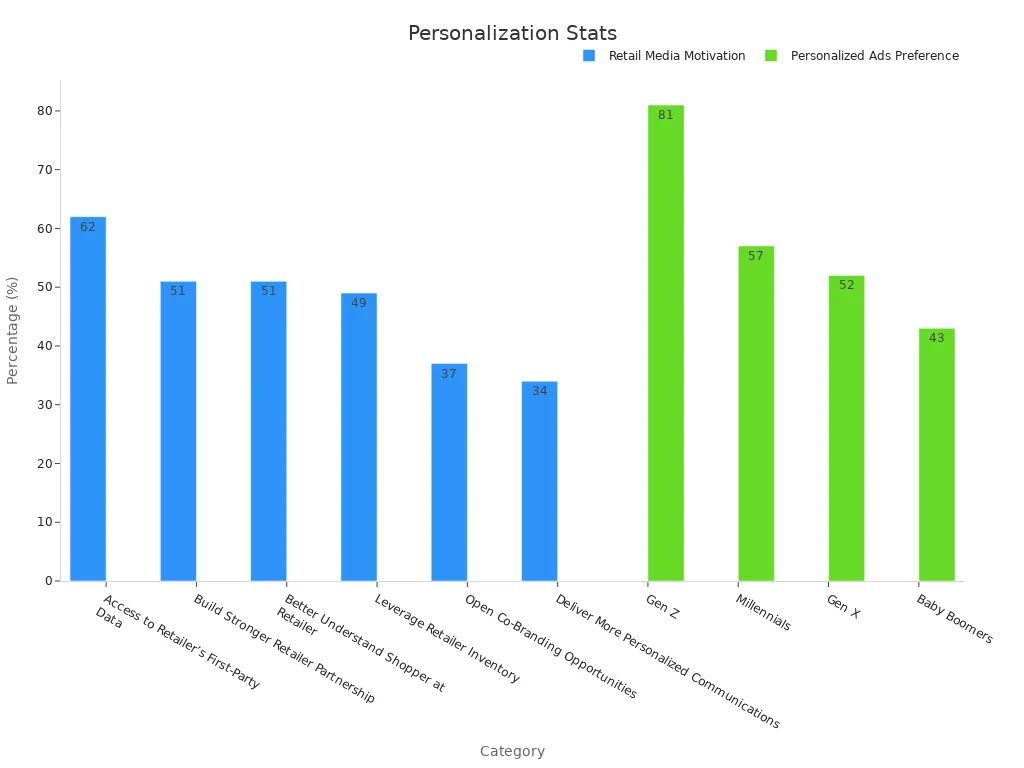
Personalization also varies by generation. Gen Z shows the highest preference for personalized ads at 81%, while Baby Boomers show 43%. This data highlights the importance of adapting customer experience strategies to different segments and relationship types.
Sobot Live Chat Impact
Sobot Live Chat transforms the customer journey for both clients and customers. The platform supports omnichannel engagement, allowing businesses to interact with customers on their preferred channels, such as websites, apps, and social media. This unified approach ensures no missed conversations and delivers personalized attention at every touchpoint.
Sobot Live Chat uses AI-powered tools to profile visitors and provide tailored responses. Agents can access complete customer histories, making it easier to build an ongoing relationship and deliver consistent experiences. The platform’s analytics help businesses understand customer needs and optimize their customer experience strategy.
A practical example comes from Opay, a leading financial service platform. Opay used Sobot’s omnichannel solution to manage high volumes of customer interactions across multiple channels. By integrating Sobot Live Chat, Opay improved customer satisfaction from 60% to 90% and increased conversion rates by 17%. The solution enabled Opay to provide personalized attention, streamline the customer journey, and build long-term relationships with both clients and customers.
Tip: Sobot Live Chat offers a free trial, making it easy for businesses to experience the benefits of enhanced customer engagement and retention firsthand.
Professional Approaches
Communication Styles
Communication shapes every interaction between clients and customers. Studies show that a social-oriented communication style increases satisfaction, trust, and future engagement, especially when service issues arise. For example, when agents match the emotional tone of clients, satisfaction rises. However, matching anger can lower satisfaction, while matching sadness can improve it. Businesses must choose the right communication approach for each situation.
A strong relationship depends on clear, empathetic communication. Clients often expect ongoing relationship management and personalized attention. Customers value quick, friendly responses. Industry experts recommend segmenting customer portfolios and establishing cross-functional teams to ensure seamless communication and maintain trust. Companies that define clear processes for onboarding, handoffs, and outcomes planning see better results. Metrics like NPS and CSAT help track the effectiveness of these strategies.
Tip: Adopting a social-oriented communication style can boost customer satisfaction and loyalty.
Support Strategies
Support strategies must adapt to the needs of both clients and customers. Research highlights that customer-centric support should cover every stage of the customer experience journey, not just after a purchase. Leading companies provide information, help with decisions, build relationships, and offer value-added services. For clients, tailored services and support create long-term value. Customers benefit from fast, efficient help and personalized attention.
Successful organizations integrate support across all touchpoints. They use technology to automate routine tasks and free up agents for complex issues. This approach improves the relationship with both clients and customers. Companies like Mayo Clinic and Amazon have shown that integrated support strategies increase loyalty and competitive advantage. Measuring customer health scores and tracking professional service leads help refine these strategies.
Sobot Omnichannel Solution
Sobot’s omnichannel solution empowers businesses to manage interactions with clients and customers on every channel. The platform unifies communication, automates workflows, and provides over 300 statistical reports. Companies using Sobot report a 234% ROI, a 60% reduction in agent workload, and a 15% increase in conversion rates. J&T Express saw a 35% boost in sign-off rate, while OPPO achieved a 93% customer satisfaction score. Sobot’s AI-driven tools ensure that every client and customer receives personalized attention and fast resolution.
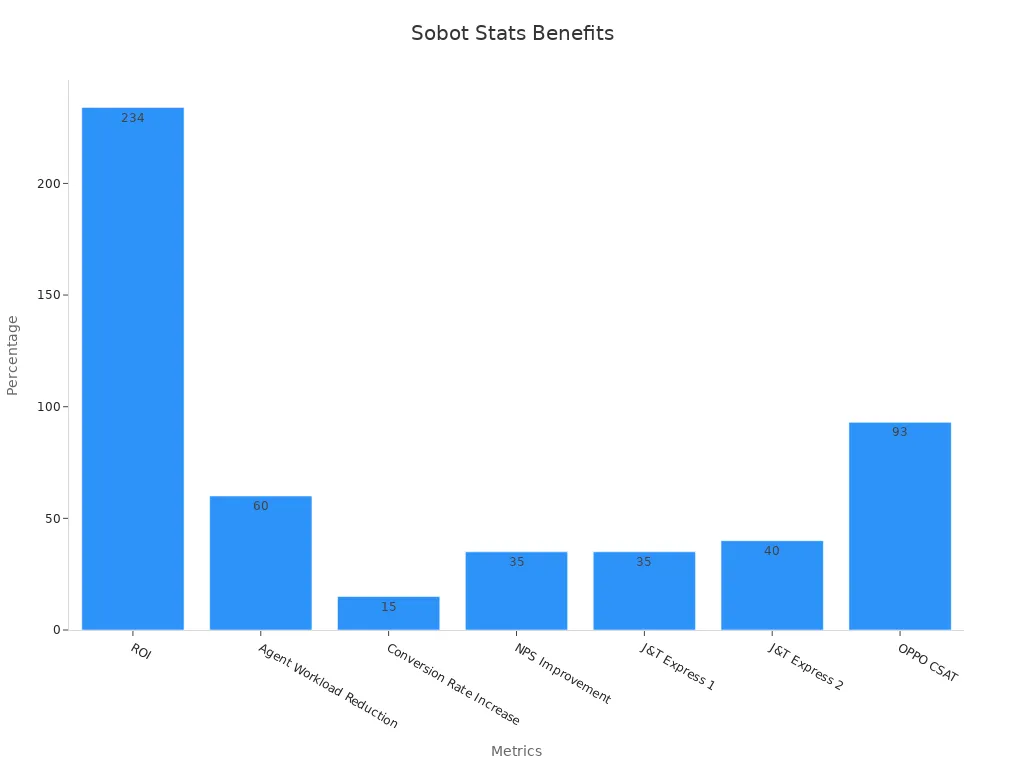
Sobot’s unified workspace and analytics help businesses build strong relationships and deliver ongoing relationship management. The platform supports seamless handoffs, transparent communication, and tailored services and support for every client and customer.
Common Misconceptions
Overlapping Roles
Many professionals believe that the roles of clients and customers never overlap, but real-world practice shows otherwise. In many industries, teams often serve both groups at the same time. For example, survey data reveals that professionals like behavior analysts and school psychologists frequently collaborate, sharing similar training in assessment, intervention, and consultation. These overlapping roles can lead to confusion about responsibilities, but they also create opportunities for better teamwork. When teams set aside time for structured collaboration and show mutual respect, they improve outcomes for everyone involved. Informal conversations and understanding each other's perspectives help teams support both clients and customers more effectively. This approach leads to better service and stronger relationships.
Industry Variations
Misconceptions often arise because the terms "client" and "customer" mean different things in different industries. In retail, a customer usually makes quick purchases, while in consulting or finance, a client expects ongoing support. Some industries, like education or healthcare, blur these lines even further. Professionals may attend different meetings or handle unique tasks, but they still share the goal of delivering value. Sobot’s omnichannel solutions help organizations adapt to these variations by providing tools that unify communication and streamline service, no matter the industry. Companies that recognize these differences can tailor their approach and avoid common pitfalls.
Team Alignment
Many teams think that simply defining roles will prevent misunderstandings between clients and customers. However, research shows that true alignment requires more than job descriptions. Leadership must share a clear vision and communicate priorities consistently. Regular check-ins, transparent updates, and clear accountability help teams stay on track. Using collaboration tools and shared planning systems gives everyone real-time visibility into goals and progress. When teams embed shared values into daily work, they deliver consistent messages and avoid confusion. Sobot’s unified workspace and analytics support these best practices for dealing with clients and customers, helping teams maintain alignment and deliver excellent service.
Trends and Insights

Industry Shifts
The customer experience landscape continues to evolve as digital transformation accelerates. Companies now focus on seamless, personalized journeys that meet customer needs at every touchpoint. AI and automation play a major role in this shift. Businesses use chatbots and data analytics to understand customer behavior and predict future needs. This approach leads to faster response times and higher customer retention. According to recent studies, over 80% of organizations invest in omnichannel solutions to improve experience and loyalty. Companies that adapt quickly see better customer loyalty and increased retention rates. Sobot’s omnichannel platform supports these trends by offering unified communication and AI-powered tools that enhance every customer journey.
Expert Opinions
Industry experts highlight the importance of continuous customer feedback to guide business strategies. Many organizations use frequent, well-designed surveys to track changes in client and customer relationships. Third-party firms often conduct these surveys to ensure honest and confidential responses. Key metrics like Net Promoter Score (NPS) and Customer Effort Score (CES) help companies measure experience and benchmark against industry leaders. Experts recommend acting on survey results to address customer needs and improve retention. Regular feedback programs allow businesses to adapt quickly, keeping the customer journey relevant and effective. Survey best practices include mobile optimization and clear, unbiased questions to boost response quality.
Note: Acting on customer feedback builds trust and strengthens customer experience.
Sobot’s Vision
Sobot leads the way in digital transformation by using AI to enhance customer experience. The company’s vision centers on delivering proactive, personalized, and efficient service across all channels. Sobot’s AI chatbots analyze data to remember past interactions and predict customer needs. This technology enables instant responses and seamless support on websites, apps, and social media. Sobot’s platform also provides real-time analytics, helping businesses optimize every journey and improve customer retention. By integrating voicebots and natural language processing, Sobot ensures human-like interactions that boost customer loyalty. The company’s commitment to innovation and customer-centricity aligns with the latest trends in customer experience management.
Research shows that refining how organizations use the terms clients or customers leads to higher retention and stronger loyalty. A 5% increase in customer retention can boost profits by up to 95% (source). Companies that set clear goals for managing clients or customers see better results. To improve, leaders should:
- Review how teams define clients or customers.
- Align communication and service strategies for each group.
- Use tools like Sobot’s omnichannel platform to unify client and customer interactions.
Sobot helps businesses build lasting relationships with both clients and customers. For more insights, visit Sobot’s website or contact the team for support.
FAQ
What is the main difference between clients and customers?
Clients or customers differ in relationship depth. Clients often seek ongoing, personalized services, while customers usually make one-time or transactional purchases. For example, a law firm serves clients, but a coffee shop serves customers. This distinction shapes business strategies and service delivery.
How does Sobot help manage clients or customers?
Sobot provides an omnichannel platform that unifies all interactions with clients or customers. The system supports chat, email, voice, and social media. Businesses use Sobot to deliver personalized service, automate workflows, and analyze customer data for better decision-making. Learn more at Sobot Omnichannel Solution.
Why is understanding clients or customers important for business growth?
Companies that understand clients or customers can tailor experiences, improve satisfaction, and increase retention. Research shows a 5% increase in customer retention can boost profits by up to 95% (Bain & Company). Sobot helps businesses achieve these results through advanced engagement tools.
Can Sobot Live Chat improve conversion rates for clients or customers?
Yes. Sobot Live Chat uses AI-powered profiling to turn visitors into clients or customers, resulting in a 38% gain in conversion rates. The platform supports multiple channels, ensuring no missed conversations and delivering timely, personalized responses. See details at Sobot Live Chat.
What industries benefit most from Sobot’s solutions for clients or customers?
Sobot serves industries like retail, finance, gaming, education, and enterprise services. Companies such as Samsung, OPPO, and Opay use Sobot to manage clients or customers efficiently. The platform adapts to diverse needs, supporting both transactional and long-term relationships.
See Also
Best Voice of Customer Platforms Reviewed and Compared
Leading 10 Live Chat Solutions Comparing Shopify Options
Authentic Customer Experiences Using Shopify Live Chat
Best Voice of Customer Software To Watch In 2024
Effective Strategies To Improve Live Chat Customer Satisfaction