Client vs Customer and the Future of Business Engagement

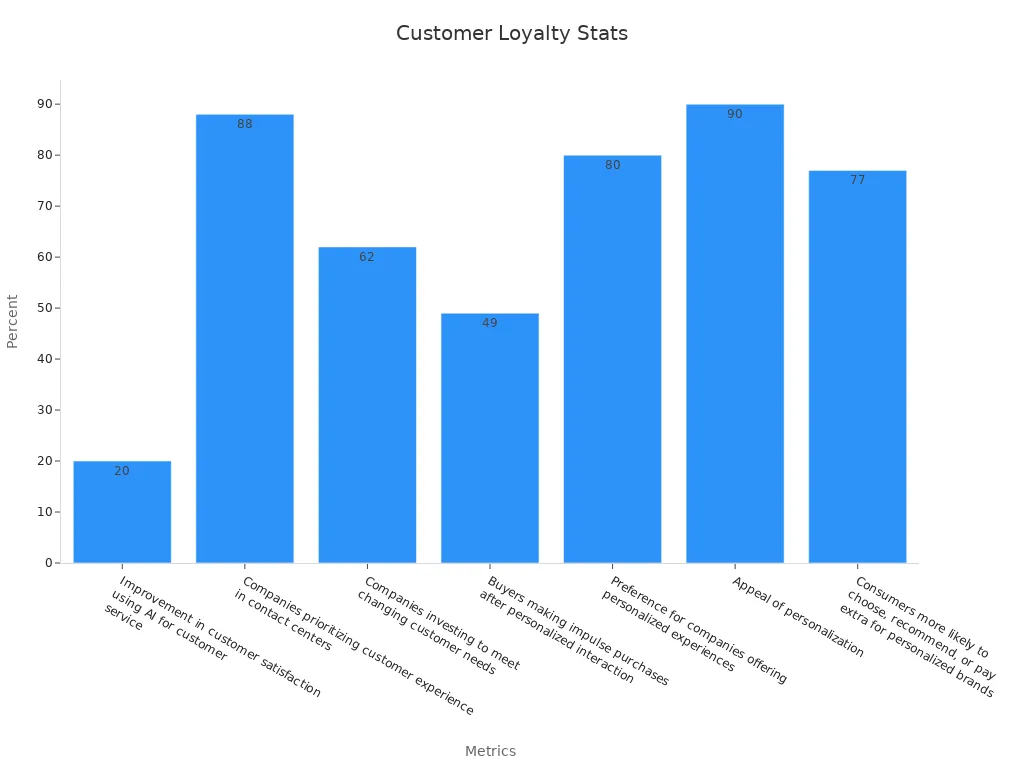
What’s the real difference in the client vs customer debate, and why does this terminology matter so much for business relationships? The words companies use—whether client or customer—shape expectations, loyalty, and the overall experience. In customer service and contact centers, even minor shifts in terminology can influence satisfaction metrics and retention rates. Companies that prioritize personalized language see higher loyalty, with 89% retention for strong omnichannel strategies.
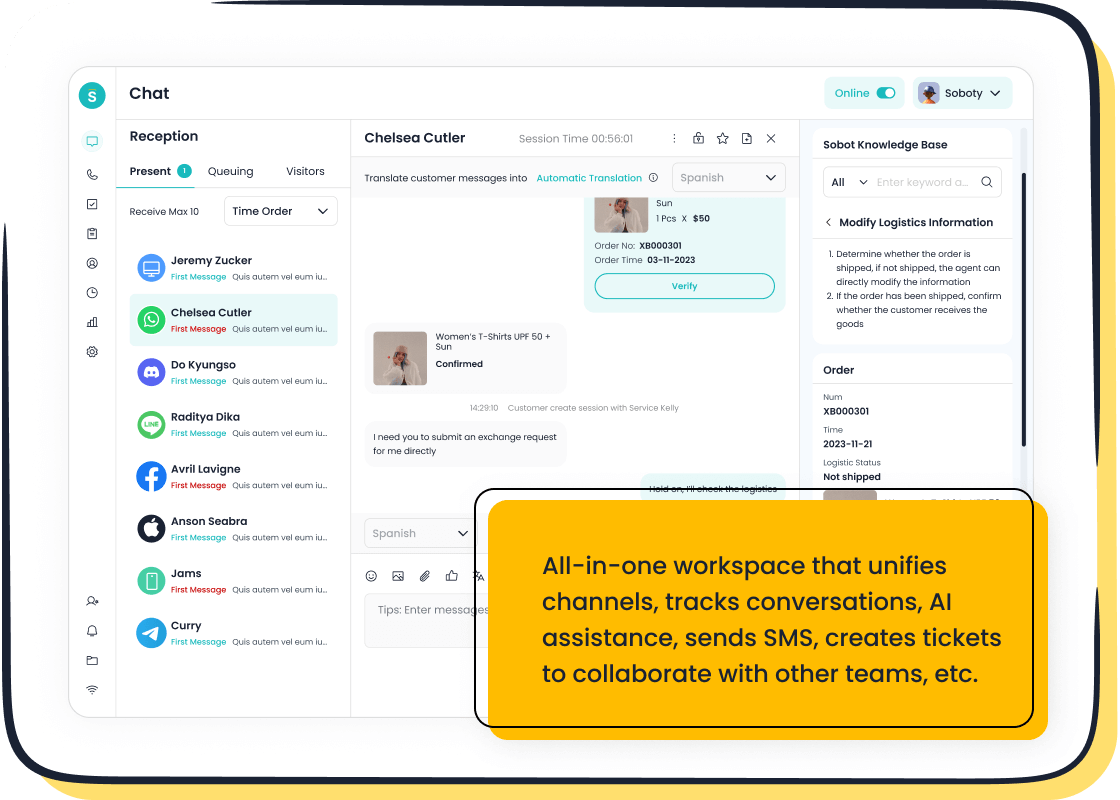
Sobot and Sobot AI empower organizations to deliver tailored service, helping teams navigate the nuances between client and customer for lasting engagement.
Client vs Customer: Key Differences
Definitions
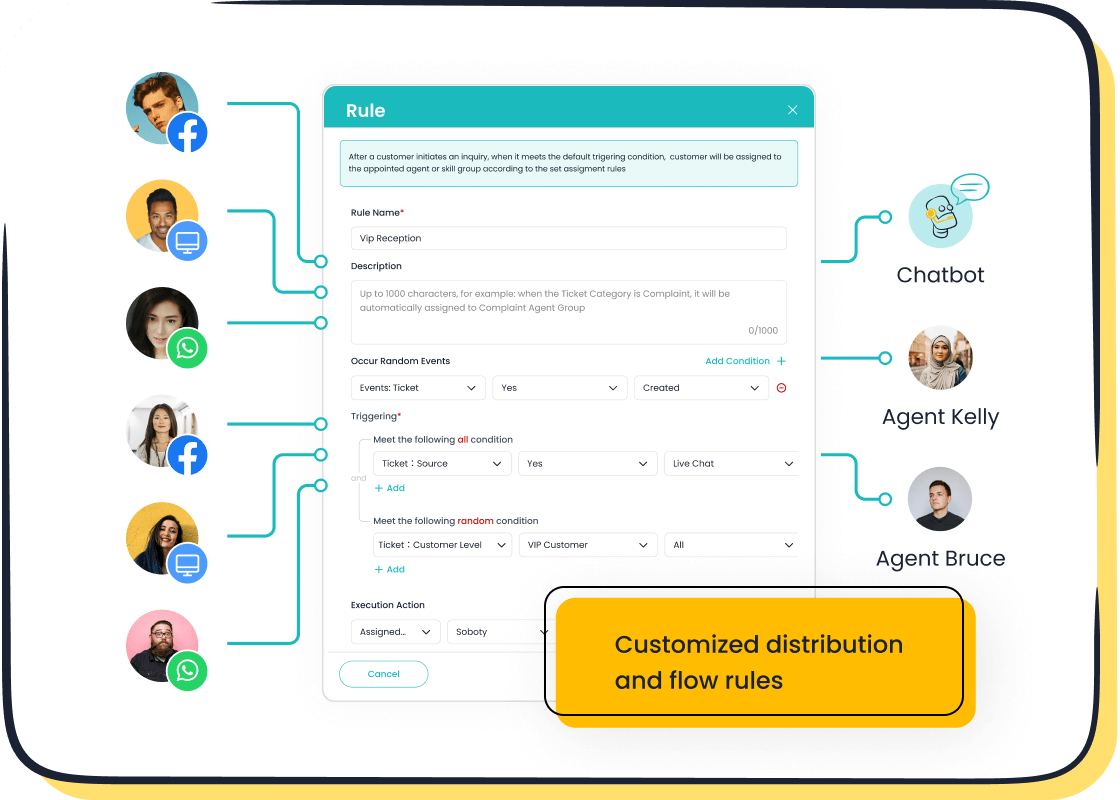
The client vs customer discussion starts with clear definitions. A customer is someone who purchases goods or services, often in a one-time or transactional manner. For example, a person buying a coffee from a café is a customer. In contrast, a client usually engages in a longer-term relationship with a business. A client expects ongoing advice, support, or specialized services. Law firms, consulting agencies, and financial advisors often refer to their client base, highlighting the depth of their engagement.
The terminology a business chooses—client or customer—shapes how people perceive the relationship. Companies that use "client" often signal a commitment to personalized service and ongoing support. Those that use "customer" may focus on efficient transactions and quick service. This distinction influences engagement strategies and sets expectations for both parties.
Relationship Depth
The client vs. customer distinction goes beyond simple definitions. It reflects the depth and nature of the relationship. Customers typically seek quick solutions or products. Their interactions are often brief and focused on immediate needs. Businesses in retail or e-commerce usually serve customers who value speed and convenience.
Clients, on the other hand, expect a deeper connection. They look for tailored advice, regular communication, and a sense of partnership. Client relationships often involve trust, confidentiality, and shared goals. For example, a financial advisor builds a long-term plan with a client, while a retail store completes a single sale with a customer.
Choosing the right terminology helps businesses align their engagement strategies. Companies that nurture client relationships invest in loyalty and long-term value. Those that serve customers prioritize efficiency and satisfaction in each interaction.
Sobot Live Chat in Practice

Sobot Live Chat bridges the gap in the client vs. customer debate by supporting both types of relationships. The platform enables businesses to deliver instant, personalized service across multiple channels. Whether a company serves a broad customer base or a select group of clients, Sobot Live Chat adapts to their needs.
The following table highlights how Sobot Live Chat enhances both client and customer interactions:
| Metric / Case Study Aspect | Details / Results |
|---|---|
| AI Handling Customer Interactions | Up to 95% of customer interactions managed by AI-powered chatbots |
| Resolution of Common Inquiries | AI resolves up to 80% of routine customer questions without human intervention |
| Operational Cost Reduction | Companies reduce service costs by up to 30% through AI automation |
| Resolution Rate Improvement | AI-human collaboration increases resolution rates by 25% |
| E-Commerce Case Study | Chatbots handle order and product inquiries, leading to faster responses and over 80% query resolution |
| Telecommunications Case Study | AI filters and triages complex queries, enabling faster human expert intervention |
| Financial Services Case Study | AI provides instant responses for routine inquiries; sensitive issues escalated to human advisors |
| Additional Benefits | 24/7 service availability, consistent brand voice, personalized interactions, and resource optimization |
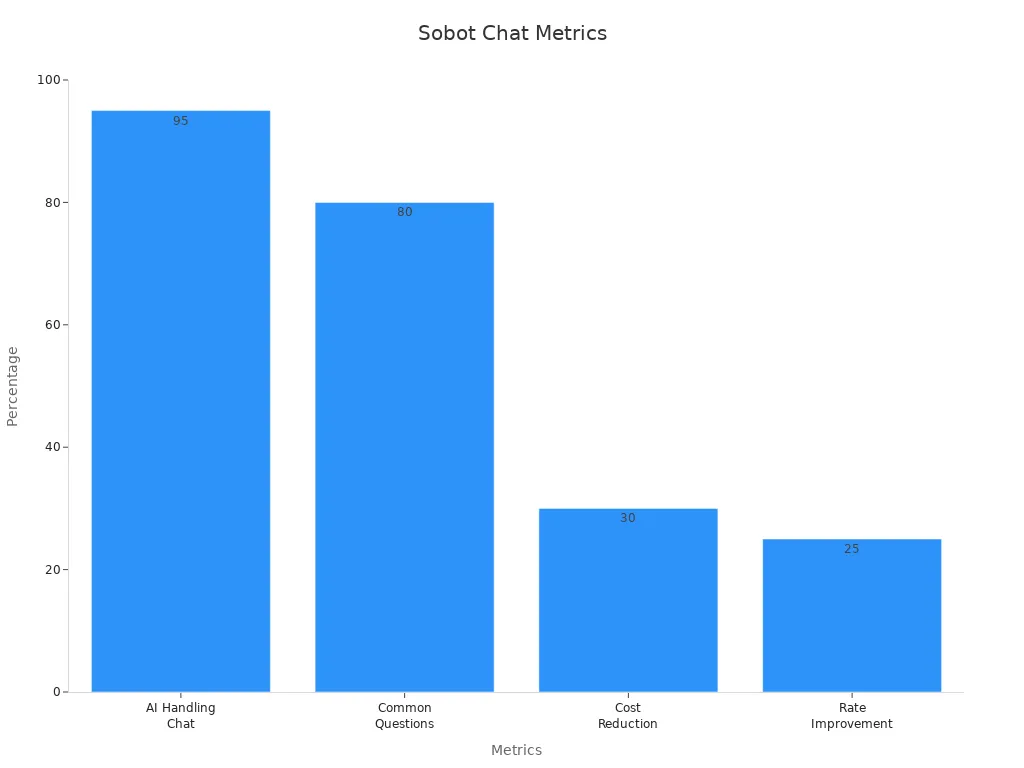
Sobot Live Chat supports both transactional customer interactions and ongoing client relationships. The platform’s AI-powered tools resolve up to 80% of routine questions, freeing agents to focus on complex client needs. Businesses see a 30% reduction in operational costs and a 25% improvement in resolution rates. These results show how technology can strengthen customer relationships and client engagement at the same time.
Sobot’s flexible approach to terminology and service delivery helps companies build trust, loyalty, and efficiency—no matter which side of the client vs. customer spectrum they serve.
Client vs. Customer in Customer Relationships
Transactional vs. Long-Term
The choice between client and customer shapes how companies manage customer relationships. Businesses often use the term customer for short, transactional interactions. In contrast, they use client when the relationship is ongoing and built on trust. Companies measure these relationships differently.
| Metric | Transactional Relationships | Long-term (Relational) Relationships |
|---|---|---|
| Timing | Feedback collected immediately after specific interactions (e.g., purchase, service call) | Feedback collected periodically (annually or semi-annually) over multiple interactions |
| Scope | Focus on specific touchpoints or transactions | Focus on overall customer experience and loyalty across multiple touchpoints |
| Frequency | Frequent feedback collection after each transaction | Infrequent feedback collection, typically annual or semi-annual |
| Purpose | Identify immediate satisfaction and pain points | Assess overall loyalty, track trends, and inform long-term strategies |
| Survey Focus | Specific interaction quality and its impact on loyalty | Broader relationship and brand perception over time |
Companies use transactional surveys to fix immediate issues for customers. Relational surveys help them understand long-term client loyalty and satisfaction. This approach supports building trust and long-term success.
Personalization and Loyalty
Personalization plays a key role in both customer and client retention. Businesses that personalize experiences see higher loyalty and engagement. Research shows that 80% of consumers are more likely to buy when brands offer personalized experiences. In banking, clients who receive personalized service show 20% higher satisfaction and are seven times more likely to respond to offers. Personalization increases customer satisfaction scores by 23% and can boost Net Promoter Scores by up to 20 points. Companies that focus on personalization can increase profits by up to 95% through better retention and long-term success. These facts highlight why personalization is essential for building trust and strong customer relationships.
Companies that invest in personalization stand out and create lasting bonds with both customers and clients.
Sobot Omnichannel Solution
Sobot’s Omnichannel Solution helps businesses deliver seamless, personalized service across every channel. Agents access unified customer data, so customers never need to repeat themselves. This approach improves engagement and retention for both clients and customers. For example, Opay, a leading financial platform, used Sobot to manage interactions across social media, email, and voice. After implementation, Opay increased customer satisfaction from 60% to 90% and reduced costs by 20%. Sobot’s platform also helped Opay achieve a 17% rise in conversion rates. These results show how omnichannel support and personalization drive long-term success and stronger customer relationships.
Branding and Communication
Positioning Your Business
The terminology a business chooses—client or customer—plays a critical role in shaping brand identity and market positioning. Companies that use client often signal a commitment to long-term relationships and specialized service. Businesses that use customer may focus on efficient transactions and broad accessibility. This choice impacts how people perceive the brand and influences communication strategies.
- Branding terminology, such as brand perception and brand image, directly affects how customers view a company.
- Key factors shaping brand perception include customer experiences, visual identity, and consistent messaging.
- Leading brands like Apple and Nike have shown that clear terminology and strong brand identity drive positive customer perception and loyalty.
Best practices for positioning include gathering continuous feedback, supporting customer-facing teams, and adapting strategies based on customer needs. Companies that segment their audience and tailor communication see higher engagement and satisfaction. Regular measurement of customer experience through surveys and Net Promoter Score helps guide strategic decisions and maintain alignment with business goals.
Messaging and Experience
Messaging choices have a direct impact on customer experience and client experience. Companies that align their terminology with their service model create clear expectations and foster trust. For example, a business that refers to its users as clients may offer more personalized support and ongoing guidance. In contrast, a company using customer may focus on fast, efficient service.
| Company/Industry | Messaging Change | Impact on Customer Experience |
|---|---|---|
| Canadian Telecommunications | Added omnichannel support and post-call surveys | 149% increase in NPS, 93% first-call resolution |
| Travel Insurance | Unified CX platform and integrated call recording | 55% drop in abandon rate, faster claims |
| Australian Media | Optimized IVR, enabled remote work for agents | 22% rise in NPS, 69% fewer call transfers |
Personalized messaging, digital tools, and proactive updates all improve customer experience. Companies like Hilton Honors and Sephora have increased satisfaction by tailoring communication and using technology to enhance service.
Sobot Brand Values
Sobot positions itself as a leader in customer engagement by focusing on innovation, efficiency, and customer-centricity. The brand’s mission centers on providing all-in-one contact center solutions that unify sales, marketing, and support. Sobot’s products, such as Live Chat and the Omnichannel Solution, help businesses deliver seamless customer experiences across every channel.
Sobot’s approach includes:
- Prioritizing customer needs through unified data and AI-powered tools.
- Supporting both customer and client relationships with flexible, scalable solutions.
- Measuring success with real-time analytics and customer feedback.
Sobot’s commitment to customer experience and client experience ensures that businesses can build trust, foster loyalty, and adapt to changing expectations. By aligning terminology, messaging, and technology, Sobot helps brands maintain a strong, relevant presence in a competitive market.
Industry Norms and Best Practices
Sector Preferences
Different industries use specific terminology to shape how people view their services. In retail, companies often use the word customer because most interactions are quick and transactional. Financial services and consulting firms prefer client, which signals a deeper, ongoing relationship. The hospitality industry also makes a clear distinction. A client is usually an organization that books services for events or long-term needs, while a customer is an individual making a one-time purchase. These choices reflect the nature of the relationship and the expectations for service.
- 71% of consumers expect personalized interactions, and 76% feel frustrated when these expectations are not met (McKinsey, 2021).
- Companies that excel in personalization generate 40% more revenue.
- Legal and contractual settings often use client to show higher responsibility and trust.
Using the right terms helps businesses align with industry standards and improve customer satisfaction.
Contact Centers and Support
Contact centers rely on clear terminology to deliver quality customer service. The right words help agents understand the type of relationship and set the tone for each interaction. Performance metrics guide best practices in customer support:
| Metric Name | Description | Relevance to Customer Interaction Terminology |
|---|---|---|
| First Call Resolution | Issues solved on the first contact | Shows effectiveness in customer support |
| Customer Effort Score | Measures how easy it is for a customer to get help | Reflects quality of customer experience |
| Net Promoter Score | Tracks customer loyalty and satisfaction | Links terminology to business impacts |
| Average Handle Time | Time spent on each customer interaction | Balances efficiency and thoroughness |
Sobot’s omnichannel platform helps businesses track these metrics, ensuring every customer receives fast, personalized support.
Choosing the Right Term
Selecting the correct terminology can drive business impacts and boost revenue. Companies should research their industry, analyze customer feedback, and review business outcomes. Decision trees and comparative analysis help leaders weigh the pros and cons of each term. Using the right terms in branding and communication builds trust and strengthens identity. Sobot’s solutions support businesses in segmenting audiences and personalizing messages, which leads to higher satisfaction and loyalty.
Tip: Regularly review your terminology and customer data to keep your business aligned with market trends and maximize revenue.
The Future of Customer Relationships

Evolving Expectations
Customer expectations continue to rise as technology advances. Today, 71% of customers expect brands to deliver personalized experiences, and 76% feel frustrated when they do not receive them. The COVID-19 pandemic accelerated digital transformation by five years, making omnichannel, mobile-friendly, and 24/7 accessible services the new standard. By 2025, 40% of customer service organizations will shift to proactive engagement, moving away from reactive models. Omnichannel customers show 250% higher engagement and 90% higher retention than those using a single channel. These trends highlight the need for businesses to adapt quickly to maintain customer success and drive long-term success.
Technology and Personalization
Technology now plays a central role in shaping customer relationships. AI-driven platforms like Sobot Live Chat automate routine tasks, gather insights, and provide instant support. Companies use advanced analytics and machine learning to understand customer intent and deliver hyper-personalization. For example, brands like Netflix and Amazon use AI to treat each user as a segment of one, resulting in up to 166% higher revenue per user (IBM). Integration with IoT, VR/AR, and blockchain further enhances customer engagement and security. Businesses that excel in personalization achieve 40% higher revenue and see measurable improvements in customer success.
| Personalization Type | Example Company | Innovation Description | Impact on Customer Engagement |
|---|---|---|---|
| Hyper-Personalization | Netflix, Amazon | AI-driven, real-time, behavior-based recommendations | Up to 166% increase in revenue/user |
| Active Personalization | Financial Times | Users tailor content and experience through preferences | 86% increase in engagement |
Actionable Steps with Sobot
Businesses can strengthen customer relationships and achieve customer success by adopting several key strategies:
- Use omnichannel solutions like Sobot to unify customer data and provide seamless support across all channels.
- Monitor performance metrics such as Net Promoter Score, Customer Effort Score, and First Contact Resolution to identify areas for improvement.
- Implement AI-powered tools to automate routine inquiries, freeing agents to focus on complex customer needs.
- Personalize every interaction by leveraging analytics and customer profiles.
- Encourage feedback through satisfaction surveys and use insights to refine service delivery.
Companies that prioritize customer success and leverage technology position themselves for long-term success in a rapidly changing market.
The distinction between client and customer shapes business relationships and engagement strategies. Companies that use tools like Sobot Live Chat see up to a 38% increase in conversion rates and improved loyalty. Leaders should review their terminology, align it with their service model, and adopt unified platforms for better results. In the digital age, strong relationship-building remains essential for long-term growth and success.
FAQ
What is the main difference between a client and a customer?
The term "client" often refers to someone who seeks ongoing services or advice, while "customer" describes someone who makes a one-time purchase. In the client vs customer debate, relationship depth and engagement level set them apart.
How does Sobot help businesses manage client vs customer relationships?
Sobot provides omnichannel solutions and Live Chat tools. These features allow businesses to personalize service for both clients and customers. Companies using Sobot report up to a 38% increase in conversion rates and improved loyalty.
Why does the client vs customer distinction matter for branding?
Brands that use "client" signal long-term partnership and trust. Those using "customer" focus on quick, efficient transactions. The client vs customer choice shapes brand identity, communication, and customer expectations.
Can Sobot Live Chat support both clients and customers?
Yes. Sobot Live Chat adapts to both transactional and long-term relationships. It unifies messages, automates routine tasks, and provides analytics. This flexibility helps businesses address the client vs customer needs in real time.
What industries benefit most from understanding client vs customer differences?
Industries like finance, consulting, and retail see major benefits. For example, financial advisors treat users as clients, while retail stores serve customers. Sobot’s solutions help all industries clarify the client vs customer approach for better engagement.
Tip: Regularly review your client vs customer strategy to align with industry trends and customer needs.
See Also
Best Voice of Customer Platforms Reviewed and Analyzed
Artificial Intelligence Agents Transform Customer Support Services
Ways Chatbots Enhance Satisfaction For Online Shoppers
Comprehensive Overview Of Omnichannel Software For Call Centers

