The Future is Centralized Communication

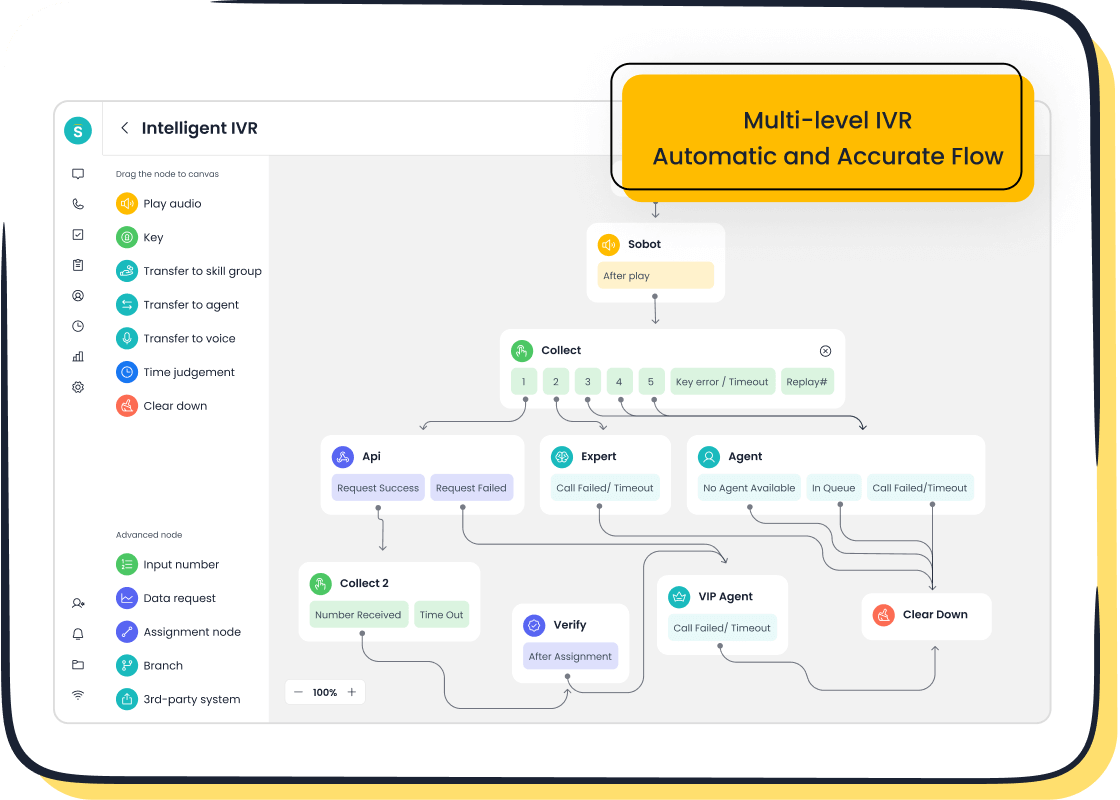
You can centralize customer communication by managing every interaction on a single platform like Sobot. This approach creates one continuous conversation. It meets a critical need, as 70% of customers expect you to know their full history. Your approach to communication must evolve for 2026. People now demand a better customer experience. This massive market shift, with projected growth to USD 78.14 Billion by 2033, makes unified customer communications essential for your business.
Why Centralization Matters in 2026

The shift toward a unified communication strategy is not just a trend; it is a direct response to fundamental changes in customer behavior and technology. By 2026, your ability to centralize customer communication will determine your brand's success. This approach addresses core frustrations, meets rising technological expectations, and builds the essential foundation of trust that modern consumers demand. A modern CCM platform becomes the backbone of your customer experience, ensuring every interaction is seamless and secure.
Eliminating Repetitive Conversations
Nothing frustrates a customer more than repeating their story. Imagine a customer starts a conversation with your website's chatbot. After a few questions, they need to speak with a person. When you transfer them to a live agent, they have to explain their issue all over again. This broken experience creates friction and signals that your departments are not working together.
A centralized platform solves this problem completely. It creates a single, continuous thread for every customer.
How does it work? Sobot’s Omnichannel Solution brings every channel—chat, email, social media, and phone calls—into one unified workspace. When a customer moves from a chatbot to a live agent, the agent sees the full conversation history instantly. They have all the context they need without asking the customer to repeat a single word.
This unified view empowers your team to provide faster, smarter support. Agents can access previous orders, support tickets, and interaction notes from a single screen. This level of organization is the first step in effective customer communications management. You eliminate wasted time for both your customers and your agents, turning a potentially frustrating moment into a smooth and helpful one.
Meeting New Conversational AI Expectations
Customers in 2026 will expect your AI to be more than a simple FAQ machine. They will anticipate intelligent, helpful conversations that feel natural. Simple, scripted bots will no longer be enough. Your audience will look for AI that understands context, remembers past interactions, and provides personalized solutions around the clock.
Future customer expectations for conversational AI include:
- Natural Conversations: AI that uses advanced technology to understand complex questions and provide context-rich answers.
- Omnichannel Presence: The ability to start a conversation on your website and continue it on a mobile app or social media without losing context.
- Deep Personalization: Interactions that use historical data to offer relevant recommendations and solutions.
- 24/7 Global Support: Instant, multilingual assistance available anytime, anywhere.

This evolution means your AI must move beyond just cutting costs. It needs to become a tool for creating positive experiences. For example, Sobot's AI-powered Voicebot can recognize customer intent during a phone call, handle complex interactions, and escalate to a human agent only when necessary. This ensures that every customer receives the right level of support instantly, making your communication strategy both efficient and effective.
Building Trust with Secure Communication
In an age of constant data breaches, customers are more cautious than ever. A single security incident can destroy the trust you have worked hard to build. Research shows that approximately 60% of US consumers would stop trusting a company after a data breach. This loss of confidence has long-term consequences, as companies affected by breaches often underperform their competitors for years.
Building and maintaining trust requires a proactive approach to security. You must prove to customers that their personal information is safe with you. This starts with the very first message you send. Using verified sender profiles on channels like RCS and WhatsApp is a powerful way to establish credibility. Features like a brand logo and a verification badge assure customers they are talking to a legitimate business, not a scammer. This is especially vital in sectors like finance and healthcare, where sensitive data is exchanged.
Your platform's security infrastructure is equally important. You need a system built on a foundation of reliability and protection. Sobot, for instance, guarantees this with several key features:
- System Stability: A 99.99% system uptime ensures your communication channels are always available when customers need them.
- Encrypted Data Transfer: All data, whether at rest or in transit, is protected using industry-standard encryption like AES-256. This aligns with strict compliance regulations like GDPR and PCI DSS.
- Secure Identity Verification: Robust processes ensure that only authorized individuals can access sensitive customer information.
By investing in a secure, centralized platform, you send a clear message: you value your customers' privacy and are committed to protecting them. This commitment is the cornerstone of lasting brand loyalty.
The Engine of Customer Communications Management: AI and Tech

The right technology is the engine that powers your entire customer communications management strategy. Artificial intelligence (AI) and modern communication channels are no longer just helpful tools; they are essential components for growth. You can use this technology to move beyond basic support and create experiences that drive revenue and build loyalty.
AI as a Revenue Growth Engine
In the past, you might have viewed AI primarily as a way to cut costs. Today, its role has expanded dramatically. AI is now a powerful tool for increasing sales. In fact, 90% of customer experience leaders report a positive return on their AI investments. Integrating AI can give you a return of over 200% in five years.
This growth happens when AI moves beyond simple answers to drive sales conversations.
- It helps you understand what a customer wants.
- It offers personalized product recommendations.
- It guides customers toward a purchase.
For example, Sobot’s AI-powered Voicebot does more than just answer calls. It uses advanced technology to recognize complex user intent during a conversation. This allows it to handle detailed sales inquiries and identify upselling opportunities, turning a support call into a revenue-generating interaction. This is a core part of effective customer communications management.
The Rise of Conversational Channels
Your customers expect to connect with you on the channels they use every day. This means you must be active on rich messaging platforms like WhatsApp. WhatsApp is a dominant communication tool in many countries, and its use in the U.S. is growing. A modern ccm platform makes this possible.
As an official WhatsApp Business Solution Provider (BSP), Sobot enables you to use this channel at scale. You can manage marketing campaigns, send notifications, and provide support directly within the app your customers already love.
This shift also applies to voice communication. Customers are tired of frustrating phone menus, with over 60% expressing dissatisfaction with old IVR systems. They prefer intelligent voice AI that understands them. This makes your customer communications feel more natural and efficient.
Unifying Data for Precision Personalization
Personalization is only possible when you have a complete view of your customer. Information often gets trapped in different departments, creating data silos. This prevents you from delivering the seamless experience customers expect. To create truly personal interactions, you must centralize customer communication and unify your data. When you bring all your customer data together, you can:
- Understand customer preferences and behaviors.
- Predict their needs and address them proactively.
- Deliver consistent experiences across every channel.
This unified approach allows you to segment your audience with incredible precision. You can tailor messages and offers based on a customer's full history with your brand. This level of personalization strengthens relationships and turns one-time buyers into loyal advocates.
How to Prepare for a Centralized Future
Transitioning to a centralized model requires a clear strategy. You need to understand your current state, align your teams and technology, and redefine what success looks like. This preparation ensures your investment in customer communications management delivers maximum value.
Audit Your Customer Journey
First, you must map your entire customer journey. This process helps you see your business from your customer's perspective and identify friction points. A thorough audit involves several key steps:
- Find Touchpoints: Identify every point of contact a customer has with your brand. This includes social media, ads, your website, and post-purchase support.
- Identify Pain Points: Look for issues that frustrate customers. Common problems include unclear delivery information, poor website search, or difficulty reaching a support agent.
- Compare Perspectives: Gather customer feedback and compare it to your team's understanding of the journey. Mismatches often reveal hidden problems in your process.
This audit gives you a clear roadmap for improvement. It shows you exactly where a unified approach can make the biggest impact on customer satisfaction.
Unify Technology and Teams
Silos between marketing, sales, and support create a broken customer experience. You can fix this when you unify your technology and teams around a single platform. Investing in a central hub like Sobot’s Omnichannel Solution gives every team access to the same customer data. This shared view ensures a consistent and informed response at every touchpoint.
A Real-World Example: OPPO The smart device leader OPPO faced challenges with high inquiry volumes. By using Sobot to unify its channels, OPPO achieved an 83% chatbot resolution rate. This freed up human agents for complex issues and improved the overall customer experience, leading to a 57% increase in their repurchase rate.
This proves that when you centralize customer communication, you create tangible business results.
Strategically Centralize Customer Communication
Implementing a new system requires careful planning. You should roll out your new strategy in phases to ensure a smooth transition. Focus on two critical areas:
- Change Management: Prepare your employees for the new way of working. Offer training sessions tailored to their roles so they feel confident using the new tools.
- Feedback Loops: Create channels for your team to provide feedback. Use their insights to make iterative improvements and optimize the platform for your specific needs.
A strategic rollout minimizes disruption and helps your team embrace the new system quickly.
Rethink Your Performance Metrics
Your metrics should reflect what truly matters: customer value. Old metrics like average call time measure efficiency but not effectiveness. It is time to shift your focus to value-based outcomes that drive long-term growth.
| Old Metric (Efficiency) | New Metric (Value) |
|---|---|
| Average Handle Time | First Contact Resolution |
| Number of Calls Handled | Customer Satisfaction (CSAT) |
| Agent Occupancy Rate | Customer Lifetime Value (LTV) |
Focusing on metrics like customer satisfaction and retention encourages your team to build relationships, not just close tickets. This strategic shift aligns your support operations directly with business growth.
The future of customer experience is clear. You must centralize customer communication. Platforms like Sobot make this shift possible. Rising customer expectations and powerful AI make this change both necessary and achievable for your business. When you unify your channels, data, and strategy, you build lasting loyalty and thrive. This is the foundation of modern customer communications management. Your path to success in 2026 starts when you embark on your contact journey.
FAQ
What is centralized customer communication?
Centralized customer communication means you manage all customer conversations in one place. It combines channels like chat, email, and phone calls into a single, unified platform. This creates one continuous conversation history for every customer, making your support faster and smarter.
Why is a centralized strategy important for my business?
This strategy is vital because customers expect seamless experiences. Centralized customer communication eliminates the need for customers to repeat themselves. It helps you build trust and deliver the personalized support that drives loyalty and increases sales.
How does Sobot help unify my communications?
Sobot's Omnichannel Solution brings all your channels into one workspace.
Your team gets a complete view of every customer's history. This allows you to provide consistent and informed support, whether the customer contacts you by phone, email, or WhatsApp.
Can my small business use this technology?
Yes. Platforms like Sobot are designed for businesses of all sizes. You can start with the channels you need most and scale as you grow. The technology helps you improve efficiency and provide excellent service, no matter the size of your team.
What are the first steps to get started?
You can begin by auditing your current customer journey to find pain points. Next, explore a platform that fits your needs, like Sobot. A phased rollout and proper team training will ensure a smooth transition to a successful centralized customer communication model.
See Also
Discovering the Foremost Cloud-Based Contact Center Solutions for 2025
The Ten Best Chat Software Platforms for Modern Businesses in 2024
An Essential Handbook for Omnichannel Call Center Software Implementation
A Ten-Step Process for Deploying Omnichannel Contact Center Solutions Effectively
Comprehensive Reviews of Leading Cloud Contact Center Services for 2024

