What Is an Omnichannel Service Platform?


An omnichannel service platform is a unified customer service system designed for all customer interactions. This omnichannel contact center uses integration to connect multiple communication channels, creating a seamless experience for every customer. The goal of omnichannel customer service is to improve the customer experience. The best platforms for omnichannel customer service, like Sobot, provide this powerful integration. This omnichannel approach delivers a superior customer service experience. A modern omnichannel contact center helps your customers. This omnichannel customer service is a great experience for your customers. An omnichannel contact center supports your customer. This customer service system helps your customer and your business. The omnichannel contact center is the future of omnichannel customer service. This omnichannel method helps your customers. Your customer is the focus.
Omnichannel vs. Multichannel

You might hear the terms omnichannel and multichannel used together. They are not the same. Understanding the difference is key to building a better experience for your customers. An omnichannel strategy connects every channel, while a multichannel approach simply offers them as separate options.
The Core Difference
The main difference is integration. An omnichannel approach unifies all communication into a single, continuous conversation. This gives your support agents a complete history of every customer interaction. Multichannel support, on the other hand, keeps channels separate. This can create a broken experience for the customer.
This table shows the key distinctions:
| Feature | Omnichannel Support | Multichannel Support |
|---|---|---|
| Integration | Focuses on a consistent, integrated experience. | Channels often work in isolation. |
| Customer Data | Shares customer data and context across all channels. | Data is often siloed within each channel. |
| Customer Journey | Creates a single, seamless customer journey. | Can lead to a disjointed customer journey. |
| CSAT Scores | Leads to higher customer satisfaction (approx. 67%). | Results in lower satisfaction (approx. 28%). |
An effective omnichannel customer service platform ensures your customer feels known and valued, no matter how they contact you.
A Customer Journey Example
Imagine a customer journey to see the difference in action. A better journey makes happy customers.
A Tale of Two Journeys 🗺️
- The Multichannel Journey: A customer contacts you on social media with a question. Later, the customer sends an email for an update. Your email agent has no record of the social media chat. The customer must repeat their entire issue, leading to frustration. This broken customer journey hurts the customer experience.
- The Omnichannel Journey: A customer starts a chat with a bot on your website. The issue needs more help, so the conversation moves to email. Finally, the customer calls to confirm the resolution. With an omnichannel customer service system, your agent sees the entire history. This creates a seamless customer journey from start to finish.
This seamless customer journey is the goal of omnichannel customer service. It shows the customer you value their time and transforms a potentially difficult process into a positive one.
Core Components of an Omnichannel Contact Center
An effective omnichannel contact center is built on several core pillars. These key components of omnichannel customer service work together. They create a unified and intelligent customer service system. Understanding these parts helps you see the power of a true omnichannel platform.
Unified Agent Workspace
A unified agent workspace is the command center for your support team. It combines all customer interactions into one single screen. Your agents can manage conversations from every channel without switching applications. This includes voice calls, live chat, email tickets, and social media messages.
A Single Pane of Glass 🔍
Omnichannel solutions like Sobot provide a single dashboard for your agents. They see a customer's complete history in one place. This seamless integration of tools, such as a
Voice/Call CenterandTicketing System, eliminates confusion. Agents can resolve issues faster and provide more personalized support to every customer.
Centralized Customer Data
Centralized data is the heart of any omnichannel contact center. This component gathers information from every customer touchpoint. It creates a complete 360-degree view of each customer. Your agents see past purchases, previous support tickets, and recent website activity. This rich context empowers your team to understand the customer's needs instantly. This is one of the key components of omnichannel customer service.
Seamless Channel Integration
Seamless integration connects all your communication channels. It allows a customer to start a conversation on chat and finish it over the phone without losing context. A true omnichannel contact center ensures this smooth transition. The platform must also offer seamless integration with your existing business tools, like a CRM. This creates a connected ecosystem for all customer data and interactions.
Cross-Channel Analytics
Cross-channel analytics give you the insights to improve your omnichannel customer service. An omnichannel contact center tracks the entire customer journey. You can measure key metrics to see how customers move between channels.
- Customer Journey Completion Rate: See how many customers successfully resolve their issues.
- Time to Conversion: Track how long it takes for a customer to reach their goal.
This data helps you optimize your omnichannel strategy for better results. It is one of the key components of omnichannel customer service.
Choosing the Best Platforms for Omnichannel Customer Service
Selecting the right platform is a critical decision for your business. You need to align your choice with your specific business needs, budget, and growth goals. The best platforms for omnichannel customer service offer a powerful mix of features. Your evaluation should focus on key criteria to ensure you find the perfect fit.
When comparing options, you should look for:
- Channel Support: The platform must manage all the channels your customers use.
- Personalization Capabilities: It should allow you to create tailored experiences for each customer.
- Ease of Use: The system needs to be intuitive for your agents and managers.
- Unified Customer Data: A central place for all customer information is essential.
- Quality Customer Support: The provider should offer reliable help when you need it.
The best platforms for omnichannel customer service combine these elements to create a powerful customer service system.
AI and Automation
AI and automation are the engines of a modern omnichannel contact center. They help you manage many customer interactions and streamline your processes. AI-powered tools can understand customer needs, recommend offers, and find the best time to communicate. This technology transforms your omnichannel customer service from reactive to proactive.
How AI Powers Your Omnichannel Strategy 🤖
AI acts as the glue for your customer service system. It unifies data from every source. Natural Language Processing (NLP) helps the system understand a customer's meaning and urgency. This allows for fluid conversations. AI also tracks conversation history and customer sentiment. This ensures a continuous experience even if a customer switches channels.
AI-powered chatbots are a great example. They provide 24/7 service and can answer common questions instantly. This frees up your human agents to handle more complex issues. For instance, Sobot’s Chatbot uses advanced AI to provide 24/7 self-service, pre-qualify queries, and give agents context to speed up resolutions. This is a key feature of the best platforms for omnichannel customer service.
Self-Service Options
Empowering your customers to find their own answers is a core part of an effective omnichannel strategy. Self-service options improve efficiency and customer satisfaction. They reduce wait times and cut your operational costs. The best platforms for omnichannel customer service make it easy for customers to help themselves.
Two powerful self-service tools are:
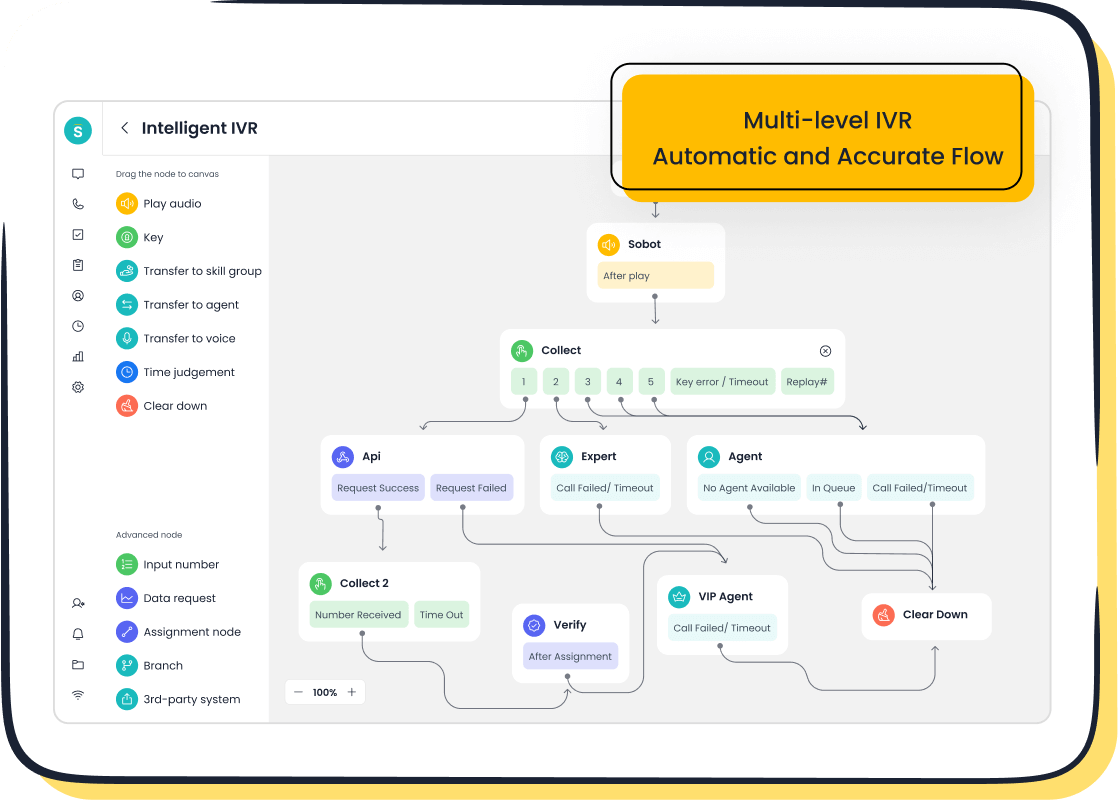
- Intelligent IVR (Interactive Voice Response): An IVR system automates call routing. A customer can use voice commands or keypad inputs to navigate a menu and solve simple issues without ever speaking to an agent. Sobot’s
Voice/Call Centerincludes a drag-and-drop intelligent IVR. This feature helps you build custom call flows that guide customers to the right solution, improving their experience. - Knowledge Base: A knowledge base is an online library of helpful information. It contains guides, FAQs, and troubleshooting articles. Customers can search this library to find answers on their own time. This tool empowers the customer and reduces your support ticket volume.
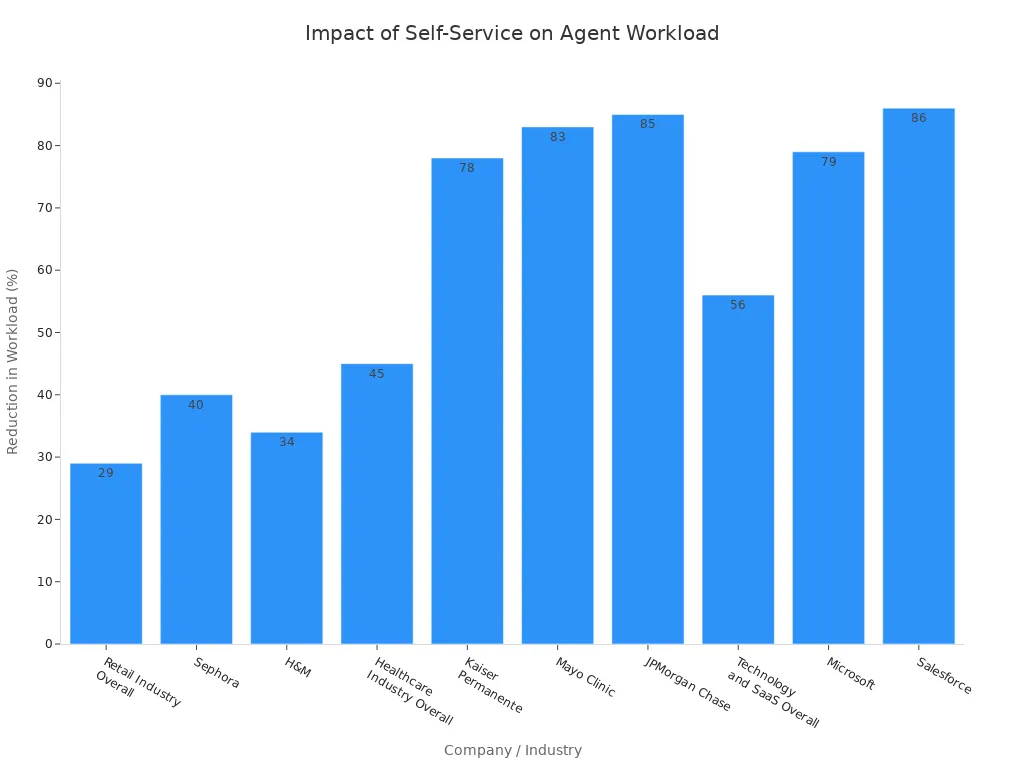
Implementing these options significantly reduces agent workload. This allows your team to focus on high-value customer interactions. The impact on operational costs and agent workload is significant across many industries.
Real-Time Data Synchronization
Real-time data synchronization is essential for a true omnichannel experience. It means that every time a customer interacts with your business, the data is updated across all systems instantly. This process eliminates information silos and creates a single, accurate view of every customer. Your agents get a complete picture of the customer's history and preferences.
This immediate data sharing is critical for providing seamless, personalized support. When data is synchronized, a customer never has to repeat their issue. An agent in your omnichannel contact center can see a recent chat conversation while on a phone call with that same customer. This seamless flow of information reduces customer frustration and improves first-contact resolution. This is why the best platforms for omnichannel customer service prioritize real-time integration.
CRM Integration
Your omnichannel contact center should not work in isolation. A deep integration with your Customer Relationship Management (CRM) system is crucial. This connection enriches your customer profiles with data from sales, marketing, and support. Popular CRMs like Salesforce and HubSpot become even more powerful when connected to omnichannel solutions.
This integration drives better business outcomes.
- Enhanced Personalization: With a full view of the customer journey, you can deliver highly relevant content and offers.
- Improved Customer Retention: Companies with strong omnichannel engagement retain around 89% of their customers.
- Increased Sales: Marketers using three or more channels see a 287% higher purchase rate.
Omnichannel solutions with strong integration capabilities, like those from Sobot, connect with your existing tools to unify all customer data. This integration ensures your marketing, sales, and service teams can collaborate effectively. A connected omnichannel contact center provides the context needed for excellent omnichannel customer service and turns every interaction into an opportunity to build loyalty.
Benefits of Omnichannel Customer Service

Adopting an omnichannel approach offers significant advantages for your business and your customers. You create a better customer service experience that builds loyalty and drives efficiency. An omnichannel contact center transforms your support from a cost center into a value driver. This shift improves the entire customer experience.
For the Customer
Your customer is the biggest winner in an omnichannel world. A unified system removes friction and makes getting help easy. This focus on the customer journey leads to higher satisfaction. The benefits for your customer are clear and immediate.
- Seamless Experiences: A customer can move between channels without repeating information. A chat can become a phone call without losing context. This creates an effortless experience.
- Faster Resolutions: Your agents have a full view of the customer's history. This context helps them solve problems much faster. The customer gets the right answer on the first try.
- Personalized Support: You can provide tailored solutions. Agents see past interactions and preferences. This makes every customer feel understood and valued, boosting their satisfaction.
- Empowered Self-Service: Customers can find answers on their own. Tools like knowledge bases and intelligent IVR systems let them resolve issues independently. This gives the customer control over their experience.
This improved omnichannel customer service directly increases customer satisfaction. A positive experience makes your customers feel heard. This builds trust and long-term loyalty.
For the Business
The benefits of an omnichannel contact center extend directly to your bottom line. You improve operational efficiency while boosting customer satisfaction. This powerful combination drives sustainable growth. An omnichannel strategy delivers measurable results across your organization.
- Increased Operational Efficiency: A unified platform streamlines your workflows. Your agents work from a single interface, which eliminates the need to switch between different tools. This focus boosts productivity. AI automation handles routine tasks, freeing your team for more complex issues. This omnichannel approach can increase operational efficiency by up to 25%.
- Higher Customer Retention: Happy customers stay with your brand. Companies with a strong omnichannel strategy see much higher retention rates. This loyalty translates directly into greater business stability. A great customer service experience is key to keeping your customers.
- Data-Driven Insights: An omnichannel contact center captures valuable data from every interaction. You gain deep insights into customer behavior and pain points. This information helps you make smarter business decisions. You can refine your products, services, and overall customer experience management based on real customer feedback.
These benefits create a powerful cycle of improvement. Better efficiency lowers costs, while higher customer satisfaction increases revenue.
| Metric | Strong Omnichannel Strategy | Weak Omnichannel Strategy |
|---|---|---|
| Customer Retention Rate | 89% | 33% |
| Customer Lifetime Value | 30% Higher | N/A |
| B2B Retention Rate | 91% Higher | N/A |
Real-World Success: Opay's Story
The success of Opay, a leading financial services platform, shows the power of an omnichannel contact center. Opay needed to manage a high volume of customer interactions across many channels. They partnered with Sobot to unify their customer service.
Opay's Transformation with Sobot 🚀
Opay implemented Sobot's omnichannel solution to integrate its social media, email, and voice channels. This created a single, efficient system for their support teams. The results were remarkable.
The omnichannel customer service platform delivered huge gains in satisfaction and efficiency. Opay's customer satisfaction rate soared from 60% to an incredible 90%. This massive jump in customer satisfaction shows the impact of a seamless experience. The platform also reduced overall operational costs by over 20% and boosted conversion rates by 17%.
A key part of this success was self-service. Sobot's intelligent IVR system allowed 60% of customers to resolve their issues without speaking to an agent. This automation empowered the customer and freed up agents to handle more complex inquiries. Opay's story is a perfect example of how an omnichannel contact center improves customer satisfaction and delivers a strong return on investment. The high satisfaction level proves the value of this omnichannel customer service approach.
An omnichannel platform connects every channel into one intelligent conversation for your customer. This omnichannel approach moves beyond simply offering multiple contact options. It creates a continuous, positive experience for each customer.
Omnichannel solutions like Sobot transform your omnichannel customer service. You provide a seamless experience that makes every customer feel valued. This superior omnichannel customer service experience builds customer loyalty and boosts efficiency for your business and your customer. This is the best experience for your customer.
FAQ
What is the main goal of an omnichannel contact center?
The primary goal is to create a single, seamless experience for every customer. An omnichannel contact center unifies all communication channels. This ensures your customer receives consistent and connected support, no matter how they contact you. An omnichannel contact center helps your customer feel valued.
How does an omnichannel contact center help my agents?
An omnichannel contact center gives your agents a unified workspace. They see a complete history for each customer in one place. This context helps them solve problems faster. Your agents can provide better service to every customer without switching between different applications.
Can small businesses use an omnichannel contact center?
Yes, small businesses can benefit greatly. An omnichannel contact center is scalable. Solutions like Sobot offer flexible plans that grow with your business. You can improve the customer experience and operate more efficiently, giving you a competitive edge. Every customer interaction becomes more meaningful.
How is customer data used in an omnichannel contact center?
An omnichannel contact center centralizes all customer data. It creates a 360-degree view of your customer. This information includes past purchases and support history. Your team uses this data to personalize interactions and understand the customer's needs, leading to faster and better resolutions.
See Also
Your Essential Guide to Mastering Omnichannel Call Center Software Solutions
Achieve Seamless Customer Service: 10 Steps for Omnichannel Implementation
Evaluating the Best Cloud Contact Center Services: A 2024 Review
Discovering the Leading Cloud Contact Centers: Insights for 2025
Maximizing Retail Engagement: Utilizing Shopify Live Chat for Success

