Best Contact Solutions Tips Every Customer Should Know


You want healthy eyes and clear vision, so contact lens safety matters every day. Over 99% of wearers report risky habits, like keeping cases too long or topping off solution. These choices can boost your risk of infection by five times. Simple tips about best contact solutions, cleaning, and storage help you stay comfortable. Proper care, like emptying and drying your case, keeps bacteria away. If you ever have questions, sobot support stands ready to help.
Essential Dos and Don'ts for Contact Lens Solution Safety
Contact lens safety starts with knowing the right habits. You want to keep your eyes healthy and comfortable, so it helps to follow the most important dos and don'ts. These tips can make a big difference in your daily routine. If you ever feel unsure, Sobot’s customer support team is ready to answer your questions and guide you through proper contact lens care.
Dos for Contact Lens Safety
You can protect your eyes and enjoy clear vision by following these dos and don'ts for contact lens safety. Here are the top dos you should remember every day:
- Wash your hands with soap and water before touching your lenses. Good hygiene keeps germs away and lowers your risk of infection.
- Use only the recommended contact lens solution for cleaning and storing your lenses. Never use tap water or homemade mixes.
- Rub and rinse your lenses with fresh solution each time you clean them. This step removes dirt and bacteria.
- Store your lenses in new solution every time. Old solution can grow bacteria and cause eye infections.
- Replace your lens case every three months. Cases can collect germs, even if they look clean.
- Stick to the wear and replacement schedule your eye doctor gives you. This helps prevent problems and keeps your eyes safe.
- Follow your optometrist’s instructions for proper contact lens care. Your doctor knows what works best for your eyes.
Tip: Make a checklist of these dos and don'ts for your bathroom mirror. It’s an easy way to remember the steps for contact lens safety each day.
Don'ts to Avoid Eye Issues
Some habits can put your eyes at risk. Here are the most important don’ts for contact lens safety:
- Don’t sleep in your contact lenses unless your eye doctor says it’s okay. Sleeping in lenses can cut off oxygen and raise your risk of infection by up to five times.
- Don’t use tap water, saliva, or any non-sterile liquid to clean or store your lenses. Water can carry harmful germs that cause eye infections.
- Don’t wear your lenses longer than the schedule your doctor recommends. Old lenses can build up bacteria and cause discomfort.
- Don’t ignore signs of redness, pain, or irritation. These can be early warnings of eye infections. Take out your lenses and call your eye doctor if you notice these symptoms.
- Don’t touch the tip of your solution bottle. This can transfer germs from your fingers to the solution and then to your eyes.
- Don’t skip hand washing before handling your lenses. Poor hygiene is a leading cause of eye infections.
You can lower your risk of eye infections by following these dos and don'ts. Studies show that poor hand hygiene and water exposure are two of the biggest reasons for eye problems in contact lens users. When you practice proper contact lens care, you protect your eyes from infections and keep your vision clear.
If you ever have questions about contact lens safety, Sobot’s customer support is here to help. You can reach out anytime for advice on contact lens solution, cleaning routines, or any other tips you need. Sobot believes in a customer-centric approach, so you always get the support you deserve.
Common Mistakes with Contact Lens Solution
You want to keep your eyes healthy, but even small mistakes with contact lens solution can lead to big problems. Many people make the same errors without realizing the risks. Let’s look at the most common mistakes and how you can avoid them.
Using Water or Saline Instead of Solution
You might think water or saline is safe for your lenses, but it’s not. Water is not sterile and can carry bacteria, fungi, or even parasites like Acanthamoeba. These germs can cause serious eye infections. In fact, experts estimate that between 1 to 33 cases of Acanthamoeba keratitis happen each year per million contact lens wearers in developed countries. Water can also make your lenses swell or change shape, which feels uncomfortable and can hurt your eyes. Saline does not clean or disinfect your lenses, so it won’t protect you from infection.
Tip: Always use a disinfecting solution approved by your eye doctor. Never rinse or soak your lenses in water, and if water touches your lens, take it out right away.
Reusing or Topping Off Old Solution
You might want to save time or money by reusing solution or just topping off what’s already in your case. This is risky. Old solution loses its cleaning power and lets germs grow. Topping off mixes clean and dirty liquid, which means your lenses don’t get fully disinfected. This can lead to irritation, blurry vision, or even infections. After a big outbreak in 2006, experts found that topping off solution was a major reason for eye infections.
- Always empty your case and use fresh solution every time.
- Don’t try to stretch your solution to last longer. Your eyes are worth more than that.
Touching Solution Bottle Tip
It’s easy to touch the tip of your solution bottle by accident, but this can spread germs from your fingers to the solution. Once the tip is contaminated, every drop can carry bacteria into your lens case and onto your eyes. Even the design of some bottles makes this mistake more likely, especially if you’re in a hurry.
| Mistake | Impact on Disinfection Effectiveness |
|---|---|
| Touching solution bottle tip | Can contaminate the solution, increasing the risk of eye infections. |
Note: Keep the tip of your solution bottle clean. Don’t let it touch your fingers, lenses, or the case.
If you avoid these common mistakes, you lower your risk of infection and keep your eyes comfortable. Remember, following the Best Contact Solutions Tips Every Customer Should Know helps you enjoy clear vision and healthy eyes every day.
Cleaning and Storing Lenses: Step-by-Step Tips
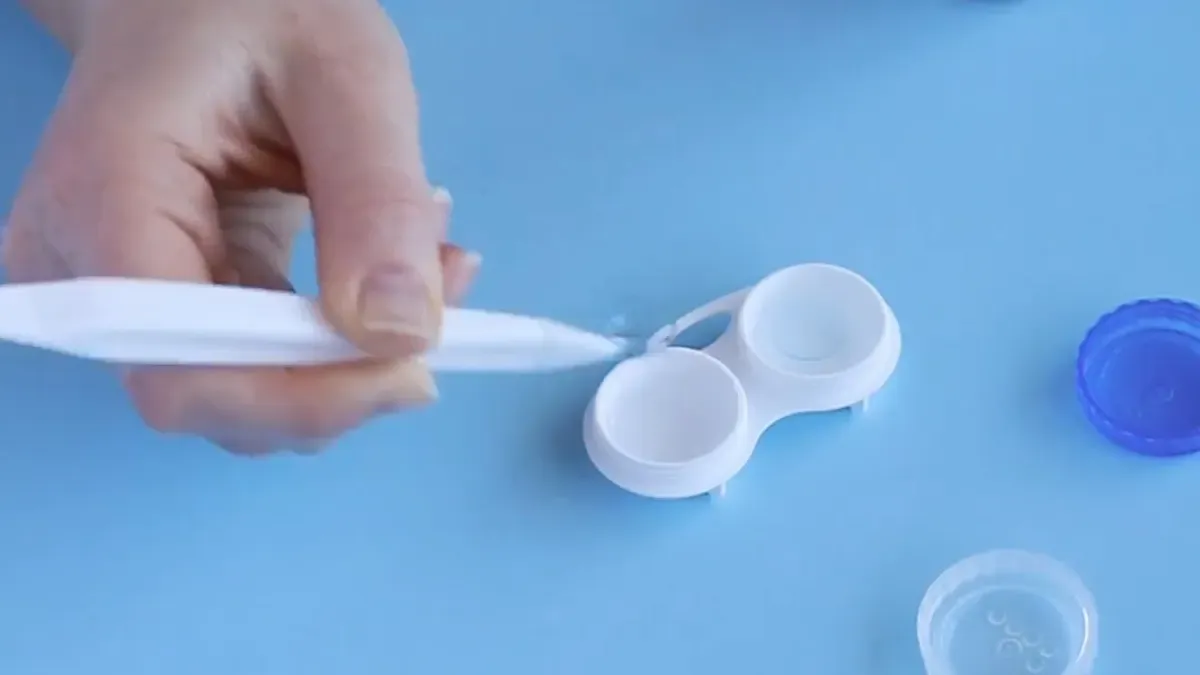
You want your eyes to stay healthy and comfortable, so you need to follow the right practices for cleaning and storing your contact lenses. These steps are part of proper contact lens care and help you get the maximum disinfection every day.
Cleaning Lenses Properly
Always start with clean hands. Wash your hands thoroughly with a mild, unscented, non-moisturizing soap and warm water for at least 20 seconds. Use the rub and rinse method for effective cleaning.
You should use only the recommended cleaning and disinfecting solution. Never use water or saline. Water can carry germs that cause serious infections. For proper cleaning and disinfection, rub your lenses gently with your fingers, then rinse them with fresh disinfecting solution. This removes dirt and bacteria. Always remove your contacts before swimming or showering. Keeping contacts away from water is one of the Best Contact Solutions Tips Every Customer Should Know.
Storing Lenses Safely
You need to store your lenses in a clean case filled with fresh solution. Never top off old solution. Always empty the case and add new disinfecting solution. This practice helps you disinfect your lenses and keeps your eyes safe. Nightly removal and storage in fresh solution are Best Contact Solutions Tips Every Customer Should Know. Replace your lens case every three months to prevent bacteria buildup.
Keeping Lens Cases Clean
Clean your lens case every day. After you put in your lenses, empty the old solution. Rinse the case with fresh solution, not water, and let it air dry upside down on a clean tissue. Replace your case every three months, or sooner if it looks dirty. Studies show that up to 81% of lens cases can get contaminated if you skip these practices. Regular cleaning and replacement are Best Contact Solutions Tips Every Customer Should Know.
If you follow these steps, you practice proper contact lens care and lower your risk of infection. These are the Best Contact Solutions Tips Every Customer Should Know for safe and comfortable lens wear.
Choosing the Best Contact Solutions for Your Needs
You want your eyes to feel comfortable and safe every day. Picking the best contact solutions for your needs makes a big difference in your eye health. With so many options, you might wonder which one is right for you. Sobot’s customer support team can help you compare products and answer your questions about contact lens care. You can reach out through live chat, voice call, or even their AI-powered chatbot for quick advice.
Types of Contact Lens Solution
Let’s look at the main types of contact lens solutions. Each one has a special job to keep your lenses clean and your eyes healthy. Here’s a simple table to help you understand:
| Type of Solution | Description |
|---|---|
| Multi-purpose solutions | Clean, disinfect, and rinse lenses; often include moisturizing agents for comfort. |
| Saline solutions | Gentle, sterilized salt water; does not clean or disinfect but is good for sensitive eyes. |
| Hydrogen peroxide solutions | Great for sensitive eyes; needs a neutralization period before wearing lenses. |
| Enzymatic cleaners | Break down protein deposits; perfect for extended-wear lenses. |
You should always choose the best contact solutions that match your lifestyle and lens type. Using the right solution helps with disinfection and keeps your eyes safe.
Matching Solution to Lens Type
Not all lenses work with every solution. You need to match your solution to your lens material and your eye’s needs. Here’s a quick guide:
| Lens Material / User Condition | Recommended Solution Type | Key Considerations |
|---|---|---|
| Soft Contact Lenses | Multipurpose solution | Easy all-in-one care; preservative-free for sensitive eyes |
| Rigid Gas Permeable (RGP) | Specialized RGP solutions | Different cleaning needs; check compatibility |
| Silicone Hydrogel Lenses | Modern solutions with extra moisture | Keeps lenses comfy and hydrated |
| Sensitive Eyes | Preservative-free hydrogen peroxide or multipurpose solution | Avoid irritation and allergies |
| Heavy Protein Buildup | Hydrogen peroxide systems | Removes protein; prevents cloudy vision |
| Extended Wear Lenses | Enzymatic cleaners with multipurpose or saline solutions | Breaks down protein; keeps lenses clear |
Using the wrong solution can cause eye irritation, allergic reactions, or even infections. Some people experience discomfort or stop wearing contacts because of these problems. Always check with your eye doctor or Sobot’s support team if you’re unsure.
Checking Expiration Dates
You might forget to check the expiration date on your contact lens solution, but this step is important for safety. Using expired solution can lower the effectiveness of disinfection and put your eyes at risk. Many people use their lenses or solutions longer than they should, which can lead to less comfort and even eye problems.
- Always check the expiration date before using any solution.
- Replace your solution and lenses as recommended for the best contact solutions experience.
- Regular eye exams help you stay on track with your care routine.
If you have questions about which solution to pick, Sobot’s customer contact center is ready to help. Their ticketing system and live chat make it easy to get answers fast. You can trust Sobot to guide you toward the best contact solutions for your safety and comfort. Good care habits and the right products help you enjoy clear vision every day.
When to Replace Lenses and Cases for Safety
You want your eyes to stay healthy and your vision clear. One of the Best Contact Solutions Tips Every Customer Should Know is to follow the right schedule for changing your lenses and cases. If you keep lenses or cases too long, you raise your risk of infection and discomfort.
Lens Replacement Schedules
You might wonder how often you should change your contact lenses. The answer depends on the type you wear. Here’s a quick guide:
- Daily disposable lenses: Change every day. This keeps your eyes safe from germs.
- Biweekly disposable lenses: Replace every 14 days. This helps prevent protein buildup.
- Monthly disposable lenses: Switch to a new pair every 30 days. This stops bacteria from growing.
- Extended wear lenses: Always follow your eye doctor’s advice for replacement.
Wearing lenses longer than recommended can cause discomfort, blurry vision, or even serious eye infections. You protect your eyes when you stick to the regular replacement schedule your doctor gives you.
Changing Lens Cases Regularly
Your lens case can collect bacteria over time, even if it looks clean. You should replace your contact lens case every three months. This simple habit lowers your risk of eye infections. After you put in your lenses, empty the old solution, rinse the case with fresh solution, and let it air dry. Don’t forget to mark your calendar for your next case change.
Remember, regular replacement of both lenses and cases is one of the Best Contact Solutions Tips Every Customer Should Know. Good habits keep your eyes comfortable and safe.
Signs of Eye Problems and Customer Support
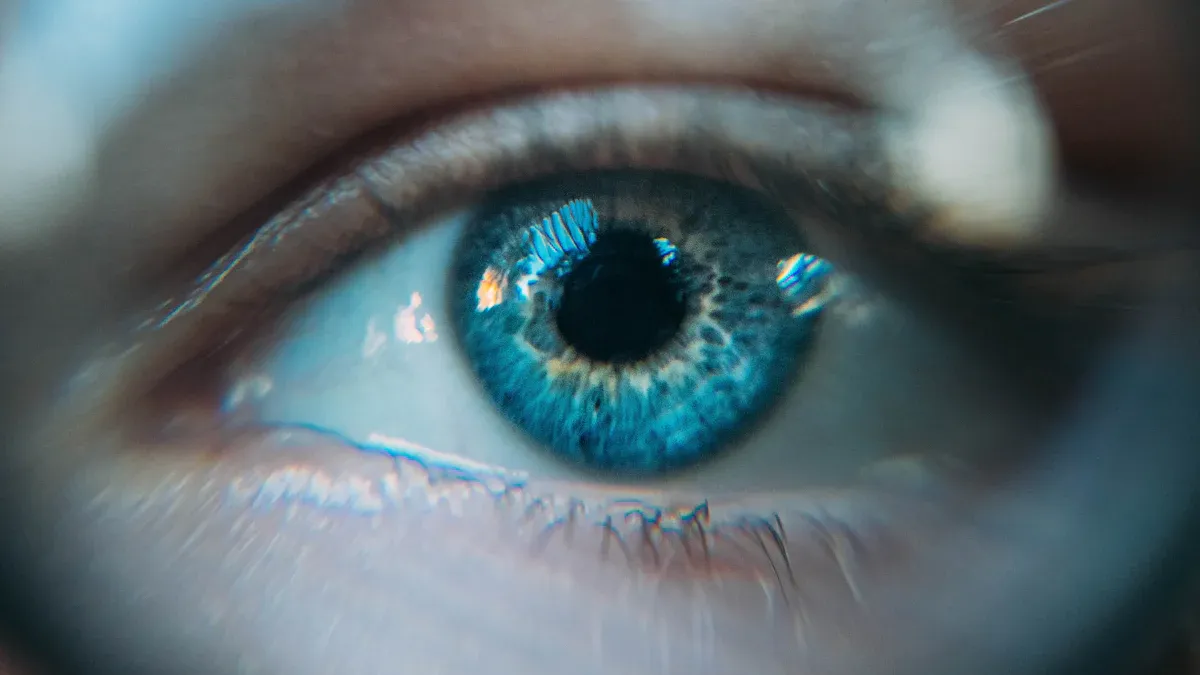
Symptoms to Watch For
You want your eyes to feel comfortable every day. Sometimes, your eyes send warning signs that something is wrong. If you notice any of these symptoms, you should pay attention right away. Here’s a quick table to help you spot common contact lens-related problems:
| Condition | Symptoms |
|---|---|
| Microbial keratitis | Severe pain, light sensitivity, blurred vision, tearing, redness, gritty feeling, white or gray spots on the eye |
| Acanthamoeba keratitis | Eye pain, light sensitivity, blurred vision, tearing, gritty feeling |
| Corneal abrasion | Sharp pain, light sensitivity, ongoing discomfort |
| CLARE | Red, irritated eyes, discomfort, light sensitivity |
| GPC | Itching, mucus discharge, blurry vision, lens movement, discomfort |
| Corneal neovascularization | New blood vessels in the eye, vision changes |
| Dry Eye/Contact Lens Discomfort | Dryness, discomfort, fatigue, irritation |
You might also notice:
- Redness or bloodshot eyes
- Pain or soreness
- Itching or burning
- Tearing or watery eyes
- Blurry or decreased vision
- Discharge or mucus
- Trouble wearing your contacts
If you spot any of these, remember the Best Contact Solutions Tips Every Customer Should Know: never ignore your symptoms.
When to Contact Eye Care or Sobot Support
You should reach out for help if you feel soreness, tenderness, or pain in your eyes. Red or bloodshot eyes, especially with pain or discharge, mean you need to see an eye doctor. Sudden blurry or cloudy vision is a sign to get help right away. If you have trouble handling your lenses or notice any fluid coming from your eyes, don’t wait.
If you ever feel unsure, Sobot’s customer support is here for you. You can ask questions about your contact lens routine, solution safety, or any other Best Contact Solutions Tips Every Customer Should Know. Sobot’s team can guide you to the right steps or help you connect with an eye care professional. Your eyes matter, so always listen to what they tell you.
You protect your eye health every day by following the best contact lens care tips. Small steps make a big difference for your comfort and vision.
- Prioritizing eye health prevents future problems.
- A good routine keeps your eye health strong.
- Regular care supports long-term eye health.
If you have questions, Sobot’s support team is ready to help.
FAQ
How often should you follow the Best Contact Solutions Tips Every Customer Should Know?
You should use the Best Contact Solutions Tips Every Customer Should Know every day. This keeps your eyes healthy and your vision clear.
Can you use water if you run out of solution?
No, you should never use water. The Best Contact Solutions Tips Every Customer Should Know say water can cause infections and damage your lenses.
What should you do if your eyes feel irritated?
Take out your lenses right away. Check the Best Contact Solutions Tips Every Customer Should Know. If irritation continues, call your eye doctor for help.
See Also
Effective Strategies To Enhance Customer Satisfaction In Live Chat
Best Contact Center Technologies Evaluated For The Year 2024
A Step-By-Step Guide To Deploy Omnichannel Contact Centers
Leading Cloud-Based Contact Center Services Reviewed In 2024

