AI Automation Tools for Better Customer Service

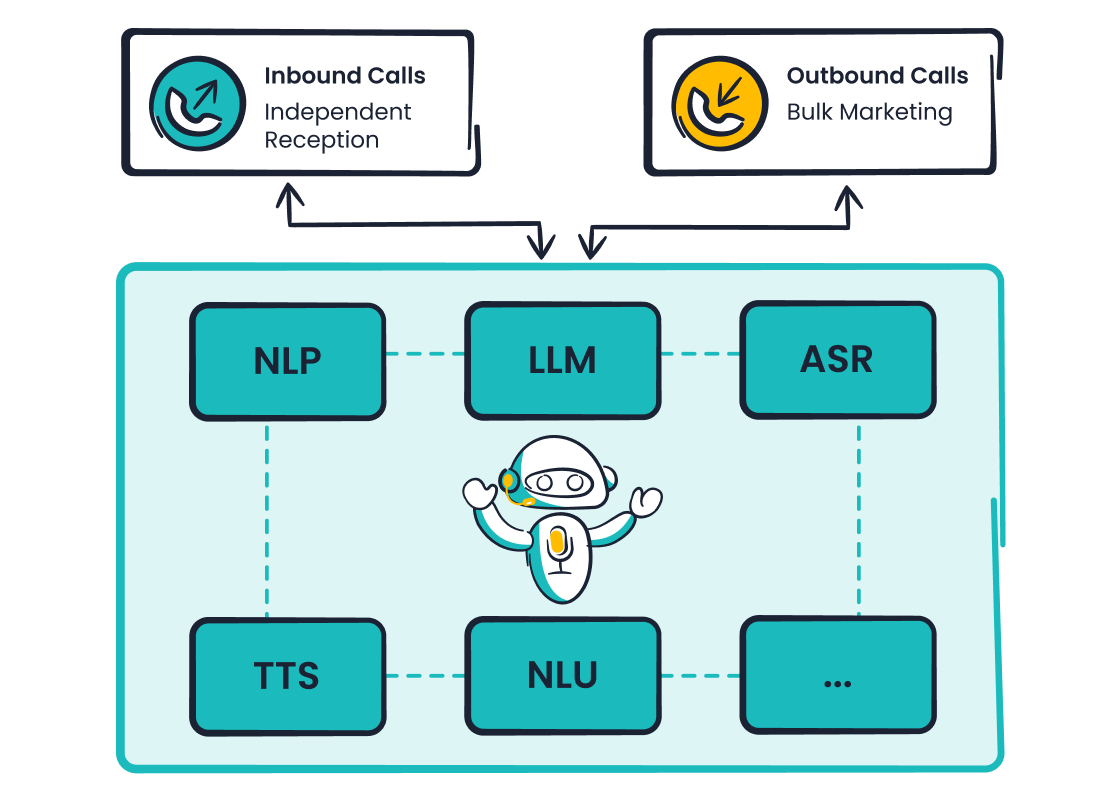
AI is evolving quickly. Businesses face a challenge in choosing the right automation tools. Excellent customer service is crucial for growth. This guide explores the best ai customer service automation tools. It helps you make a strategic choice for customer support automation in 2026. The goal is a better customer experience and more efficiency.
Only 25% of call centers have fully integrated AI into their operations. This highlights a major opportunity for customer support automation.
This article is an essential resource. It covers the top 10 customer support automation tools. Using AI for customer service improves the customer support experience. Proper ai-powered customer service, like solutions from Sobot, drives growth. We will examine ai-powered customer support tools. These ai tools help every customer. AI customer service automation is the future. This guide is for ai for customer support. It will help you understand ai customer service tools and the power of automation. This is your guide to ai-driven customer support.
Quick Verdict: Top Tools for Every Need
Choosing the right tool depends on your specific business needs. This quick guide highlights the top performers from our list of the top 10 customer support automation tools, helping you find the perfect fit for your customer service strategy.
Best Overall: Intercom
Intercom stands out as the best overall solution. It excels at proactive engagement and measures success effectively. Key metrics show its power:
- AI Involvement Rate: Tracks how many customer interactions the AI handles.
- Resolution Rate: Measures how many issues the AI resolves alone.
- Inferred Metrics: Gauges customer satisfaction even without direct feedback.
This focus on data-driven performance makes Intercom a powerful choice for any business looking to elevate its customer service.
Best for Enterprise: Zendesk
For large-scale operations, Zendesk is the leader. Its enterprise-grade AI is built for security and compliance, supporting standards like GDPR and HIPAA. Zendesk's intelligent triage automatically sorts tickets by intent, sentiment, and language. This ensures every customer issue is handled by the right department. The platform is pre-trained on billions of service interactions, allowing for rapid deployment without needing a large developer team.
Best for SMBs: Tidio
Small and medium-sized businesses will find Tidio to be an excellent fit. Users value its no-code setup, which makes creating automation workflows simple. Tidio combines live chat and its Lyro AI agent to handle repetitive questions 24/7. This frees up your team for more important tasks. Its unified inbox brings all communications from live chat, email, and social media into one place, streamlining customer service operations.
Best for E-commerce: Gorgias
Gorgias is designed specifically for e-commerce brands. Its AI agent automates up to 60% of common support tasks, like answering "Where is my order?" questions. This quick support leads to a 62% higher conversion rate. The AI understands customer intent and can act as both a support agent and a shopping assistant, improving the overall shopping experience.
Best for Voice AI & Contact Centers: Sobot
Sobot is the top choice for businesses needing a complete contact center solution with advanced voice AI. It offers an all-in-one platform that integrates Voicebot, Chatbot, Ticketing, and Live Chat. Sobot’s Voicebot delivers a remarkably human-like experience, revolutionizing voice automation. As an official WhatsApp Business Solution Provider (BSP), Sobot demonstrates its reliability in modern communication.
Success Story: Global tech leader OPPO achieved an 83% chatbot resolution rate and a 57% increase in repurchase rate using Sobot's AI.
Comparing the Top AI Customer Service Tools
Choosing the right AI customer service software can be complex. Different customer service automation platforms offer unique features. This section breaks down the top 10 customer support automation tools. It helps you compare them based on features, pricing, and user feedback. A clear comparison makes your decision easier.
Feature and Rating Comparison
A side-by-side look helps you see which tool fits your needs. The best ai customer service automation tools align with your specific goals. This table summarizes the key aspects of each platform.
| Tool | Ideal Use Case | Key AI Feature | Pricing Model | User Rating (G2/Capterra) |
|---|---|---|---|---|
| Intercom | Proactive Engagement | Generative AI Chatbots | Per Agent / Usage-Based | 4.5 / 4.5 |
| Zendesk | Enterprise Omnichannel | Intelligent Triage | Per Agent | 4.3 / 4.4 |
| Sobot | All-in-One Contact Center | Voice AI & Chatbots | Custom / Per Agent | 4.7 / 4.8 |
| Gorgias | E-commerce Brands | E-commerce Automation | Usage-Based | 4.6 / 4.6 |
| Tidio | Small & Medium Business | No-Code AI Chatbots | Freemium / Per Agent | 4.7 / 4.8 |
| Freshdesk | Helpdesk Automation | AI-Powered Ticketing | Freemium / Per Agent | 4.4 / 4.5 |
| Help Scout | Simple Support Teams | AI-Assisted Responses | Per User | 4.4 / 4.7 |
| Ada | No-Code Automation | Intent Recognition AI | Custom / Usage-Based | 4.5 / 4.6 |
| Kustomer | Unified Customer View | CRM-Integrated AI | Per User | 4.3 / 4.4 |
| Salesforce | CRM-Native Support | Predictive AI (Einstein) | Per User / Add-on | 4.3 / 4.4 |
Pricing Model Breakdown
AI customer service software solutions have varied pricing. Your budget and scale will guide your choice.
- Zendesk targets large companies with an enterprise model for its powerful AI agents.
- Tidio is great for smaller teams. It offers 50 free AI conversations to test performance.
- Gorgias provides a low-cost entry for Shopify merchants, tying its value directly to e-commerce success.
Understanding these models is key to finding affordable and effective ai support platforms for your customer service team.
The Rise of AI Customer Service Automation
The adoption of AI for customer service is growing rapidly. The market is expanding because businesses see clear benefits. Automation improves efficiency and customer satisfaction. Industry reports confirm this trend. The AI in customer service market is projected to become a $47.82 billion industry. This growth shows that AI customer service automation is no longer a future concept. It is a present-day necessity for any business that wants to provide excellent customer service and stay competitive. Investing in the right AI customer service tools is crucial for success.
1. Intercom: Proactive AI Engagement
Intercom is a leading platform for proactive customer communication. It combines a help desk, AI chatbot, and engagement tools into one system. This design helps businesses reduce costs and improve customer satisfaction. The platform focuses on creating a better experience through an intuitive, AI-enhanced workspace.
Key AI Features
Intercom's strength comes from its powerful ai features. These tools work together to provide excellent customer service. The platform uses predictive support to find issues before the customer even asks for help.
- Fin AI Agent: This is an advanced chatbot. It can resolve many user questions on its own, without needing a human agent.
- Copilot: This tool assists human agents. It works alongside your team to help them answer questions faster and more accurately.
- Hyper-Personalization: The AI creates custom messages for users in real time. It changes its tone based on the user's feelings and the situation.
- AI-First Platform: Intercom offers a full suite of tools. It includes the Fin AI Agent, an AI-powered inbox, a ticketing system, and a knowledge base.
Ideal Use Case
Intercom is ideal for businesses that want to engage customers proactively. It works well for companies focused on converting website visitors into buyers. The platform's automation helps sales and support teams manage conversations in real time. It is a great fit for businesses that need a single tool to handle chat, email, and in-app messages, turning support interactions into growth opportunities.
Pros and Cons
Users find many benefits with Intercom, but there are also some drawbacks to consider.
Pros 👍
- The in-app message builder is easy to use. Teams can create messages without needing a developer.
- It provides a seamless handoff between web and mobile chats.
- Setup is very fast and requires little development work.
Cons 👎
- Some users report poor customer service with long wait times for help.
- The platform lacks deep analytics, such as built-in funnel or cohort analysis.
2. Zendesk: Omnichannel AI Support
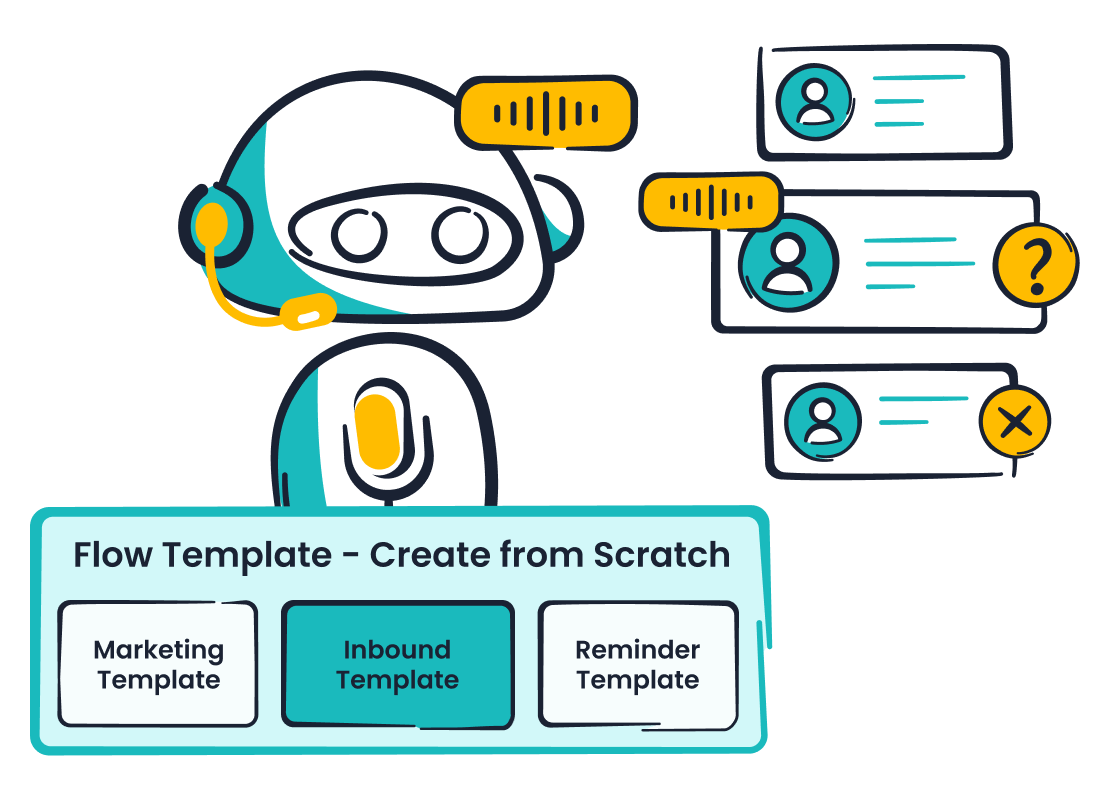
Zendesk provides a powerful platform for large businesses. It unifies all customer interactions into a single workspace. The system is designed for enterprise-level security and compliance. Zendesk's AI helps manage complex customer service operations across many channels.
Key AI Features
Zendesk's ai is pre-trained on billions of real service interactions. This allows for quick and effective deployment. The platform offers several key features to enhance support.
- Intelligent Triage: The AI automatically analyzes incoming tickets. It identifies intent, sentiment, and language to route each issue to the right agent or department.
- Omnichannel Knowledge: The system can pull information from external tools like Google Docs or Confluence. This gives agents a complete knowledge base to solve problems.
- Agent Assistance: The AI suggests relevant responses in real-time. It also summarizes long conversations, helping agents understand the customer issue faster.
Ideal Use Case
Zendesk is best for large enterprises that need a scalable, omnichannel solution. Companies with high ticket volumes benefit greatly from its intelligent automation. It is perfect for organizations that operate globally and require support for multiple languages. Businesses in regulated industries like healthcare or finance will also find its security and compliance features essential for their customer service needs.
Pros and Cons
Zendesk offers many advantages for large teams, but it has some drawbacks.
Pros 👍
- Scalability: The platform grows with your business. It offers different plans and features that can be adjusted as your company expands.
- Advanced Analytics: Zendesk provides detailed reports. You can track agent performance, ticket volume, and customer satisfaction to make data-driven decisions.
- Extensive Integrations: It connects with over 1,000 apps. This allows you to link Zendesk to your existing CRM, communication, and analytics tools.
Cons 👎
- High Cost: Advanced features are only in higher-priced plans. The cost can increase significantly as you add more agents or capabilities.
- Steep Learning Curve: The platform has many features. New users may need significant training to become proficient and use the system effectively.
3. Sobot: All-in-One Contact Center AI
Sobot delivers a complete contact center solution. It unifies an AI Chatbot, Live Chat, a cloud call center with voice capabilities, and a ticketing system into one platform. This integrated approach simplifies customer service operations for businesses. The platform's "AI-First" strategy uses a powerful Five-AI system to manage customer interactions intelligently.
Key AI Features
Sobot's strength lies in its advanced ai features. The system is designed for comprehensive automation and support across all channels. It is also an official WhatsApp Business Solution Provider (BSP), ensuring reliable communication.
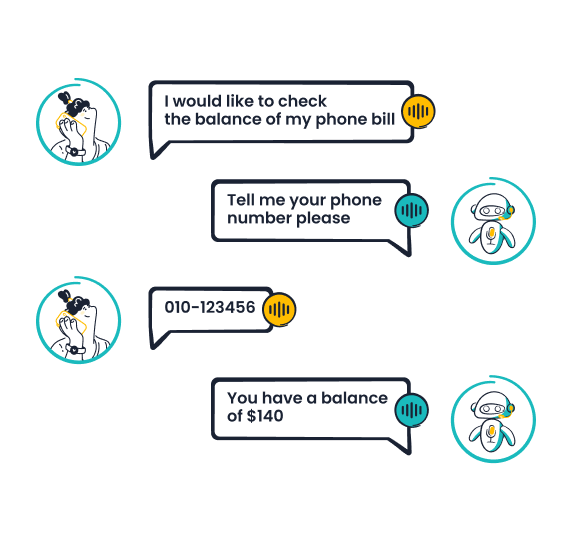
- AI Chatbot & Voicebot: The AI Chatbot resolves up to 70% of routine inquiries. The Voicebot provides a human-like experience using real-time speech recognition and can handle over 50% of inbound calls independently.
- AI Copilot: This tool assists human agents. It provides response suggestions and summaries, improving agent efficiency.
- Omnichannel Presence: Sobot connects with customers on their preferred channels, including voice, chat, email, and social media.
- Generative AI Core: The platform is powered by leading LLMs like those from OpenAI and Anthropic, ensuring secure and data-compliant interactions.
Ideal Use Case
Sobot is ideal for businesses seeking a single, powerful platform to manage all customer communications. It is particularly effective for retail and e-commerce companies that need to support customers from pre-sale questions to post-sale support. Organizations that require robust voice automation will find the Voicebot especially valuable for improving sales and service.
Pros
Pros 👍
- All-in-One Solution: It combines every tool a modern contact center needs, from an AI chatbot to a ticketing system, reducing complexity.
- Human-like Voice AI: The Voicebot creates natural conversations, improving the customer experience and handling calls efficiently.
- Proven Results: Sobot helps businesses achieve impressive outcomes. For example, global tech leader OPPO used Sobot to reach an 83% chatbot resolution rate and a 57% increase in repurchase rate.
- Seamless AI + Human Support: The platform excels at blending automated responses with smooth handoffs to human agents when a personal touch is needed.
4. Gorgias: AI for E-commerce Brands
Gorgias is a customer service platform built specifically for e-commerce brands. It centralizes all customer communication into a single view. The platform integrates deeply with e-commerce systems like Shopify. This connection allows support agents to see order details alongside every customer ticket. The main goal of Gorgias is to turn your customer service into a profit center.
Key AI Features
Gorgias uses powerful ai to streamline support for online stores. Its machine learning model is trained on millions of e-commerce conversations. This training helps it understand what shoppers need.
- Intent and Sentiment Detection: The AI automatically identifies the reason for a message, such as a return request or shipping question. It also detects the customer's sentiment, like urgent or positive.
- Automation Rules: You can set up "IF/THEN" rules. For example, if the intent is "order status," the system can automatically send a reply with tracking information.
- Auto-Tagging and Closing: The system automatically tags tickets based on intent. It can also close simple tickets, like a "thank you" message, without agent involvement.
Ideal Use Case
Gorgias is the perfect solution for e-commerce businesses of any size. It is especially powerful for stores on platforms like Shopify, BigCommerce, and Magento. Brands that want to provide fast, personalized support will benefit most. The platform's automation helps manage high ticket volumes during peak shopping seasons. It allows small teams to deliver excellent customer service that drives sales.
Pros and Cons
Gorgias offers many benefits for online retailers, but there are some things to consider.
Pros 👍
- Deep E-commerce Integration: It connects seamlessly with Shopify, showing rich customer data next to every ticket.
- High Efficiency: Centralizing all channels and automating common questions frees up agents for more complex issues.
- User-Friendly Interface: The platform is intuitive, making it easy for support teams to learn and use quickly.
Cons 👎
- Usage-Based Pricing: Costs can increase as your ticket volume grows, which may be challenging to predict.
- Specialized Focus: It is highly tailored for e-commerce and may not be the best fit for B2B or SaaS companies.
5. Tidio: AI Chatbots for Small Business
Tidio is a customer service platform designed for small and medium-sized businesses. It combines live chat, ai chatbots, and marketing automation into one simple tool. The platform is known for its user-friendly interface and no-code setup. This makes it easy for businesses to improve their customer support without a technical team.
Key AI Features
Tidio's main strength is its Lyro AI chatbot. This tool provides human-like answers to questions 24/7. It is built on advanced ai technology from Anthropic. This allows Lyro to handle up to 70% of common customer inquiries.
- Lyro AI Chatbot: This is one of the most accessible ai chatbots available. It learns from your website's FAQ page or other documents. This helps it provide accurate answers and frees up your team for complex problems.
- Multichannel Support: Tidio connects with your website, email, Facebook Messenger, and Instagram. This brings all communications into a single inbox for easy management.
- Workflow Automation: You can create automated workflows to handle repetitive tasks. This improves efficiency for your customer service team.
Ideal Use Case
Tidio is perfect for small businesses, especially in e-commerce. It helps companies that want to provide instant support without hiring a large team. The platform's ai chatbots can engage visitors, answer questions, and capture leads around the clock. This is a great solution for any business looking to start with customer service automation on a budget.
Pros and Cons
Tidio offers great value for small teams, but there are some limitations to consider.
Pros 👍
- Generous Free Plan: Tidio offers a solid free plan. It allows you to test the platform's features before committing.
- Easy to Use: The no-code chatbot builder is very intuitive. You can set up automated responses in minutes.
- Scalable Pricing: The pricing model grows with your business. You can add more features as your needs change.
Cons 👎
- Complex Pricing: The pricing can be confusing. It is based on "flow visitors" and conversation limits, which can feel restrictive.
- Limited AI Quota: The number of conversations the Lyro AI can handle is limited on lower-tier plans.
6. Freshdesk: AI-Powered Helpdesk
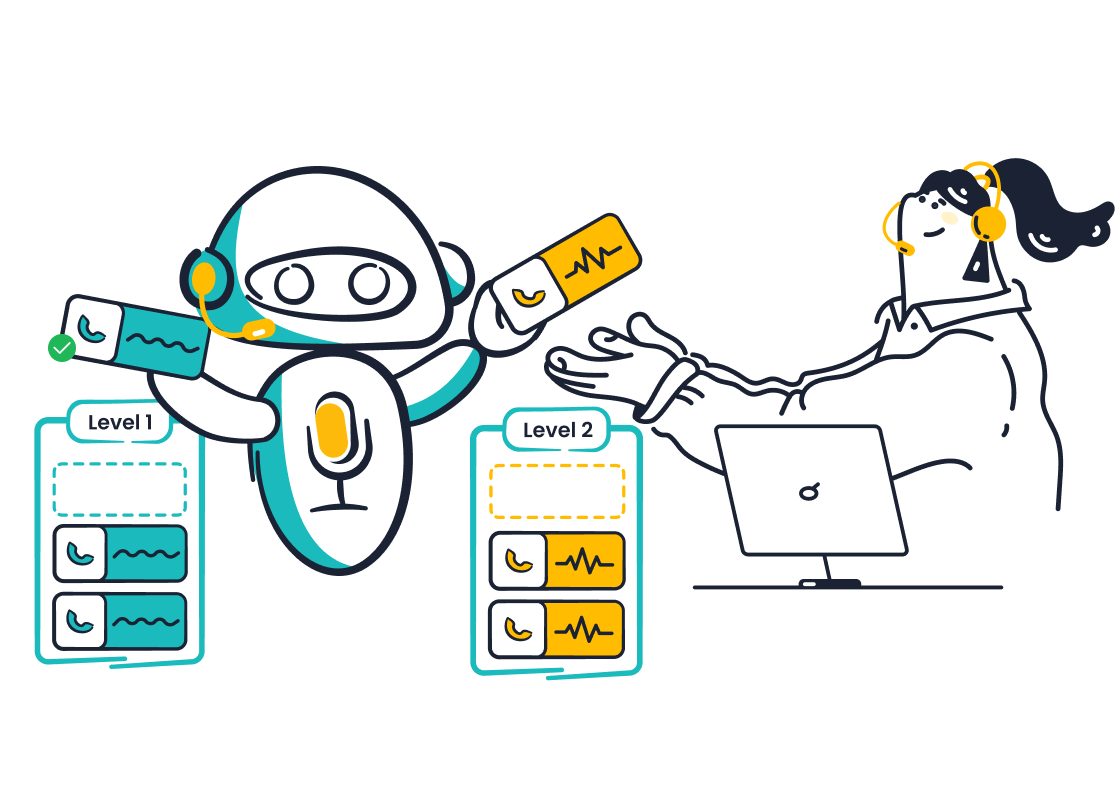
Freshdesk is a cloud-based helpdesk platform designed to streamline customer service operations. It offers a comprehensive suite of tools that help businesses manage support tickets and improve agent productivity. The platform uses powerful ai to automate repetitive tasks. This allows support teams to focus on delivering excellent customer service.
Key AI Features
Freshdesk's AI, known as Freddy, provides intelligent automation across the entire support lifecycle. It helps agents work faster and smarter. The platform offers several standout features.
- Freddy AI Copilot: This agent-assist tool offers many functions. It helps agents write better replies, summarizes long tickets, and suggests relevant solution articles.
- Intelligent Ticket Routing: The AI analyzes incoming tickets for urgency and tone. It routes high-priority issues to the right team without relying on specific keywords. This ensures a faster response for every customer.
- Unified Knowledge Base: The system can connect with internal wikis like Confluence or documents in Google Docs. This gives the AI a broader context for making informed routing decisions.
- Generative AI Capabilities: Freddy AI can draft entire responses and create new knowledge base articles. This saves agents valuable time.
Ideal Use Case
Freshdesk is an excellent choice for businesses of all sizes that need a scalable and powerful helpdesk solution. It is particularly useful for companies with high ticket volumes that want to improve efficiency. Teams looking to automate their ticketing workflow and provide faster support will find Freshdesk very effective. Its ability to grow with a business makes it suitable for both small startups and large enterprises.
Pros and Cons
Freshdesk provides significant advantages, but there are some potential downsides to consider.
Pros 👍
- Powerful Automation: The platform excels at automating ticket management, from routing to resolution.
- User-Friendly Interface: It is easy for agents to learn and navigate, reducing training time.
- Scalable Solution: Freshdesk offers plans that can grow with your business needs.
Cons 👎
- Complex Advanced Features: Some of the more advanced features can have a steep learning curve.
- Pricing Structure: The cost can increase significantly as you add more agents or unlock premium features.
7. Help Scout: Simple AI-Assisted Support
Help Scout is a customer service platform that focuses on a human-first approach. It provides simple yet effective tools for teams that want to deliver great support without complex software. The platform is designed to feel like a shared email inbox, making it intuitive for agents. Its recent addition of ai features helps teams become more efficient while maintaining a personal touch.
Key AI Features
Help Scout's AI tools are designed to assist agents rather than replace them. This approach enhances productivity within the familiar shared inbox environment. The automation is subtle and supportive.
- AI Assist: This feature acts as a writing partner for agents. It helps them draft entire responses, summarize long email threads into bullet points, fix spelling and grammar, and even translate text.
- AI Answers: This is a customer-facing chatbot. It learns from your Help Scout Docs articles to provide instant answers to common questions, deflecting tickets before they reach an agent.
These tools work together to improve the quality and speed of customer service.
Ideal Use Case
Help Scout is best for small to medium-sized businesses that prioritize a personal connection with their audience. It is an excellent choice for companies that do not need the heavy automation of larger enterprise systems. Teams that value a clean, simple interface will find Help Scout very appealing. It helps them manage conversations efficiently while still providing a thoughtful, human experience for every customer.
Pros and Cons
Help Scout offers a clear and simple approach, but it may not be for everyone.
Pros 👍
- User-Friendly: The platform is known for its simplicity and ease of use.
- Human-Centric: It focuses on enhancing agent capabilities, not just deflecting conversations.
- Transparent Pricing: The pricing plans are straightforward and easy to understand.
Cons 👎
- Limited Advanced AI: Its AI features are less extensive compared to more specialized platforms.
- Not for Large Scale: It may lack the complex workflows and reporting needed by large enterprises.
8. Ada: No-Code Automation Platform
Ada is an automation platform that empowers businesses to build their own AI chatbots without writing any code. It is designed to resolve customer inquiries instantly and personally. The platform focuses on an AI-first approach to customer service. This helps companies scale their support efforts and improve the overall customer experience.
Key AI Features
Ada provides a powerful set of tools for creating and managing intelligent chatbots. The platform's features are built for ease of use and effective performance. The AI is designed to handle complex conversations and integrate with existing business systems.
- No-Code Chatbot Builder: Ada features a visual, drag-and-drop builder. This allows teams to design conversation flows, set conditional logic, and connect to APIs without needing developers.
- Multilingual Support: The platform can communicate in over 100 languages. It automatically detects the user's language to provide a seamless experience for a global audience.
- Real-Time Integrations: Ada connects with major business systems like Zendesk, Salesforce, and Shopify. This allows the chatbot to perform actions like checking an order status or creating a support ticket.
- AI Coaching and Analytics: A dashboard provides real-time analytics on performance. A coaching feature lets you review chats and give feedback to improve the AI's accuracy over time.
Ideal Use Case
Ada is best for businesses that want to build a highly customized chatbot without relying on a development team. It is a strong choice for companies looking to provide 24/7 support across multiple channels, including websites, mobile apps, and social media. Organizations that need to automate specific workflows, such as booking appointments or updating CRM profiles, will find Ada's capabilities very valuable.
Pros and Cons
Ada offers significant benefits for self-service support, but there are some trade-offs.
Pros 👍
- Powerful No-Code Editor: The intuitive builder makes it easy for non-technical users to create sophisticated chatbots.
- Extensive Integrations: It connects to many popular tools, enabling the chatbot to complete tasks for the user.
- Scalable and Personal: The platform can handle a high volume of conversations while still offering personalized interactions.
Cons 👎
- High Cost: The platform can be expensive, making it less accessible for smaller businesses.
- Learning Curve: While no-code, mastering the platform's advanced features can take time and effort.
9. Kustomer: A Unified AI Customer View
Kustomer is a customer service platform that excels at creating a complete picture of each customer. It pulls together every interaction and data point into a single timeline view. This approach helps businesses understand the full context of a customer's journey. The platform uses AI to turn this data into actionable insights, enabling more proactive and personalized support.
Key AI Features
Kustomer's AI engine works to prevent issues before they happen. It provides agents with the context they need to deliver exceptional customer service. The system follows a clear process to identify at-risk customers.
- The AI gathers data from many sources, including CRM, website activity, and past support chats.
- It then analyzes this information to find important patterns in customer behavior.
- The system assigns risk scores based on engagement and satisfaction levels.
- Finally, it sends automated alerts to agents when a customer is at risk of leaving.
This intelligent automation allows agents to reach out with personalized solutions.
Ideal Use Case
Kustomer is best for businesses that need to manage customer relationships across many different channels. Companies struggling with fragmented data will find its unified timeline view very valuable. For example, the rideshare service HopSkipDrive used Kustomer to combine all its communication channels. This gave their team instant access to a customer's full history, helping them spot recurring issues and resolve high-priority cases much faster.
Pros and Cons
Kustomer offers a powerful way to understand your audience, but it has some trade-offs.
Pros 👍
- Omnichannel Timeline: It provides a complete, chronological view of every customer interaction.
- Proactive Support: The AI helps identify at-risk customers, allowing teams to act before a problem escalates.
- Deep Integrations: It connects with many business tools to enrich the customer profile.
Cons 👎
- Complex for Small Teams: The platform's extensive features can be overwhelming for smaller businesses.
- Higher Price Point: It is a premium solution, and the cost may be too high for companies on a tight budget.
10. Salesforce Einstein: AI for CRM Users
Salesforce Einstein is an artificial intelligence layer built directly into the Salesforce platform. It is not a standalone product. Instead, it adds powerful AI capabilities to the existing Salesforce CRM. This integration helps businesses use their own data to make smarter decisions. The goal is to improve the entire customer journey, from sales to support.
Key AI Features
Einstein brings predictive intelligence to every part of the Salesforce ecosystem. It analyzes your data to provide insights and automate tasks. This enhances the overall customer service experience.
- Einstein Bots: These AI-powered chatbots can handle routine customer requests. They can gather information and answer common questions on your website or app.
- Case Classification and Routing: The system automatically analyzes and categorizes incoming support cases. It then routes them to the correct agent, saving valuable time.
- Next Best Action: This feature uses predictive intelligence to recommend the best action for an agent to take. It helps guide agents during live interactions for better outcomes.
Ideal Use Case
Salesforce Einstein is the perfect choice for businesses already using the Salesforce CRM. It is designed for companies that want to unlock the full potential of their existing customer data. Teams that rely heavily on Salesforce for sales, marketing, and service will see the most benefit. The platform provides deep automation that makes the entire organization more efficient.
Pros and Cons
Einstein offers powerful features for Salesforce users, but it has some limitations.
Pros 👍
- Deep CRM Integration: It works seamlessly with your existing Salesforce data, providing unmatched context.
- Predictive Insights: The AI offers recommendations that help agents make better decisions.
- Unified Platform: All tools are within the Salesforce environment, creating a consistent user experience.
Cons 👎
- Salesforce Dependent: Its value is limited to companies already invested in the Salesforce ecosystem.
- Complexity and Cost: Implementation can be complex and may require additional investment on top of your Salesforce subscription.
How to Choose the Best AI Customer Service Automation Tools
Selecting the right tool from the top 10 customer support automation tools requires a clear plan. This step-by-step process will guide you in choosing the best ai customer service automation tools for your needs. A thoughtful evaluation ensures your investment in ai for customer support improves your entire operation.
Define Your Business Goals
First, define what you want to achieve with ai customer service automation. Clear goals help you find the right solution. Your objectives might include:
- Providing 24/7 assistance to resolve issues quickly.
- Easing the workload on your human customer service teams.
- Turning customer service into a tool for business growth.
- Improving decision-making by spotting trends in customer data.
Achieving these goals with ai customer service automation can lead to higher satisfaction for every customer.
Key Features for Customer Support Automation
Look for key features that support your goals. Effective customer support automation depends on the right capabilities. Important features include:
- Multichannel Support: The tool should work across chat, email, voice, and social media.
- No-Code Automation: A visual builder helps you create workflows without needing a developer.
- Analytics and Reporting: Dashboards are crucial for tracking performance and finding areas to improve.
- Seamless Integrations: The platform must connect easily with your other business software.
These features are the foundation of powerful ai-powered customer support tools.
Evaluating AI Customer Service Software
When you evaluate ai customer service software, data security is a top priority. Protecting your customers' information is not optional.
Security First: Always verify a vendor's compliance with data protection standards. Look for certifications like GDPR and SOC 2. These ensure the provider handles data responsibly through measures like data encryption and secure access controls.
Good customer service automation platforms are built with security in mind from the start.
Scalability and Integration Needs
Finally, consider if the tool can grow with your business. The best ai customer service automation tools are scalable. They should handle more conversations as your company expands. Integration with your existing systems, like a CRM or helpdesk, is also critical for ai-driven customer support. This connection creates a single view of the customer, making your ai and automation efforts much more effective. Strong integration prevents data from being trapped in different systems and supports a cohesive ai customer service automation strategy.
Choosing the best ai customer service automation tools depends on your needs. Gorgias excels for e-commerce, while Sobot offers a complete contact center solution. AI customer service automation is no longer a luxury. It is a necessity for a competitive customer experience and efficient customer service. This AI automation helps your team serve every customer better. Effective customer support automation is key. AI for customer service drives growth. This guide helps you find the right ai-powered customer service.
Start your customer support automation journey today. Use this guide to improve your customer service. Start your contact journey.
FAQ
How do I start using AI for customer service?
Begin by identifying your main goals, like reducing agent workload. Then, research different AI customer service automation tools. Many platforms, such as Tidio, offer free trials. This lets you test their features before making a commitment. A small-scale test is a great first step.
Can small businesses afford AI customer service automation tools?
Yes. Many AI customer service automation tools are designed for small businesses. Platforms like Tidio and Help Scout offer affordable plans. Some even have free versions with basic features. These tools help small teams provide excellent support without a large budget.
Will AI replace my human customer service team?
No, AI is meant to assist your team, not replace it. AI customer service automation tools handle simple, repetitive questions. This frees up your human agents. They can then focus on solving more complex problems that require a personal touch and critical thinking.
What is the most important factor when choosing AI customer service automation tools?
Integration is the most critical factor. The best AI customer service automation tools must connect smoothly with your existing software, like your CRM. This creates a unified system, prevents data silos, and makes your entire customer support process more effective and intelligent.
See Also
AI Software: Revolutionizing Customer Service for Enhanced Business Efficiency
Intelligent AI Agents Transform Customer Support Experiences Dramatically
Discovering the Best 10 AI Tools for Enterprise Contact Centers
Understanding Efficient Call Center Automation: A Comprehensive Guide
An In-Depth Review of AI Solutions for Enterprise Call Centers

