How AI Support Tools Will Shape 2026

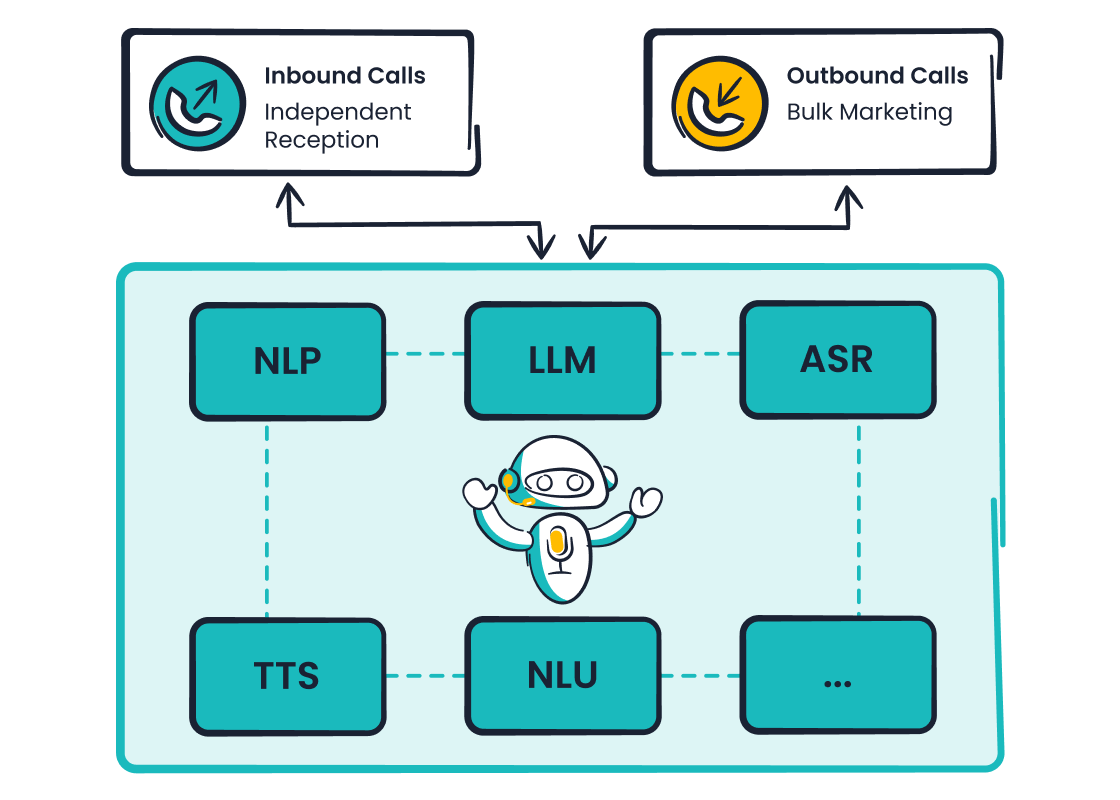
By 2026, AI will shift from a supplementary tool to the foundational engine of modern customer service. This evolution in AI driven customer support tools highlights key AI trends. It brings powerful automation for routine tasks and empowers agents for complex issues. Proactive customer support will become the new standard for every customer. Companies like Sobot are at the forefront, providing all-in-one AI tools that embody these future-forward customer service trends. The market growth reflects these significant trends.
| Metric | Value |
|---|---|
| Market Size in 2025 (AI in Customer Service) | USD 15,784.6 million |
| Growth Rate (CAGR) | 23.2% from 2025 to 2033 |
| Metric | Value |
|---|---|
| Market Size in 2025 (Generative AI in Customer Services) | USD 603.94 million |
| Growth Rate (CAGR) | 24.32% from 2026 to 2035 |
The Rise of AI Driven Customer Support Tools

The landscape of customer support is undergoing a fundamental transformation. AI driven customer support tools are no longer a novelty; they are the new foundational layer for engagement. This shift moves businesses from a reactive model to a proactive, data-informed strategy. The evolution is most visible in two key areas. First, AI now serves as the initial point of contact for most customer interactions. Second, AI provides deep analytical insights into customer satisfaction that were previously unattainable.
AI Voicebots and Chatbots as First Responders
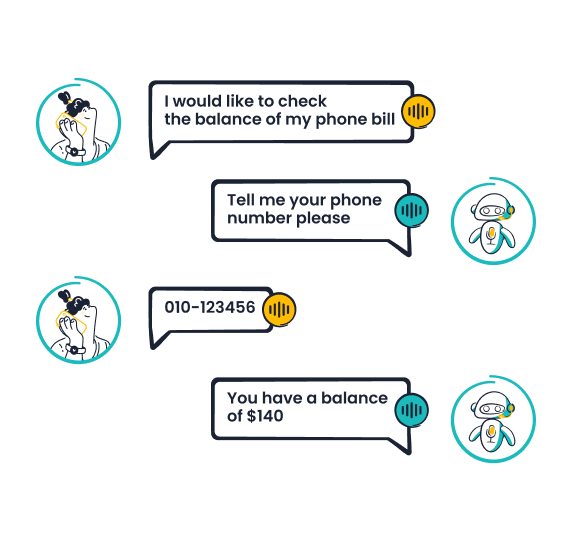
Conversational AI has evolved significantly from its early days. The journey from rigid, scripted bots to fluid, intelligent conversational virtual agents marks a true paradigm shift in customer support. This progression enables powerful self-service options for the modern customer.
- Rule-based Systems (1960s): Early chatbots like ELIZA operated on simple rules. They matched keywords to provide pre-written responses. These systems lacked adaptability and could not handle complex queries.
- Non-LLM Machine Learning Models: The next stage used natural language processing (NLP). These models could recognize intent and analyze sentiment. This was a major step beyond basic scripts, but they were often limited by their training data.
- LLM-based Systems: Modern AI, powered by Large Language Models (LLMs), represents the current peak of this evolution. These systems generate human-like text. They understand context and maintain coherent, multi-turn conversations, creating a seamless self-service experience.
Solutions like Sobot's Voicebot exemplify these ai innovations. They leverage advanced NLP and LLM technology to provide a truly human-like experience. This technology understands not just words but also intent and emotion, making self-service interactions smooth and effective. The distinction between traditional NLP and modern LLMs is crucial for understanding their capabilities.
| Feature | Natural Language Processing (NLP) | Large Language Models (LLMs) |
|---|---|---|
| Training Data | Built on clear-cut rules of human language. | Requires massive amounts of text data to identify patterns. |
| Accuracy | High accuracy in specialized contexts. | Accurately produces language but risks generating biased content. |
| Scope | Suited for tasks like analyzing feedback or market research. | Ideal for managing large-scale customer interactions. |
| Limitations | May struggle with understanding context and ambiguity. | Can be challenged by nuance and may embed biases. |
The business impact of these advanced ai driven customer support tools is immense. They drive major improvements in efficiency and cost management. By handling routine inquiries, conversational virtual agents free up human agents to focus on complex, high-value problems. This automation delivers a clear return on investment.
Tip: Businesses implementing AI chatbots can expect significant cost reductions. Projections show that AI will reduce contact center operational costs by $80 billion by 2026 and save businesses over $200 billion by 2035.
Platforms like Sobot's Voicebot deliver on this promise. They can automate over 90% of routine interactions. This level of automation dramatically reduces the cost-per-contact by as much as 80%. The result is not just cost savings but also a better customer experience. Customers receive immediate answers 24/7, which boosts satisfaction and loyalty. This efficiency is a core component of modern customer support innovations.
AI-Powered Customer Satisfaction (CSAT) Analysis
Traditional methods of measuring customer satisfaction, like post-interaction surveys, are becoming obsolete. They capture feedback from only a small fraction of customers and often introduce delays. The future of ai in customer support lies in real-time, comprehensive analysis of 100% of interactions. This approach provides a complete and immediate picture of customer sentiment.
AI-powered analysis tools systematically process every interaction to measure satisfaction. This process turns unstructured data into actionable business intelligence.
- Data Collection: The AI gathers data from all channels, including emails, chat transcripts, call recordings, and social media comments.
- Natural Language Processing (NLP): The system uses NLP to understand the context and meaning of the customer's language.
- Emotion and Sentiment Classification: AI models analyze the language to classify each interaction as positive, negative, or neutral.
- Score Calculation: The system calculates customer sentiment scores, allowing teams to track satisfaction levels over time.
- Insight Visualization: Actionable insights are presented on dashboards, highlighting trends and identifying root causes of dissatisfaction.
This continuous analysis allows businesses to move from measuring satisfaction to actively managing it. Companies can identify at-risk customers, detect emerging product issues, and pinpoint gaps in agent training before they become major problems.
For example, leading companies are already seeing massive benefits. American Express increased customer satisfaction scores by 25% by using AI to analyze reviews and fix service gaps in real-time. Similarly, Marriott uses AI to monitor guest reviews across platforms, enabling immediate service recovery and enhancing guest satisfaction.
This trend toward deep, automated analysis is a core part of what makes modern ai driven customer support tools so powerful. Platforms that offer all-in-one solutions, like Sobot, are uniquely positioned to deliver these insights. By aggregating data from chatbots, voicebots, and live chat into a single dashboard, they provide a holistic view of the customer journey. This empowers businesses to make smarter decisions, improve their products, and build lasting customer relationships based on true understanding and satisfaction.
Empowering Agents with AI in Customer Support
The rise of AI in customer support does not mean the end of the human agent. Instead, it marks the beginning of a new, more powerful role. By 2026, the focus will shift from replacing agents to empowering them. AI will function as a co-pilot, handling repetitive tasks and providing real-time intelligence. This allows human agents to focus on what they do best: solving complex problems and building genuine customer relationships. This strategic partnership is key to enhancing customer experiences.
AI as an Agent Co-pilot
The concept of an AI co-pilot, or 'Expert Assist' technology, is revolutionizing the agent's workspace. This ai-powered agent assistance transforms the helpdesk into an intelligent command center. Instead of manually searching for information, agents receive instant, context-aware support. This technology dramatically improves agent productivity and satisfaction. Fortune 500 companies have already seen a 13.8% increase in customer service productivity using such tools.
An AI co-pilot provides several core functions to support agents during live interactions:
- Information Retrieval: The AI instantly pulls relevant data from knowledge bases and business systems. Agents get product details, policies, and guides without switching screens.
- Response Suggestions: The system analyzes customer questions and suggests accurate, on-brand answers. Agents can use or edit these suggestions, saving time and ensuring consistency.
- Message Autocomplete: This feature works like advanced predictive text. It helps agents complete sentences faster, reducing typing effort and speeding up conversations.
- Style & Tone Adjustments: The AI can revise messages to match a specific tone, such as more formal or friendlier. This ensures every customer interaction is appropriate and professional.
Platforms like Sobot's AI Copilot integrate these features directly into the agent's workflow. The AI assists with real-time response generation and provides automated summaries after each conversation. This frees agents from manual note-taking and allows them to focus entirely on the customer. The impact is clear, with AI co-pilots reducing average handle time by 12% and response times by 36%.
Real-World Impact: OPPO's Success with Sobot
Leading smart device innovator OPPO faced huge increases in customer inquiries during peak shopping seasons. By implementing Sobot's chatbot and human-machine cooperation system, OPPO transformed its customer support. The chatbot handled routine questions, achieving an 83% resolution rate. This freed human agents to manage complex issues. The result was a 94% positive feedback rate and a remarkable 57% increase in the repurchase rate, proving that empowering agents with AI directly boosts customer loyalty and revenue.
The Agent Experience (AX) as a Core Strategy
A positive Agent Experience (AX) is becoming a central strategy for modern contact centers. AX focuses on making an agent's job easier, more reliable, and more enjoyable. When agents feel valued and equipped with the right ai tools, their performance and satisfaction soar. This directly translates to a better customer experience.
The link between AX and customer satisfaction is undeniable.
- Highly engaged teams see a 10% increase in customer ratings.
- Highly engaged teams also achieve a 20% increase in sales.
A positive AX creates a virtuous cycle. Supported agents are more motivated to deliver exceptional service. This leads to happier customers, who are more loyal to the brand. Companies with higher employee retention see improved customer satisfaction because experienced agents provide more consistent and efficient service. Investing in AX is not just an internal initiative; it is a direct investment in business growth and customer loyalty.
To achieve a superior AX, organizations must expand ai in customer support and invest in comprehensive training. Agents need to understand how to work alongside their AI co-pilots to maximize their effectiveness. This training ensures agents are confident and capable, turning a potentially disruptive technology into a powerful ally. By prioritizing AX, businesses can reduce agent attrition, improve performance, and deliver the high-quality, empathetic service that builds lasting customer relationships. This focus on agent satisfaction is the final piece of the puzzle for a truly modern customer service operation.
Key Customer Service Trends: Proactive Personalization

By 2026, the best customer service will be the service a customer never has to ask for. Proactive personalization is one of the most important customer service trends. It shifts the support model from reactive problem-solving to anticipating needs. AI is the engine driving this change. It allows businesses to deliver a truly personalized customer service experience before a customer even makes contact. This proactive customer support builds loyalty and creates a seamless ai-driven customer experience.
Hyper-Personalization as a Requirement
Hyper-personalization is no longer a luxury; it is a core customer expectation. This strategy uses real-time data and AI to deliver uniquely tailored experiences at every touchpoint. Unlike basic personalization, it adapts dynamically to a customer's behavior and intent. This creates a powerful connection between the brand and the customer.
Predictive analytics is the key to this level of personalization. AI systems achieve this through a clear process:
- Data Collection: The AI gathers vast amounts of user data, including browsing history and past purchases.
- Modeling: Machine learning models analyze historical data to identify patterns.
- Prediction: Algorithms forecast future behaviors and preferences with high accuracy.
This proactive customer support approach significantly impacts business outcomes. AI-powered product recommendations can reduce cart abandonment by 20-30%. For a company with $10M in revenue, this translates to a potential $1.4M increase.
Sobot's AI solution for Retail & E-commerce excels here. It uses AI to provide targeted promotions and smart product recommendations. This proactive customer support helps customers find what they need, enhancing customer experiences and driving sales.
The Strategic Role of Voice of the Customer (VoC) AI
Understanding the customer is central to proactive customer support. Voice of the Customer (VoC) AI moves beyond traditional surveys. It analyzes 100% of customer interactions from every channel. This includes chats, calls, emails, and social media. VoC AI provides a complete, real-time view of customer sentiment.
Traditional feedback methods are often slow and capture a limited perspective. VoC AI offers a more dynamic solution. It aggregates all interaction data into enterprise-wide dashboards. This is a core feature of an all-in-one platform like Sobot. With omnichannel support, businesses gain deep insights into customer pain points and emerging trends. This allows teams to address issues before they escalate. The use of AI in this area is one of the fastest-growing ai trends. By leveraging omnichannel support, companies can turn raw data into actionable strategies, making their customer support more intelligent and responsive. This comprehensive view is essential for modern customer service.
Navigating Challenges in AI for Customer Service
Adopting AI presents significant opportunities, but it also introduces challenges that businesses must navigate carefully. The most successful companies in 2026 will be those that build robust frameworks for ethical governance. They will also master the delicate balance between automation and human empathy. These are critical trends for sustainable growth.
Building Ethical Governance Frameworks
The power of AI comes with great responsibility. Businesses must address ethical concerns to maintain customer trust. A primary challenge is data privacy. AI systems process vast amounts of sensitive customer data, creating risks of misuse or breaches. Customers increasingly expect transparency and control over how their information is used.
An ethical governance framework is essential for managing these risks. Key components include:
- Data Governance: Establish clear policies for data collection, consent, and security to ensure compliance with regulations like GDPR.
- Human Oversight: Ensure that a human can intervene in AI-driven decisions, providing accountability and preventing errors.
- Model Transparency: Document how AI models work to identify and mitigate biases related to factors like race or gender.
Building this framework ensures that your use of AI is responsible, fair, and secure, protecting both your business and your customer.
Balancing Automation with the Human Touch
A common misconception is that AI will replace human agents. The reality is a strategic partnership. AI excels at handling routine, repetitive tasks. This frees human agents to focus on situations where they add the most value. The goal is to create a seamless customer service experience.
Human agents are irreplaceable for handling:
- Complex or Emotional Issues: Customers need empathy and understanding when dealing with sensitive problems.
- Creative Problem-Solving: Agents can think critically and adapt to unexpected challenges that might confuse an AI.
- Building Relationships: A personal connection fosters long-term customer loyalty in a way technology cannot.
Note: A successful strategy views the handoff from an AI to a human not as a failure, but as a feature. The transition must be seamless. The agent should receive the full context of the bot's conversation to resolve the customer's issue without repetition. This hybrid approach combines the efficiency of AI with the irreplaceable value of human connection.
Success in 2026 customer service hinges on a strategic blend of AI efficiency and human-centric empathy. Platforms like Sobot make this future a reality. Their integrated ai driven customer support tools enhance automation and empower agents, creating a better experience for every customer. This AI-powered approach ensures your business can meet modern customer expectations. Gain a competitive advantage and Embark on Your Contact Journey by exploring intelligent contact center solutions today.
FAQ
What is the main role of AI in 2026 customer service?
AI will become the foundation of customer service. It will automate routine tasks. AI also provides agents with real-time support. This shift enables proactive and personalized customer experiences. It makes support faster and more efficient for everyone.
Will AI replace human customer service agents?
No, AI will empower human agents, not replace them. AI handles simple, repetitive questions. This frees agents to focus on complex or emotional customer issues. This partnership combines AI's efficiency with essential human empathy and problem-solving skills.
How do AI voicebots improve customer support?
AI voicebots provide immediate, 24/7 support. They use advanced technology for human-like conversations. Solutions like Sobot's Voicebot can automate over 90% of interactions. This reduces wait times, cuts costs, and increases overall customer satisfaction.
How can a business start using AI support tools?
Businesses can start by identifying key pain points in their customer journey. Implementing an all-in-one platform is a great first step. Solutions like Sobot offer integrated AI support tools, including chatbots and co-pilots, to streamline implementation and deliver immediate value.
See Also
Leading AI Solutions for Enterprise Contact Centers: A Top 10 Guide
Best Speech Analytics Tools for Call Centers in 2024 Reviewed
An In-Depth Look at AI Solutions for Enterprise Call Centers
AI Customer Service Software: Boosting Efficiency in Modern Support Operations
Revolutionizing Customer Support with Advanced AI Service Agents

