Why AI-Powered Customer Support Tools Are the Future


AI is transforming how you interact with customers, making service faster, smarter, and more personal. With customer support tools like Sobot’s Live Chat, you can deliver seamless customer experiences while improving efficiency. Imagine providing 24/7 support, resolving queries instantly, and tailoring interactions to each customer’s needs. Businesses adopting AI-powered customer service tools are already seeing results. For instance, 84% of companies believe AI will redefine customer experience (CX). By integrating AI responsibly, you can scale operations without sacrificing quality, giving your business a competitive edge in today’s fast-paced market.
The Evolution of AI in Customer Support
From Rule-Based Systems to Advanced Chatbots
Early adoption of rule-based systems for basic queries
In the early 2000s, customer support relied on rule-based systems to handle repetitive tasks. These systems followed pre-defined scripts to answer basic questions like store hours or return policies. While they offered quick responses, their rigid structure often left customers frustrated when queries fell outside the programmed rules. This era, known as "Customer Success 1.0," marked the beginning of automation in customer service.
| Era | Time Period | Key Focus |
|---|---|---|
| Customer Success 1.0 | Early 2000s | Reactive Support |
| Customer Success 2.0 | Mid to Late 2000s | Proactive Engagement |
| Customer Success 3.0 | 2010s | Customer Outcomes |
| Customer Success 4.0 | Early 2020s | Digital Customer Success |
| Customer Success 5.0 | Present and Future | AI-First Era |
Today, you can see how far we've come from these early systems. The shift to AI-powered chatbots has revolutionized customer service, enabling businesses to provide smarter, more adaptive support.
The rise of chatbots and their limitations
Chatbots emerged as a game-changer in the 2010s, offering more flexibility than rule-based systems. Unlike their predecessors, they could handle diverse queries and learn from interactions. However, early chatbots had limitations. They struggled with understanding context and often failed to provide accurate responses for complex issues.
| Category | Rule-Based Chatbots | AI-Powered Chatbots |
|---|---|---|
| Performance & Capabilities | Reliable for repetitive tasks; limited context understanding. | Understands context, adapts with machine learning, handles diverse queries. |
| Cost | Lower initial investment; suitable for small businesses. | Higher setup costs; scalable for complex needs. |
| Implementation | Quick setup, limited customization. | Longer deployment, highly customizable. |
Modern AI-powered chatbots, like those integrated into Sobot's Live Chat, overcome these challenges. They use advanced machine learning to adapt and provide personalized support, making them indispensable for businesses aiming to scale efficiently.
The Role of Natural Language Processing (NLP)
How NLP enables better understanding of customer intent
Natural Language Processing (NLP) has transformed how AI in customer service operates. By analyzing text and speech, NLP allows AI to understand customer intent, even when phrased in complex or casual language. For example, NLP-powered tools can detect urgency in a message and prioritize it accordingly. This ensures your customers feel heard and valued.
NLP also powers sentiment analysis, helping you gauge customer emotions in real-time. By identifying whether feedback is positive or negative, you can take proactive steps to improve satisfaction. Additionally, NLP streamlines operations by routing support tickets to the right department, reducing delays and bottlenecks.
Examples of NLP in modern customer support tools
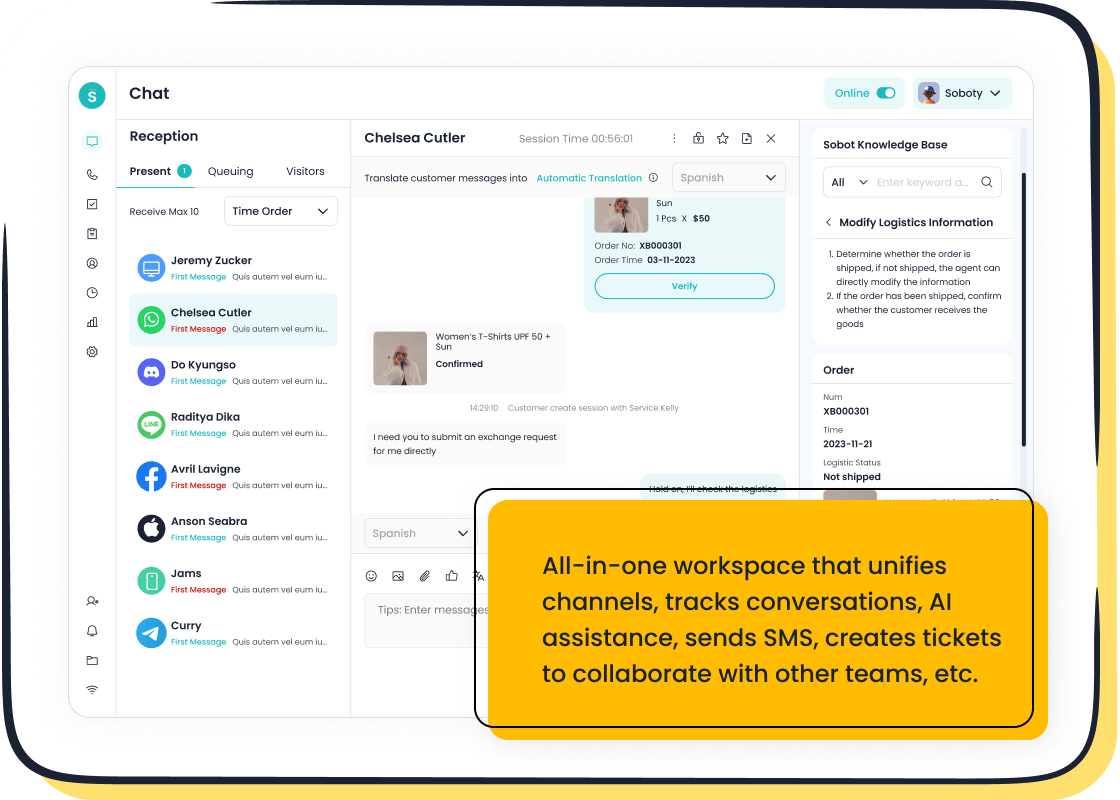
NLP applications in customer support are vast and growing. Chatbots now handle FAQs, schedule appointments, and even process orders. Tools like Sobot's Live Chat use NLP to provide instant translations, enabling seamless communication across languages. This feature is particularly valuable for businesses with a global customer base.
NLP also enhances efficiency by automating ticket routing and reducing the workload on human agents. For instance, it can analyze a ticket's content and assign it to the most qualified agent, ensuring faster resolution times. By leveraging NLP, you can deliver a more personalized and efficient customer experience.
Current Capabilities of AI-Powered Customer Support Tools
24/7 Availability and Instant Responses
How AI ensures round-the-clock support
AI-powered customer service tools, such as chatbots, ensure your business never sleeps. These tools provide uninterrupted support, addressing customer queries even outside traditional business hours. By automating responses, AI eliminates the need for human agents to be available 24/7. This capability reduces hold times and ensures customers receive immediate assistance, no matter when they reach out.
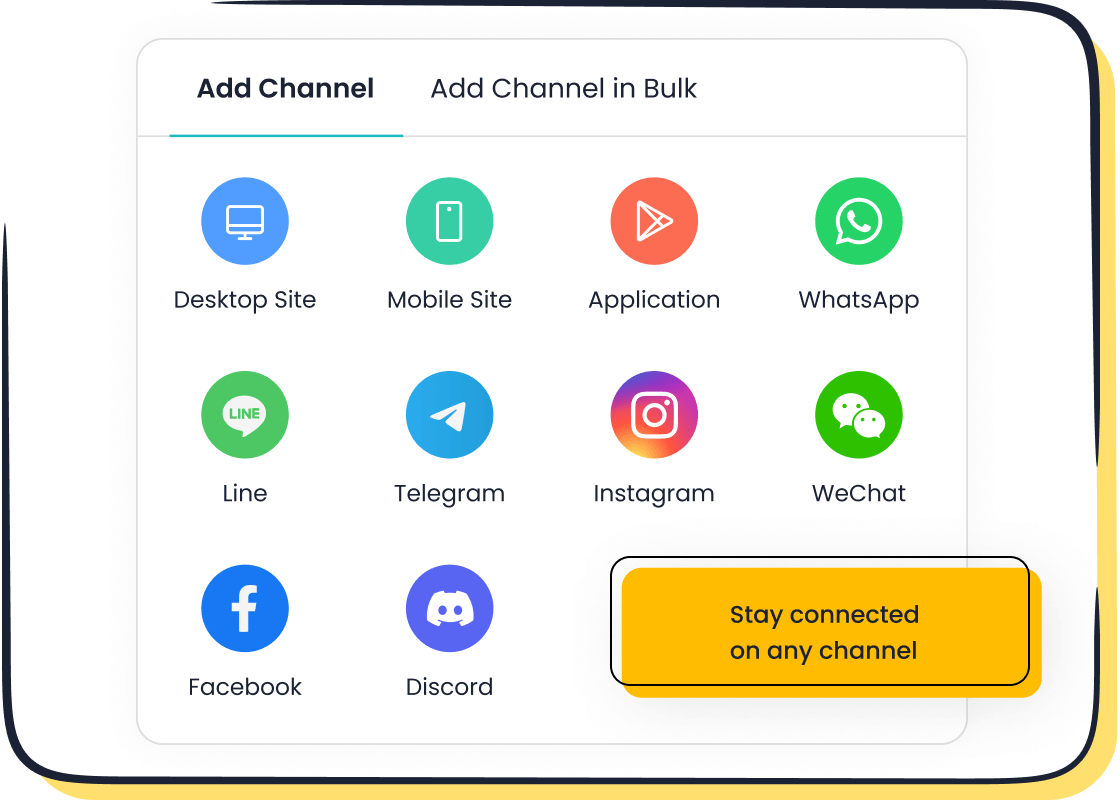
With tools like Sobot Live Chat, you can offer omnichannel support across platforms like WhatsApp, Facebook, and Instagram. This ensures your customers always have access to help, enhancing their overall experience.
Benefits of instant query resolution for customer satisfaction
Instant responses significantly improve customer satisfaction and retention. Customers value quick resolutions, which reduce frustration and build trust. AI tools excel in this area by providing immediate, relevant answers.
| Metric | Value |
|---|---|
| Self-Resolution Rate | Up to 88% |
| Churn Reduction | Up to 35% |
| Immediate, Relevant Answers | Yes |
| Proactive Engagement | Yes |
By resolving issues quickly, AI-powered customer service tools help you retain customers and foster loyalty.
Data-Driven Personalization in Customer Service
Using AI to analyze customer data for tailored experiences
AI transforms customer interactions by analyzing behavior, preferences, and past interactions. This data-driven approach allows you to deliver personalized customer service that meets individual needs. AI tools can transcribe conversations, extract insights, and even predict future needs. For example, predictive analytics helps you anticipate customer requirements, enabling proactive engagement.

Sobot Live Chat uses AI to segment customers and provide tailored solutions, ensuring every interaction feels personal and meaningful.
Examples of personalized support in action
Many companies have successfully implemented data-driven personalized experiences. For instance:
- Amazon: Drives 35% of sales through personalized product recommendations.
- Stitch Fix: Uses AI to suggest clothing based on customer preferences, boosting satisfaction.
- Octopus Energy: Created personalized video campaigns, enhancing engagement and loyalty.
These examples highlight how AI-powered customer service tools can elevate CX and drive business growth.
Multilingual Support for Global Reach
Breaking language barriers with AI translation tools
AI-powered translation tools enable seamless communication with customers worldwide. These tools provide real-time translations, ensuring customers receive support in their preferred language. This eliminates the need for multiple language-specific agents, saving time and costs.
For example, Sobot Live Chat offers auto-translation, allowing businesses to engage with customers across regions effortlessly. Whether your customer speaks Japanese or Spanish, AI ensures they feel understood and valued.
Enhancing global customer reach with tools like Sobot Live Chat
AI tools like Sobot Live Chat empower you to expand your global presence. By breaking language barriers, you can attract customers from diverse regions and provide consistent, high-quality support. This capability not only improves customer satisfaction but also opens new markets for your business.
Imagine a customer in France receiving instant assistance in French while your team operates from Singapore. AI makes this possible, bridging gaps and enhancing CX on a global scale.
The Future Potential of AI in Customer Service
Predictive Support and Proactive Engagement
Anticipating customer needs before they arise
AI in customer service is evolving to predict what your customers need before they even ask. Predictive analytics personalizes interactions by analyzing customer behavior and preferences. This allows you to resolve issues proactively, often before they escalate. For example, AI can identify patterns in customer complaints and alert your team to potential problems. This not only improves customer satisfaction but also builds trust by exceeding customer expectations.
- Personalize interactions based on individual preferences.
- Resolve issues proactively to prevent escalation.
- Allocate resources efficiently during peak times.
By anticipating needs, AI-powered customer service tools help you stay ahead of customer expectations and deliver exceptional CX.
Examples of predictive AI in customer service
Predictive AI applications are already transforming customer engagement:
- AI-driven recommendation engines: Amazon predicts customer preferences using browsing history and past purchases, enhancing personalization.
- Sentiment analysis tools: Hootsuite uses AI to analyze emotions in social media interactions, enabling real-time responses to negative feedback.
These examples show how predictive AI can elevate your customer service strategy.
Emotional Intelligence in AI
Developing AI tools that recognize and respond to emotions
AI is becoming more emotionally intelligent, enabling it to recognize and respond to customer emotions effectively. By analyzing vocal tones and speech patterns, AI can detect frustration or dissatisfaction. For instance, if a customer sounds upset, the system can route them to an agent with the right expertise. This reduces friction and speeds up resolution. AI can also guide agents in real-time, suggesting solutions like discounts to improve outcomes.
Emotionally intelligent AI doesn’t just solve problems—it strengthens customer relationships. By addressing emotions, you can reduce churn and foster loyalty.
The impact of emotionally intelligent AI on customer trust
When AI tools respond empathetically, they enhance trust and satisfaction. Customers feel valued when their emotions are acknowledged. For example, detecting subtle signs of dissatisfaction allows you to offer personalized solutions proactively. This approach not only meets customer expectations but also builds long-term loyalty.
Integration with Augmented Reality (AR)
How AR and AI can create immersive support experiences
Combining AI with AR creates immersive customer support experiences. AI provides personalized recommendations, while AR allows customers to visualize products in real-world settings. For example, customers can virtually try on clothing or see how furniture fits in their homes. This technology enhances engagement and simplifies decision-making.
| Benefit | Description |
|---|---|
| Tailored Experiences | AR offers immersive experiences like virtual product try-ons. |
| Increased Engagement | AR boosts customer interaction and satisfaction. |
| Faster Problem Resolution | Interactive AR guides resolve issues quickly. |
| Reduced Costs | AR lowers operational costs in customer service. |
| Enhanced Brand Reputation | AR improves how customers perceive your brand. |
Potential use cases in industries like retail and tech
AI and AR integration is revolutionizing industries:
- Retail: Virtual try-ons and product visualizations enhance shopping experiences.
- Tech: Interactive guides simplify troubleshooting for complex devices.
This combination empowers you to meet customer expectations while staying ahead of the competition.
How AI Complements Human Support
The Role of AI in Handling Repetitive Tasks
Freeing up human agents for complex problem-solving
AI in customer service excels at managing repetitive tasks, freeing your human agents to focus on more meaningful work. Tasks like answering FAQs, resetting passwords, or providing business hours no longer require manual intervention. AI tools can also suggest which inquiries are best suited for automation, optimizing your workflows. This ensures your team spends their time solving complex issues that require empathy and creativity.
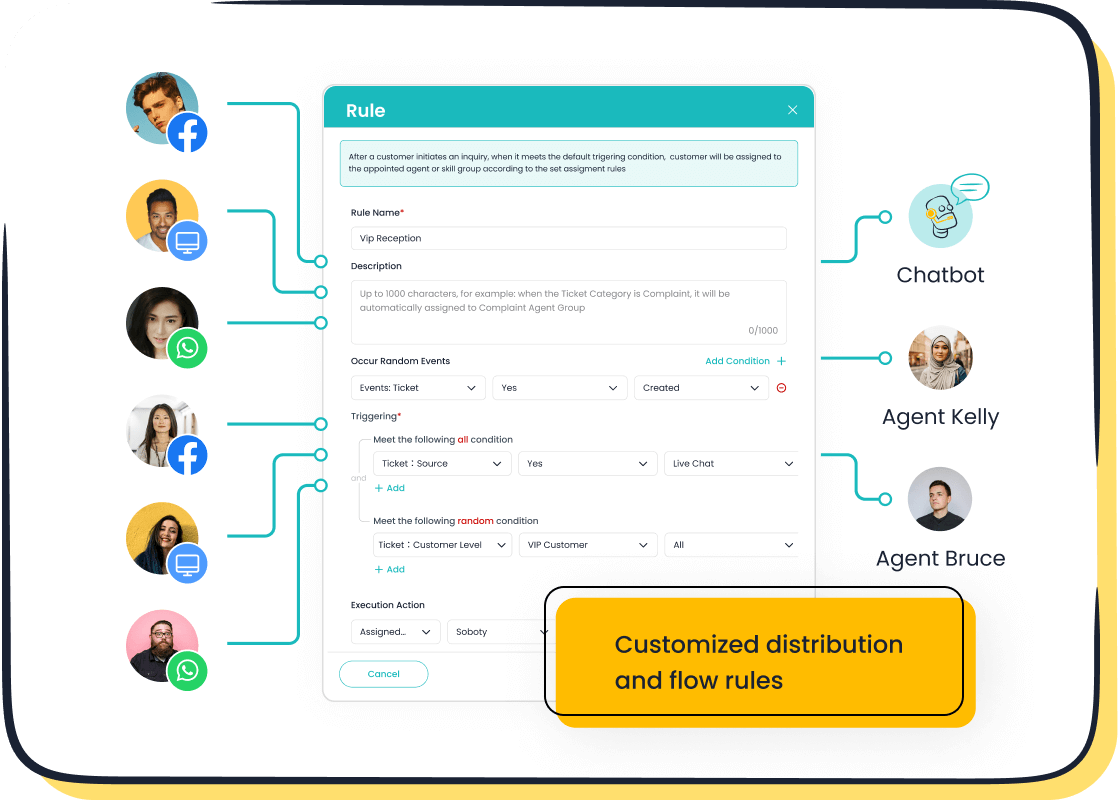
For example, Sobot's Live Chat uses AI to handle high support demand across multiple channels, ensuring no customer query goes unanswered. By automating tedious processes, you can reduce hold times and improve customer satisfaction. AI-driven efficiency not only enhances productivity but also allows your agents to deliver a more personalized experience when it matters most.
Examples of successful AI-human collaboration, including Sobot's solutions
AI and human agents work best as a team. AI tools like chatbots quickly address common inquiries, while human agents step in for more nuanced conversations. Predictive analytics helps your team anticipate customer needs, improving service quality. For instance, Sobot's Live Chat routes calls to the most suitable agents and provides them with relevant information before the conversation begins. This seamless collaboration fosters trust and ensures faster resolutions.
By combining AI's speed with human intelligence, you can create a customer service experience that feels both efficient and personal.
Enhancing Agent Efficiency with AI Insights
Providing agents with real-time data and recommendations
AI tools analyze vast amounts of data in real time, uncovering patterns and trends that manual methods often miss. These insights empower your agents to make informed decisions quickly. Real-time performance metrics also allow you to monitor agent effectiveness and provide timely support when needed. Predictive analysis forecasts potential challenges, helping you allocate resources efficiently.
Sobot's Live Chat equips your team with actionable insights, enabling them to deliver faster and more accurate responses. By integrating AI into your operations, you can enhance agent efficiency and improve overall customer satisfaction.
Case studies from companies like OPPO using Sobot's Live Chat
Companies like OPPO have successfully leveraged AI to transform their customer service. Facing high inquiry volumes during peak shopping periods, OPPO implemented Sobot's chatbot and Live Chat solutions. The results were remarkable: an 83% chatbot resolution rate, a 94% positive feedback rate, and a 57% increase in repurchase rates. By optimizing workflows and integrating AI-driven tools, OPPO improved both efficiency and customer satisfaction.
These results demonstrate how AI insights can revolutionize your customer service strategy, helping you achieve measurable success.
Ethical Considerations in AI-Powered Customer Support
Privacy and Data Security
Ensuring customer data is protected in AI systems
When using AI in customer service, protecting customer data is non-negotiable. Customers trust you with their personal information, and it’s your responsibility to safeguard it. Transparency is key. You must clearly explain how data is collected, stored, and used. For example, let customers know what data is included in AI models and how biases are being addressed. This builds trust and reassures customers that their privacy is a priority.
To ensure robust data security, adopt best practices like encrypting sensitive information and implementing role-based access controls. Techniques such as differential privacy can further enhance protection by anonymizing data while maintaining its utility. By prioritizing these measures, you can meet customer expectations and maintain their confidence in your AI-powered systems.
Best practices for ethical AI implementation
Ethical AI implementation starts with securing your systems. Follow these steps to ensure data security:
- Validate data rigorously to prevent data poisoning.
- Use adversarial training to resist attacks.
- Encrypt AI models and secure APIs to protect intellectual property.
- Monitor resource usage to detect anomalies.
- Establish clear accountability frameworks for AI decision-making.
By adopting these practices, you can create AI-powered systems that are both secure and ethical.
Transparency and Accountability
Building trust through clear communication about AI usage
Trust begins with transparency. You need to communicate openly about how AI systems operate. Explain how decisions are made, what data is used, and how biases are mitigated. For instance, Sobot’s Live Chat ensures transparency by providing clear insights into how customer data is processed and stored. Regular assessments to eliminate biases further enhance trust.
Continuous dialogue with stakeholders is equally important. Keep customers informed about AI’s role and limitations. This proactive approach not only builds trust but also sets realistic customer expectations.
Addressing concerns about AI decision-making
AI decision-making often raises concerns about fairness and accountability. Algorithms can sometimes produce biased outcomes or inconclusive results. To address this, ensure your AI systems are explainable. Provide clear information about how algorithms are trained and decisions are reached.
Accountability is another critical factor. Assign responsibility for AI-driven actions to specific teams or individuals. This ensures that any issues can be resolved quickly and fairly, maintaining customer trust in your AI-powered systems.
Addressing Job Displacement Concerns
Reskilling and upskilling the workforce
AI adoption doesn’t mean replacing human agents—it means empowering them. By reskilling and upskilling your workforce, you can prepare them for new roles that complement AI. Start by conducting a skills audit to identify gaps. Offer training programs and access to learning resources to help employees adapt.
For example, Sobot’s AI tools handle repetitive tasks, allowing agents to focus on complex issues. This creates opportunities for employees to develop expertise in areas like customer relationship management and emotional intelligence. By investing in your team, you can ensure a smooth transition to AI-powered customer service.
The importance of human oversight in AI systems
Human oversight is essential to maintain fairness and trust in AI systems. While AI excels at handling data-driven tasks, it lacks emotional intelligence and struggles with ambiguity. Human agents bring empathy and creativity to customer interactions, ensuring a balanced approach.
AI should enhance human capabilities, not replace them. For instance, Sobot’s Live Chat integrates AI to assist agents with real-time insights, enabling them to provide personalized support. This collaboration ensures that your customer service remains both efficient and human-centric.
AI-powered customer support tools are reshaping how you deliver exceptional customer experiences. Tools like Sobot's Live Chat enhance efficiency, scalability, and personalization, ensuring your business stays competitive. These solutions don’t replace human agents but empower them to focus on complex, high-value tasks. By integrating AI responsibly, you can build trust, protect privacy, and foster innovation.
To succeed, prioritize fairness, transparency, and accountability. Regularly monitor AI systems, engage diverse stakeholders, and adapt to evolving regulations. This approach ensures your customer support tools align with ethical standards while driving growth. With AI, you can meet customer expectations today and prepare for the challenges of tomorrow.
FAQ
What are AI-powered customer support tools?
AI-powered customer support tools use artificial intelligence to automate and enhance customer service. These tools, like Sobot Live Chat, handle repetitive tasks, provide instant responses, and personalize interactions. They improve efficiency and customer satisfaction by offering 24/7 availability and data-driven insights.
How can AI-powered tools improve customer satisfaction?
AI tools deliver instant responses, personalized experiences, and multilingual support. For example, Sobot Live Chat uses AI to analyze customer data and provide tailored solutions. This approach reduces wait times and ensures customers feel valued, boosting satisfaction and loyalty.
Are AI-powered tools suitable for small businesses?
Yes! AI-powered customer support tools scale to fit businesses of all sizes. Sobot Live Chat offers a free trial, making it accessible for small businesses to test its features. Its omnichannel support and automation save time and resources, helping you grow efficiently.
Can AI-powered tools replace human agents?
No, they complement human agents. AI handles repetitive tasks, freeing agents to focus on complex issues. For instance, Sobot Live Chat automates FAQs while routing nuanced queries to agents. This collaboration ensures efficiency without losing the human touch.
How does Sobot Live Chat support global businesses?
Sobot Live Chat offers auto-translation for seamless multilingual communication. It supports platforms like WhatsApp, Facebook, and Instagram, enabling global reach. With AI-powered tools, you can engage customers worldwide, breaking language barriers and expanding your market.
See Also
Enhancing Efficiency With AI-Driven Customer Service Solutions
Transforming Support Through AI Customer Service Agents
Best 10 AI Solutions for Enterprise Contact Centers

