A Comprehensive Guide to Agent Scheduling Best Practices

Efficient agent scheduling plays a pivotal role in modern customer service. It ensures that businesses meet customer demands while maintaining employee satisfaction. Research shows that 79% of employees consider their schedules a key factor in deciding whether to stay with an employer. This highlights how fair scheduling can reduce attrition and boost morale. On the customer side, poor interactions drive 60% of customers to abandon a brand after one or two negative experiences. Tools like Sobot's Live Chat help businesses optimize schedules, ensuring faster response times and consistent service quality, which enhances customer satisfaction and loyalty.
Understanding Agent Scheduling in Customer Service
What Is Agent Scheduling?
Agent scheduling refers to the process of planning and organizing work shifts for customer service agents to ensure optimal performance. It involves assigning the right number of agents to handle customer inquiries based on demand patterns. Effective agent scheduling is a cornerstone of call center workforce management, as it ensures that customer needs are met without overburdening employees. For example, using tools like Sobot Live Chat can streamline scheduling by providing real-time data and analytics, enabling you to make informed decisions.
The Importance of Agent Scheduling in Call Centers
In call centers, agent scheduling directly impacts both operational efficiency and customer satisfaction. Without proper scheduling, you may face challenges like long wait times, frustrated customers, and overworked agents. Poor call center scheduling can also lead to inconsistent service quality, which affects your brand reputation. By implementing robust workforce management strategies, you can align staffing levels with customer demand, reduce idle time, and control costs. For instance, forecasting customer inquiry volumes helps you anticipate demand fluctuations and plan accordingly.
Key Objectives of Agent Scheduling
Ensuring Optimal Coverage
One of the primary goals of agent scheduling is to ensure that your contact center has adequate coverage at all times. This means having enough agents available to handle customer inquiries during peak hours while avoiding overstaffing during slower periods. Optimizing resource usage not only improves efficiency but also minimizes operational costs.
Balancing Workloads
Effective call center scheduling distributes workloads evenly among agents. This prevents burnout and ensures that no single agent is overwhelmed. For example, real-time team monitoring allows you to adjust schedules dynamically, ensuring a fair distribution of tasks.
Supporting Employee Well-being
Agent scheduling also plays a crucial role in promoting employee well-being. Flexible schedules that consider agents' preferences and skills can boost morale and job satisfaction. Open dialogue with agents about their needs fosters a positive work environment, ultimately enhancing performance and retention.
Benefits of Effective Agent Scheduling
Enhancing Call Center Workforce Management
Reducing Overstaffing and Understaffing
Effective agent scheduling ensures your call center aligns staffing levels with fluctuating demand patterns. This prevents overstaffing, which increases labor costs, and underutilization, which leads to idle time. For example, agile scheduling practices allow you to adapt to unforeseen disruptions, ensuring uninterrupted service delivery. High agent utilization reduces operational costs while maximizing productivity. By leveraging tools like Sobot Live Chat, you can use real-time data to forecast demand and adjust schedules dynamically. This approach helps maintain operational efficiency and ensures your workforce is fully engaged.
Streamlining Resource Allocation
Optimizing resource allocation is a key benefit of effective agent scheduling. By aligning staffing with demand, you minimize idle time and control labor costs. For instance, accurate scheduling ensures agents are available during peak hours while avoiding overstaffing during slower periods. A study revealed that businesses using advanced scheduling tools saw a 5.1% increase in productivity and a 3.3% rise in sales. Sobot Live Chat’s built-in analytics evaluates over 150 indicators, enabling data-driven decisions to allocate resources efficiently. This ensures your contact center operates smoothly, even during high-demand periods.
Boosting Employee Satisfaction
Fair and Flexible Scheduling
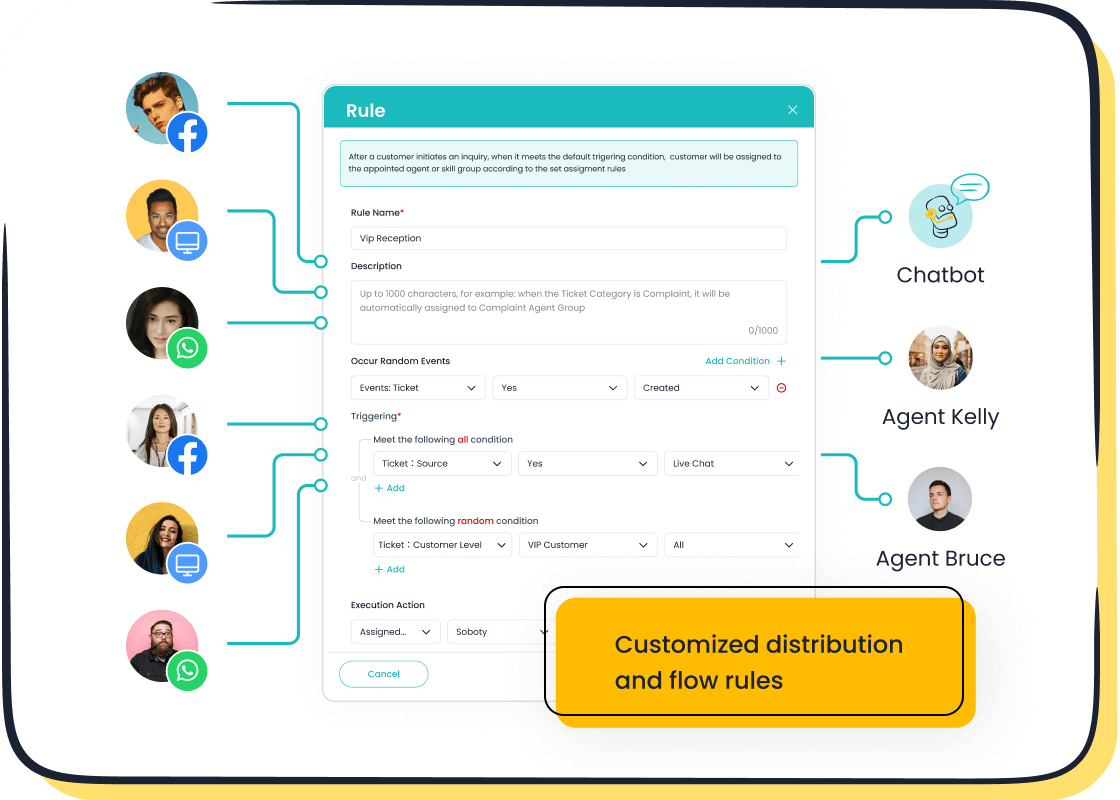
Fair scheduling practices significantly enhance employee morale. When shifts are distributed evenly, agents feel valued and less likely to experience burnout. According to a Shiftboard survey, 80% of employees appreciate having input in their schedules. Allowing agents to swap shifts or set preferences fosters a sense of control and fairness. Sobot Live Chat supports this by offering intelligent assignment features that match agents to tasks based on their skills and availability. This approach reduces workplace tension and improves retention rates.
Promoting Work-Life Balance
Work-life balance is crucial for employee satisfaction. Agents who feel their personal and professional lives are in harmony are more likely to stay loyal to your organization. Poor balance often leads to stress and burnout, prompting employees to seek other opportunities. Flexible scheduling that considers individual needs helps prevent these issues. For example, Sobot Live Chat’s unified workspace simplifies task management, allowing agents to focus on their roles without feeling overwhelmed. This promotes a healthier work environment and boosts overall productivity.
Improving Customer Experience
Faster Response Times
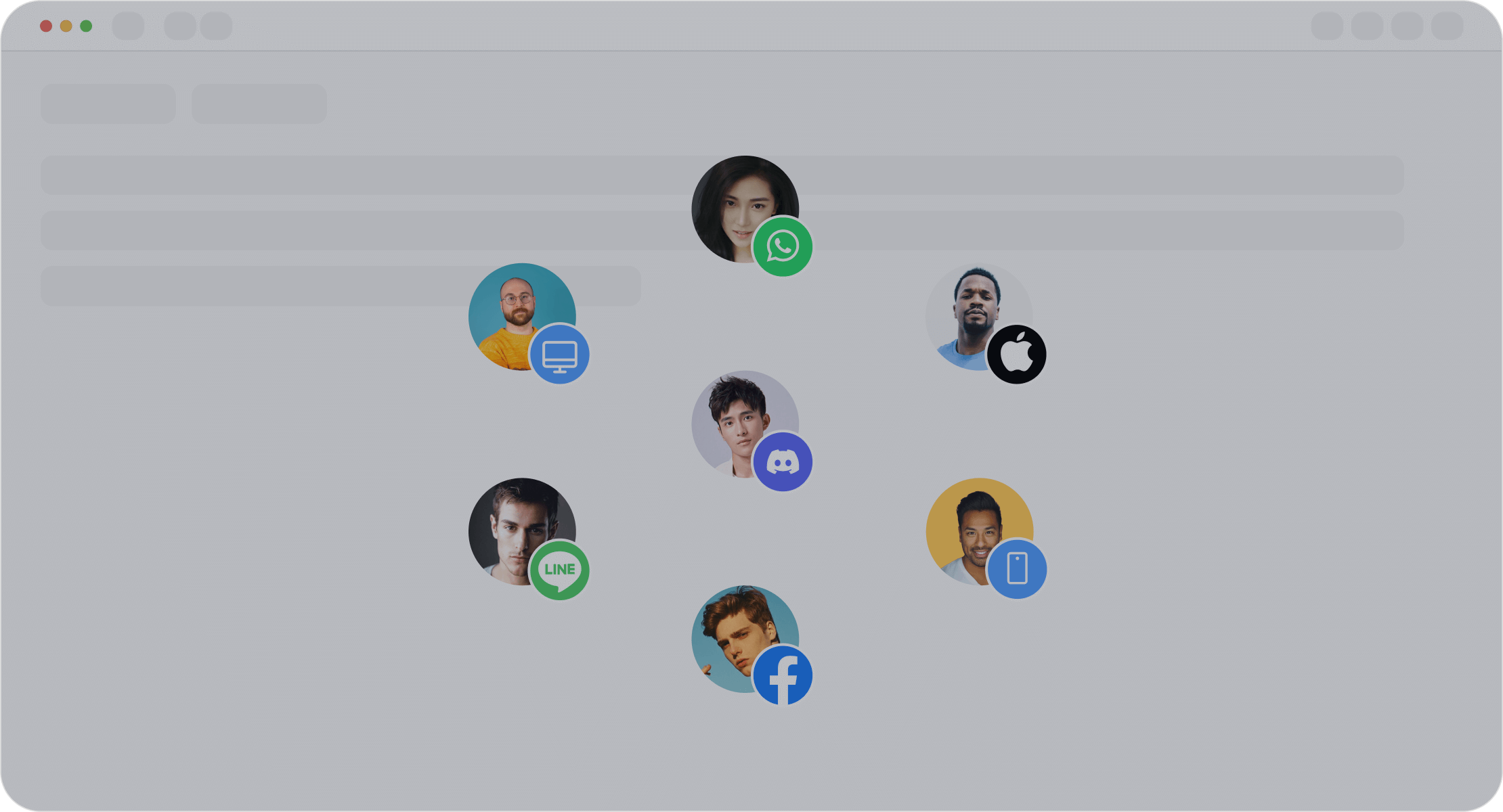
Quick response times are essential for customer satisfaction. A study by the CMO Council found that fast responses are the most significant factor in creating positive customer experiences. Effective agent scheduling ensures the right number of agents are available at peak times, reducing wait times and enhancing resolution rates. Sobot Live Chat’s omnichannel support allows agents to respond promptly across platforms like WhatsApp, Facebook, and Instagram. This demonstrates your commitment to valuing customers’ time, fostering loyalty and trust.
Consistent Service Quality
Consistent service quality builds customer trust and loyalty. Proper agent scheduling ensures agents are assigned tasks that match their expertise, leading to better interactions. Thoughtful scheduling also prevents overburdening agents, which can compromise service quality. For example, Sobot Live Chat’s AI-assisted tools help agents manage conversations efficiently, ensuring customers receive timely and accurate responses. This approach reduces the risk of negative experiences, as 60% of customers abandon a brand after one or two poor interactions. By prioritizing consistency, you enhance your brand reputation and customer satisfaction.
Best Practices for Agent Scheduling in 2025
Embracing Flexibility in Scheduling
Allowing Shift Swaps and Preferences
Flexible scheduling options are essential for effective agent scheduling. Allowing agents to swap shifts or set preferences enhances their engagement and satisfaction. This approach aligns with emerging trends in 2025, where prioritizing agent well-being is key to workforce optimization. For example, when agents can adjust their schedules, they feel more in control, which reduces stress and improves performance. Flexible scheduling also leaves room for unforeseen events, such as sudden call volume spikes or unexpected absences, ensuring uninterrupted service. Tools like Sobot Live Chat can support this by offering intelligent assignment features that match agents to tasks based on their availability and skills.
Implementing Remote Work Options
Remote work has become a cornerstone of modern call center workforce management. By offering remote work options, you can attract a broader talent pool and improve agent satisfaction. This strategy also helps you adapt to fluctuating demand, as remote agents can quickly step in during high-demand periods. For instance, Sobot Live Chat’s omnichannel support allows agents to manage customer interactions seamlessly from any location, ensuring consistent service quality. Incorporating remote work into your scheduling practices not only boosts agent engagement but also maximizes contact center efficiency.
Leveraging Skill-Based Scheduling
Matching Agents to Tasks Based on Expertise
Skill-based scheduling is a critical component of effective agent scheduling. Assigning tasks based on agents’ expertise ensures faster resolution times and higher customer satisfaction. For example, agents skilled in handling technical queries can focus on those, while others manage general inquiries. This approach optimizes your workforce and enhances service quality. Sobot Live Chat’s intelligent routing system simplifies this process by directing customers to the most suitable agents, ensuring efficient task allocation.
Addressing Multichannel Support Needs
Modern contact centers must handle interactions across multiple platforms, including social media, live chat, and phone calls. Skill-based scheduling helps you address these multichannel support needs effectively. By aligning agents’ skills with specific channels, you can ensure consistent service quality. For instance, Sobot Live Chat supports platforms like WhatsApp and Facebook, enabling agents to provide seamless assistance across channels. This strategy not only improves customer experience but also enhances call center scheduling efficiency.
Monitoring and Adjusting Schedules Regularly

Using Real-Time Data for Adjustments
Real-time data plays a vital role in forecasting and scheduling. By monitoring call volumes and agent performance, you can make immediate adjustments to schedules. This ensures optimal coverage during peak hours and prevents overstaffing during slower periods. Sobot Live Chat’s built-in analytics evaluates over 150 indicators, providing actionable insights for real-time schedule optimization. This approach helps you maintain operational efficiency and adapt to sudden changes in demand.
Incorporating Feedback from Agents
Agent feedback is invaluable for improving call center scheduling practices. Regularly gathering input from your team allows you to identify pain points and implement changes that enhance their experience. For example, agents may suggest adjustments to shift timings or highlight challenges with current scheduling tools. Incorporating their feedback fosters a collaborative environment and improves agent engagement. This aligns with the best practices for agent scheduling in 2025, where flexibility and employee satisfaction are prioritized.
Utilizing Advanced Scheduling Tools
AI-Powered Forecasting
AI-powered forecasting transforms agent scheduling by predicting customer demand with precision. These tools analyze historical data, seasonal trends, and real-time metrics to forecast call volumes. For example, during holiday seasons, AI can predict spikes in customer inquiries, allowing you to prepare your contact center in advance. This ensures optimal staffing levels, reducing the risk of overstaffing or underutilization. By leveraging AI, you can align your call center workforce management strategies with actual demand, improving efficiency and customer satisfaction. Sobot Live Chat’s built-in analytics evaluates over 150 indicators, offering actionable insights to refine your scheduling practices. This approach ensures your call center operates smoothly, even during unpredictable periods.
Automation for Repetitive Tasks
Automation simplifies repetitive scheduling tasks, saving time and reducing errors. Advanced tools can automatically assign shifts, manage time-off requests, and adjust schedules based on real-time data. This eliminates manual errors and ensures compliance with labor laws. For instance, automated systems can reassign agents during unexpected absences, maintaining uninterrupted service. Features like intelligent assignment in Sobot Live Chat streamline task allocation, ensuring agents focus on their strengths. Automation not only enhances call center scheduling but also boosts agent satisfaction by reducing administrative burdens.
Integrating Sobot Live Chat for Seamless Scheduling
Unified Workspace for Agent Efficiency
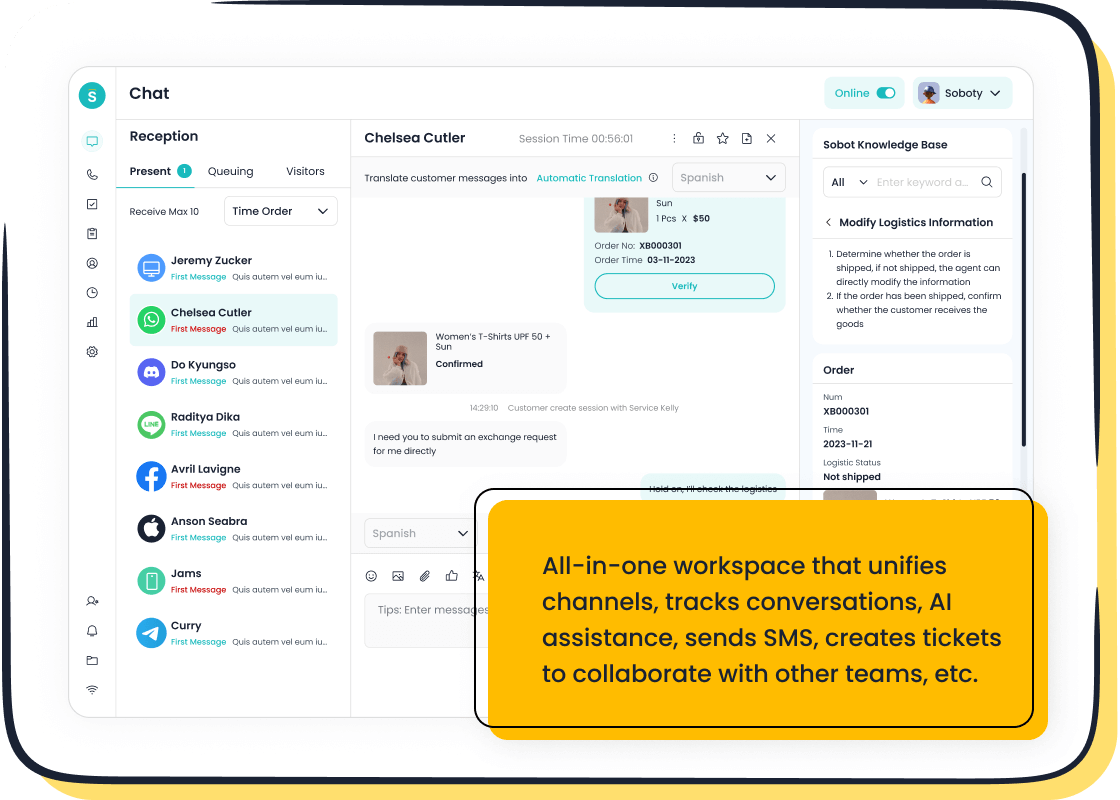
Sobot Live Chat provides a unified workspace that centralizes all customer interactions. This feature allows agents to manage inquiries from multiple channels, such as WhatsApp, Facebook, and Instagram, without switching platforms. By consolidating tasks, agents can work more efficiently, reducing response times and improving service quality. For example, Agilent, a leader in life sciences, achieved a sixfold increase in efficiency by integrating Sobot’s omnichannel tools. This unified approach supports effective agent scheduling by ensuring agents have the resources they need to perform at their best.
Built-In Analytics for Data-Driven Decisions
Data-driven decisions are essential for effective agent scheduling. Sobot Live Chat’s built-in analytics evaluates key performance indicators, such as response times and customer satisfaction scores. These insights help you identify trends and adjust schedules proactively. For instance, if analytics reveal a surge in inquiries during specific hours, you can allocate more agents to handle the demand. This ensures your contact center maintains consistent service quality. By using data to guide your call center workforce management strategies, you can optimize resources and enhance both employee and customer experiences.
Overcoming Challenges in Agent Scheduling
Managing Unpredictable Customer Demand

Unpredictable customer demand can disrupt your call center operations, leading to understaffing or overstaffing. This challenge often arises due to seasonal trends, marketing campaigns, or unforeseen events. To address this, you can rely on real-time analytics and forecasting tools. These tools analyze historical data and current trends to predict call volumes accurately. For instance, during holiday seasons, forecasting helps you prepare for spikes in inquiries by adjusting staffing levels in advance.
Using real-time management systems like Sobot Live Chat ensures you can adapt quickly to sudden changes. Its built-in analytics evaluates over 150 indicators, providing actionable insights to optimize schedules. By leveraging these tools, you can maintain consistent service quality and avoid the pitfalls of fluctuating demand. Open communication with agents also plays a vital role. Understanding their preferences allows you to create flexible schedules that accommodate unexpected surges in customer inquiries.
Preventing Agent Burnout
Agent burnout is a common issue in call centers, often caused by uneven workloads and rigid schedules. To prevent this, you should prioritize fair workload distribution. Assigning tasks based on agents’ skills and availability ensures no one feels overwhelmed. For example, Sobot Live Chat’s intelligent assignment feature matches agents to tasks they excel at, boosting engagement and reducing stress.
Monitoring agent performance and well-being is equally important. Real-time data can help you identify signs of burnout, such as declining productivity or increased absenteeism. Adjusting schedules proactively based on these insights fosters a healthier work environment. Incorporating flexibility into your call center workforce management strategy also supports work-life balance. Allowing agents to swap shifts or set preferences enhances their satisfaction and reduces turnover rates.
Handling Last-Minute Changes
Last-minute changes, such as unexpected absences or sudden demand spikes, can disrupt your contact center operations. Flexible policies and tools are essential for managing these situations effectively. Real-time updates enable you to adapt schedules instantly, ensuring uninterrupted service. For example, Sobot Live Chat’s unified workspace allows agents to handle inquiries seamlessly, even during unforeseen disruptions.
Mobile workforce management tools also enhance adaptability. Agents can access updated schedules directly from their devices, allowing managers to make immediate adjustments. Automated solutions further streamline this process by reallocating tasks in real time. These strategies ensure your contact center remains efficient and responsive, even when faced with unexpected challenges.
Recommended Tools and Technologies for Agent Scheduling
AI-Driven Scheduling Software
Features to Look For
AI-driven scheduling software has revolutionized how call centers manage their workforce. These tools use predictive analytics to forecast demand and optimize schedules. When choosing a solution, look for features like automated scheduling, real-time updates, and employee self-service options. For example, Shifton offers mobile access and forecasting capabilities, which reduce errors and save managers time. Convin, another popular tool, provides real-time optimization and agent performance tracking, ensuring dynamic adjustments to schedules. These features not only improve forecasting accuracy but also enhance agent satisfaction by minimizing manual interventions.
| Software Name | Key Features | Benefits |
|---|---|---|
| Shifton | Automated Scheduling, Employee Self-Service, Forecasting, Mobile Access | Reduces errors, saves manager time, enhances communication |
| Convin | Predictive analytics, Real-time optimization, Shift automation, Integration | Allocates resources effectively, adjusts schedules dynamically |
Workforce Management Systems for Call Centers
Integration with CRM and Other Platforms
Workforce management systems are essential for streamlining operations in call centers. These systems integrate with CRM platforms to provide a unified view of customer interactions and agent performance. Key features to look for include staff forecasting, time tracking, and real-time team management. For example, integrating these systems with tools like Sobot Live Chat allows agents to access customer data seamlessly, improving service quality. Reporting and analytics capabilities also enable managers to monitor performance and make data-driven decisions. This integration ensures your call center operates efficiently while maintaining high service standards.
Real-Time Analytics Tools
Benefits for Demand Forecasting
Real-time analytics tools play a crucial role in demand forecasting. These tools analyze variables like seasonality, weather, and historical data to predict call volumes accurately. Predictive analytics models also account for future events, such as holidays, to anticipate demand spikes. Machine learning algorithms identify hidden patterns in large datasets, enabling precise forecasts. For example, demand sensing software can help you prepare for cyclical trends, ensuring optimal staffing levels. By using real-time analytics, you can proactively adjust schedules, reduce overstaffing by 30%, and improve customer satisfaction.
Tip: Combining real-time analytics with AI-driven tools like Sobot Live Chat ensures your call center remains agile and responsive to demand fluctuations.
Sobot Live Chat for Enhanced Scheduling
Omnichannel Support for Customer Interactions
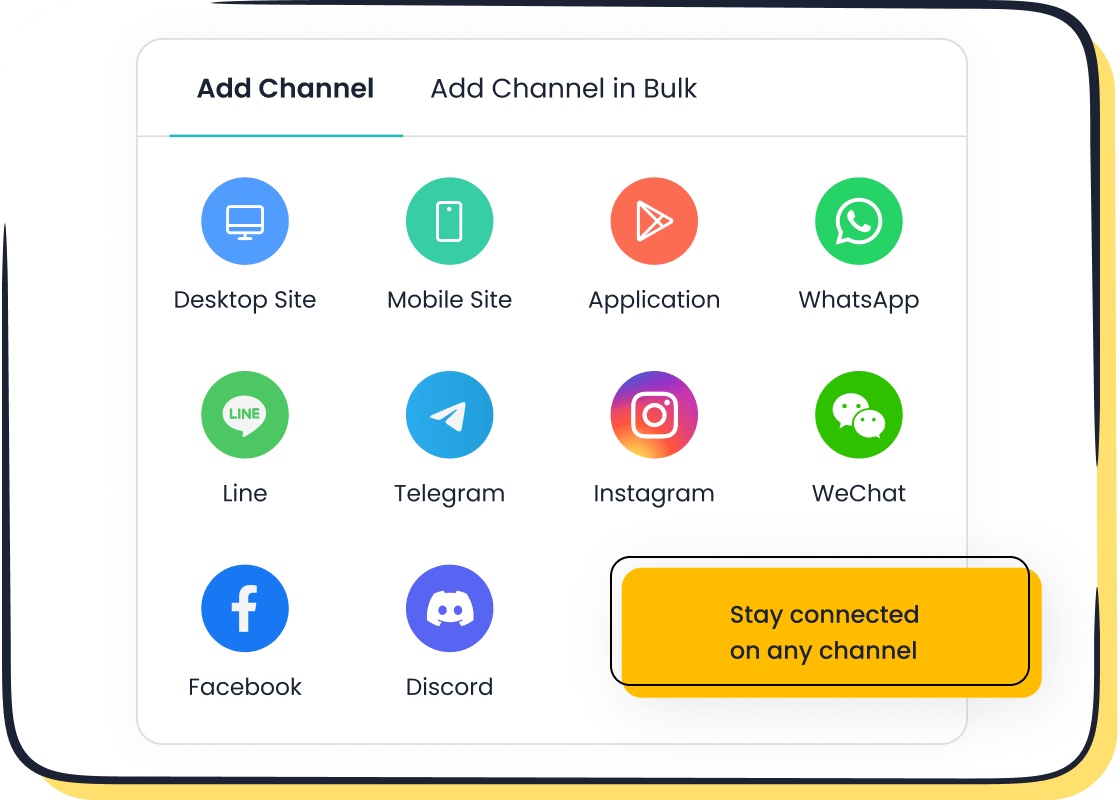
Sobot Live Chat simplifies customer interactions by offering omnichannel support. This feature allows you to manage conversations across platforms like WhatsApp, Facebook, Instagram, and Telegram from a single workspace. By unifying these channels, you can streamline your workforce management and ensure agents handle inquiries efficiently. For example, if your team receives a surge in messages during a promotional campaign, Sobot Live Chat ensures no customer is left waiting.
This centralized approach reduces the need for agents to switch between platforms, saving time and improving response rates. Agilent, a leader in life sciences, experienced a sixfold increase in efficiency after integrating Sobot’s omnichannel tools. This demonstrates how a unified system can enhance both agent productivity and customer satisfaction. With built-in analytics, you can monitor channel performance and adjust schedules to meet demand effectively.
AI-Assisted Tools for Efficiency
Sobot Live Chat’s AI-assisted tools take scheduling to the next level. These tools analyze real-time data to predict customer demand and optimize agent allocation. For instance, during peak hours, the system can automatically assign tasks to agents with the right skills, ensuring faster resolutions. This reduces the risk of overstaffing or underutilization, which are common challenges in workforce management.
The platform’s analytics evaluate over 150 indicators, providing actionable insights to refine your scheduling practices. By using these insights, you can identify trends, such as high inquiry volumes during specific times, and adjust staffing levels proactively. This data-driven approach not only improves operational efficiency but also enhances the customer experience. With Sobot Live Chat, you can ensure your team is always prepared to deliver exceptional service.
Effective agent scheduling is essential for optimizing customer service operations. It enhances efficiency, reduces costs, and improves employee satisfaction by balancing workloads and incorporating flexibility. By adopting best practices, such as skill-based scheduling and real-time adjustments, you can ensure faster response times and consistent service quality. Tools like Sobot Live Chat simplify this process with AI-powered analytics and omnichannel support. These strategies not only prepare your business for future growth but also foster customer loyalty by delivering exceptional experiences. Start implementing these methods today to transform your operations.
FAQ
What is the best way to handle last-minute schedule changes?
Using tools like Sobot Live Chat helps you manage last-minute changes effectively. Its real-time updates and intelligent assignment features allow you to reallocate tasks instantly. For example, if an agent calls out sick, the system can automatically adjust schedules to maintain seamless operations.
Tip: Always keep a pool of backup agents for emergencies.
How can agent scheduling improve customer satisfaction?
Agent scheduling ensures the right number of agents are available during peak hours. This reduces wait times and improves service quality. For instance, Sobot Live Chat’s omnichannel support allows agents to respond quickly across platforms, enhancing customer experiences and fostering loyalty.
Why is skill-based scheduling important?
Skill-based scheduling matches agents to tasks they excel at, ensuring faster resolutions and better customer interactions. For example, Sobot Live Chat’s intelligent routing assigns technical queries to skilled agents, improving efficiency. This approach also prevents mismatches that could lead to poor service quality.
How does Sobot Live Chat support remote agent scheduling?
Sobot Live Chat enables remote agents to manage customer interactions seamlessly. Its unified workspace and omnichannel support allow agents to work from any location. This flexibility improves agent satisfaction and ensures consistent service quality, even during high-demand periods.
What role does real-time data play in agent scheduling?
Real-time data helps you forecast demand and adjust schedules proactively. Sobot Live Chat’s built-in analytics evaluates over 150 indicators, providing actionable insights. For example, if data shows a spike in inquiries, you can allocate more agents to handle the increased workload efficiently.
Note: Data-driven decisions reduce overstaffing and underutilization, saving costs.
See Also
Effective Strategies for Managing Live Chat Representatives
Understanding Quality Management Systems in Call Centers
The Efficiency of Automation in Call Center Operations

